
Q&A: As Thailand Bets on EVs, What Will Happen to the Spent Batteries?
Thailand is accelerating its electric‑vehicle agenda, with Chinese automakers like BYD opening a 150,000‑vehicle plant and the government targeting 30 % zero‑emission vehicle production by 2030. The rapid rollout will generate roughly 200,000 tonnes of spent EV batteries by 2033 and 2.5 million tonnes by 2043, exposing a regulatory vacuum and environmental hazards. Officials are drafting a Waste Electrical and Electronic Equipment Act and considering Extended Producer Responsibility to shift end‑of‑life costs to manufacturers. Regional cooperation is being urged to pool resources and build shared recycling facilities.

Southeast Asia’s Data Centres Should Be Sited in More Water-Rich Areas: Experts
Southeast Asian water experts and policymakers are urging data‑centre developers to locate new facilities in water‑rich regions such as East Kalimantan’s Mahakam River basin, Malaysia’s Perak and Pahang, and other low‑stress areas. Current clusters around Jakarta, Johor and Batam consume...
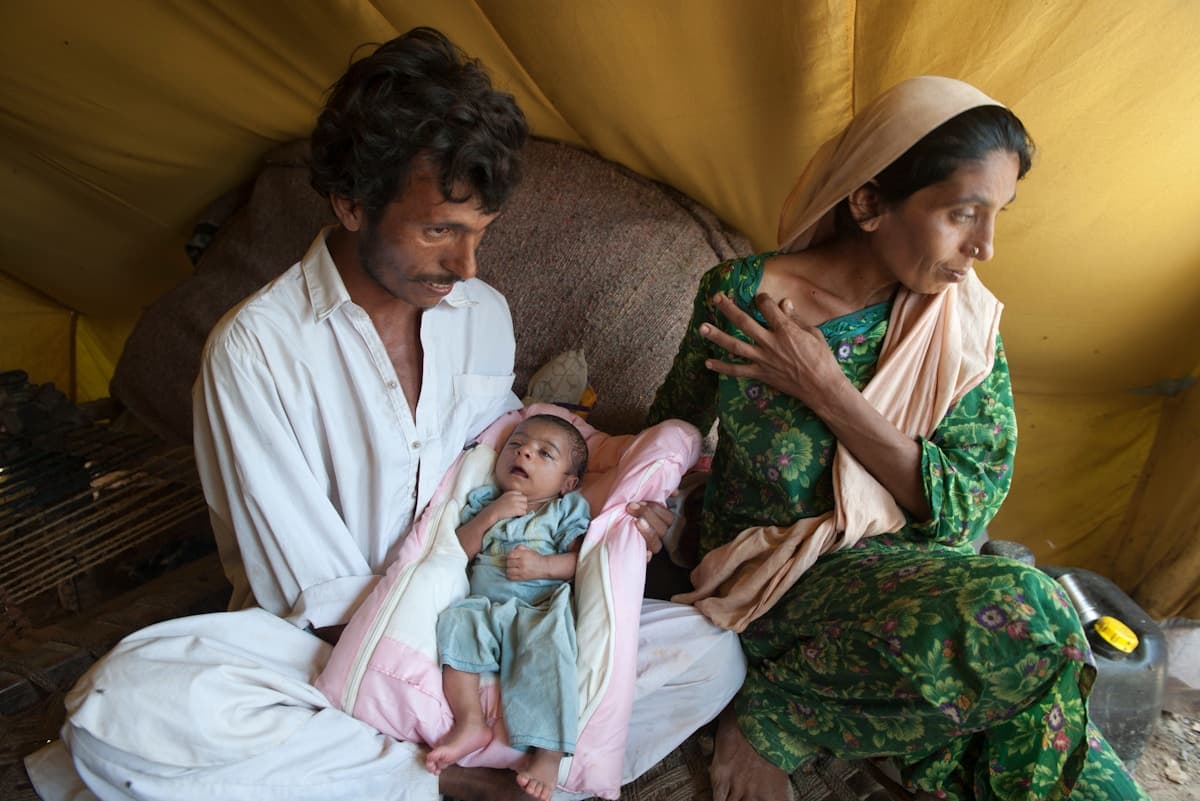
‘My Body Feels Like Lead’: Heat Is Making Pregnancy a Nightmare in Karachi
Pregnant women in Karachi are facing severe health threats as summer temperatures regularly top 40 °C with humidity over 70 %. Power outages lasting up to 12 hours leave slum dwellers without fans or air conditioning, intensifying dehydration, urinary‑tract infections, and heat‑related...
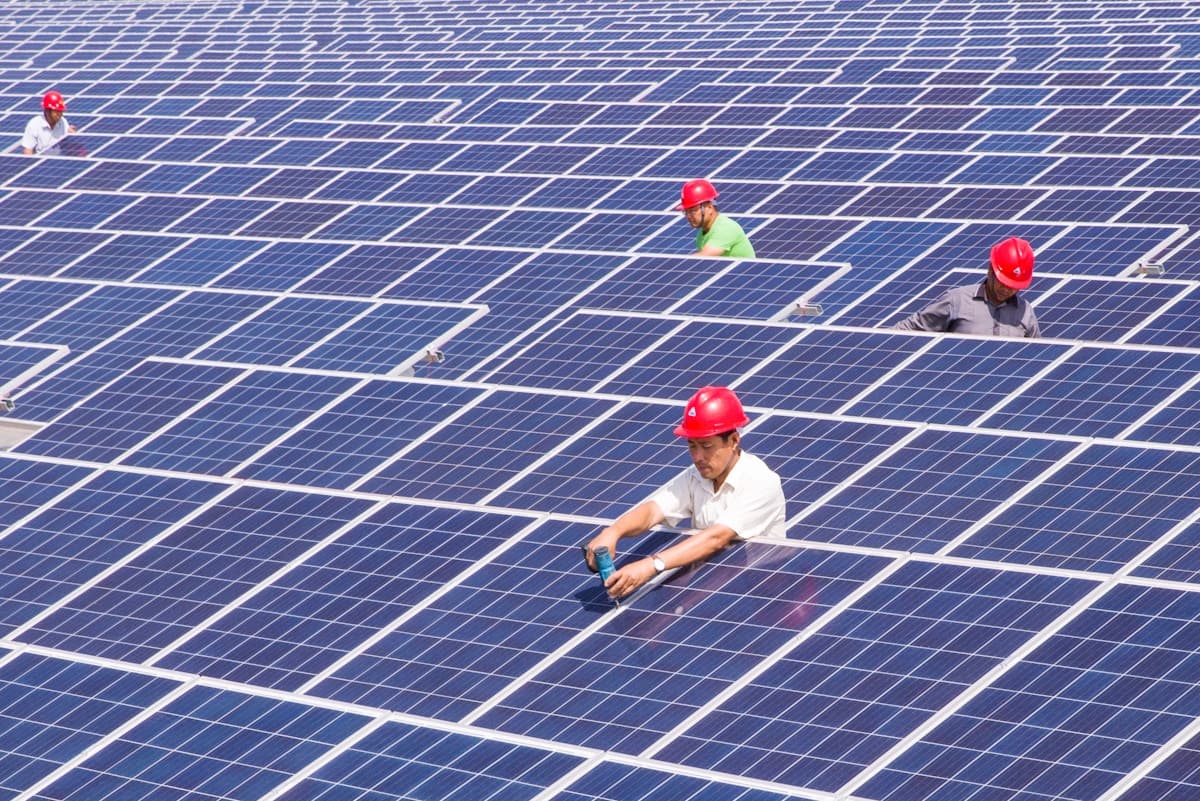
China Remains Resilient in the Face of Middle East Conflict, Says ADB Economist
China’s vast oil reserves and booming clean‑energy exports are cushioning its economy from the fallout of the Middle East conflict, according to Asian Development Bank senior economist Yothin Jinjarak. The country holds 1.2‑1.5 billion barrels of strategic oil stockpiles, enough for...
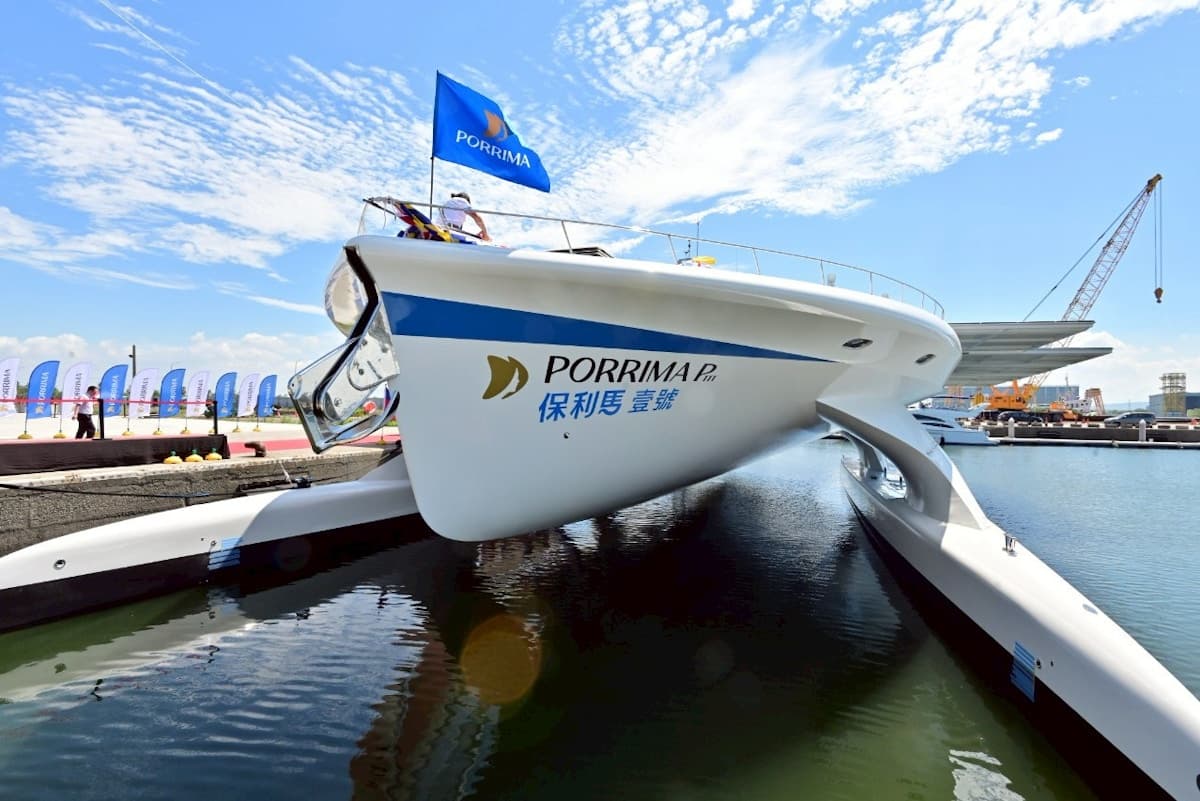
Taiwan to Deploy Zero-Emissions Vessel to Palau in Climate Diplomacy Push
Taiwan will deploy the zero‑emissions vessel Porrima to Palau, showcasing a domestically built platform that blends solar panels, hydrogen‑from‑seawater generation, high‑altitude wind turbines and AI to power low‑carbon tourism. The ship is a flagship of Taipei’s “Prosperity Diplomacy” program, which...
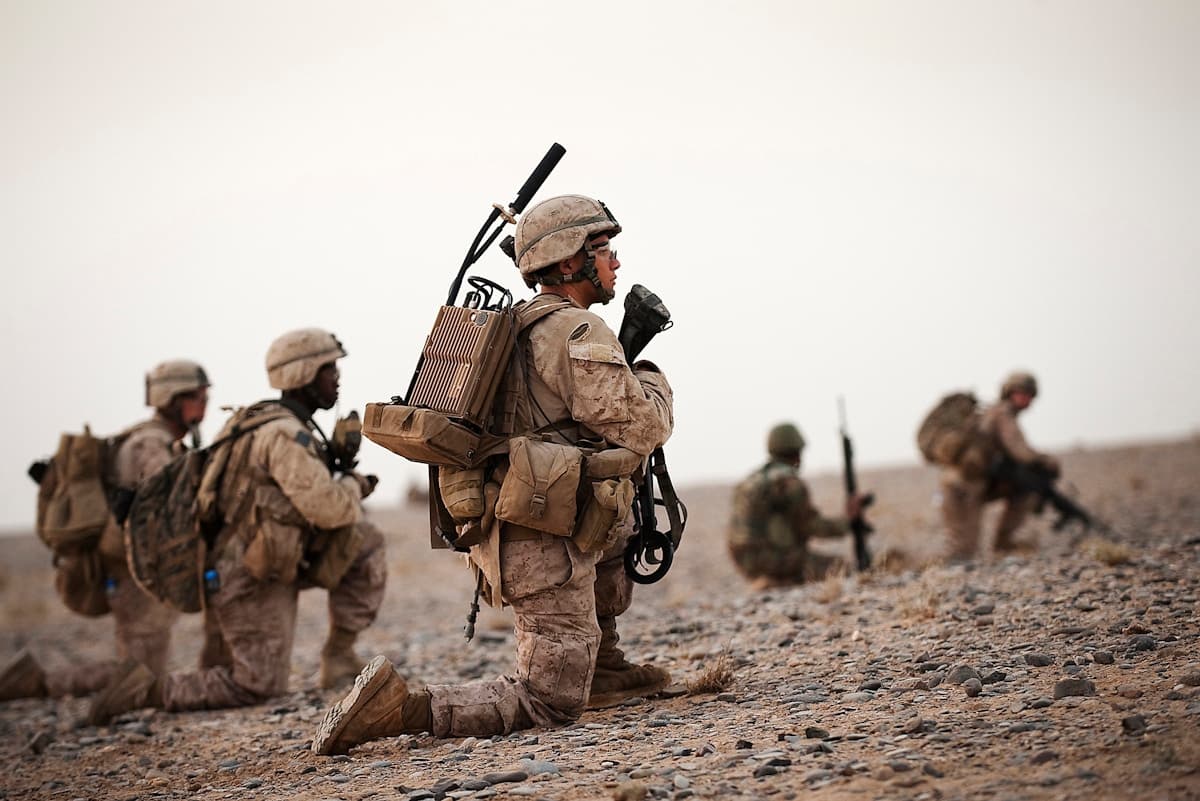
Q&A: ‘If You Are in the Business of Peace, You Must Talk to Those Who Are at War’
Argentina has officially nominated IAEA Director General Rafael Grossi to succeed António Guterres as UN secretary‑general for the 2027‑2031 term. Over the past six years Grossi has overseen IAEA inspections in Iran, brokered six cease‑fire agreements at the Zaporizhzhia nuclear plant, and...
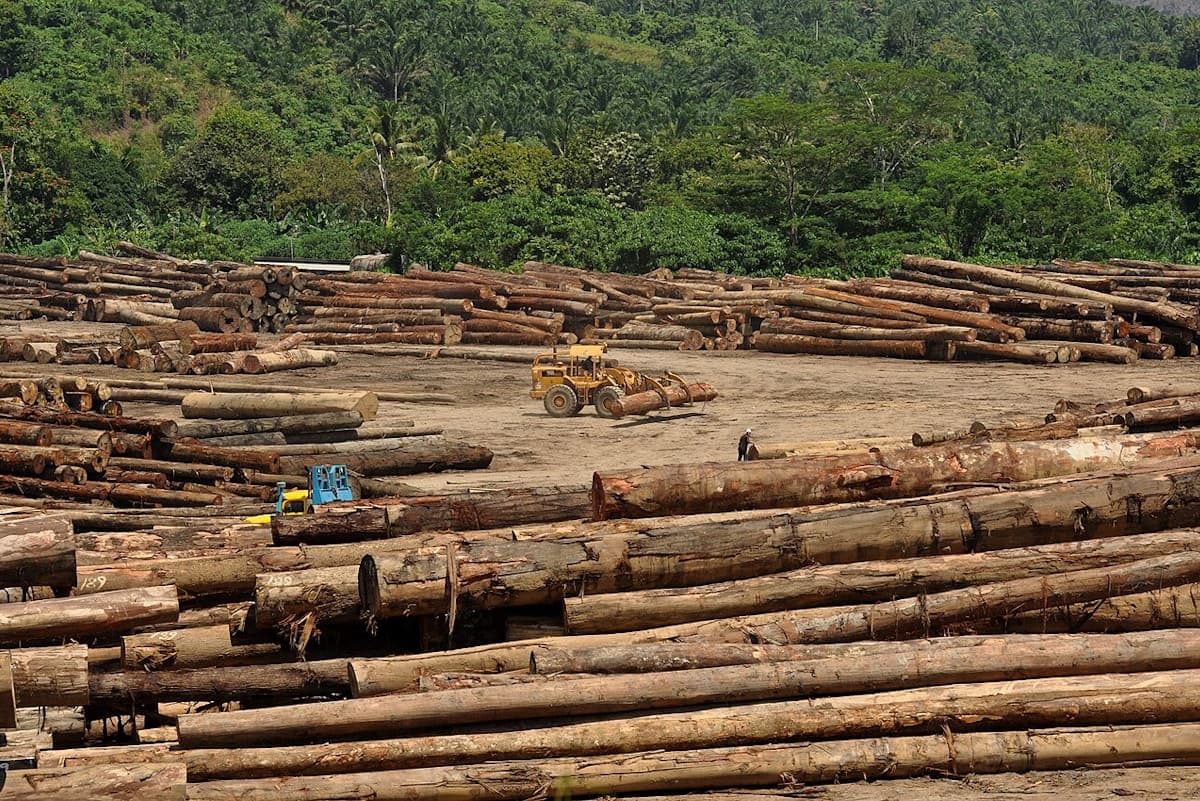
Malaysian Youths File Climate Lawsuit Against Government for Failure to Act on Deforestation
Six Malaysian youths filed a judicial review in the Kuala Lumpur High Court demanding the government halt deforestation and maintain at least 50 percent forest cover, a pledge first made at the 1992 Rio Summit. They cite a new report showing...

Singapore Company Signs Deals with Indonesian Firms to Scale Biofuel Production
Singapore‑based Aligned Energy has signed two MOUs with Indonesian partners PT Beon Parama Energi and PT Cipta Jagat Lestari to launch large‑scale sweet sorghum plantations on former bauxite mines in Bintan. The plan targets roughly 2,000 ha of degraded land and...

Deep-Sea Mining Rules Stall Despite Mounting Urgency
Commercial deep‑sea mining is poised to begin, but the International Seabed Authority (ISA) still lacks a finalized mining code to govern extraction. ISA Secretary‑General Leticia Carvalho urged completion of the rules by year‑end, yet the March meeting ended without a...

Temasek Trust's C3H Leads $1.2M Funding for Singaporean Healthtech Firm Injewelme
Temasek Trust’s Catalytic Capital for Climate and Health (C3H) led a US$1.2 million funding round for Singapore‑based health‑tech firm injewelme. The capital will accelerate deployment of the company’s DeepHealthVision (DHV) platform, which uses remote photoplethysmography and predictive AI to capture more...
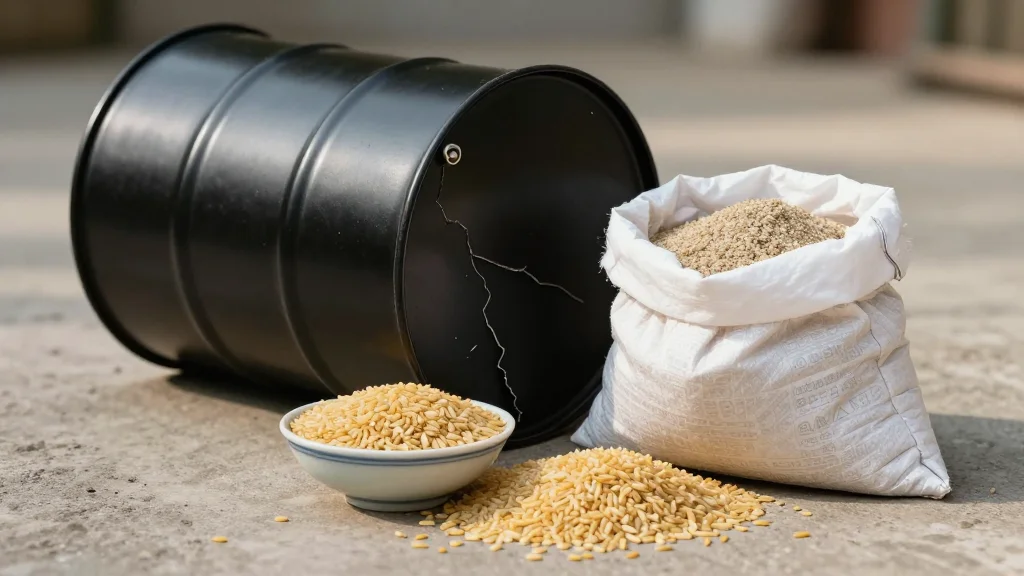
Chokepoint in the Gulf: What the US-Israeli War on Iran Means for Southeast Asia’s Food Security
The US‑Israel war on Iran has choked Gulf energy and fertilizer supply chains, locking up roughly 20‑30% of global oil and LNG and a third of traded fertilizers. Prices for nitrogenous fertilizers have surged over 50% since the start of...
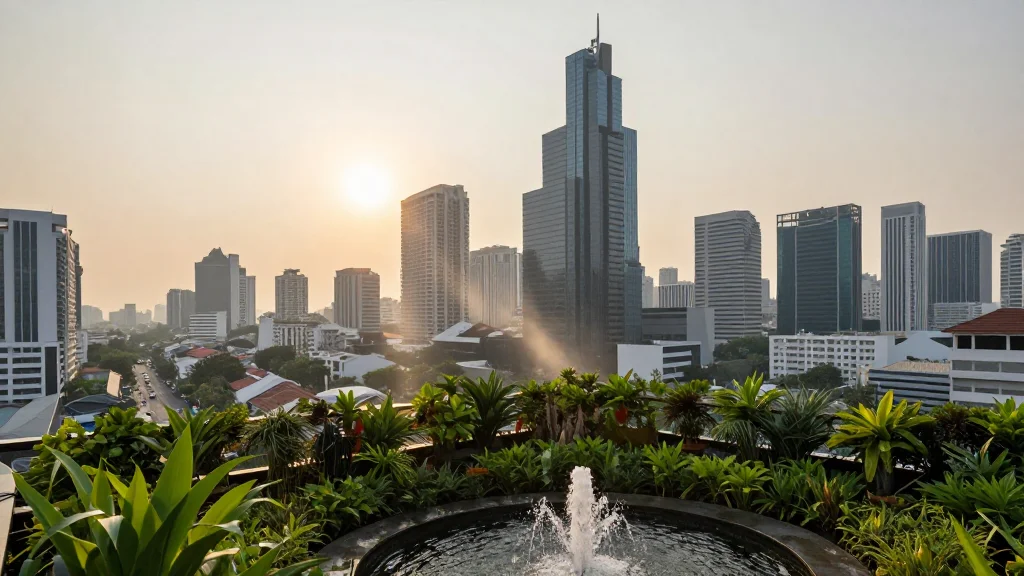
Bangkok Poised to Become Southeast Asia’s Hottest City by 2050, New Study Warns
A new ASEAN Centre for Energy study projects that by 2050 Bangkok will become Southeast Asia’s hottest city, with average temperatures reaching 38.1 °C and up to 120 days a year above 35 °C. The research shows similar extreme‑heat trends across the...

Can China’s Carmakers Drive Momentum Towards Greener Steel?
Chinese automakers and major steelmakers signed a voluntary joint declaration in Shanghai to accelerate the adoption of low‑carbon steel, echoing China’s 15th Five‑Year Plan emphasis on cutting emissions in key sectors. The agreement aims to define standards for "low‑carbon" steel,...
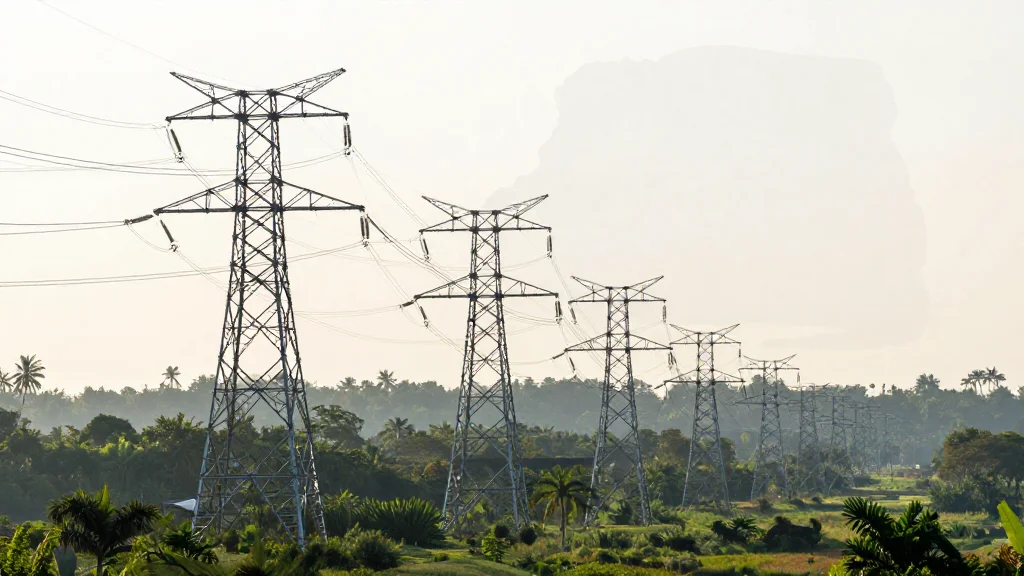
ADB Unveils US$25 Million Fund to Advance Asean Power Grid
The Asian Development Bank has launched a US$25 million Regional Connectivity Fund to accelerate cross‑border power grid projects across ASEAN. Backed by Australia, Canada, the EU, Germany and the UK, the facility will de‑risk early‑stage studies, design work and transaction structuring...

Worsening Air in Sri Lanka Blamed on Transboundary Pollution
Sri Lanka is experiencing a sharp rise in air‑pollution levels, with PM2.5 concentrations reaching 150 µg/m³ in several districts and real‑time readings of 82 µg/m³ in Badulla and 52 µg/m³ in Kotte. The National Building Research Organization and the Central Environmental Authority attribute...
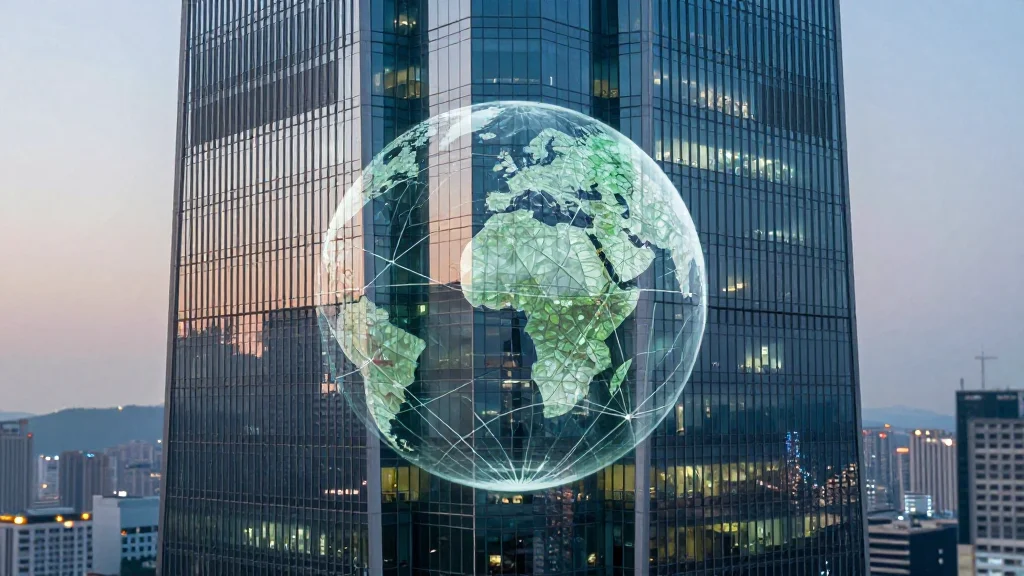
South Korea Faces Pressure to Accelerate and Expand ESG Disclosure Rules
South Korea’s Financial Services Commission plans mandatory ESG disclosures starting in 2028 for KOSPI firms with assets over KRW 30 trillion, covering roughly 58 companies. The National Pension Service and the ruling Democratic Party have pressed for an earlier rollout, lower asset...

Pacific Islands Resist Trump’s Push to Mine Their Ocean
The Trump administration has accelerated a federal push to lease U.S. Pacific territories for deep‑sea mining of critical minerals such as nickel, cobalt, copper and manganese. The Northern Mariana Islands, Guam and American Samoa face proposals that could disturb seamount...

Asean Private Sector Seeks Stronger AI Upskilling Amid Surge in Scams
The ASEAN private sector is urging faster AI upskilling for micro, small and medium enterprises after deep‑fake fraud surged 1,500 percent across Asia‑Pacific between 2022 and 2023. Vietnam and the Philippines recorded the sharpest spikes, exposing small merchants to sophisticated phishing,...

The Energy Transition Has Its Own Strait of Hormuz
Geopolitical risks are shifting from oil chokepoints like the Strait of Hormuz to the refining and processing of critical minerals needed for clean energy. By 2025, 34% of crude oil trade passes through Hormuz, but the concentration of mineral‑refining capacity—86%...

Asia Pacific a Bright Spot for Sustainable Finance in 2026: ING
ING’s Sustainable Finance Pulse report flags Asia Pacific as the 2026 bright spot for sustainable finance, after the region posted record‑high green bond and loan volumes in 2025. Growth was driven by financial institutions and corporates seeking practical, bankable financing for...
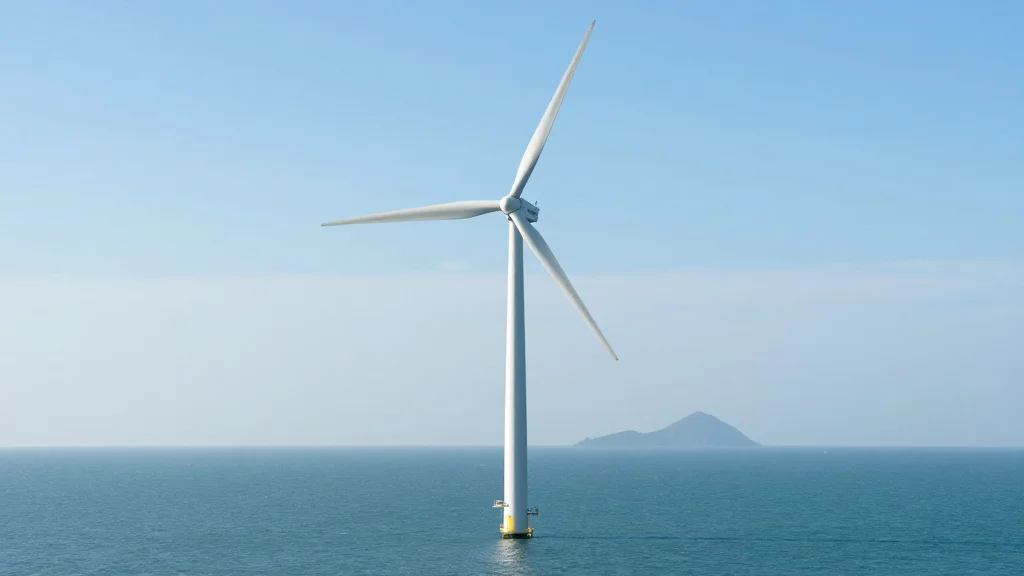
De-Risking Offshore Wind Could Put Philippines Ahead in Clean Energy Race: GWEC’s Ann Francisco
The Philippines is accelerating offshore wind development, leveraging a World Bank‑identified 178 GW technical potential and launching its first dedicated offshore wind auction, GEA‑5, which offers 3,300 MW of fixed‑bottom capacity. Over 90 service contracts covering roughly 68‑69 GW have already been awarded,...
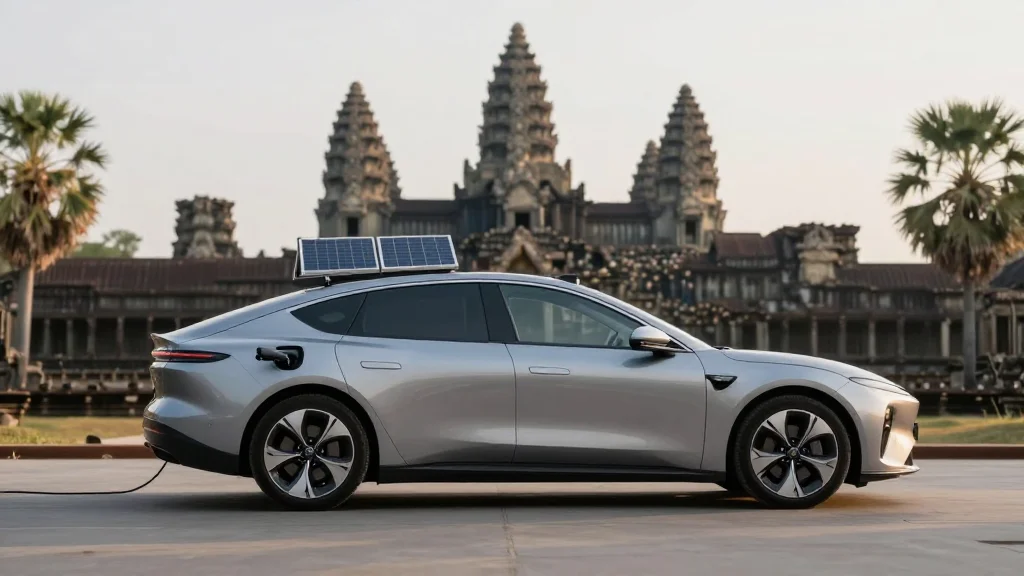
Cambodia Scraps EV Import Taxes, Citing Fuel Price Pressure
Cambodia eliminated import taxes on electric vehicles, batteries, solar lamps and related equipment on April 1, citing soaring fuel prices caused by the Middle East war. Tariffs that previously ranged from 7 % to 35 % were cut to zero, including a reduction...
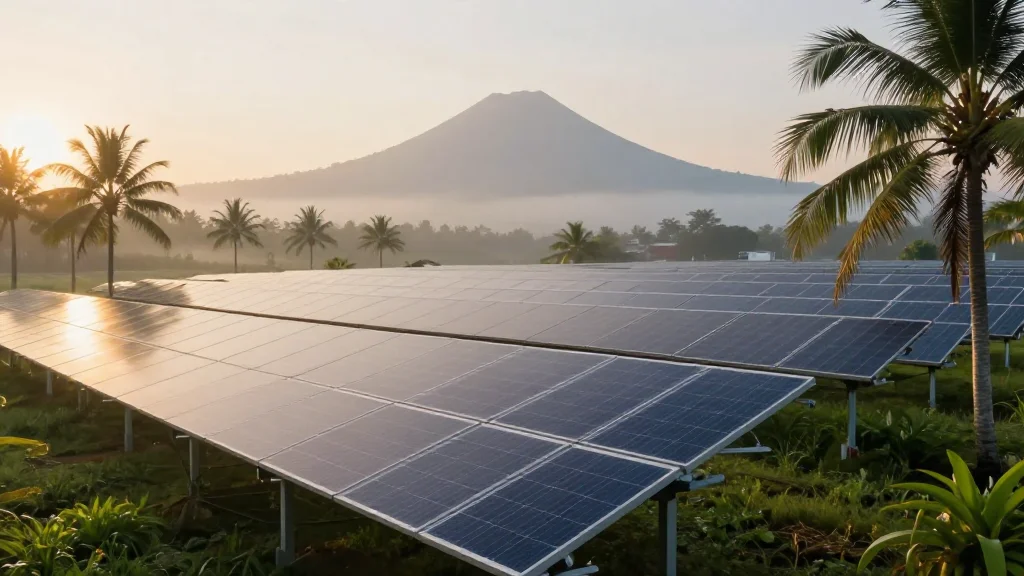
Global Energy Crisis Reinforces Indonesia’s 100 GW Solar Push, but Hurdles Persist
President Prabowo Subianto reaffirmed Indonesia’s ambition to add 100 GW of solar capacity within three years amid Middle‑East energy‑security concerns. Solar currently accounts for only 1.7 % of the power mix, while renewables total 16 % and coal 36 %. The rollout faces regulatory...

Iran Conflict Highlights Vietnam’s Energy Security and Foreign Policy Vulnerabilities
The Iran‑Israel war has shut the Strait of Hormuz, driving global oil and LNG prices to record highs and exposing Vietnam’s reliance on imported fuels. Since February, gasoline prices have jumped 50% and diesel 70%, prompting fuel shortages and longer...
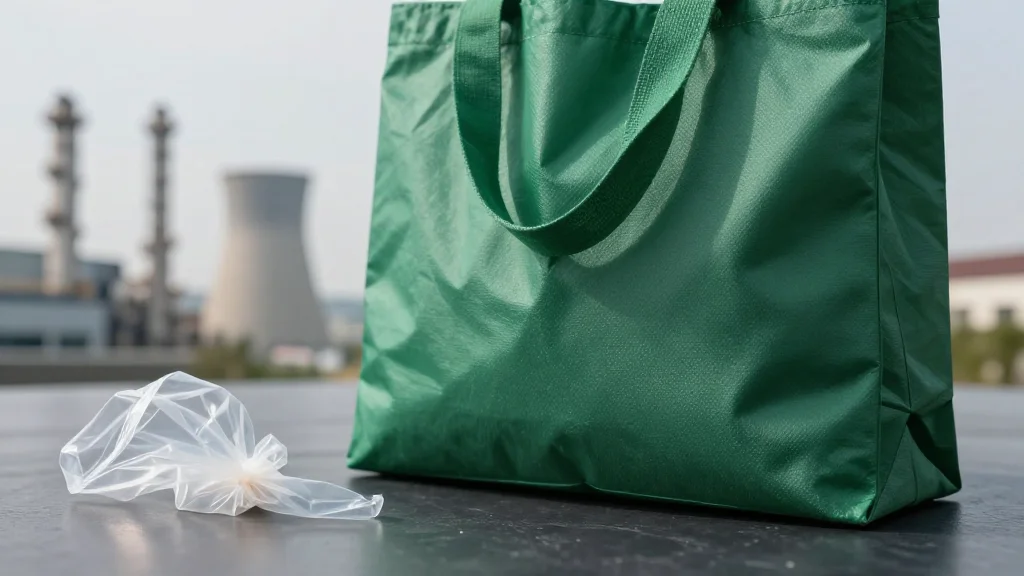
Taiwan Moves to Secure Plastic Supply, Expand Reuse Drive Amid Middle East-Linked Disruption
Taiwan is confronting a plastic‑bag shortage triggered by Middle East petrochemical disruptions by boosting ethylene output and restarting a naphtha cracker to 79,000 tonnes. The economy ministry coordinated with Formosa Petrochemical and state‑run CPC Corp to keep ethylene and propylene supplies...

Asia Demonstrates Least Transparency on AI Safeguards for Workers: Report
A new AICDI benchmark study finds only 7% of 1,279 Asian companies disclose any safeguards for workers against AI risks. This places Asia far behind Europe and North America, where a larger share of firms report oversight mechanisms and complaint...
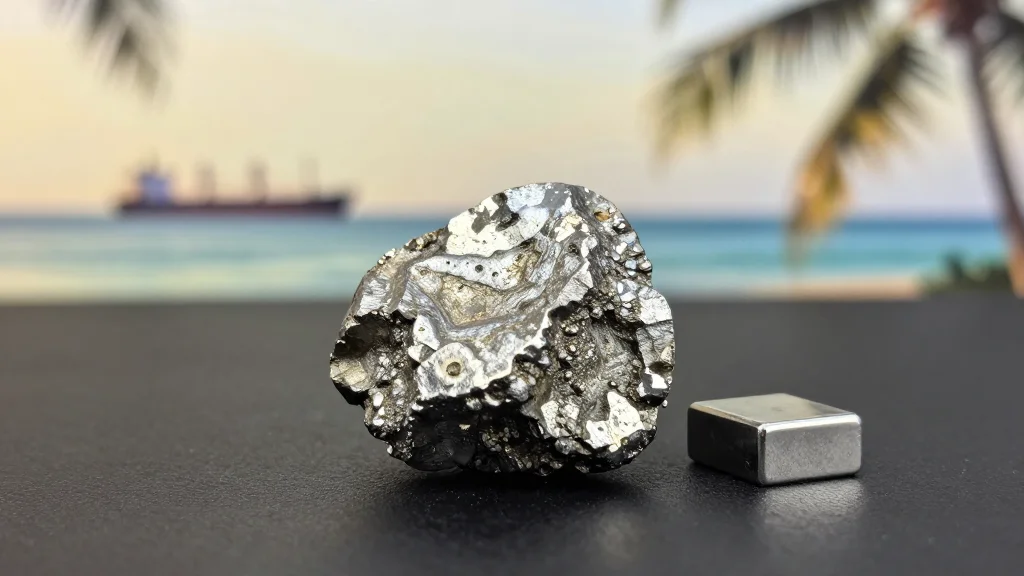
Critics Call US–Indonesia Trade Deal ‘Extractive Colonialism’ over Mining, Fossil Fuels
The United States and Indonesia signed a $33 billion Reciprocal Trade Agreement that promises expanded market access for U.S. firms and secures Indonesian supply of critical minerals such as nickel, cobalt and bauxite. Key provisions require Indonesia to treat U.S....
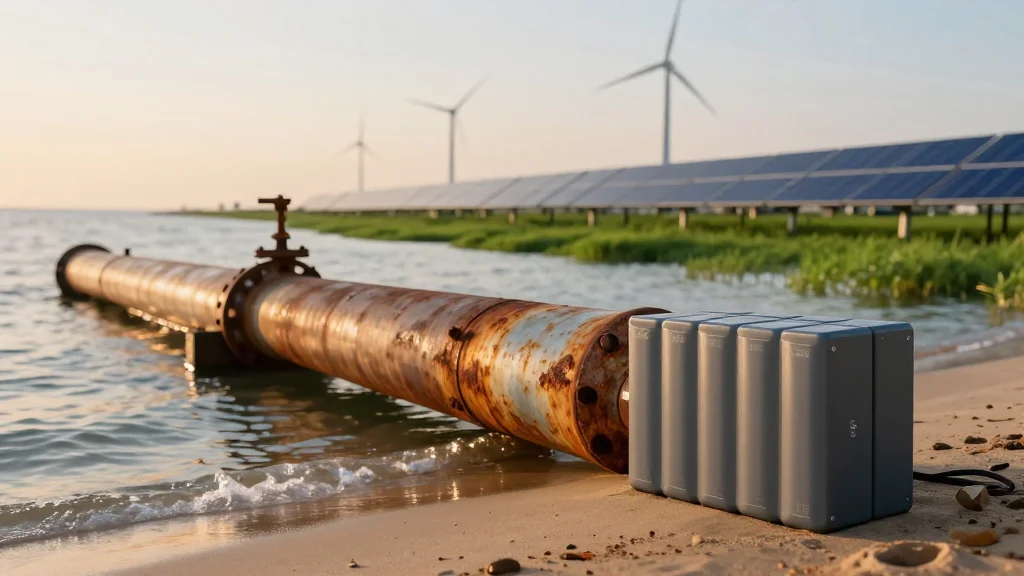
Renewables Shift Needed as Iran War Exposes Asia’s Fragile Energy Market: Experts
The Iran‑Ukraine war has choked oil and LNG flows through the Strait of Hormuz, prompting several South and Southeast Asian governments to temporarily revive coal plants to cover gas shortfalls. Climate advocates convened in Kuala Lumpur, adopting a declaration that...
Eight Global Climate Tech Start-Ups to Vie for S$4M in Funding at The Liveability Challenge 2026
Eight climate‑tech startups from six countries have been shortlisted for The Liveability Challenge 2026, the most competitive edition with over 1,500 entries. The finalists compete under Decarbonisation and Cool Earth themes, covering cooling, clean energy, carbon capture and textile recycling....
Securing Asean’s Food Resilience Amid the Middle East Conflict
The ongoing Middle East conflict threatens ASEAN’s food security by jeopardizing both fertilizer imports and the LNG supplies that power nitrogen‑based fertilizers. ASEAN relies on 82% of its fertilizer imports from outside the region, with Thailand, Cambodia and Myanmar especially...

Why National Security Is Reshaping the Energy Transition
The energy transition is being re‑framed around national security, replacing the classic trilemma of security, affordability and sustainability. Policymakers now prioritize resilience, diversification and controllability as the core pillars of energy policy. Supply chains for batteries, solar panels and critical...
Vietnam Proposes Environmental Fuel Tax Cuts Amid Middle East-Driven Oil Volatility
Vietnam's finance ministry has drafted a resolution to halve the environmental protection tax on gasoline and cut diesel levies by 50%, lowering rates to VND 1,000 per litre for petrol and VND 500 for diesel. The tax currently represents about 6.7% of...

Prices of Asia-Pacific's Fertilisers, Petrochemicals Set to Surge on Iran War: ADB
The Asian Development Bank warns that the Iran‑Israel conflict is driving sharp increases in fertilizer and petrochemical prices across the Asia‑Pacific. Methanol benchmark prices rose about 25% in two weeks, while urea and ammonia costs surged after Qatar’s QAFCO halted...
Iran’s Water Weapon Against the Gulf
The Persian Gulf, long known as an oil‑rich petrostates region, now depends heavily on desalination, supplying over 40 percent of the world’s desalinated water and up to 99 percent of domestic drinking water in some states. Iran has warned that any U.S....