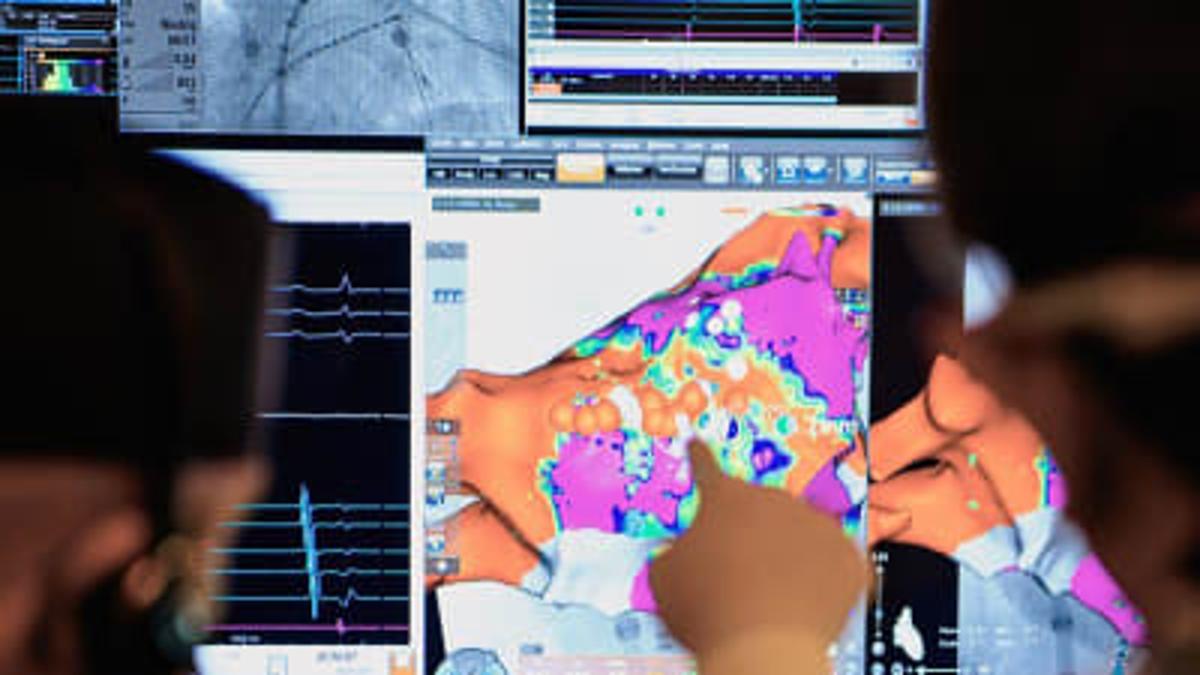
Bringing Digital Innovation From Lab to Life in Cardiology
BIOTRONIK, Charité – Universitätsmedizin Berlin, and the German Heart Center Foundation announced a research and innovation partnership to accelerate digital cardiology. The collaboration will combine BIOTRONIK’s AI, connected‑health, and implantable‑device expertise with Charité’s clinical cardiovascular program to develop AI‑driven tools and advanced simulation environments for device‑based therapies. Initial work will move from early‑stage ideas through joint development and contract research, and the partners will fund an endowed professorship in Digital and Translational Cardiology to train future specialists.
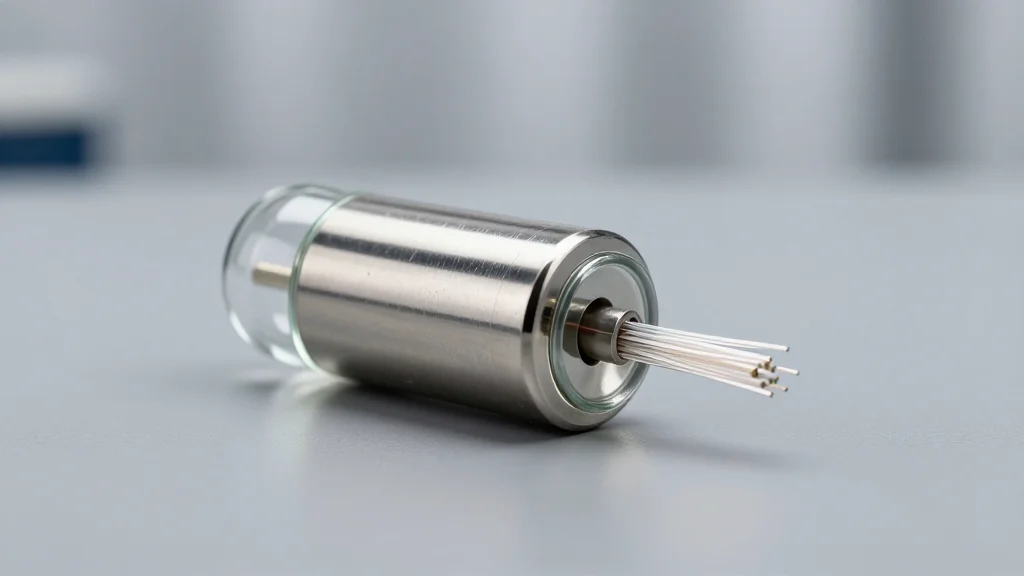
Precision in Practice: The Strategic Role of Contract Design & Manufacturing in Medical Device Innovation
Partnering with specialized contract design and manufacturing firms like Access Optics lets medical‑device companies boost operational efficiency, scale production quickly, and tap advanced micro‑optical expertise without heavy internal investment. The white paper highlights how outsourcing critical processes—especially glass‑to‑metal hermetic sealing...

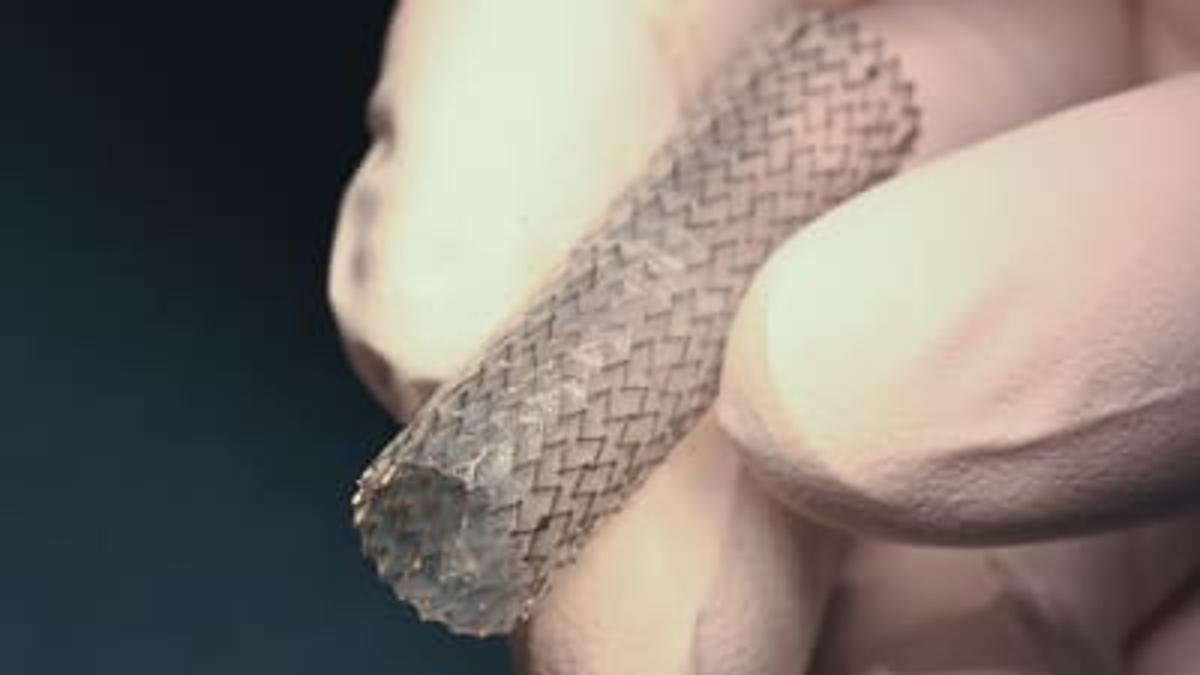
Technology
The article highlights the mechanical thrombectomy device, commonly known as a stent retriever, which received FDA approval in 2004 and has transformed treatment for ischemic strokes. By threading a catheter into blocked brain arteries, the device physically extracts clots, restoring...

Enlil Forms Strategic Alliance with OVA Solutions to Solve Medtech’s Costliest Documentation Problem
Enlil, an AI‑driven development traceability platform, has partnered with OVA Solutions to eliminate the costly documentation gap that adds $100,000‑$200,000 and up to six months of delay to medtech projects. The alliance embeds real‑time requirements, risk and change management into...

How Smart Implants and AI Robotics Could Transform Neurological Surgery
NeuFluent is pioneering smart neurological implants that continuously monitor brain signals and relay data to surgeons. The company pairs these implants with AI‑enhanced robotic platforms to boost precision during minimally invasive procedures. Dr. Sam Browd, co‑CEO and CMO, says the...
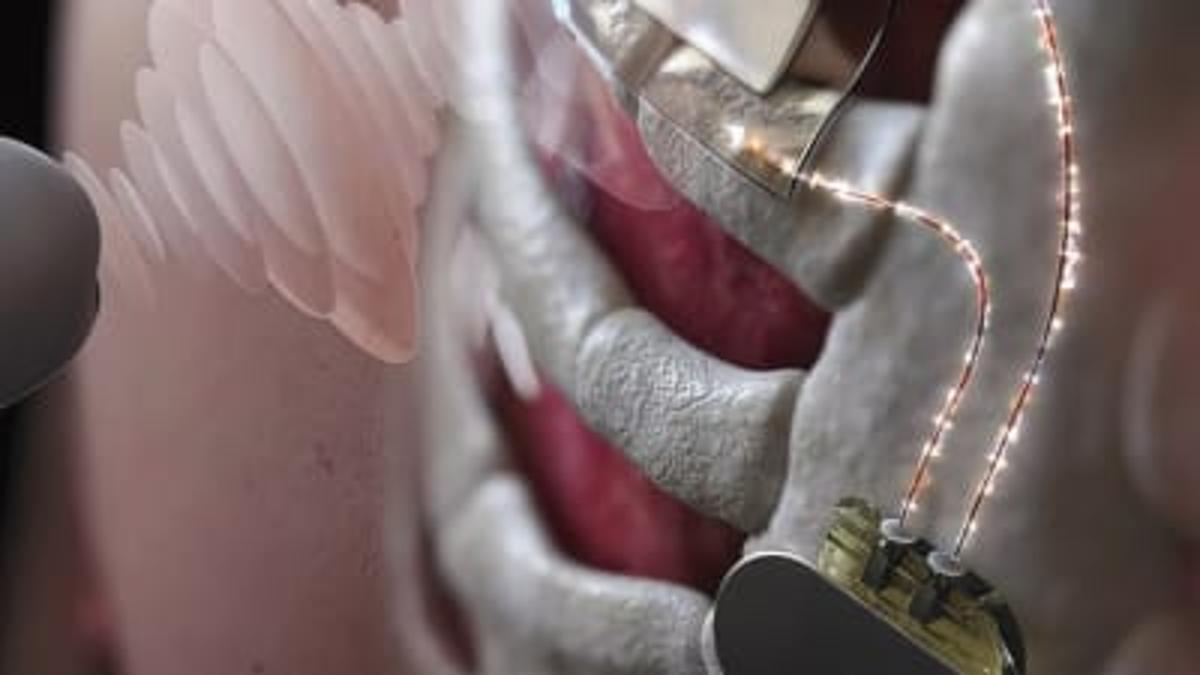
How Tissue-Based Approaches Are Enabling Long-Term Implants
A new class of medical devices that integrate directly with the body’s own tissue is emerging, promising longer functional lifespans and fewer replacement surgeries. John Schorgl, CEO of Peytant Solutions, explains how tissue‑based designs improve implant stability, promote natural healing,...
Ultrasound as a New Wireless Power Transfer Technology
A research team from Korea Institute of Science and Technology and Korea University has created a biocompatible ultrasonic receiver that can bend without losing performance. The device converts ultrasonic waves into electricity, delivering 20 mW at 3 cm underwater and 7 mW through...
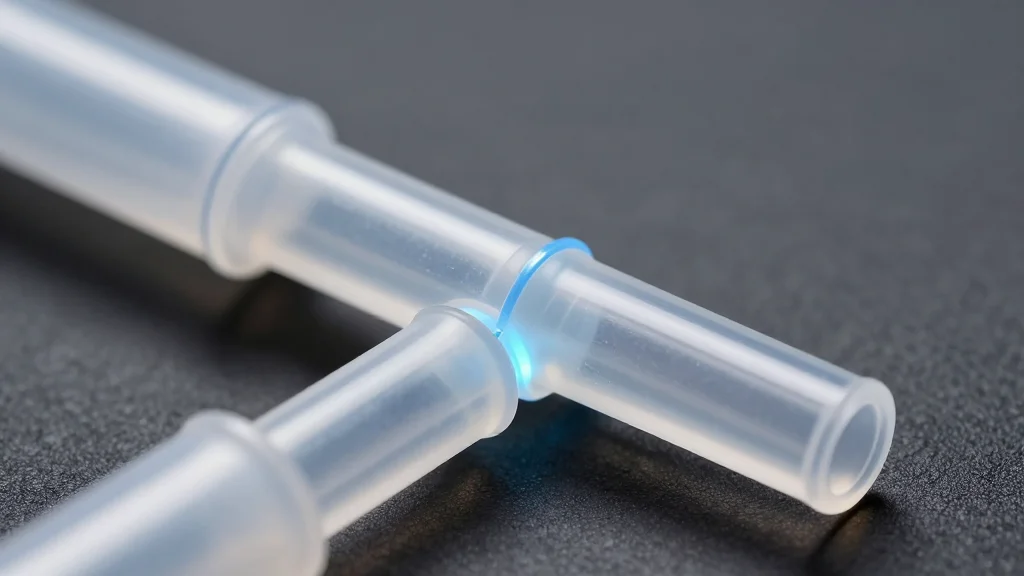
Adhesive Bonding of Plastics in Medical Device Applications
Master Bond’s white paper highlights how adhesive bonding solves the complex challenges of joining plastics in medical devices. It outlines the market’s rapid expansion to a projected $656 billion by 2032 and explains why adhesives outperform solvent bonding or ultrasonic welding...
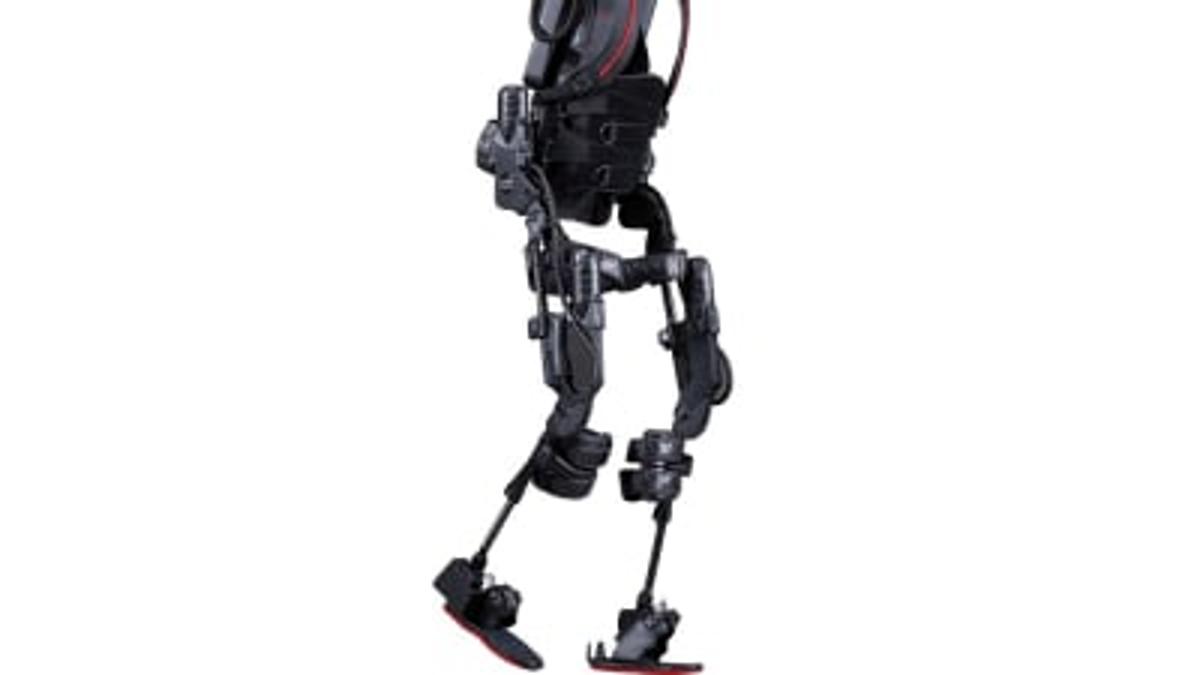
Robotics
Ekso Bionics' Ekso GT™ exoskeleton became the first FDA‑cleared wearable robot for stroke rehabilitation in May 2016. The device enables individuals with lower‑limb paralysis to stand and walk during therapy sessions. It also secured clearance for certain spinal‑cord‑injury patients, marking a...

This Coil Spring Alternative Is Transforming Manufacturing
Wave springs are being promoted as a space‑saving alternative to traditional coil springs, delivering comparable axial load while occupying up to 50% less height. Their flat‑wire, multi‑wave design bends rather than twists, enabling lighter, more compact assemblies. Although unit costs...
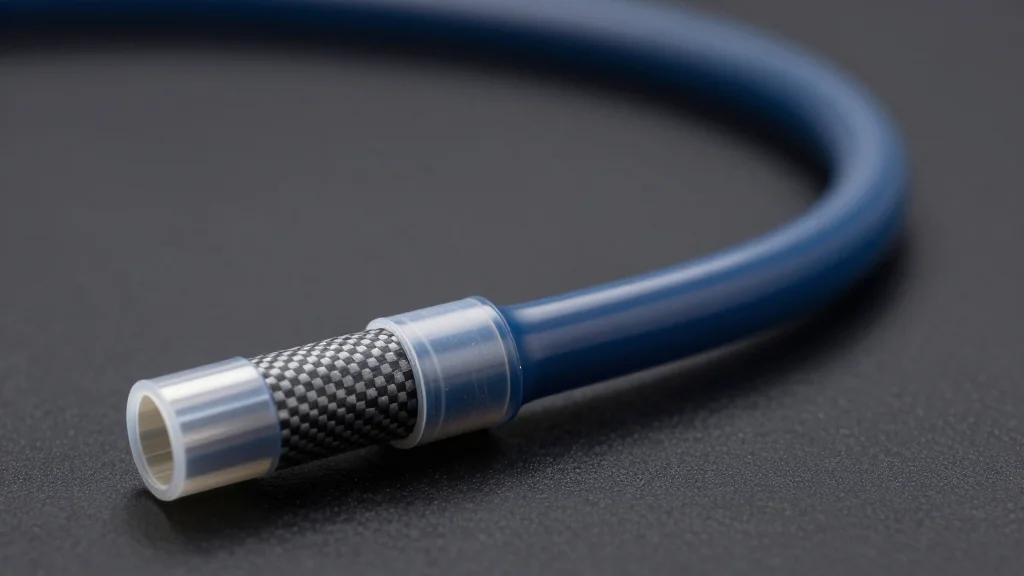
Engineering Insights: Polyimide, PTFE & Reinforced Tubing for Next-Gen Devices
MicroLumen’s white paper spotlights polyimide and PTFE‑polyimide composite tubing as pivotal for next‑generation catheters. The thermoset polyimide delivers unmatched dimensional stability under mechanical and thermal loads, while PTFE adds low‑friction surfaces. Engineers can tailor torque, pushability, and flexibility through braided...
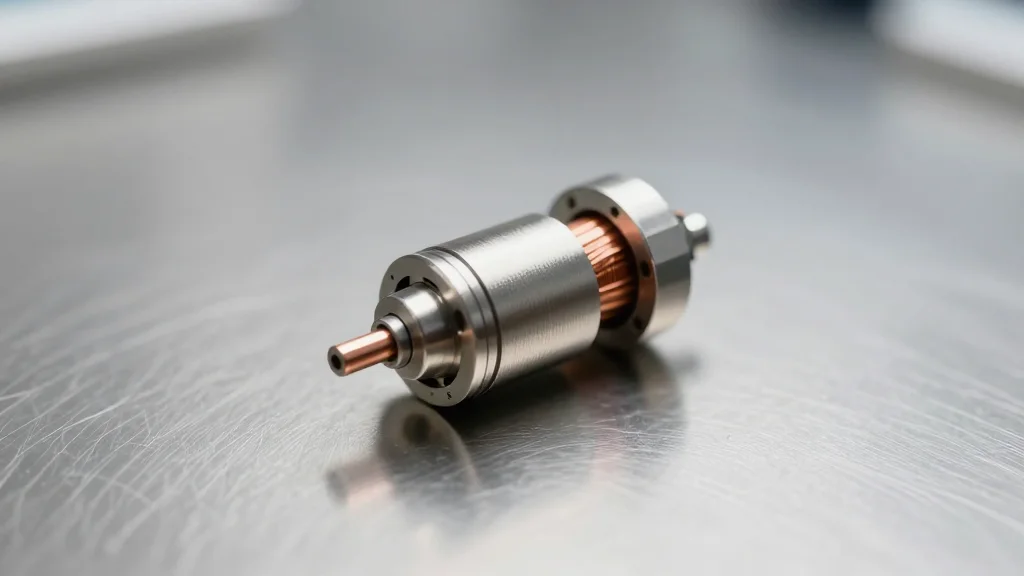
How Motor Architecture Shapes Surgical Hand Tool Performance
Portescap’s new white paper highlights motor architecture as a pivotal early‑stage decision for surgical hand‑tool design. It breaks down four core architectures—slotted, slotless, brushless DC and core‑less brushed—showing how each influences torque density, vibration, speed range and thermal management. The...

How to Select a Threaded Insert for Your 3D Printed Assembly
The white paper outlines how to choose the proper threaded insert for 3D‑printed assemblies, focusing on material compatibility, load demands, and installation techniques. It compares heat‑set, press‑in, and self‑tapping insert styles and details design variables such as hole diameter, torque,...
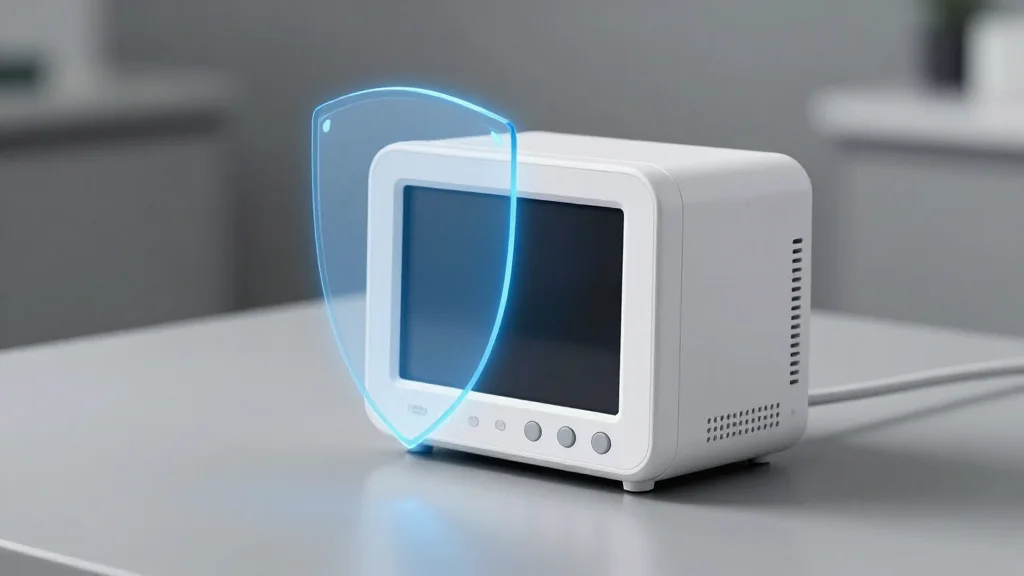
Demystifying IEC 60601: A Practical Guide for Understanding the IEC 60601 Family Standards
The whitepaper by Element’s Bob Burek breaks down the IEC 60601 family—General, Collateral and Particular standards—into a clear safety framework for medical electrical devices. It stresses the concept of essential performance and mandates ISO 14971 risk management from design through production. The...

Medical Podcasts
Medical Design Briefs released a series of April 2026 podcasts spotlighting emerging drug‑delivery trends. Episodes feature First Ascent Biomedical’s AI‑driven platform that personalizes oncology therapy, MGS engineers discussing greener insulin‑pen designs, RenovoRx’s intra‑arterial delivery system that targets solid tumors, and...