
Microplastics Found in Fish in Tuvalu, a Remote South Pacific Nation
Researchers examined 201 fish from 44 species around Funafuti Atoll in Tuvalu and detected microplastics in 75 specimens, representing 37.3% of the sample. While the contamination rate is lower than the near‑ubiquitous levels reported on the U.S. West Coast, the findings prove that even the most isolated Pacific islands are not immune to plastic pollution. The study highlights that microplastic particles, derived from degraded debris and personal‑care products, accumulate in fish gastrointestinal tracts, potentially harming organ function and reproduction. Tuvalu’s reliance on seafood makes these results especially concerning.

Indigenous Leaders Say, ‘Secure Forest Financing with Us, Not for Us’ (Commentary)
Indigenous, Afro‑descendant, and traditional forest leaders warn that expanding jurisdictional REDD+ programs must be built with, not for, their communities. They cite Brazil, Costa Rica, and Ecuador examples where meaningful participation and clear benefit‑sharing frameworks improved trust and credibility. The...

Cowboy Boots Can Save an Amazonian River Giant
Brazilian fishers are turning the skin of the giant Amazon pirarucu into high‑end cowboy boots, a product that commands around $750 per pair in the United States and Mexico. The sustainable leather trade supports lake‑patrol operations that deter poachers and...
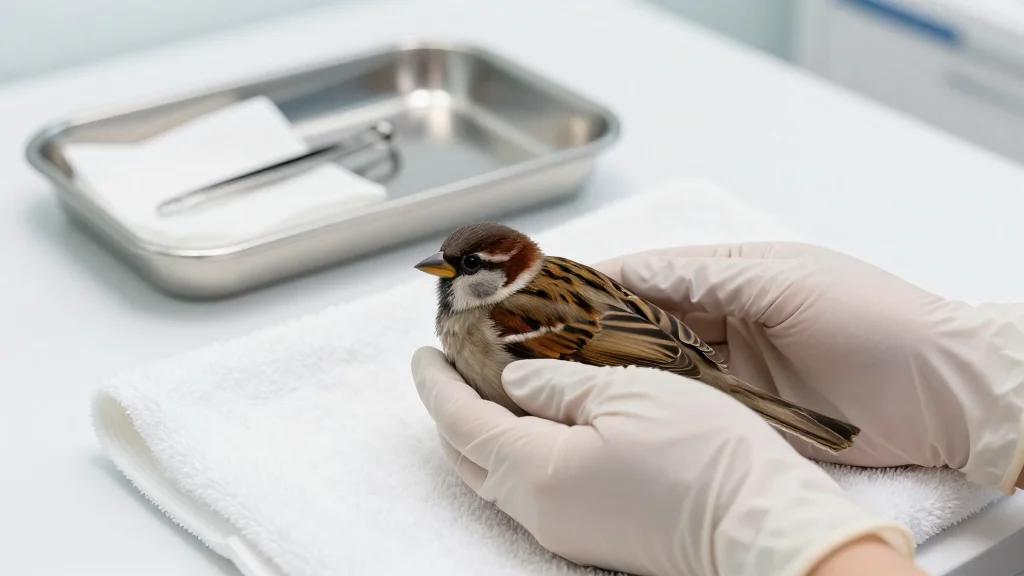
Avian Bird Flu Surges in New York Urban Wildlife, Increasing Disease Concerns
The highly pathogenic H5N1 avian influenza strain has surged across New York’s urban wildlife, with infections reported in dozens of bird species, raptors, and a growing list of mammals such as raccoons and domestic cats. Surveillance by Cornell, NYSDEC and...
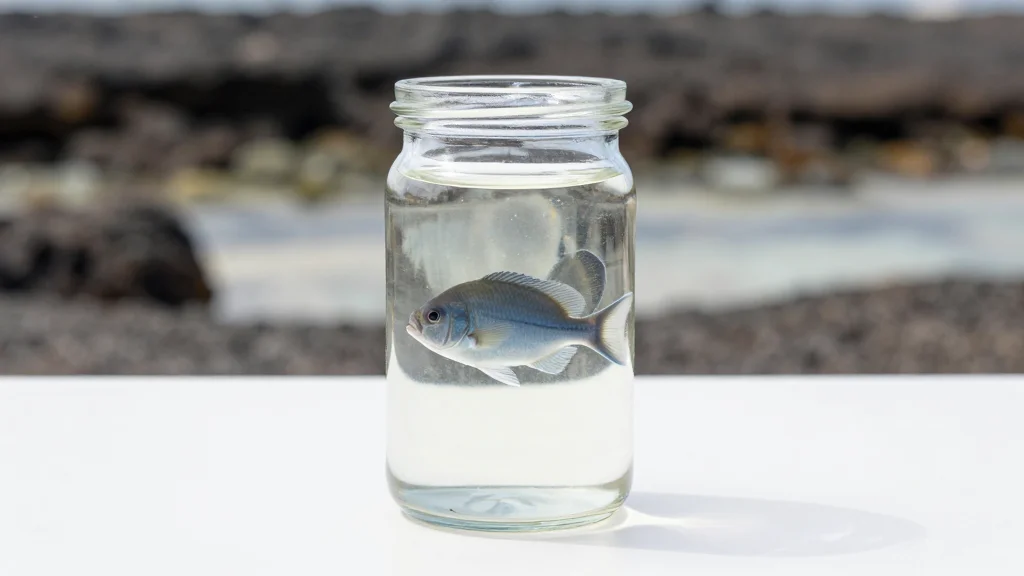
Is the Galápagos Damselfish Extinct?
The Galápagos damselfish (Azurina eupalama) has not been recorded since 1983, leading researchers to deem it likely extinct. A study by Jack Stein Grove and Benjamin Victor compiled historical records and decades of failed surveys, linking the disappearance to the...
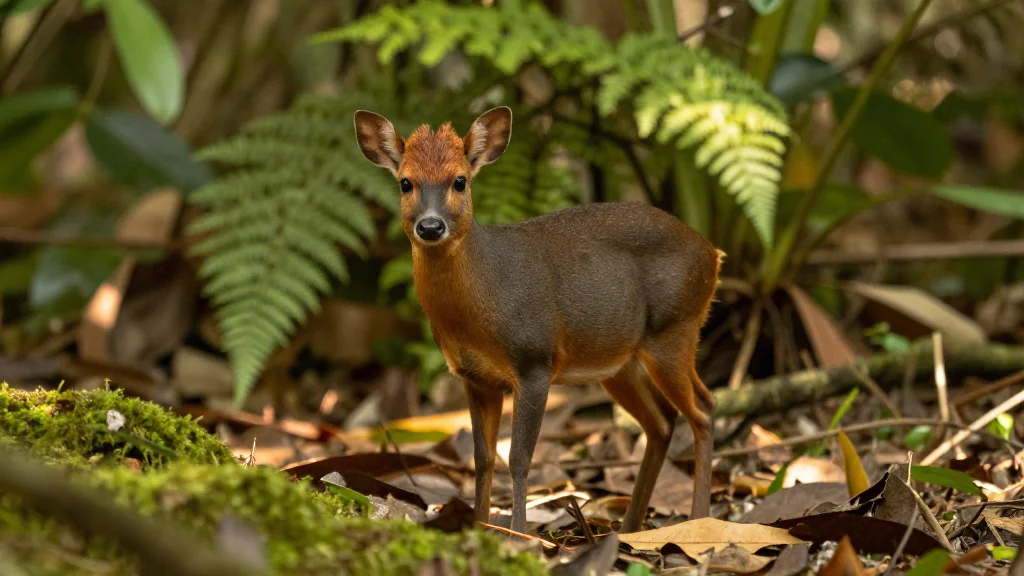
Camera Traps Take First Photos of Rare Island Antelope on Zanzibar
Conservationists using 20 motion‑activated camera traps have captured the first photographs of the elusive Pemba blue duiker in Zanzibar’s Ngezi Nature Forest Reserve. The images show the tiny antelope across roughly half of the 2,030‑hectare reserve, providing the first visual...

10% of the Ocean Is Protected. Now Just 20% More to Go
The United Nations Environment Programme’s World Conservation Monitoring Centre reports that protected marine areas now cover just over 10% of the global ocean, marking the first time the 10% threshold has been crossed. However, the more ambitious 30% by 2030...

Far From Home, a Rwandan Nurse Fulfills Her Calling Among CAR Forest Communities
Alphonsine Colombe Irahali, a Rwandan nurse, leads mobile clinics in Bayanga, Central African Republic, delivering tuberculosis and HIV screenings, vaccination outreach, and health education to isolated forest villages. Her team works alongside the local hospital and the health ministry, supported...

Mitchell Byrd, Ornithologist Who Helped Bring Bald Eagles Back From the Brink in the Chesapeake Area
Mitchell A. Byrd, a longtime ornithologist at William & Mary, led decades‑long monitoring of Chesapeake Bay bird populations. His aerial surveys in the late 1970s documented the rebound of bald eagles from a few dozen breeding pairs to robust numbers...

Once Lost, Now Found: Five “Missing” Bird Species Rediscovered in 2025, Offering Hope
In 2025 birders documented five long‑missing island species, reducing the global Lost Birds List to 120 species—a 25% drop since its 2022 launch. The rediscoveries include the Bismarck kingfisher, Biak myzomela, broad‑billed fairywren, Sulu cuckooshrike, and rufous‑breasted blue flycatcher, all...

Researchers Uncover 10 New Moth Species and 7 New Genera in Hawaiʻi
Researchers from the University of Hawai‘i have formally described ten previously unknown moth species and established seven new genera from the Hawaiian islands. The team examined century‑old museum collections, conducted remote field surveys, and applied high‑resolution imaging and DNA sequencing...

Kenya to Receive 4 Mountain Bongos From European Zoos
The Mount Kenya Wildlife Conservancy will receive four male mountain bongos from European zoos, marking the first transcontinental rewilding transfer for the critically endangered antelope. Wild populations have plummeted from roughly 150 in 2021 to just 66 by 2025, while...

Canadian Muskoxen Hit by Double Punch of Novel Diseases and Climate Change
Emerging diseases, notably a novel *Erysipelothrix rhusiopathiae* Arctic clone and rising brucellosis, have caused massive muskox die‑offs on Victoria, Banks and Ellesmere islands, cutting the Banks Island herd from 37,000 to under 14,000 between 2009‑14. A community‑based wildlife health surveillance...

How an Engineer Brought Degraded Wetlands Back to Life in Drought-Hit Bangladesh
Bangladesh’s northern Rangpur district saw two degraded wetlands—Bharardaho Beel and Patuakamri Beel—excavated and restored by senior engineer A.K.M. Fazlul Haque of the Barind Multipurpose Development Authority. The projects, completed in 2021 and 2023, reclaimed roughly 9.2 ha (23 ac) of water‑logged land that...

Pyrenees Brown Bear Population Climbs to an Estimated 130 in Latest Census
The latest Pyrenees brown‑bear census estimates roughly 130 individuals, reflecting an 11 % average annual growth over the past 18 years. The population rebounded from a low of five in the mid‑1990s, aided by 11 Slovenian reintroductions since 1996. However, 85‑90 % of...

Unwrapping Deforestation: Your Chocolate Easter Bunny May Harm the Environment
An analysis by Global Witness shows that UK cocoa imports triggered over 2,000 hectares (≈4,940 acres) of deforestation in 2025, chiefly in Côte d’Ivoire and Ghana. Since the 2021 Environment Act, total forest‑risk commodity exposure linked to UK imports has...

Indonesian Geothermal Projects Stall Amid Indigenous Concerns over Justice
Indonesia’s ambitious geothermal program on Flores, once touted as a renewable‑energy showcase, has stalled after nearly a decade of delays. The project, initially backed by the World Bank and Germany’s KfW, faced sustained opposition from Manggarai Indigenous communities concerned about...

Brazilian Banks to Verify Satellite Deforestation Data for Rural Credit
Brazilian banks will now verify satellite‑derived deforestation data before granting rural credit, a rule that takes effect on Wednesday. The requirement forces lenders to cross‑check properties against a government registry covering illegal clear‑cutting since July 2019, using imagery from the National...

Railroad & Tariff War Boost Soy in Brazil’s Cerrado, Endangering Indigenous Lands
A tariff dispute between the United States and China has redirected Chinese soy demand to Brazil, pushing 2025 exports to a record 85.4 million metric tons, about 80 % of the country’s shipments. In Mato Grosso, soy acreage expanded by 3.4 million hectares since...

Working Together, Indigenous Peoples & Researchers Describe New Amazonian Palm
Researchers from the University of Zürich, working with the Cacua Indigenous community in Colombia’s Vaupés region, identified a previously unknown palm species, now named Attalea taam. The discovery emerged after locals offered the botanists a fruit they had long harvested,...

The Underwater Meadows that Help Keep Beaches From Disappearing
Seagrass meadows act as natural coastal armor, anchoring sediment and dampening wave energy. Their dense roots and foliage not only protect shorelines but also lock away significant amounts of carbon dioxide. A 2024 Nature study warned that loss of species...

Decades After Poaching Drove Them Extinct, Rhinos Are Back in the Wild in Uganda
Uganda Wildlife Authority has translocated four southern white rhinos from Ziwa Rhino Sanctuary to Kidepo Valley National Park, marking the first free‑ranging rhinos in the country since the early 1980s. The sanctuary’s herd, grown from six founders to 42 animals,...

‘Extraordinary’: Second Set of Rare Mountain Gorilla Twins Born in DRC’s Virunga
Virunga National Park reported the birth of a second set of mountain gorilla twins this year, a male‑female pair in the Baraka family now two weeks old. The twins follow a January twin birth in the Bageni family, marking the...

Marine Flyways Are the Missing Map We Can Use to Boost Seabird Conservation (Commentary)
At the 15th Conference of the Parties to the Convention on Migratory Species (CMS‑15) in Brazil, delegates formally recognized marine flyways—global routes used by more than 150 migratory seabird species—as a new conservation framework. BirdLife International’s research identified six major...

Extinction—Or Just Unseen? What Centinela Reveals About Biodiversity Data Gaps
A 2024 reassessment in *Nature Plants* revisits the 1991 “Centinelan extinction hypothesis,” which claimed dozens of plant species vanished when a ridge in western Ecuador was cleared. By aggregating herbarium records, literature, expert input and new field surveys, researchers found...

Open-Air Markets: Hotspots for a Lethal Virus Infecting Macaws and Parrots
Environmental officers in Brazil seized 271 parrots and macaws at Fortaleza's open‑air Parangaba Fair, uncovering a circovirus outbreak that quickly spread to a wildlife rehabilitation center. The virus, previously found in endangered Spix’s macaws, forced the euthanasia of about 80...

Small Ray of Hope for Sri Lanka’s Sawfish, Now Feared ‘Functionally Extinct’
Sri Lanka’s sawfish, once common in coastal waters, are now considered functionally extinct, with the last confirmed catch recorded in 2017. A Blue Resources Trust survey of 300 fishers revealed that none under 30 could identify the species, and older...

A 3-Limbed Kemp’s Ridley Sea Turtle Is Now Being Tracked at Sea by Satellite
A three‑limbed Kemp’s ridley sea turtle named Amelie was released off Juno Beach after surgery and a 7‑week rehabilitation. Scientists from the Loggerhead Marinelife Center and the Smithsonian Conservation Biology Institute attached a satellite tag to monitor her post‑release movements....

4 Months After DRC Mine Spill, Residents Remain Impacted
On Nov. 4, 2025 a wastewater spill from Congo Dongfang International Mining’s copper‑cobalt plant flooded Lubumbashi neighborhoods, contaminating crops, drinking water and causing health problems. The DRC government announced a $6 million compensation package and health assistance, but victims and human‑rights groups argue...

Study Finds Deforestation Accounts for Major Amazon Rainfall Decline
A four‑decade study published in Nature Communications finds that 52‑72 % of the rainfall decline in the southern Amazon is driven by large‑scale deforestation. Between 1980 and 2019, annual precipitation fell 8‑11 % while the region lost an average of 7.7 % of...

Poop Pills and Gut Microbes: Wildlife Microbiome Studies Aid Conservation
Scientists are expanding microbiome research from humans to wildlife, revealing that human activities such as climate change and proximity to people alter gut microbes across species. Studies on captive Tasmanian devils, koalas, meerkats, and cheetahs show that reduced microbial diversity...

Birutė Galdikas, Primatologist Who Spent a Lifetime Studying & Defending Orangutans, Has Died at 79
Birutė Galdikas, a pioneering primatologist, died at 79 after five decades of field work on Borneo’s orangutans. She established one of the longest‑running wild‑mammal studies in 1971, documenting solitary behavior, slow reproduction, and the species’ vulnerability. Galdikas founded Orangutan Foundation...

Asian Wild Dog Spotted in Vietnam for the First Time in 20 Years
Researchers captured the first confirmed dhole sighting in Vietnam in over two decades, documenting a solitary adult on camera in Pu Hoat Nature Reserve, Nghe An province. The species, previously listed as locally extinct by the IUCN, was verified by...

Canada Invests $1m Into Mining Exploration on Indigenous Land
The Canadian federal government has allocated C$1.5 million ($1.1 million) to the Tłı̨chǫ Nation for a three‑year mineral exploration program in the Northwest Territories. The initiative, run with the Canadian Northern Economic Development Agency, targets lithium, cesium and tantalum in partnership with...
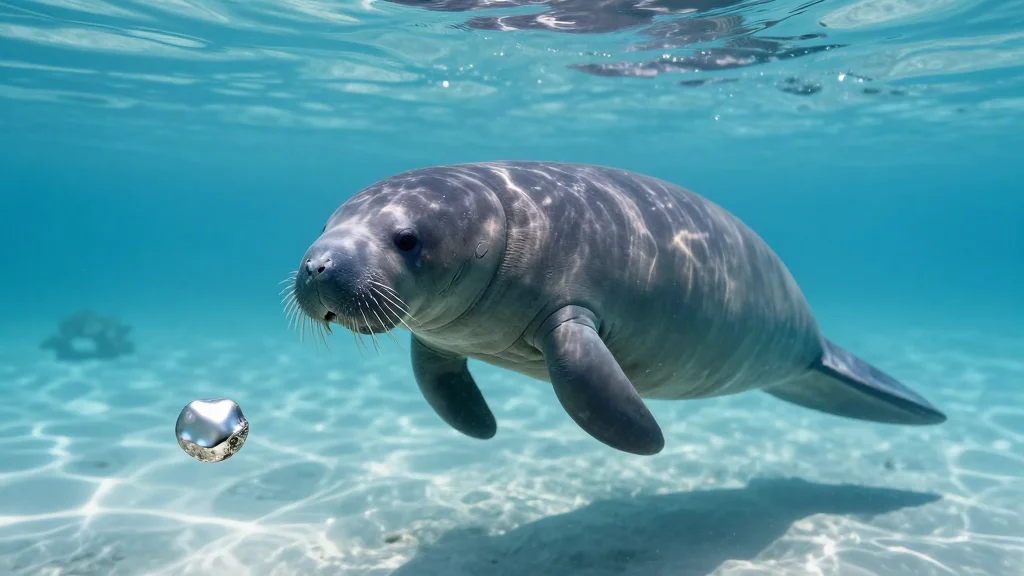
On Manatee Appreciation Day, Remember These Gentle Giants Who Protect Aquatic Ecosystems (Commentary)
On Manatee Appreciation Day, the article highlights the rescue and lifelong care of a manatee calf named Daniel by Mexican scientist Dr. Benjamín Morales. It explains how manatees graze underwater vegetation, maintaining water quality and supporting fisheries. The piece notes...

Argentina Updates National IUCN Mammal List with New Focus on Non-Native Species
Argentina’s Society for the Study of Mammals (SAREM) released its 2025 national IUCN Red List, evaluating 417 mammal species—22 more than the 2019 review. The update incorporates newly discovered taxa, taxonomic splits, and the first application of the Environmental Impact...

Conservation Win as First Palm Cockatoo Chick Fledges From Artificial Hollow in Australia
Conservationists in northern Queensland celebrated the first palm cockatoo chick fledging from an artificial log hollow, a milestone for the endangered species. The nest is one of 29 purpose‑built hollows installed by People For Wildlife in partnership with Apudthama Traditional...

The Ocean’s Enforcement Gap
Governments worldwide have pledged to protect 30% of the ocean by 2030, yet many marine protected areas (MPAs) remain unenforced, limiting ecological gains. Research shows that visible, credible enforcement matters more than the sheer size of MPAs. New tools—satellite imagery,...

Indigenous Groups Demand Halt to Belo Sun Amazon Gold Mine
More than 120 Indigenous protesters, led by Indigenous women, have occupied a federal building in Altamira, Brazil, demanding that authorities block the license for Belo Sun's Volta Grande gold mine on the Xingu River. A February 13 court ruling reinstated...

Huge Amounts of Nanoplastics Discovered in Tap and Bottled Water
A new Ohio State study shows nanoplastics in U.S. drinking water are 10‑100 times higher than earlier estimates. Using optical photothermal infrared spectroscopy and scanning electron microscopy, researchers found nanoplastic concentrations three times greater in bottled water than tap water,...

World Water Day: Earth’s Freshwater Reveals New Species & Faces Mounting Threats
World Water Day highlighted three contrasting freshwater stories: scientists described over 300 new freshwater fish species in 2025, including two cave‑adapted species in China and the largest North American fish in a century; Lake Victoria, Africa’s largest lake, is being...
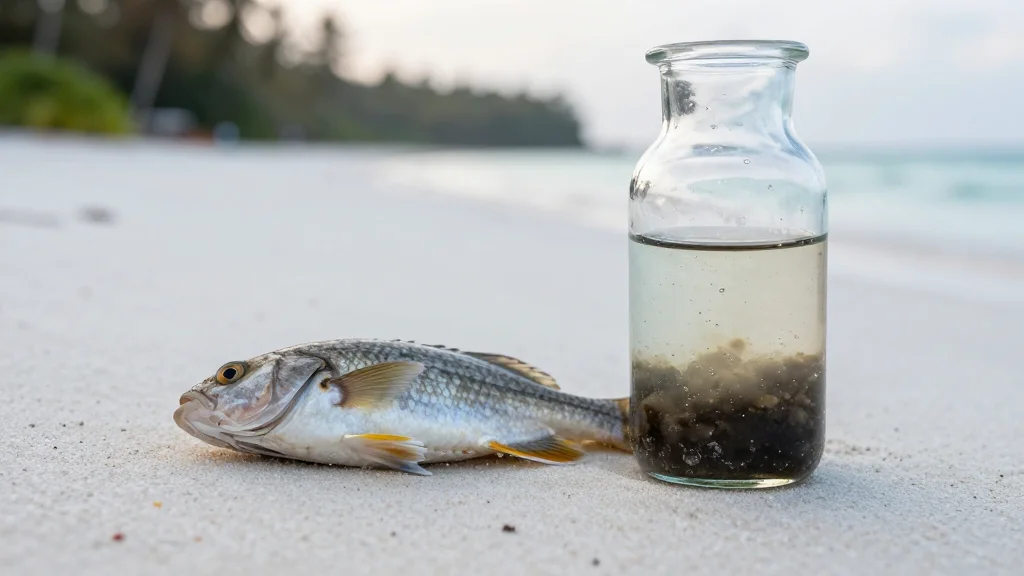
PNG’s New Ireland Coastal Waters Causing Fish Deaths, Human Sickness
Communities along Papua New Guinea’s New Ireland east coast have faced massive fish die‑offs and human illnesses since December 2025, with over 3,400 dead marine animals recorded across 15 species. Residents report skin burns, respiratory problems and gastrointestinal symptoms after...

Captive-Bred Panamanian Golden Frogs Released to the Wild
After a 17‑year absence, captive‑bred Panamanian golden frogs have been re‑released into the wild as part of the Panama Amphibian Rescue and Conservation Project. Researchers placed 100 frogs in mesocosm pens for 12 weeks, during which about 70 % died from...

Deep-Sea Mining Rules Face Delays Despite Urgent Push
The International Seabed Authority (ISA) has yet to finalize its mining code, leaving deep‑sea mining without a binding international regulatory framework. ISA Secretary‑General Leticia Carvalho urged completion by year‑end, but the March 19 meeting adjourned without a clear timeline. Meanwhile, the...

Shipping’s Biofuel Gamble Could Deepen Africa’s Land Squeeze and Food Insecurity (Commentary)
The commentary warns that adopting crop‑based biofuels to decarbonise shipping could exacerbate Africa’s land pressure and food insecurity. Shipping accounts for roughly 300 million tons of fuel annually and 3 % of global emissions, so even modest biofuel uptake would demand large...

California Condors Nesting in Pacific Northwest for First Time in a Century, on Yurok Territory
California condors reintroduced by the Yurok Tribe appear to have laid their first egg in the Pacific Northwest, nesting in an old‑growth redwood after more than a century without breeding in the region. The pair, both nearly seven years old,...

A Bonobo Named Kanzi Could Play Pretend, Challenging Ideas About Animal Imaginations
Researchers at Johns Hopkins have shown that Kanzi, a language‑trained bonobo, can identify and track pretend objects in controlled tea‑party experiments. Across three tests, Kanzi correctly pointed to the location of imaginary juice and grapes and chose real juice over...

Dams, Drains and Other Artificial Habitats Could Buy Time for Threatened Mussels: Study
Australian researchers found that artificial water bodies such as farm dams can sustain populations of the vulnerable Carter’s freshwater mussel, showing densities comparable to natural rivers but with fewer young individuals. The four‑year study surveyed twelve sites between 2020 and...

By Protecting Tigers ‘We Save so Much More,’ Says Debbie Banks
The global wild tiger population is about 5,574 individuals, having lost roughly 95 % of its historic range. South Asian countries such as India, Nepal, Bhutan and Thailand are seeing rebounds, while Laos, Cambodia, Vietnam and other Southeast Asian nations remain...

Two Marsupials Thought Extinct for 6,000 Years Found Alive in Indonesian Papua
Scientists have confirmed the survival of two marsupial species— the pygmy long‑fingered possum (Dactylonax kambuayai) and the ring‑tailed glider (Tous ayamaruensis)—that were thought extinct for 6,000 years. The animals were documented in the Bird’s Head Peninsula rainforests of Indonesian New Guinea after...