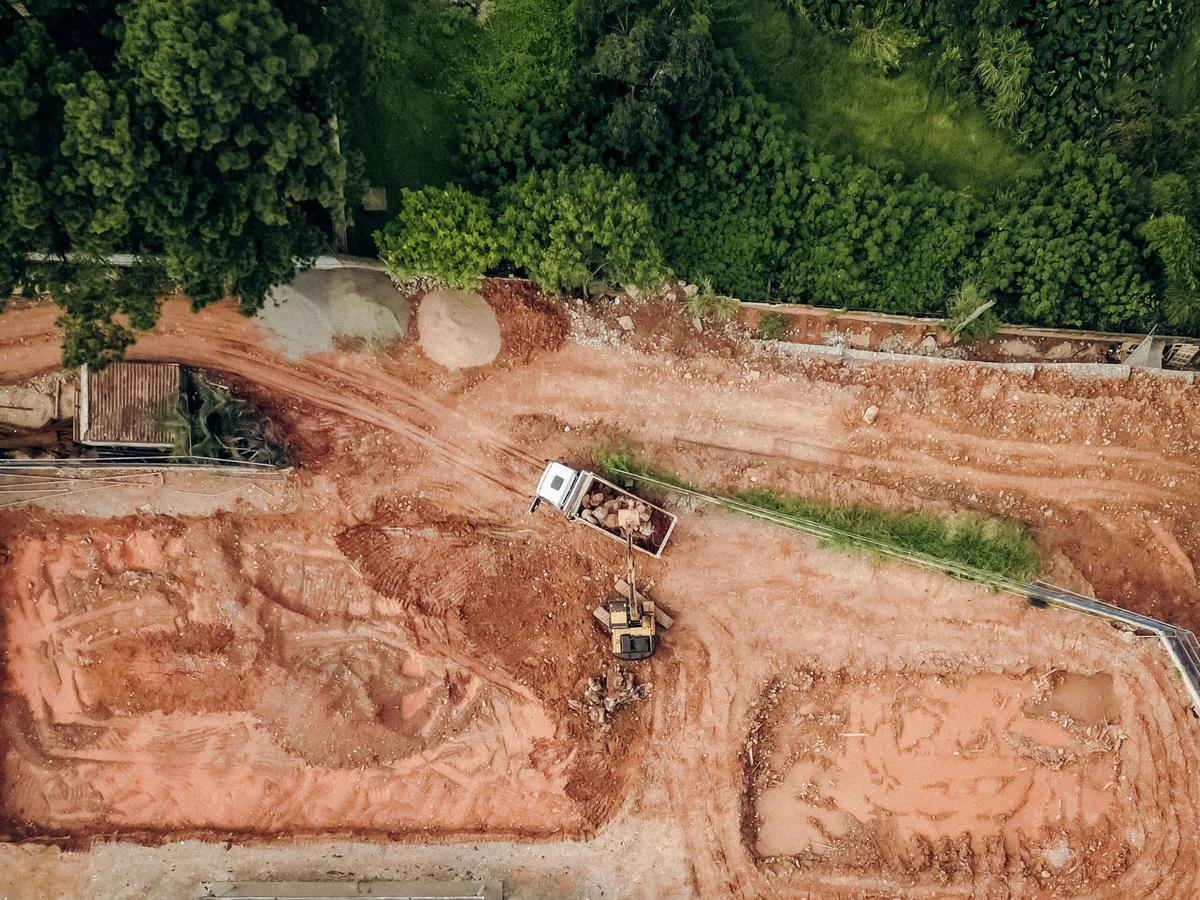
Global Sand Demand Is Outpacing Nature’s Ability to Replenish It, UN Says
The United Nations Environment Programme reports that roughly 50 billion metric tons of sand are extracted each year, far exceeding natural replenishment rates. Demand from the construction sector alone is expected to surge 45% by 2060, intensifying pressure on fragile ecosystems. Southeast Asia, a primary source, is witnessing riverbank collapse, coastal degradation, and displaced communities as a result of unchecked mining. UNEP calls for coordinated governance, national roadmaps, and monitoring tools to align development with environmental stewardship.

Intense Heat During Mecca’s Spring Threatens Millions of Hajj Pilgrims
A World Weather Attribution report warns that rising temperatures are shrinking the safe window for the Hajj pilgrimage in Mecca. Average May temperatures have risen about 3.5 °C since pre‑industrial times, pushing peak heat into the 40 °C range every two to...
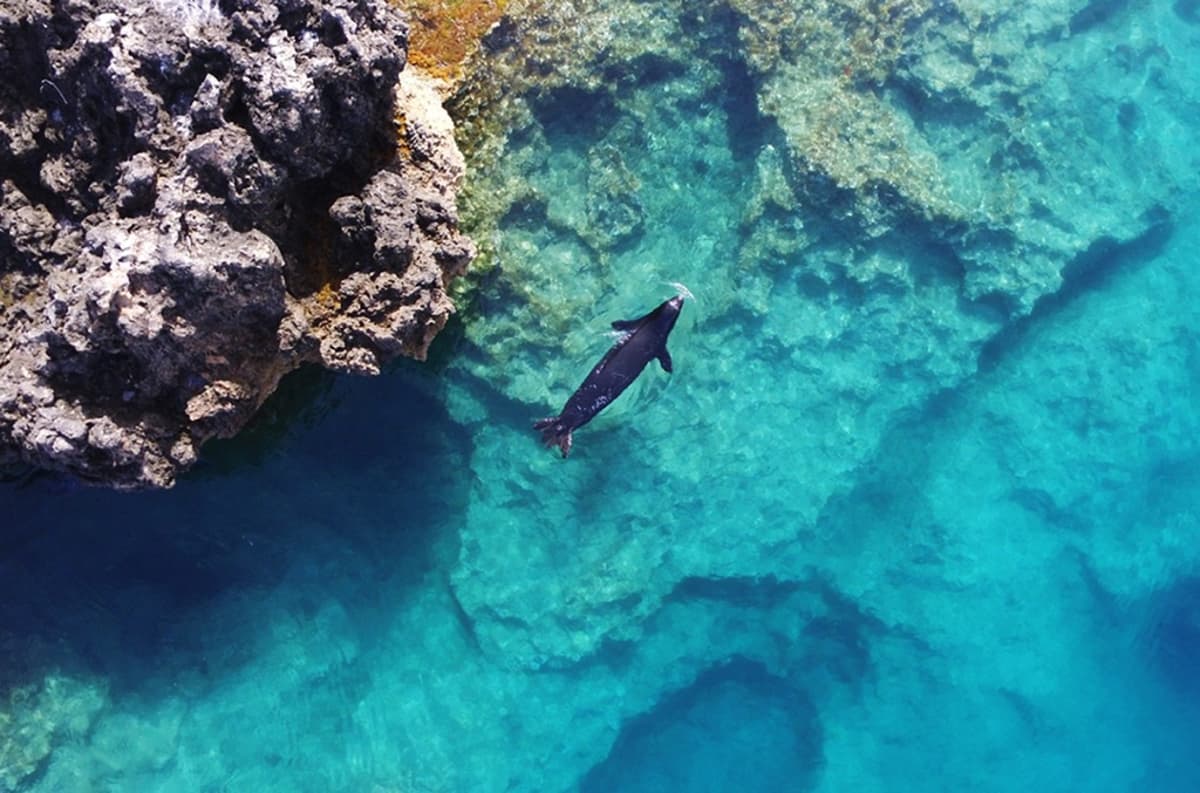
Hidden ‘Bubble Cave’ May Help World’s Rarest Seal Steer Clear of Humans: Study
Researchers on Greece’s Formicula islet identified an underwater "bubble cave" with an air pocket that Mediterranean monk seals frequent far more than adjacent main caves. Over a 141‑day study, seals entered the bubble cave on 119 days, using it for...

As Economic Case for Deep-Sea Mining Weakens, Industry Should Halt Urgency to Begin Operation (Commentary)
The commentary argues that deep‑sea mining’s economic case is collapsing, citing recent reports that project meager revenues—such as less than $350,000 annually for each African beneficiary under proposed benefit‑sharing schemes—and highlight that 82 financial institutions, managing roughly $27.5 trillion, are restricting...
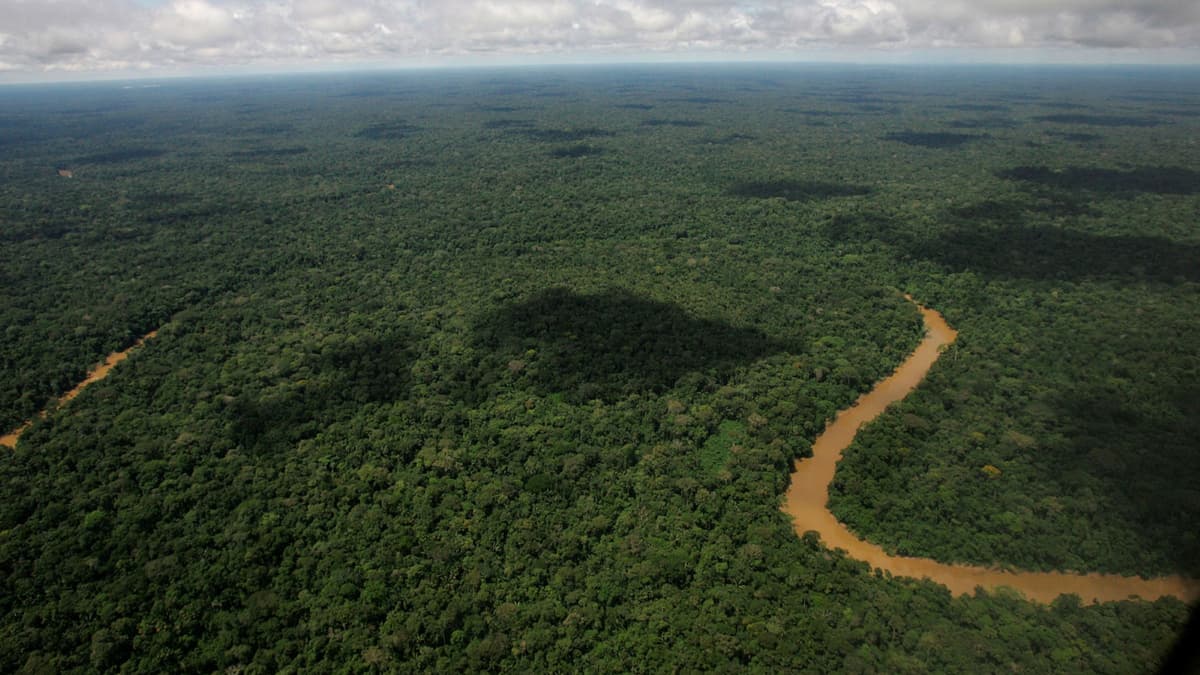
Has Ecuador Started Fracking? New Oil Project Causes Confusion and Concern
Ecuador's state oil firm Petroecuador announced a pilot hydraulic‑fracturing project in Block 57, a limestone‑rich field in the Amazonian Sucumbíos province. The operation, carried out with China National Petroleum Corp.'s subsidiary CCDC, aims to produce about 930 barrels of oil per...
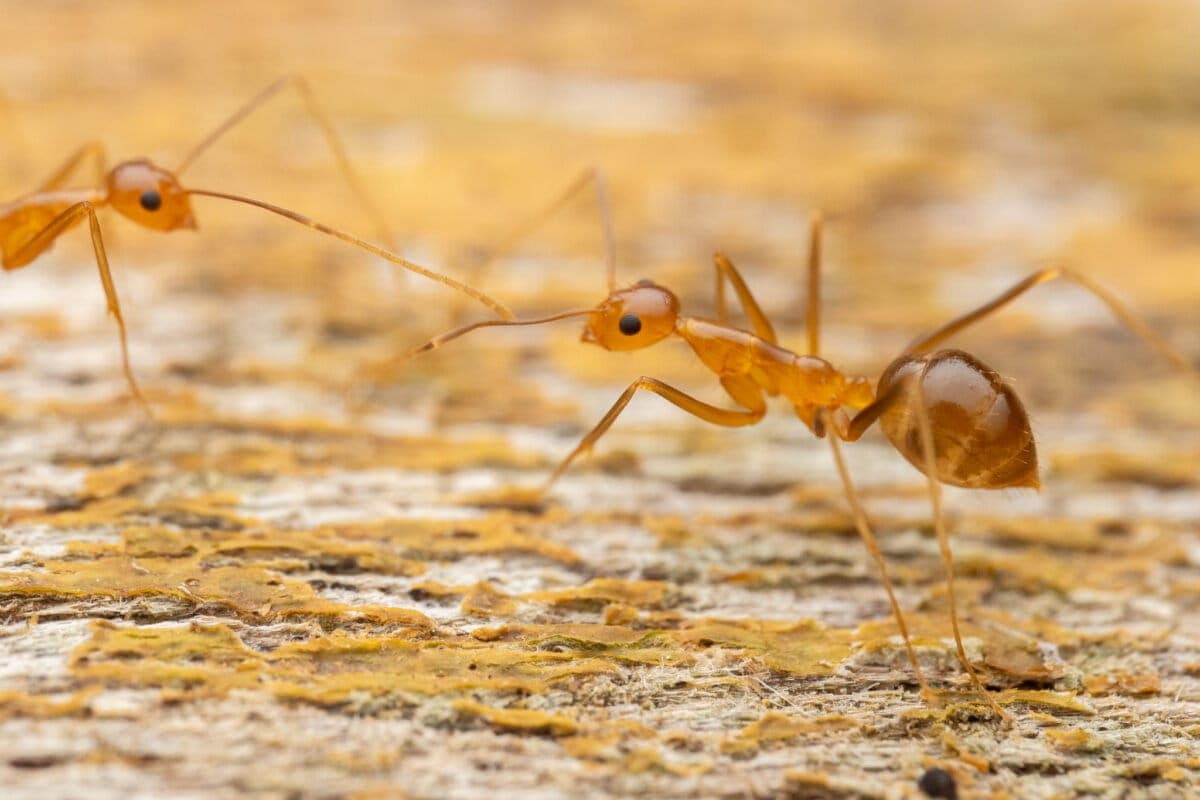
How Much Suffering Do Invasive Species Cause? Researchers Are Measuring That
Researchers introduced the Animal Welfare Impact Classification for Invasion Science (AWICIS), a new framework that quantifies the suffering caused by invasive species. Initial case studies of invasive ants, flies, and other taxa revealed that welfare impacts are frequently omitted from...

A Nigerian Teen Is Turning Agricultural Waste Into Biodegradable Sanitary Pads
Nigerian teenager Raheema Auwal‑Panti founded PantiPads to turn agricultural waste into biodegradable sanitary pads, addressing both menstrual health access and plastic pollution. The pads use cassava peels, banana leaves and corn husks, offering a compostable alternative to conventional pads that...
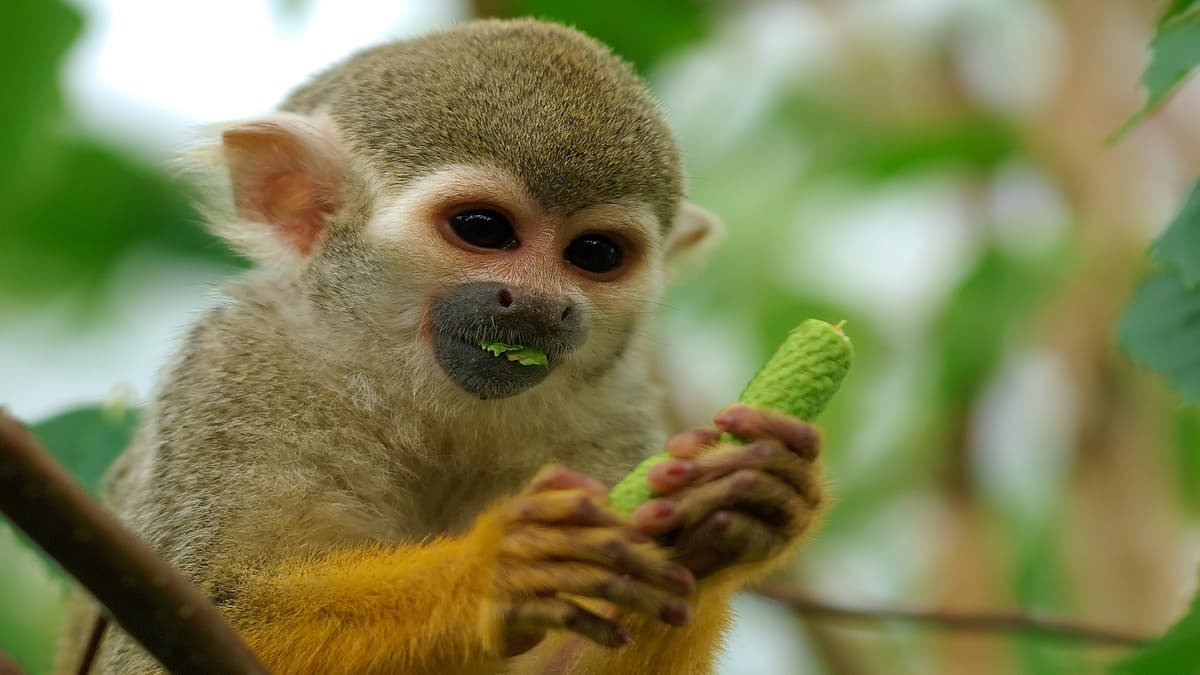
Most Wildlife AI Focuses on the Ground. This Model Looks up in the Trees
Scientists introduced TropiCam‑AI, an artificial‑intelligence classifier designed to detect tree‑dwelling mammals and birds in neotropical forests. The model can recognize 84 taxa—including 63 species—with an overall accuracy of 95%, and it flags ambiguous images by returning higher‑level taxonomic guesses. Training...
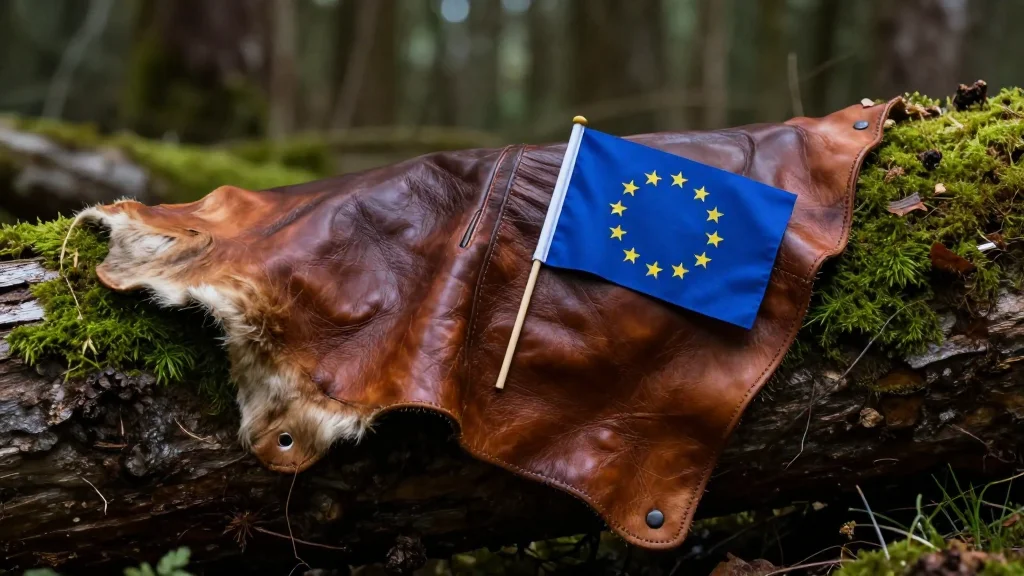
European Commission Linked Leather to Deforestation, Then Ignored It
The European Commission’s own research indicates that leather imports could cause up to 390 km² (149 sq mi) of deforestation each year, representing roughly 17 % of the total risk covered by the EU Deforestation Regulation (EUDR). Despite this evidence, Brussels moved to exclude...
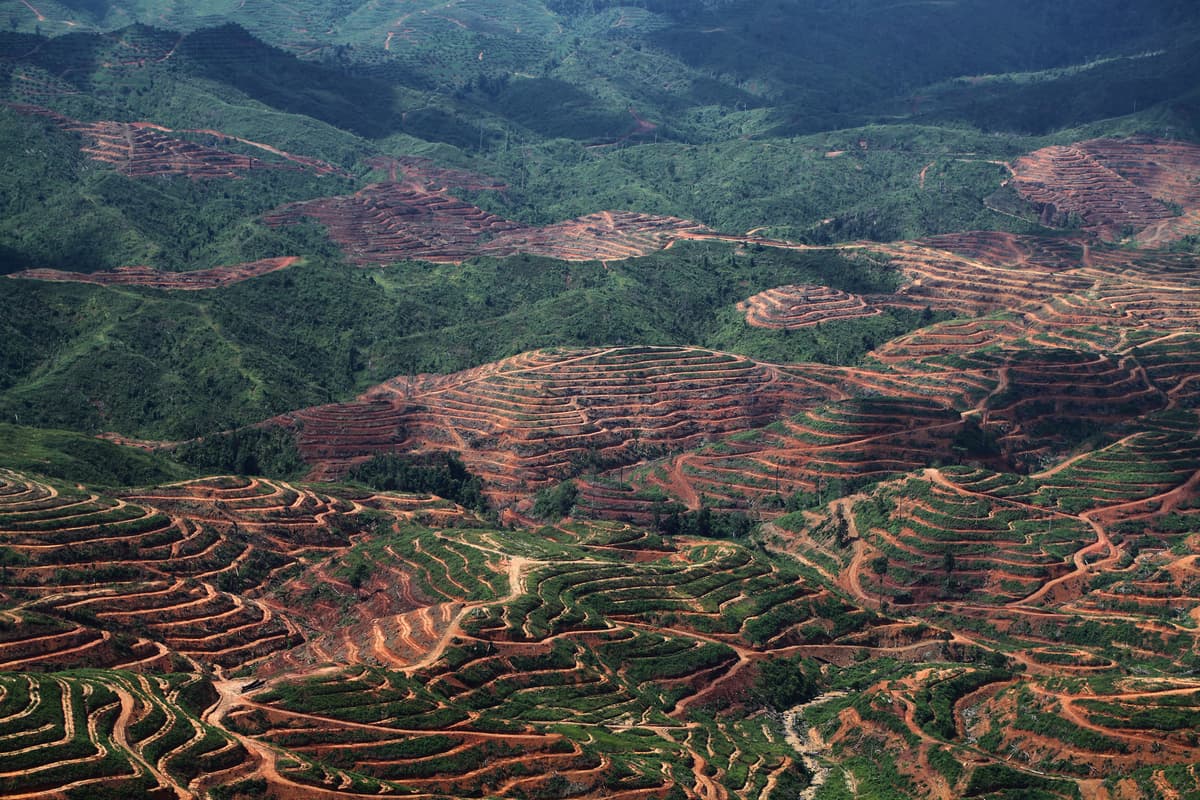
Loopholes Undermine Palm Oil Industry’s Antideforestation Pledges
The palm oil sector’s No‑Deforestation‑No‑Peat‑No‑Exploitation (NDPE) pledges now cover roughly 83% of refinery capacity in Indonesia and Malaysia, yet satellite data show 31,000 hectares of forest were cleared for palm oil in Indonesia in 2025, a slight rise over 2024....
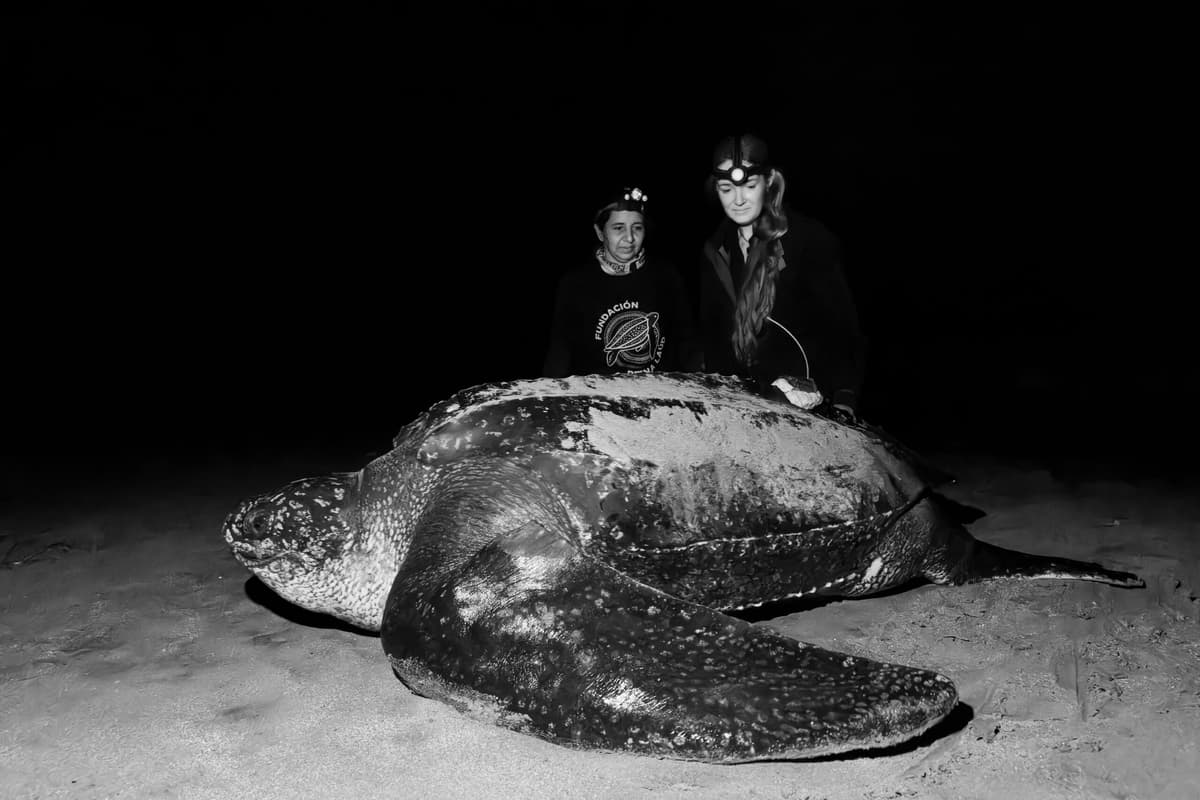
Tracking Lucero: Scientists Follow a Rare Eastern Pacific Leatherback Sea Turtle
Scientists have tagged Lucero, the first nesting leatherback sea turtle recorded in Ecuador, marking the southernmost point of the species' nesting range. The Eastern Pacific subpopulation, now fewer than 1,000 individuals, has plummeted about 98% over recent decades. Using a...
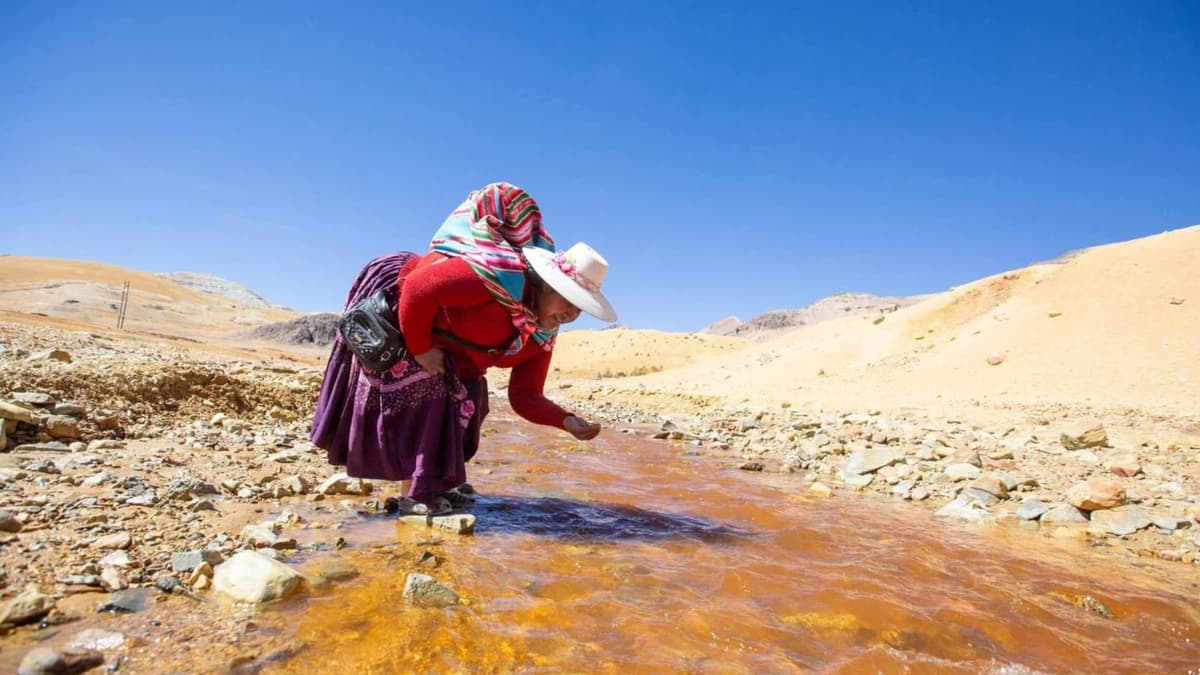
Peru’s Quellaveco Mine Tied to Water Scarcity, Contamination, Investigation Finds
A joint investigation by Red Muqui and other NGOs alleges that Anglo American’s Quellaveco copper‑molybdenum mine in Peru’s Moquegua region is contaminating water sources with arsenic, mercury, lead and copper, while depleting water supplies for local agriculture. The study cites high...
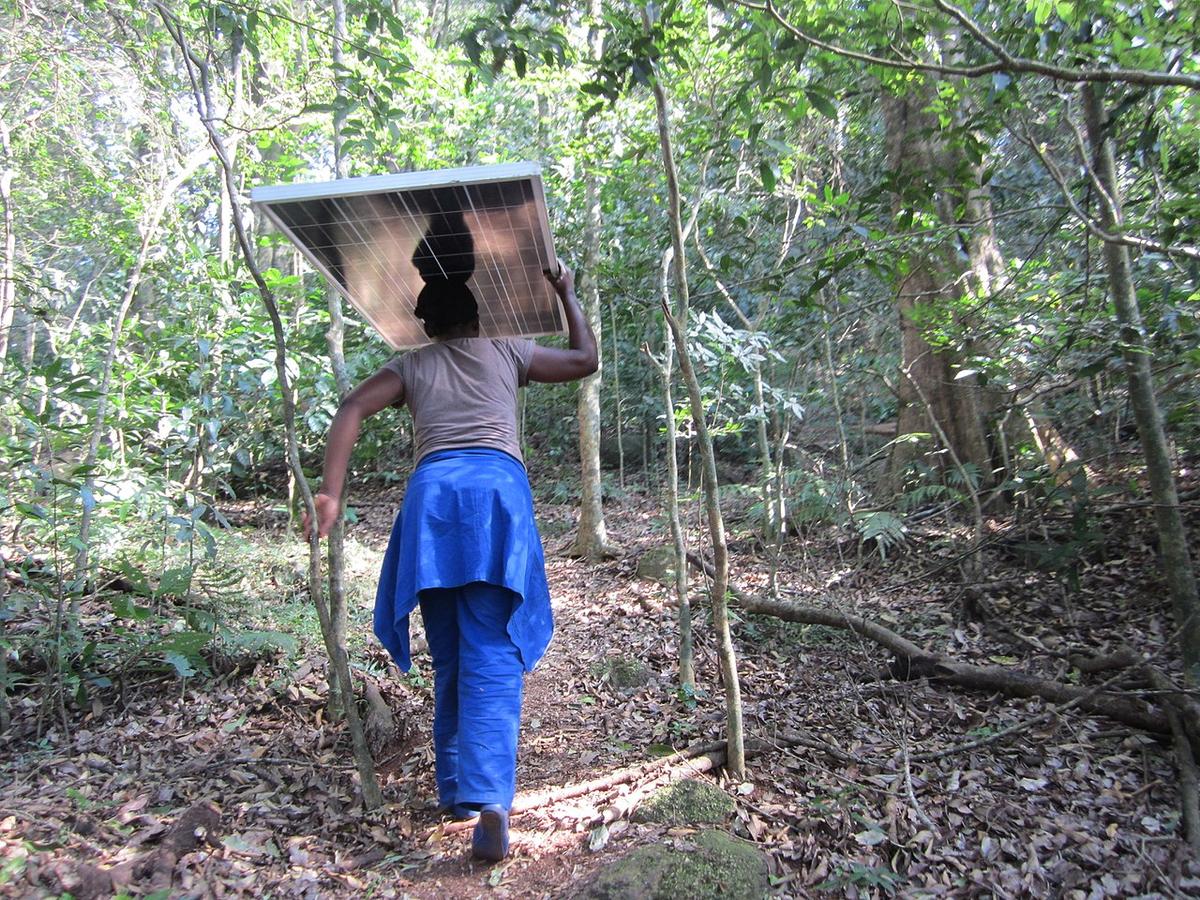
China Solar Exports Hit All-Time Record in March as Africa, Asia Demand Jumps
China exported a record 68 GW of solar components in March 2026, a 49% increase over the previous export high set in August 2025. The surge was driven by soaring demand in Africa and Asia, with Nigeria’s imports jumping 519% and India purchasing...
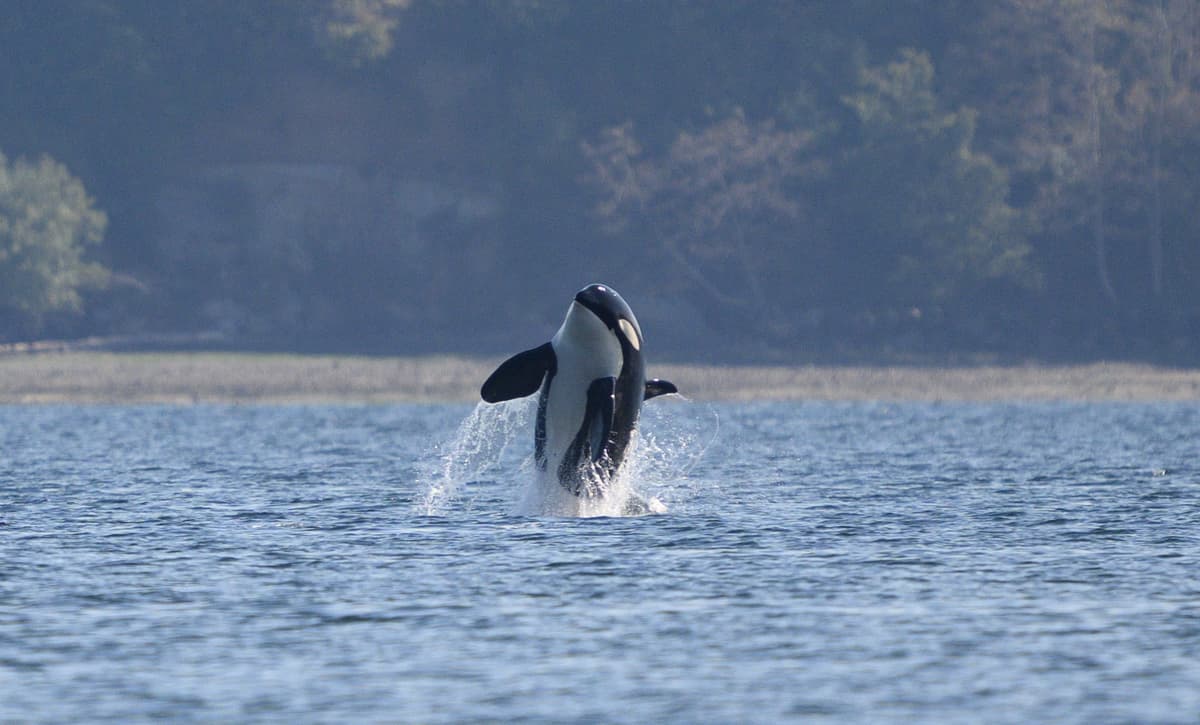
AI Listens for Endangered Orcas to Help Reduce Underwater Noise Exposure
Artificial intelligence tool OrcaHello now monitors the endangered southern resident orcas in the Salish Sea, detecting their vocalizations in real time. Ship traffic can raise underwater sound levels by 12‑17 dB, reducing the whales' prey‑capture odds by roughly 12.5 % per decibel....
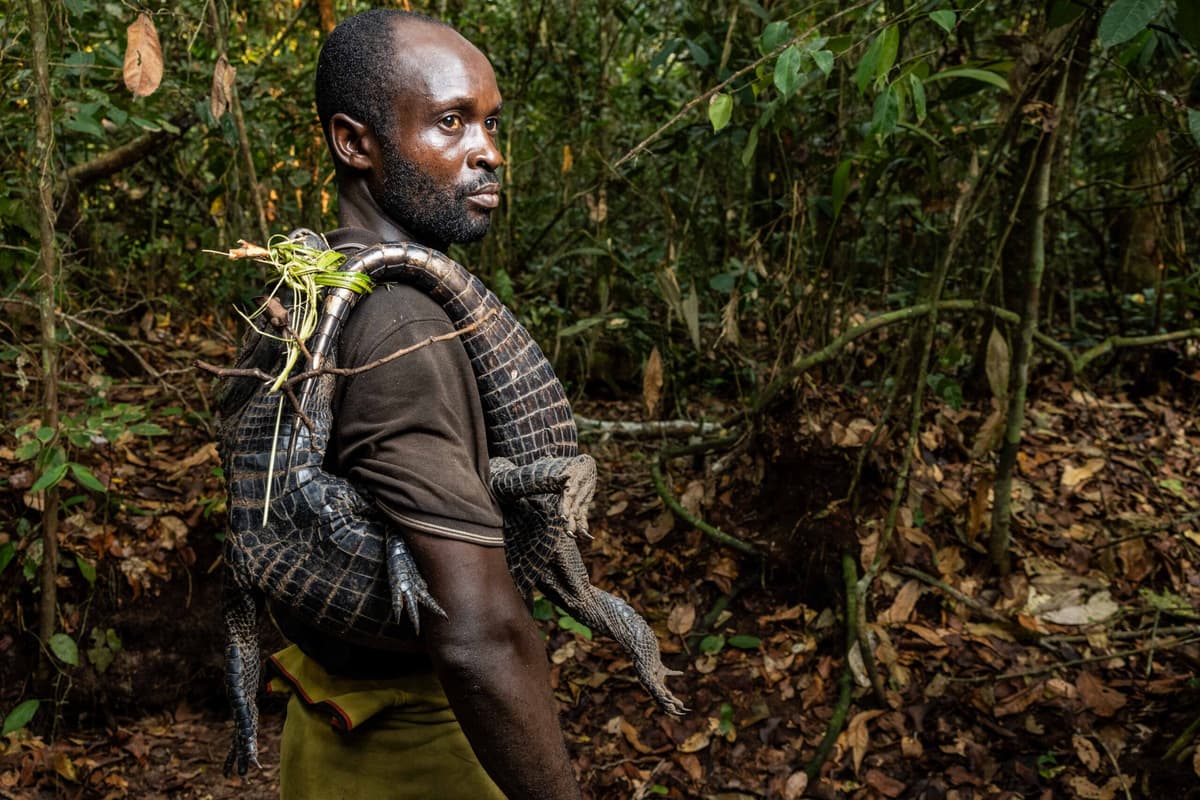
Wild Animal Consumption on the Rise in Central Africa, Study Finds
A new Nature study led by CIFOR‑ICRAF analyzed over 12,000 households in six Central African countries and found wild‑meat consumption has risen roughly 50 % since 2000, climbing from about 730,000 tons to 1.1 million tons annually. The surge is driven mainly by expanding...