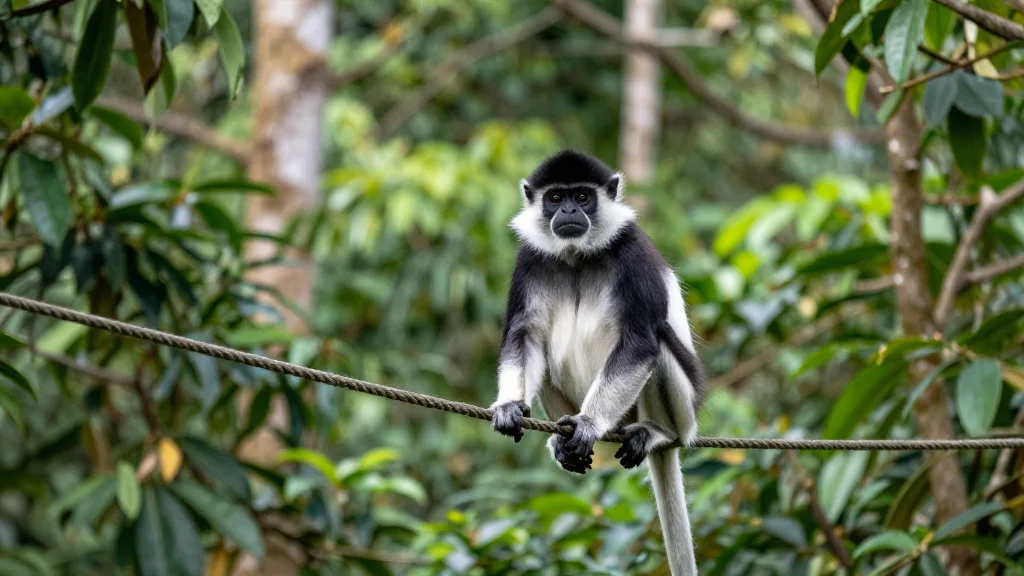
Citizen Science Helps Reconnect Singapore Treetops for Elusive Leaf-Eating Langurs
Singapore’s critically endangered Raffles’ banded langurs have rebounded, with numbers rising from 40 in 2011 to about 80 today, thanks to a citizen‑science program that mobilizes over 100 volunteers to monitor the primates across fragmented forest patches. Volunteers collect long‑term data on group size, behavior and movement, enabling scientists to map food‑plant locations, identify corridors and install rope bridges and overpasses that reconnect canopy pathways. The program also raises public awareness, fostering advocacy that could protect additional forest sites threatened by development. Continued habitat enrichment and connectivity are essential for the species to potentially reach 244 individuals by 2071.

Oil Spill Continues in Gulf of Mexico Vulnerable Habitats, While Pemex Admits Fault
An oil spill has polluted roughly 933 km (580 mi) of Gulf of Mexico shoreline across Veracruz, Tamaulipas, Campeche and Tabasco. After two months of speculation, Pemex confirmed the leak originated from a pipeline at its Cantarell platform. The contamination threatens over...
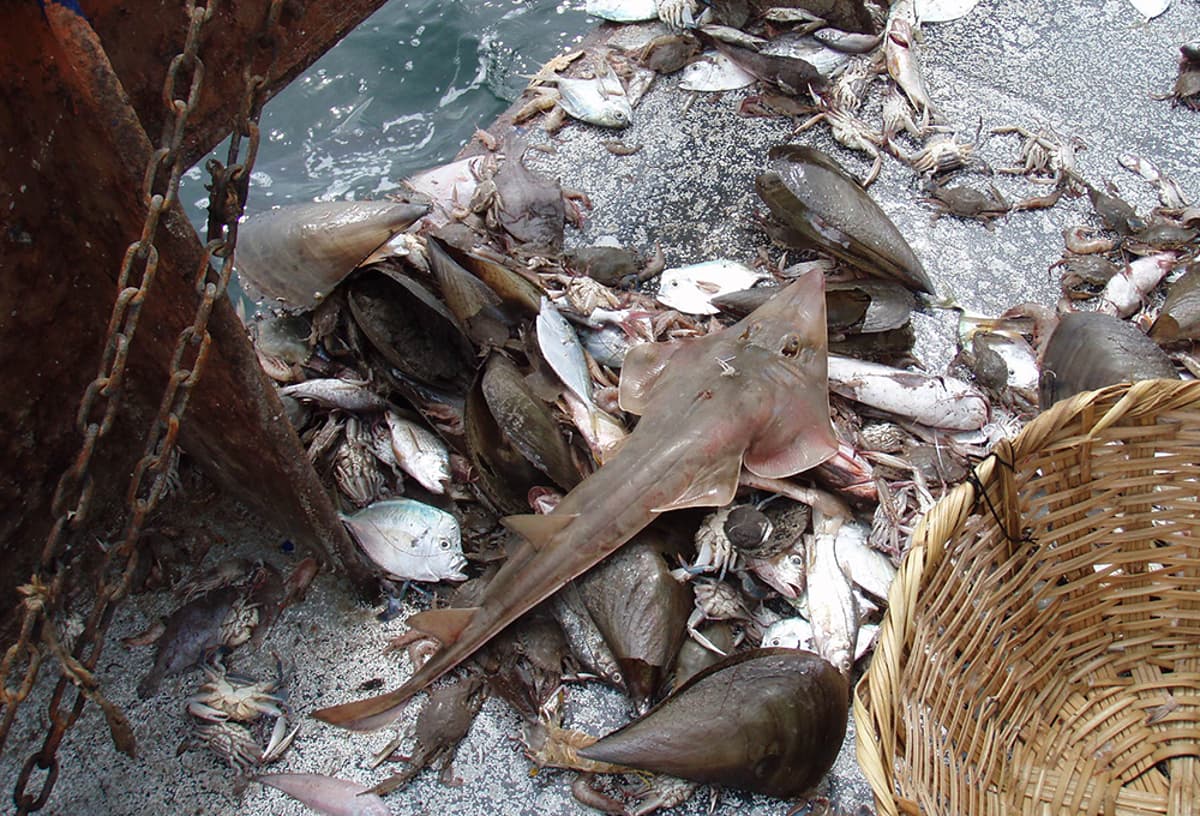
Study Finds Bottom Trawling Nets 3,000 Marine Fish Species, Including Threatened Ones
A new study catalogued nearly 3,000 marine fish species caught by bottom‑trawl nets, suggesting the true number could be double. Of those, about 237 are listed as threatened on the IUCN Red List, while 23% remain data‑deficient or unassessed. The...
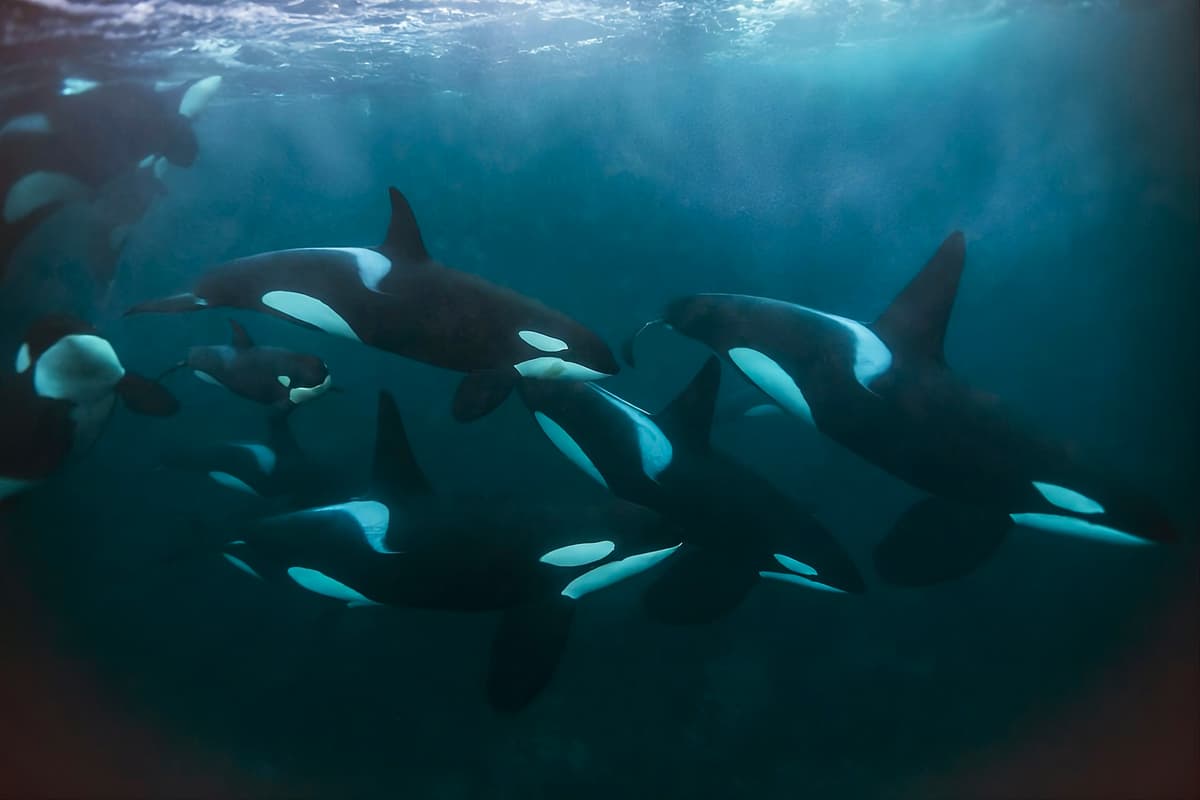
AI Tool Listens for Endangered Orcas in Real Time to Reduce Human Disturbance
OrcaHello, an AI-driven monitoring system built on the Orcasound hydrophone network, now listens to underwater soundscapes in real time to detect endangered southern resident orcas. The tool has issued alerts on 138 days, prompting ports to pause noisy construction and...
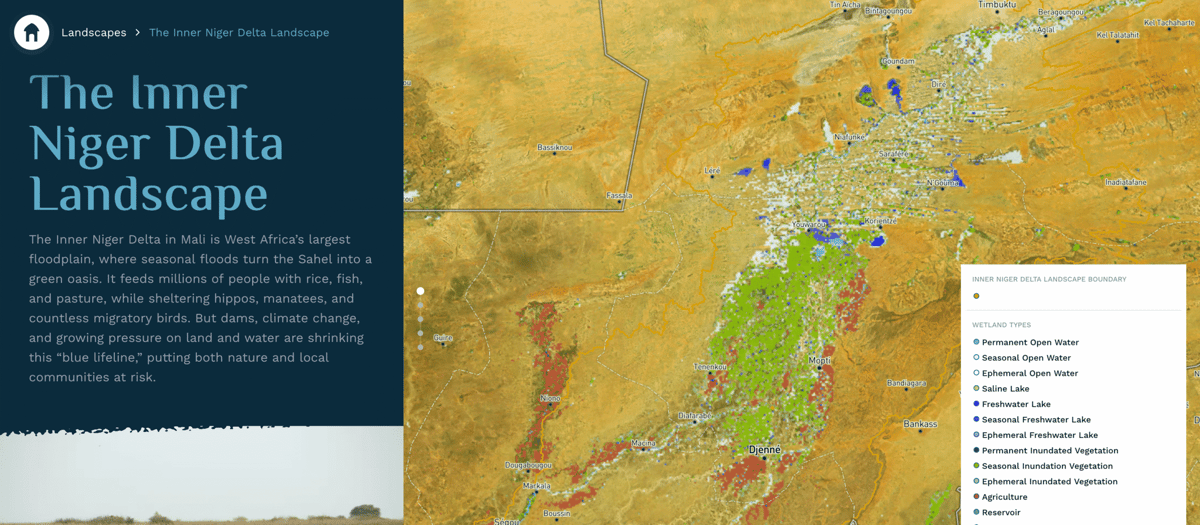
New Atlas Aims to Help Save Africa’s Disappearing Wetlands
Wetlands International has launched an interactive Wetland Atlas that maps wetlands in the Sahel and the Horn of Africa, integrating spatial extent with climate‑mitigation potential, socioeconomic reliance, and protection status. The tool tackles “wetland blindness” by making the ecosystem’s multiple...
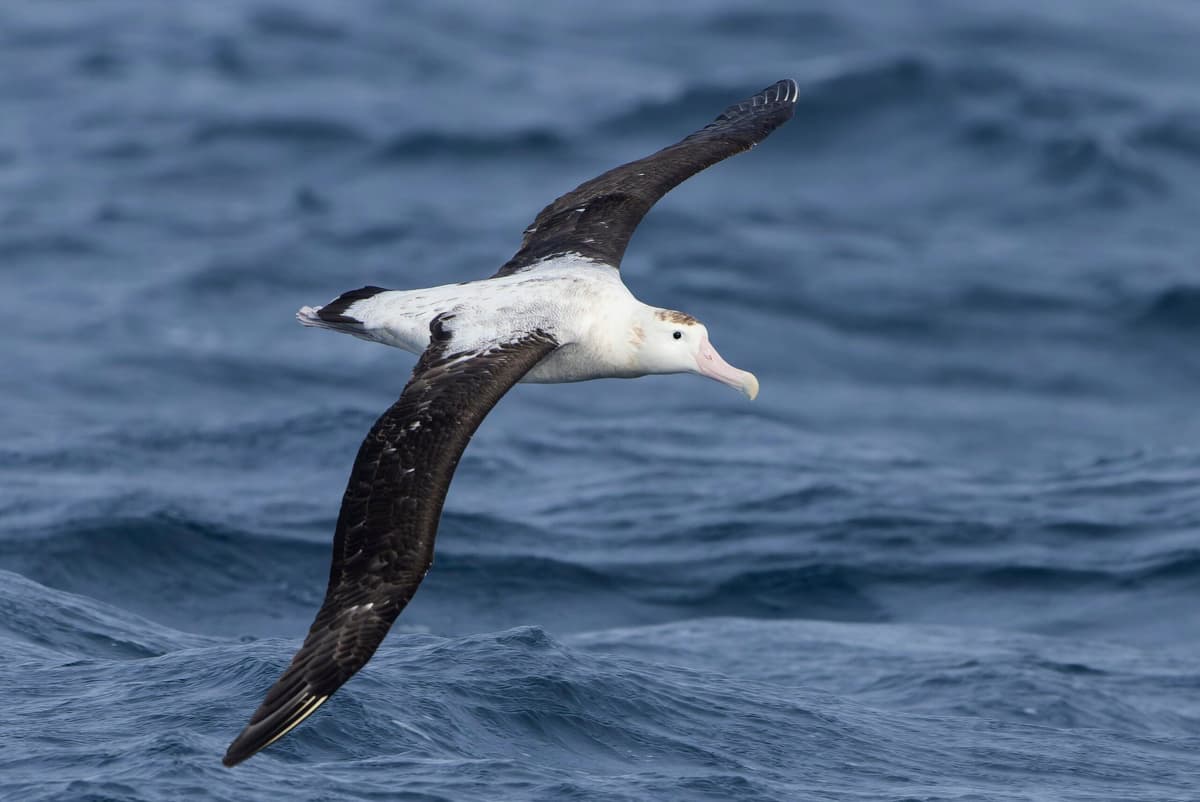
How Marine Flyways Could Help Save the World’s Declining Seabird Population
The U.N. Convention on Migratory Species (CMS) has formally recognized six marine flyways that channel the movements of 151 seabird species across 54 nations. The routes connect roughly 1,300 Key Biodiversity Areas, offering a concrete framework for coordinated protection of...
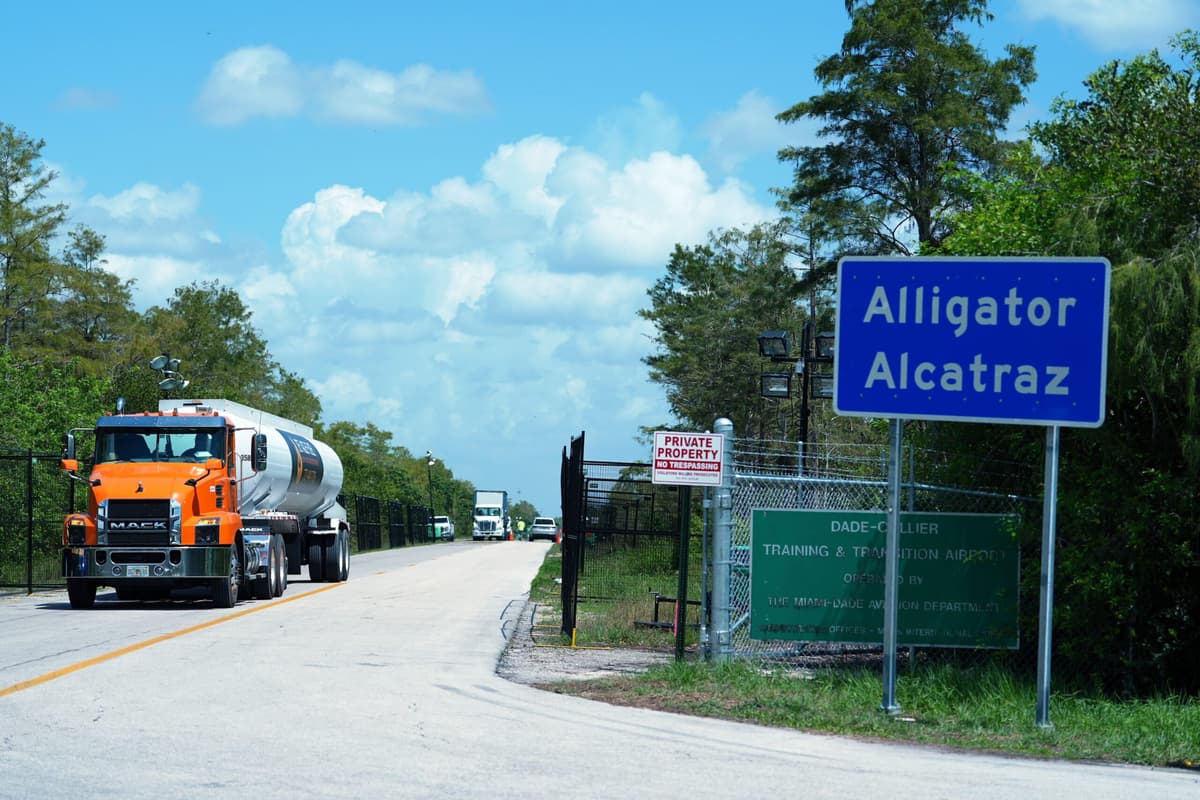
Appeals Court Keeps ‘Alligator Alcatraz’ Open, Rejecting Need for Federal Environmental Review
The Eleventh Circuit Court of Appeals ruled that Florida’s “Alligator Alcatraz” immigration detention center can remain open, rejecting a requirement for a federal environmental impact review. The panel held that because the state built and funded the facility, it is...

New Treaty to End the Fossil Fuel Era Is Needed More than Ever (Commentary)
A coalition of more than 50 nations will convene in Santa Marta, Colombia, to launch the first International Conference on Transitioning Away from Fossil Fuels, aiming to lay groundwork for a global Fossil Fuel Treaty. The conference follows soaring oil prices—over...
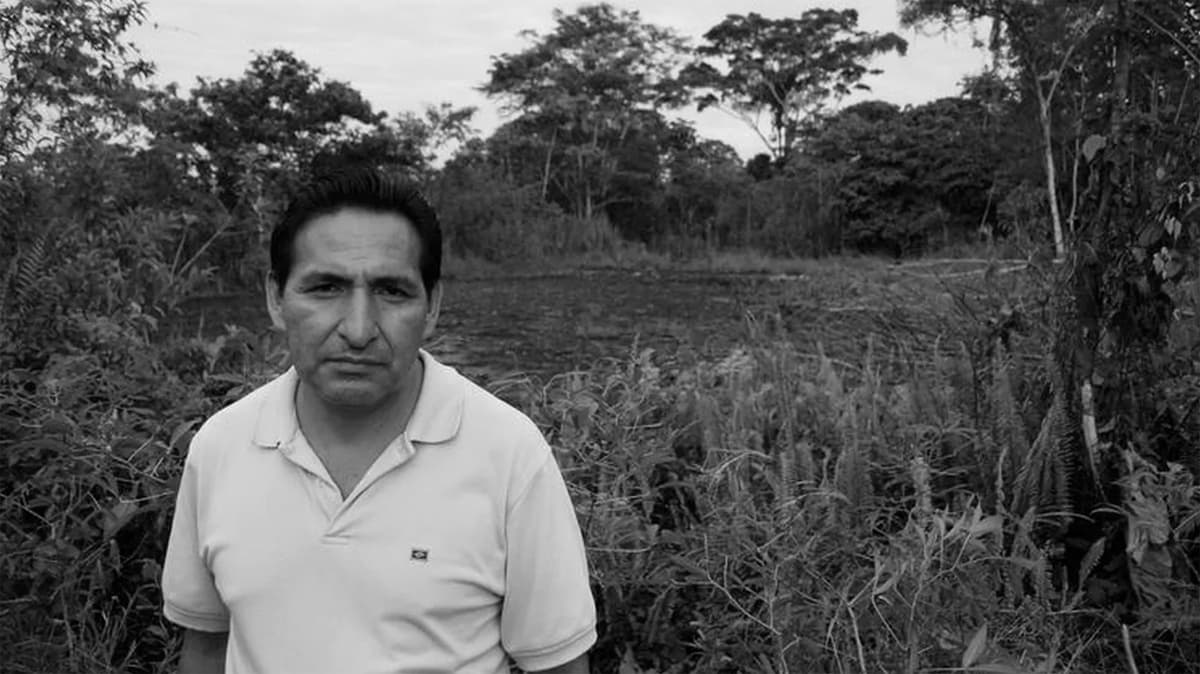
Luis Yanza, Campaigner Who Battled Big Oil in the Amazon Rainforest
Luis Yanza, the grassroots organizer who linked more than 80 Amazon villages to the multibillion‑dollar Chevron lawsuit, died on March 27, 2026. He helped build the legal strategy that led to a 2012 Ecuadorian court ordering Chevron to pay billions...

Climate Displacement in Africa: Court Opinion Could Define States’ Obligations
The African Court on Human and Peoples’ Rights is set to issue an advisory opinion clarifying states’ obligations toward internally displaced persons (IDPs) forced from their homes by climate‑related disasters. In 2024, millions were displaced across roughly 20 African nations,...
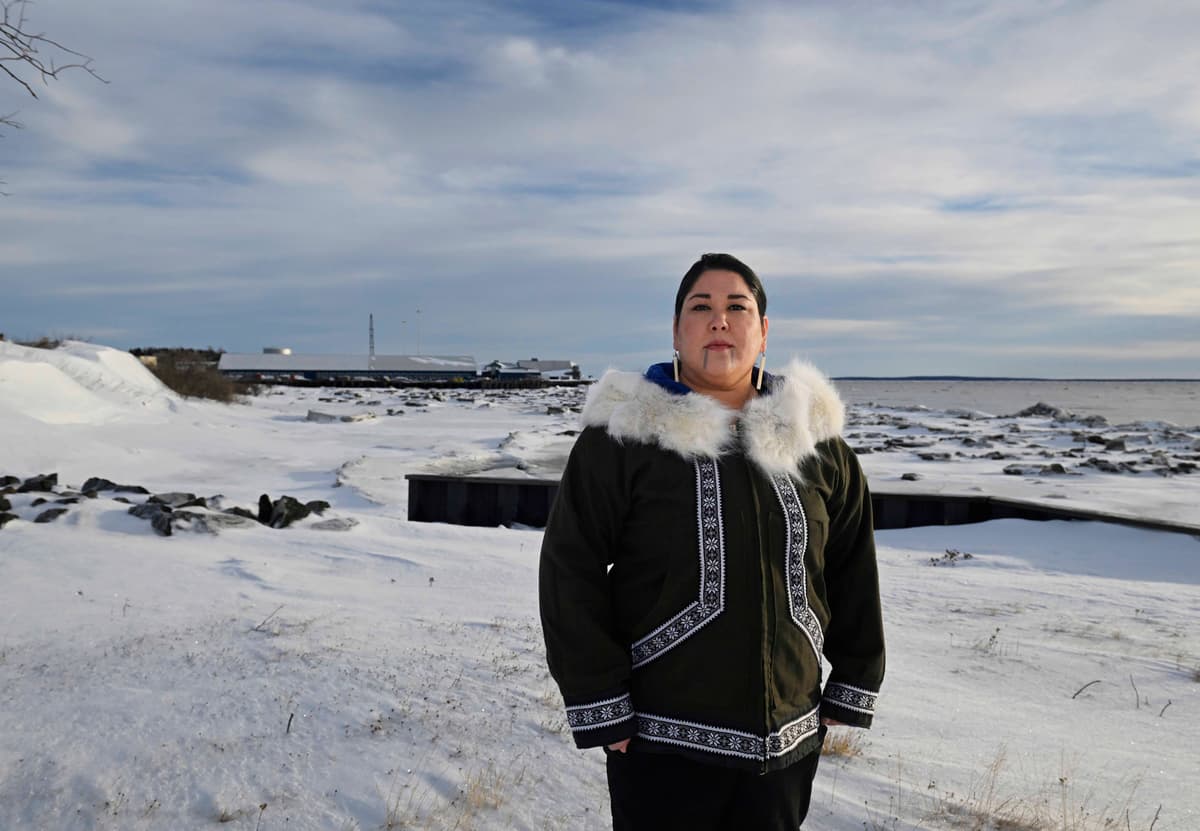
Goldman Prize Winner Alannah Hurley Fights Pebble Mine “From a Place of Love”
Alannah Hurley, executive director of the United Tribes of Bristol Bay, received the 2026 Goldman Environmental Prize for leading the successful opposition to the Pebble Mine project in Alaska. The EPA’s 2023 veto of the copper‑gold mine, citing unacceptable impacts...
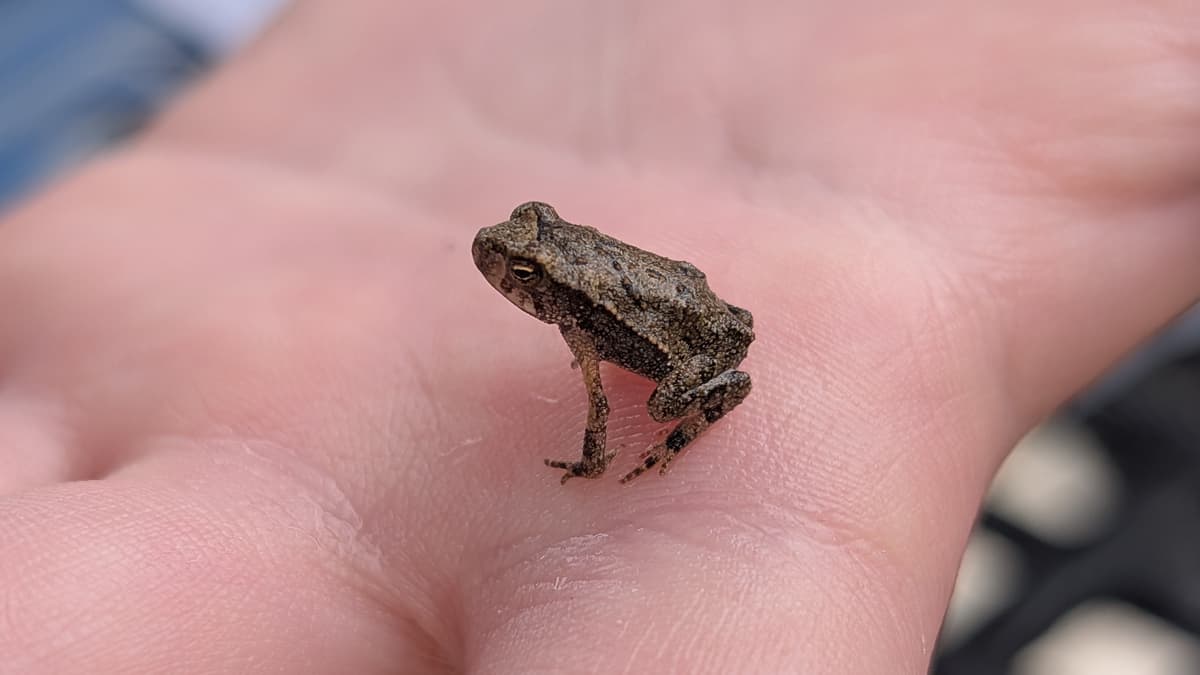
Conservation Collects More Data than Ever. What Is It For?
A new paper in Proceedings of the Royal Society B, led by Kate Helmstedt, argues that conservation monitoring must begin with a clear purpose rather than treating data collection as a default activity. The authors identify fifteen distinct reasons for monitoring,...

Brazil Taps Legal Loophole to Issue Bids for Amazon ‘Tipping Point’ Road
The Brazilian government issued four bids on 13 April to pave the 339‑km middle section of the BR‑319 highway, invoking a newly created legal loophole that classifies the work as infrastructure improvement and bypasses full environmental licensing. The project is budgeted...
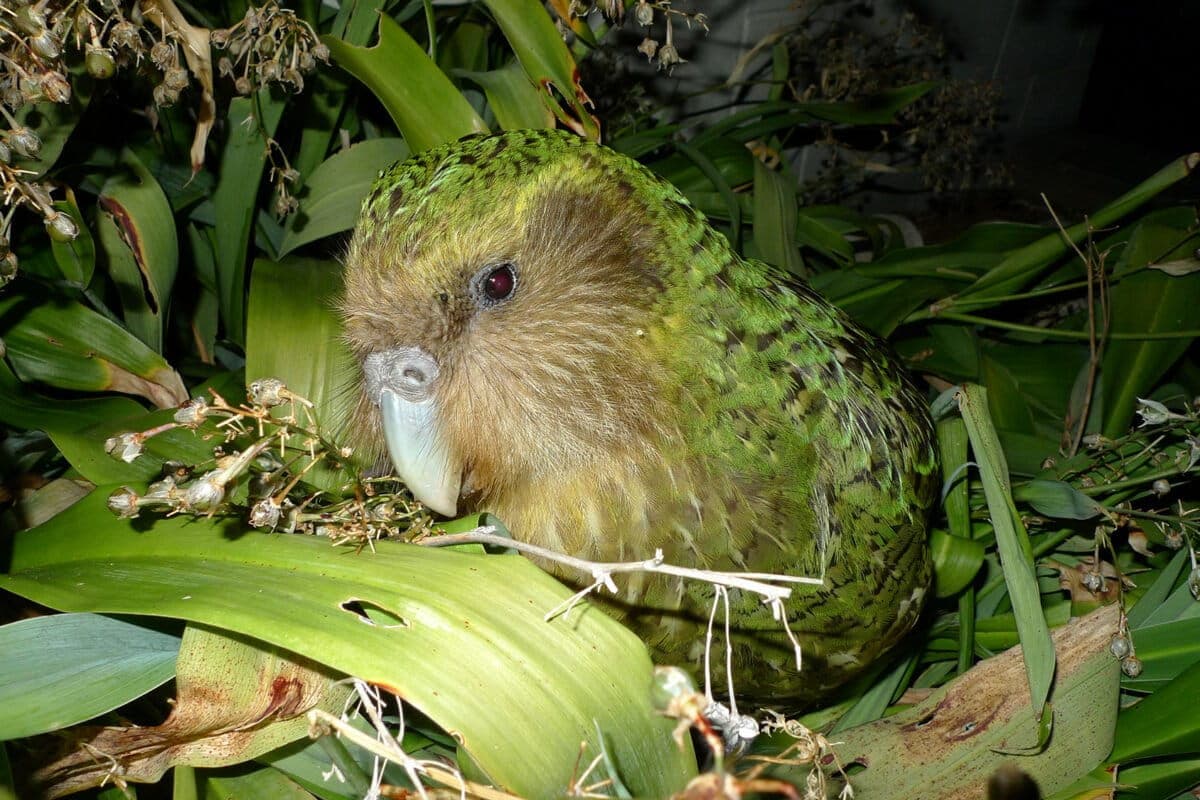
World’s Fattest Parrots Have Mating Frenzy
The critically endangered kākāpō, the world’s largest parrot, has rebounded from a mere 236 adults to a record‑breaking breeding season. Conservation teams reported nearly 100 healthy chicks hatched so far, the highest annual output in decades. This surge was driven...
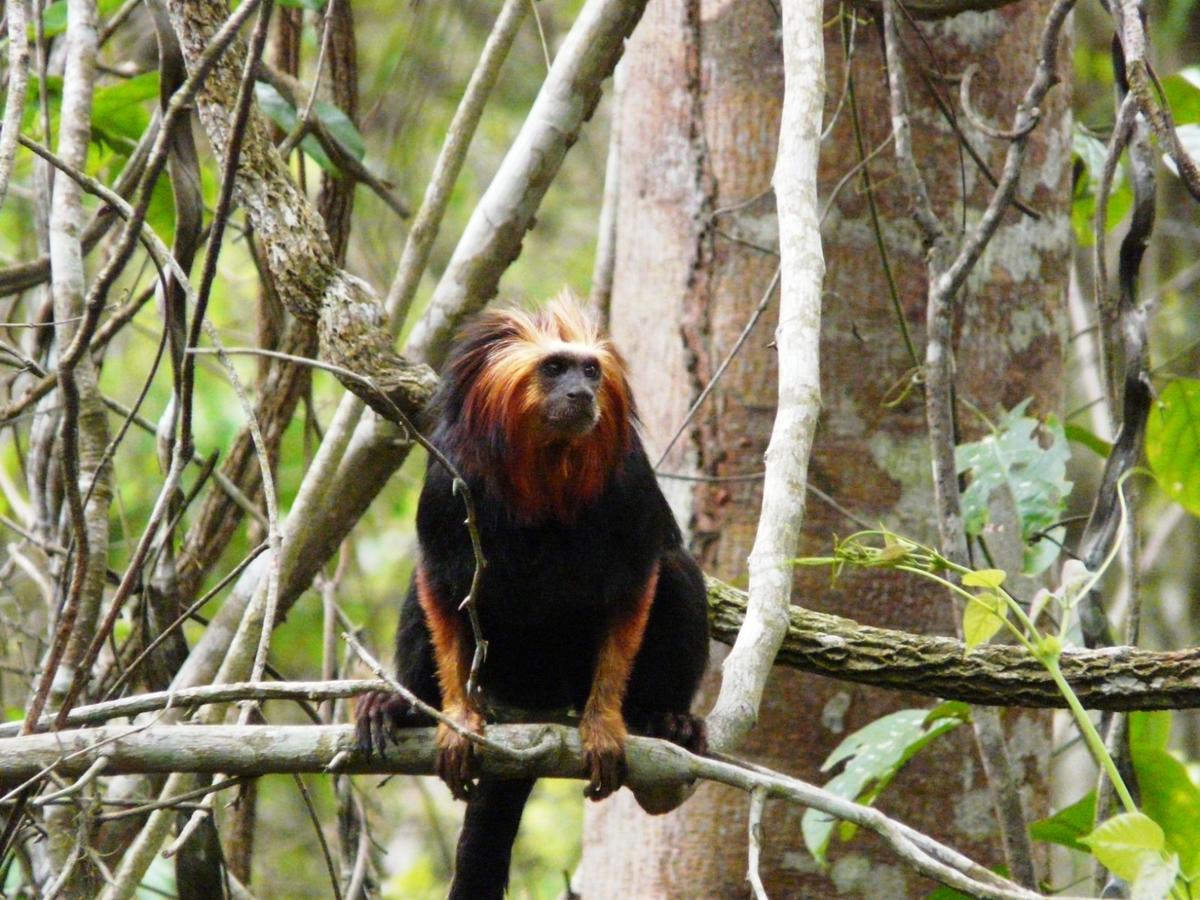
Rehab Center Opens for Brazil’s Golden-Headed Lion Tamarins Amid Urban Sprawl Threat
Brazil inaugurated its first rehabilitation center for the endangered golden-headed lion tamarin, a species confined to Bahia’s coastal forests. The facility, located at the State University of Santa Cruz, can initially house three groups of tamarins, with plans to expand...

Virtus Minerals Signs First Major Deal Under US-DRC Critical Minerals Partnership
Virtus Minerals, a U.S. firm with just eight staff, has completed its first major transaction under the U.S.–DRC critical‑minerals pact by acquiring Chemaf and its copper‑cobalt assets in the Democratic Republic of Congo. The purchase includes the Mutoshi mine, which...
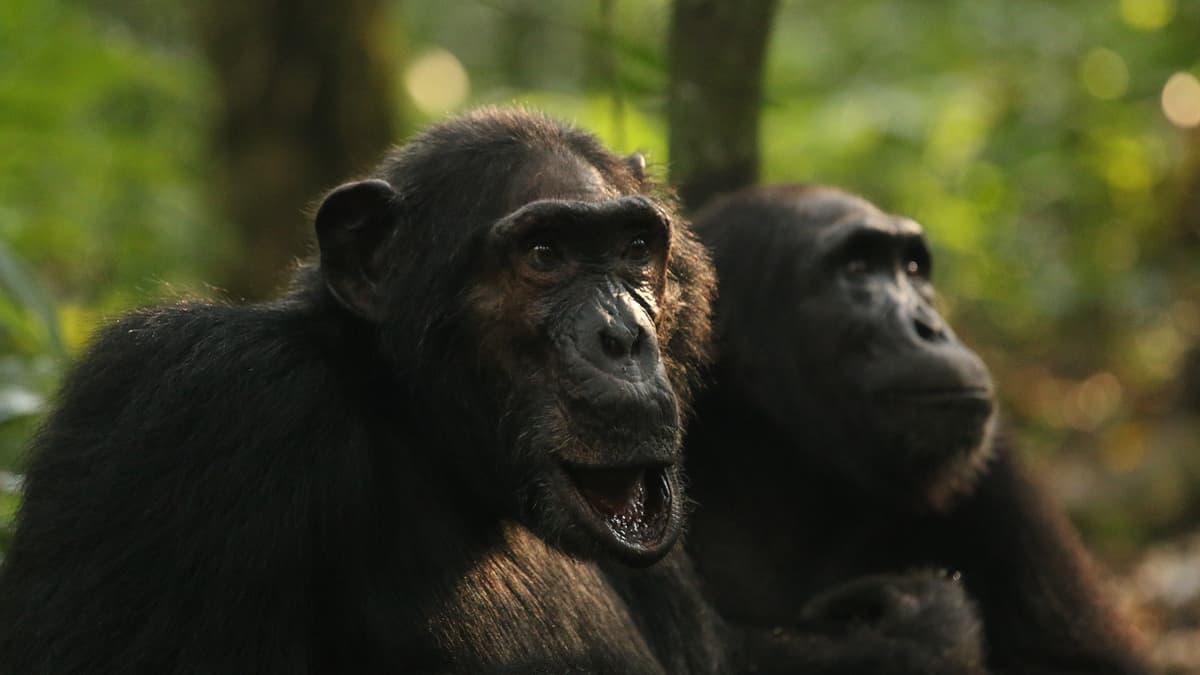
Chimp ‘Civil War’ Follows Rare Community Split in a Ugandan National Park
A three‑decade study at Uganda’s Ngogo site documents a rare split of a 150‑200‑member chimpanzee community into Central and Western factions. Between 2018 and 2024 the Western group launched 24 coordinated raids, killing seven adult males and 17 infants. Researchers...

Thomas J. Walker Studied the Songs of Crickets and Katydids
Thomas J. Walker, a University of Florida entomologist who died at 94, spent four decades redefining insect taxonomy through the acoustic behavior of crickets and katydids. He argued that living sound recordings, not just preserved specimens, are essential for species...

EU Deforestation Law Nudges Timber Trade, Indonesia Probe Shows, but Risks Persist
An Earthsight investigation traced Indonesian timber harvested from recently cleared forests to European importers, showing that deforestation‑linked wood still reaches EU markets despite the upcoming EU Deforestation Regulation (EUDR). The probe prompted several European buyers, such as Belgium’s Fepco International...
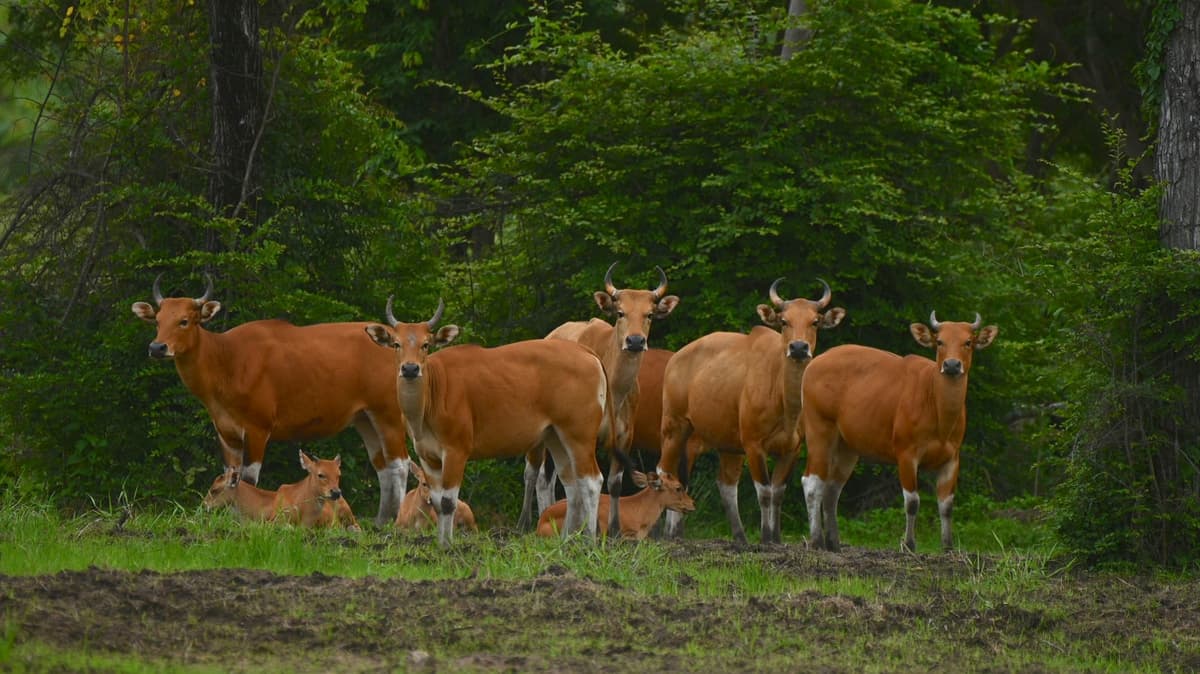
Community-Led Ecotourism Protects Rebounding Wild Cattle in Thailand
Thailand’s Huai Kha Keng Wildlife Sanctuary now hosts an estimated 1,400 critically endangered banteng, the largest herd in Southeast Asia. The rebound, driven by SMART ranger patrols, has led the animals to disperse into surrounding farms, sparking conflict concerns. In...
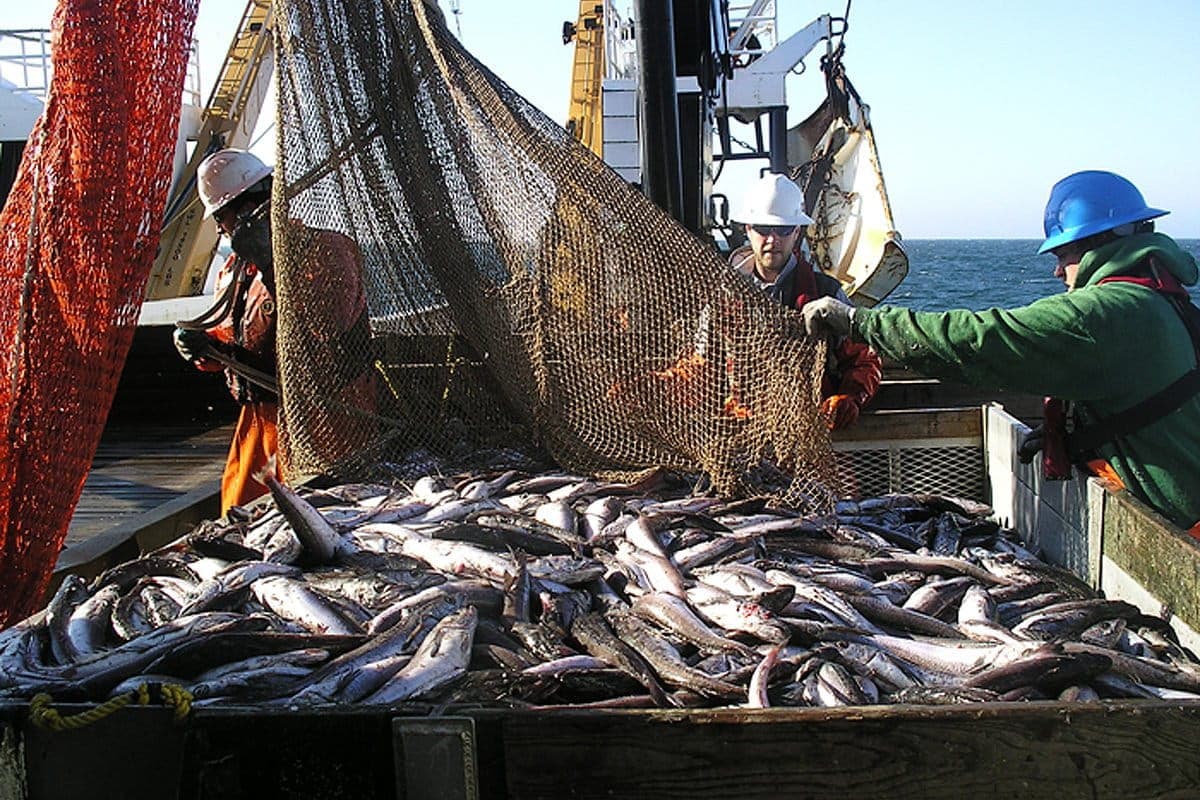
Landmark US Magnuson-Stevens Fisheries Law Turns 50 Amid Budget Cut Concerns
The Magnuson‑Stevens Act celebrated its 50th anniversary, highlighting a legacy of rebuilding more than 50 U.S. fish stocks and expanding federal jurisdiction to 200 nautical miles. The law’s regional councils blend fishers, scientists, tribes, and processors to set science‑based harvest...

From Carp to Hippos, 43% of Large Freshwater Animal Species Spread Far Beyond Native Ranges
A new global analysis of 216 large freshwater animal species (weighing over 30 kg) finds that 43% have been deliberately introduced beyond their native habitats, spanning 142 countries. Introductions are driven mainly by fisheries, aquaculture, tourism and the pet trade, with...

Australia Declares Mainland Alpine Ash Forests Endangered
Australia’s federal government has listed mainland alpine ash forests as an endangered ecological community, citing severe decline from repeated bushfires and climate change. The 2019‑2020 summer fires destroyed roughly 80,000 hectares (about 200,000 acres) of these high‑altitude woodlands, and more...

A Chimpanzee’s Rhythmic Drumming with Floorboards Hints at Origins of Instruments
Japanese researchers observed Ayumu, a 26‑year‑old captive chimpanzee, repeatedly tearing floorboards to create makeshift drums and delivering rhythmic, multi‑minute performances while vocalizing. Over two years the team recorded 89 sessions across 37 days, finding that his beats were evenly spaced...

Strait of Hormuz Crisis Should Catalyze African Biofertilizer Production (Commentary)
Tensions in the Strait of Hormuz have disrupted synthetic fertilizer shipments, exposing Africa’s reliance on imports that account for up to half of its supply. In response, the Dangote Group is set to triple its output to 9 million metric tons...

See an Orangutan, Take a Photo, Earn some Money: A Viable Conservation Model?
KehatiKu, a citizen‑science program launched by Borneo Futures in Indonesian Borneo, pays local residents to photograph and upload wildlife sightings via a free app. Observers receive as much as $5.84 per verified orangutan sighting and can earn up to $292...

Aaron Longton, Fisherman Who Tied Sustainability to Survival
Aaron Longton, a Port Orford fisherman, pioneered a cooperative that linked small‑boat catches directly to consumers, boosting prices and transparency. He championed science‑based management and habitat protection, arguing that conservation underpins economic survival. His model, Port Orford Sustainable Seafood, demonstrated...

Exploring Giraffe-Human Conflict in Kenya
Reticulated giraffes, with fewer than 20,000 individuals left, have suffered a 56% population drop over three decades. In Kenya’s Bour‑Algy Giraffe Sanctuary, researchers surveyed 400 households to gauge human‑giraffe conflict (HGC). The majority of residents view the animals as low‑risk,...

Deep-Sea Wildernesses Are More Important than the Promise of Seafloor Mining (Analysis)
Deep‑sea ecologist Andrew Thaler recounts his 2008 Solwara I expedition, concluding that the hydrothermal‑vent ecosystem’s unparalleled biodiversity and fragile connectivity make commercial mining untenable. The site, rich in copper, gold and rare‑earth metals, also hosts unique species such as Alviniconcha snails,...

Researchers Find ‘Remarkable’ Hot-Pink Insect in Panama Rainforest
In March 2025, biologists led by Benito Wainwright discovered a hot‑pink individual of the katydid species Arota festae on Barro Colorado Island, Panama. The insect was kept in captivity and photographed daily, showing a rapid colour transition from hot pink to...

Africa’s Solar Costs Could Rise as China Cuts Export Subsidies
China will end its 9 % export tax rebate on photovoltaic modules, cells and inverters on April 1, prompting African power developers to rush purchases before prices rise. Solar accounts for just 3 % of Africa’s electricity but is expanding rapidly through mini‑grids...

Tropics Take the Brunt as Hotter Oceans Drive Large-Scale Humid Heat Waves: Study
A new Nature Geoscience study links rising coastal sea‑surface temperatures to 50‑64% of the increase in large‑scale humid heat waves, with the effect strongest in the tropics. These humid heat waves can travel up to 1,000 km inland, carrying a 90%...

Record Kākāpō Breeding Season with 95 Rare Parrot Hatchlings: Photo of the Week
The New Zealand Department of Conservation reported a record‑breaking kākāpō breeding season, with 95 chicks hatched—surpassing the previous high of 73 in 2019. The season began with a prolific rīmu berry harvest, leading to 80 nests producing 256 eggs, of which...

Half of Seabirds Are Declining. Protecting Marine Flyways Could Help Save Them
A new study maps six global marine flyways used by 151 seabird species—about 40% of all seabirds—showing that nearly half of migratory seabirds are in decline. These routes cross the Exclusive Economic Zones of 54 countries, with France intersecting all...
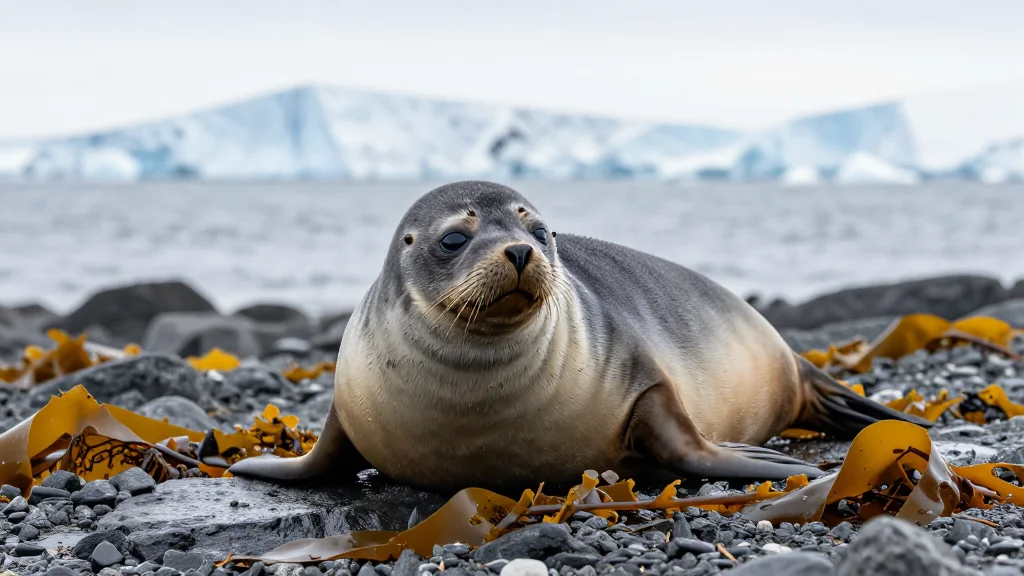
Antarctic Fur Seals Now Endangered as Climate Change Reduces Krill for Pups
The IUCN Red List has reclassified the Antarctic fur seal (Arctocephalus gazella) from “least concern” to “endangered,” citing a 50% population decline over the past 25 years. Numbers dropped from roughly 2.2 million adults in 1999 to about 944 000 in 2025,...
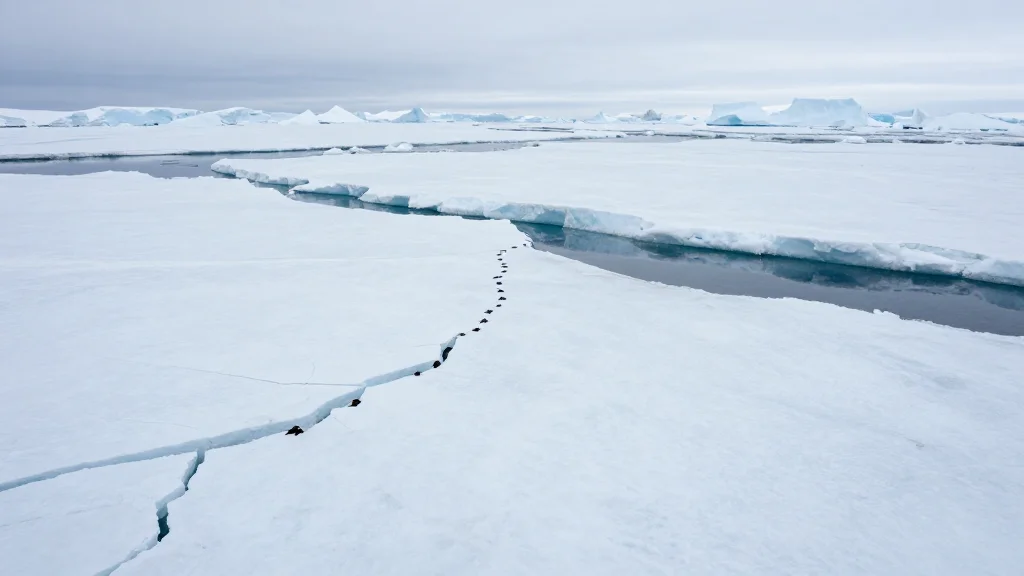
Emperor Penguins Are Now Endangered Amid Climate Change and Melting Ice
The International Union for Conservation of Nature (IUCN) has upgraded the emperor penguin to endangered status, citing rapid sea‑ice loss across Antarctica. Recent satellite analyses reveal that nearly 10% of the species—about 24,000 mature birds—have died from habitat degradation between...
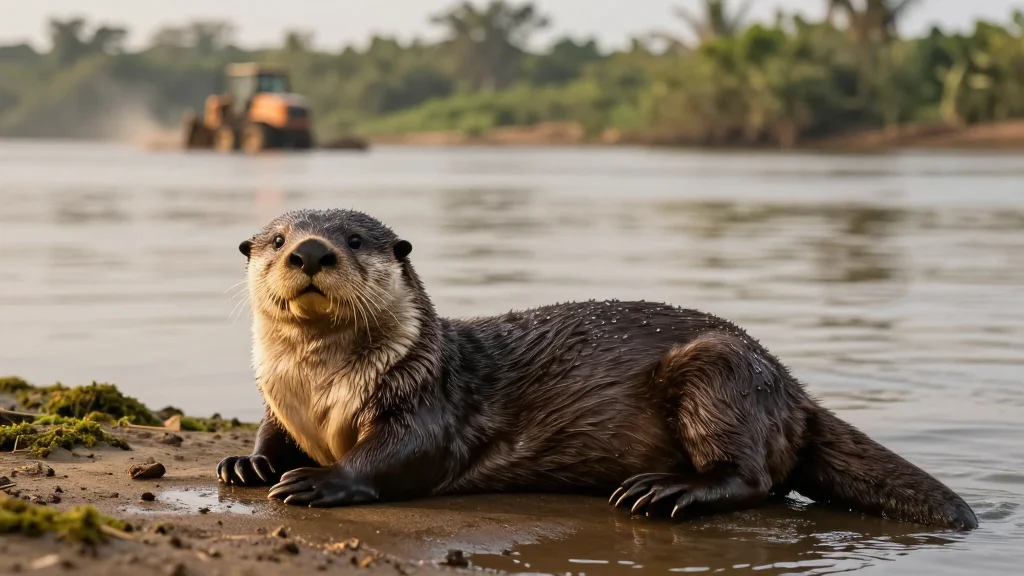
Giant Otters, River Sentinels, Now Listed as Threatened Migratory Species
The Convention on Migratory Species (CMS) officially listed the giant otter (Pteronura brasiliensis) on both Appendices I and II, unlocking coordinated international conservation measures. Over the past 25 years its numbers have dropped by half, and scientists warn another 50 % decline is likely...

New Mahogany Species Found in Zanzibar — but Fewer than 30 Trees Remain
Scientists have confirmed a new mahogany species, *Afzelia corallina*, on Pemba Island, Zanzibar. The tree occupies a 200‑meter coastal strip and fewer than 30 individuals survive in the wild, making it critically endangered. Illegal timber poaching and recent storms have...

Argentina Approves Milei’s Bill that Eases Protections for Glaciers Despite Environmental Backlash
Argentina’s Congress approved President Javier Milei’s bill loosening glacier protections to enable mining investments. The legislation passed 137‑111‑3 and could unlock more than $30 billion over the next decade, primarily for copper, gold and silver projects. Protection is now limited to glaciers...

Invasive Plant Drives Ecological Change in America’s Gigantic Selway–Bitterroot Wilderness (Commentary)
Spotted knapweed, an invasive lavender‑flowered plant, is rapidly colonizing the Selway‑Bitterroot Wilderness, transforming meadows, ridgelines, and forest understories. Its deep taproot and early, climate‑driven blooming let it outcompete native forbs, suppress pollinator resources, and alter soil moisture and nutrient cycles....
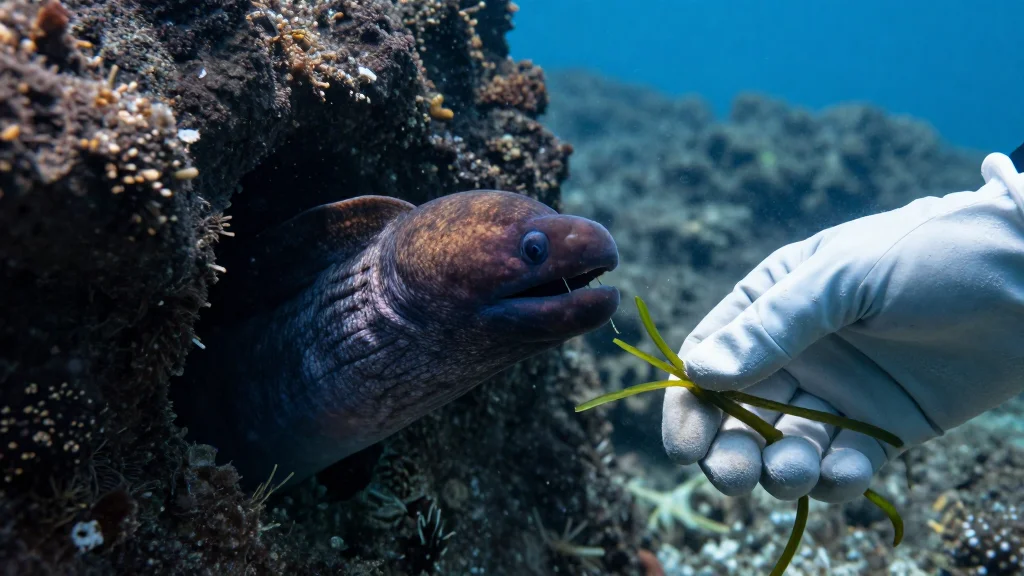
Creating the North Atlantic’s Largest MPA Network: Interview with Azores President José Manuel Bolieiro
In May, Azores President José Manuel Bolieiro will receive the Peter Benchley Ocean Award for spearheading the Azores Marine Protected Areas Network, now the North Atlantic’s largest MPA at 287,000 km². Enacted on Jan 1 2024, the network targets protection of 30% of...

Invasives Take over Native Plant Spaces in Nepal’s Cities
Native vegetation in Kathmandu is rapidly declining as invasive species such as Crofton weed, Lantana, and Parthenium spread across urban green spaces. A 2024 study found that 48% of observed plant species are non‑native, with 6% classified as invasive, displacing...
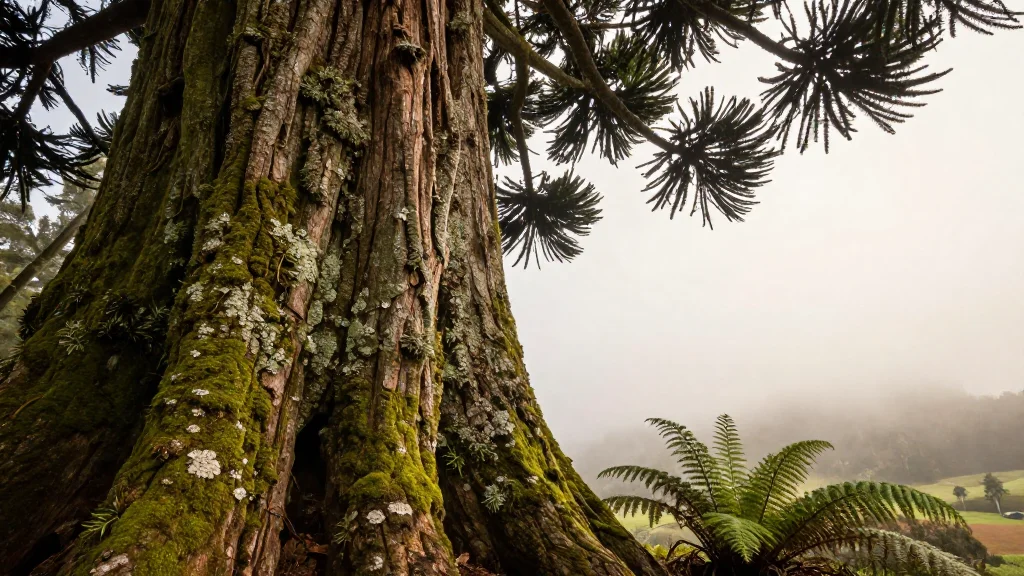
Chile’s Ancient Conifers Host Underground Web of Life that Sustains Forests: Study
Researchers analyzing soil beneath Chile’s 2,400‑year‑old alerce abuelo discovered a fungal community twice as diverse as that of younger trees, identifying 361 unique DNA sequences, many likely new species. The study confirms that larger, older trees host disproportionately rich mycorrhizal...
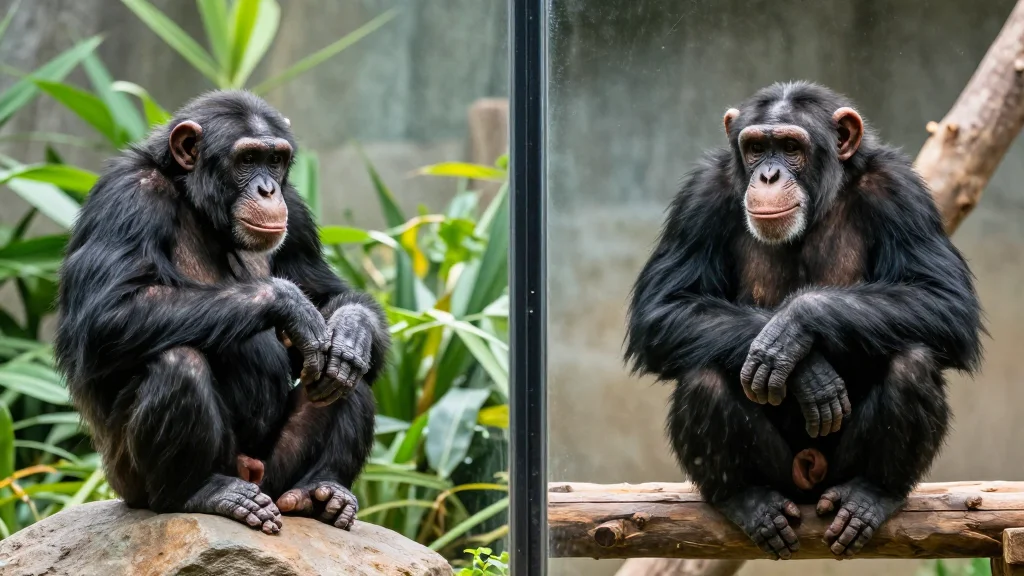
In Zoos, ‘Peaceful’ Bonobos Are Just as Aggressive as Chimps, Study Suggests
A comparative study of aggression in nine chimpanzee and thirteen bonobo groups across 16 European zoos found no overall difference in aggression rates between the species. Male chimpanzees displayed higher aggression than females, while bonobo males and females were equally...

How the US Rebuilt a Collapsed Fishery
The West Coast groundfish fishery, once declared a disaster in 2000, rebounded after stringent federal measures including quota cuts, trawling bans, and a 2010 catch‑share program that allocated individual permits. Scientific monitoring and stricter observer requirements helped depleted stocks, culminating...

Indonesia’s Plan to Rezone National Park Sparks Backlash
Indonesia plans to rezone Way Kambas National Park, cutting its strictly protected core from about 60,000 ha to 27,661 ha while expanding a development zone for carbon‑trading and luxury tourism. The government frames the move as a way to turn the park into...

24 New Species Found in Ocean Zone Eyed for Battery Metals Mining
Scientists described 24 new amphipod species, including a brand‑new superfamily and family, from sediment cores collected 4,000 m deep in the Clarion‑Clipperton Zone (CCZ). The CCZ spans roughly 6 million km² of the central Pacific and is rich in nickel, cobalt and copper...

As EU-Mercosur Agreement Goes Into Effect, Environmentalists Raise Red Flags
The EU‑Mercosur trade agreement, worth potentially trillions of dollars, will be provisionally implemented in May 2026 after Paraguay’s ratification. It removes tariffs on about 95% of Brazilian exports, promising a major boost to EU‑Latin America commerce. Environmental NGOs warn the tariff...

How Quickly Do Tropical Forests Recover? Faster than Expected, but Slower than It Seems
A new Nature study of an Ecuadorian lowland rainforest shows secondary tropical forests can regain species abundance and diversity within three decades, but the original species composition may take much longer, often centuries. Researchers compared 62 plots across active agriculture,...

Loss of Prey Could Drive Atlantic Forest Jaguars to Extinction
A new study reveals that the Atlantic Forest’s jaguar population – fewer than 300 individuals – is collapsing because its primary prey, such as deer and peccaries, has been wiped out by illegal hunting. Camera‑trap surveys across nine protected areas...