
Ghost Shark, Carnivorous Sponge Among 1,000+ Newly Discovered Marine Species
The third year of the global Ocean Census has added 1,121 potentially new marine species, including a glass‑castle polychaete worm, a ghost shark, and a carnivorous death‑ball sponge. Launched by the Nippon Foundation and Nekton, the initiative has catalogued over 2,000 species in three years, with half discovered between April 2025 and March 2026. Researchers log findings on the NOVA platform to accelerate formal description, which can take up to 24 years. The surge in discovery comes amid urgent concerns that many species may disappear before they are documented.
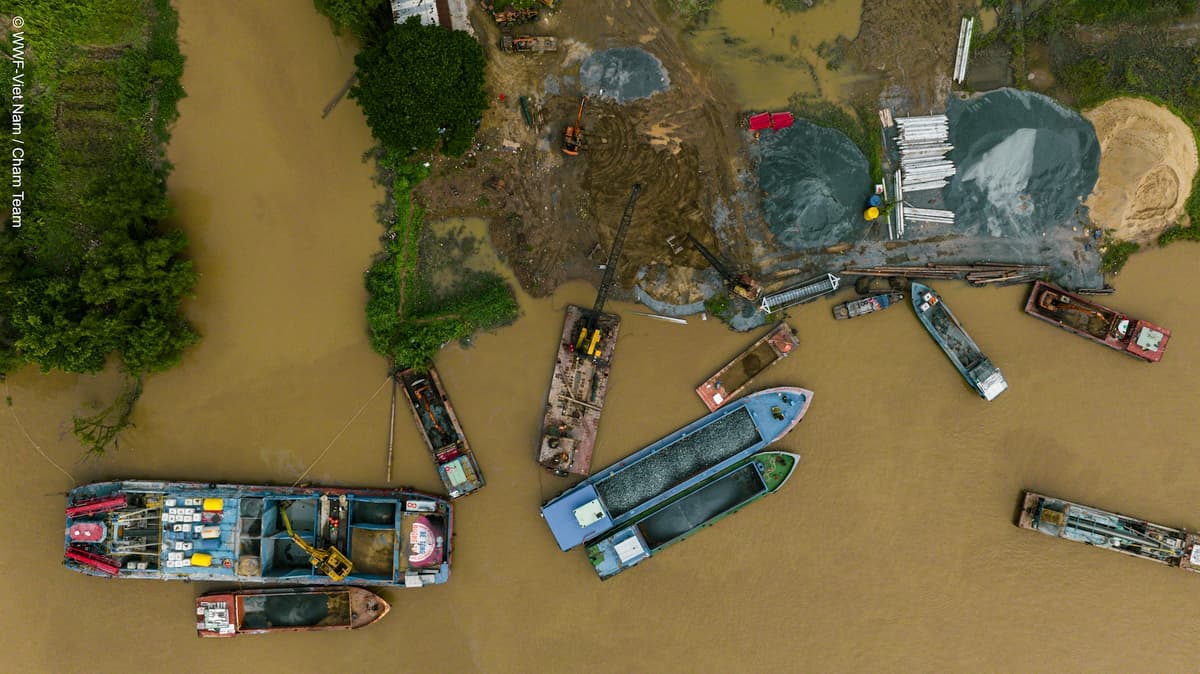
19,000 Great Pyramids a Year: Report Flags Unsustainable Rate of Sand Mining
The United Nations Environment Programme reports that global sand extraction now tops 50 billion metric tons per year, a rate that far exceeds natural replenishment. This pace is enough to construct more than 19,000 Great Pyramids of Giza annually and is...

New Energy Deals for Africa Sealed at Nairobi Summit
European and African leaders announced a wave of clean‑energy and infrastructure deals at the Africa Forward Summit in Nairobi, committing roughly €27 bn ($31.5 bn) to about 30 projects. The investments target 100 bn euros ($116.5 bn) in revenue and promise more than 600,000...
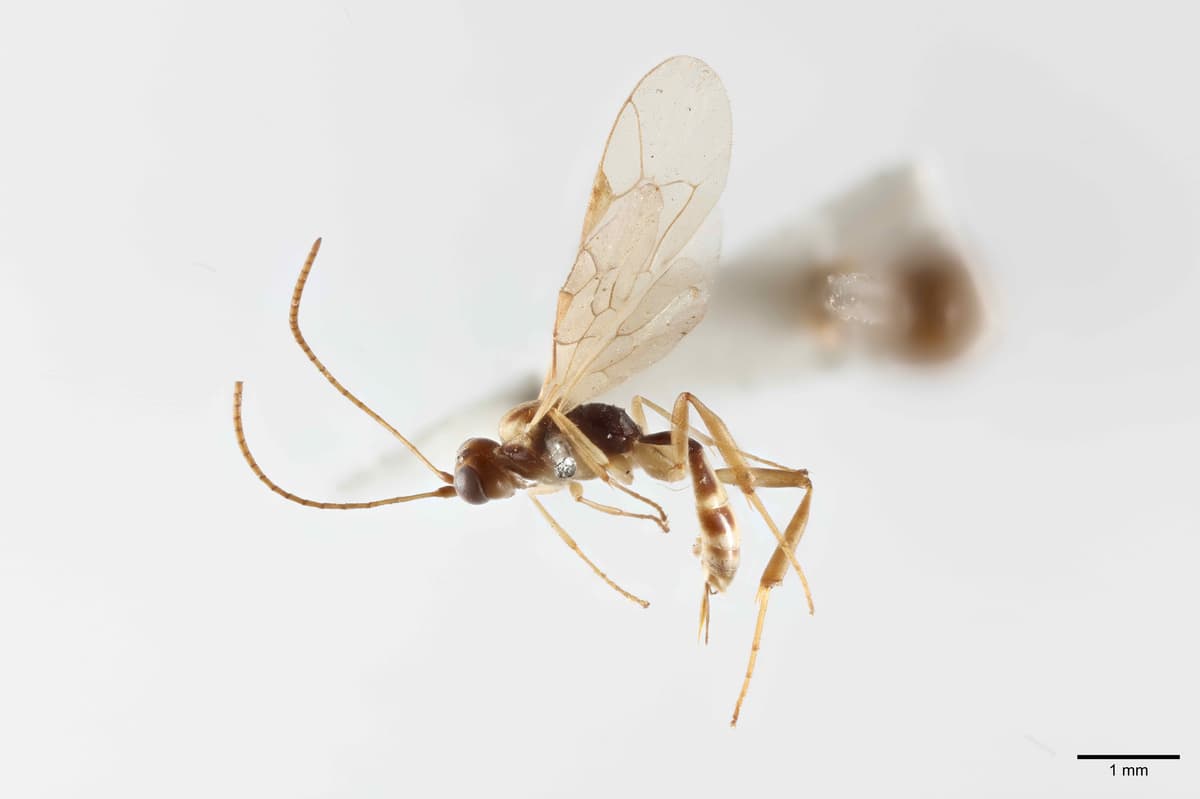
Scientists Mark Attenborough’s 100th Birthday with Newly Named Wasp
Researchers at the Natural History Museum in London have identified a new species and genus of ichneumonid wasp collected in Chile in the early 1980s. The 3.5‑mm insect has been named *Attenboroughnculus tau* to honor broadcaster David Attenborough on his...
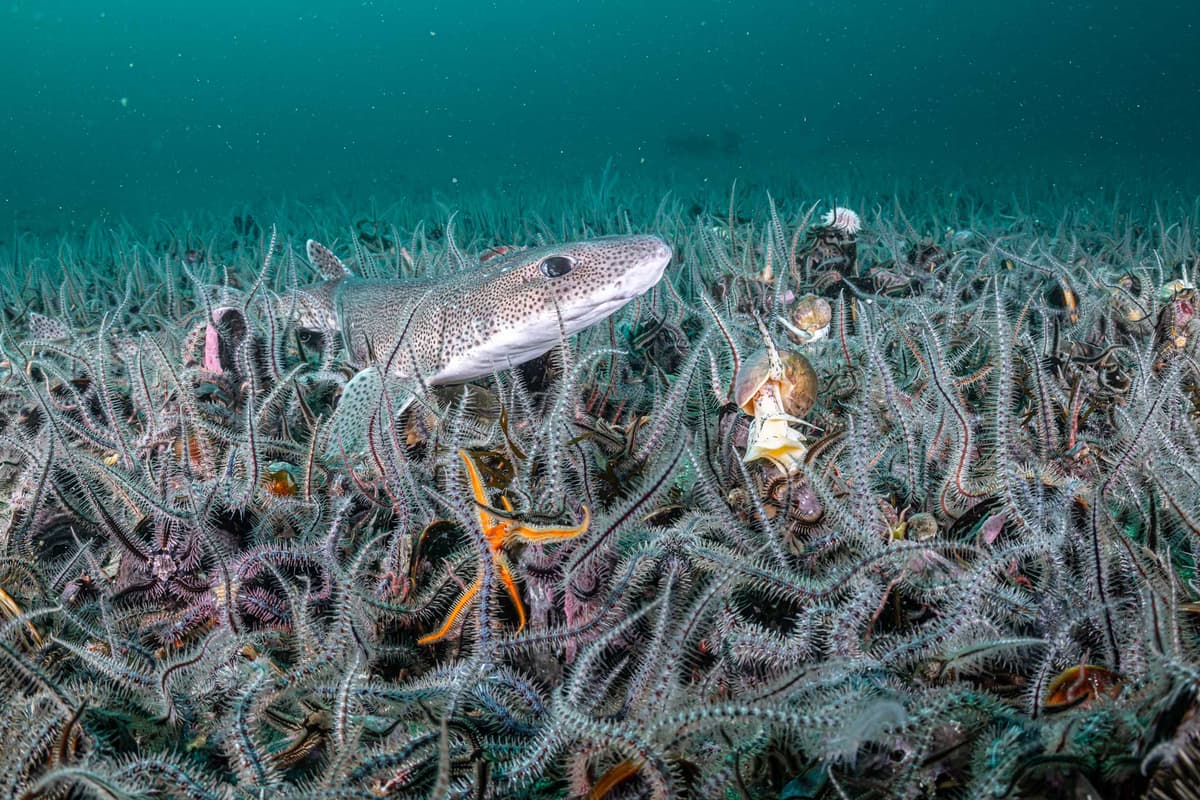
Seabed Life Triples After Bottom Trawling Ban in Scotland Protected Area
Nearly a decade after Scotland imposed a bottom‑trawling ban in the South Arran Marine Protected Area, a new study shows seabed life has tripled and species richness has doubled compared with adjacent unprotected waters. Researchers recorded more than 150 species...
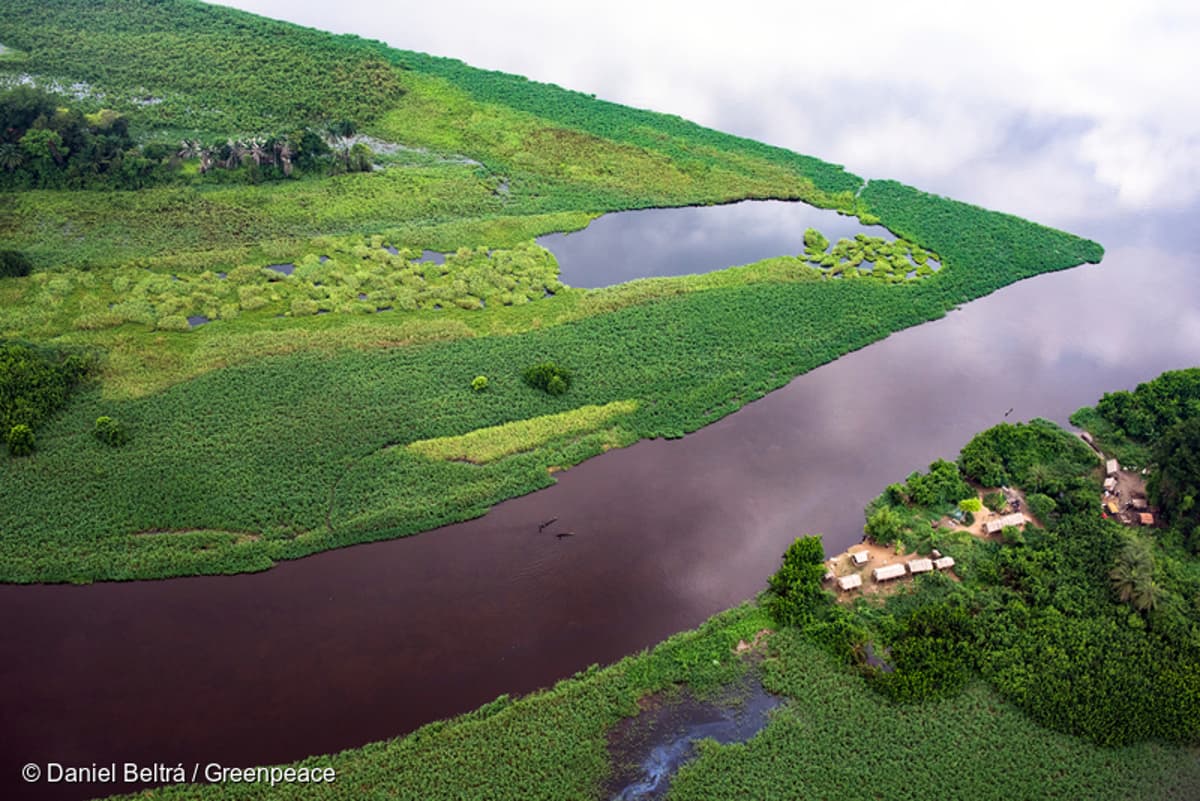
Agriculture Drives Most Tropical Peatland Loss in Indonesia, Peru and DRC: Study
A new satellite‑based study shows agriculture is the dominant cause of tropical peatland loss in Indonesia, Peru and the Democratic Republic of Congo. In Indonesia, agriculture accounts for 67% of peat conversion; in Peru, smallholder farms drive 61%; and in...

The European Wildcat Hovers Between Recovery and Local Extinction
European wildcats are showing a rare comeback in the Czech Republic’s Lusatian Mountains, where a male‑female pair produced the first confirmed litter in nearly a century. DNA‑verified individuals, Jonáš and Tonka, demonstrate that suitable forest habitat still exists despite the...
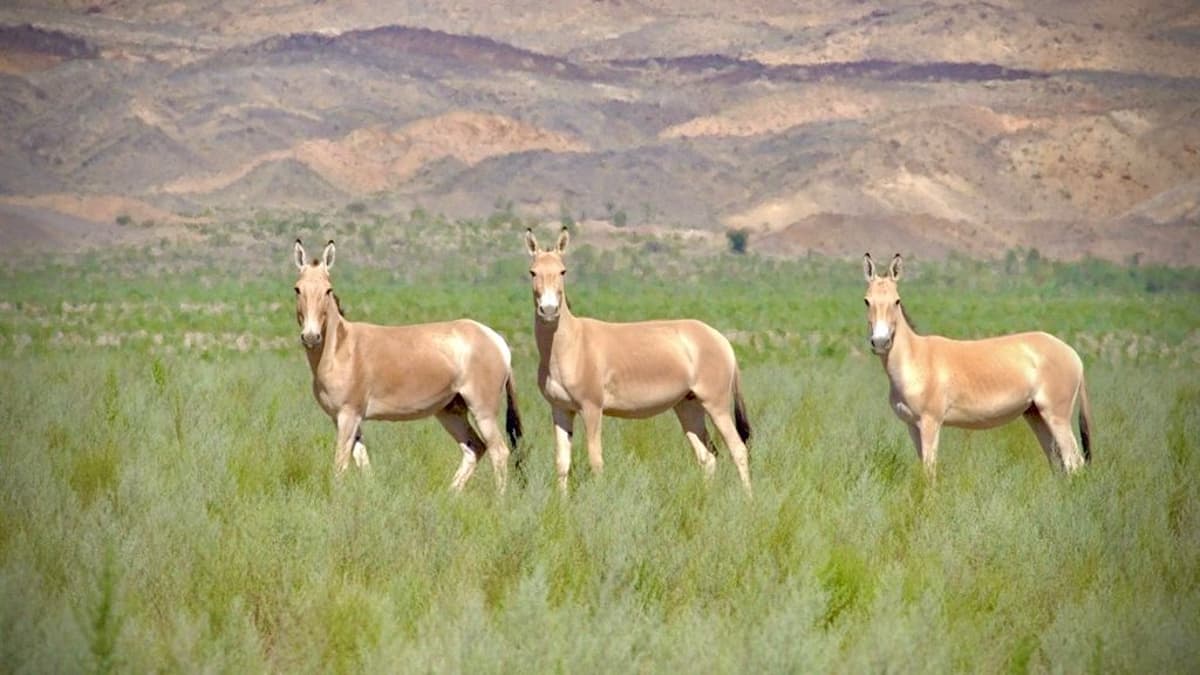
Hundreds of Khulan Return to Eastern Mongolia After 65-Year Absence
A recent Wildlife Conservation Society study confirms that the Asiatic wild ass, or khulan, has re‑established a presence in eastern Mongolia for the first time in 65 years. Hundreds of individuals crossed a 1.5‑km fence‑free gap along the Trans‑Mongolian Railway,...

Ocean Philanthropy: Small Sums for a Vast Domain
Ocean philanthropy accounts for less than 1% of global charitable giving, but its absolute value has more than doubled, rising from roughly $430 million in 2010 to about $1 billion by 2022. Most of the money flows to marine science, habitat protection,...
A Mother’s Day Lesson From a Digger Wasp
A 2025 study reveals that female Ammophila pubescens digger wasps individually provision each larva in a separate sand burrow, stock it with a paralyzed caterpillar, and manage up to nine active nests simultaneously. The mothers remember each nest’s location, feed larvae...

New Report Questions Africa’s Oil and Gas Promise
A new report titled “Pipe Dreams” released in Nairobi argues that oil and gas have failed to deliver economic development across 13 African producers. The analysis shows the sector concentrates wealth with multinationals, creates few local jobs, and exposes economies...
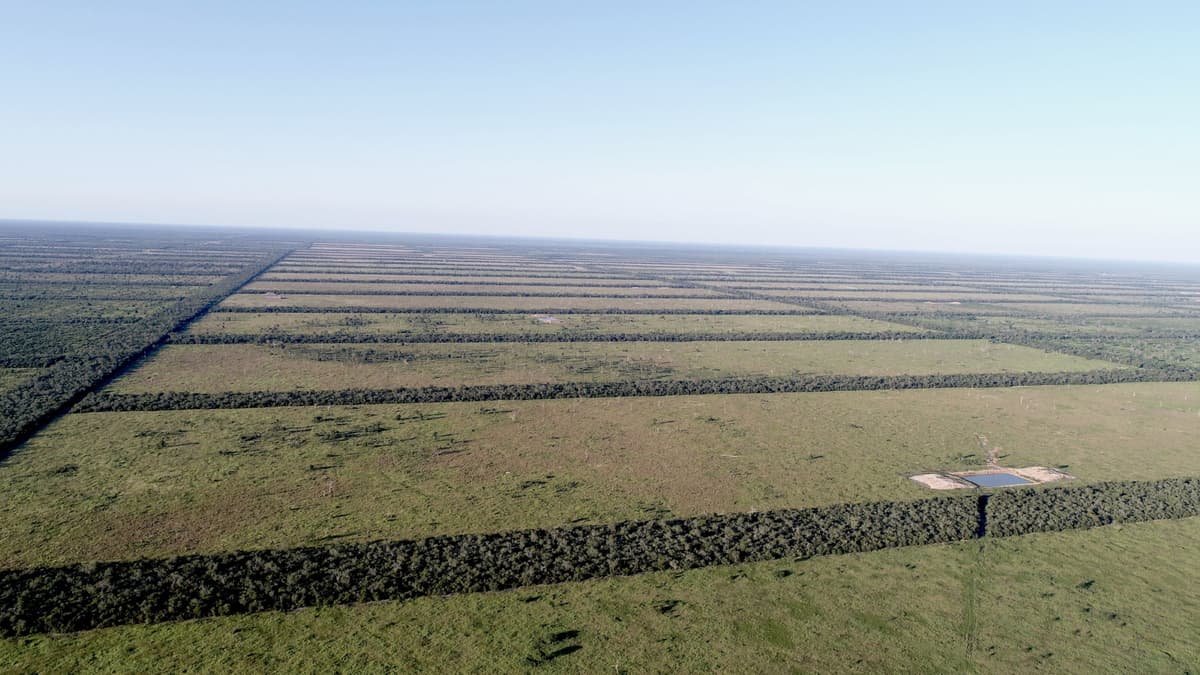
Paraguay Expanded a Reserve in the Gran Chaco. Why Is Deforestation Still Rising There?
In 2011 Paraguay added 2.78 million ha to the Gran Chaco Biosphere Reserve, expanding it to roughly 7.5 million ha, yet satellite data shows the area remains one of the country’s fastest‑losing forests, with about 5.2 million ha cleared between 2000 and 2020. The loss is driven...
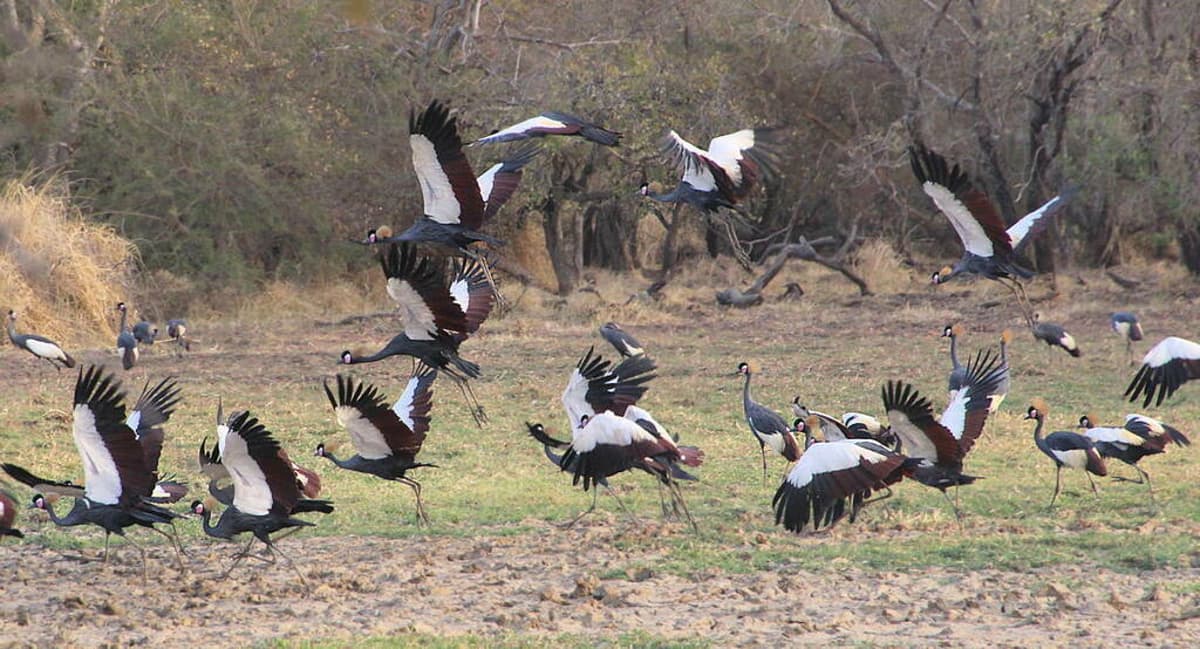
Up to Half the Bird Species Using the African-Eurasian Flyway Are Declining
BirdLife Africa reports that 40‑50% of species using the African‑Eurasian flyway are in decline, with long‑distance Palearctic migrants falling over 30% in the past three decades. Habitat loss, accelerating climate change, and collisions with power lines and wind turbines are...
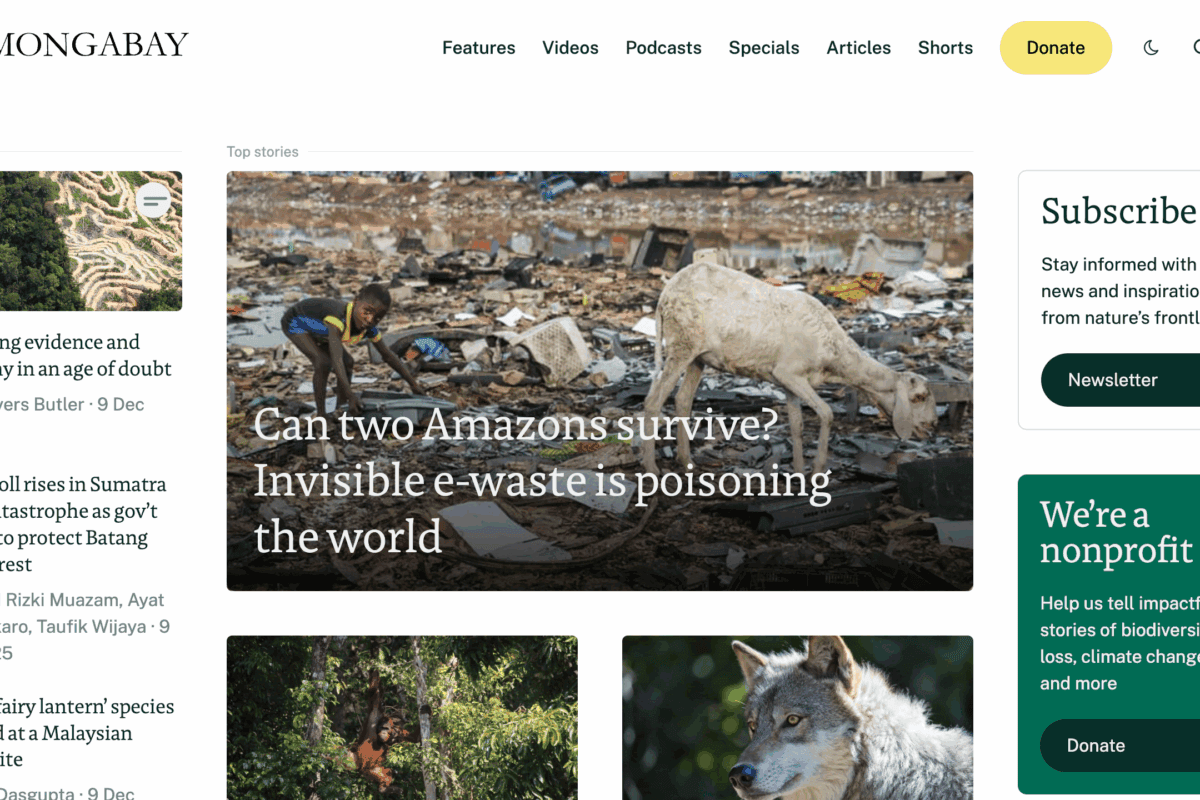
In Mozambique, Four Isolated Mountains Yield Four New Chameleon Species
Scientists have described four new chameleon species endemic to four isolated granite inselbergs in northern Mozambique. The species—Nadzikambia franklinae, N. goodallae, N. nubila and N. evanescens—were identified through DNA and morphological analysis during surveys from 2014 to 2018. Their names...
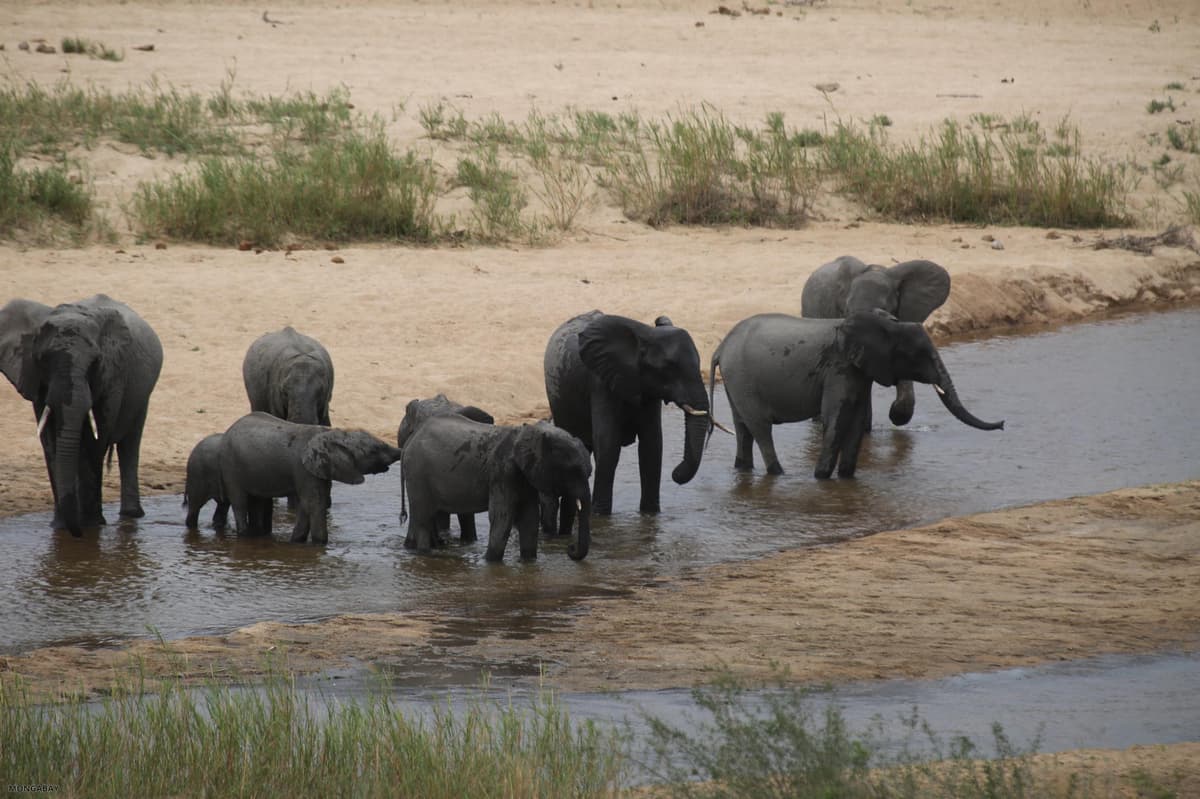
African Elephant Genomes Reveal Ancient Mixing — and Modern Pressures
A continent‑wide genomic study of 232 African elephants across 17 countries confirms deep divergence between savanna and forest species while revealing historic hybridization in overlapping habitats. Recent gene flow was detected in regions such as Garamba and Queen Elizabeth parks,...
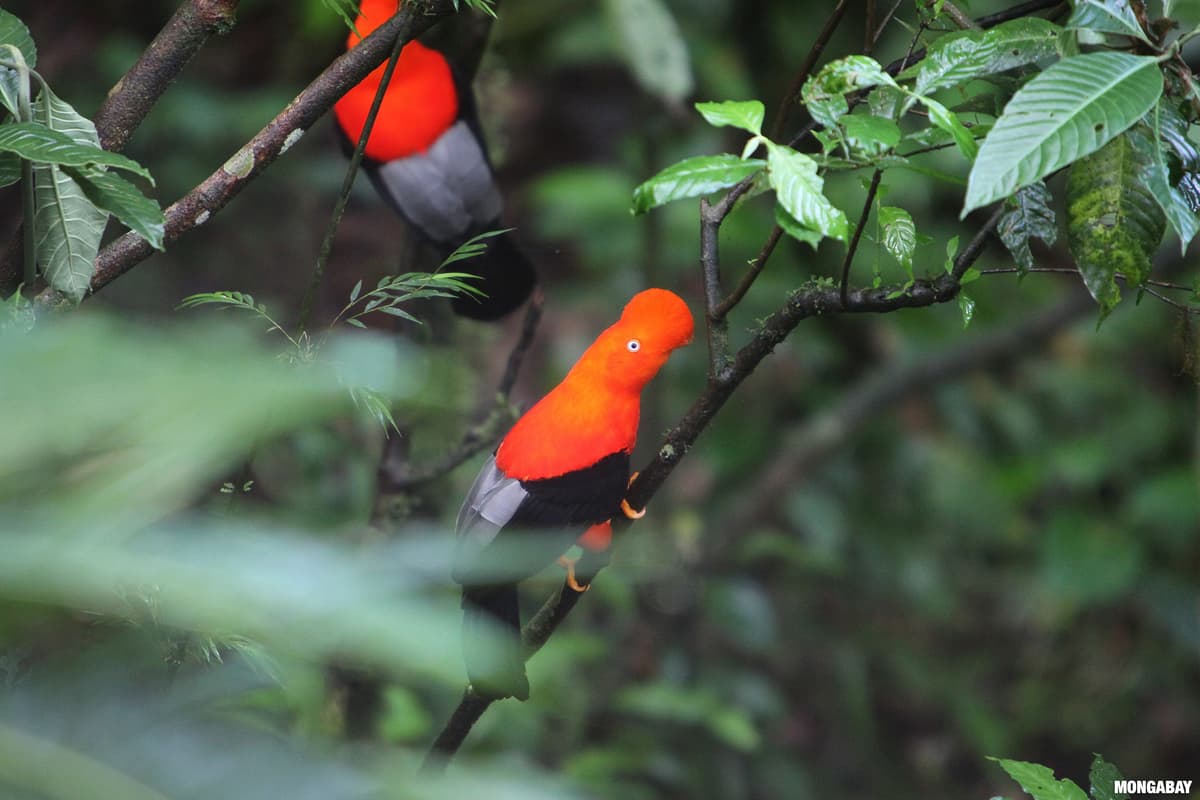
Climate Change Could Erase Most South American Cloud Forests, Study Warns
A new study in the Journal for Nature Conservation predicts that up to 91% of South America’s cloud forests could disappear by 2070 under a high‑emissions scenario, while even the most optimistic projection still shows a 12% loss—about 21,000 km², the...
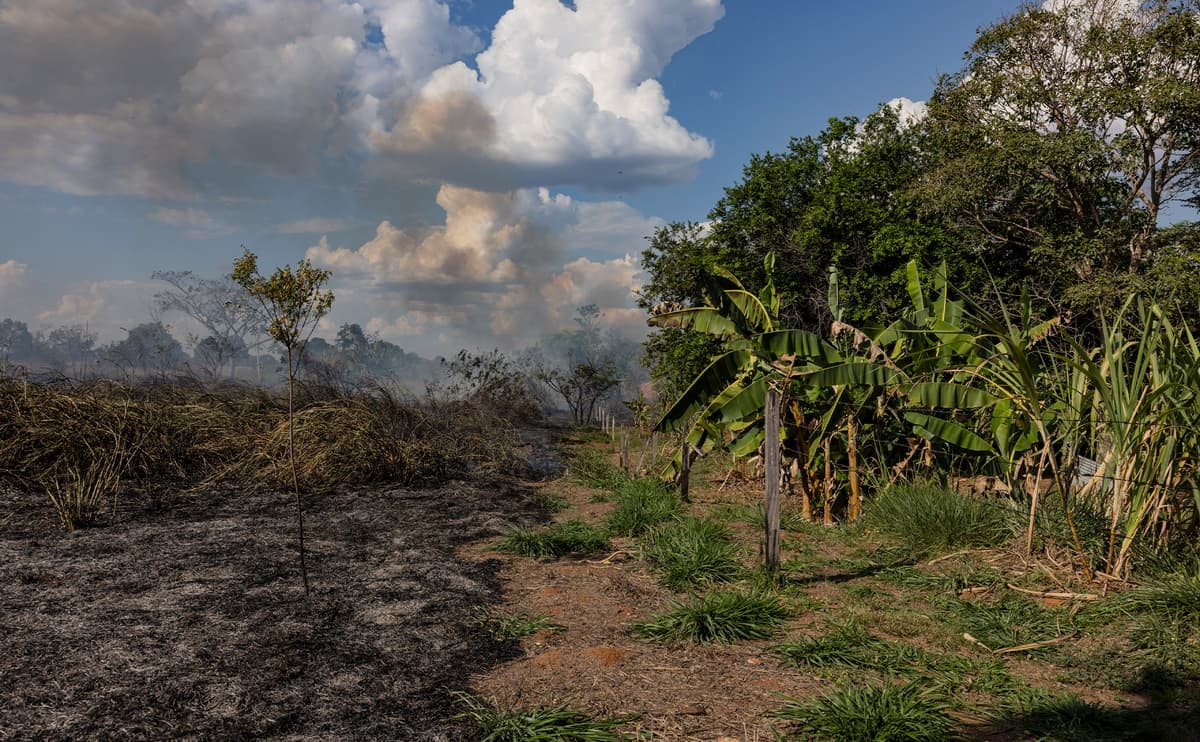
Deforestation and Warming Could Push Amazon to Tipping Point by 2040s: Study
A new Nature study warns that deforestation of 22‑28% of the Amazon combined with 1.5‑1.9 °C of global warming could push the forest past a tipping point as early as the 2040s. The threshold would affect more than 70% of the...

Tanzania Cracks Down on Mining Sector, Aims for Inclusivity and Sustainability
Tanzania’s Minerals Ministry announced a sweeping crackdown on the mining sector, cancelling 40 exploration licences and placing 43 developers on notice for failing to develop, pay fees, or meet local‑content and CSR obligations. The targeted concessions cover roughly 900 sq km of...
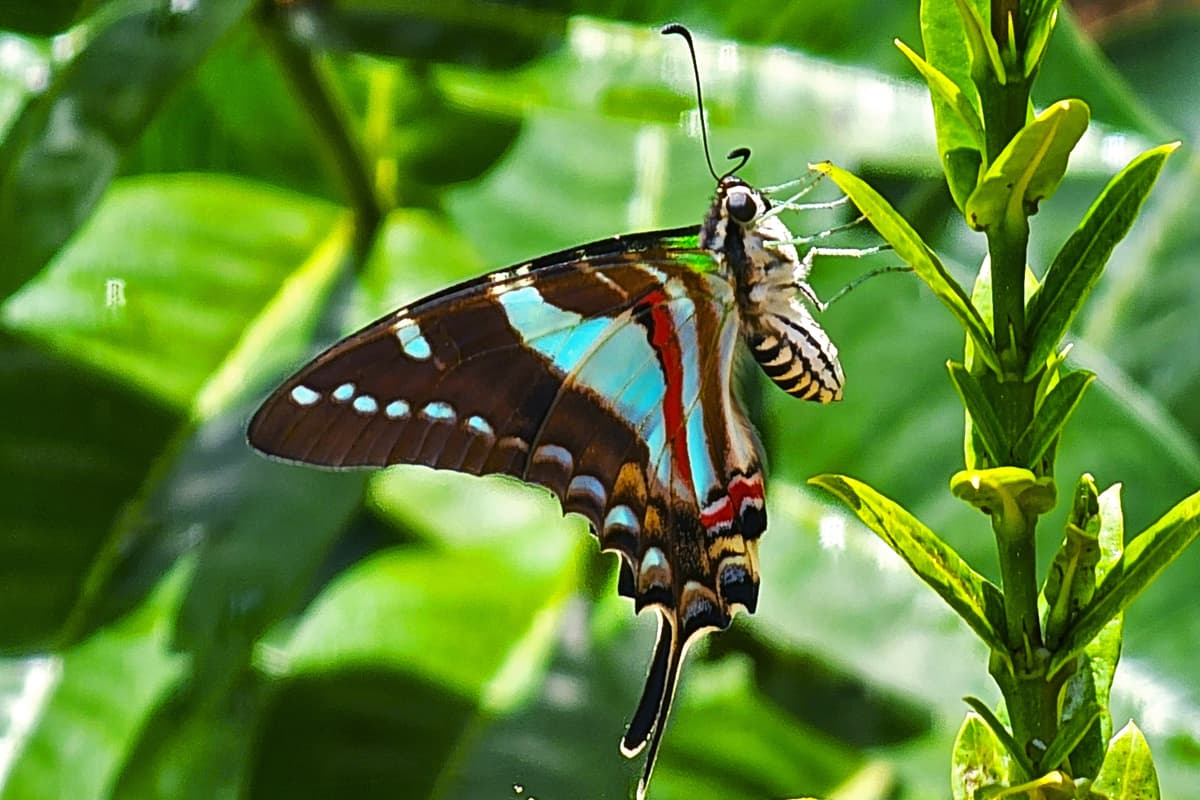
US Proposes Endangered Species Protections for an Imperiled Jamaican Butterfly
The U.S. Fish and Wildlife Service has proposed listing Jamaica’s endemic kite swallowtail butterfly as endangered under the Endangered Species Act. Recent surveys estimate fewer than 250 adults remain, a dramatic drop from the 750,000 recorded in the 1960s. Habitat...
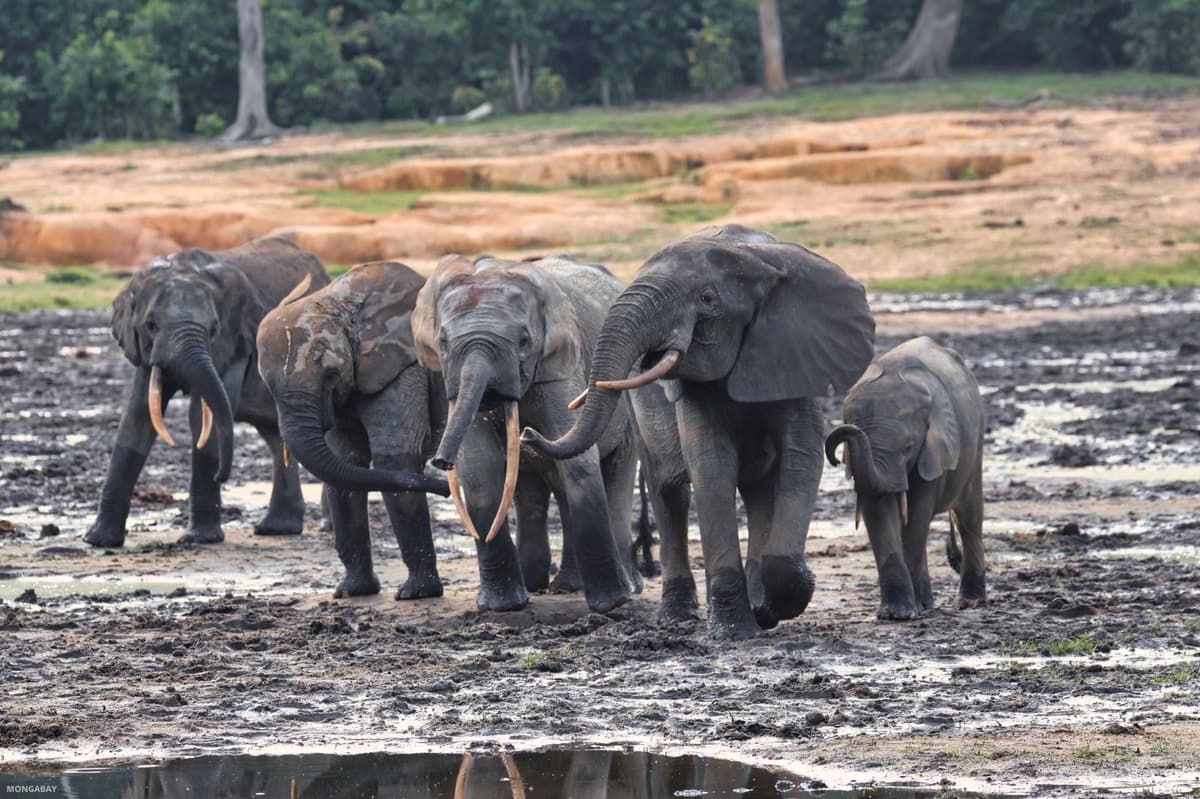
Rethinking Conservation Through Elephants’ Sense of Time and Memory
Conservationists are expanding beyond headcounts to consider elephants' unique perception of time and memory. Researchers highlight how matriarchal memory guides herds to scarce water and how trauma can induce PTSD‑like symptoms. Indigenous communities in Malaysia have long synchronized seasonal routes...
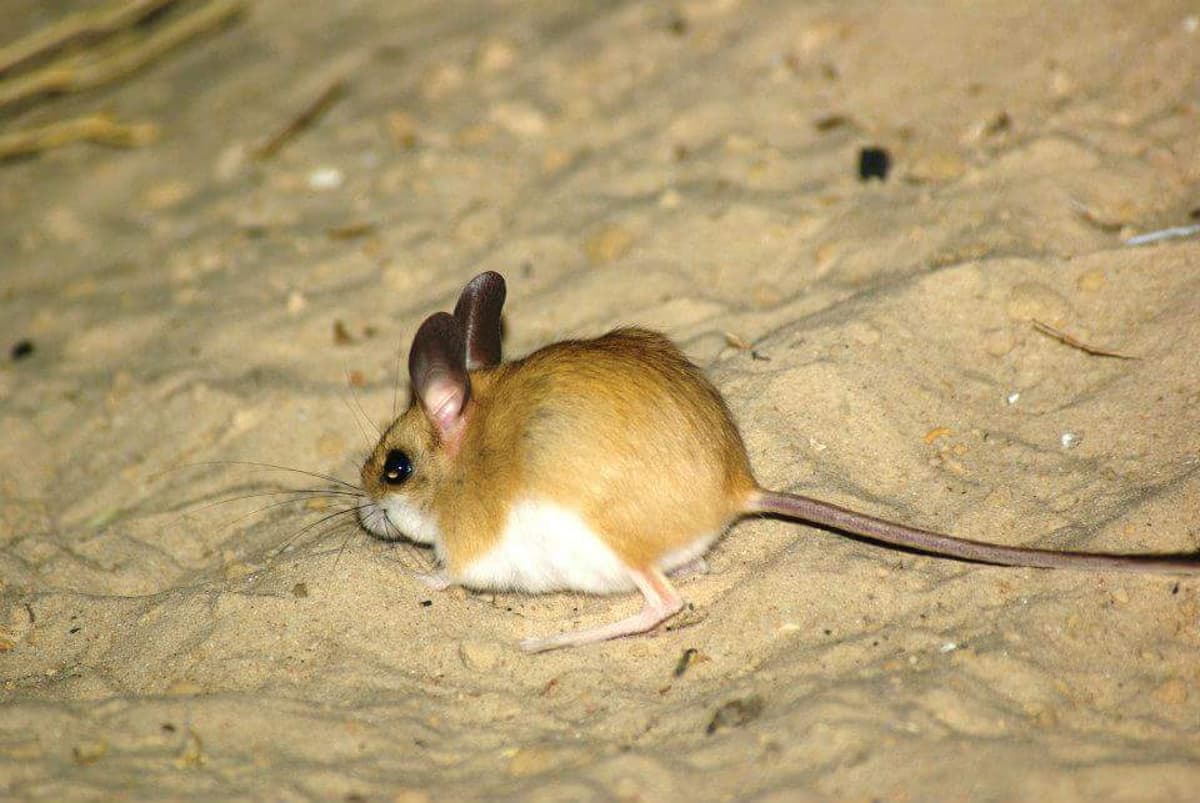
Study Finds 40% of Soil-Dependent Species Threatened or Data Deficient
Researchers have for the first time quantified extinction risk for soil‑dependent animals, invertebrates and fungi, identifying 8,653 species that meet a strict soil‑dependency definition. The analysis reveals that roughly 40 % of these species are either listed as threatened or lack...
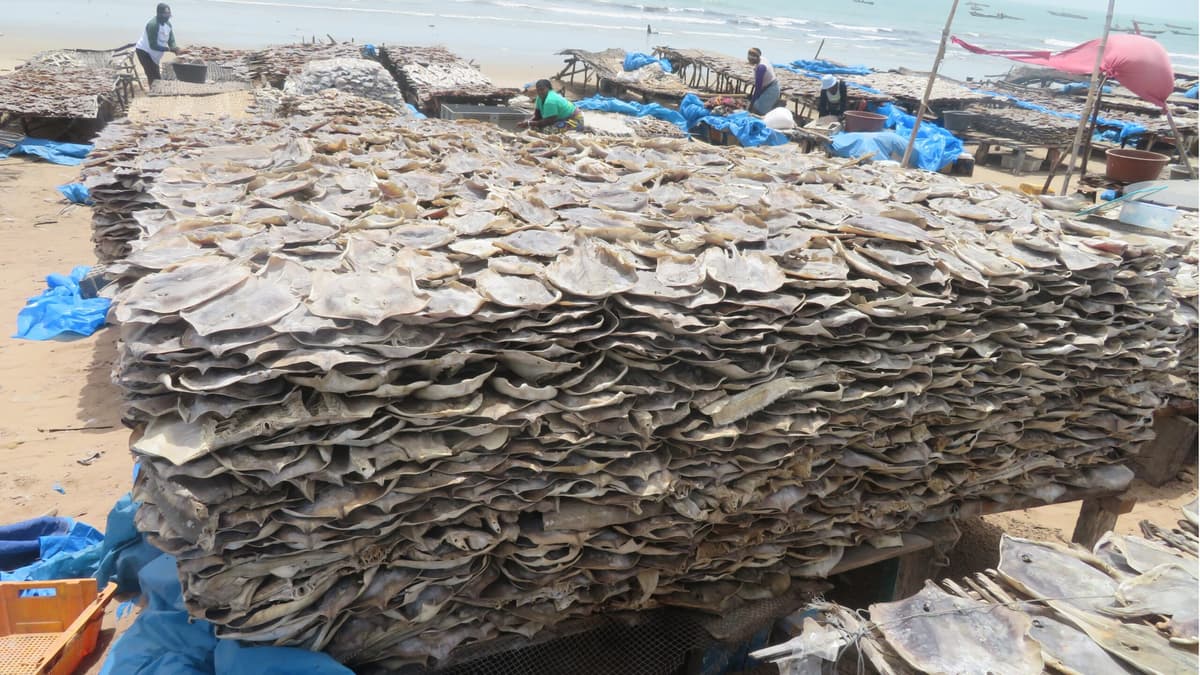
In Senegal, Artisanal Fishing Kills a Surprising Number of Sharks and Rays: Study
A new study of two southern Senegal landing sites found artisanal fisheries harvested more than 100,000 sharks, rays and guitarfish between June 2021 and July 2022, a figure the authors say likely underestimates the true scale. By extrapolating from the two sites,...

EU Moves to Drop Leather From Deforestation Law After Industry Lobbying
The European Commission has proposed removing leather, hides and skins from the EU Deforestation Regulation (EUDR) via a delegated act, following a concerted lobbying effort by the leather industry. The amendment would amend Annex I, which lists commodities subject to strict...
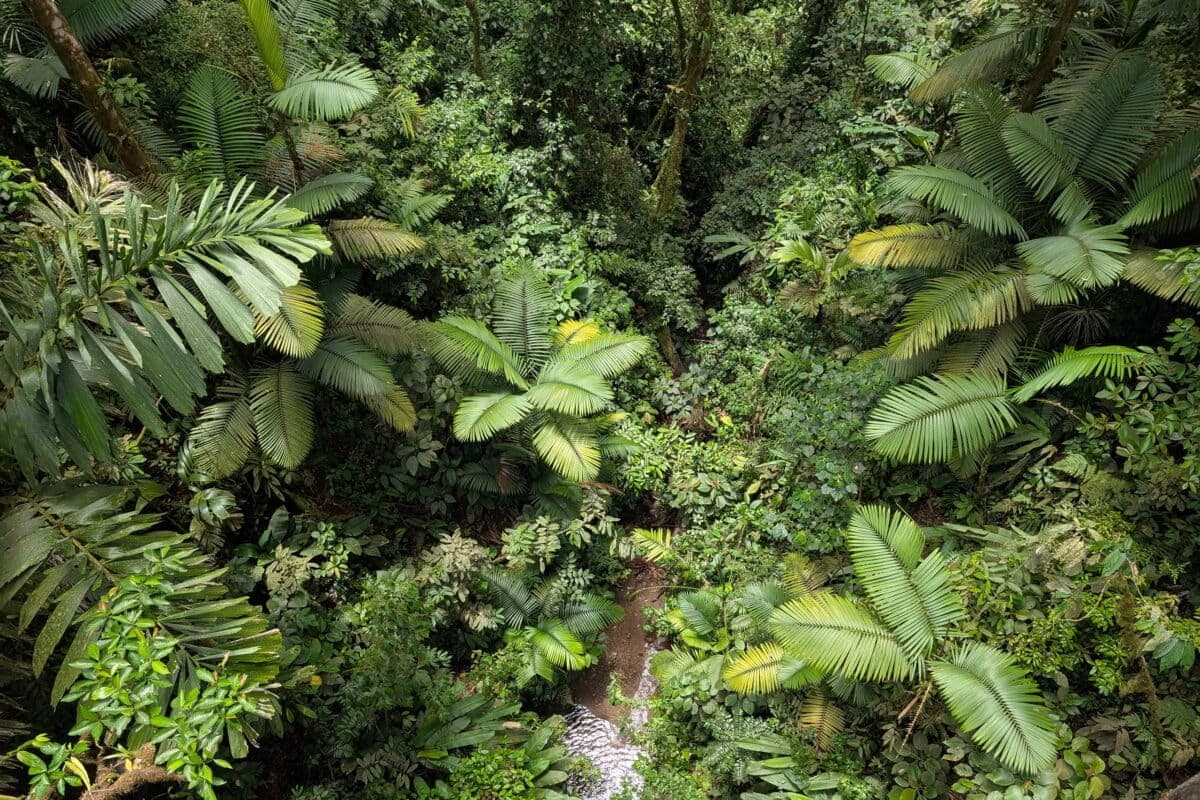
Can Listening to a Forest Reveal Whether It Is Ecologically Healthy?
Researchers at ETH Zürich recorded more than 16,000 hours of sound across 119 sites on Costa Rica’s Nicoya Peninsula to test whether acoustic monitoring can gauge forest health under the nation’s payment‑for‑ecosystem‑services (PES) program. The audio data reveal that naturally regenerated forests receiving...

RJ Nichole Ledesma, Chronicler of Unsettled Ground on Negros Island, Was Killed Last Month. He Was 30.
RJ Nichole Ledesma, a 30‑year‑old journalist covering renewable‑energy projects and land displacement on Negros Island, was killed on April 19 during a Philippine Army anti‑rebellion operation. His reporting for the community outlet Paghimutad‑Negros highlighted how solar farms, hydropower and other projects...
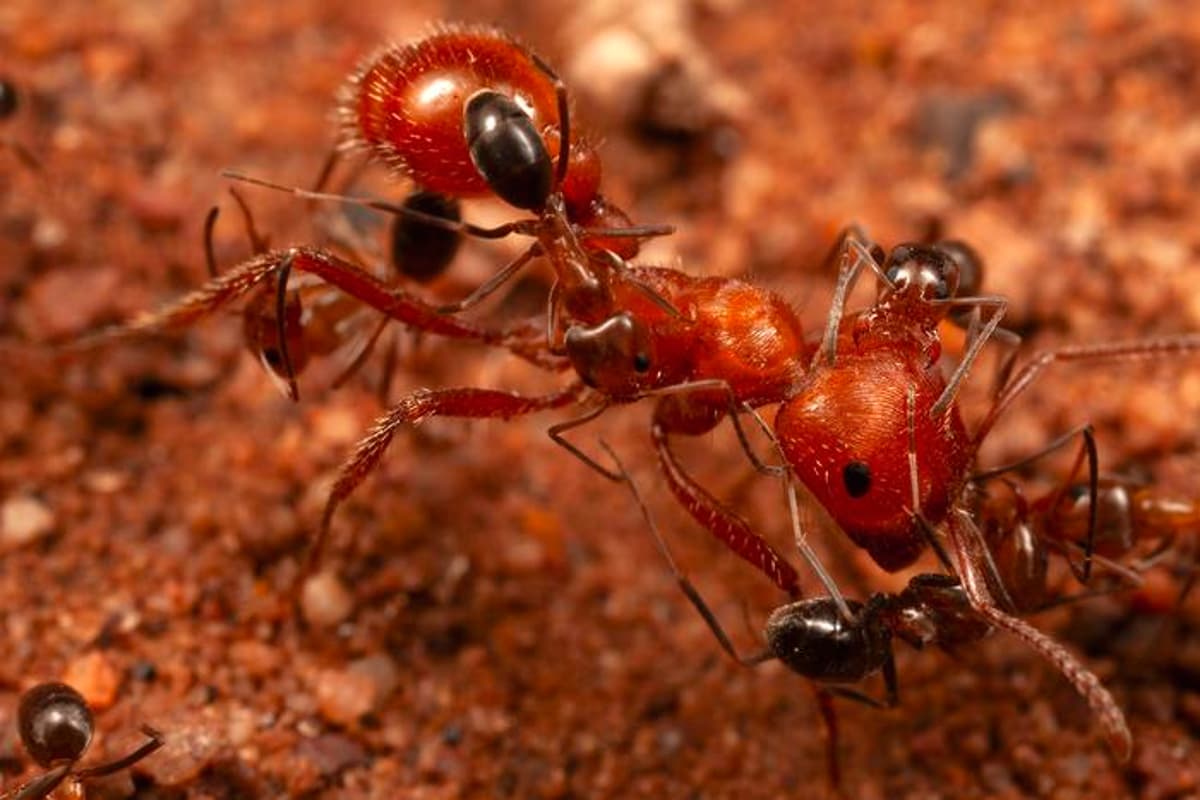
Unusual Ant Interaction Hints at Mutualistic ‘Cleaning’ System
Entomologist Mark Moffet documented an unprecedented interaction in Arizona where small cone ants (Dorymyrmex spp.) were observed licking and nibbling the bodies of larger harvester ants (Pogonomyrmex barbatus). Over 90 harvester workers were seen receiving this attention, suggesting a possible...
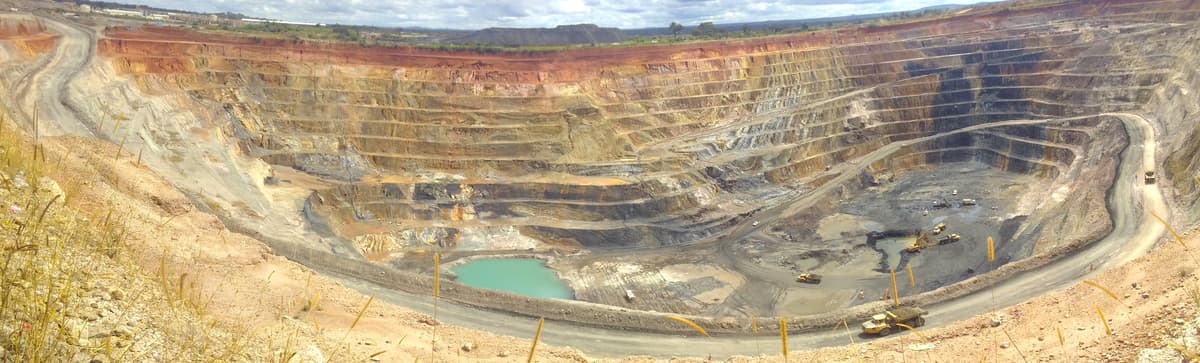
DRC Copper Exports to US Set to Surge Amid Warnings of Corruption Risk
The Democratic Republic of the Congo plans to export 500,000 metric tons of copper to the United States, a five‑fold increase from its January commitment. The surge aligns with Washington’s push to diversify away from Chinese‑sourced copper, even as the...
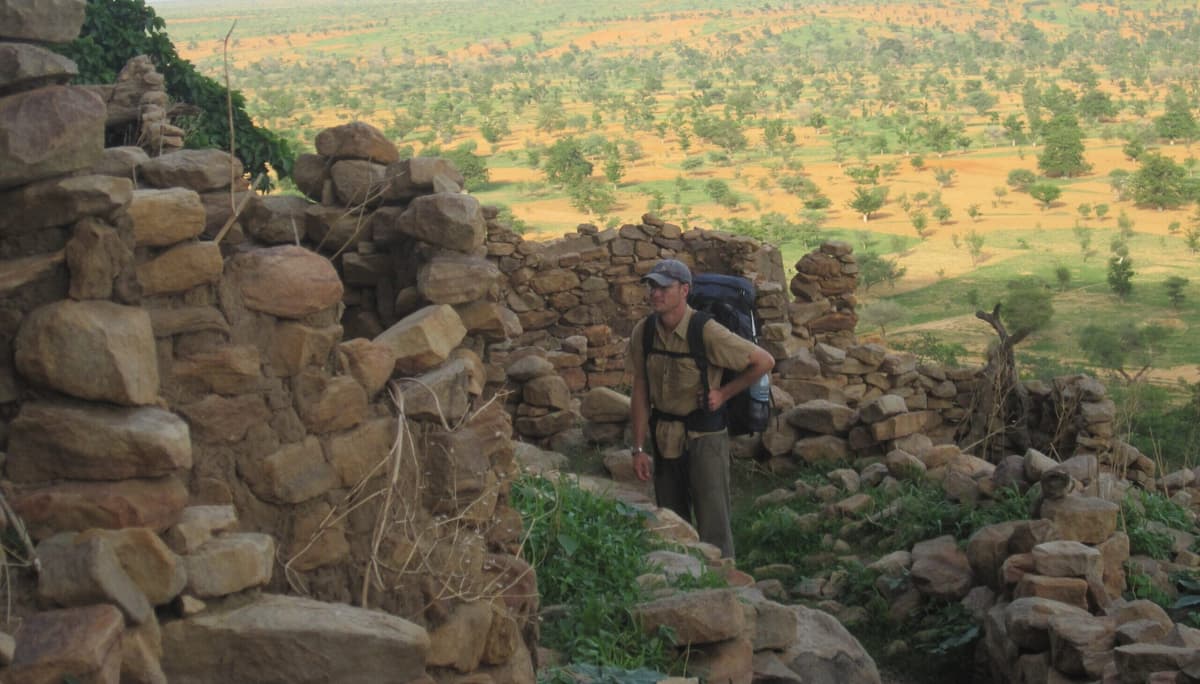
Why Evidence Matters in Environmental Journalism
Environmental journalism relies on evidence to translate complex science into public narratives. Mongabay staff writer John Cannon exemplifies this approach, using his biology training and field experience to produce investigative pieces that expose hidden deals, such as a controversial carbon‑credit...
Kenyan Court Allows Landmark BP Toxic Waste Lawsuit to Proceed
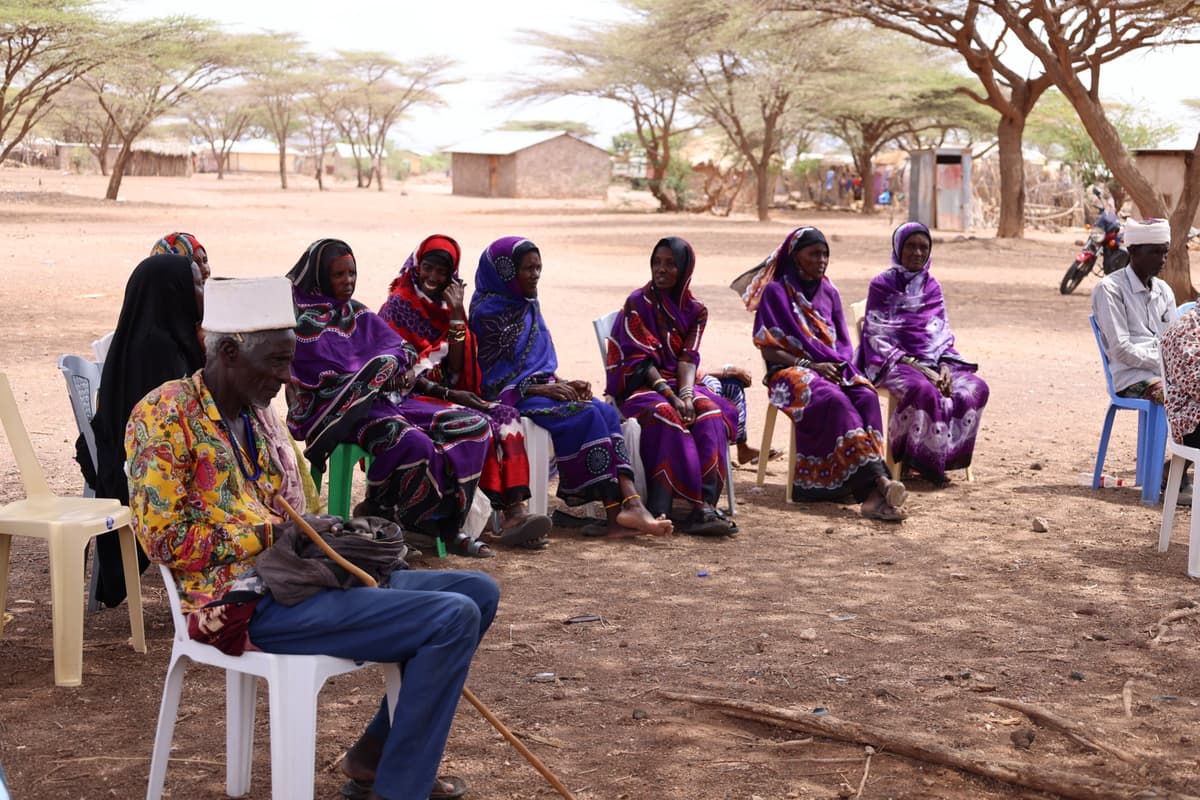
Kenya's Environment and Land Court in Isiolo has cleared a procedural hurdle, allowing a class‑action lawsuit against British Petroleum to move to a full hearing. The case, filed by 299 residents of Kargi and Kalacha, alleges that oil‑exploration waste dumped...
Global Trade in Sea Cucumbers ‘Alarming’ with Many Species at Risk: Study
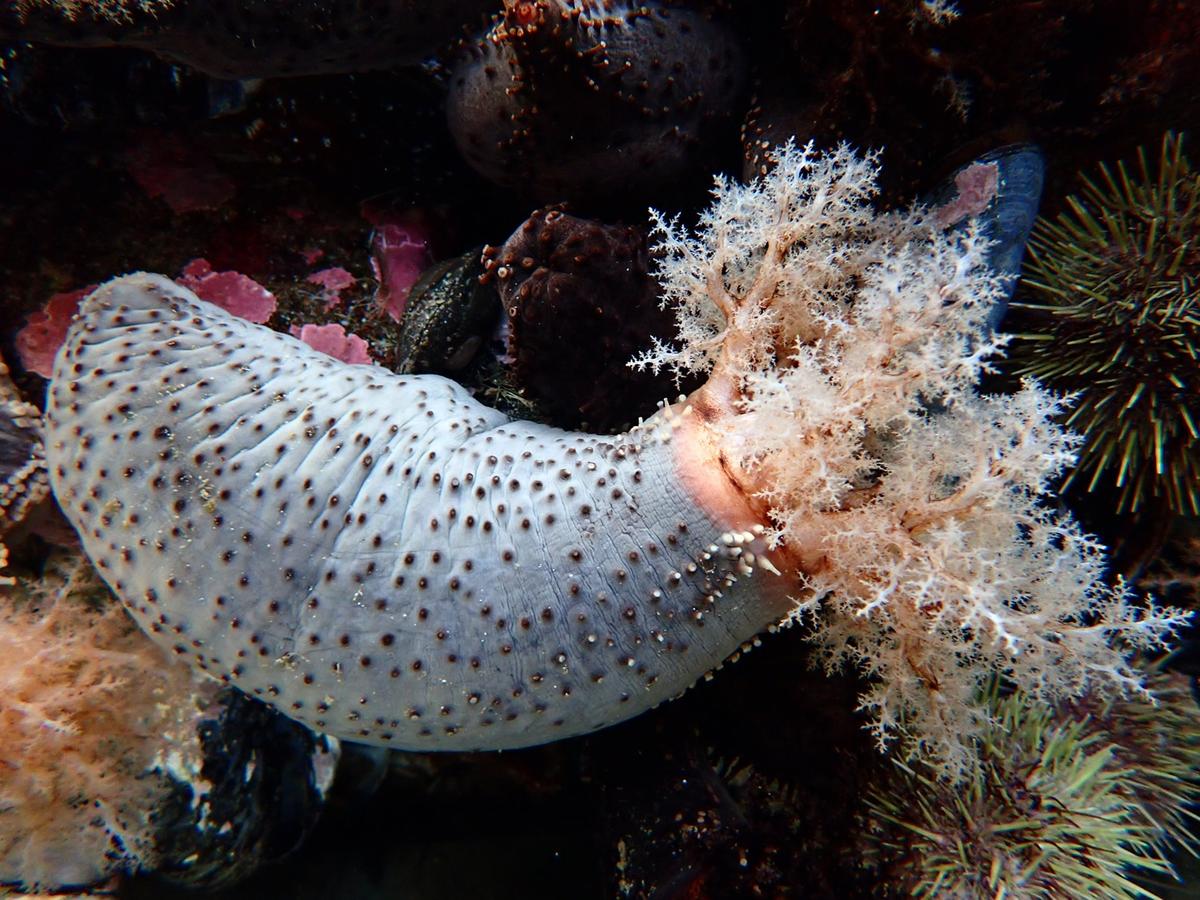
A new study using FAO data from 2013‑2021 shows global sea‑cucumber capture rose from 81,800 to 123,300 metric tons before falling to about 97,000 tons during the COVID‑19 pandemic. China and Hong Kong dominate imports by dollar value, while Japan and...
Marine Resource Conflicts in Africa Revolve Mostly Around Access: Study
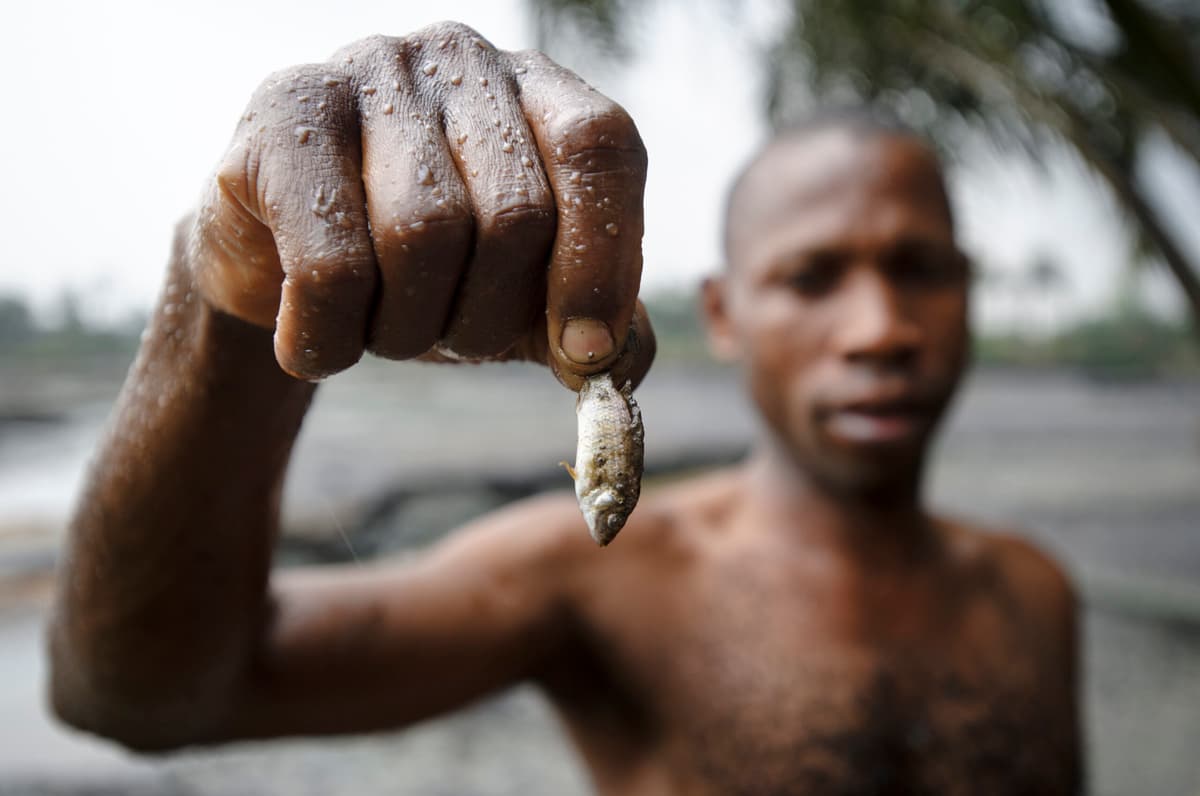
A Stanford‑led study catalogued 1,013 marine resource conflicts across 34 African coastal nations between 2008 and 2018, finding that roughly 73 % stemmed from disputes over access to fishing grounds or other marine spaces. The vast majority were non‑violent, and fewer...
‘True Success’ Is a DRC that No Longer Needs Outside Help: Interview with EU Envoy Fabrice Basile
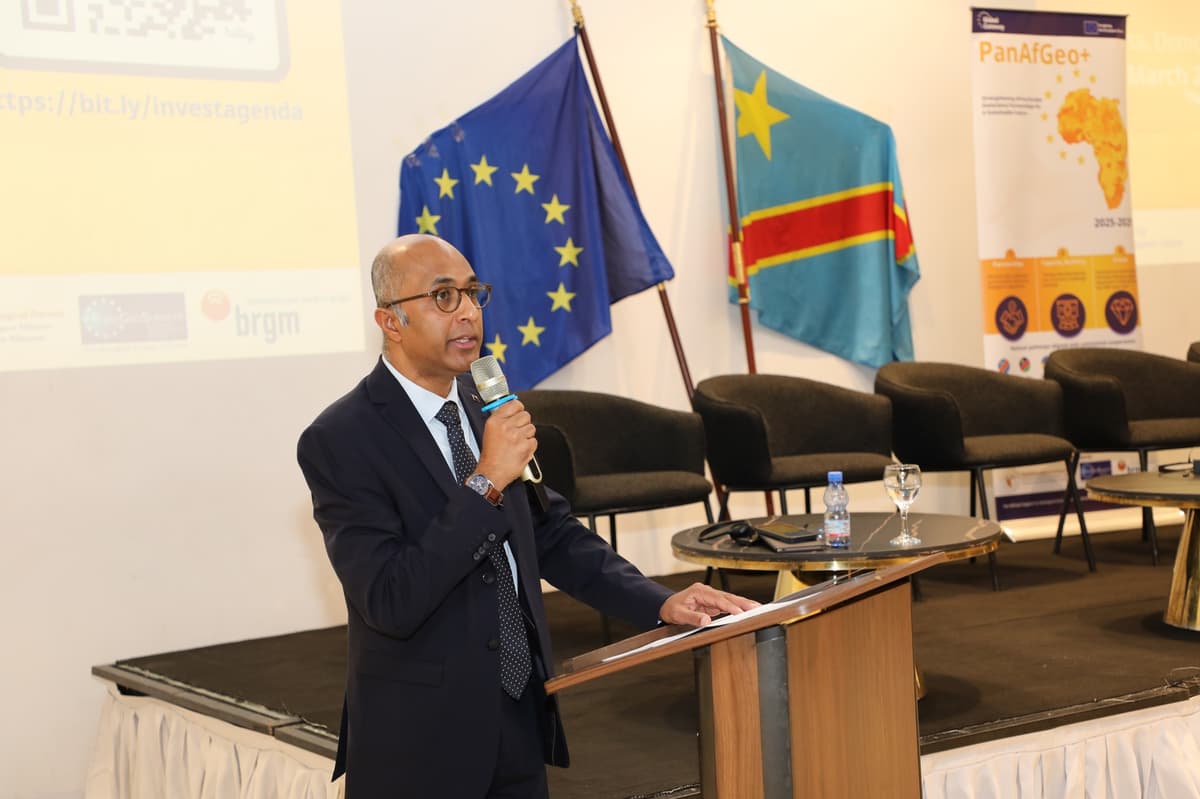
EU envoy Fabrice Basile told Mongabay that the Democratic Republic of Congo is moving toward self‑reliance in managing its vast mineral and forest assets. The EU is backing transparency initiatives, including a €12 million ($14 million) PanAfGeo+ Invest program to digitise geological data and...

Brazilian State Greenlights Deforestation for Contested Open-Pit Gold Mine
The Brazilian state of Pará approved Canadian miner Belo Sun to clear roughly 600 hectares of rainforest for an open‑pit gold mine along the Xingu River. Indigenous groups and federal prosecutors are contesting the decision, arguing the state lacks authority and...
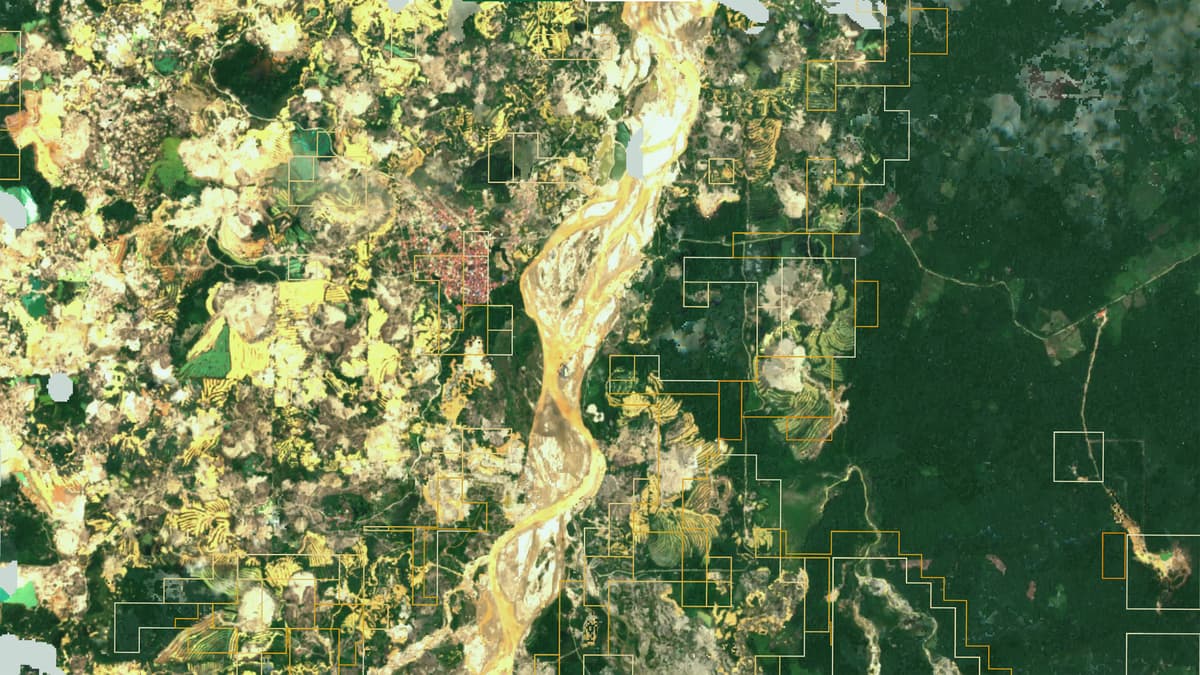
A Search Engine for the Planet Opens to the Public
Earth Genome has launched Earth Index, a public search engine that lets anyone query satellite imagery by visual similarity. The platform uses foundation models trained on massive Earth observation archives, turning raw pixels into searchable patterns. An “Open” tier now...
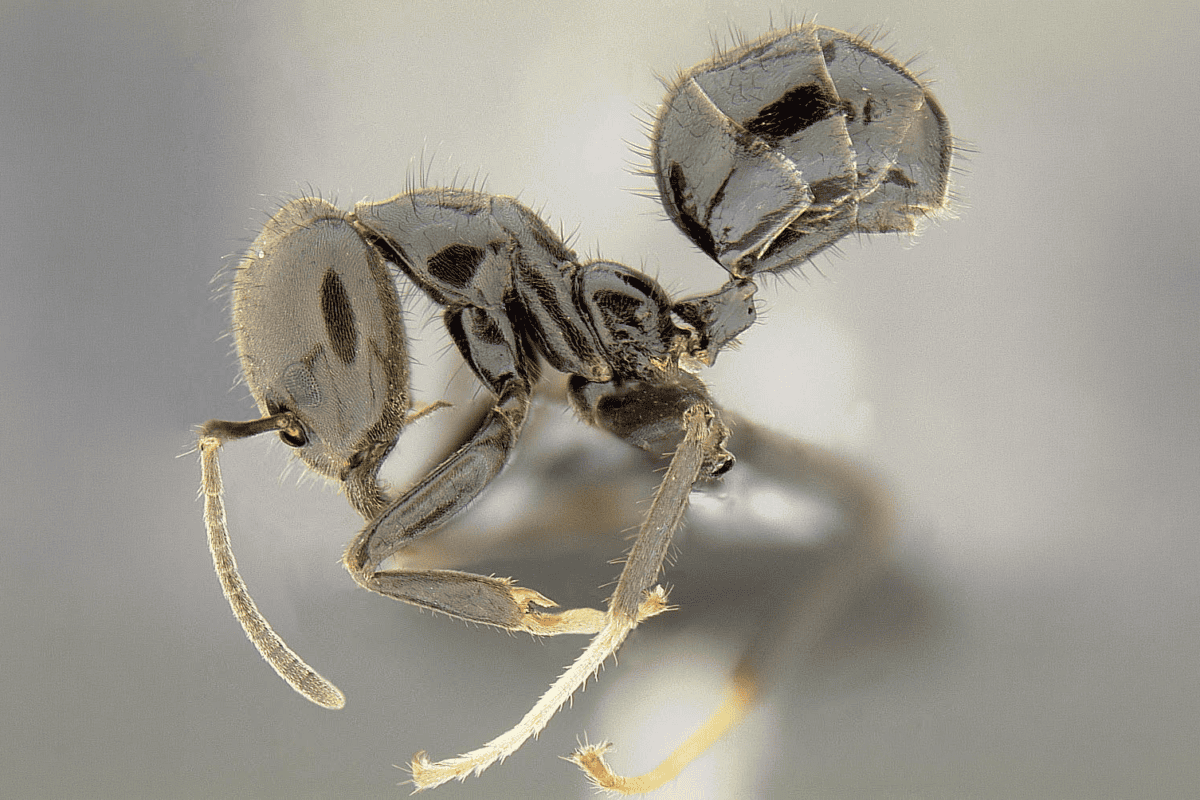
Novel DNA Research Shows Massive Native Ant Decline over Hundreds of Years in Fiji
Scientists used a new "community genomics" approach on over 4,100 museum ant specimens to chart population changes across Fiji’s islands. The analysis shows that roughly 80% of the 88 endemic ant species have been in decline since humans first arrived...
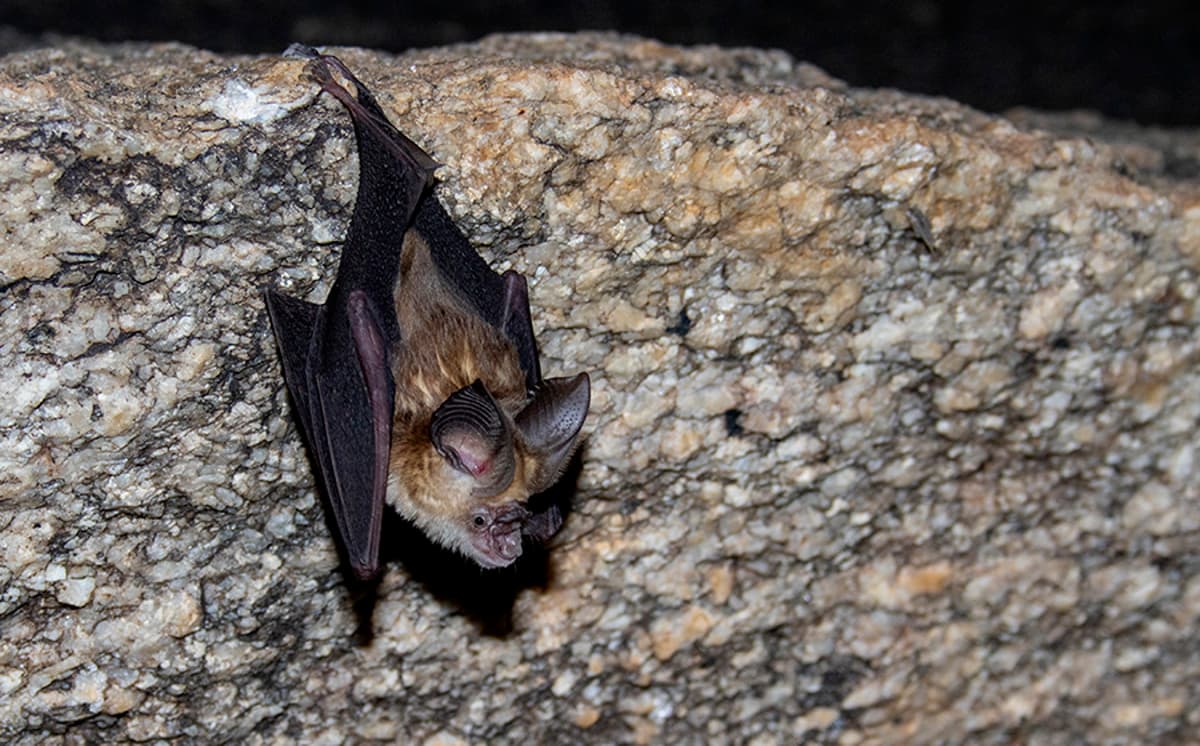
India Has a Wealth of Bats, but Our Knowledge of Them Is Poor: Report
India is home to 135 bat species, including 16 endemics, but scientific knowledge remains shallow. A first‑nationwide assessment by 36 experts from 27 institutions reveals that fewer than 50 researchers focus on bats, leaving many species data deficient or unevaluated....
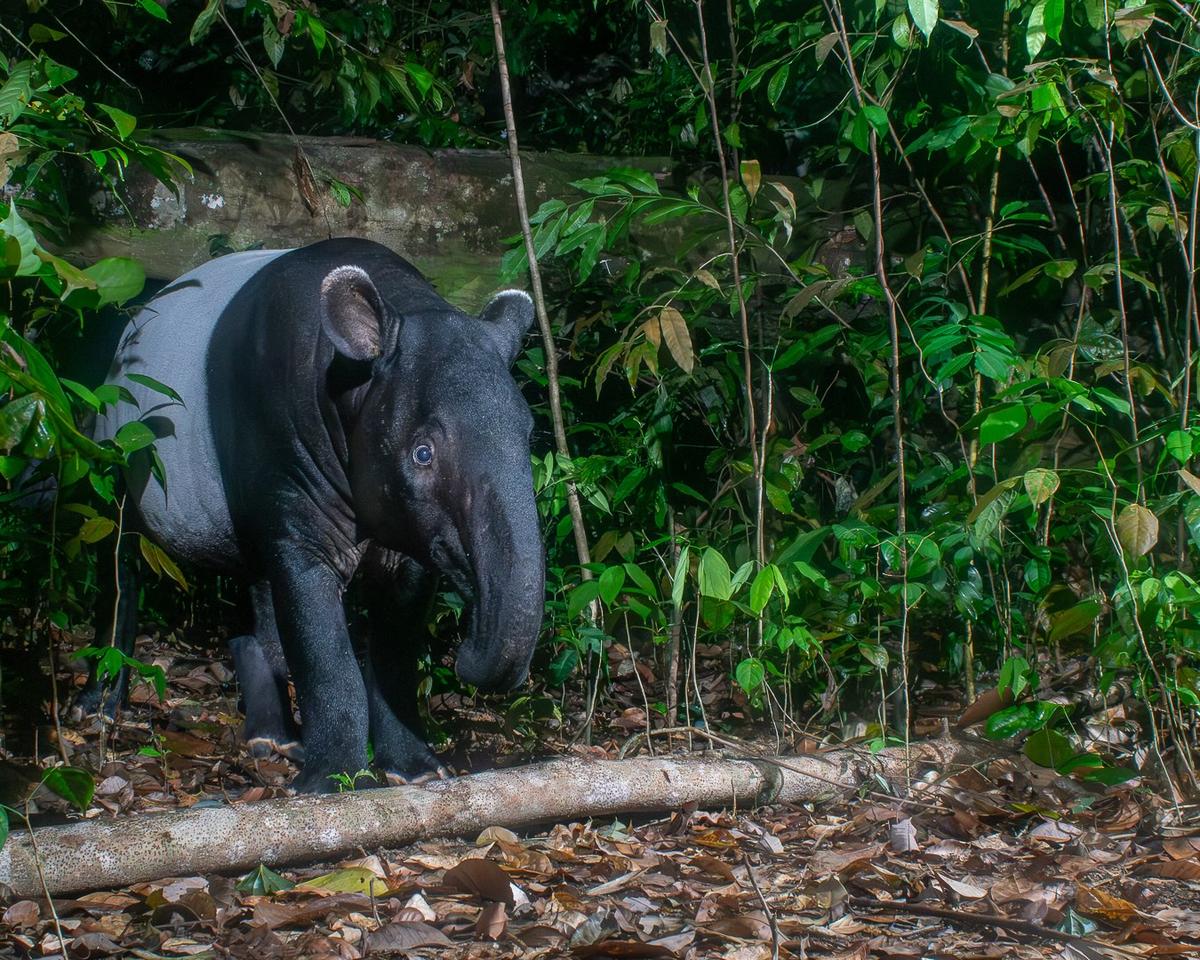
On World Tapir Day, Data Gaps Cloud Future of Malaysia’s Tapirs
On World Tapir Day, researchers highlighted that Malaysia’s endangered Malay tapir suffers from severe data gaps, with only two national population estimates published in 2012 and 2024. The government’s latest figure of 700‑800 individuals lacks transparent methodology, making conservation planning...
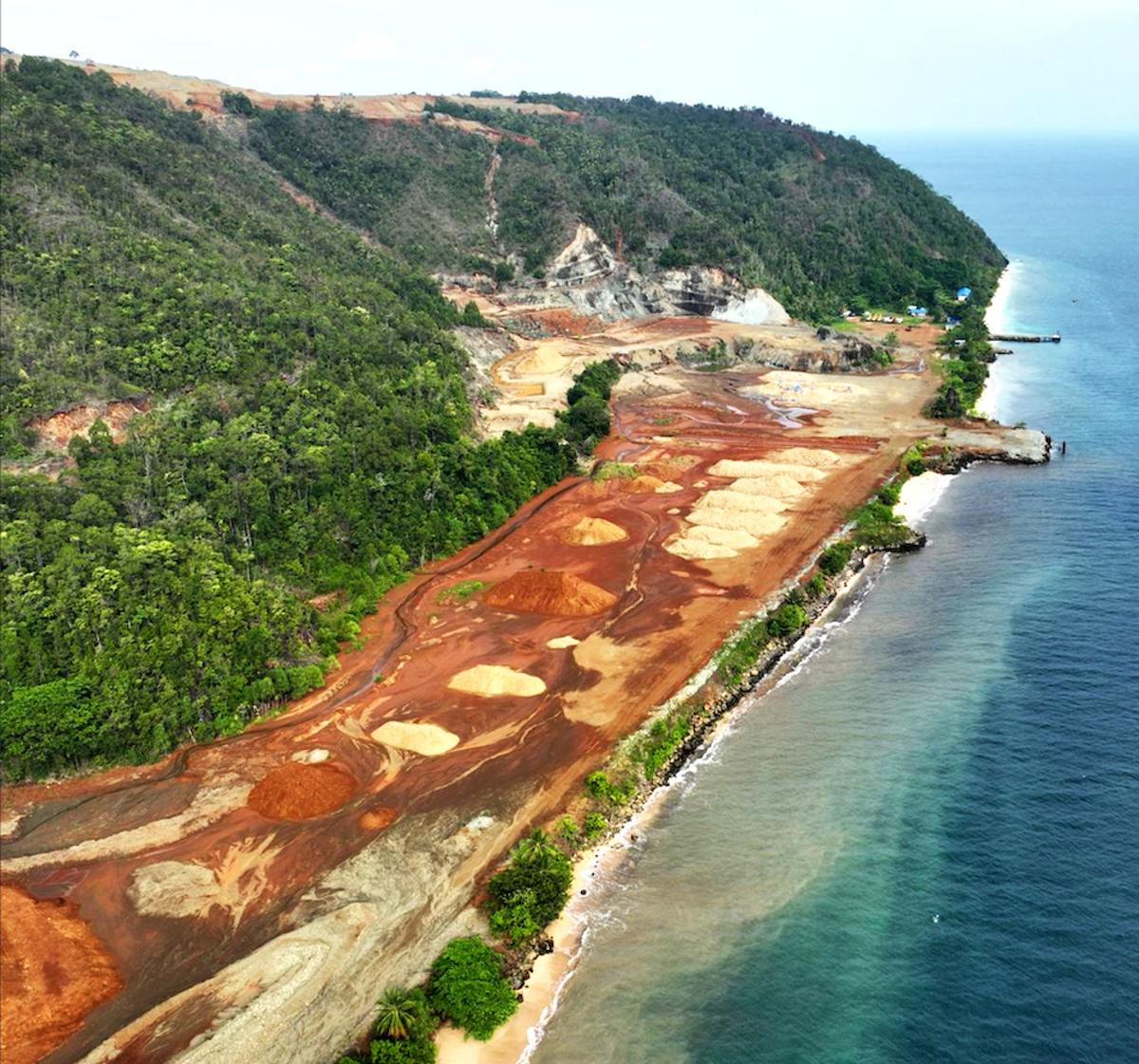
Deforestation Is Surging in Indonesia
Indonesia’s forest loss surged in 2025, with an estimated 430,000 hectares (1.1 million acres) cleared—a 66% jump from 2024. The spike ends a multi‑year decline that hit a low in 2021 after earlier policy tightening. Deforestation now approaches levels not seen...
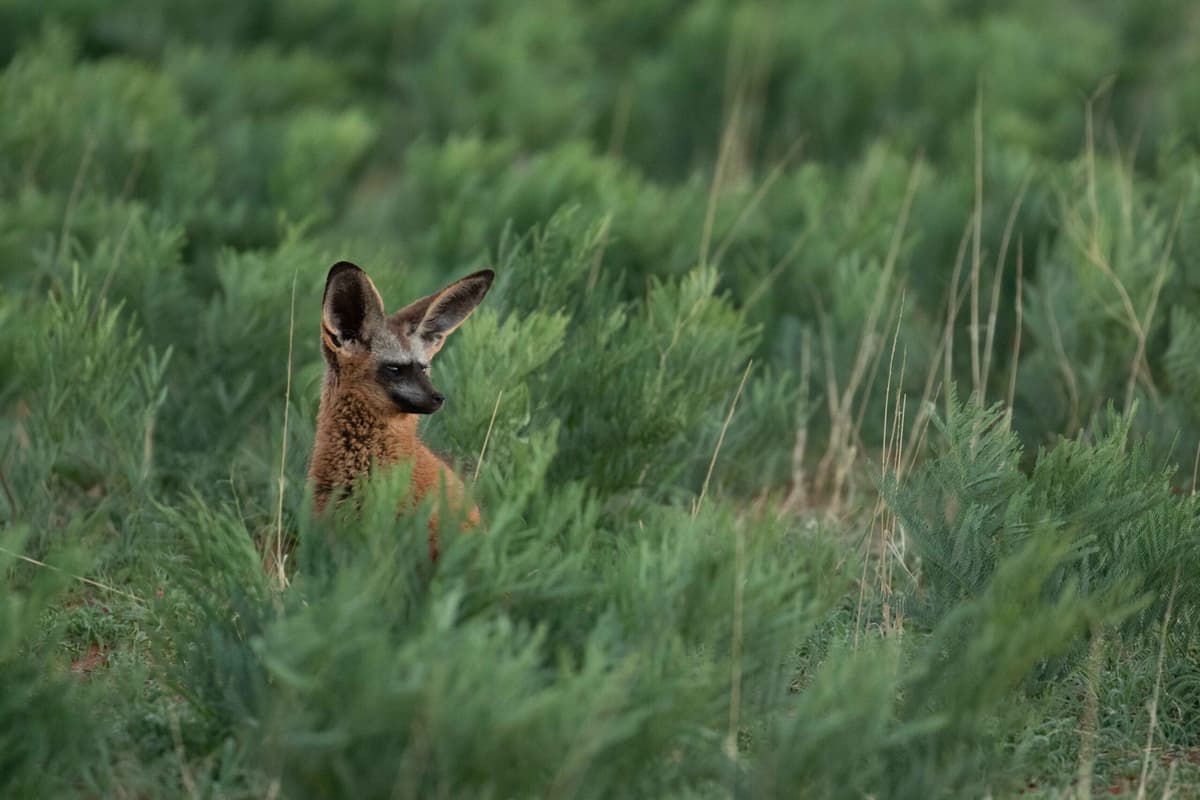
Restoring Land with Wildlife & Earning Carbon Credits in the Kalahari Desert
South Africa’s Tswalu Kalahari Reserve is using wildlife rewilding to restore degraded soils and generate carbon credits. By reintroducing native herbivores, the reserve enhances microbial activity that locks carbon into the soil, distinguishing it from traditional forest‑based projects. To date...

Heat, Fires and Agribusiness Squeeze Traditional Amazon Açaí Harvesters
Intensive açaí farming in the Amazon has surged 70% since 2015, while traditional community harvesters face steep losses from extreme heat, drought and wildfires. In 2024 a wildfire in Acará burned two hectares of açaí palms, costing a small‑scale farmer...
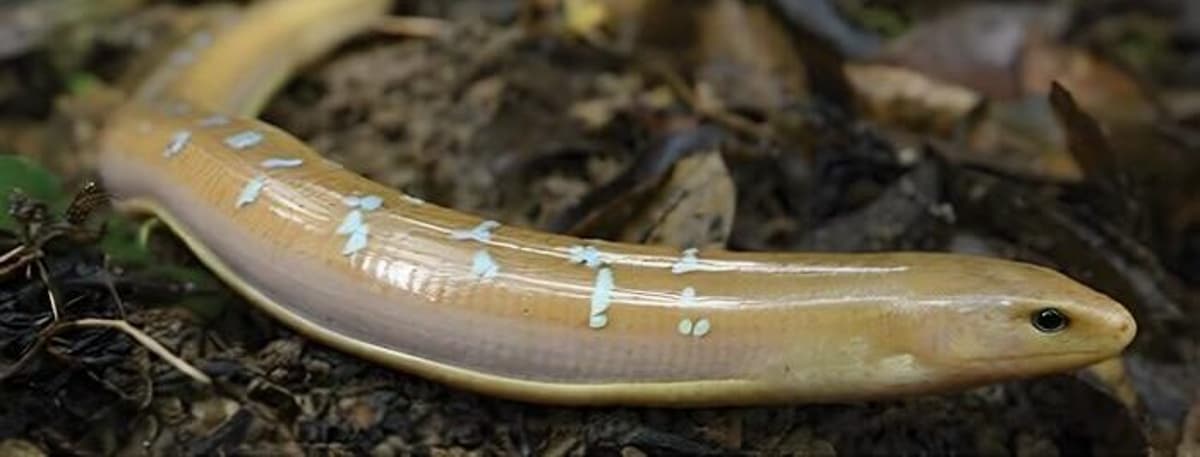
After Nearly a Century, Taiwan’s Legless Lizard Gets Its Own Identity
A new study by National Taiwan Normal University resolves a century‑long taxonomic dispute by confirming the Formosan legless lizard (Dopasia formosensis) as a distinct, endemic species separate from Hart’s glass lizard. Researchers examined museum specimens and extensive citizen‑science roadkill records,...
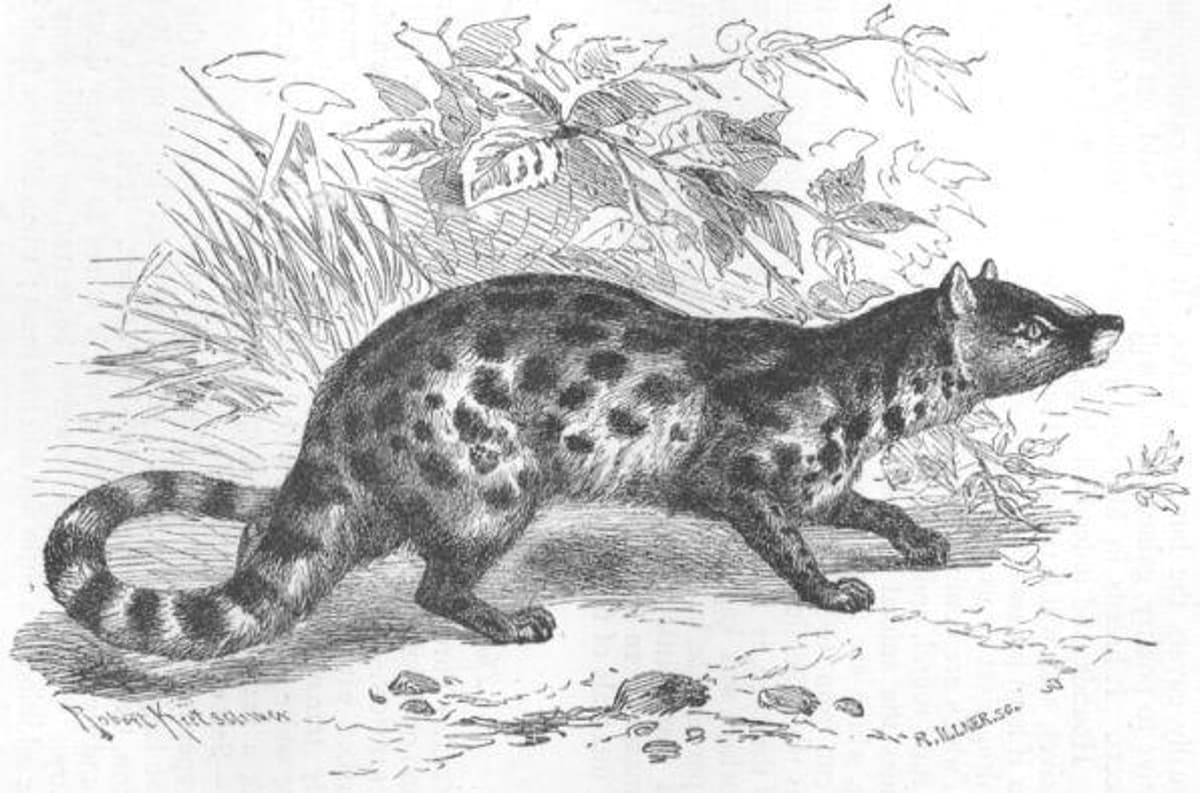
Endangered Civet Faces Local Extinction in Cambodian Sanctuary
A decade‑long camera‑trap study in Cambodia’s Srepok Wildlife Sanctuary shows the endangered large‑spotted civet’s density collapsing from about 9 individuals per 100 km² in 2009 to fewer than 1 per 100 km² in 2019 – a 75‑95% decline that could lead to...

Peter Raven, Botanist and Advocate for Biodiversity, Has Died, Aged 89
Peter Raven, the renowned botanist who led the Missouri Botanical Garden for nearly four decades, died at 89. He helped reshape modern biodiversity science through his co‑authored 1964 coevolution paper with Paul Ehrlich and by expanding the garden into a...

How Bangladesh Builds Houses that Stand in Extreme Floods
Architects from Dhaka are partnering with villages along the Jamuna River to teach residents how to build simple, flood‑resilient tiny houses known as “khudi bari.” These structures are designed to be dismantled and relocated as riverbanks shift, protecting families and...
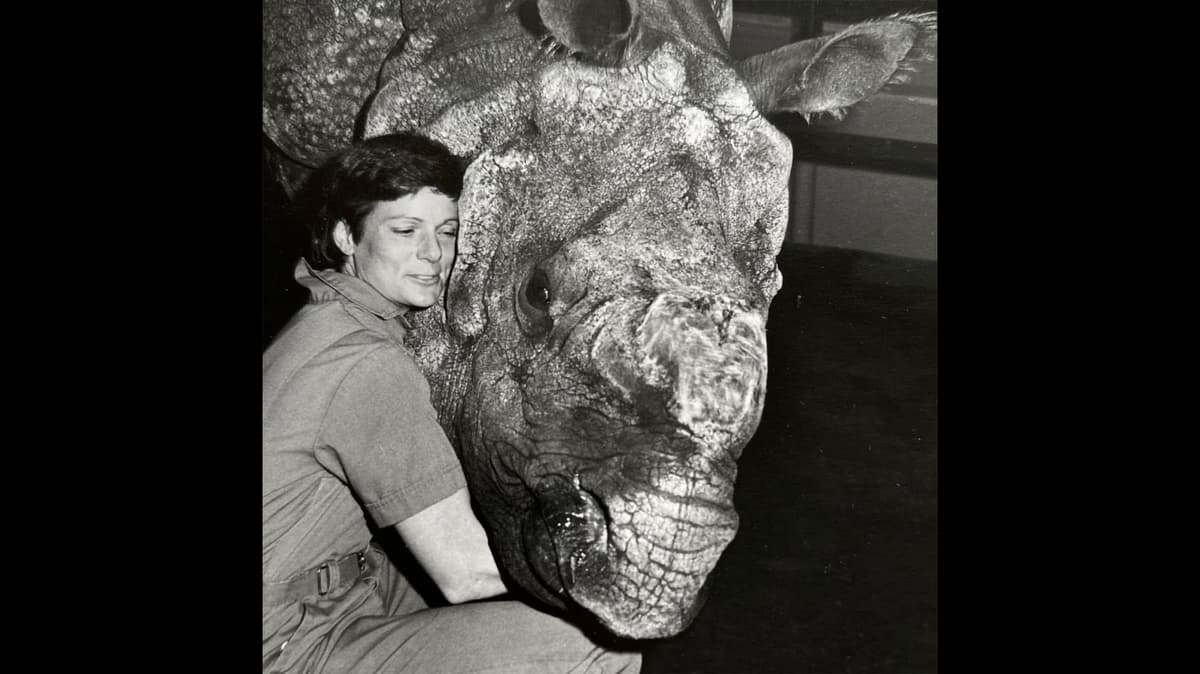
Nan Schaffer, Veterinarian Who Helped Unlock the Science of Rhino Reproduction, Has Died, Aged 72
Veterinarian Nan Schaffer, a world authority on rhinoceros reproduction, died at 72. Over four decades she created pregnancy management, semen banking, and other techniques that now underpin captive breeding programs for endangered rhinos. She also founded SOS Rhino and championed...
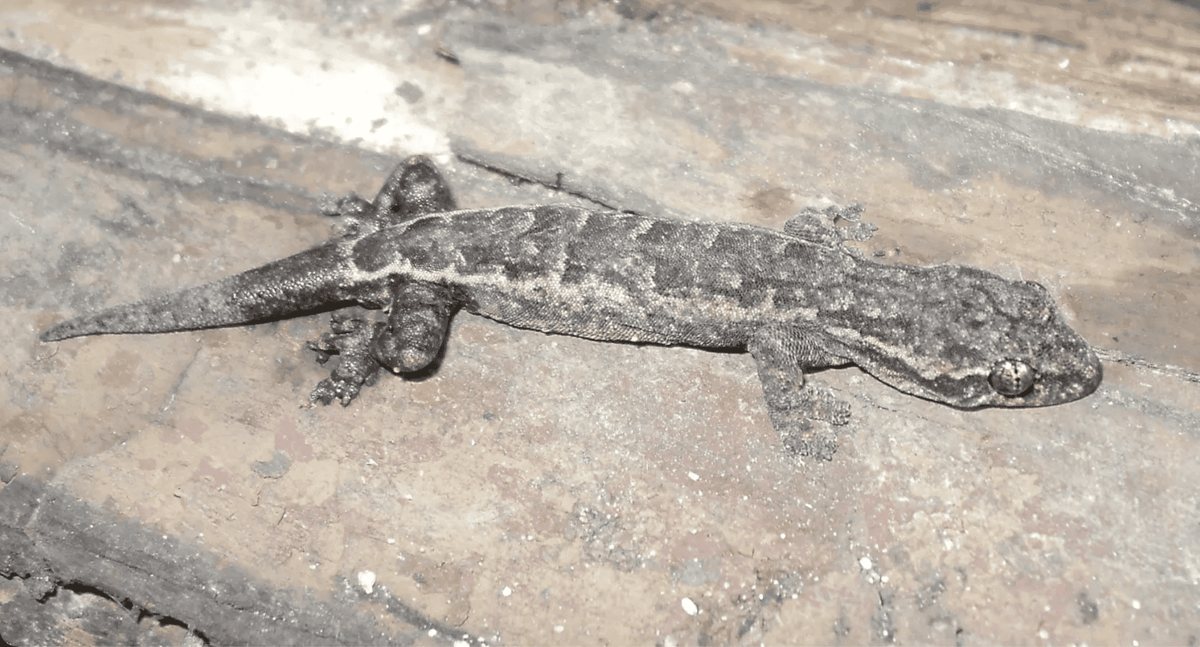
New ‘Cryptic’ Gecko Species Discovered in Vietnam’s Imperiled Karst Forests
Researchers have described a new gecko, Hemiphyllodactylus ziegleri, from Vietnam's Copia Nature Reserve, marking the country's 12th known gecko species. Genetic testing revealed a 14% DNA divergence from its closest relatives, confirming it as a distinct, cryptic species. The tiny...
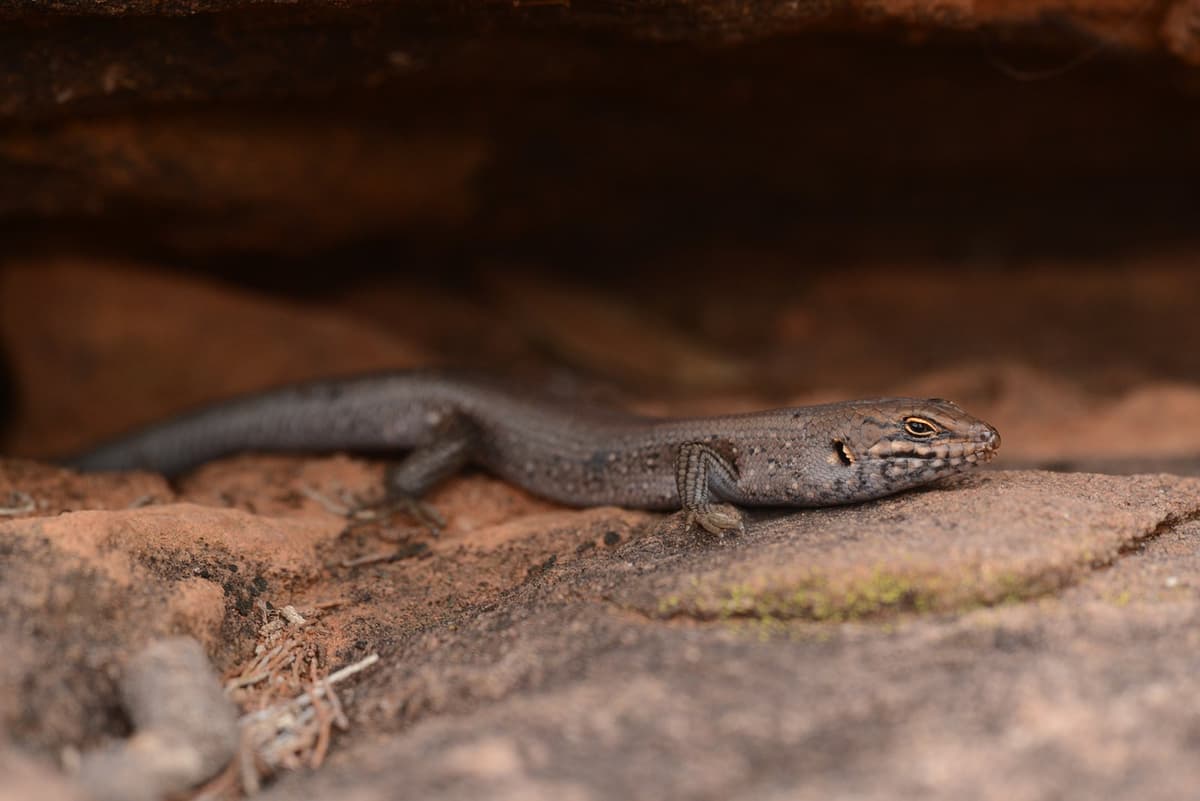
Indigenous Knowledge Helps Identify New, Highly Threatened Skink in Australia
Researchers have formally described a new skink species, *Liopholis mutawintji*, nicknamed Kungaka, from Mutawintji National Park in New South Wales. Genetic and morphological analysis revealed it is distinct from the widely distributed White’s skink, which actually comprises three separate lineages....

Canada Offers Mines and More in $730b Investment Bid Slammed as Unsustainable
Canadian Prime Minister Mark Carney announced a first‑ever Canada Investment Summit in Toronto, slated for September 14‑15, to court C$1 trillion (about $730 billion) of new capital over the next five years. The government is positioning the country’s abundant natural resources—particularly LNG,...

Sweden’s Secondhand Clothing Swaps Offer a Trendy Way to Cut Environmental Waste
Sweden’s annual clothing‑swap events have become a high‑visibility effort to curb fast‑fashion waste, drawing 140,000 participants across 140 gatherings last year and redistributing more than 44,000 pre‑owned garments. The United Nations Environment Programme warns that the fashion sector generates up...

In Pakistan’s Deadly Heat, Low-Cost Cooling Tools Offer a Lifeline for Pregnant Women
Researchers at Aga Khan University tested low‑cost cooling tools—canvas canopies, hand fans, damp cloths and reflective paint—in Karachi’s hottest districts. The interventions lowered indoor temperatures by 3‑4 °C (5‑7 °F), offering relief where electricity for AC or fans is unreliable. Pregnant women...