NASA - News Releases
Official announcements on space missions, aerospace research, and exploration
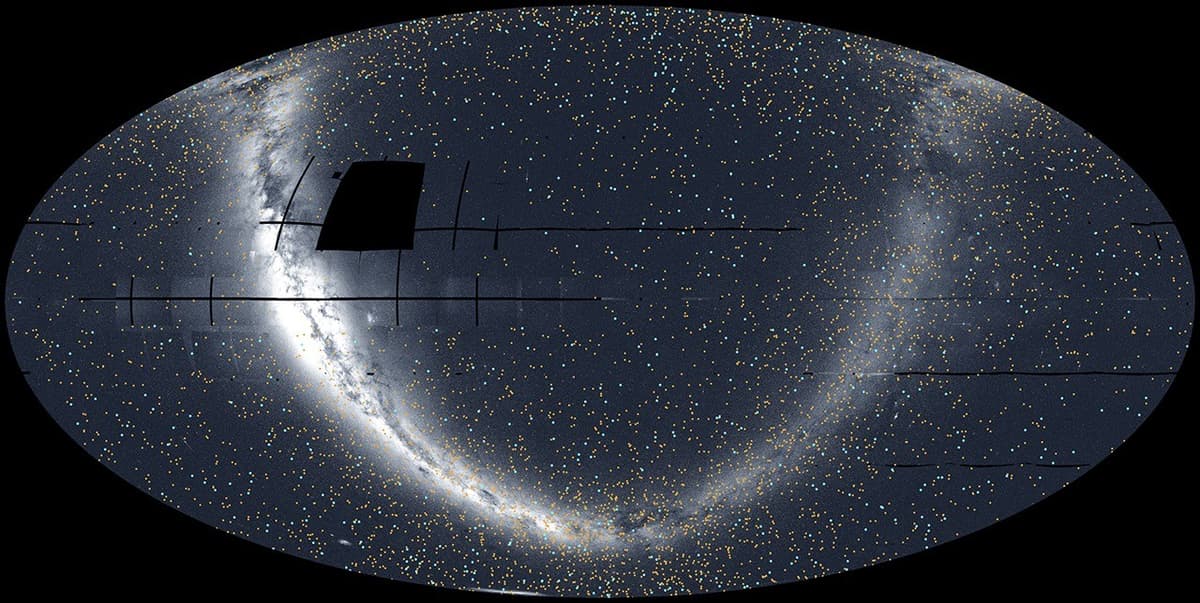
NASA’s Planet-Hunting TESS Reveals Dazzling Night Sky
NASA’s Transiting Exoplanet Survey Satellite (TESS) has released an all‑sky mosaic compiled from 96 observation sectors spanning April 2018 to September 2025. The image marks 679 confirmed exoplanets and 5,165 candidate worlds, filling gaps left by earlier surveys. TESS’s four‑camera system continuously monitored stellar brightness, enabling discoveries from Mercury‑size planets to gas giants in habitable zones. The mosaic also captures the Milky Way’s plane and the Magellanic Clouds, highlighting the mission’s broader astrophysical reach.
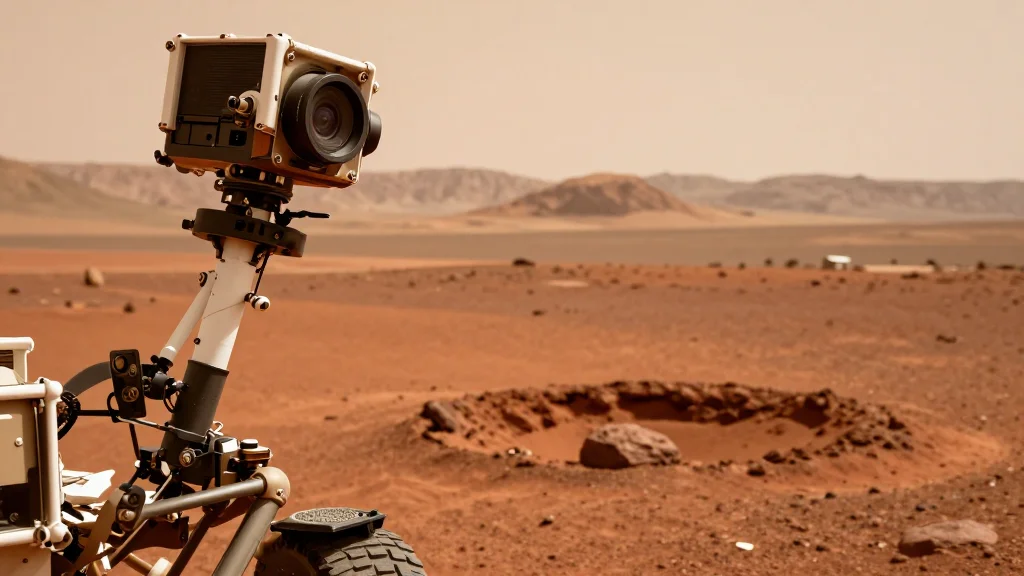
Perseverance Stuns in New Selfie
NASA’s Perseverance rover released a self‑portrait assembled from 61 images taken at the Lac de Charmes outcrop on March 11, 2026 (sol 1797). The composite shows the rover’s mast training and a circular abrasion patch created to expose fresh rock for analysis,...
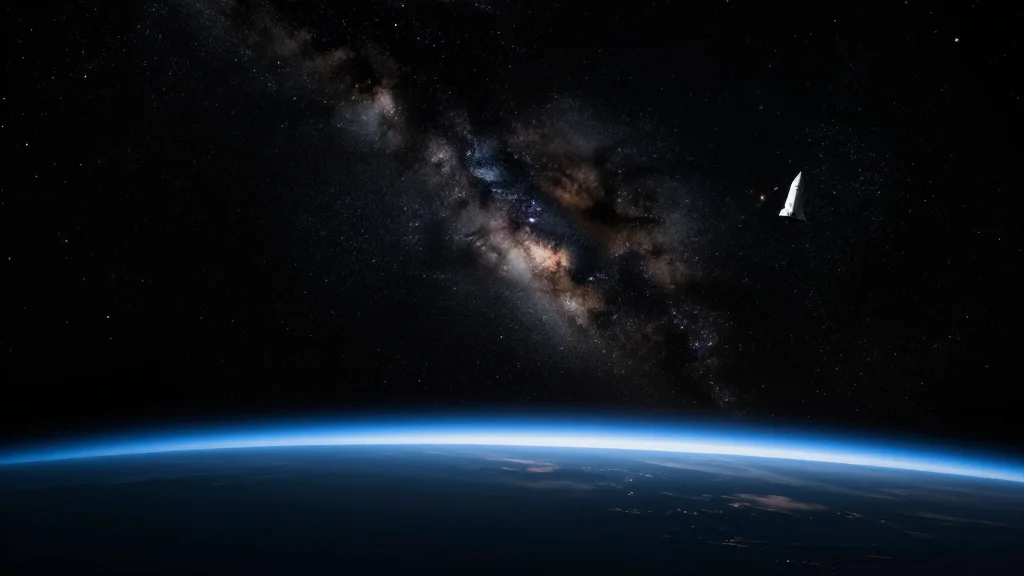
Glowing Views From the Space Station
NASA astronaut Chris Williams photographed the Milky Way rising above Earth’s atmospheric glow on April 13, 2026, from a SpaceX Dragon docked to the International Space Station. The glow, known as airglow, is produced when upper‑atmosphere atoms and molecules release...
NASA Welcomes Paraguay as 67th Artemis Accords Signatory
On May 7, 2026, Paraguay signed the Artemis Accords in Asunción, becoming the 67th nation to endorse the framework governing peaceful, transparent space exploration. The agreement aligns Paraguay’s emerging space program, which recently launched GuaraníSat‑1 and plans a GuaraníSat‑2 launch...
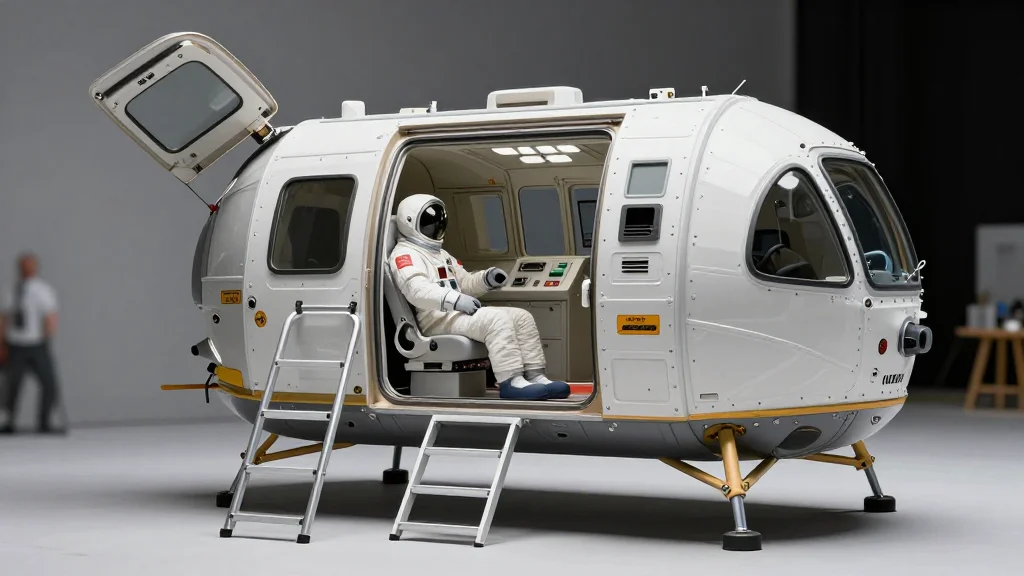
Industry Moon Lander Training Cabin Lands at NASA for Artemis
NASA’s Johnson Space Center now houses a full‑scale mock‑up of Blue Origin’s Blue Moon Mark 2 crew cabin, a 15‑foot‑tall training module for the Artemis lunar program. The trainer will support human‑in‑the‑loop simulations, suit checkouts and docking rehearsals as NASA prepares...
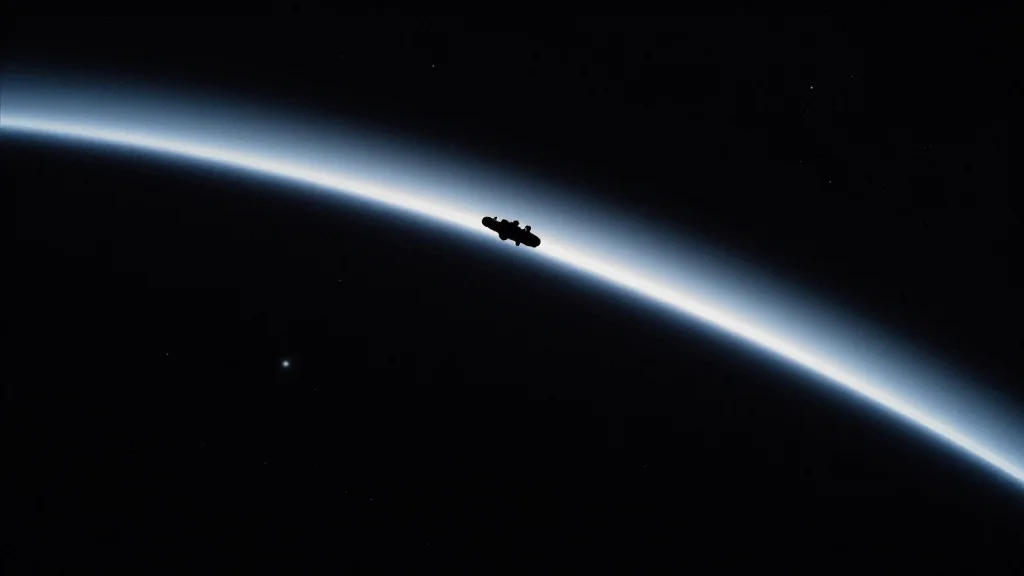
A Light in the Dark
NASA released a striking April 3 2026 image from the Artemis II mission, showing Earth’s thin, sun‑lit limb against the darkness of space. Artemis II was the agency’s first crewed deep‑space flight, orbiting the Moon to test Orion’s life‑support, propulsion and navigation systems. The...
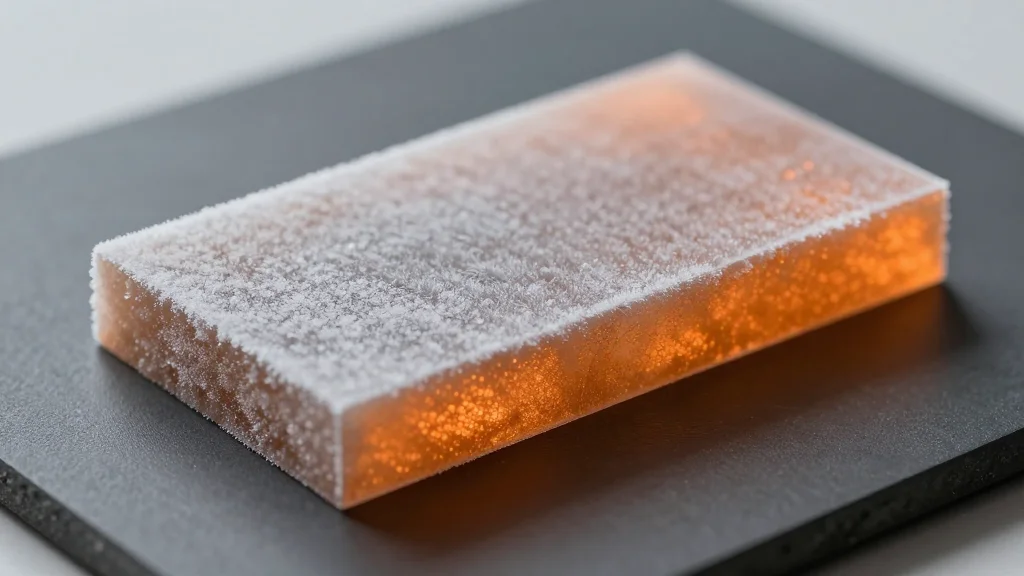
New NASA Technology Mimics Extreme Cold of the Lunar Night
NASA’s Glenn Research Center unveiled the Lunar Environment Structural Test Rig (LESTR), a dry‑vacuum system that can chill materials to 40 Kelvin (‑388 °F) without liquid cryogens. The rig replaces traditional nitrogen or helium baths, cutting safety complexity and cost while expanding...

NASA Welcomes Malta as Newest Artemis Accords Signatory
NASA announced that Malta has become the 65th signatory to the Artemis Accords during a ceremony in Kalkara. The agreement commits Malta to the accords’ principles of peaceful, transparent and responsible space exploration, aligning it with the United States and...

Blue Origin Moon Lander Completes Testing at NASA Vacuum Chamber
Blue Origin has finished environmental testing of its Blue Moon Mark 1 (MK1) lunar lander inside NASA’s Thermal Vacuum Chamber A at Johnson Space Center. Known as Endurance, MK1 is an uncrewed cargo vehicle funded through a reimbursable Space Act Agreement to...
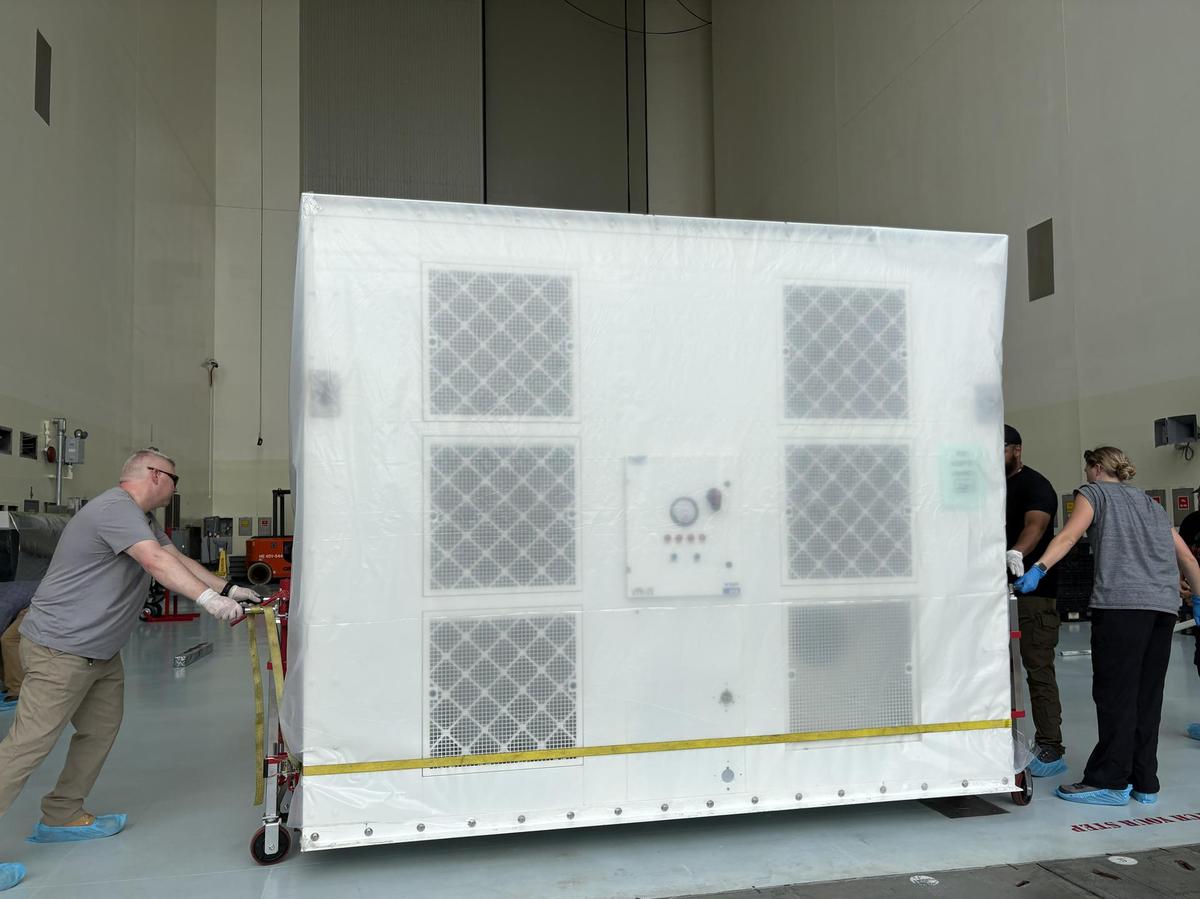
Key Support Equipment Arrives at Kennedy for Roman Space Telescope
NASA’s Kennedy Space Center received eight 1,800‑pound HEPA wall modules and additional ground support equipment on April 27, bolstering the Payload Hazardous Servicing Facility’s clean‑room capabilities. The new filtration system meets the Roman Space Telescope’s stringent contamination standards ahead of spacecraft...
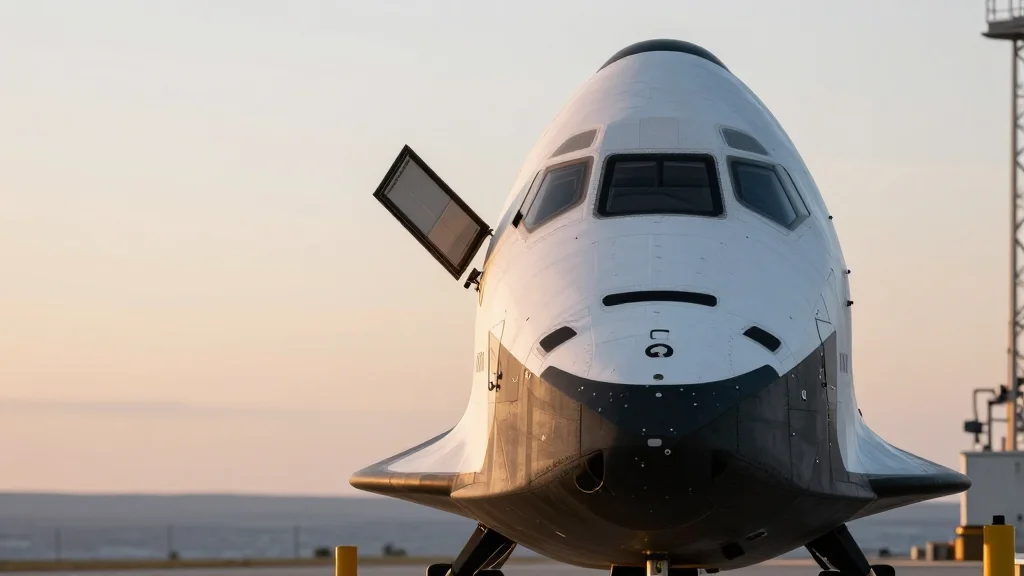
NASA Shares SpaceX Crew-13 Assignments for Space Station Mission
NASA announced the crew assignments for the upcoming SpaceX Crew-13 mission, slated to launch no earlier than mid-September. The four-person team includes NASA commander Jessica Watkins and pilot Luke Delaney, joined by Canadian astronaut Joshua Kutryk and Russian cosmonaut Sergey...
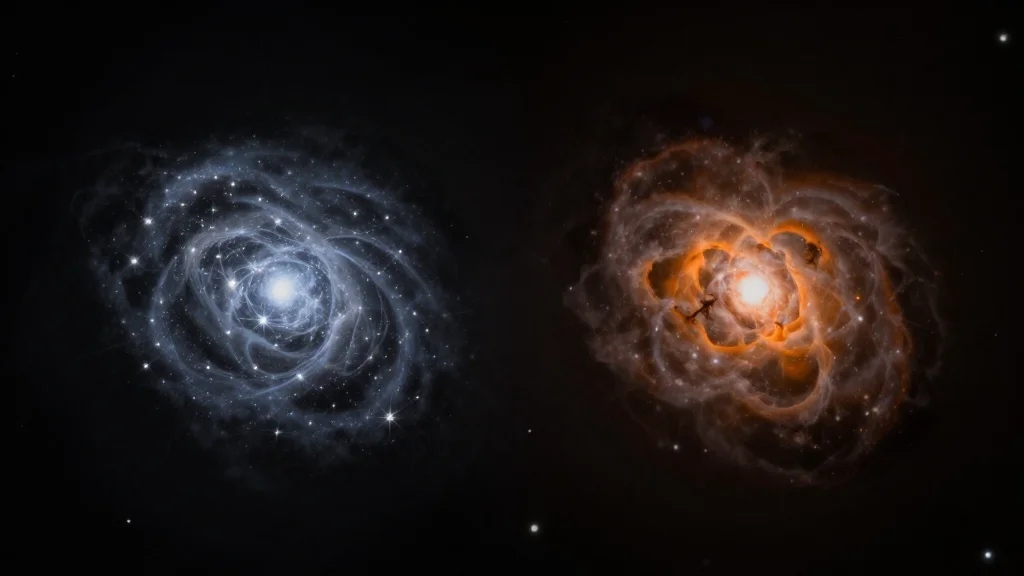
NASA’s Chandra Finds Young Stars Dim Quickly
NASA’s Chandra X‑ray Observatory studied eight open clusters ranging from 45 million to 750 million years old and discovered that Sun‑like stars emit only about a quarter to a third of the X‑ray radiation previously expected. By combining Chandra’s X‑ray imaging with...
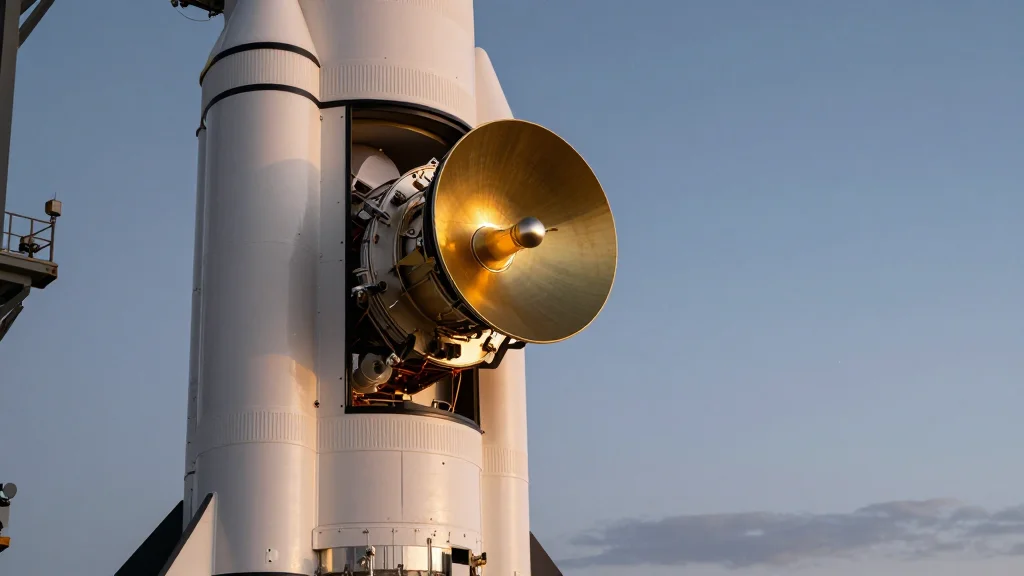
NASA Targets Early September for Roman Space Telescope Launch
NASA announced that the Nancy Grace Roman Space Telescope will be delivered to Kennedy Space Center in June and could launch as early as September 2026, well before the agency’s May 2027 deadline. The observatory will ride a SpaceX Falcon Heavy from Launch...
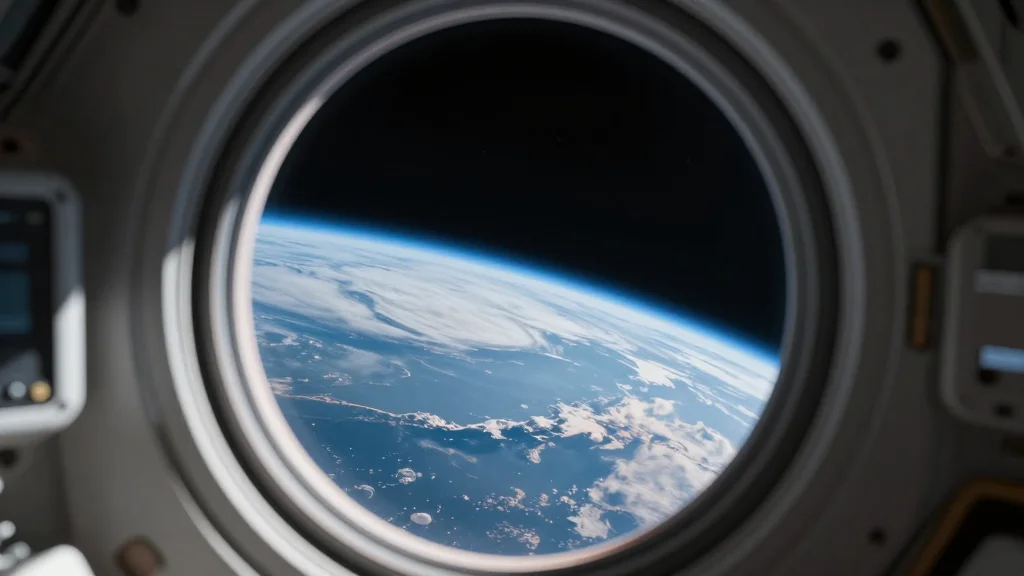
NASA Astronaut Anil Menon to Discuss Upcoming Launch, Mission
NASA will hold a live news conference on April 29 to preview astronaut Anil Menon's first spaceflight. Menon, a U.S. Space Force colonel and former SpaceX flight surgeon, will launch aboard Soyuz MS‑29 on July 14 with Roscosmos cosmonauts Pyotr...

NASA Invites Media to Jordan Artemis Accords Signing Ceremony
NASA will host a signing ceremony on April 23 for the Hashemite Kingdom of Jordan to become the 63rd nation to join the Artemis Accords. The event, held in the James E. Webb Memorial Auditorium at NASA Headquarters, is in‑person...
NASA Invests in Small Businesses Innovating for Space and Earth
NASA announced the selection of more than 30 small firms for its SBIR and STTR programs, committing roughly $16.3 million in seed funding. Fifteen companies received up to $150,000 each under the SBIR Ignite Phase I to prove concept feasibility, while seventeen...
NASA Selects Voyager for Seventh Private Mission to Space Station
NASA announced that Voyager Technologies has been selected for the agency’s seventh private astronaut mission to the International Space Station, slated for launch no earlier than 2028. The mission, designated VOYG‑1, will carry a crew of up to four astronauts...

NASA Launches Six CubeSats to International Space Station
On April 11, 2026 NASA’s Commercial Resupply Services‑24 mission lifted off a Cygnus XL spacecraft carrying roughly 11,000 lb of cargo to the International Space Station. As part of the payload, the CubeSat Launch Initiative deployed six nanosatellites—Coconut, HUCSat, LEOPARDSat‑1, and...

2026 NSTA Hyperwall Schedule
NASA will host a three‑day Hyperwall showcase at the NSTA conference from April 16‑18, 2026, located at Booth #1265 in the exhibit hall. The agenda features 20+ expert‑led sessions covering space weather, 5E StoryMaps, Earth‑observing data, the NISAR satellite, and flagship...

Artemis II Crew Returns to Houston
NASA’s Artemis II crew returned to Houston on April 11, 2026 after a nearly 10‑day lunar flyby, landing at Ellington Airport near Johnson Space Center. The mission marked the first crewed flight of the Orion spacecraft, testing life‑support, navigation and re‑entry systems...

NASA Science, Cargo Launch Aboard Northrop Grumman CRS-24
NASA launched the Commercial Resupply Services‑24 (CRS‑24) mission on April 11, 2026, using a Northrop Grumman Cygnus XL mounted on a SpaceX Falcon 9. The spacecraft carried roughly 11,000 lb of scientific experiments, crew provisions, and hardware to the International Space Station....

Artemis II Splashes Down
NASA’s Orion spacecraft safely splashed down in the Pacific Ocean on April 10, 2026, concluding the ten‑day Artemis II mission. The crew set a new distance record for human spaceflight, surpassing Apollo 13, and returned with unprecedented images of the Moon’s far...

New Perspective of Home
NASA’s Artemis II mission captured a striking image of the Moon and Earth aligned during its April 6, 2026 lunar flyby, showing both bodies partially illuminated by the Sun. The crew—NASA astronauts Reid Wiseman, Christina Koch, Victor Glover, and CSA astronaut Jeremy Hansen—are...

Indoor Testing Facilities Available at the NASA Unmanned Autonomy Research Complex (NUARC)
NASA’s Unmanned Autonomy Research Complex (NUARC) now offers the WindShaper, a 9‑by‑7‑foot indoor fan array comprising 1,134 fans (567 wind pixels) that can produce wind speeds up to 16 m/s (36 mph) and rapid acceleration profiles. Researchers can program steady winds, gusts,...

Starstruck
On April 7 2026 the crew of NASA’s Artemis II mission captured a striking photograph of the Milky Way from Orion’s deep‑space trajectory. The image reveals the galaxy’s central bar and its two dominant spiral arms, spanning more than 100,000 light‑years. NASA released...

Night Sky Network Celebrates Artemis II
On April 6, 2026 the Artemis II crew became the first humans to orbit the Moon’s far side, traveling roughly 4,000 miles above the lunar surface. The historic maneuver was streamed live on NASA’s YouTube channel and the new NASA+ platform. NASA’s Night Sky...

Illuminated in Orion
On the third day of NASA’s Artemis II mission, the Orion crew began outfitting the capsule for a lunar flyby. Astronauts performed exercise routines, practiced medical emergency procedures, and validated the spacecraft’s deep‑space emergency communications system. The photo shows Christina Koch reading...

NASA Sets Coverage for Northrop Grumman’s CRS-24 Resupply Launch
NASA announced coverage for Northrop Grumman’s CRS‑24 resupply flight, slated for launch no earlier than 8:49 a.m. EDT on April 8, 2026. The Cygnus XL cargo vehicle, riding a SpaceX Falcon 9 from Cape Canaveral, will carry roughly 11,000 lb of science investigations, crew supplies and hardware...

Virgil I. “Gus” Grissom
Virgil "Gus" Grissom, born April 3, 1926, became NASA’s second astronaut to reach space on the 15‑minute Mercury‑Redstone 4 mission aboard Liberty Bell 7 in July 1961. The flight ended safely, but the capsule’s hatch blew prematurely, flooding the spacecraft and forcing...

Hello, World
NASA astronaut Reid Wiseman captured the first downlinked images from the Artemis II crew after the spacecraft’s translunar injection burn. The photograph shows Earth framed by two auroras and a faint zodiacal light, highlighting Orion’s window view capabilities. This visual milestone...

NASA to Unveil Complete Roman Telescope, Host Media Briefing
NASA announced that the Nancy Grace Roman Space Telescope is now fully assembled after integrating its two primary segments at Goddard’s largest clean room. The agency will host a media briefing on April 21, with a live‑streamed news conference, to...

NASA Releases Artemis II Moon Mission Launch Countdown
NASA is initiating the final countdown for Artemis II, the agency’s first crewed lunar mission scheduled for Jan. 17, 2026. The SLS rocket and Orion spacecraft are being moved to Launch Pad 39B, where a detailed L‑minus and T‑minus timeline will guide fueling, system...

Arctic Winter Sea Ice Ties Record Low, NASA, NSIDC Scientists Find
Arctic winter sea ice reached its March 15 peak of 5.52 million square miles, tying the lowest extent recorded since satellite monitoring began in 1979. The coverage was about half a million square miles below the 1981‑2010 average, and NASA’s ICESat‑2...

NASA’s Water-Hunting Tool Will Help Scout Moon’s South Pole
NASA is contributing its Neutron Spectrometer System (NSS) to the JAXA‑ISRO Lunar Polar Exploration (LUPEX) mission, which plans to land a rover at the Moon’s South Pole no earlier than 2028. The NSS detects hydrogen signatures up to three feet...

NASA’s Hubble, Webb Telescopes Survey Pinwheel Galaxy
NASA’s Hubble and James Webb Space Telescopes captured a high‑resolution view of the Pinwheel Galaxy (Messier 101) on March 16, 2026. The combined ultraviolet, visible and near‑infrared data focus on the galaxy’s core, which lies about 25 million light‑years away and presents a rare face‑on...

NASA to Provide Update on Implementation of National Space Policy
NASA will host a public event on March 24, 2026 at its Washington headquarters to detail how the agency is executing President Donald J. Trump’s National Space Policy. The agenda includes remarks by Administrator Jared Isaacman and high‑level panels on Artemis II, the goal of...

NASA Selects University Finalists for Technology Concepts Competition
NASA announced 14 university teams as finalists in the 2026 Revolutionary Aerospace Systems Concepts – Academic Linkage (RASC-AL) competition. The challenge asks students to devise rigorous concepts for lunar and Martian operations across four mission themes, from communications to power...

Smiles and Spacesuits
NASA astronaut Chris Williams performed a spacesuit fit verification on Jan 2, 2026 inside the ISS Quest airlock, confirming airtight integrity, comfort and mobility. On March 18, 2026 Williams and fellow astronaut Jessica Meir completed a 7‑hour‑2‑minute EVA. The spacewalk focused on preparatory work for installing...

NASA Exploration, Science Inspire “Project Hail Mary” Film
NASA partnered with the upcoming sci‑fi film “Project Hail Mary,” providing scientific consultation, astronaut interaction, and brand‑clearance for the agency’s logos. The collaboration coincides with the Artemis II launch preparations, positioning the movie as a cultural bridge to the crewed deep‑space...

NASA Glenn Opens Applications for Free Summer Engineering Institute
NASA’s Glenn Research Center in Cleveland is accepting applications for the 2026 NASA Glenn High School Engineering Institute, a five‑day, hands‑on summer program for rising juniors and seniors. Applications are open from March 20 to May 1, 2026, and require a minimum...

Lava Flows Down Mayon
Landsat 8 captured a clear image of Mayon Volcano on Feb 26 2026, showing an active lava flow with an infrared heat signature. The Philippine Institute of Volcanology and Seismology reported volcanic earthquakes, rockfalls, and pyroclastic flows that day. NASA satellites tracked sizable...

Solving Asteroid Bennu’s Mysteries
NASA released X‑ray computed tomography scans of asteroid Bennu samples on March 17, 2026, revealing intricate crack networks inside the material. The scans show that Bennu’s boulders are highly porous, a property that accounts for the low thermal inertia measured...

NESC Develops Method for Estimating Risk When Reducing NDE
The NASA Engineering and Safety Center (NESC) created a probabilistic method to estimate the risk of reducing nondestructive evaluation (NDE) inspections on spaceflight hardware. Using a historic database of 33,630 bolt‑hole inspections that yielded six crack‑like findings, the team derived...

USBR Crack the Case Challenge
NASA’s Center of Excellence for Collaborative Innovation has launched the "Crack the Case" challenge to develop novel subsurface crack detection methods for embankment dams. The three‑phase competition moves teams from concept framing to design validation and finally to real‑world demonstration...

USBR Halt the Hitchhiker: Invasive Species Challenge
The U.S. Bureau of Reclamation has launched a three‑phase prize challenge, managed by yet2, to develop technologies that stop aquatic invasive species from hitchhiking in watercraft ballast water. The competition offers a total prize pool of $550,000. It targets high‑risk...

Good Morning, Moon
NASA’s Lunar Reconnaissance Orbiter (LRO) continues to deliver high‑resolution lunar imagery, with its March 2026 Science Image of the Month highlighting an unnamed crater illuminated by early‑morning sunlight. The image, captured on 30 August 2023 by LROC, showcases the Moon’s rugged terrain and...

NASA’s Artemis II Moon Mission Daily Agenda
NASA’s Artemis II will launch aboard the Space Launch System for a ten‑day Orion test flight around the Moon. The crew—Reid Wiseman, Victor Glover, Christina Koch and CSA astronaut Jeremy Hansen—will conduct system checkouts, trajectory correction burns, a translunar injection, and a...
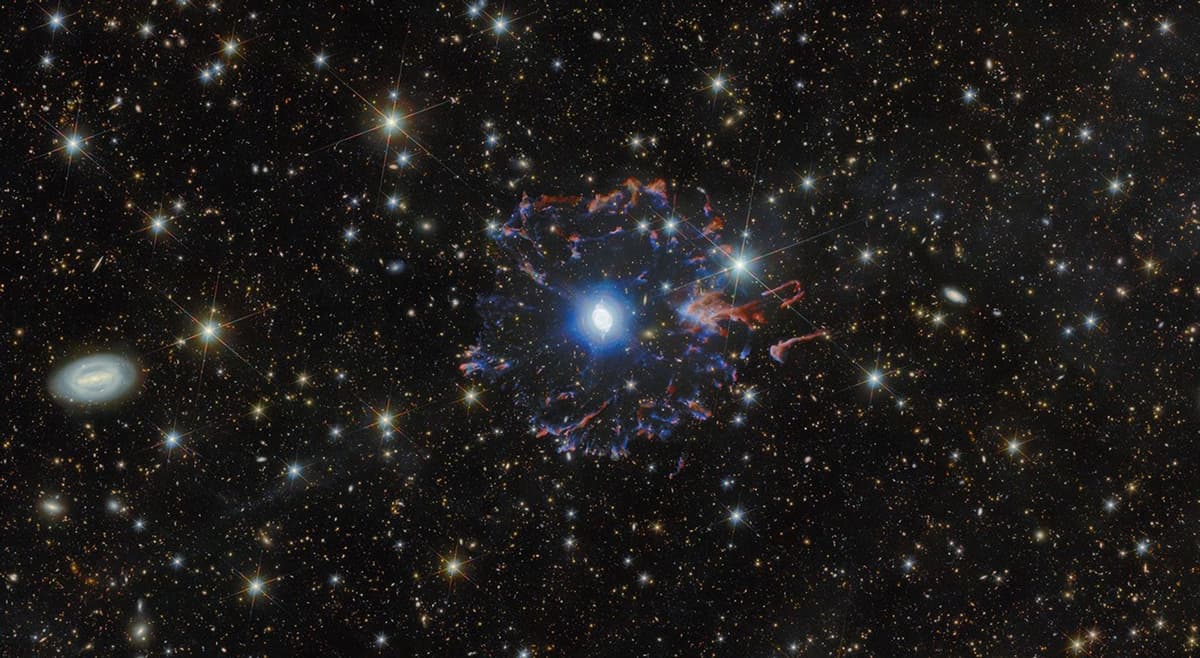
Telescopes Team Up for New View of Cat’s Eye Nebula
A new composite image of the Cat’s Eye Nebula (NGC 6543) merges ESA’s Euclid infrared observations with NASA’s Hubble optical data. The nebula, located 4,400 light‑years away in Draco, displays unprecedented detail of its layered shells, jets, and dust structures. This...

Insights Into Spallation Mechanisms of Thermal Protection System Materials From Mass Spectrometry and HyMETS Testing
NASA researchers used the Hypersonic Materials Environmental Test System (HyMETS) and mass spectrometry to map how gases evolve inside thermal protection system (TPS) materials under high‑enthalpy conditions. The study identified an early release of absorbed water that creates localized stress...
NASA Selects Axiom Space for Fifth Private Mission to Space Station
NASA has awarded Axiom Space its fifth private astronaut mission to the International Space Station, with a launch window opening no earlier than January 2027 from Kennedy Space Center. The 14‑day flight will carry up to four crew members who...