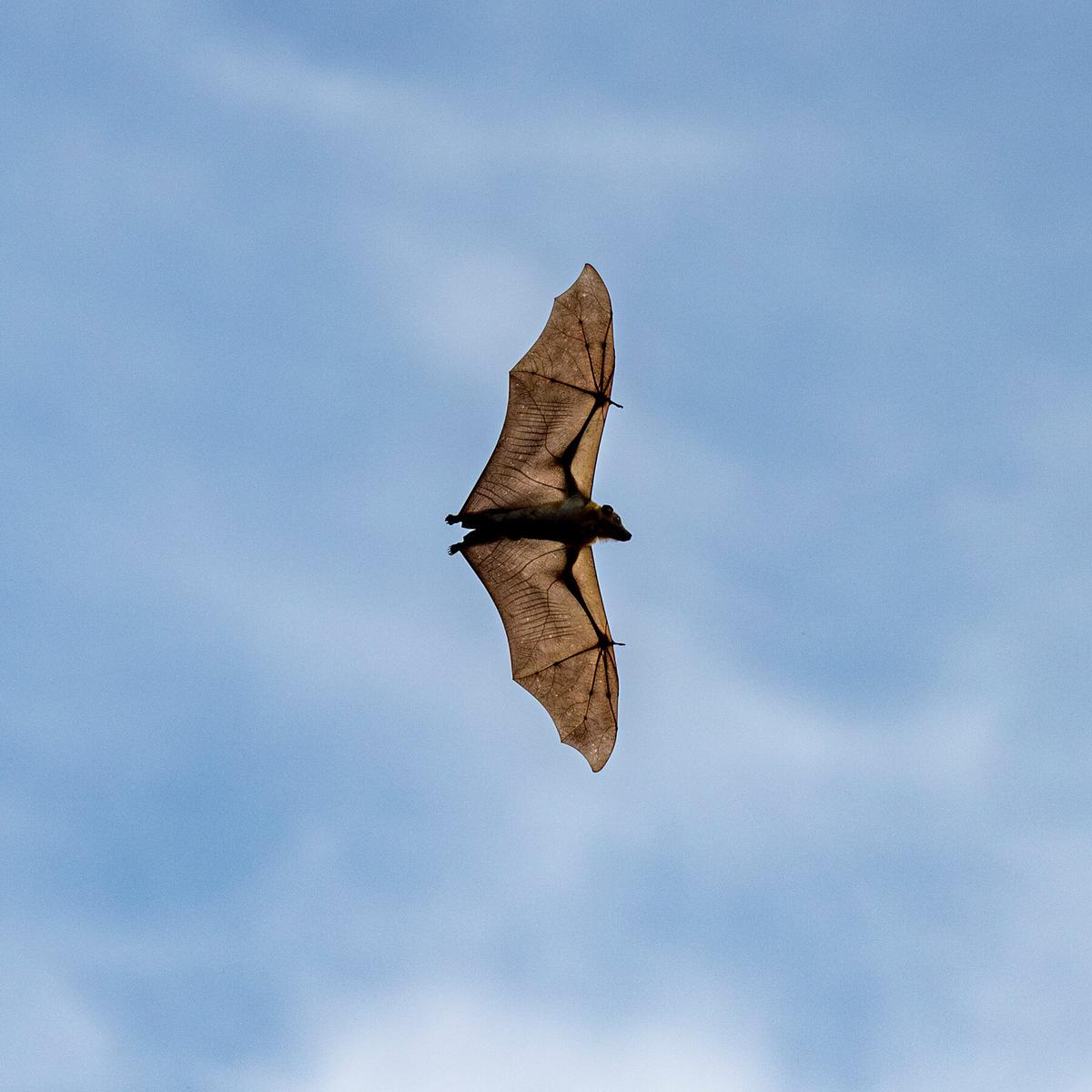
The Ebola Outbreak’s Central Mystery: Where Did This Virus Come From?
Since April, the Democratic Republic of Congo has recorded 1,114 confirmed Ebola cases and 279 deaths, making it the third‑largest outbreak in the disease’s 50‑year history. The epidemic is driven by the little‑known Bundibugyo virus, one of three Ebola‑causing species. Researchers have yet to identify the animal reservoir that harbors Bundibugyo when it is not infecting humans, leaving a critical gap in outbreak prevention. The mystery underscores the broader challenge of tracking zoonotic pathogens that can jump to people.

A Loophole Brings Cystic Fibrosis Patients a ‘Miracle Drug’ in Generic Form
Vertex Pharmaceuticals’ cystic fibrosis combo, Trikafta, commands about $346,000 for a year’s supply in the United States and has earned $49 billion since 2019. A Bangladeshi firm, Beximco Pharmaceuticals, reverse‑engineered the drug and, exploiting a gap in international patent law, launched...

California Needs Water and Clean Power. It Might Have a Fix for Both.
California’s 4,000‑mile irrigation canal network is being tested as a platform for solar canopies under Project Nexus. Researchers estimate that covering the canals could generate up to 13 GW of electricity while preventing the evaporation of about 63 billion gallons of water...

New Coral Study Identifies Areas Where Reefs Are Hanging On
Scientists using AI have identified over 5,800 square miles of climate‑resilient coral refugia across 72 countries, a three‑fold increase over the 2018 benchmark. The study evaluated 42 environmental factors and incorporated nearly 38,000 observations spanning 65 years. Presented at the...

How Does One Brain Speak Two Languages?
Researchers at New York University found that bilingual speakers rely on a single grammatical engine in the brain, producing nearly identical neural patterns when forming singular or plural forms in either language. Functional MRI scans showed overlapping activity across first...
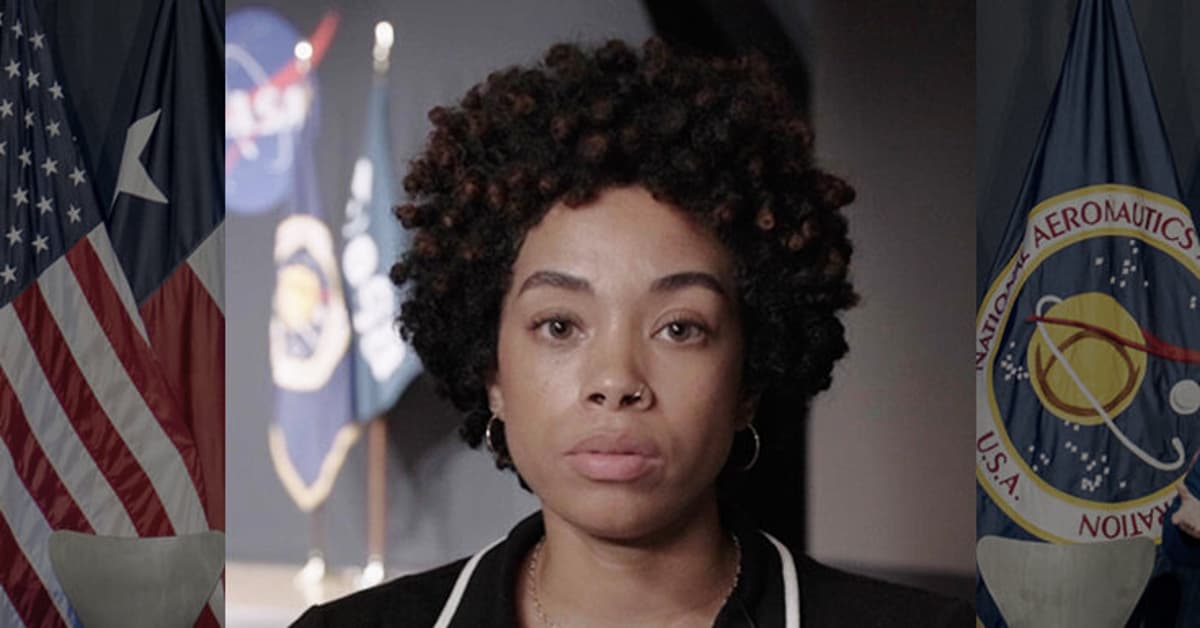
Can the Artemis III Mission Go on as Planned?
NASA has named a four‑person crew for Artemis III, the mission slated to return humans to the Moon by 2028. A critical setback occurred when Blue Origin’s orbital rocket and its sole launchpad were destroyed in a Florida explosion. The loss...
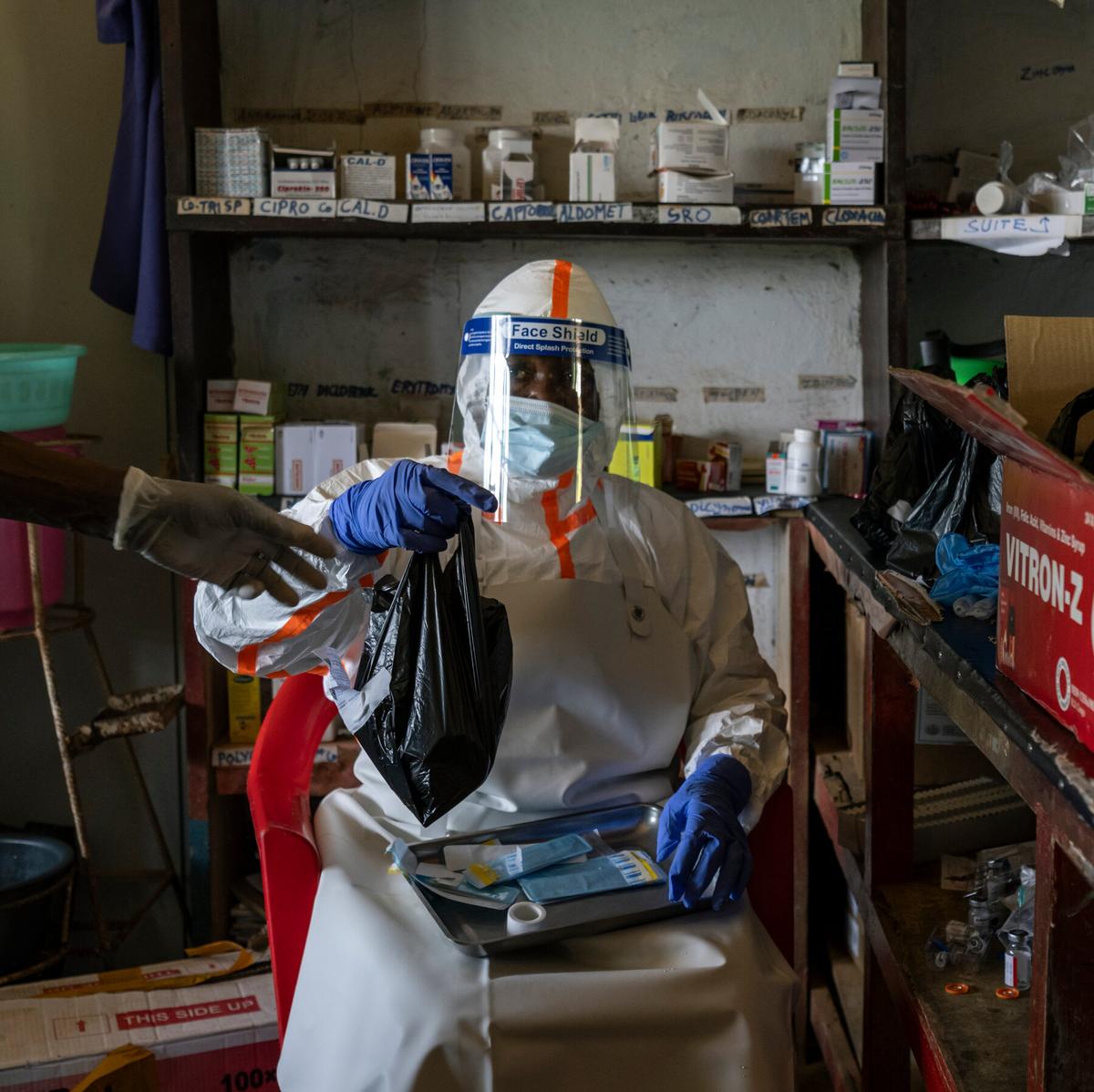
Scientists Race to Test Treatments as Ebola Outbreak Widens
Scientists in the Democratic Republic of Congo are treating a widening Ebola outbreak caused by the Bundibugyo virus, which has infected 695 people and killed 138. The makeshift Rwampara treatment center provides intensive supportive care, improving survival compared with past...
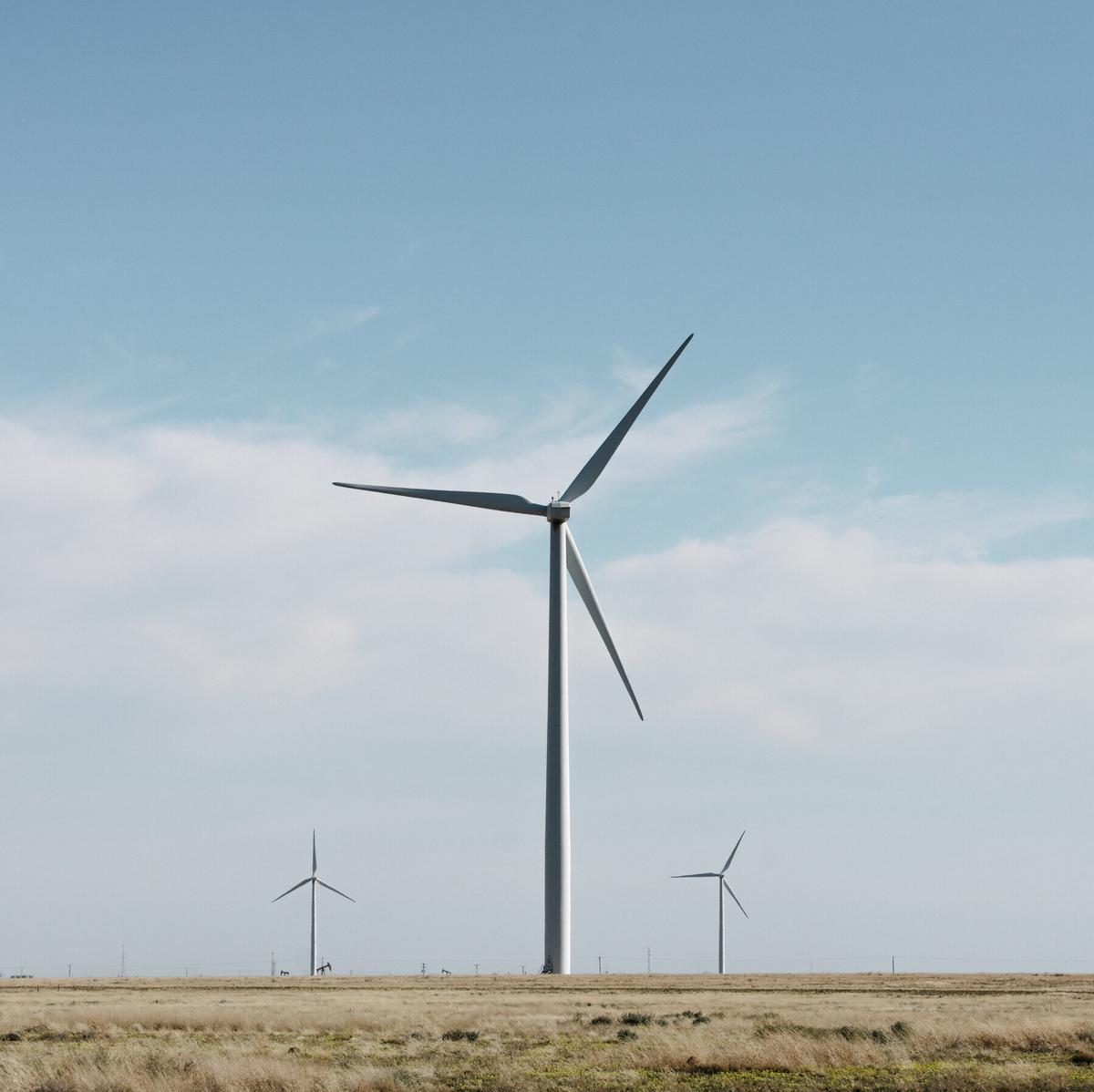
Renewable Groups Ask Courts to End Pentagon’s ‘Total Halt’ of Wind Power
A coalition of nine renewable‑energy groups sued the Pentagon, asking a federal court to order the department to resume military reviews of onshore wind projects that have been frozen since April. The pause has stalled 106 planned wind farms across...

NOAA Issues El Nino Advisory
NOAA officially declared an El Niño in the tropical Pacific, noting sea‑surface temperatures 0.5 °C above average and a 63 % chance they will rise another 2 °C. Models suggest the anomaly could exceed 3 °C, potentially the strongest on record. The event is expected...

The Researcher Who Didn’t Want to Know
Nancy Wexler, an 80‑year‑old scientist living with Huntington’s disease, released her memoir “My Life, My Science.” Over decades she led a groundbreaking field study in Venezuela that pinpointed the gene causing Huntington’s, leading to the first genetic blood test for...
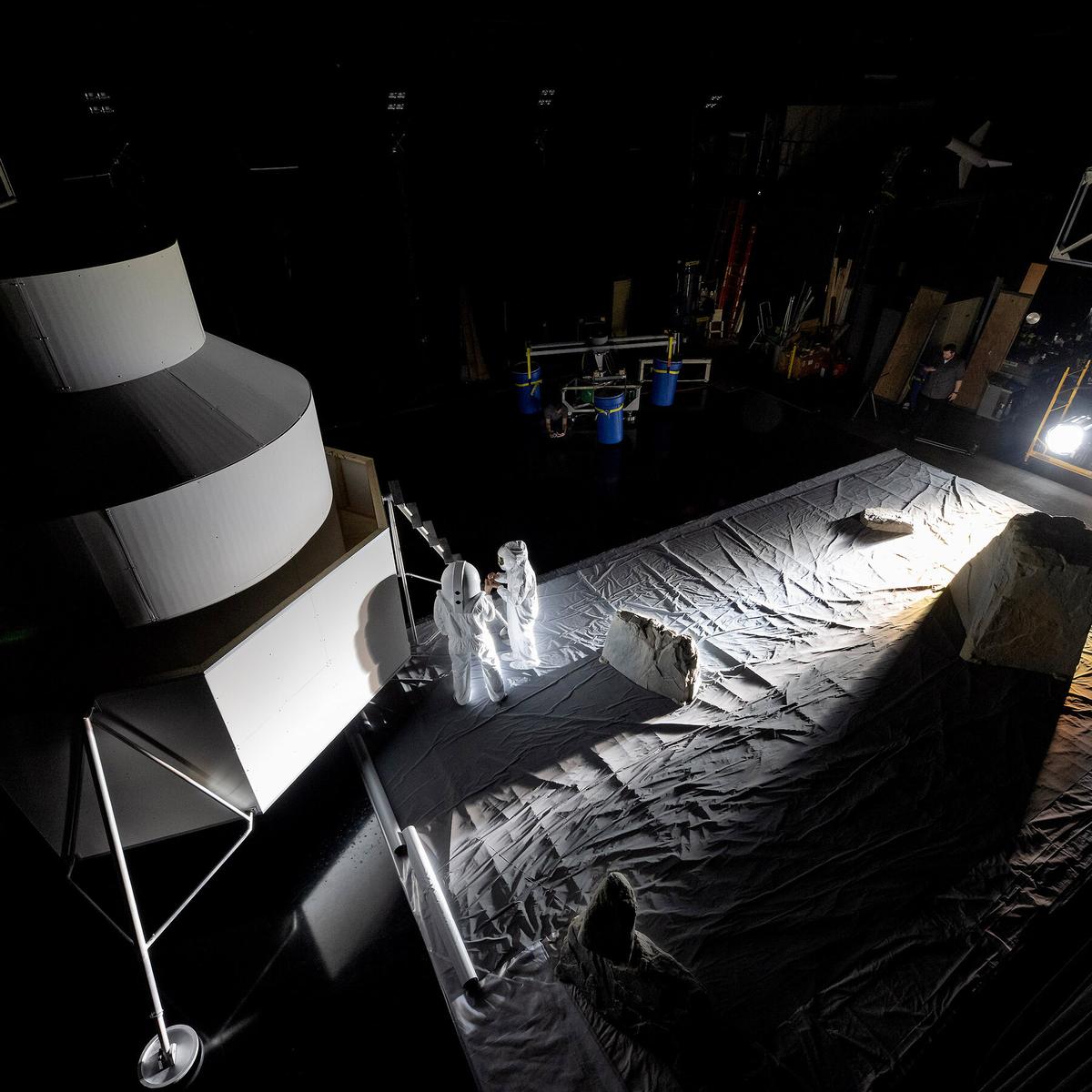
Why Is NASA Going Back to the Moon?
NASA unveiled the four-member crew for Artemis III, naming Andre Douglas, Frank Rubio, ESA pilot Luca Parmitano, and veteran Randy Bresnik. The mission, now framed as a low‑Earth‑orbit test of lunar‑lander docking, targets a 2028 Moon landing despite the recent New Glenn rocket explosion...
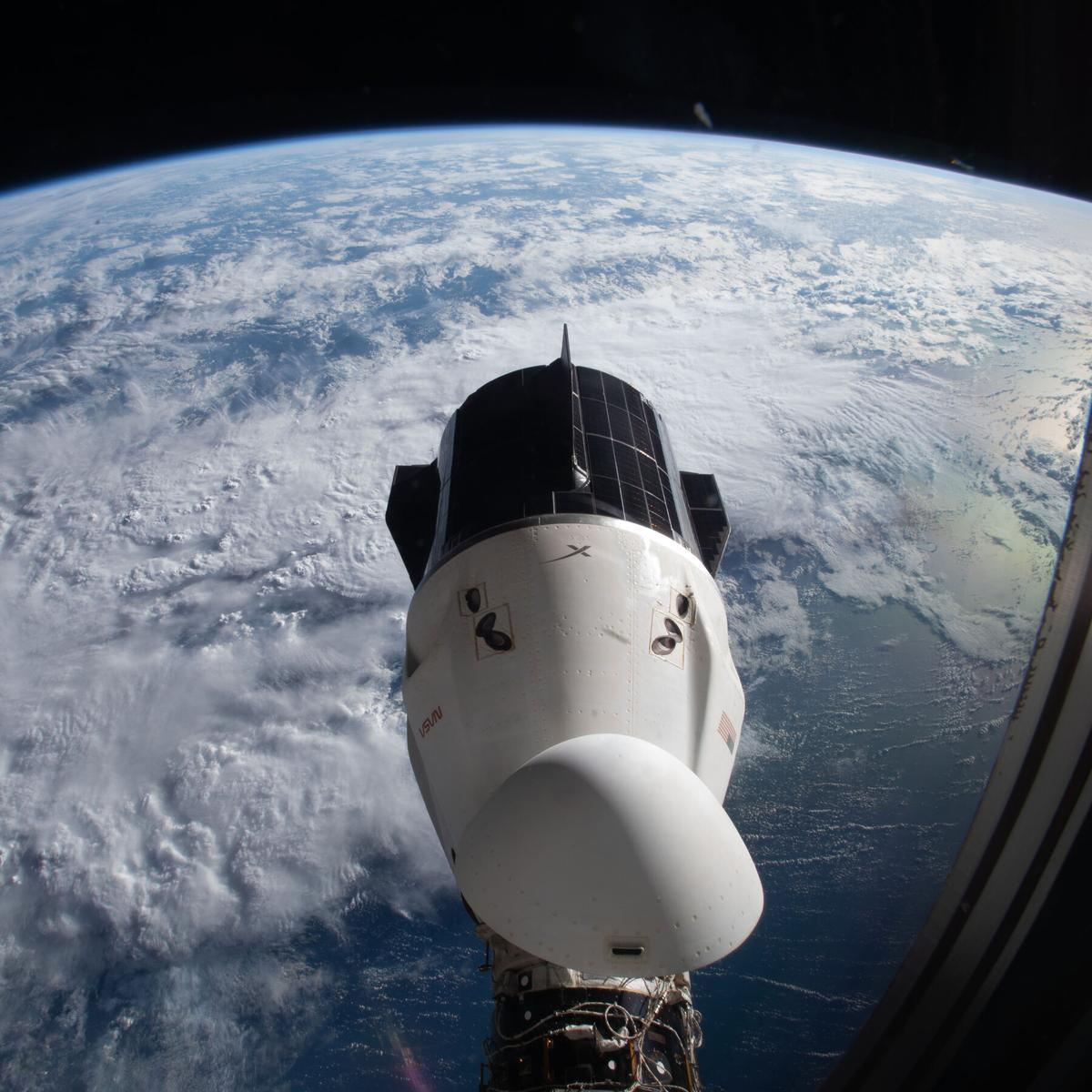
Leaks on Space Station Lead Astronauts Briefly to Seek Shelter in Spacecraft
On June 5, 2026, an air leak in a Russian module of the International Space Station prompted NASA to order the crew to seek temporary refuge in the docked SpaceX Crew Dragon capsule. The seven‑person crew—two Americans, one Russian, one French, plus a...

ANWR Oil Draws Few Bids, Despite Trump’s Push for ‘Liquid Gold’
The federal auction of oil leases in Alaska's Arctic National Wildlife Refuge concluded with only nine bids, covering roughly 10 percent of the 58 available tracts. The sale generated about $3.7 million, half of which came from Alaska's publicly owned economic...

Crested Ibises Get the Royal Treatment in Japan as They Fly Again
Japan released eight crested ibises on Honshu, attended by the Crown Prince and Princess, marking the first wild release in over 50 years. The species, once near extinction, has rebounded to about 500 individuals thanks to a joint Japanese‑Chinese breeding...

By September, Nearly a Third of Americans Will Live in States With Legal Aid in Dying
New York enacted a medical aid in dying (MAID) law that will become effective on August 5, 2025 after a decade‑long advocacy campaign led by groups such as Compassion & Choices. The legislation joins a growing national trend, and analysts project that by September...