
Robotaxis Almost Happened in 1964—With Help From the U.S. Government
In 1964, Northwestern graduate Donn Fichter published the Veyar concept, a personal rapid transit (PRT) system that would run small electric pods on lightweight guideways built into existing streets. The Nixon administration later allocated $6 million to demonstrate four PRT prototypes at the 1972 Transpo72 expo, and West Virginia University launched the only operational U.S. PRT network in 1975, which has since logged over 100 million trips. Decades of prohibitive infrastructure costs stalled wider adoption, but today companies such as Waymo and Zoox provide on‑demand driverless robotaxis that mirror Fichter’s vision without dedicated guideways. The shift raises questions about whether autonomous taxis will become public infrastructure or remain profit‑driven services.
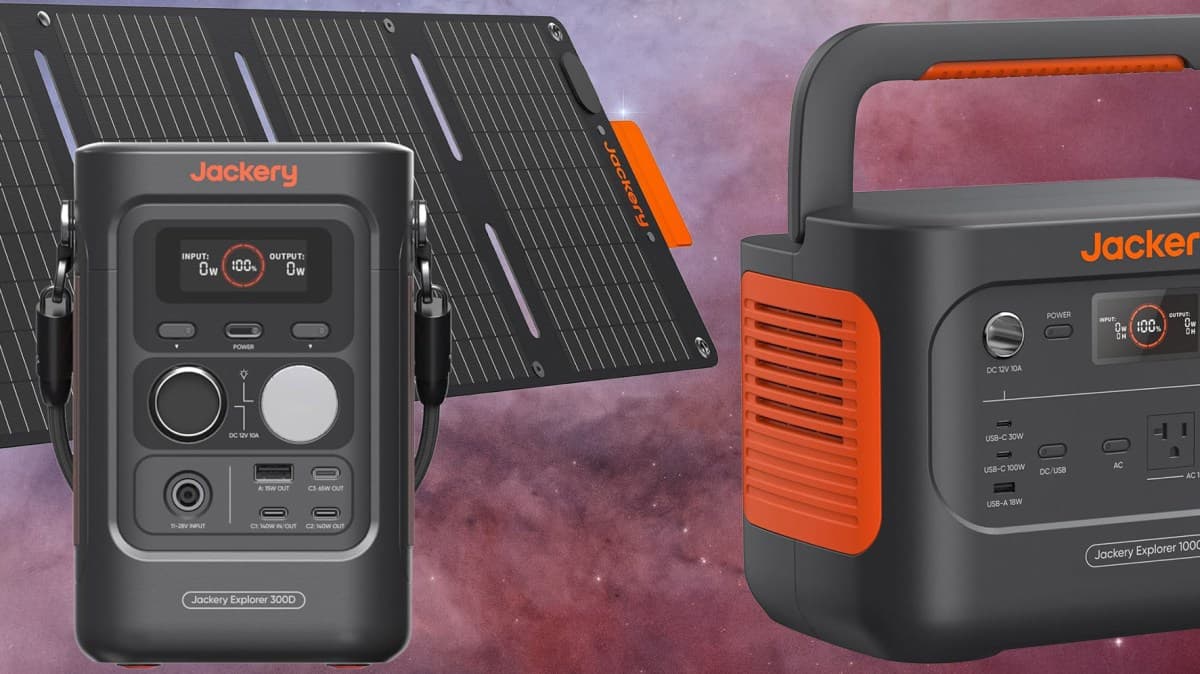
Jackery Already Dropped Its Prime Day Deals on Our Favorite Solar Generators and Portable Power Stations
Jackery has launched an early Prime Day sale that runs through June 22, offering deep discounts on its portable power stations and solar generator kits. Prices on flagship models like the Explorer 1000 v2 and Explorer 2000 v2 have been...
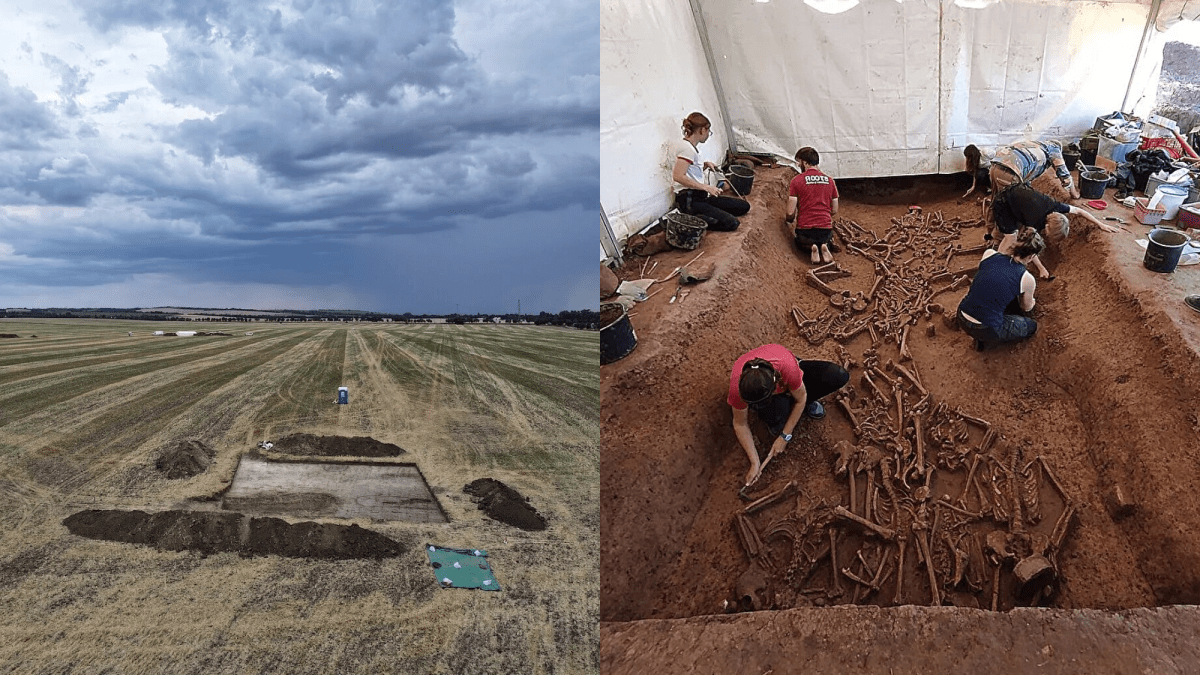
77 Headless Skeletons Found in a Field Date Back 7,000 Years
Archaeologists uncovered a mass burial of 78 individuals at the Neolithic settlement of Vráble, Slovakia, with 77 skeletons missing their heads. The remains date to 5250‑4950 BCE, belonging to the Linear Pottery culture, one of Europe’s earliest farming societies. Researchers argue...

Forget High-Speed Rail: California Is Exploring 140 Mph Bullet Buses
California’s Department of Transportation is evaluating a “bullet bus” system that could cruise at 100‑140 mph on dedicated freeway lanes, potentially shaving travel time between San Francisco and Los Angeles to about three hours. The concept would require new 12‑foot‑wide high‑speed lanes, extensive...
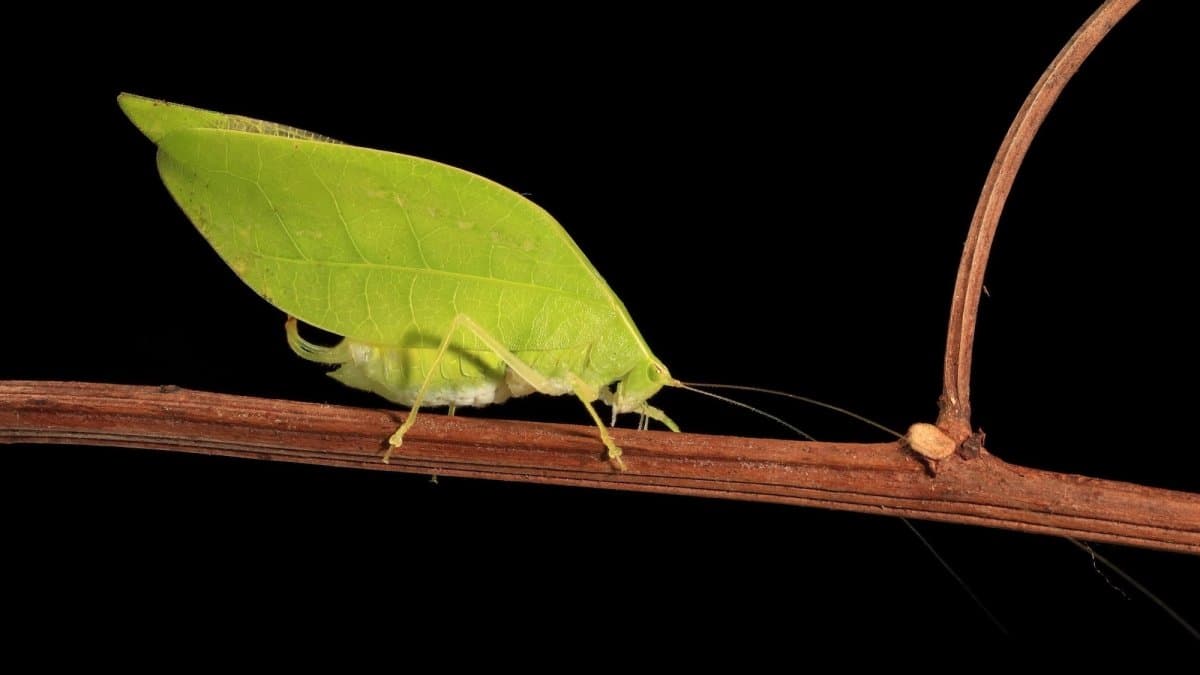
Big Wings and Sweet Songs: The Mating Lives of Panama’s Katydids
A new study in *Proceedings of the Royal Society B* shows that male *Viadana brunneri* katydids in Panama use leaf‑shaped wing extensions to shape their courtship songs. Intact leafy wings produce lower‑frequency, louder ultrasonic calls, while removing the leaf portion...

Anker Just Dropped Its Charging Accessories to Clearance Prices Before the Upcoming Prime Day Sale
Anker has launched a pre‑Prime Day clearance on Amazon, slashing prices on its charging ecosystem by up to 35%. Key deals include the Nano 45W USB‑C Smart Display charger for $27.99, the 100W 3‑Port GaN charger for $49.98, and the...
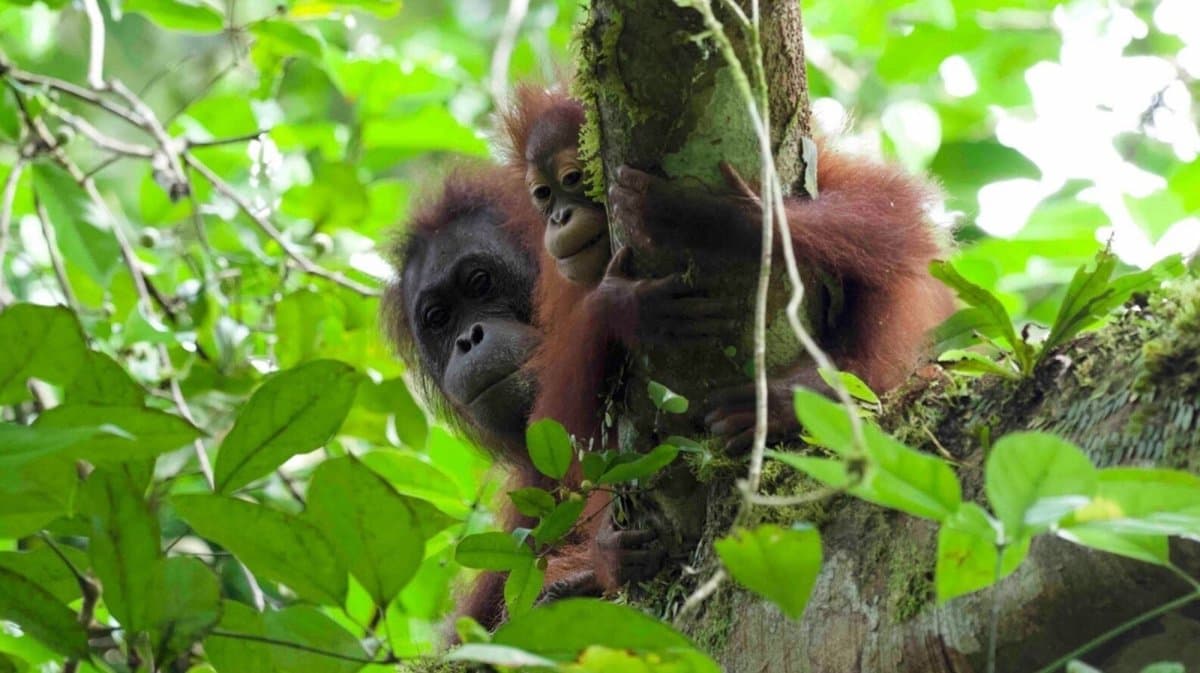
Orangutan Poop Holds Surprising Clues About How Long They Breastfeed
Researchers used fecal proteomics to detect milk‑specific proteins in wild Bornean orangutans, revealing that infants continue nursing for at least 6.5 years. Over two‑and‑a‑half years, all 20 fecal samples from youngsters under that age contained milk markers. The study also...

Humans Have Weirdly White Eyes. Here’s Why.
Researchers have long noted that humans possess a conspicuous white sclera, unlike most other mammals whose eyes are uniformly dark. The cooperative eye hypothesis argues that this visible white enhances gaze detection, facilitating non‑verbal communication, joint attention, and language development...

Pigeons Use Their Livers to Sense Earth’s Magnetic Field
Scientists have identified iron‑rich macrophages in pigeon livers that act as tiny compasses, aligning with Earth’s magnetic field to aid navigation. The study, published in Science, showed that pigeons trained to return from 12.4 miles lost their way when these...
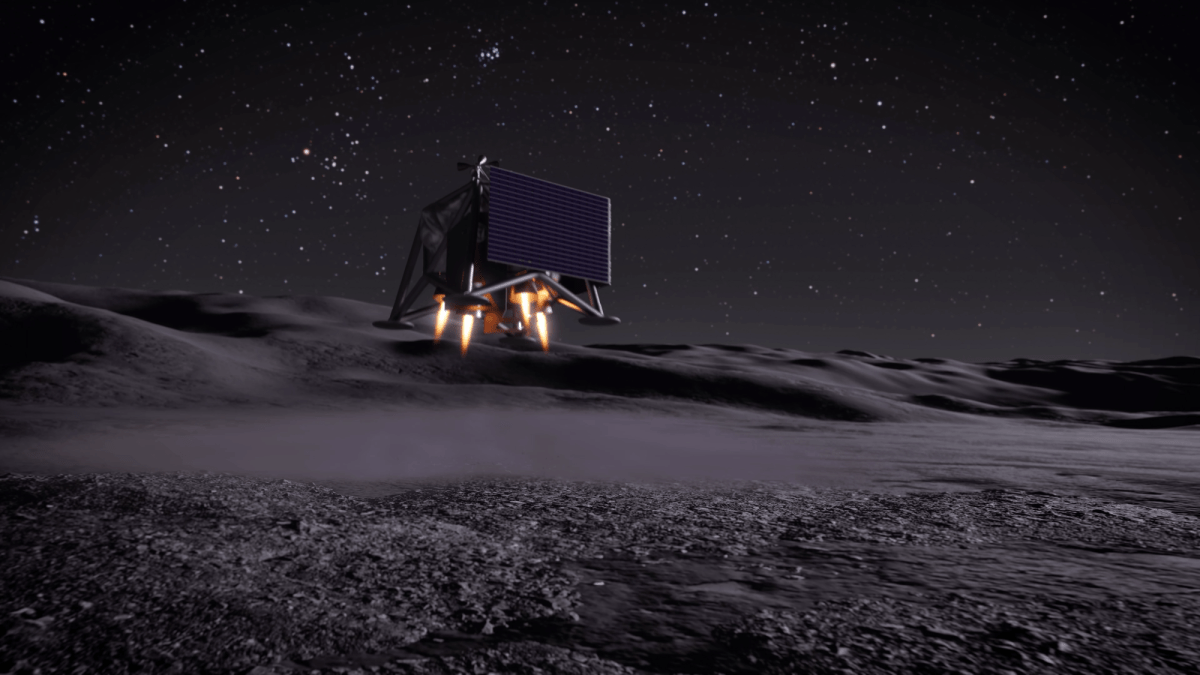
Four Drones Will Go Where No Astronaut Have Landed—Yet
NASA’s Jet Propulsion Laboratory is advancing the MoonFall mission, slated for a 2028 launch, which will deploy four 550‑pound drones to the Moon’s South Pole. Each drone will fly for up to a single lunar day (about 14 Earth days),...

The Great Pyramid of Giza Is Surprisingly Earthquake-Proof
A new study in Scientific Reports reveals that the Great Pyramid of Giza has survived millennia of seismic activity thanks to its unique vibration characteristics and construction methods. Researchers measured vibrations at 37 points and found that most internal frequencies...

Cows Can Tell Humans Apart, New Study Finds
A PLOS One study shows domestic cows can differentiate between familiar and unfamiliar humans by both facial cues and matching voices. In silent video tests, 32 Prim’Holstein cows stared longer at unknown faces, while paired audio‑visual trials revealed they spent...

Newly Discovered Spider Has Smiley Face on Its Back
Researchers from India’s Forest Research Institute and the Regional Museum of Natural History have described a new spider species, Theridion himalayana, from the Himalayan slopes of Uttarakhand. The spider bears a striking smile‑shaped abdomen pattern that mirrors the Hawaiian happy‑face...

Worker Bees Have Power to Pick Their Queen
A new study in Insect Biochemistry and Molecular Biology shows that bumblebee workers control queen production by feeding larvae juvenile hormone. The hormone’s effect is limited to a narrow developmental window on days seven and eight, after which larvae become...

Neanderthals Dined on Shellfish Much Earlier than Humans
Researchers analyzing 115,000‑year‑old shells from Los Aviones Cave in Spain found Neanderthals harvested mollusks seasonally, preferring autumn‑winter months. Oxygen isotope ratios in the shells acted as a prehistoric thermometer, pinpointing harvest times and revealing a sophisticated subsistence strategy akin to...