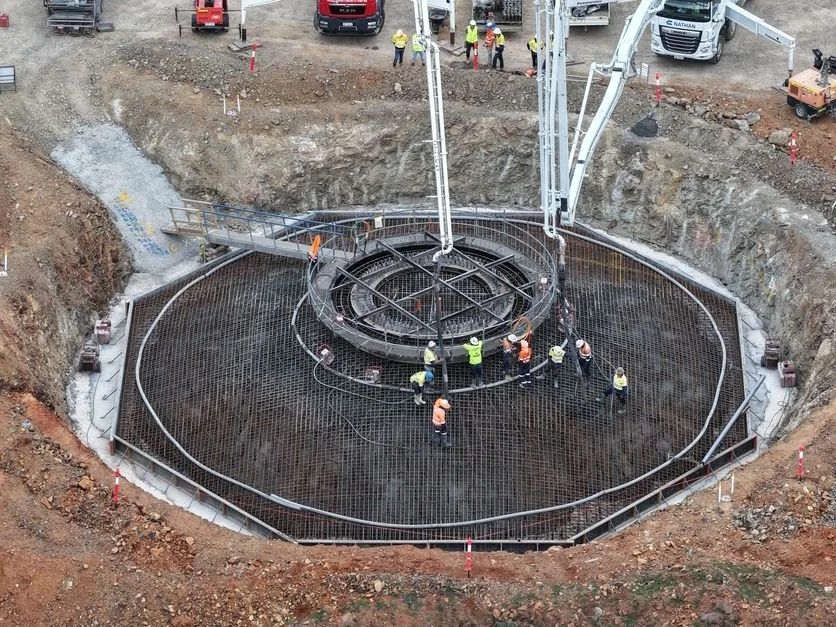
Australian Innovation Can Slash Wind Farm Concrete Pours, Build Times and Costs. But It Needs a Willing Guinea Pig
Australian engineering firm icubed Consulting unveiled a precast wind turbine foundation that slashes concrete volume by roughly 30% and cuts on‑site pours by 70%. The modular system uses 25‑30 factory‑cast concrete ribs, reducing water use, labor and formwork while shaving up to 20 weeks off construction schedules. Icubed estimates a net cost reduction of 10‑15% per turbine, though it requires a developer willing to act as the first commercial guinea pig in Australia.
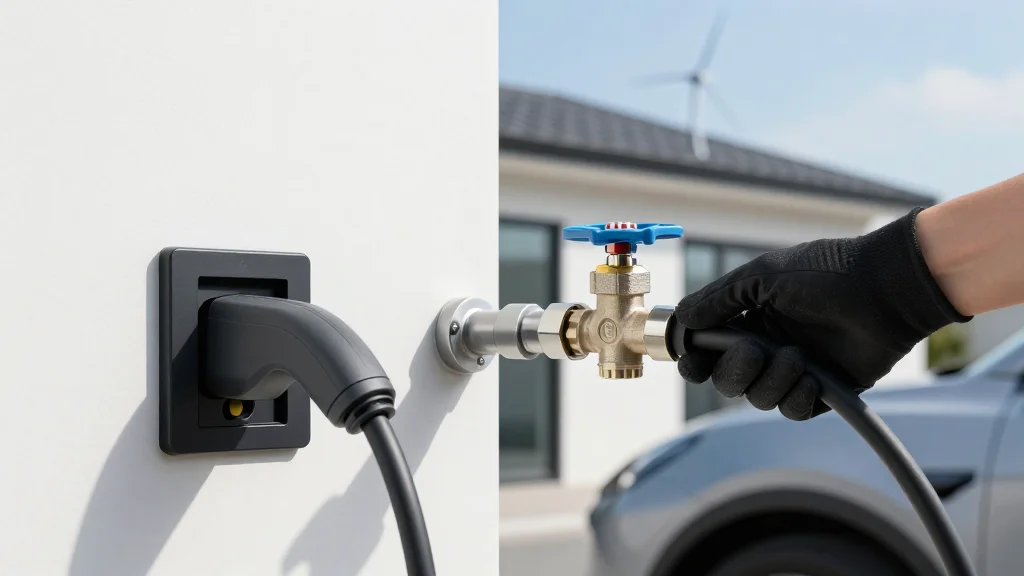
Australia Reached Peak Gas Years Ago, but It Needs a Ban on New Home Connections, and Plans for a Faster...
The Grattan Institute warns that Australia’s gas demand peaked in 2020 and is now falling, with household use down 16% and export markets projected to shrink. It recommends a ban on new residential gas connections, incentives for landlords to install...
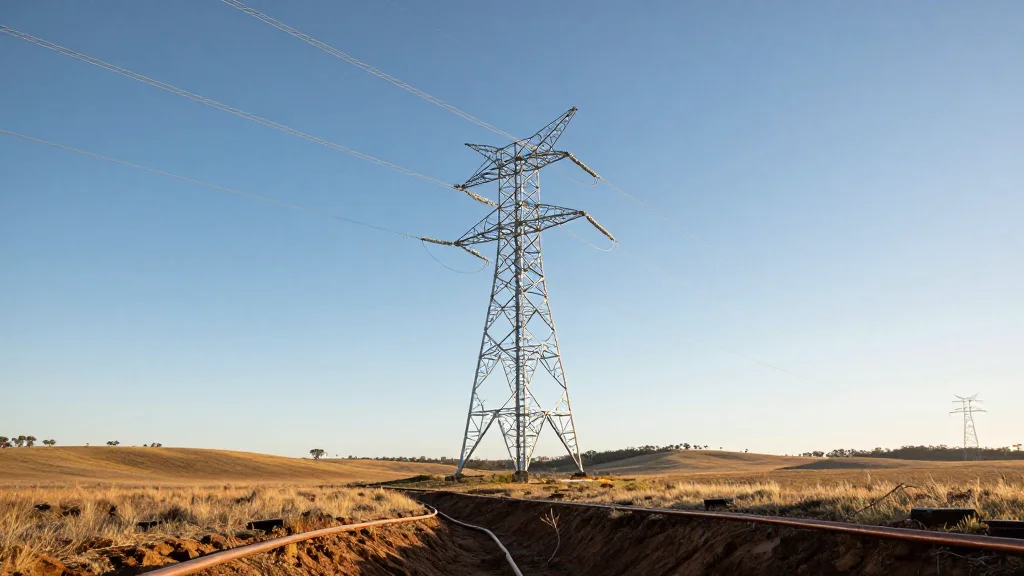
Network Sets Out $3.5 Billion Case for New Link to Remove Bottlenecks Between Renewables and Cities
Transgrid is evaluating a $2.3 billion (AU$3.5 billion) 500 kV transmission line to ease a growing bottleneck on New South Wales' southern power corridor. The preferred Option 6, slated for staged delivery between 2030‑2034, promises roughly $2.1 billion in net market benefits and could shave...
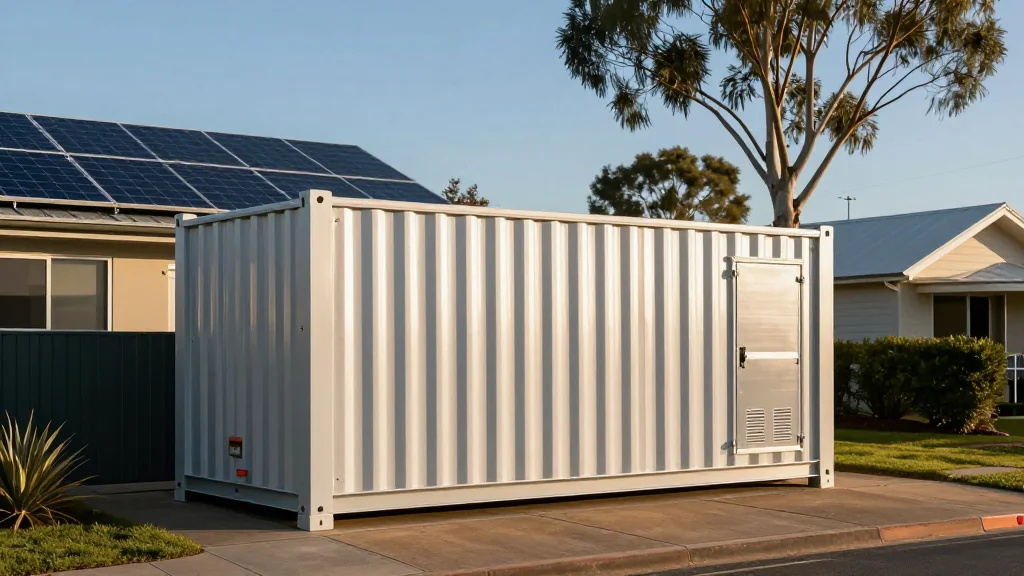
Wind, Solar and Battery Records Tumble on Last Day of Autumn in Australia’s Most Coal Dependent Grid
Queensland set a new instantaneous renewable‑plus‑storage (RES) record of 79.5% of consumption at 11:20 a.m. on 31 May 2026, surpassing its previous high by 1.1 percentage points. The battery share of consumption hit 16.9%, a dramatic rise from 6.4% a year earlier, underscoring...
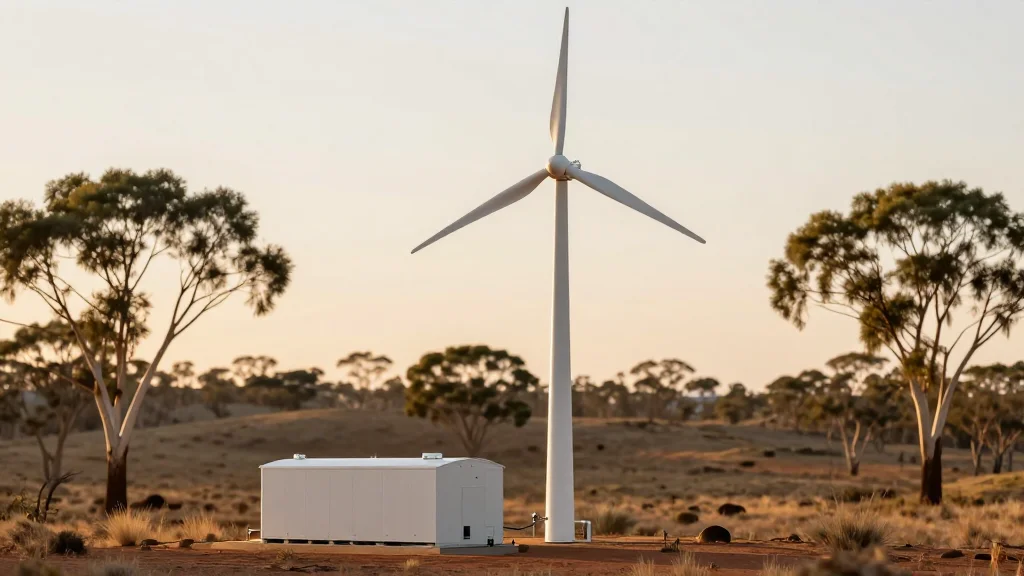
“Just as Common as Solar-Hybrids:” Most Developers Now Including Batteries in Plans for Wind
Over the past 18 months wind developers in Australia have begun integrating battery storage at the earliest design stage, a shift driven by persistently low dispatch‑weighted prices. Two wind‑battery hybrids, Baldon and Bungaban, were among the 19 projects awarded under...
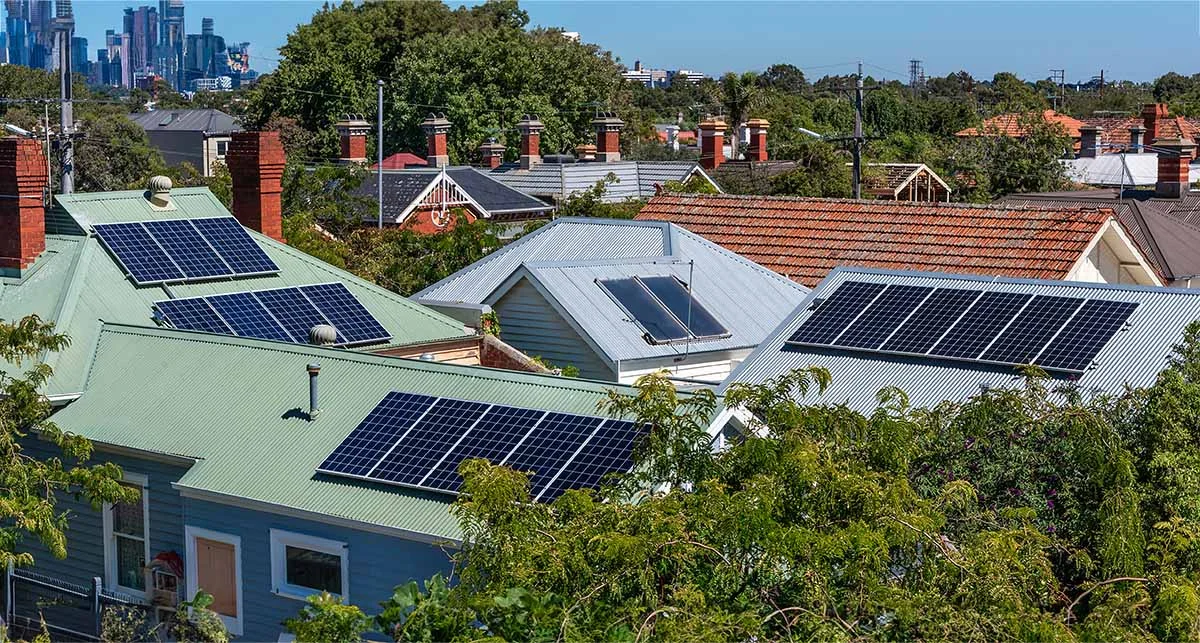
Proposal for High Fixed Network Charges Is Wrong on Home Batteries, Dynamic Pricing, and Impact on CER
The Australian Energy Market Commission’s Pricing Review recommends raising fixed network charges while assuming consumer‑energy resources (CER) only deliver value under dynamic pricing. The authors argue that household batteries and rooftop solar provide passive peak‑shaving benefits even on flat tariffs,...
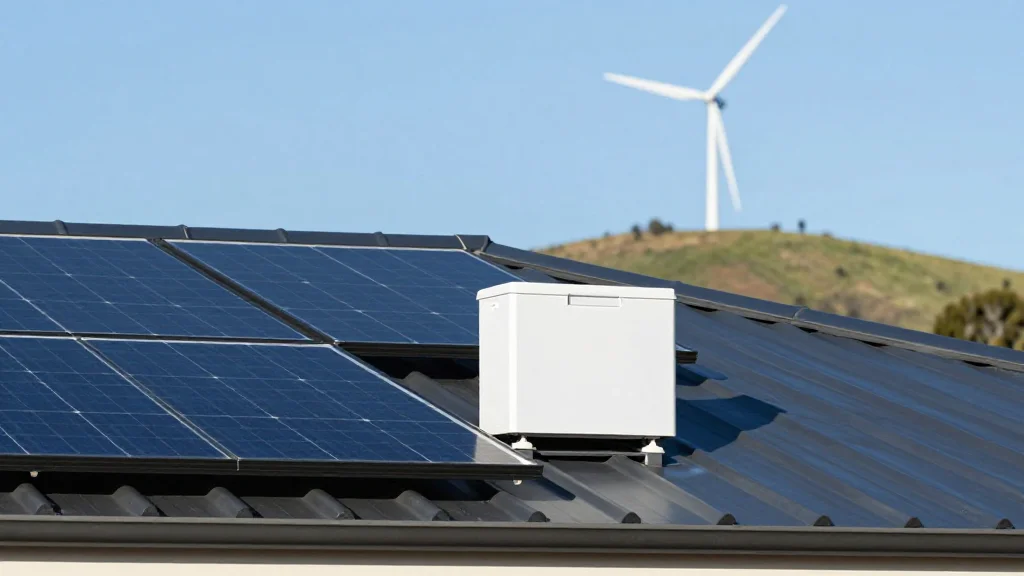
Lower Emissions, Lower Prices, and New Investment: It’s Been a Good Week for Labor’s Green Energy Plan
Australia’s 2025 emissions fell 2.1% year‑on‑year, driven by a 3.8% drop in electricity‑sector emissions and a 0.6% dip in transport emissions as renewables and EVs gain share. The government reported record wind, solar and battery storage capacity, alongside 420,000 home‑battery...
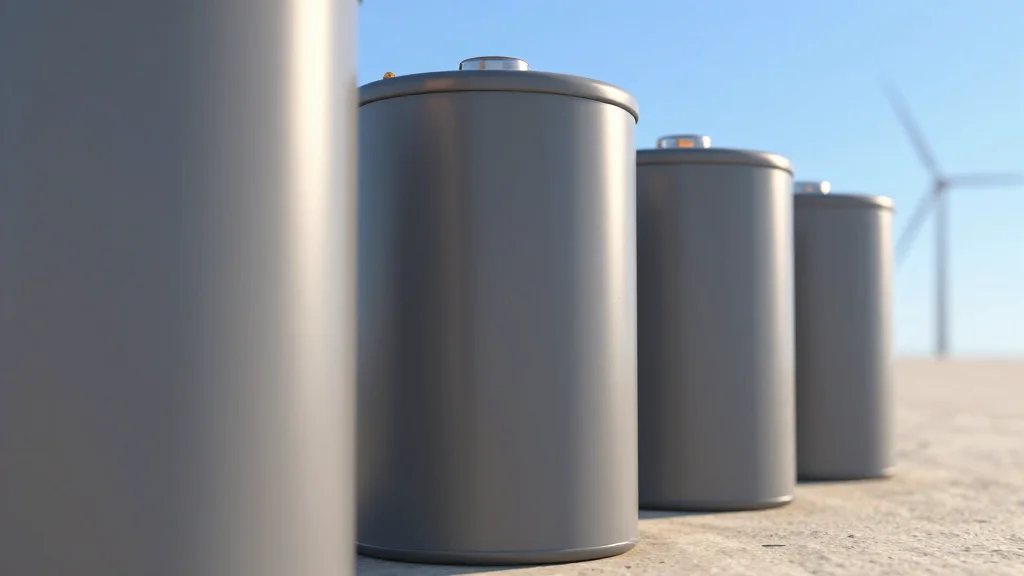
Big Batteries Scoop the Pool in Grid Firming Tender that Was Also Open to Gas Generators
South Australia’s Firm Energy Reliability Mechanism (FERM) tender awarded 517 MW of capacity and 4,136 MWh of storage to six large‑scale battery projects, sidelining flexible gas generators. The contracts, spanning 15 years, require the batteries to deliver eight‑hour dispatch during reserve‑shortfall events...
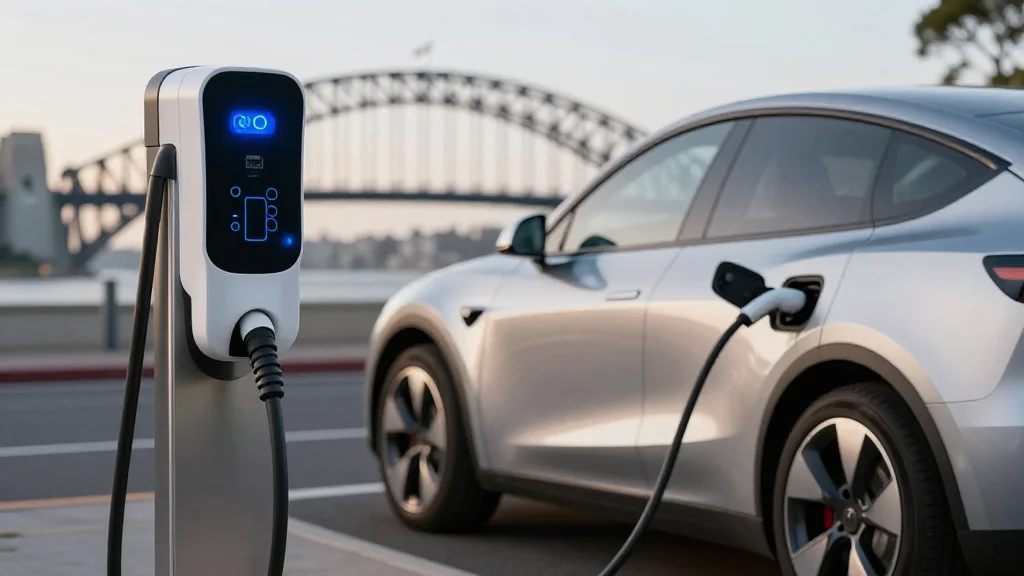
“Contentious Piece of Work:” Regulator Kicks Off Review of EV Chargers and the Broader Role of Networks
The Australian Energy Market Commission (AEMC) has launched a contentious six‑month review of network regulation to accelerate electric‑vehicle (EV) charging infrastructure. It will assess three rule‑change requests: the federal government’s plan to let distribution networks recover the cost of installing...
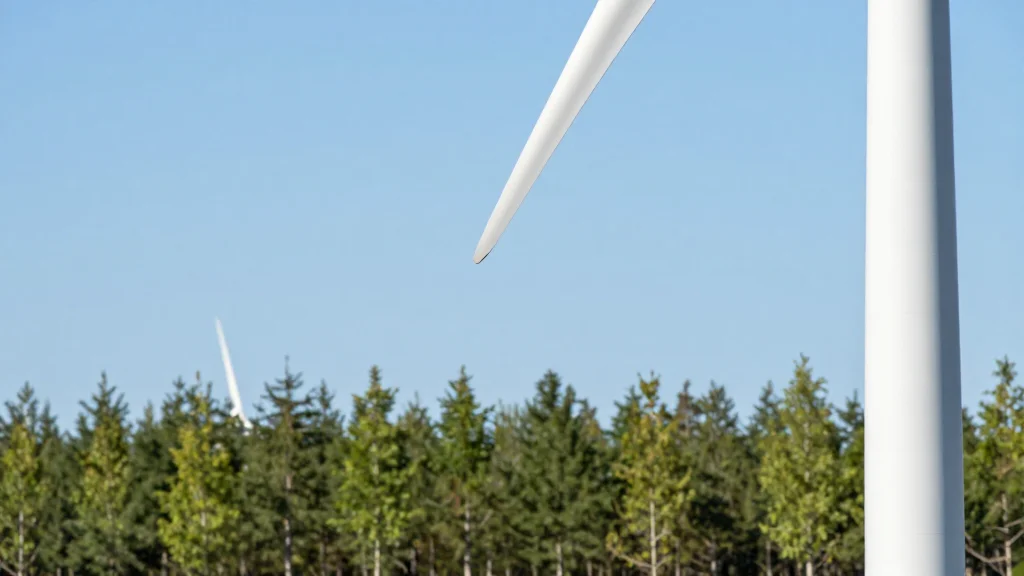
Spanish Giant Lobs Second Plantation Wind Project Into EPBC Queue Just a Week After the First
Iberdrola has submitted its second NSW plantation wind project, Four Mile Creek, to the federal EPBC approval process, following the Mullion Creek filing a week earlier. The Four Mile Creek scheme proposes 21 turbines delivering 158 MW within the Canobolas state...
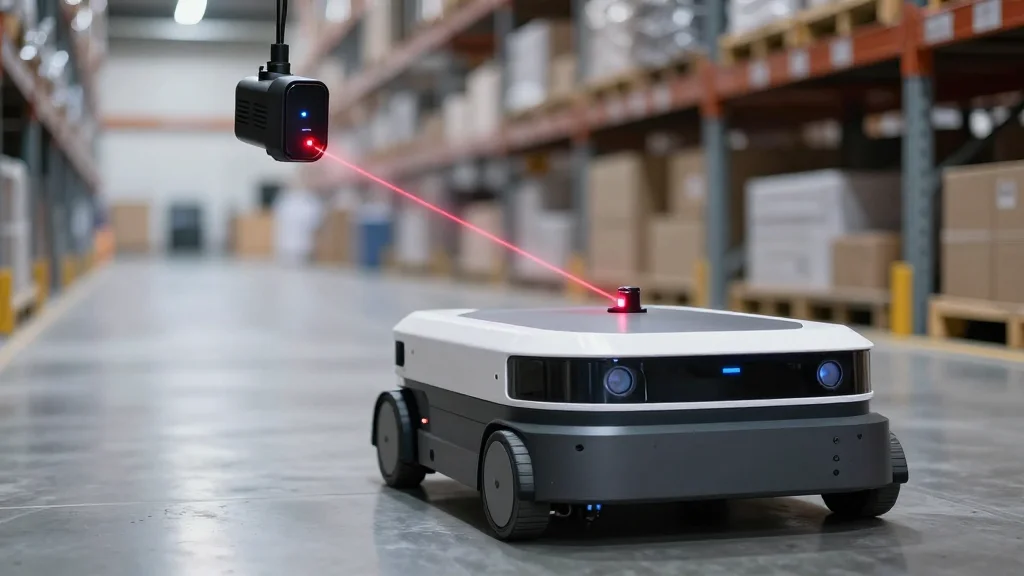
“World First” Power-Beaming Breakthrough, as Laser Tech Wirelessly Electrifies Robot for 24 Hours
New Zealand‑founded, Australia‑based Aquila Earth demonstrated the first continuous 24‑hour wireless power‑beaming to a moving warehouse robot, delivering a steady 4 kWh via an infrared laser. The test set world records for highest laser power transferred and longest duration, with the...
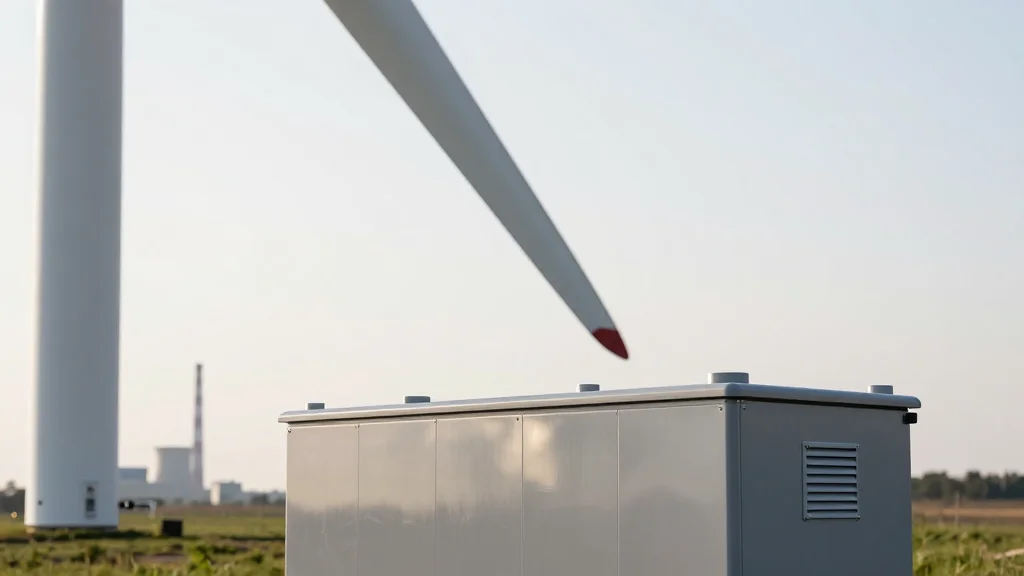
How a Wind and Battery Hybrid Could Replace a Coal Plant – and Outperform It at Almost Every Level
Envision Energy unveiled a 3.35 GW wind farm paired with a 1 GW grid‑forming battery storage system as a direct replacement for Victoria’s Loy Yang coal plant. The hybrid can supply comparable energy output while delivering two‑ to six‑times more regulation and contingency...
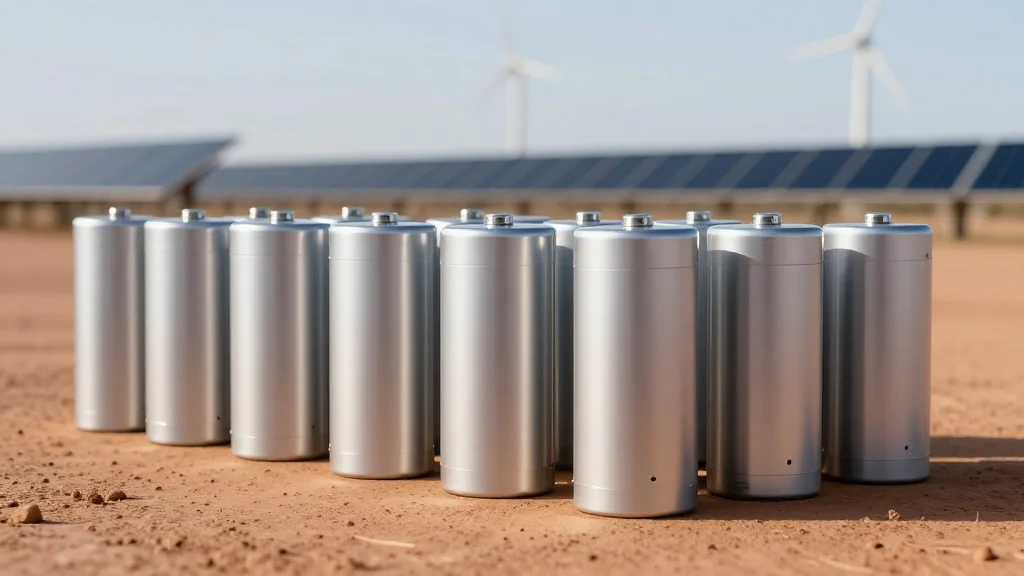
Australia’s First Eight-Hour Battery System Moves to Full Capacity After Receiving Landmark Grid Approvals
German utility RWE has secured final grid approvals for the Limondale battery, Australia’s first eight‑hour energy storage system, allowing it to operate at its full 50 MW/400 MWh capacity. The facility, built from 144 Tesla Megapacks, can charge at 100 MW and discharge...
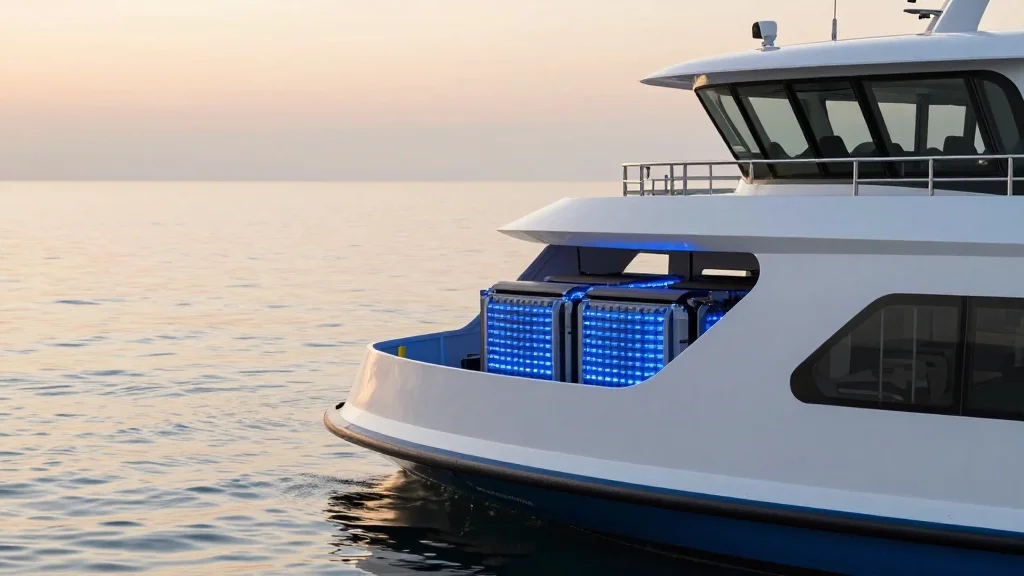
SwitchedOn Podcast: Inside the World’s Largest Battery Electric Ferry
The 130‑metre China Zorrilla, built by Tasmanian shipbuilder Incat, is set to become the world’s largest fully battery‑electric ferry. Equipped with more than 5,000 lithium‑ion cells, the vessel can transport over 2,000 passengers and 225 vehicles between Argentina and Uruguay...
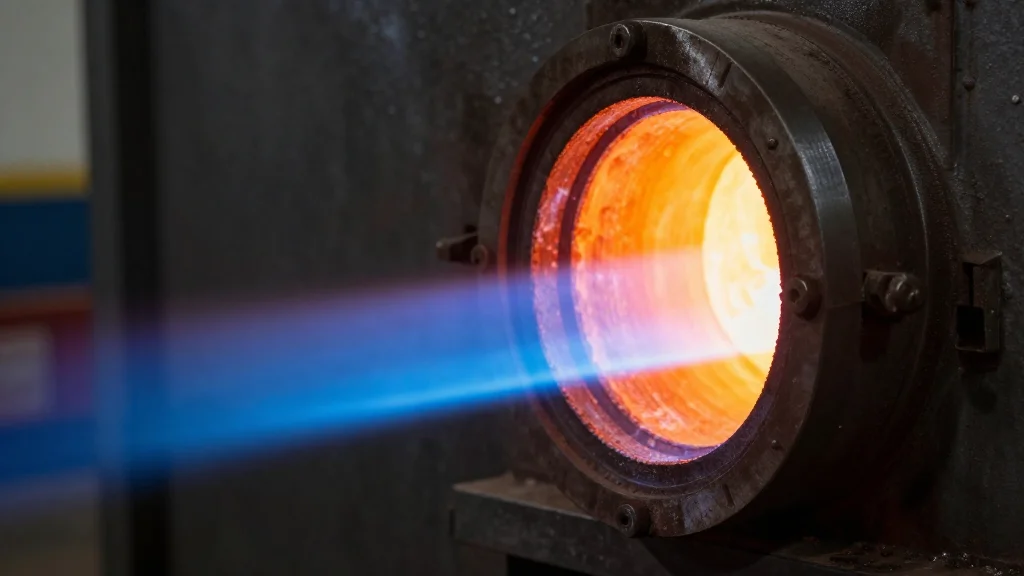
Gas-Based Hydrogen Hopeful Among Shortlisted “Low-Emission” Proposals for Troubled Whyalla Steelworks
Australia’s Whyalla steelworks and the nation’s only manganese smelter are nearing new ownership after a competitive shortlist was announced. M Resources, backed by Hazer Group’s low‑emission hydrogen technology, and India’s Jindal Steel emerged as the two final bidders, while BlueScope...