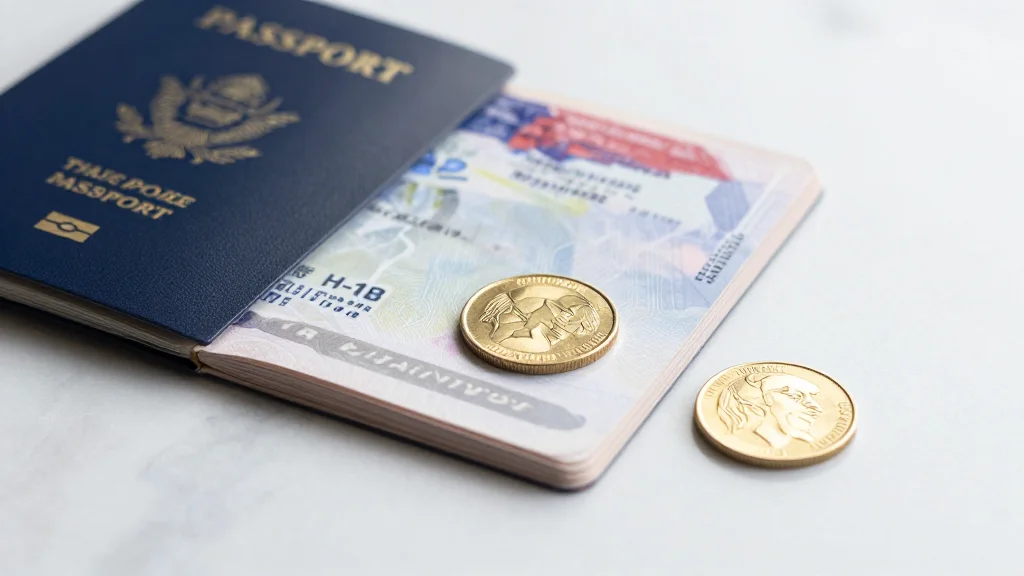
AI Giants Flood H‑1B Lottery Despite $100K Visa Fee, Highlighting Immigration Strain

Companies Mentioned



Why It Matters
The willingness of AI leaders to pay a $100,000 visa fee highlights how immigration policy can directly influence the United States’ competitive position in high‑tech sectors. If the trend continues, the U.S. could see a concentration of AI expertise in a handful of firms, potentially widening the gap between AI innovators and other tech companies that are scaling back foreign hiring. Moreover, the surge in H‑1B certifications for AI firms may pressure lawmakers to reconsider the fee structure and wage‑tier rules, balancing fiscal objectives with the need to sustain a pipeline of global talent essential for economic growth and national security.
Key Takeaways
- •OpenAI filed 63 certified H‑1B applications in Q2 2026, up from 20 in Q2 2025.
- •Anthropic’s applications rose to 59 from 10 year‑over‑year, the largest percentage increase among surveyed firms.
- •Nvidia reported 765 certified applications, up from 641 in the prior year.
- •USCIS received 211,600 properly submitted H‑1B applications for 2027, down 38% from the previous year.
- •The temporary $100,000 fee for overseas applicants is viewed by recruiters as a "rounding error" compared with the cost of missing top talent.
Pulse Analysis
The AI sector’s aggressive H‑1B filing strategy reflects a broader shift in how capital‑intensive industries allocate resources. Historically, visa fees have been a modest line item; the $100,000 surcharge, however, transforms the cost calculus into a strategic decision point. Companies like OpenAI and Anthropic are effectively betting that the marginal cost of the fee is outweighed by the incremental value of securing a researcher capable of delivering breakthroughs that could translate into multi‑billion‑dollar product pipelines.
From a macroeconomic perspective, this behavior underscores a structural mismatch between domestic talent supply and the specialized skill sets demanded by cutting‑edge AI development. If policy remains static, the United States may increasingly rely on a foreign‑born elite, potentially stoking political backlash and prompting protectionist measures. Conversely, a calibrated policy that eases the fee or expands high‑skill visa caps could reinforce the country’s position as the global AI hub, sustaining job creation and downstream economic activity.
Investors should monitor upcoming immigration reforms and the next H‑1B lottery outcomes as leading indicators of talent flow. Firms that can navigate the fee landscape while maintaining robust R&D pipelines are likely to capture market share, whereas those that retreat from foreign hiring may face talent shortages that could slow product rollouts and erode competitive advantage.
AI Giants Flood H‑1B Lottery Despite $100K Visa Fee, Highlighting Immigration Strain
Comments
Want to join the conversation?
Loading comments...