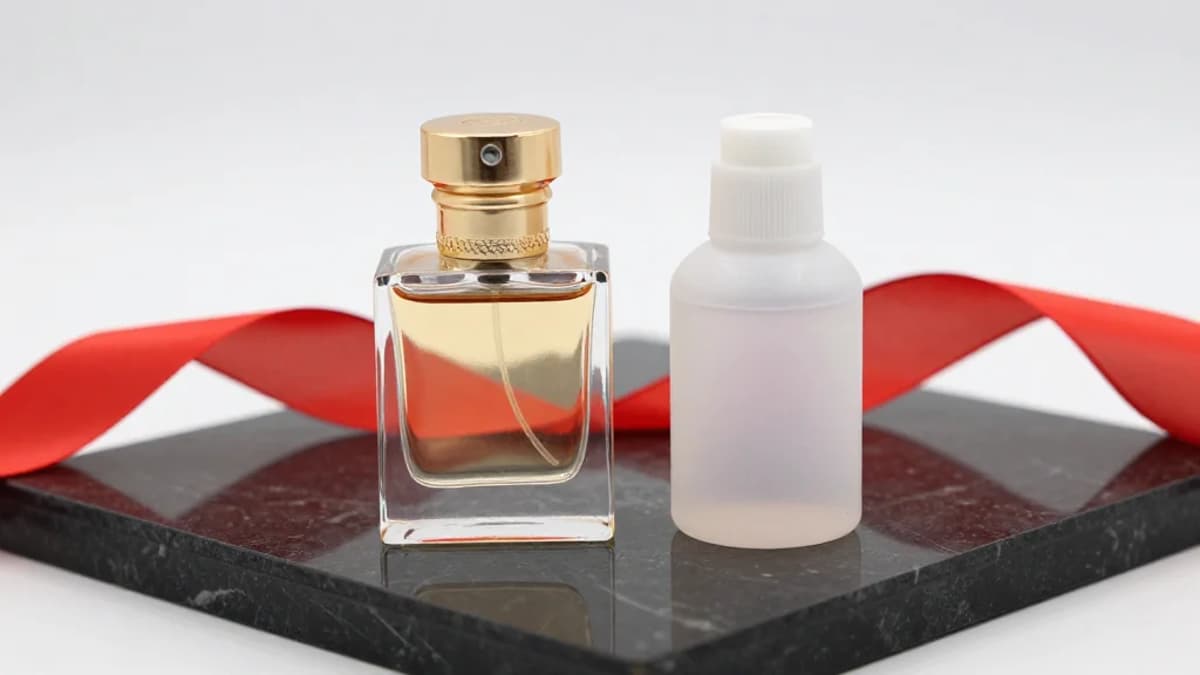
Estée Lauder Sues Walmart Alleging 'Despicable' Sale of Counterfeit Beauty Products
Companies Mentioned

Why It Matters
The lawsuit underscores the growing legal risk for e‑commerce platforms that host counterfeit goods, potentially reshaping marketplace liability standards and prompting stricter regulatory action.
Key Takeaways
- •Estée Lauder sues Walmart over counterfeit beauty listings.
- •Counterfeits sold by third‑party sellers on Walmart.com.
- •Walmart accused of actively facilitating fake product sales.
- •Case highlights marketplace liability amid growing e‑commerce.
- •Shop Safe Act could shield platforms if passed.
Pulse Analysis
The Estée Lauder versus Walmart dispute spotlights a persistent challenge in online retail: the infiltration of counterfeit luxury goods into massive marketplaces. While Walmart positions its third‑party platform as a growth engine, the brand’s lawsuit alleges that the retailer’s vetting processes were insufficient, allowing fake La Mer serums and Clinique creams to reach consumers. By purchasing, testing, and documenting these items, Estée Lauder aims to hold Walmart accountable not just for the sellers’ actions but for the retailer’s alleged role in promoting and profiting from the fraud.
Legal scholars note that the case revives debates sparked by the 2010 Tiffany v. eBay decision, which limited platform liability unless they knowingly facilitated infringement. Estée Lauder’s complaint argues that Walmart had actual knowledge of the counterfeit listings and failed to act, a higher threshold that could pierce the usual safe‑harbor protections. The broader legislative backdrop includes the bipartisan Shop Safe Act, which seeks to grant platforms immunity if they meet stringent anti‑counterfeit standards. Although the bill has stalled repeatedly, heightened scrutiny from high‑profile suits may pressure Congress to revisit its provisions.
For Walmart, the stakes are both reputational and financial. The marketplace now accounts for a sizable share of its revenue, contributing to a recent $1 trillion market‑cap milestone. However, continued exposure to counterfeit products could erode consumer trust and invite further litigation, potentially prompting tighter seller verification and more aggressive policing of listings. Competitors like Amazon and eBay face similar pressures, suggesting an industry‑wide shift toward stronger safeguards, which could reshape the dynamics of online retail and influence future platform‑brand partnerships.
Estée Lauder sues Walmart alleging 'despicable' sale of counterfeit beauty products


Comments
Want to join the conversation?
Loading comments...