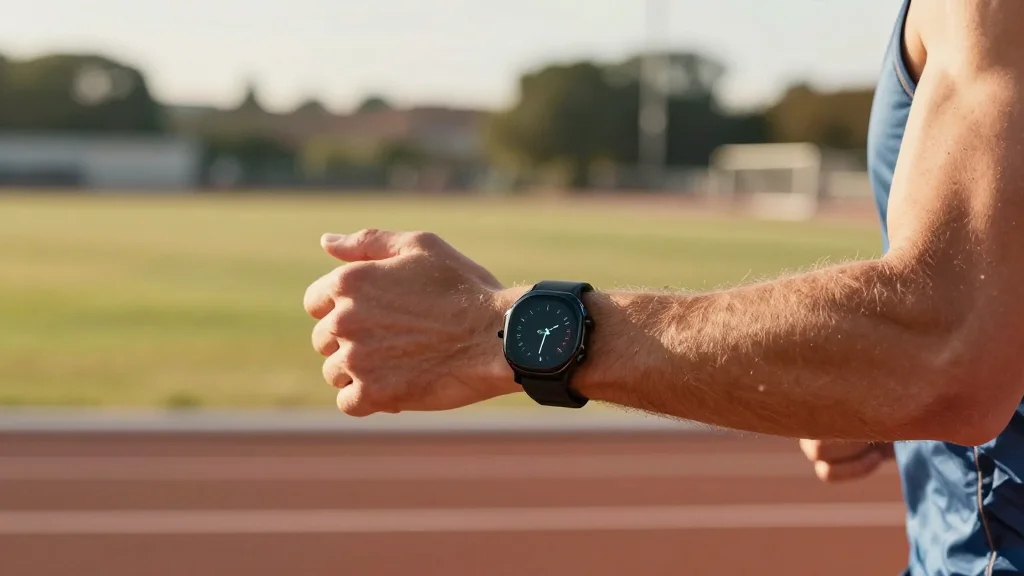
Eliud Kipchoge Backs Huawei Wearables that Flag Injury Risk in Real Time

Companies Mentioned
Why It Matters
Kipchoge’s endorsement gives credibility to biometric wearables at a time when injury prevention is a top priority for both professional and recreational athletes. By demonstrating that real‑time data can influence training decisions on the fly, the interview highlights a shift toward preventative health models in sports. This could accelerate adoption across gyms, sports teams, and health insurers seeking to lower injury‑related costs. Moreover, the narrative reinforces the growing convergence of sports performance and consumer technology. As more athletes trust wearables to guide daily decisions, manufacturers will likely invest further in AI‑driven analytics, creating a feedback loop that fuels product innovation and data‑centric coaching methodologies.
Key Takeaways
- •Eliud Kipchoge, Huawei’s global brand ambassador, says wearables can flag fatigue before injury.
- •Real‑time biometric data enables instant pacing and recovery adjustments.
- •Kipchoge likens daily health tracking to marathon training—consistent, disciplined effort.
- •Wearable insights aim to replace comparison with personalized rhythm analysis.
- •Upcoming London Marathon will serve as a live showcase for Huawei’s tech.
Pulse Analysis
The Kipchoge‑Huawei partnership marks a watershed moment for the wearables market, moving the narrative from fitness tracking to injury mitigation. Historically, wearables focused on step counts and calorie burn; today, they are embedding clinical‑grade sensors that can detect arrhythmias and stress spikes. This evolution is driven by two forces: the demand for data‑driven performance among elite athletes and the democratization of health monitoring for everyday users.
From a competitive standpoint, Huawei is positioning itself against Apple, Garmin, and WHOOP, which have all introduced fatigue‑management features. Kipchoge’s testimony adds a layer of authenticity that few rivals can match, potentially swaying coaches and sports organizations to adopt Huawei’s ecosystem. The real‑time feedback loop also opens new revenue streams—subscription‑based analytics, personalized coaching, and insurance‑linked wellness programs.
Looking forward, the key challenge will be translating raw biometric streams into actionable, injury‑preventive insights without overwhelming users. As AI models become more sophisticated, we can expect wearables to not only alert athletes but also prescribe specific recovery protocols, nutrition tweaks, and mental‑health interventions. If Huawei can deliver on that promise, the industry could see a rapid shift toward a preventative health paradigm, reducing downtime and extending athletic careers.
Eliud Kipchoge backs Huawei wearables that flag injury risk in real time
Comments
Want to join the conversation?
Loading comments...