Heat Training Offers 4% Haemoglobin Boost for Marathon Runners

Why It Matters
Heat training offers a scalable, affordable way for runners to gain physiological benefits traditionally reserved for altitude camps, democratizing elite‑level preparation. If the claimed four‑percent haemoglobin increase holds up in race conditions, it could shift coaching paradigms, prompting a surge in home‑based heat protocols and new product lines—from portable heat chambers to specialized bath accessories. The method also addresses safety concerns, helping athletes better manage core‑temperature spikes during races held in unexpectedly warm weather. Beyond marathons, the approach may spill over into other endurance disciplines—triathlon, cycling, and even team sports—where thermal acclimation can enhance performance and reduce heat‑related illness. As sports scientists gather more data, heat training could become a staple in periodised training cycles, influencing everything from sponsorship deals to apparel design.
Key Takeaways
- •Dr. Lindsey Hunt cites a ~4% haemoglobin mass increase after 2‑3 weeks of heat training.
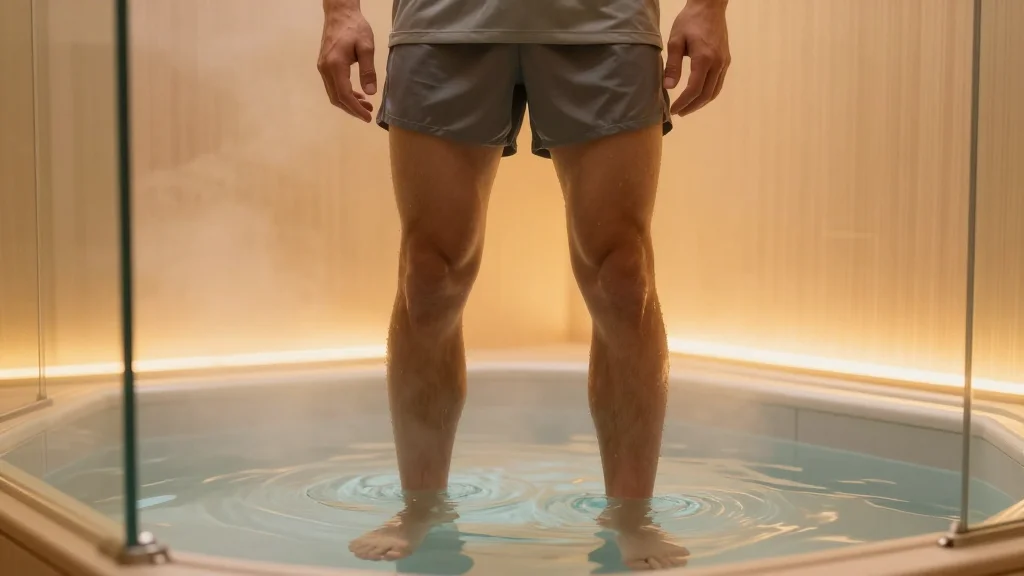
- •Heat protocols include heat chambers, hot‑bath immersion, sauna use, and extra clothing layers.
- •Benefits are comparable to altitude training but at a lower cost and logistical burden.
- •Runners can achieve heart‑rate zones of ~75% max by adding layers, simulating heat stress.
- •Upcoming London Marathon will test the real‑world impact of heat‑trained athletes.
Pulse Analysis
The surge in heat training reflects a broader shift toward accessible, science‑backed performance hacks that complement high‑tech footwear and nutrition. Historically, altitude training has been the gold standard for boosting oxygen‑carrying capacity, but its cost and travel requirements limited adoption to well‑funded elites. Heat training democratizes this advantage, allowing club‑level runners to tap into similar physiological pathways—namely increased erythropoiesis and plasma volume—through simple home interventions.
From a market perspective, we can expect a wave of ancillary products aimed at the heat‑training niche: portable infrared saunas, temperature‑controlled bathtubs, and smart wearables that track core temperature in real time. Companies that already dominate the endurance space—such as Garmin and WHOOP—may integrate heat‑exposure metrics into their platforms, creating new data streams for coaches and athletes. This convergence of hardware, software, and low‑cost training methods could accelerate adoption rates faster than any previous endurance innovation.
Looking forward, the key variable will be empirical validation. If the upcoming London Marathon data confirms the four‑percent haemoglobin uplift and translates into measurable performance gains, heat training could become a standard component of periodised training plans, akin to strength work or altitude blocks. Conversely, if the effect proves marginal, the hype may wane, relegating heat exposure to a niche supplement rather than a core strategy. Either outcome will shape how sports scientists, coaches, and equipment manufacturers allocate R&D resources in the next competitive cycle.
Heat Training Offers 4% Haemoglobin Boost for Marathon Runners
Comments
Want to join the conversation?
Loading comments...