Supercross Champion Jo Shimoda Skips 2026 Season to Prioritize Motocross Recovery

Companies Mentioned
Why It Matters
Shimoda’s decision spotlights the evolving balance between athlete health and competitive pressure in high‑stakes motorsports. By choosing a cautious rehab path, he sets a precedent that could influence how teams across Supercross and Motocross handle injuries, potentially leading to longer careers and more sustainable performance. The situation also reverberates beyond the track. Sponsors, broadcasters, and fan communities are increasingly sensitive to athlete welfare, and transparent injury communication can bolster brand trust. Shimoda’s case may accelerate the adoption of standardized medical protocols and public‑facing injury updates across the sport, aligning it with broader fitness and sports‑medicine best practices.
Key Takeaways
- •Jo Shimoda confirmed with a non‑displaced fibula fracture; no surgery required.
- •He will miss the remainder of the 2026 Supercross season to focus on Motocross recovery.
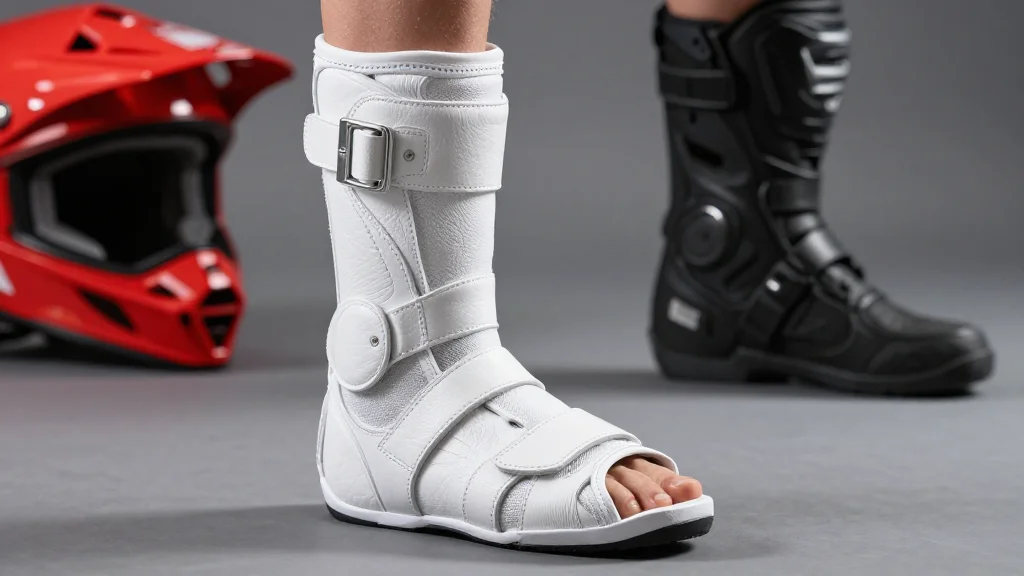
- •Honda emphasizes a measured rehab plan, including a protective boot and physiotherapy.
- •His absence reshapes the 250‑class championship, giving rise to new contenders.
- •The decision reflects a growing trend toward evidence‑based injury management in motocross.
Pulse Analysis
Shimoda’s withdrawal underscores a pivotal shift in how elite motocross teams manage risk. Historically, riders often returned to competition as soon as pain subsided, sometimes compromising long‑term performance. The current approach—leveraging imaging to confirm fracture stability, then prescribing a structured, data‑driven rehab—mirrors practices seen in mainstream fitness and professional sports. This alignment suggests that motocross is maturing into a discipline where scientific recovery protocols are as valued as raw talent.
From a market perspective, the move could recalibrate sponsor strategies. Brands that have invested heavily in Shimoda’s personal brand now face a short‑term visibility gap in Supercross but gain a narrative of resilience for the Motocross season. If Shimoda returns to form, sponsors can capitalize on a comeback story that reinforces product messaging around durability and performance. Conversely, a delayed or troubled return could prompt sponsors to diversify their athlete portfolios, reducing reliance on single‑star endorsements.
Looking forward, the industry may see a formalization of injury‑communication standards, akin to the concussion protocols in contact sports. Transparent updates, coupled with clear timelines, can mitigate fan speculation and preserve the athlete’s market value. Shimoda’s case could become a benchmark, prompting other teams to adopt similar strategies, ultimately raising the overall health standards within the sport and influencing how fitness professionals advise high‑impact athletes across disciplines.
Supercross Champion Jo Shimoda Skips 2026 Season to Prioritize Motocross Recovery
Comments
Want to join the conversation?
Loading comments...