News•Mar 5, 2026
Toward Practical Laser-Driven Light Sails Using Photonic Crystals
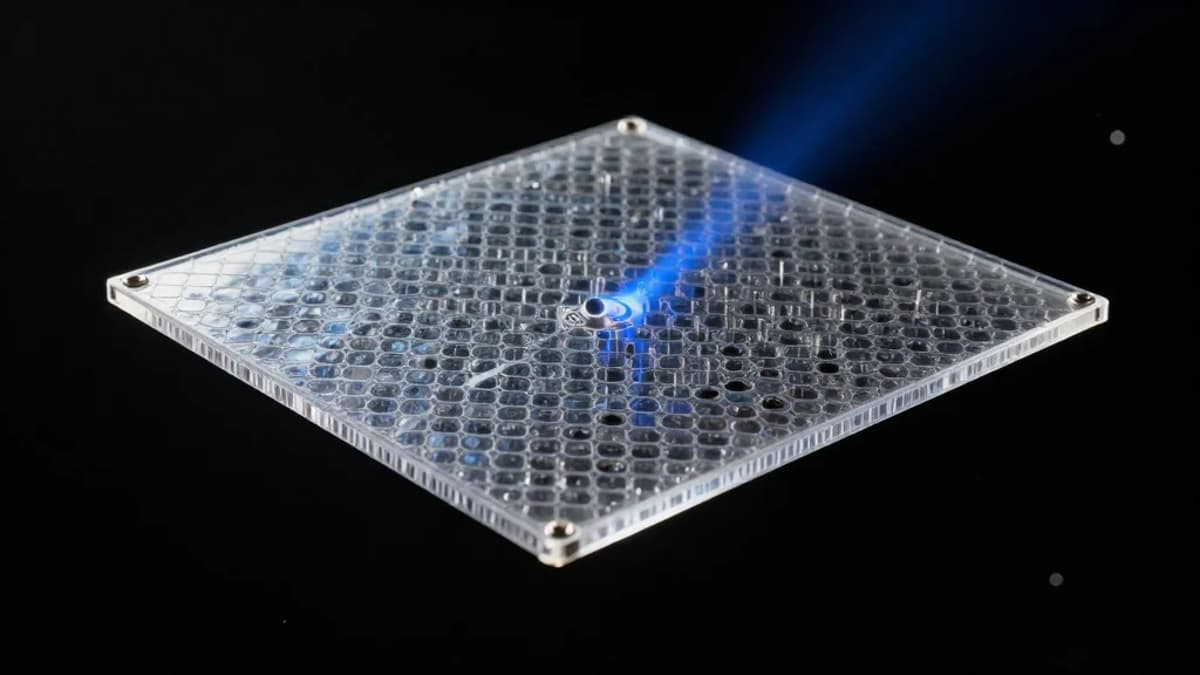
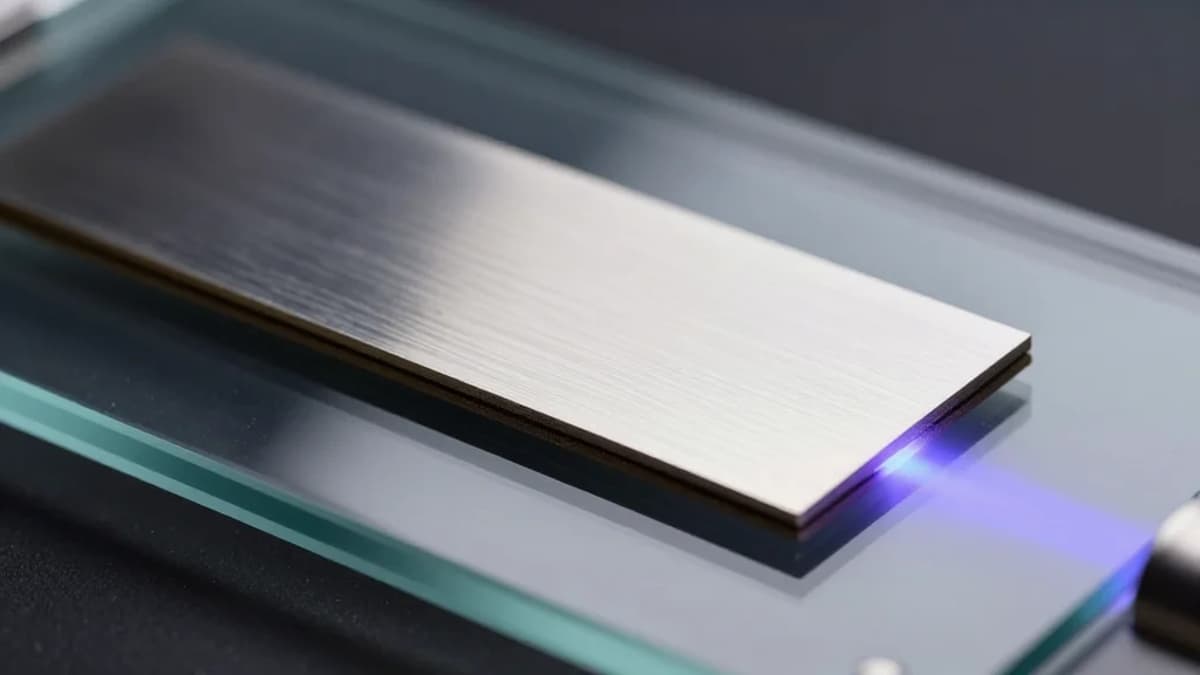
Researchers have created a photonic‑crystal light sail (PCLS) that uses a three‑dielectric nanostructure of germanium pillars, air holes, and polymer matrix to achieve high reflectivity at a propulsion‑specific wavelength. Simulations and electron‑beam fabricated prototypes demonstrate about 90 % reflectivity at 1.2 µm and the ability to generate continuous thrust from a 100‑kW laser on a 1 m² sail, reaching several hundred meters per second in an hour. The design offers narrow band‑gap reflectivity while remaining transparent to solar radiation, addressing the mass‑efficiency trade‑off of conventional metal‑coated sails. Although still far from interstellar speeds, the approach could enable lightweight probes for interplanetary missions.
By Phys.org – Nanotechnology
News•Mar 5, 2026
Chemically Tuning Nanographene Into Topological Spin Chains and Why the Ends Matter
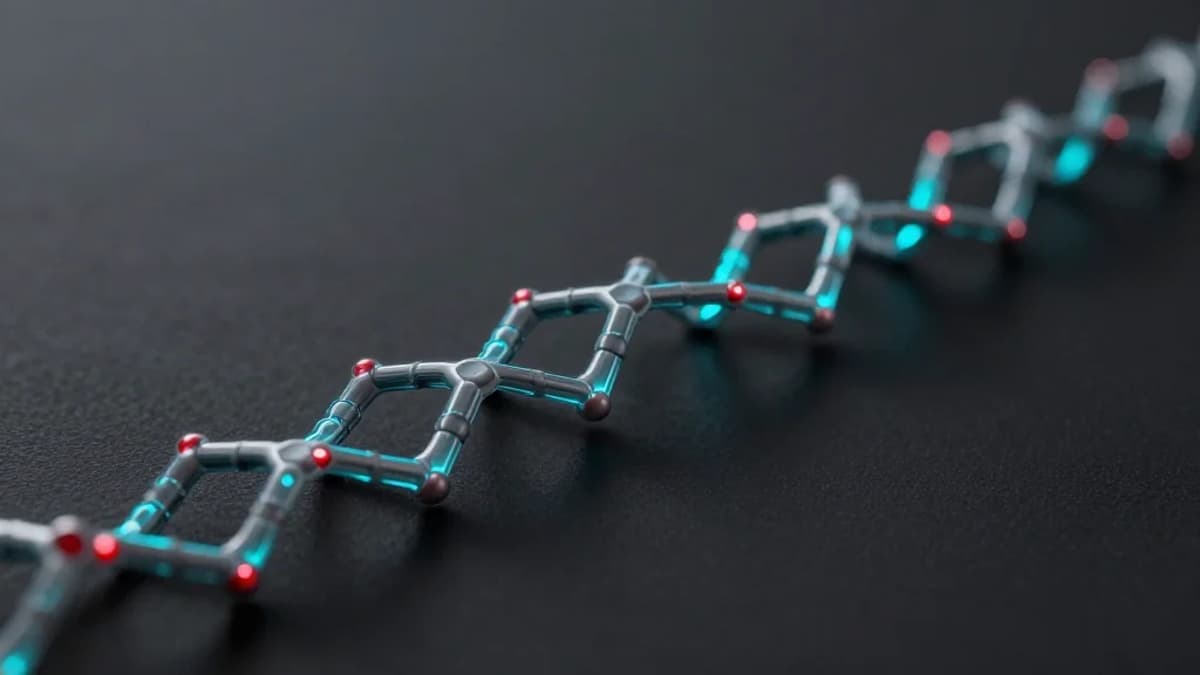
Researchers have chemically engineered a nanographene monomer that can be polymerized into a one‑dimensional magnetic chain on a surface. By adjusting the number of unpaired electrons per monomer, the same molecular scaffold can realize two distinct topological spin‑chain phases: a...
By Phys.org – Nanotechnology

News•Mar 5, 2026
Graphene-Liquid Metal Sensors Unlock 3D Force Detection for Robots
University of Cambridge researchers have created a triaxial force microsensor array using a graphene‑liquid‑metal composite. The device combines anisotropic porous elastomers with pyramid microstructures to deliver fingertip‑scale resolution, 0.9 μN detection limit, and less than 2° directional error across a 500 kPa...
By Graphene-Info
News•Mar 5, 2026
Next Generation, Permanent DNA-Based Data Storage for the AI Age
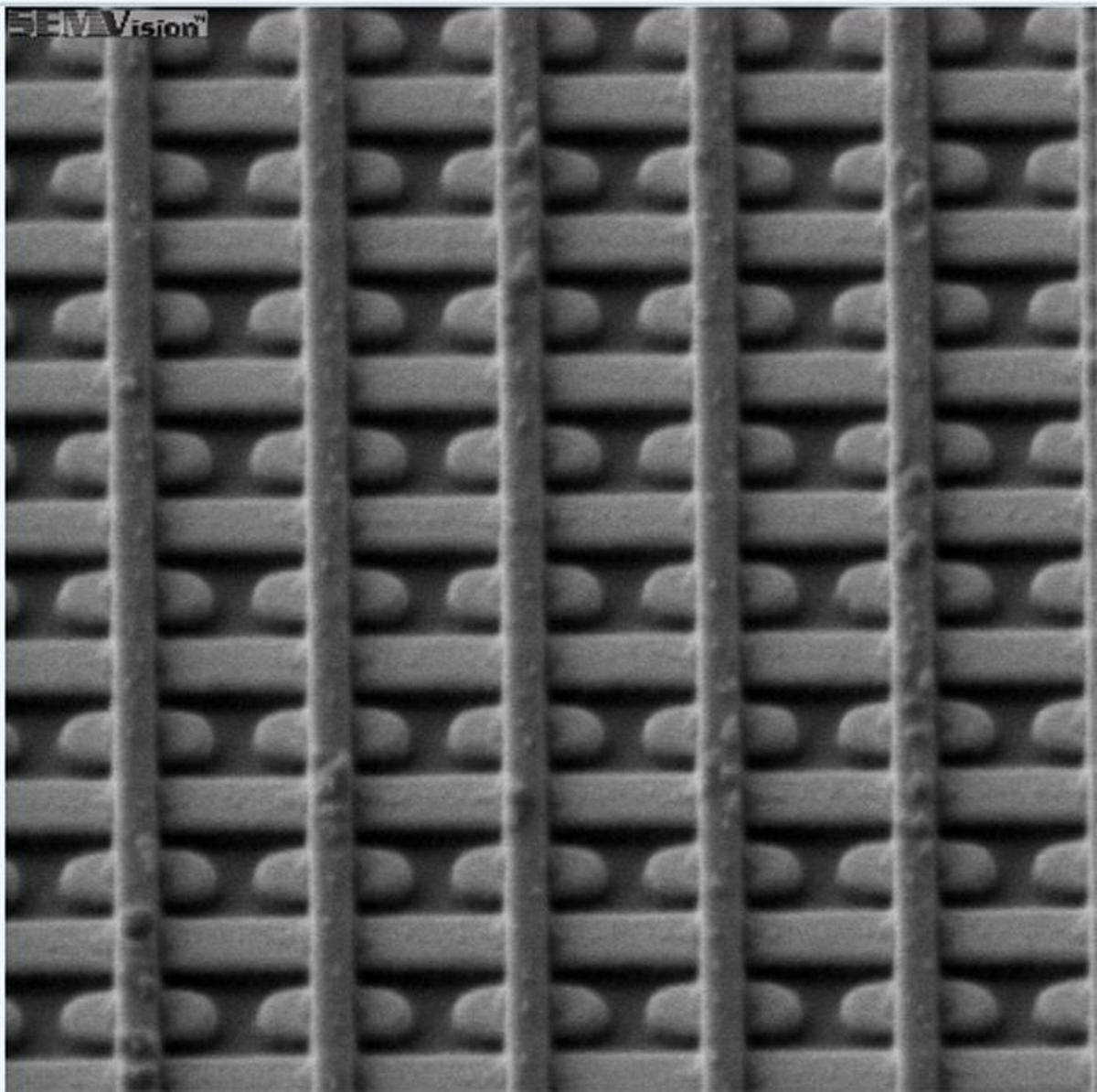
imec and Atlas Data Storage have formed a strategic partnership to accelerate synthetic DNA‑based data storage, combining Atlas’s ASIC design and DNA synthesis expertise with imec’s advanced chip fabrication capabilities. The collaboration produced a monolithic nano‑scale electrochemical array built on...
By AZoNano

News•Mar 5, 2026
Guiding Nano Assembly for Drug Delivery with Machine Learning
Researchers repurposed the FAP inhibitor SP‑13786 as a co‑assembly excipient to create SP co‑assembled nanoparticles (SCAN) that encapsulate hydrophobic drugs. Using molecular dynamics and a random‑forest machine‑learning model, they identified 228 physicochemical descriptors that predict successful nano‑co‑assembly, highlighting aromaticity and...
By AZoNano
News•Mar 5, 2026
Carbon-Ion Energy Explores Graphene Integration in Its Supercapacitors
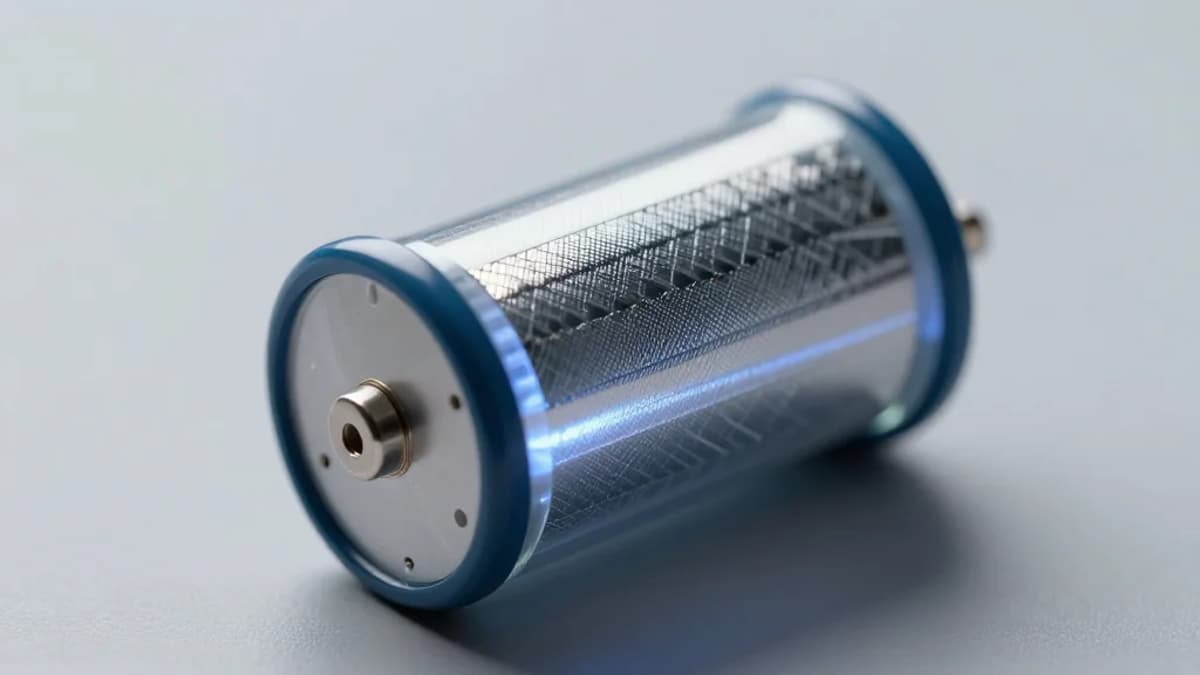
Carbon‑Ion Energy announced it is re‑examining graphene integration in its supercapacitors. The effort involves collaboration with graphene producers Levidian and HydroGraph, which supply ultra‑pure graphene of 99.9% and 99.8% purity using combustion‑based processes. The company expects the new graphene structures...
By Graphene-Info

News•Mar 5, 2026
Tracing Extracellular Vesicles' Journey From Cancer Cells to Urine
Researchers at the Institute of Science Tokyo directly traced small extracellular vesicles (sEVs) from tumors to urine in mouse models of brain, lung and pancreatic cancer. Using engineered RNA tracers and luminescent‑fluorescent reporters, they showed tumor‑derived sEVs appear in urine...
By Phys.org – Nanotechnology

News•Mar 5, 2026
Ultrashort Orbital Diffusion Length
Researchers Urazhdin and Lee used terahertz emission spectroscopy on heavy‑metal/ferromagnet heterostructures to directly probe orbital angular momentum transport. Their measurements reveal an orbital diffusion length of only about one nanometer, far shorter than the previously assumed micron‑scale range. The study...
By Nature Nanotechnology
News•Mar 5, 2026
Evidences of Subnanometre Orbital Diffusion Length in Heavy Metals Using Terahertz Emission Spectroscopy
Researchers used terahertz emission spectroscopy to directly probe orbital‑angular‑momentum transport in heavy metals, revealing diffusion lengths below one nanometer. The study combined ultrafast laser excitation with inverse orbital Rashba–Edelstein detection, demonstrating ballistic orbital currents that decay over sub‑nanometre scales. These...
By Nature Nanotechnology

News•Mar 4, 2026
Antibacterial Coatings with Short-Term Effect May Fail over Longer Periods of Time
University of Tartu researchers demonstrated that titanium‑dioxide (TiO₂) antibacterial coatings lose effectiveness after prolonged UV‑A exposure because the photocatalytic reaction degrades the acrylic binder, releasing nanoparticles and diminishing reactive oxygen species. In contrast, zinc‑oxide (ZnO) particles preserve the coating matrix...
By Phys.org – Nanotechnology

News•Mar 4, 2026
Using Individual Atoms to Achieve Fossil-Free Chemistry
ETH Zurich researchers have unveiled a single‑atom indium catalyst anchored on hafnium‑oxide that dramatically improves CO₂‑based methanol synthesis. The catalyst uses isolated indium atoms instead of nanoparticles, achieving higher turnover while consuming far less precious metal. Stability tests show it...
By Phys.org – Nanotechnology

News•Mar 4, 2026
'Nano-Origami' Reshapes Liquid Droplets Into Six-Pointed Stars
Researchers in France and Israel have demonstrated that an emulsified oil‑in‑water droplet can morph from a hexagonal facet into a six‑pointed star when heated. The transformation is driven by a nanometer‑thin crystalline surfactant shell that folds like origami, creating a...
By Phys.org – Nanotechnology

News•Mar 4, 2026
Nanoparticle Vaccine Approach Takes on a New Target: Hepatitis C Virus
Scientists at Scripps Research have engineered a native‑like, stabilized version of the hepatitis C virus E1E2 glycoprotein complex and displayed it on self‑assembling protein nanoparticles (SApNPs). The nanoparticle vaccine candidate elicited strong, virus‑specific antibody responses in animal models. This breakthrough overcomes...
By Phys.org – Nanotechnology

News•Mar 4, 2026
Defect Networks Boost Performance of Next Generation Perovskite Solar Cells
A study by the Institute of Science and Technology Austria reveals that networks of flexoelectric domain walls generate internal electric fields that separate and transport charge carriers in solution‑processed lead halide perovskites. Using a novel silver‑ion electrochemical staining technique, researchers...
By NanoDaily (Nano Technology News)

News•Mar 4, 2026
Levidian and J.O. Enter MOU for Graphene R&D and Commercial Production
Levidian and J.O. have signed an MOU to jointly develop and commercialise graphene nanoplatelets using Levidian’s catalyst‑free LOOP process that also yields clean hydrogen. J.O. will adapt its carbon‑nanotube mass‑production expertise to scale graphene output and design domestic equipment for...
By Graphene-Info