
How Alcohol Treatment Centers Support Mental And Physical Recovery?
Alcohol use disorder affects roughly 400 million people worldwide, prompting treatment centers to adopt holistic models that address both mind and body. Modern programs begin with medically supervised detox to manage dangerous withdrawal symptoms, then combine cognitive‑behavioral therapy, medication, and nutrition to tackle co‑occurring mental health issues. Physical health is rebuilt through balanced meals, exercise, and sleep hygiene, while new coping skills replace drinking as a stress outlet. Ongoing after‑care, including outpatient counseling and peer support, ensures continuity of recovery beyond the facility.

Healthcare Mobile App Development in Miami: Features, Costs, and Timeline
Miami is emerging as a hotbed for health‑tech, driven by an aging senior population, tech‑savvy younger residents, and strong ties to Latin America. Providers seeking mobile solutions must balance patient‑centric features with strict HIPAA compliance and seamless EHR integration. TekRevol...
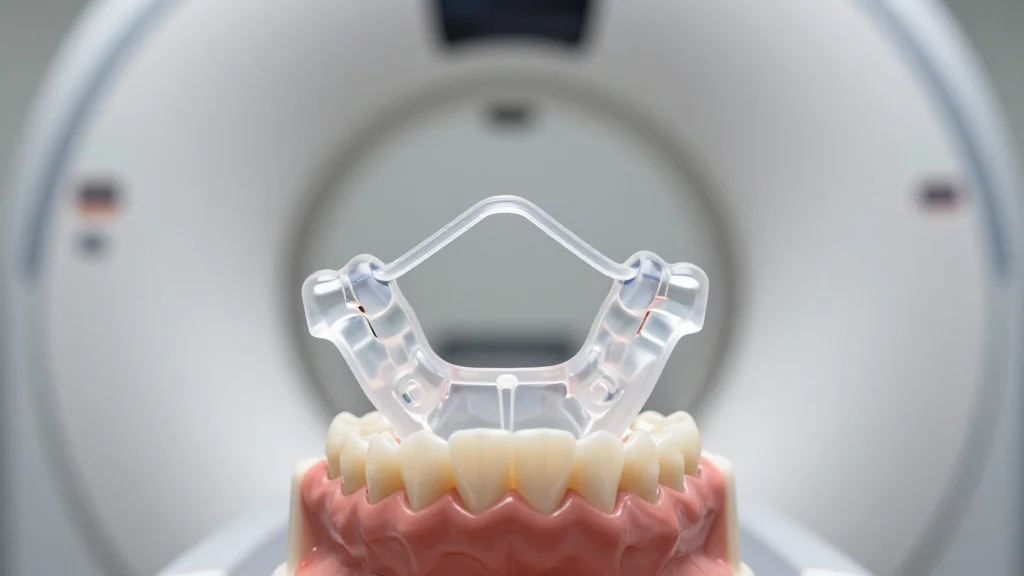
How Digital Treatment Planning Is Transforming Outcomes in Dental Implant Surgery
Dental implant surgery is shifting from 2‑D X‑ray estimation to a fully digital workflow that combines cone‑beam CT, intraoral scanning, and virtual planning. The integrated data creates precise, patient‑specific surgical guides that dramatically improve placement accuracy and reduce complications such...

How Do You Know If Hip Replacement Is the Right Next Step?
The guide outlines seven key signals that indicate hip replacement is the logical next step, from exhausted conservative treatments to advanced imaging showing bone‑on‑bone contact. It stresses that pain disrupting sleep, significant mobility loss, and poor response to physiotherapy or...

Why Workplace First Aid Training Matters for Safer Healthcare Teams
Workplace first‑aid training is essential for healthcare teams because the first minutes of an emergency dictate outcomes. High staff turnover and rotating shifts cause skill fade, making regular refreshers critical. Experts recommend an annual formal CPR session supplemented by quarterly...

Building Stronger Clinical Support Teams Through Better Certification Preparation
Healthcare organizations are shifting certification preparation from an individual task to a collaborative team activity. By studying together, clinical support staff develop a common language, clearer role expectations, and smoother communication habits. The article highlights that such shared preparation reduces...

Why Patient Trust Is the Missing Metric in Digital Health Innovation
Digital health is now central to care, but patient trust remains under‑measured. Even technically sound portals, AI tools and remote monitors can stall adoption if users doubt safety or relevance. The article argues that trust should be quantified before scale‑up,...
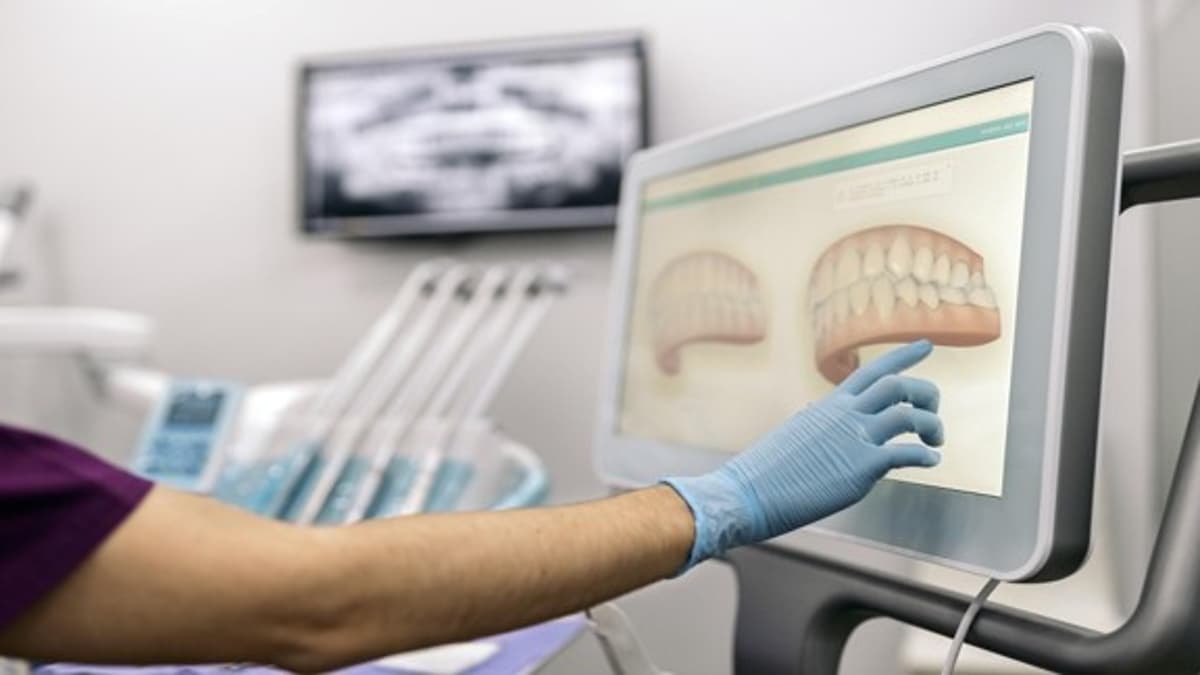
How Modern Dental Practices Are Using Technology to Improve Preventive Care and Patient Outcomes
Modern dental practices are leveraging digital imaging, intraoral cameras, AI diagnostics, periodontal risk tools, and automated communication platforms to boost preventive care. Cone beam computed tomography (CBCT) provides three‑dimensional imaging, widening the window for early detection of bone loss, impacted...

Knee Massager: Why Knee Wellness Matters at Every Age for Patients and Active Individuals
Knee health is essential for everyday movements such as walking, climbing stairs, and sitting, and its condition affects comfort at any age. Prolonged standing, sedentary work, and repetitive daily tasks place cumulative stress on the joints, leading to stiffness and...

Before You Buy the Model: A Healthcare AI Readiness Framework for IT Leaders
Healthcare AI demos often look impressive, but many pilots stall when deployed at scale because the underlying infrastructure is weak. The article argues that the real bottleneck is not the model but fragmented data, poor integration, and lack of governance....

The Advancement of Holistic Mental Health Care and the Influence of Dr. Calynn Lawrence
Dr. Calynn Lawrence founded The Holistic Healing Source for Marginalized Society to advance holistic, trauma‑informed mental health care for underserved populations. The nonprofit offers free educational materials, low‑cost trainings, and community‑focused events, exemplified by the 2026 Free Community Mental Health...

Top 8 Reasons Why Patients Are Choosing Specialty Infusion Care
Patients are increasingly opting for specialty infusion centers and home‑based care over traditional hospital outpatient departments. These venues deliver lower out‑of‑pocket costs, greater convenience, and a more private, comfortable environment. Providers such as Acelpa Health showcase benefits like specialized clinical...
Top 10 EHR Software Development Companies in the USA (2026)
In 2026 the U.S. healthcare industry is shifting toward custom, data‑driven EHR platforms as off‑the‑shelf solutions prove inflexible for complex specialty workflows. Demand for bespoke EHR systems has surged, prompting providers to partner with development firms that can deliver end‑to‑end...
Best Patient Journey Analytics Tools for Health Systems
Health systems struggle to see a complete patient acquisition journey because their analytics stack is fragmented across web, call tracking, scheduling and EHR platforms. The article reviews tools that address parts of this gap, from full‑journey solutions like LightTrail to...

How Same Day Dental Crowns Restore Damaged Teeth Quickly
Same‑day dental crowns, enabled by CAD/CAM technology, let dentists scan, design, mill, and place a permanent ceramic crown in a single 2‑3‑hour appointment. Traditional workflows required temporary crowns, multiple visits, and a 2‑3‑week wait, with temporary‑crown failures affecting about 15%...

How Can Patients Reduce the Risk of Medical Malpractice?
Medical malpractice remains a persistent risk in U.S. healthcare, driven by miscommunication, medication errors, and delayed diagnoses. The article outlines practical steps patients can take—such as maintaining current medication lists, asking detailed questions, and seeking second opinions—to lower their exposure...
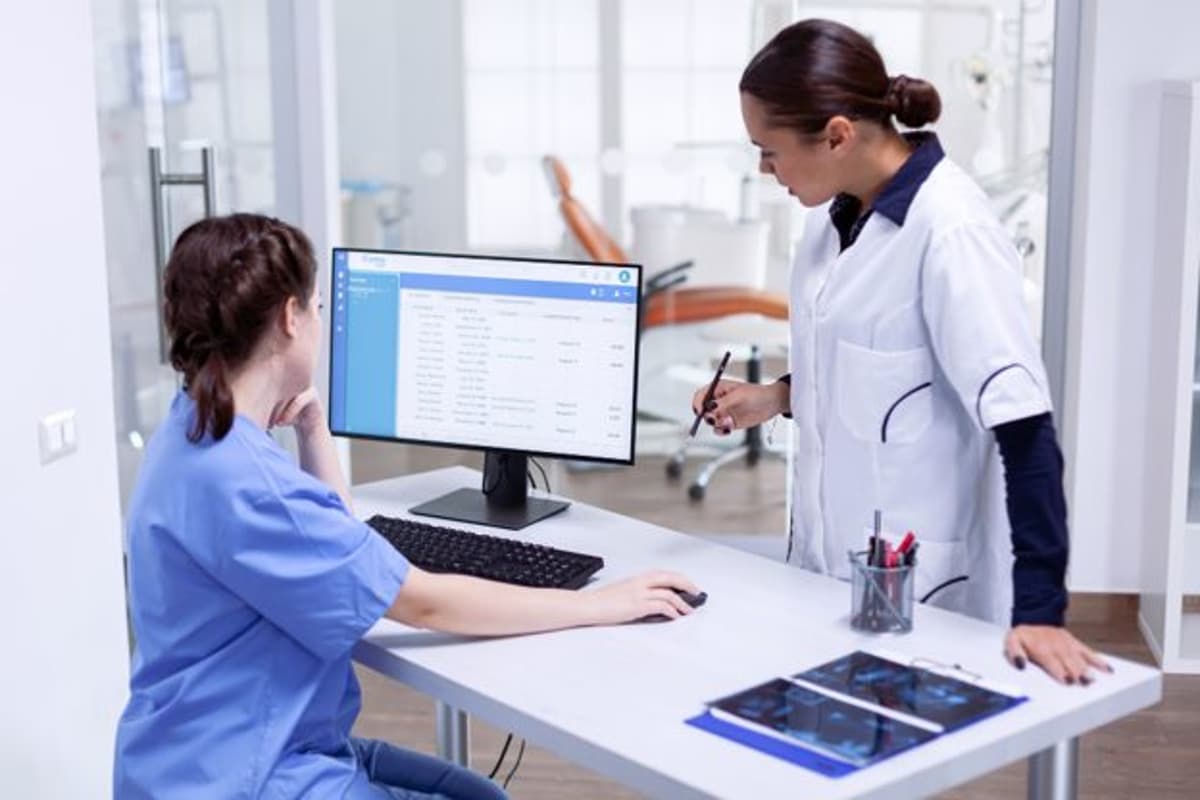
Voice-First Clinical Notes In Healthcare: Benefits And Use Cases
Clinicians spend roughly half their day in EHRs and additional hours after hours completing notes. Voice‑first documentation tools—live dictation, back‑end transcription, and ambient AI scribing—promise to reclaim that time without compromising record quality. Studies show ambient scribing can reduce note‑writing...
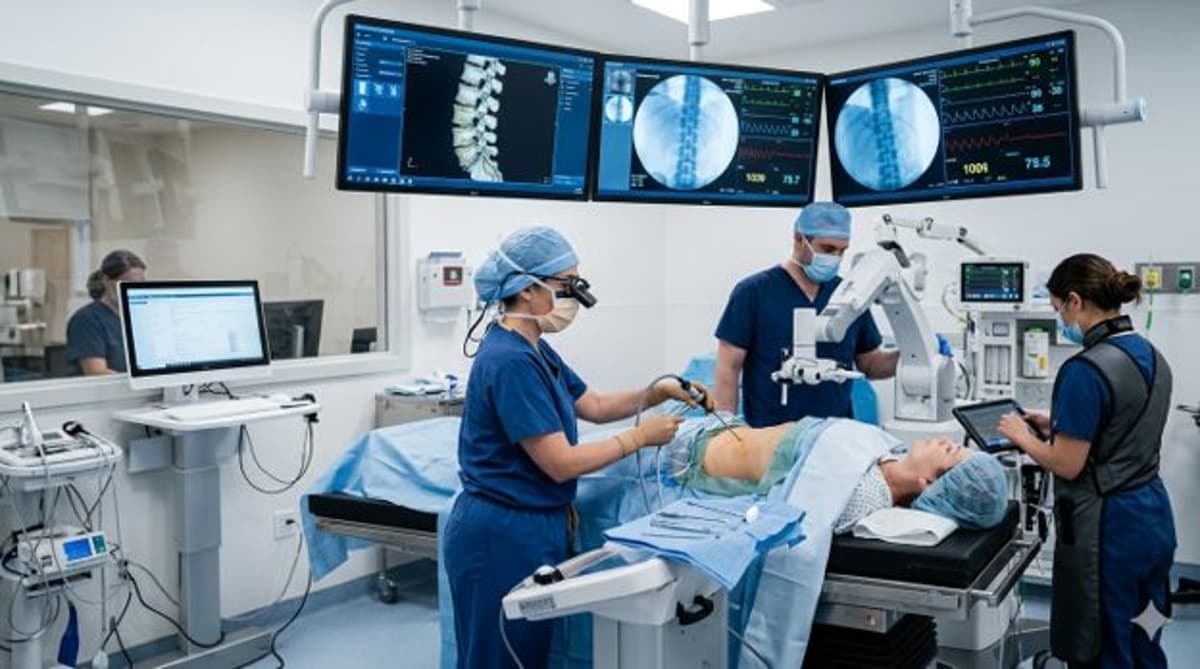
The Digital Clinic: How Ultra-Minimally Invasive Spine Procedures Are Redefining Outpatient Workflow Efficiency
Ultra‑minimally invasive spine (UMIS) surgery uses endoscopic visualization and micro‑working channels to treat spinal pathology through sub‑centimeter incisions, dramatically reducing tissue trauma and postoperative pain. The technique enables procedures under conscious sedation or regional blocks, cutting Phase I PACU stays from...

How AI Is Helping Patients Finally Get Answers After Years of Misdiagnosis
Artificial intelligence is reshaping diagnostic pathways by aggregating electronic health records, lab results, and patient‑generated data to uncover hidden patterns that often lead to misdiagnosis. AI‑powered tools such as virtual ADHD evaluations and personalized nutrition platforms deliver faster, more accurate...

Building Strong Communication Skills Through Early Intervention
Early intervention programs that blend speech therapy, behavioral strategies, and parent coaching are shown to accelerate communication skill development in children. By identifying language or social delays promptly, families can access structured services that target both expressive and receptive abilities....

Why ACOs Are Shifting From Claims to Real-Time Network Data
Accountable Care Organizations (ACOs) are moving away from reliance on retrospective claims data toward real‑time clinical network data. Claims arrive weeks after a patient event, keeping ACOs in a reactive mode that hampers timely interventions. By ingesting event notifications—admissions, discharges,...

Transforming the Clinical Stack: Why Deep Intelligence Is the Foundation for Digital Health Integration
The life‑sciences sector is confronting a validation bottleneck as legacy GxP processes slow digital health adoption. Companies are turning to intelligent Electronic Validation Management Systems (EVMS) and Validation Lifecycle Management Systems (VLMS) to automate compliance and cut validation cycles by...

Why Relaxation Therapy Matters More Than Ever for Stress Management
Stress has become a pervasive health issue, with a 2025 survey showing 47% of adults experiencing daily burnout. Evidence‑based relaxation therapies—ranging from classic meditation to modern zero‑gravity massage chairs and wearable stress monitors—demonstrate measurable reductions in cortisol and improved heart‑rate...

2026 Guide to Paying for Home Care in Connecticut: Every Program, Eligibility Rule, and Workaround
The Healthcare Guys’ 2026 guide details Connecticut’s home‑care costs—roughly $30‑$35 per hour, or $2,800 monthly for 20 hours—and maps every financing option from state‑funded CHCPE to VA Aid & Attendance. It breaks down eligibility thresholds, asset limits (e.g., $48,798 for state‑funded CHCPE)...

Getting the Right Stoma Bag Is Harder Than Anyone Tells You
Choosing the right stoma bag is far from straightforward; variations in stoma type, skin condition, and daily activity dictate which system works best. Patients often receive only limited guidance after surgery, leading to uncomfortable trial‑and‑error periods. Salts Healthcare, a UK‑based...

Why Clinically Guided Meal Replacement Strategies Are Gaining Attention in Healthcare
Healthcare systems are increasingly adopting clinically guided meal replacement programs to combat rising obesity and related chronic diseases. These structured nutrition plans deliver controlled calories and balanced nutrients, improving patient adherence compared with traditional diets. Integration with telehealth and digital...

How Virtual IOP Telehealth Is Transforming Addiction Treatment
Virtual intensive outpatient programs (IOPs) are now delivered through HIPAA‑compliant video, messaging and digital tracking tools, allowing patients to receive structured addiction treatment from home. The model expands access for rural and underserved communities, reduces stigma, and improves continuity for...
Why ICD-10 Coding Accuracy Has Become Critical in Modern Healthcare Operations
ICD-10 coding accuracy has become a linchpin for modern healthcare operations, influencing everything from claim approvals to analytics and compliance. Hospitals now scrutinize documentation quality, denial patterns, and reimbursement performance, making coding a strategic function rather than a clerical task....

Why Healthcare Facilities Are Rethinking Disposable Glove Procurement
Healthcare providers are overhauling disposable glove procurement after the COVID‑era PPE shortage exposed supply‑chain fragility. Procurement teams now weigh vendor reliability, FDA and ASTM compliance, and ESG reporting alongside unit price. Biodegradable nitrile gloves that meet the same performance standards...

How AI Full Arch Implant Planning Is Changing Oral Surgery
AI-driven full‑arch implant planning is reshaping oral surgery by automating the traditionally labor‑intensive workflow. UK‑based 21D delivers an end‑to‑end system that handles 98% of planning from CBCT scan to surgical guide without a technician, claiming ~100 µm placement accuracy—about ten times...

What Medicare Advantage Plans Must Do to Prepare for 2026 Audits
CMS is tightening Medicare Advantage risk‑adjustment oversight in 2026, moving to full V28 payment and launching a series of RADV audits that begin with PY 2018 findings. The agency has published a detailed audit calendar covering PY 2020, 2021, 2023...

The Growing Need for Acupuncturists in Modern U.S. Healthcare
Chronic pain management in the U.S. is shifting toward non‑pharmacologic solutions, and acupuncture is emerging as a core component of integrative pain programs across hospitals and primary‑care networks. The American College of Physicians’ 2017 guideline now lists acupuncture as a...

Data Interoperability in Healthcare Apps: Why It Matters
Healthcare apps now span telehealth, remote monitoring, imaging and AI, but fragmented data hampers their value. Interoperability lets disparate systems exchange patient information securely, eliminating manual copying and duplicate entry. Standards such as HL7, FHIR and DICOM enable these connections,...
How Peer-Driven Feedback Is Reshaping Healthcare Technology Purchasing Decisions
Healthcare buyers are moving away from vendor‑centric demos toward peer‑driven feedback when evaluating digital health platforms. Executives now prioritize real‑world implementation insights, workflow integration, and user experience over feature lists and AI hype. This shift comes as hospitals grapple with...

Wellness From the Inside Out: A Holistic Approach to Health
Wellness from the inside out emphasizes a holistic model that links mind, body, and emotions into a unified health strategy. The approach prioritizes balanced nutrition, moderate physical activity, restorative sleep, and emotional resilience rather than quick‑fix diets or intense workouts....
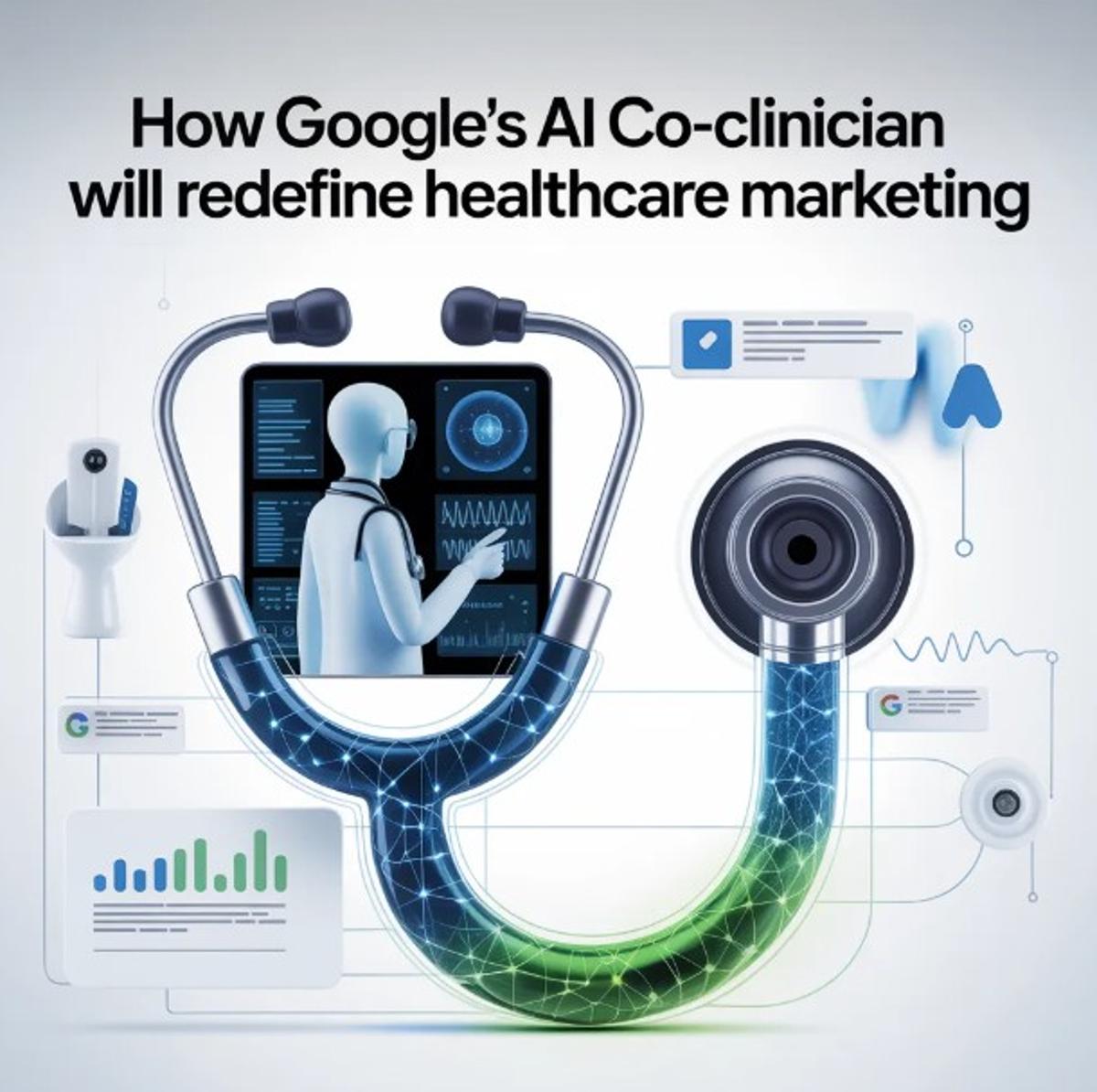
How Google’s AI Co-Clinician Will Redefine Healthcare Marketing
Google DeepMind unveiled its AI Co‑Clinician, an real‑time assistant that joins physician‑patient dialogues and acts as an AI gatekeeper for care recommendations. This technology shifts visibility from traditional SEO to AI‑driven recommendation placement, making brand presence dependent on algorithmic authority....
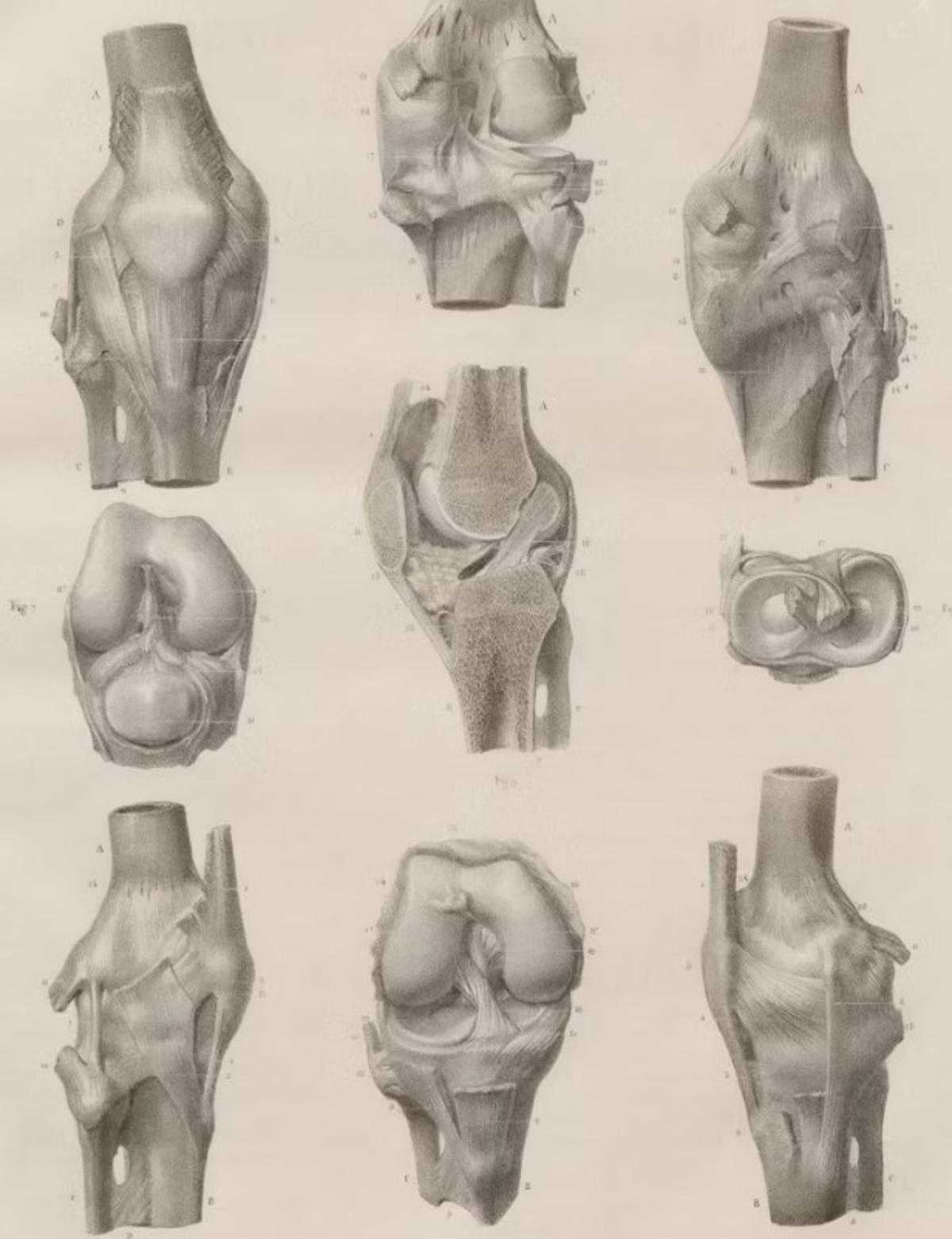
Genicular Artery Embolization Gains Traction as a Minimally Invasive Solution for Osteoarthritis Knee Pain
Genicular artery embolization (GAE) is gaining attention as a minimally invasive, image‑guided therapy for knee osteoarthritis, targeting inflamed genicular arteries to reduce pain. The procedure is performed outpatient in under 90 minutes with local anesthesia, offering rapid relief without surgery....
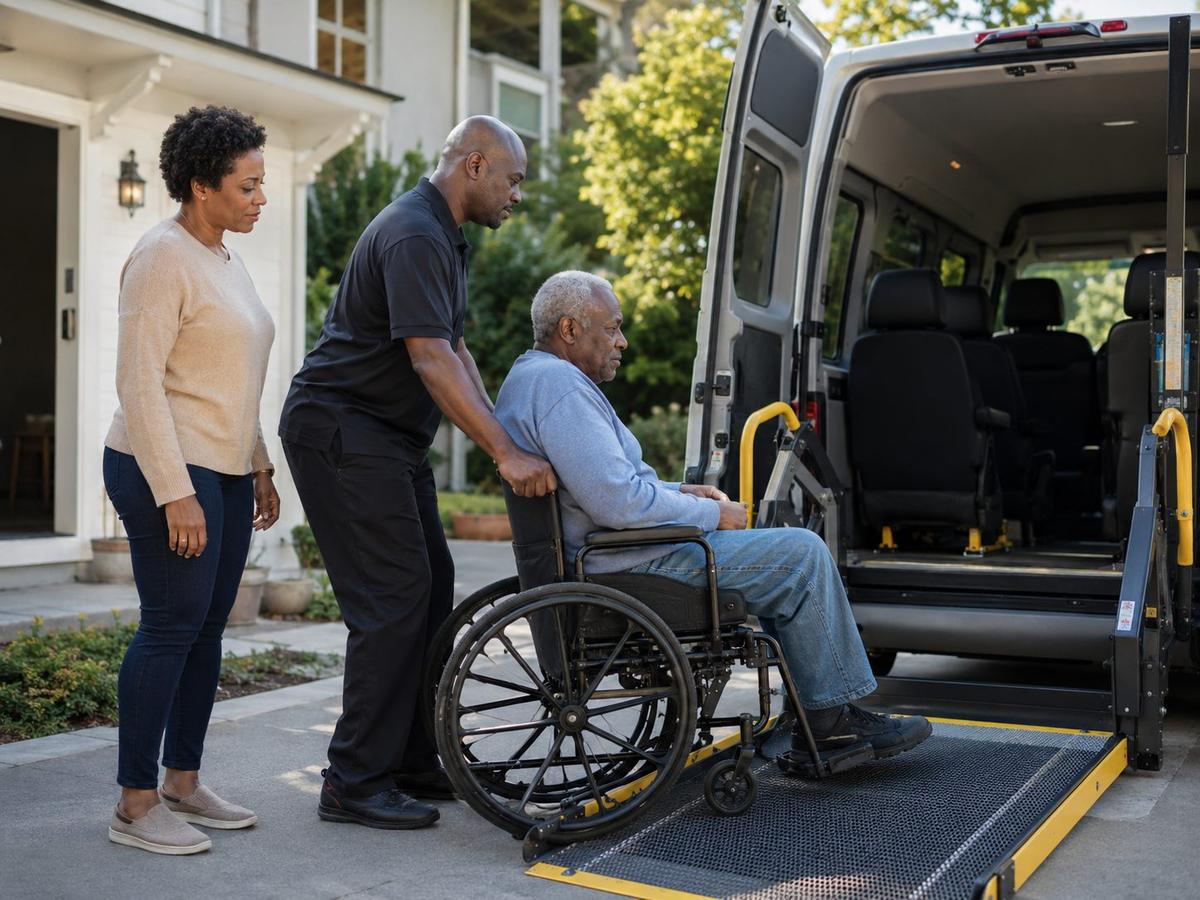
How Digital Booking Systems Can Reduce the Burden of Arranging Non-Emergency Medical Transportation
Non‑emergency medical transportation (NEMT) remains a fragmented, high‑stress process for patients and caregivers, especially for those needing wheelchair, stretcher, or assisted rides. The article outlines critical questions to determine the appropriate vehicle and assistance level, highlighting how mismatched bookings cause...
The Rise of Predictive Treatment Planning in Modern Aligner Therapy
Predictive treatment planning leverages 3‑D imaging, machine learning and massive case datasets to simulate tooth movements for clear aligner therapy. Modern software generates tray‑by‑tray sequences, predicts attachment needs, and flags cases likely to require mid‑treatment refinements. Clinicians now act as...
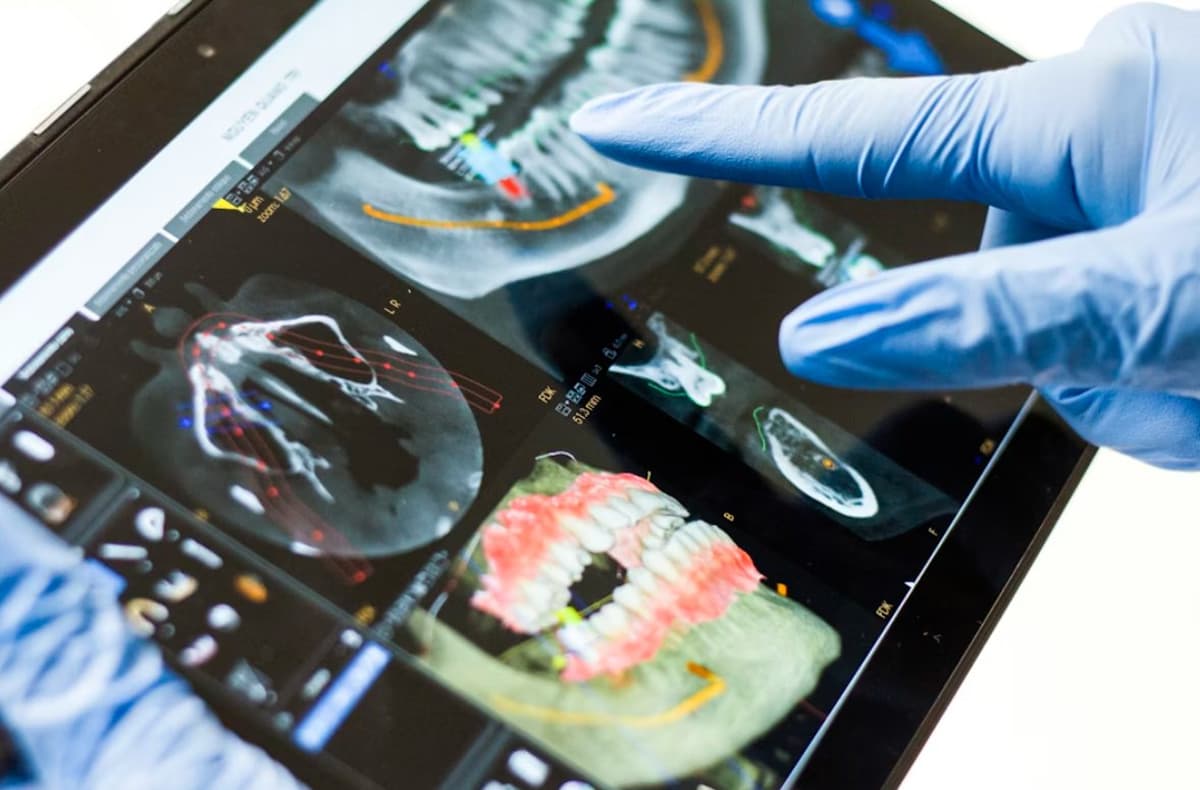
How Digital Smile Design Is Changing the Veneer Experience
Digital Smile Design (DSD) is reshaping porcelain veneer procedures by replacing hand‑crafted impressions and wax‑ups with a data‑driven workflow that blends high‑resolution photography, intra‑oral scans, video, and 3D modeling. The method delivers photorealistic visualizations and physical mock‑ups before any tooth...
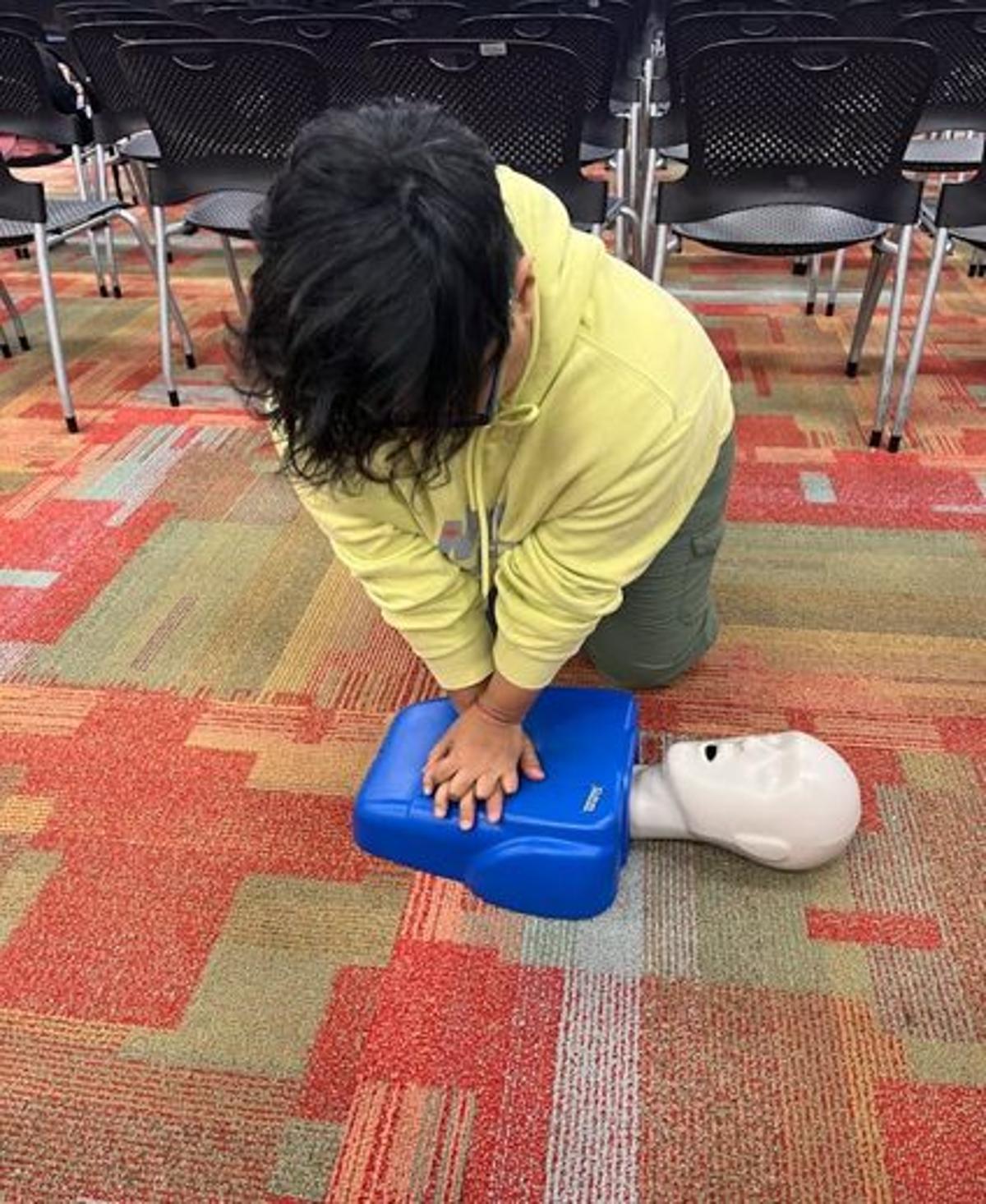
Why Non-Clinical Healthcare Staff Are Increasingly Required to Learn CPR
Healthcare organizations are expanding CPR requirements beyond doctors and nurses to include receptionists, billing personnel, facilities staff, and IT teams. The push stems from the reality that cardiac arrests can occur anywhere in a facility, and the first responder is...

Why Penetration Testing in Security Audits Is the Key to Uncovering Vulnerabilities
The article stresses that adding penetration testing to routine security audits is vital for exposing hidden vulnerabilities, especially as AI‑driven threats become more sophisticated. Audits evaluate policies, compliance, and overall system health, while pen tests simulate real attacks to uncover...
Bridging the Gap Between Patients and Innovative Treatments
Medical breakthroughs are outpacing patient access, leaving many receiving outdated care. Geographic isolation, insurance denials, and low health literacy create a persistent gap between available therapies and those who receive them. Hospitals, advocacy groups, and tech platforms are launching education...

The Hidden Risks of Rushing Offer Decisions in Physician Recruitment
Hospital leaders often rush physician offers to plug schedule gaps, but hasty decisions hide blind spots that can lead to costly mismatches. Speedy hires may mask ambiguous contract terms, unclear call responsibilities, and insufficient insight into team dynamics. Over time,...

Common Mistakes Avoided With Expert CMC Regulatory Consulting
Pharmaceutical and biotech firms increasingly turn to expert CMC regulatory consulting to avoid costly missteps that can stall product approvals. Common pitfalls include incomplete documentation, weak manufacturing controls, inadequate stability testing, delayed regulatory planning, and mismatched global requirements. Consultants bring...

Dr. Joel Ross Highlights the Importance of Ethics and Compassion in Modern Medical Practice
Dr. Joel Ross argues that ethical principles and genuine compassion are inseparable foundations of modern medical practice. He outlines the four core ethical pillars—autonomy, beneficence, non‑maleficence and justice—and shows how they guide daily clinical decisions. Compassion, he notes, moves beyond...

In-Home Personal Care Services for Everyday Support
In‑home personal care services provide tailored assistance with daily activities such as bathing, dressing, mobility, and medication reminders, enabling seniors and recovering patients to stay safely at home. Care plans are customized, ranging from a few weekly visits to round‑the‑clock...

Home Tonometers: A Guide to Safe and Simple IOP Checks
Home tonometers let patients with glaucoma or other intraocular pressure (IOP) conditions measure eye pressure at home, reducing the need for frequent clinic visits. These portable devices use either gentle contact or a brief puff of air to deliver digital...

Best Practices for Handling Research Reconstitution Solutions Safely
Reconstitution solutions are essential for dissolving lyophilized compounds, but mishandling can ruin weeks of research. The guide stresses a clean workspace, sterile single‑use equipment, and gentle injection to preserve sample integrity. After reconstitution, temperature control, avoiding freeze‑thaw cycles, and precise...

Why You Should Visit a Dentist at the First Tooth Pain in Livingston
The article urges residents of Livingston, New Jersey to schedule a dental appointment at the first sign of tooth pain. It explains that mild sensitivity often masks decay, gum disease, or infection that can quickly worsen. Early visits usually involve...