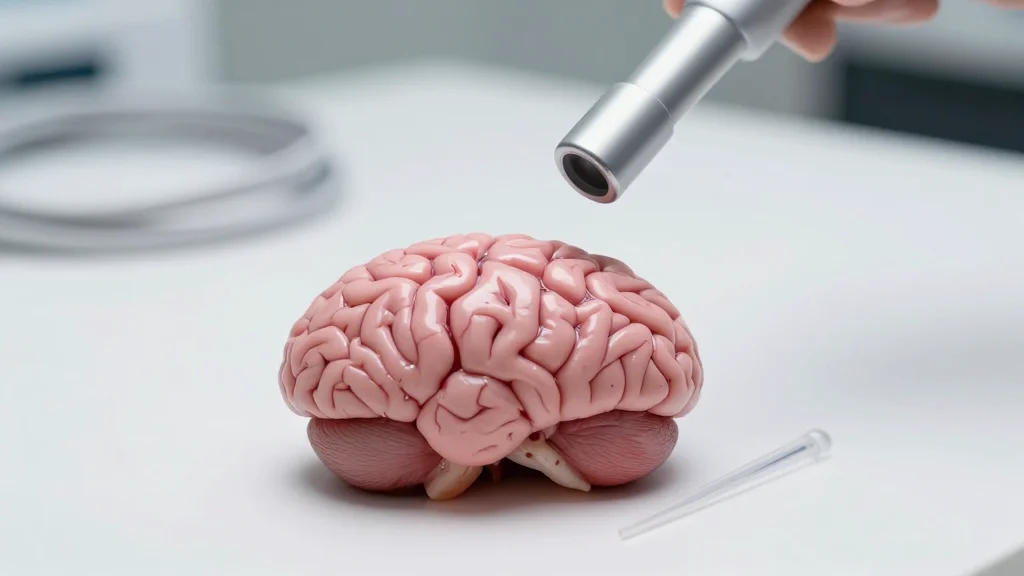
A Couple of Couplings
Landemard et al. used high‑density electrophysiology and functional ultrasound to map neurovascular coupling across the mouse brain. They found that bulk neural activity is a poor predictor of blood‑volume changes, prompting analysis of specific neuronal subpopulations. Both whisking‑related excited and inhibited neurons positively correlate with blood flow, but each exhibits a distinct temporal lag. The spatial distribution of these subgroups explains regional coupling variability, and the relationship holds consistently in sleep and wakefulness.

The Choreography of Cerebral Vasculature Development
A new study published in Cell provides the first comprehensive map of post‑natal cerebral vascular development in mice. By integrating multimodal imaging and transcriptomics, the researchers delineated three sequential phases: an initial uniform vessel spread driven by Vegfa, a regional...
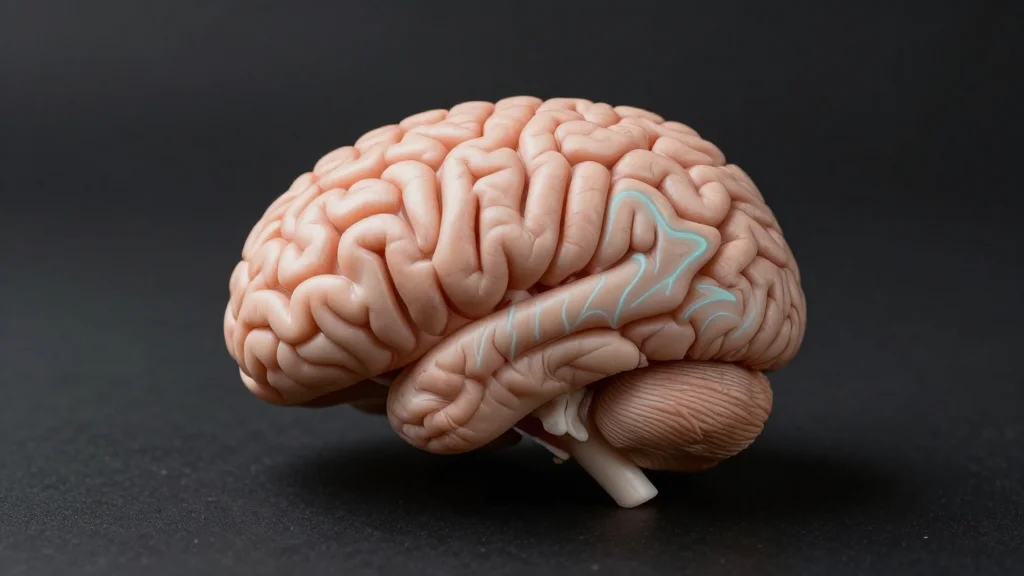
Human Hippocampal Ripples Coordinate Planning Sequences and Compositional Representations in Neocortex
A 2026 preprint reports that human hippocampal sharp‑wave ripples (SWR) synchronize with neocortical activity during awake planning tasks. Intracranial EEG from 12 participants showed ripples in roughly 18% of trials, and the timing of ripple‑neocortex coupling predicted a 23% boost...

Phasing Out Animal Research Prematurely Will Maintain Gender Inequities in Medicine
A new commentary warns that ending animal research before addressing its long‑standing male bias will entrench gender inequities in medicine. Decades of predominantly male animal studies have left female biology under‑characterized, leading to gaps in drug efficacy and safety data...
Stochastic Growth and Ligand–Receptor Interaction-Mediated Stabilization Generate Stereotyped Dendritic Arbors
The Nature Neuroscience study shows that the C. elegans PVD neuron employs the DMA‑1 receptor in two modes: a ligand‑free form that drives stochastic dendritic growth and a ligand‑bound form that stabilizes branches. Removing DMA‑1’s extracellular LRR domain yields robust...

Microglia-Dependent Regulation of Fear Memory Extinction
Researchers discovered that microglia dynamically engage with dentate gyrus engram neurons during fear memory extinction. Extinction training triggers a transient surge in microglial recruitment, and chemogenetic suppression of microglia or minocycline treatment slows extinction, indicating a causal role. Manipulating complement...
A Communication Subspace Relays Context-Dependent Actions From Human Prefrontal to Motor Cortex
A new study reveals that a low‑dimensional communication subspace transmits context‑dependent action signals from the human prefrontal cortex (PFC) to motor cortex (M1). Using intracranial recordings and advanced dimensionality‑reduction techniques, researchers showed that this subspace encodes task rules and predicts...
Glucose-Dependent Spatial and Temporal Modulation of Oligodendrocyte Progenitor Cell Proliferation via ACLY-Regulated Histone Acetylation
A new study reveals that glucose availability directly controls oligodendrocyte progenitor cell (OPC) proliferation through ATP‑citrate lyase (ACLY)‑mediated histone acetylation. Using bulk and single‑cell RNA sequencing, histone mass‑spectrometry, and ACLY conditional knock‑out mice, the researchers showed that high‑glucose conditions boost...
Laminar Organization of Cellular Microcircuits Modulating Human Interictal Epileptiform Discharges
Researchers used high‑density Neuropixels probes to record up to 189 single neurons across the full cortical depth of awake epilepsy patients during surgery. They identified three distinct laminar microcircuit patterns—early‑activation, suppressed, and late‑activation—that together generate interictal epileptiform discharges (IEDs). Neuronal...
A Septo–Entorhinal GABAergic Pathway that Enables Switching Between Episodic Memories
Researchers identified a GABAergic projection from the medial septum to the medial entorhinal cortex that governs the ability to switch between competing episodic memories. Using Cre‑dependent viral tracing, calcium imaging, and optogenetic inhibition, they showed that silencing this pathway during...
The Prefrontal Cortex Controls Memory Organization in the Hippocampus
Researchers at UCLA have identified a direct top‑down pathway by which the ventromedial prefrontal cortex (vmPFC) regulates memory organization in the hippocampus. Using calcium imaging, chemogenetic inhibition, and projection‑specific manipulations in mice, they showed that vmPFC activity determines whether memories...

Cheese3D Enables Sensitive Detection and Analysis of Whole-Face Movement in Mice
Cheese3D introduces a six‑camera, 100 Hz system that reconstructs mouse facial movements in three dimensions, tracking 27 keypoints and extracting 17 geometric features. The calibrated setup reduces keypoint jitter, achieving sub‑50 µm accuracy versus static 3D scans. It detects micrometer‑scale motions during...
Author Correction: Astrocytic Sox9 Overexpression in Alzheimer’s Disease Mouse Models Promotes Aβ Plaque Phagocytosis and Preserves Cognitive Function
An author correction was issued for the Nature Neuroscience paper on astrocytic Sox9 overexpression in Alzheimer’s disease mouse models. The correction fixes swapped y‑axis labels in Figure 2b—AQP4 should appear on the left and SLC1A2 on the right—and relocates the misplaced...

Addendum: Neural Anticipation of Virtual Infection Triggers an Immune Response
An addendum to a recent Nature Neuroscience paper acknowledges earlier studies showing that visual and virtual exposure to disease cues can modulate immune markers such as IL‑6, salivary cytokines, and sIgA. It highlights methodological limitations of salivary assays, noting high...
Early Dopamine Disruption in the Entorhinal Cortex of a Knock-In Model of Alzheimer’s Disease
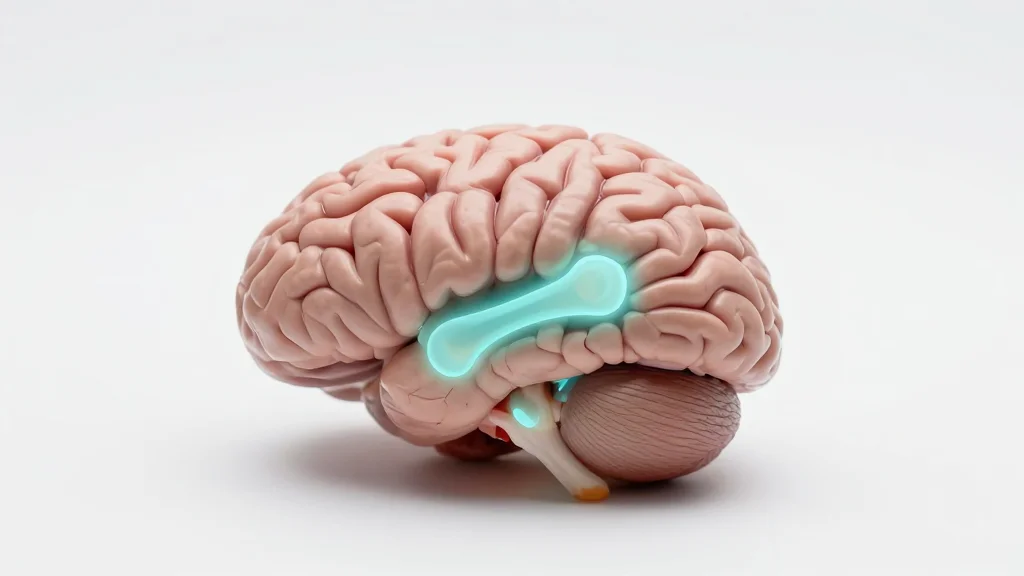
The study using amyloid precursor protein knock‑in (APP‑KI) mice shows that associative memory formation deteriorates as early as four months, driven by dysfunction of dopamine inputs to the lateral entorhinal cortex (LEC). Electrophysiological recordings reveal hyperactive LEC layer 2/3 neurons and...
BOLD fMRI Reflects Both Vascular and Metabolic Signals
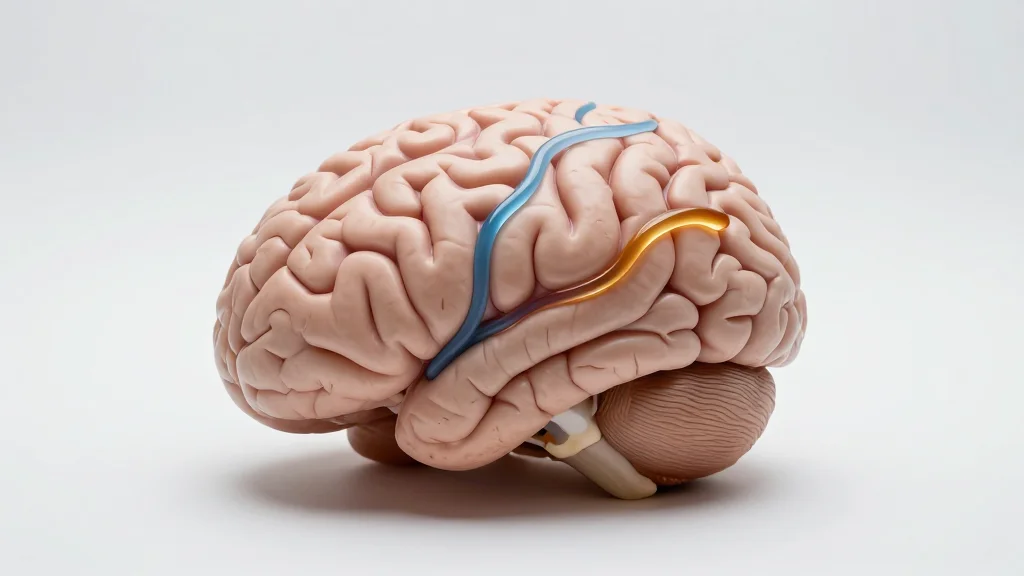
A new quantitative fMRI study by Epp et al. demonstrates that the blood‑oxygenation‑level‑dependent (BOLD) signal reflects both vascular blood‑flow changes and metabolic oxygen‑consumption shifts, and that these two components are not always tightly coupled across the brain. The authors argue that...

Genomic Approaches for Understanding the Evolution of the Human Brain
A wave of high‑resolution genomic resources—including the complete human reference, telomere‑to‑telomere primate genomes, and expansive ancient DNA panels—has converged with functional assays such as brain organoids and xenotransplantation. These tools pinpoint human‑specific genes (e.g., ARHGAP11B, NOTCH2NL, FOXP2) and accelerated regulatory...

Constituent-Constrained Word Prediction During Language Comprehension
A new study by Zou (2025) demonstrates that during real‑time language comprehension the brain predicts upcoming words primarily within the bounds of syntactic constituents. Using MEG recordings and a constituent‑constrained surprisal model, the author shows that N400 amplitudes align more...
Spatial and Single-Cell Characterization of Human Glioblastoma Tumor Microenvironment Reveals Malignant Cellular Communities
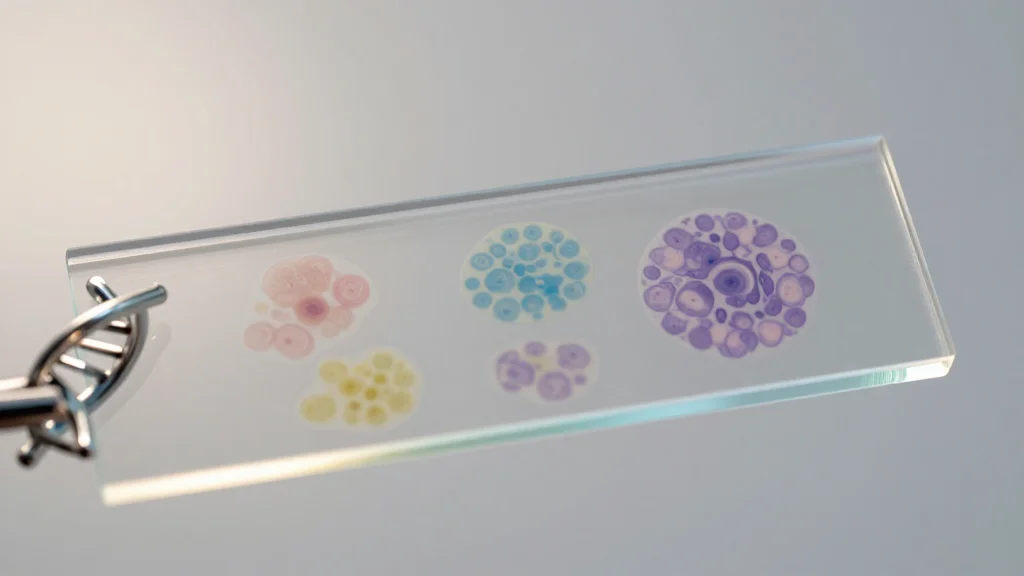
The research combined spatial transcriptomics, single‑cell RNA sequencing, scATAC‑seq and Patch‑seq from 100 glioblastoma patients, covering 121 spatial profiles. It revealed four malignant cellular communities that consistently share cell‑type composition and gene‑expression patterns. Within these, two mesenchymal‑like tumor subpopulations were...
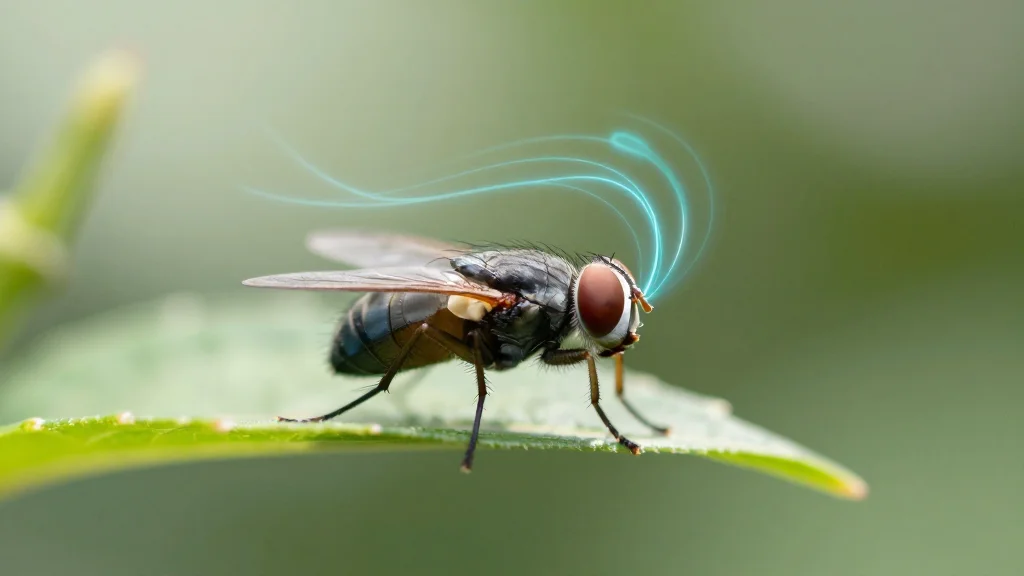
Spatial, Temporal and Notch Determination of Terminal Selector Expression Controls Neuronal Cell Fate in the Drosophila Optic Lobe
The study reveals that spatial, temporal, and Notch signaling together dictate the expression of terminal selector transcription factors, shaping neuronal cell fate in the Drosophila optic lobe. Using single‑cell RNA‑seq (GSE254562) the authors identified 53 candidate terminal selectors and linked...
Amyloid-Β-Driven Glymphatic Dysfunction in Alzheimer’s Disease Model Mice Is Driven by Ca2+-Mediated Increases in Astrocytic Cholesterol
The study published in Nature Neuroscience shows that amyloid‑β triggers glymphatic dysfunction in Alzheimer’s disease mouse models by inducing calcium‑mediated cholesterol synthesis in astrocytes. Elevated astrocytic Ca²⁺ activity disrupts aquaporin‑4 (AQP4) polarity, slowing cerebrospinal fluid clearance. Genetic attenuation of astrocytic...
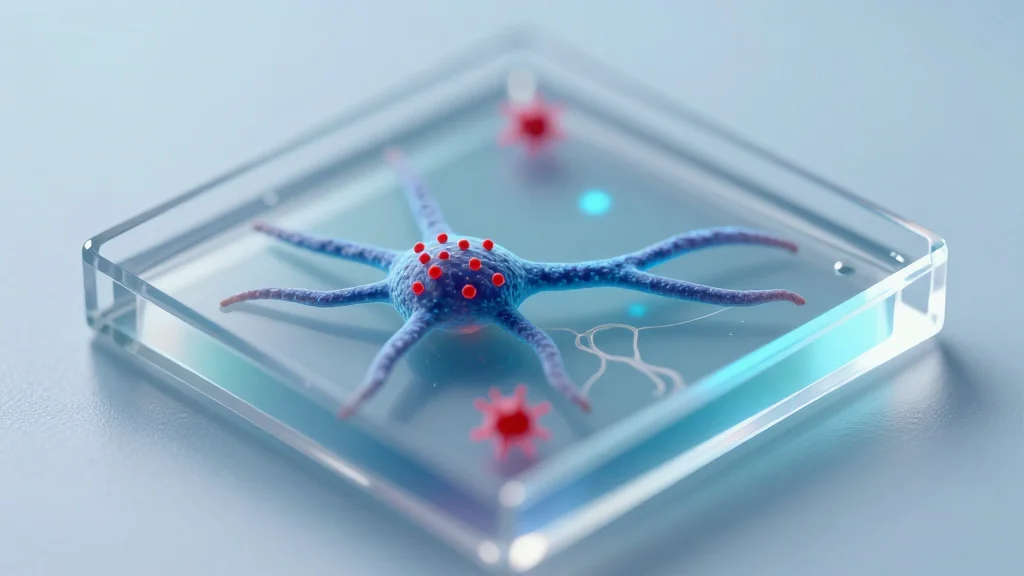
HSV-1 Strain H129 Co-Opts Neuronal Synaptic Transmission Machinery for Its Transsynaptic Spread
Researchers used microfluidic cultures and engineered viruses to show that HSV‑1 strain H129 hijacks the calcium‑dependent exocytosis machinery of presynaptic neurons. The virus assembles into ‘virion vesicles’ that are released via voltage‑gated R‑type calcium channels, synaptotagmin‑7 and the SNARE complex,...

Rapid Temporal Processing in the Olfactory Bulb Underlies Concentration-Invariant Odor Identification and Signal Decorrelation
Researchers combined two‑photon calcium imaging with glomerular optogenetic stimulation in awake mice to map how the olfactory bulb (OB) transforms odor signals. They discovered a rapid temporal‑filtering mechanism: early‑activated glomeruli drive mitral and tufted cells (MTCs) within a brief excitatory...

White Matter Pathways Mediating Dorsolateral Prefrontal TMS Therapy for Depression
A new Nature Neuroscience study maps the white‑matter routes that link dorsolateral prefrontal cortex (DLPFC) transcranial magnetic stimulation (TMS) sites to the subgenual cingulate (SGC), a key depression hub. Using two clinical cohorts, the authors show that the number of...
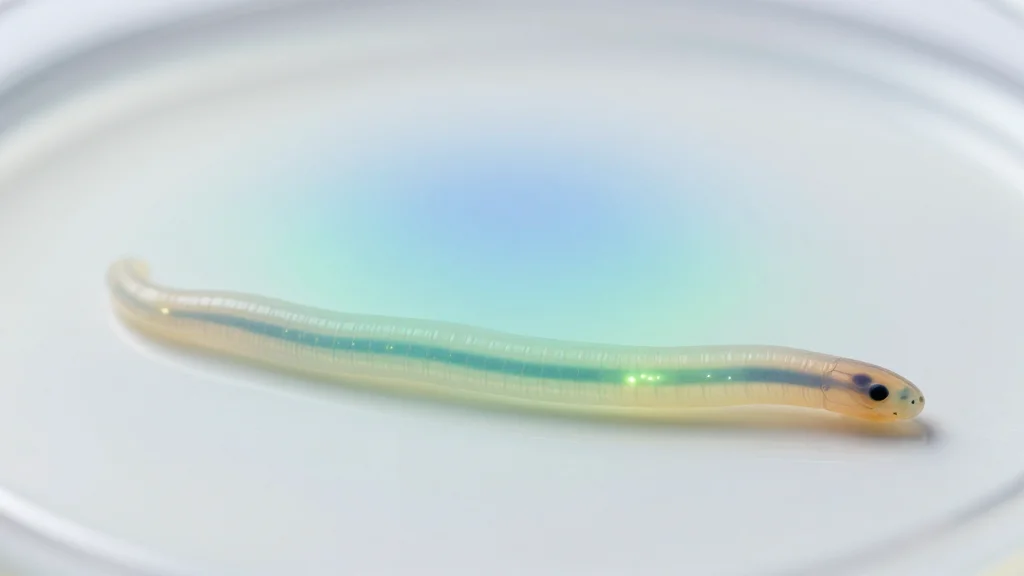
Neural Sequences Underlying Directed Turning in Caenorhabditis Elegans
Researchers uncovered a novel error‑correcting turning strategy in Caenorhabditis elegans, showing that worms adjust the angle of each reorientation to improve their bearing in odor gradients. Using whole‑brain calcium imaging of freely moving animals, they mapped a stereotyped sequence of...
A Network Signature of Parkinson’s Disease
Researchers identified hyperconnectivity between the somato‑cognitive action network (SCAN) and the basal ganglia and thalamus as a distinct neural signature of Parkinson’s disease. This pattern was absent in other movement disorders and tracked symptom severity. In six patient cohorts receiving...
Comparing Primate Cerebellums
Researchers built a cross‑primate cellular atlas of the cerebellum using single‑nucleus transcriptomics and chromatin‑accessibility profiling from humans, chimpanzees, rhesus macaques and common marmosets. The analysis revealed that granule cells exhibit the greatest transcriptomic divergence, with the human cerebellum uniquely up‑regulating...

Not so Unorganized Behavior
Researchers using a state‑based hierarchical version of MoSeq discovered that mice’s spontaneous exploratory behavior is organized into distinct behavioral states lasting seconds to minutes. Recordings from the medial prefrontal cortex showed neurons firing in patterns linked to these states and...
Microglia RANK as Fertility Regulators
A new study in Science reveals that a specialized subset of microglia in the hypothalamic median eminence expresses the RANK receptor, traditionally linked to bone and cancer biology. Deleting RANK specifically in these microglia lowers reproductive hormone levels and delays...
Neural Circuits Encode Prior Knowledge of Temporal Statistics
Researchers demonstrated that cerebellar Purkinje cells learn and encode the temporal statistics of probabilistic stimuli, shaping predictive eyeblink responses in mice. By varying interval distributions—from single to wide and bimodal—the study showed systematic changes in blink onset, amplitude, and velocity...
Entorhinal Cortex Represents Task-Relevant Remote Locations Independently of CA1
Researchers recorded hundreds of neurons in the medial entorhinal cortex (MEC) and hippocampal CA1 of mice performing a spatial match‑to‑sample task. They found that during immobility the MEC population frequently decoded positions far from the animal, a phenomenon termed non‑local...
Dorsoventral Hippocampus Neural Assemblies Reactivate During Sleep Following an Aversive Experience
Researchers recorded dorsal (dHPC) and ventral (vHPC) hippocampal neurons in rats performing rewarded and aversive runs, then examined sleep periods. They found that neural assemblies from both regions reactivate strongly during early post‑sleep, with reactivation rates returning to baseline later....
Neuropeptide Y Co-Opts Neuronal Ensembles for Memory Lability and Stability
Researchers led by Yan‑Jiao Wu demonstrated that neuropeptide Y (NPY) orchestrates distinct neuronal ensembles to control both the lability and stability of fear memories. Using fear‑conditioning and extinction paradigms in mice, they showed that NPY‑positive interneurons shift the balance between Npy1r‑...
UBQLN2 Links Proteotoxicity with Lipid Metabolism in Neurodegeneration
A new Nature Neuroscience study reveals that the ubiquitin‑binding protein UBQLN2 directly connects proteotoxic stress with lipid metabolism in ALS and frontotemporal dementia (FTD). Using CRISPR‑edited iPSC‑derived motor neurons, the authors show that disease‑linked UBQLN2 mutations dramatically slow protein turnover...
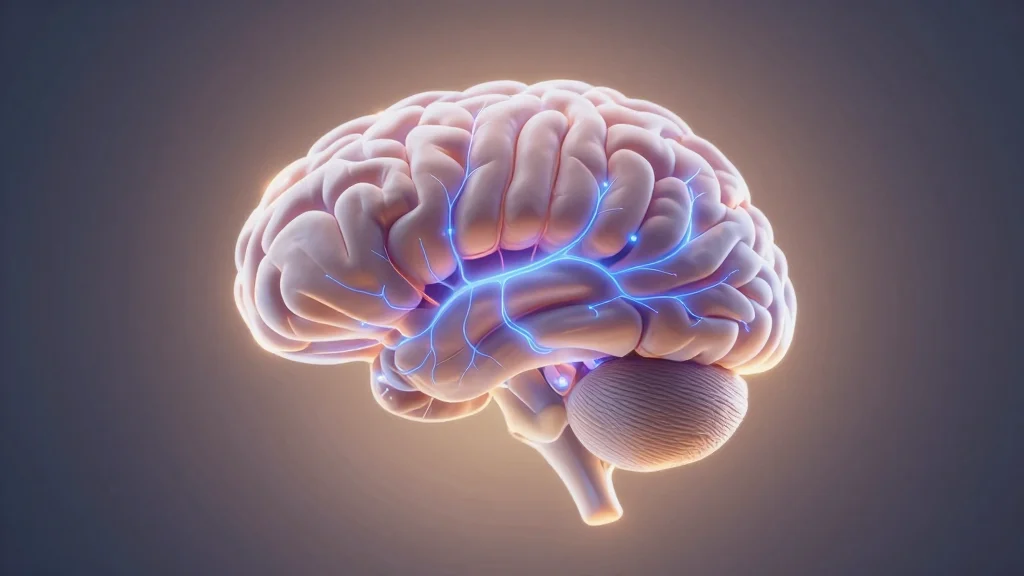
Null Models for Lesion Network Mapping
Zalesky and Cash examine recent concerns that lesion‑network mapping (LNM) yields convergent circuits across disparate disorders due to methodological constraints. They argue that this convergence can be informative, reflecting underlying brain modularity, but emphasize the need for robust null models...
Neuroimmune Interferon Signals Sustain Arthritis Pain
Researchers led by Su et al. discovered that non‑canonical type 1 interferon signaling within peripheral sensory neurons sustains hypersensitivity long after rheumatoid arthritis inflammation resolves. The study, published in Nature Neuroscience, used a mouse model to demonstrate that persistent interferon activity...
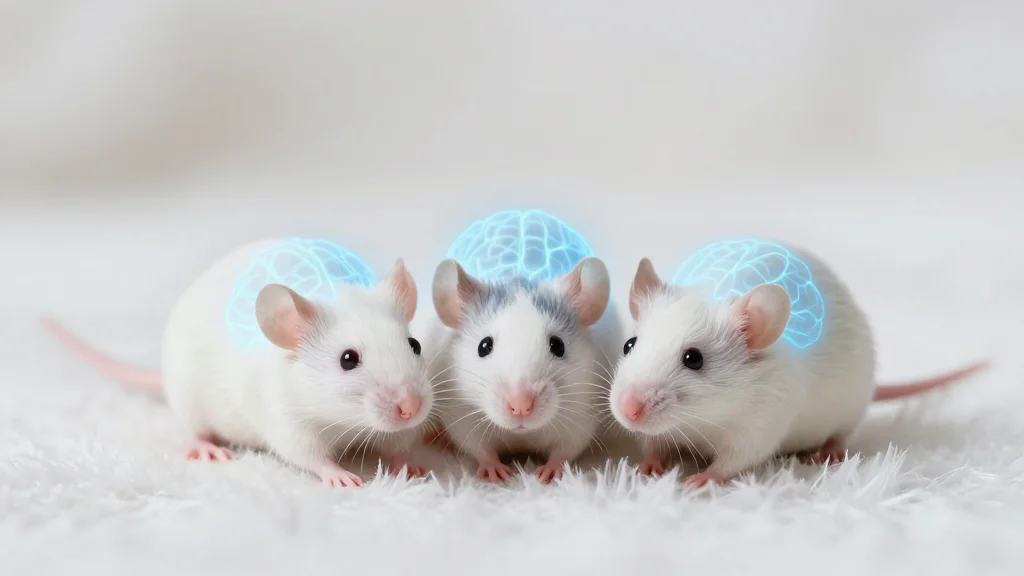
Cortical Regulation of Collective Social Dynamics During Environmental Challenge
The study reveals that medial prefrontal cortex (dmPFC) ensembles encode collective social variables such as huddle size, membership, and active versus passive entry decisions in mice facing cold stress. Using a custom SLEAP‑based multi‑animal pose‑tracking pipeline and calcium imaging, the...

Organization of Neuropeptide Systems in the Human Brain
Researchers built a whole‑brain atlas of 38 neuropeptide‑receptor genes, mapping their expression across 455 cortical, subcortical and hypothalamic regions. The receptors display a clear cortical‑subcortical gradient and two principal axes within hypothalamic nuclei that reflect developmental organization. Spatial overlap analysis...
Circuit Response to Neuromodulation Characterized with Simultaneous Deep Brain Stimulation and Precision Neuroimaging in Humans
Researchers used a 3‑T MRI‑compatible deep brain stimulation system to record extensive functional MRI data from 14 Parkinson’s disease patients over a year. Each participant completed 11.7 hours of fMRI across seven stimulation conditions at five longitudinal visits, alongside structural and...