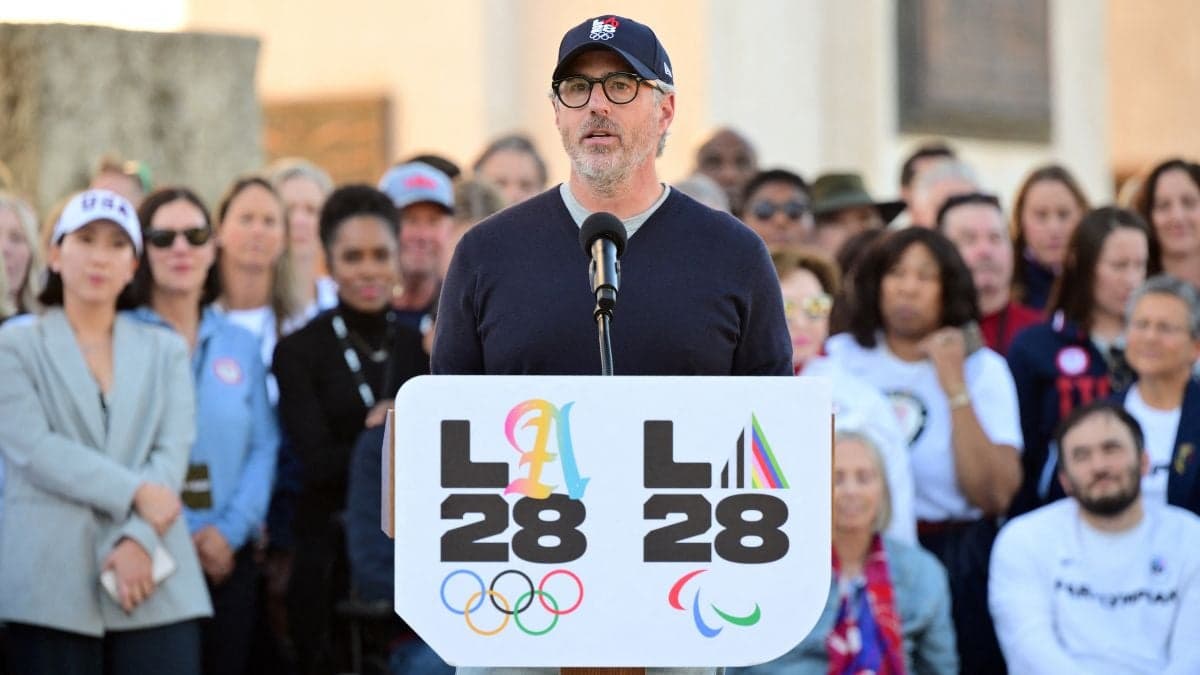
LA28 Organizers Promise There Will Be Other Chances to Get Affordable Tickets After Pricing Backlash
Why It Matters
The pricing controversy could dampen local enthusiasm and affect revenue projections for the 2028 Games, while the promise of additional affordable drops aims to preserve public support. It also underscores the broader challenge Olympic hosts face in balancing revenue generation with equitable fan access.
Key Takeaways
- •30% of remaining tickets priced under $200
- •Premium seats for opening ceremony can exceed $5,000
- •24% service fee covers infrastructure and customer support
- •Half of all tickets cost less than $200
- •Fans not selected for Drop 1 auto-enter future releases
Pulse Analysis
The LA28 ticketing strategy has sparked a public debate that mirrors past Olympic pricing woes, from Rio 2016 to Tokyo 2020. While organizers tout a sizable share of affordable seats, the initial drop showcased a scarcity of low‑priced options for high‑demand events, prompting backlash from local fans and consumer‑rights groups. This tension highlights the delicate balance host cities must strike between maximizing revenue—critical for offsetting the massive costs of staging the Games—and maintaining community goodwill.
Beyond the immediate outrage, LA28’s promise of future drops and automatic entry for missed buyers reflects a tactical shift toward a more phased distribution model. By spreading inventory across multiple windows, the committee hopes to smooth demand spikes, reduce secondary‑market speculation, and give residents repeated chances to secure tickets at reasonable prices. The 24% service fee, earmarked for infrastructure and customer support, also signals an effort to cover operational expenses without inflating face values, though critics argue the fee adds a hidden cost that can push final prices higher.
The broader industry implication is clear: Olympic organizers worldwide are under increasing pressure to demonstrate transparency and fairness in ticket sales. As digital platforms enable real‑time pricing data, any perception of price gouging can quickly erode public trust and invite regulatory scrutiny. LA28’s response—emphasizing verified sales channels and warning against unverified resellers—aims to protect both consumers and the brand’s reputation, setting a precedent for future host cities navigating the complex economics of global sporting events.
LA28 Organizers Promise There Will Be Other Chances to Get Affordable Tickets After Pricing Backlash


















Comments
Want to join the conversation?
Loading comments...