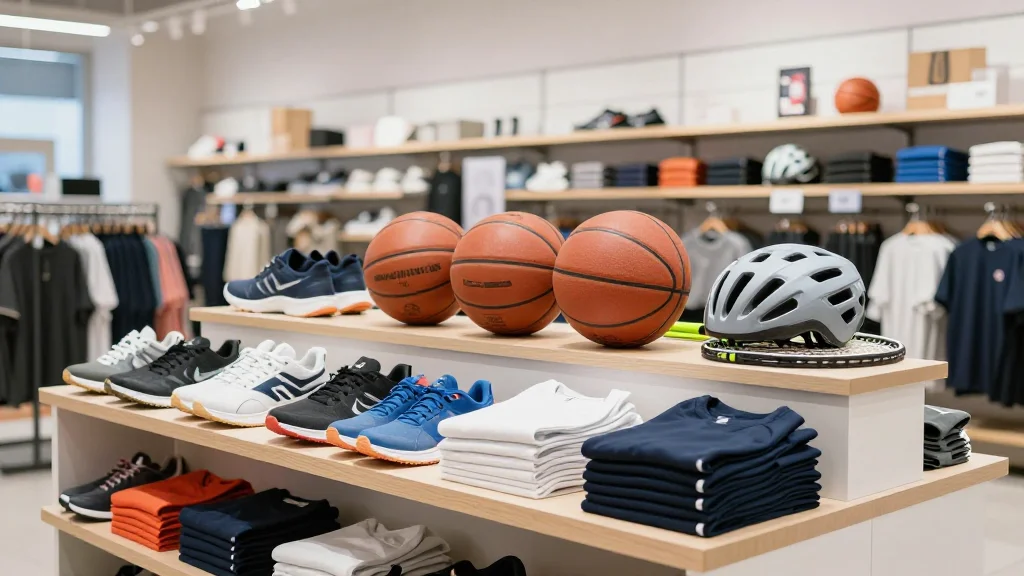
Survey: Consumers Favor Multi-Brand Retailing for Sporting Goods Purchases
Companies Mentioned
Why It Matters
Multi‑brand retailers gain a competitive edge by meeting consumer demand for choice and in‑store experience, reshaping how sporting‑goods chains allocate shelf space and invest in physical locations.
Key Takeaways
- •79% prefer multi‑brand stores for sporting‑goods equipment
- •70% choose multi‑brand retailers for apparel and footwear
- •Consumers value in‑store brand variety and price comparison
- •Physical stores remain crucial for hands‑on product evaluation
- •Local retailers earn high satisfaction, supporting community ties
Pulse Analysis
The NSGA’s Shopper Playbook Study highlights a decisive shift in consumer behavior toward multi‑brand sporting‑goods retailers. While e‑commerce continues to grow, shoppers still prioritize the ability to compare multiple brands side‑by‑side, a factor that 59% of respondents identified as the primary reason for preferring multi‑brand stores. This preference aligns with broader retail trends where choice and convenience drive foot traffic, prompting chains to expand their brand portfolios and redesign floor plans to showcase a wider assortment of equipment, apparel, and footwear.
Physical retail’s relevance is reinforced by the survey’s finding that 80% of consumers are "Very Satisfied" with local store service, citing hands‑on product evaluation as essential for high‑involvement purchases like bikes, skis, and hockey gear. The tactile experience—testing fit, feel, and performance—cannot be fully replicated online, giving brick‑and‑mortar locations a strategic advantage. Moreover, community connections fostered by local retailers enhance brand loyalty, as shoppers appreciate the convenience of nearby stores and the support they provide for equipment repairs and team outfitting.
For retailers, the data signals a need to double down on multi‑brand inventory strategies while integrating omnichannel capabilities. Stocking a diverse mix of national and niche brands can attract a broader customer base, but it also requires sophisticated inventory management and staff training to guide comparisons. Investing in experiential store elements—demo zones, fitting areas, and knowledgeable associates—will further differentiate physical locations. As the market evolves, retailers that blend extensive brand selection with a compelling in‑store experience are poised to capture higher spend and sustain growth in a competitive sporting‑goods landscape.
Survey: Consumers Favor Multi-Brand Retailing for Sporting Goods Purchases
Comments
Want to join the conversation?
Loading comments...