WNBA Free Agency Tracker: Welcome to the Million-Dollar Era
Companies Mentioned

Los Angeles Sparks
Why It Matters
These contracts signal a major revenue and visibility boost for the WNBA, aligning player compensation with the league’s growing commercial appeal. The higher salaries also set a new benchmark for gender equity in professional sports.
Key Takeaways
- •Jackie Young signs first seven‑figure annual WNBA salary
- •Nneka Ogwumike expected to earn $1.19 million with LA Sparks
- •New CBA raises supermax ceiling to $1.4 million (20% cap)
- •Core‑designated players can secure one‑year supermax deals
- •Teams may still negotiate below supermax, as seen with Ogunbowale
Pulse Analysis
The latest wave of free‑agency signings marks a watershed moment for the WNBA, driven by a revised collective bargaining agreement that expands the salary‑cap share for elite talent. By increasing the supermax limit to $1.4 million—20% of the overall cap—the league has created a financial structure that can sustain multi‑year, high‑value contracts. This shift reflects both rising league revenues and a strategic push to retain star players, ensuring competitive balance and fan engagement across markets.
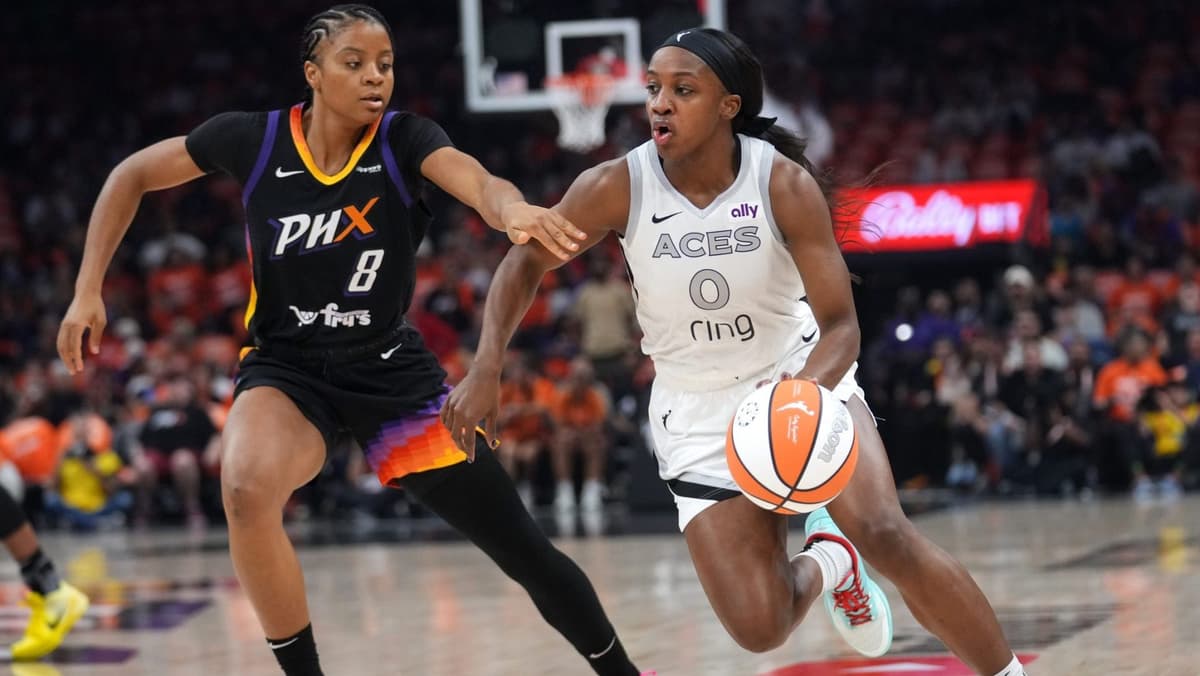
marquee deals underscore the new era. Jackie Young’s historic seven‑figure contract with the Las Vegas Aces sets a precedent, while Nneka Ogwumike’s anticipated $1.19 million return to the Los Angeles Sparks demonstrates that veteran leadership now commands top‑tier compensation. Core‑designated athletes such as Kelsey Mitchell and Sabrina Ionescu are already leveraging the one‑year supermax provision, though teams retain flexibility to negotiate below the ceiling, as seen with Arike Ogunbowale’s two‑year deal. These dynamics give players greater bargaining power and incentivize teams to invest in long‑term roster stability.
Beyond individual salaries, the million‑dollar contracts signal broader commercial growth. Higher player earnings attract sponsorships, boost broadcast valuations, and enhance the league’s appeal to advertisers seeking gender‑equity narratives. As the WNBA continues to expand its fan base and secure international media rights, the elevated payrolls are likely to be offset by increased ticket sales, merchandise, and digital content revenue. The upcoming free‑agency period will test how quickly other franchises can match these offers, shaping the league’s financial trajectory for years to come.
WNBA Free Agency Tracker: Welcome to the Million-Dollar Era


















Comments
Want to join the conversation?
Loading comments...