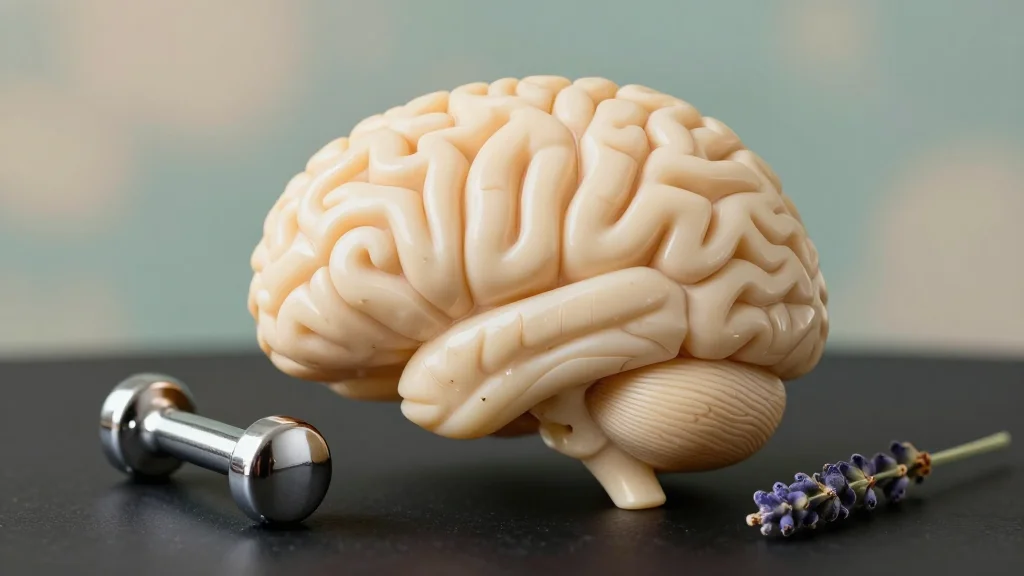
Meta-Analysis Shows Chronic Stress Reshapes Brain, New Book Proposes Reversal Blueprint

Why It Matters
Understanding that chronic stress physically remodels brain regions tied to motivation reframes the conversation from purely psychological to neurobiological. For employers, the findings suggest that investing in brain‑fitness programs could mitigate costly productivity losses. For individuals, the book offers a concrete, science‑backed pathway to reclaim focus, resilience and a sense of agency, shifting the narrative from coping with stress to actively reversing its neural imprint. The research also fuels a growing market for neuro‑tech solutions that promise measurable improvements in cognitive performance. As motivation drives learning, creativity and economic output, tools that can restore or enhance it have implications across education, corporate training and healthcare policy.
Key Takeaways
- •Meta‑analysis confirms chronic stress causes grey‑matter atrophy in the prefrontal cortex, a hub for motivation.
- •Authors claim brain‑training, mindfulness and neurofeedback can reverse stress‑induced neural loss.
- •Book *Brain Fitness Blueprint* provides a 30‑day action plan blending ancient practices with modern tech.
- •Press release cites billions in annual U.S. productivity losses linked to untreated chronic stress.
- •Upcoming 2026 clinical trial will test the blueprint’s impact on motivation and workplace performance.
Pulse Analysis
The convergence of neuroscience and self‑help literature marks a pivotal moment for the motivation sector. Historically, motivation research has been dominated by psychological theories—self‑determination, expectancy‑value, and goal‑setting—while the underlying neurobiology was treated as a peripheral concern. This new meta‑analysis forces a re‑evaluation: if chronic stress physically degrades the neural substrates of drive, then interventions must address the brain directly, not just mindset.
The market response is already evident. Companies like BrainTap, founded by Dr. Porter, are positioning neurofeedback devices as essential tools for corporate wellness, promising ROI through reduced absenteeism and higher engagement scores. Simultaneously, traditional mindfulness apps are integrating biofeedback metrics to differentiate themselves. The book’s hybrid approach—melding ancient wisdom with EEG‑driven training—could set a template for future products that blend evidence‑based neuroscience with accessible habit‑forming frameworks.
Looking ahead, the upcoming clinical trial will be a litmus test for the commercial viability of brain‑fitness programs. Positive results could catalyze insurance coverage for neuro‑training, spur employer‑sponsored subscriptions, and attract venture capital to a nascent ecosystem of brain‑health startups. Conversely, if efficacy remains modest, the sector may revert to more conventional, psychology‑centric motivation solutions. Either way, the dialogue sparked by this research is likely to shape how individuals and organizations think about motivation, health and performance for years to come.
Meta-Analysis Shows Chronic Stress Reshapes Brain, New Book Proposes Reversal Blueprint
Comments
Want to join the conversation?
Loading comments...