
Chitosan Nanoparticles Could Make Vaccines More Stable, Mucosal, and Needle-Free
A recent npj Vaccines review highlights chitosan‑based nanoparticles as a promising platform to stabilize fragile antigens, enable needle‑free administration, and boost mucosal immunity. By tweaking molecular weight, deacetylation and cross‑linking, researchers can tailor solubility, charge and degradation rates for optimal delivery. Preclinical data show spray‑dried chitosan powders retain potency for up to three months at 60 °C, suggesting reduced cold‑chain reliance. However, no chitosan nanovaccine has secured regulatory approval, with safety, stability and GMP‑grade material consistency still under scrutiny.

Cellulose Nanofibril Binder Helps Build Cleaner, Higher-Capacity Lithium Batteries
Researchers reported a charge‑engineered cellulose nanofibril (c‑CNF) binder that replaces fluorinated PVDF and toxic NMP solvent in lithium‑ion battery electrodes. The c‑CNF binder forms a nanofibrous, hydrogen‑bonded network that improves slurry stability, mechanical integrity, and lithium‑ion transport. Using ethylene glycol...
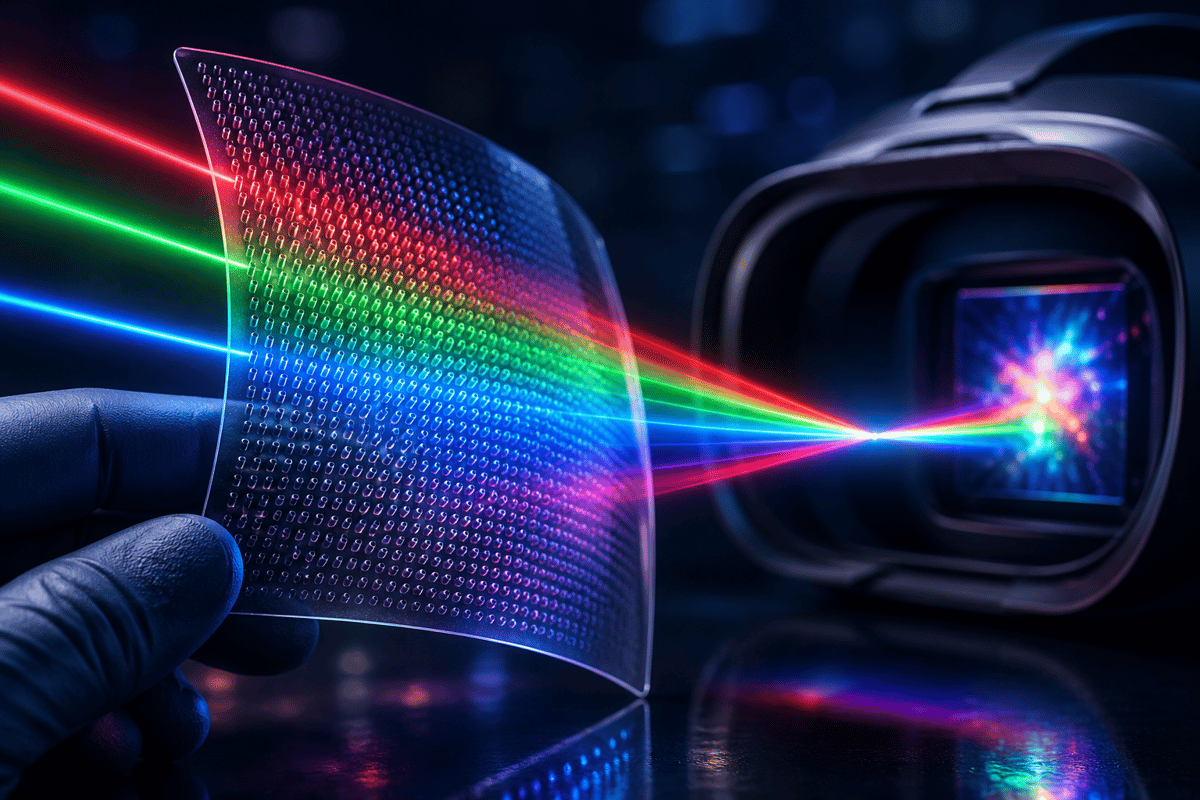
Printable 3D Metalenses Bring Full-Colour VR Displays Closer to Scalable Nanomanufacturing
Researchers published a scalable method for three‑dimensional achromatic metalenses using grayscale electron‑beam lithography combined with nanoimprint replication. Height‑encoded nano‑templates provide precise multi‑wavelength phase control, achieving diffraction‑limited focusing across RGB with Strehl ratios above 0.8 and efficiencies near 12 %. The process...
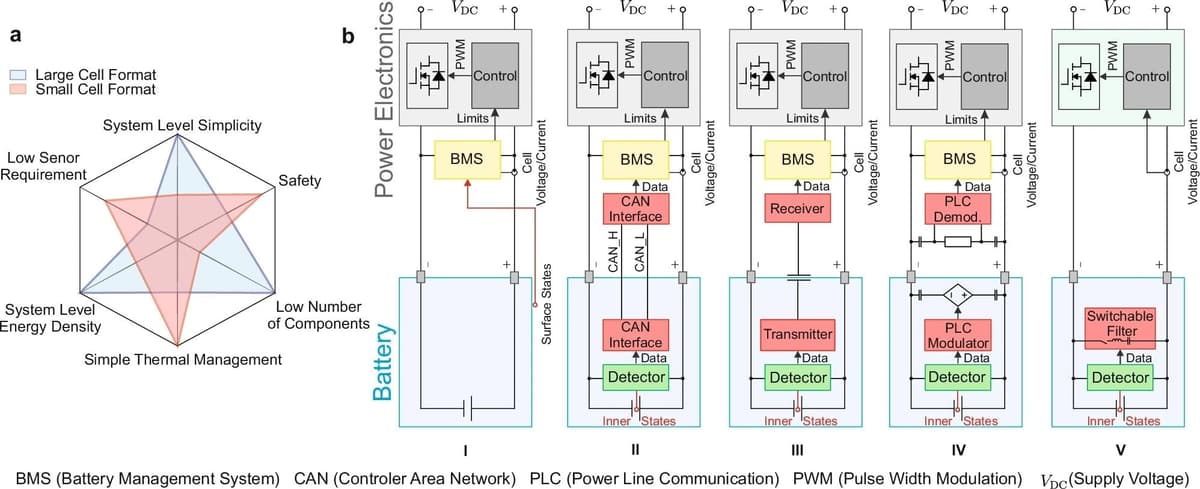
Talkative Battery Opens Door to Nano-Enabled Cell Sensing for Safer Energy Storage
Researchers demonstrated that lithium‑ion cells can transmit temperature data by modulating the ripple generated by power converters, a technique called load‑shift keying (LSK). By attaching a switchable LC resonant circuit to the battery terminals, the system encodes sensor readings onto...
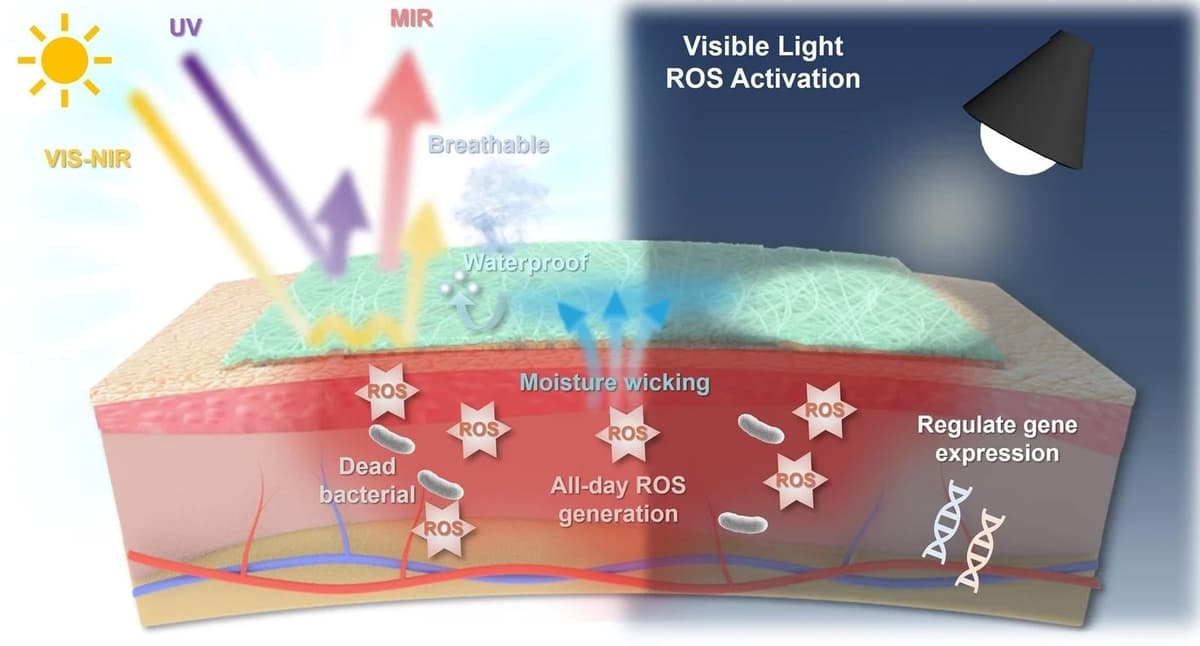
Nanofiber Bionic Skin Helps Infected Wounds Heal Faster in Preclinical Study
Researchers have engineered a Janus nanofiber dressing that mimics human skin, provides passive radiative cooling, and generates visible-light‑triggered reactive oxygen species for antibacterial action. The solvent‑welded PVDF nanofiber membrane achieves 21.6 MPa strength and 54% elongation, while iron‑doped ZIFs deliver a...

Nanoparticles Boost Delivery of Lung Cancer Drugs 30-Fold
Researchers at the University of Adelaide have created a hybrid lipid‑polymer nanoparticle that can ferry lung‑cancer drugs directly to tumor sites, increasing bioavailability by more than 30‑fold. The delivery vehicle keeps the drug in circulation longer and diverts it away...
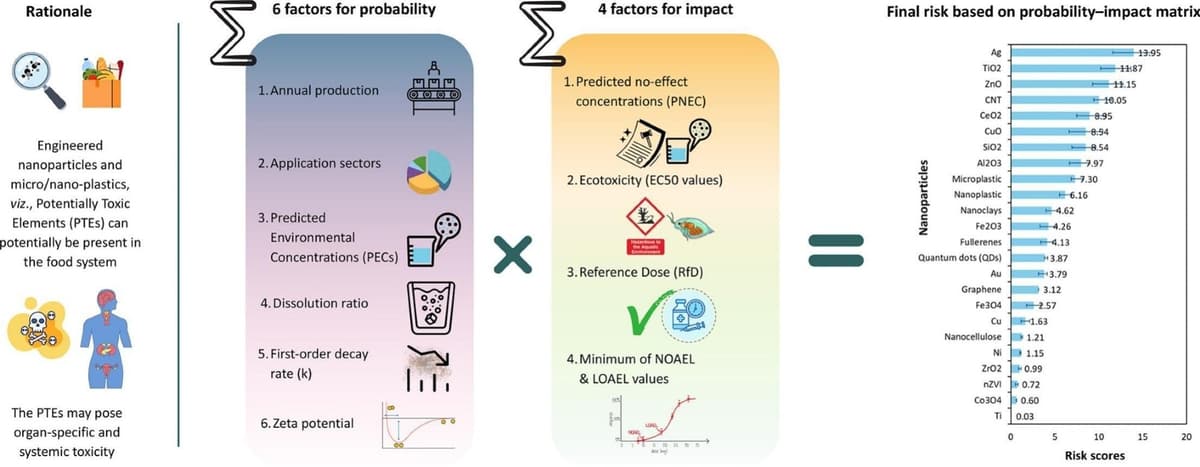
New Framework Reveals Which Food-System Nanoparticles Need Closer Safety Checks
Researchers have introduced a semi‑quantitative probability‑impact framework to rank engineered nanoparticles and micro/nanoplastics by their potential human‑health hazards from dietary exposure. The model combines six exposure factors—production volume, application breadth, predicted environmental concentrations, dissolution, persistence, and surface reactivity—with four toxicity...

How AI and Nanotechnology Can Fix America’s Manufacturing Skills Gap
A new framework published in The Educational Review proposes a multi‑layered curriculum that fuses artificial intelligence, nanotechnology, and MEMS to close the U.S. manufacturing skills gap, especially in semiconductor and advanced sensor production. The model spans K‑12 awareness, community‑college technician...

AI-Driven Nanotweezers Bring Milk Vesicle Analysis Into Sharper Focus
Researchers unveiled an electrohydrodynamic nanotweezer platform that combines AI‑driven image analysis with label‑free interferometric scattering microscopy to trap, size and sort milk‑derived extracellular vesicles (EVs). The system immobilizes thousands of vesicles in seconds, extracts diffusion‑based size estimates, and infers refractive...
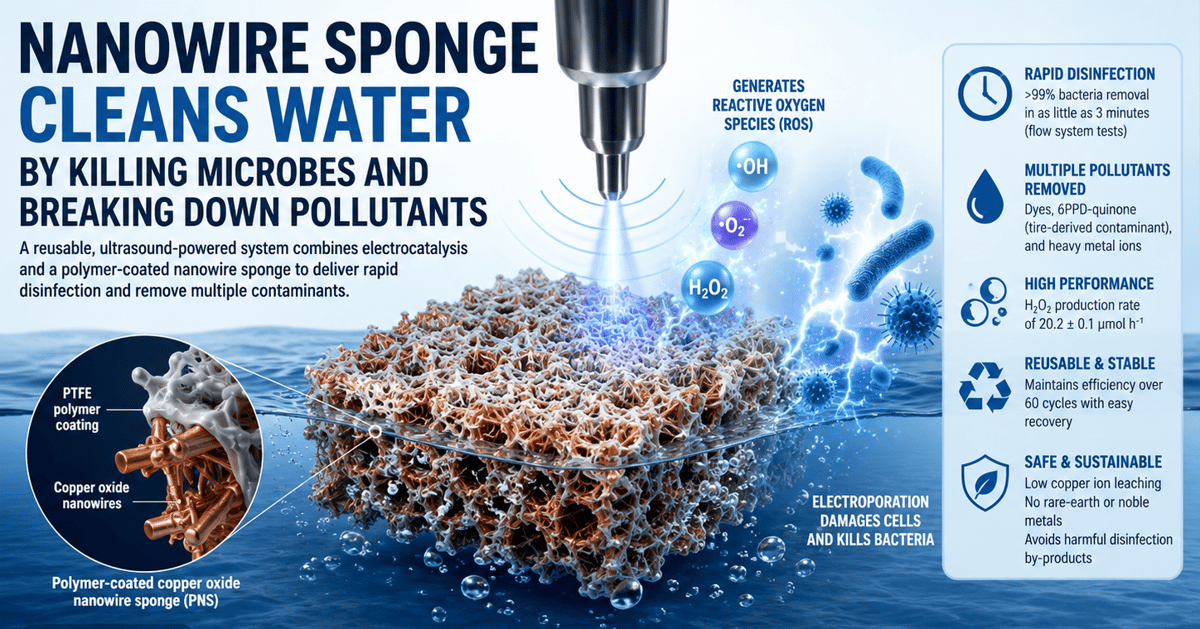
Nanowire Sponge Cleans Water by Killing Microbes and Breaking Down Pollutants
Researchers reported a polymer‑coated nanowire sponge that, when activated by ultrasound, triggers contact electrocatalysis to produce reactive oxygen species. The system achieved over 99% bacterial disinfection in just three minutes while simultaneously breaking down stubborn micropollutants such as 6PPD‑quinone and...

How Nanotechnology Could Solve Dermatology’s Biggest Delivery Problem
A recent narrative review in Health Science Reports evaluated 128 preclinical and early‑clinical studies on nanotechnology in dermatology, highlighting the promise of metallic, polymeric, and lipid‑based nanocarriers for improved drug delivery, photoprotection, and barrier repair. While titanium dioxide and zinc...
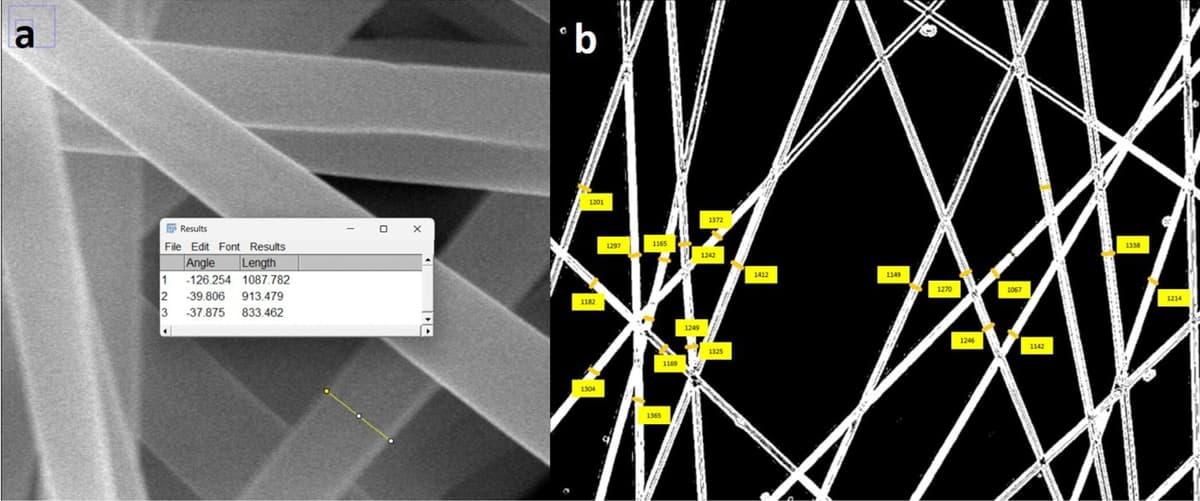
AI Helps Researchers Measure Nanofibers Beyond Diameter Alone
Researchers reviewing AI‑driven image analysis in ACS Omega show that deep‑learning models now enable rapid, multiparameter measurement of electrospun nanofibers, surpassing manual and traditional software methods. The study highlights how convolutional networks, Mask R‑CNN and generative AI can deliver pixel‑level segmentation, accurate...

Nanomaterials Take Aim at the Biggest Barriers in Renewable Energy
A new roadmap published in Nano Futures outlines how nanomaterials and advanced electrochemical designs can break current performance limits in renewable‑energy conversion, targeting green hydrogen, electro‑fuels from CO₂, and low‑carbon ammonia. It details catalyst, membrane, interface and defect engineering strategies...
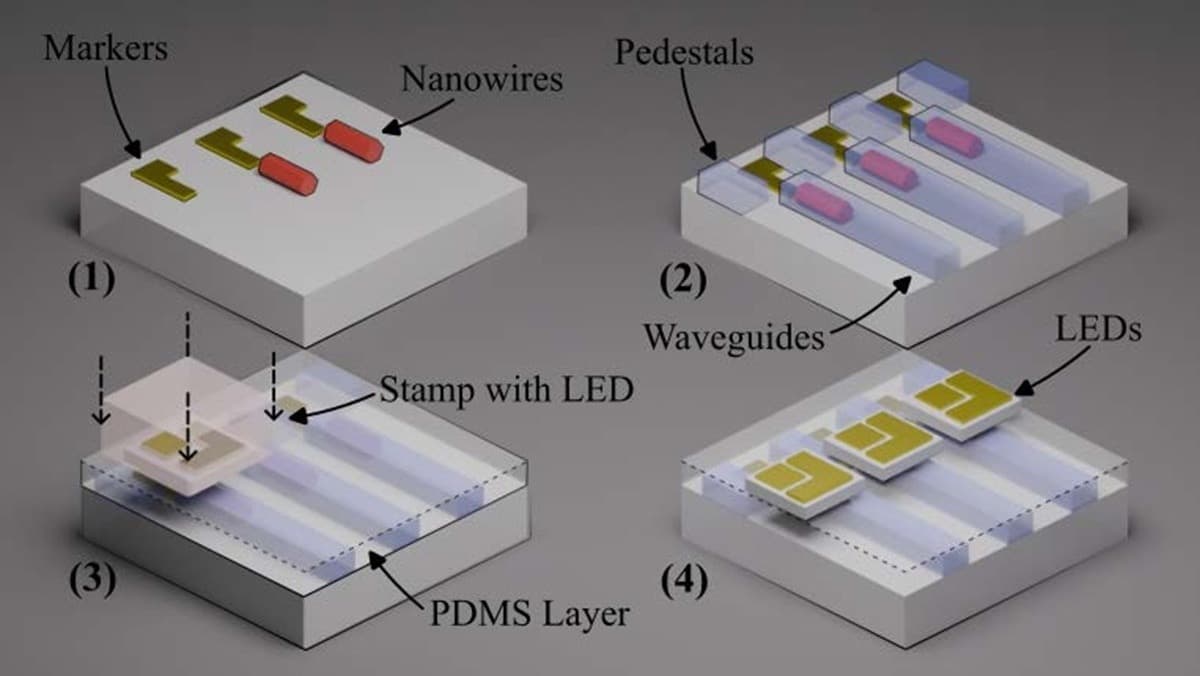
Micro-LEDs Light Up Nanowire Emitters for Chip-Scale Photonics
Researchers have demonstrated a transfer‑printing process that places micro‑LEDs directly atop indium‑phosphide nanowire emitters, creating a compact, electrically addressable photonic system. The integrated devices achieve small‑signal modulation in the tens‑of‑megahertz range at room temperature and deliver near‑infrared output around 860 nm....

Quantum Nanomedicine: How Tiny Materials Could Tackle Big Medical Challenges
A Perspective article in Advanced Science outlines the emerging field of quantum nanomedicine, which engineers quantum phenomena—such as coherence, spin polarization, and topological states—into nanomaterials to achieve highly precise therapeutic and diagnostic actions. The authors highlight quantum dots for light‑triggered...