
Artemis II Crew Visits the White House
On April 29 2026, the Artemis II crew and NASA chief Jared Isaacman were welcomed in the Oval Office by President Donald Trump. The meeting centered on the upcoming crewed lunar flyby, mission milestones, and the broader vision for America’s return to the Moon. Officials highlighted the integration of commercial partners and the timeline for a lunar landing under Artemis III. The White House visit underscored the administration’s public endorsement of NASA’s deep‑space agenda.
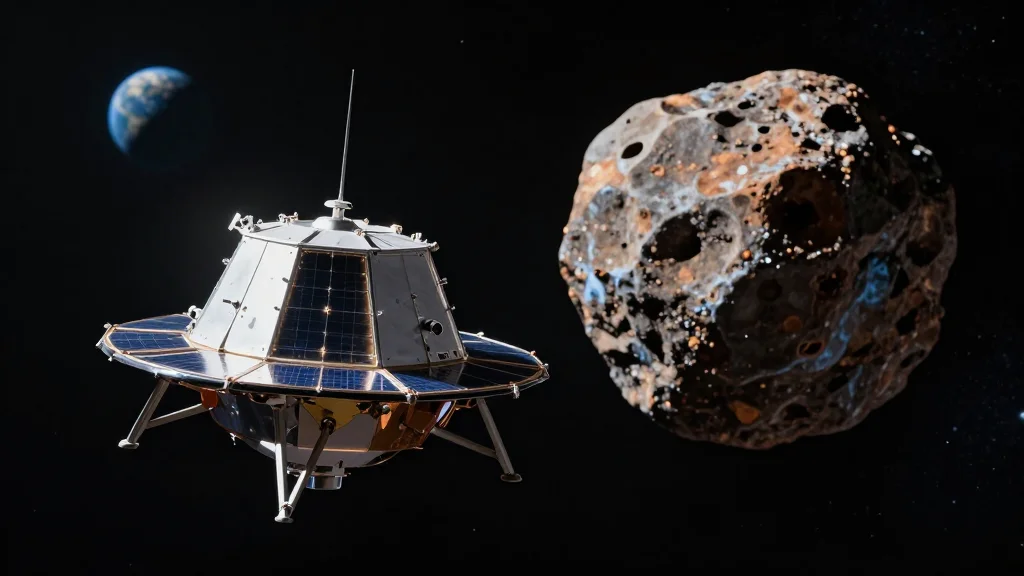
Asteroid Apophis: A Commercial Mission to Help Spur Interest in Planetary Defense
Exploration Labs is launching Apophis EX, the first commercial deep‑space rideshare mission, to study asteroid Apophis before its close approach in 2029. The venture is framed as a catalyst for planetary‑defense efforts, complementing multinational observation plans. Former NASA astronaut Edward Lu...

Report: Data Centers in Space – Key Takeaways
A new GAO Science & Tech Spotlight report examines the prospect of placing data‑processing and storage systems on satellites. Proponents argue space‑based data centers could slash the land, electricity, and water footprints of terrestrial facilities. However, the report flags formidable engineering...
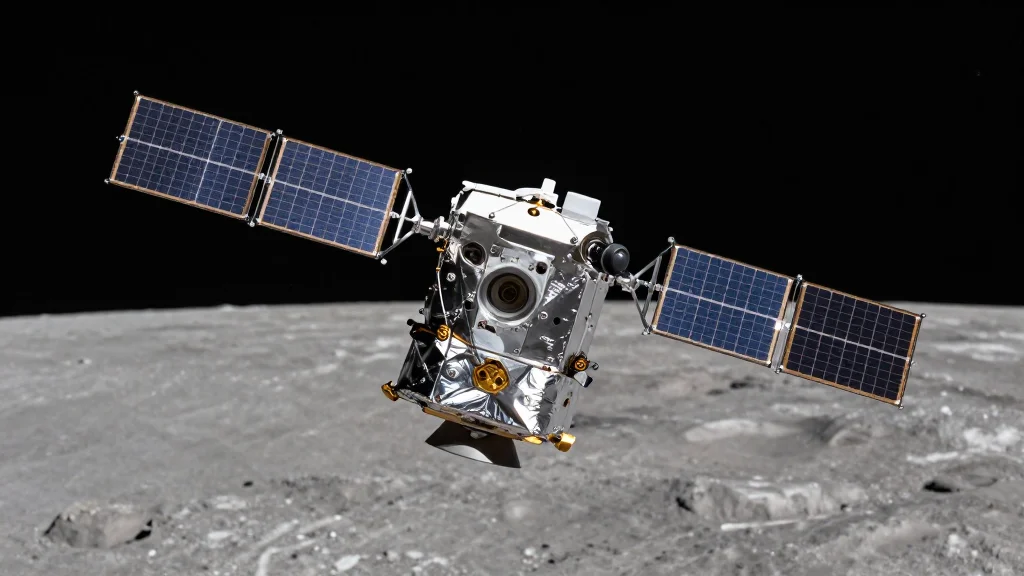
Cislunar Space: The Next Strait of Hormuz Situation?
The U.S. Space Force is launching a dedicated acquisition office to evaluate the cislunar region—space between Earth and the Moon—for warfighting and national‑security purposes. This move follows growing expert warnings that cislunar space could become a strategic chokepoint akin to...
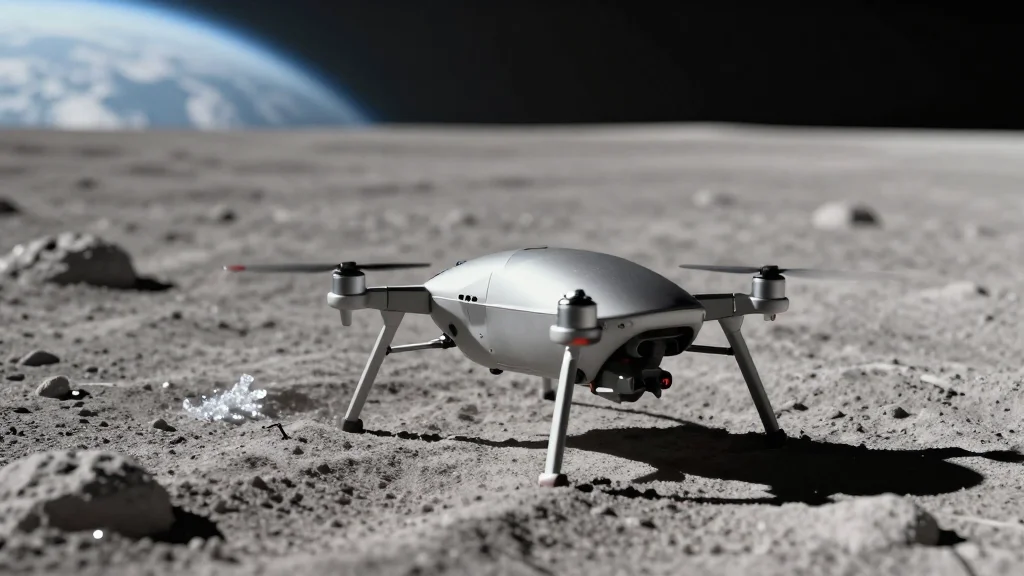
MoonFall: Hop To It for Future Artemis Lunar Landings
NASA’s Artemis program is adding a robotic precursor called MoonFall, which will launch four hopper drones to the Moon’s south‑pole region. The drones will map terrain, locate water‑ice and test autonomous navigation ahead of the first crewed landing slated for...
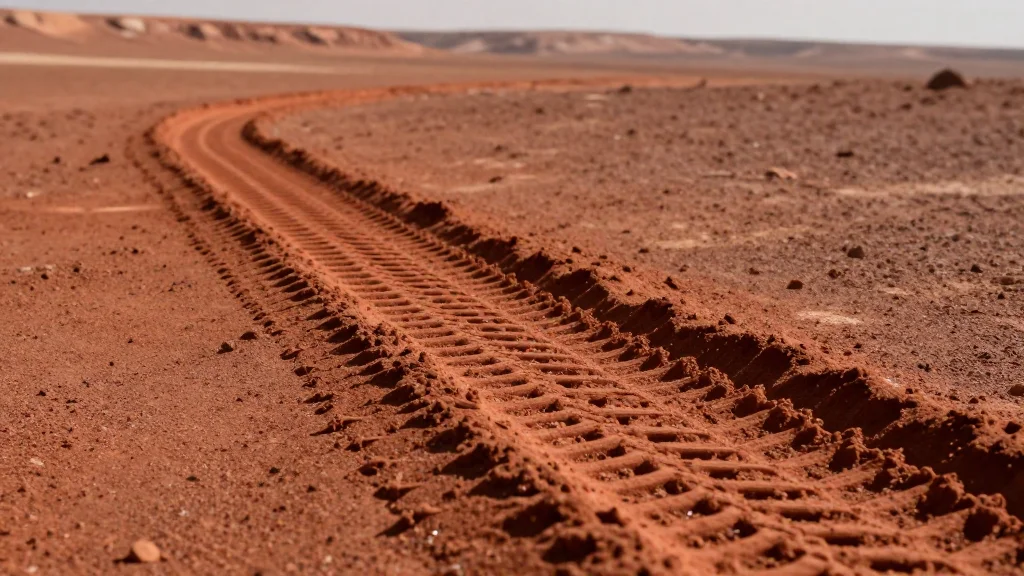
Perseverance Mars Rover: “Unexpected Scientific Observations”
NASA’s Perseverance rover, while traversing Jezero Crater, left fresh wheel tracks that revealed a patch of unusually moist‑looking soil. The observation was highlighted in a recent Mars Guy video, which notes that such accidental disturbances can expose hidden regolith features....
Curiosity Mars Rover: Life Associated Chemical Experiment Finding
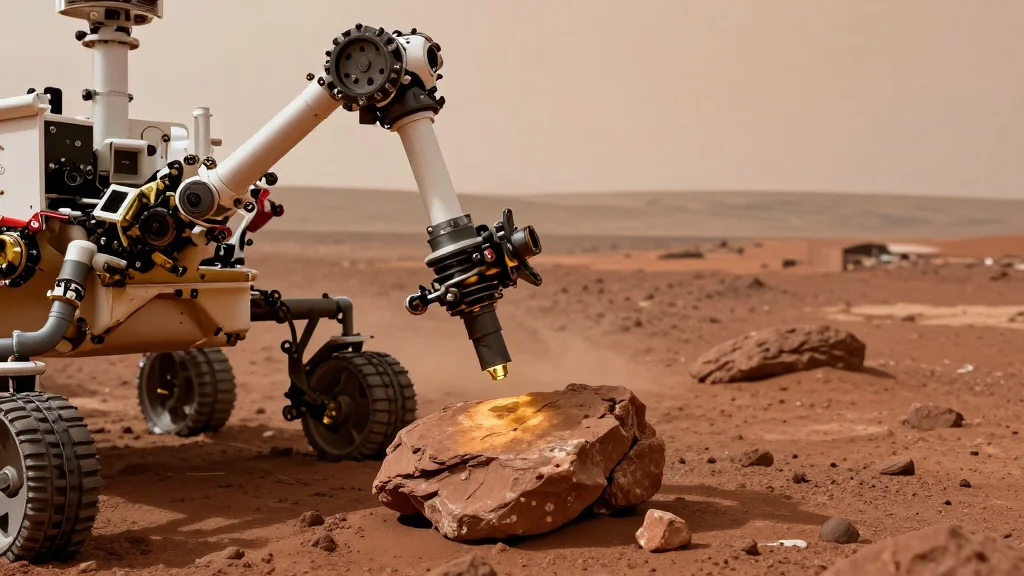
NASA’s Curiosity rover has identified more than 20 distinct organic molecules within clay‑bearing sandstones at Glen Torridon in Gale crater. The detection was made using the Sample Analysis at Mars (SAM) suite, which performed a novel chemical experiment never before conducted...
Sun Watching Worries – Predicting Troublesome Solar Events
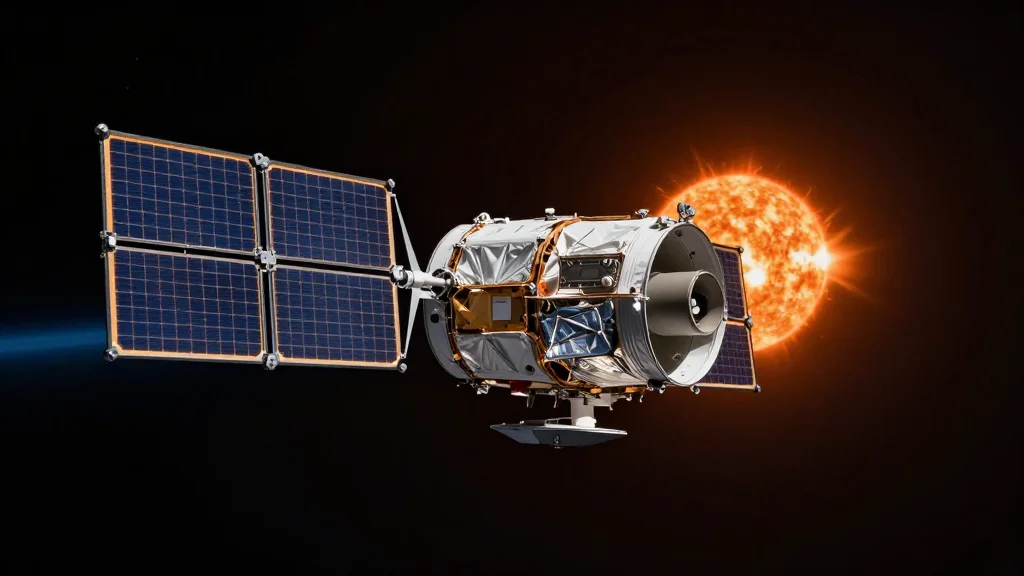
The Space Weather Prediction Center (SWPC) is intensifying its forecasting capabilities to better predict solar outbursts that threaten satellite communications, GPS, and power grids. NASA’s Artemis II mission relied on continuous solar monitoring to assess radiation risks for its crew during...
High Stakes: U.S. – China Moon Plans Detailed
The United States and China have unveiled detailed roadmaps to return astronauts to the Moon, reigniting a 21st‑century space race. NASA officials say the new Artemis schedule aims for a crewed landing by 2029, while U.S. lawmakers are pushing additional...
NASA’s Fiscal Year 2027: Thumbs Up…Thumbs Down?
The White House’s FY 2027 budget request proposes a 23% cut to NASA’s overall funding, slashing the agency’s budget to roughly $11 billion. Within that, the Science Mission Directorate would be reduced by 47%, dropping from $7.25 billion to about $3.9 billion. The Planetary...
Report: Trio of Science and Technology Trends – Orbital Debris Removal Flagged
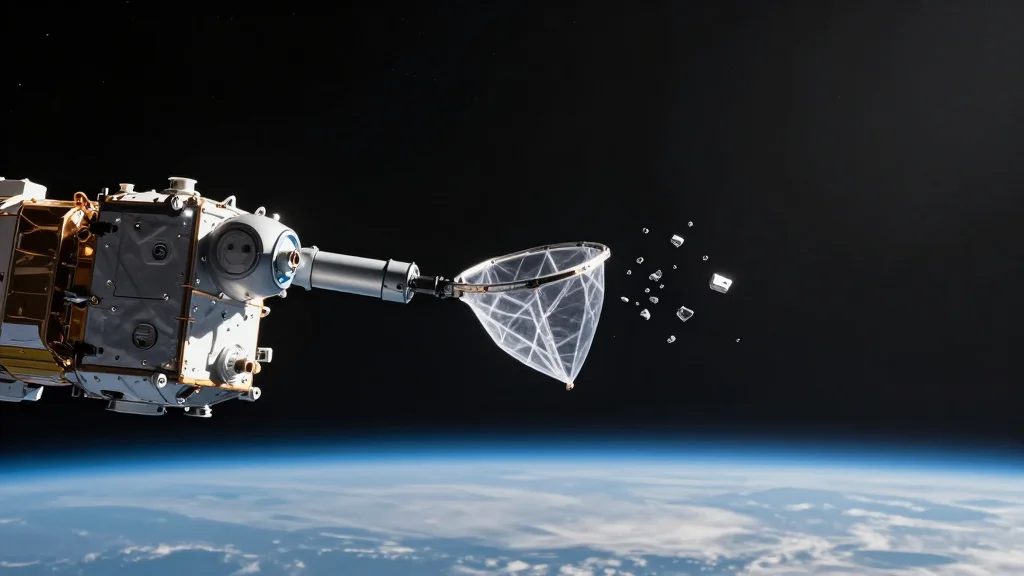
The U.S. Government Accountability Office’s latest report highlights orbital debris removal as one of three emerging science and technology trends poised to shape society over the next decade. It notes that more than 15,000 pieces of debris are currently tracked,...
National Geographic: Tour NASA’s New Ride to the Moon
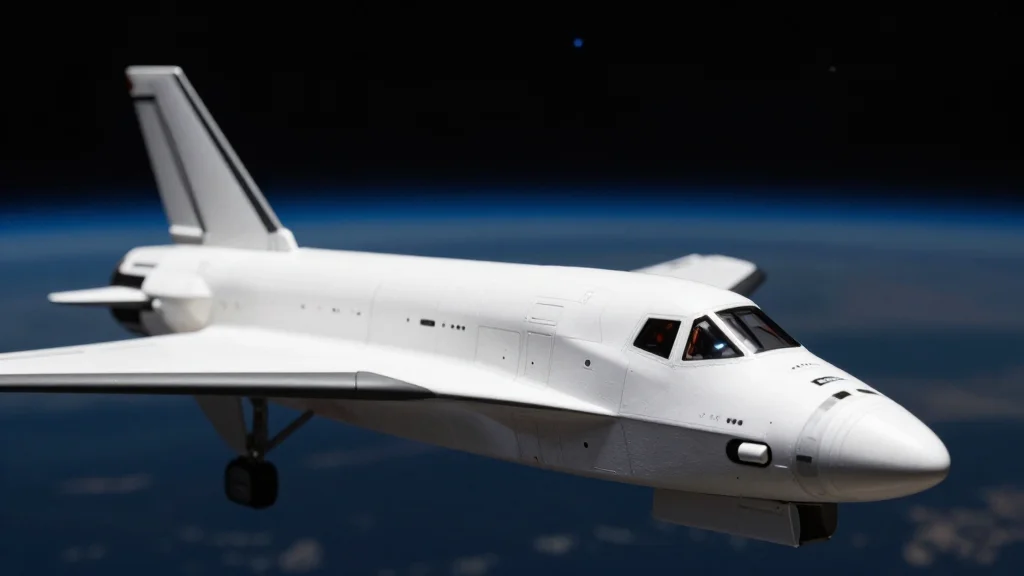
NASA’s Artemis II mission, the first crewed flight of the Orion spacecraft, is teaming with National Geographic to document the journey. The four astronauts will serve as photographers, videographers, and filmmakers, creating content for the magazine, social media, and a documentary....
Artemis II: Space Weather Forecasting, Monitoring the Sun’s Hazardous Conniptions
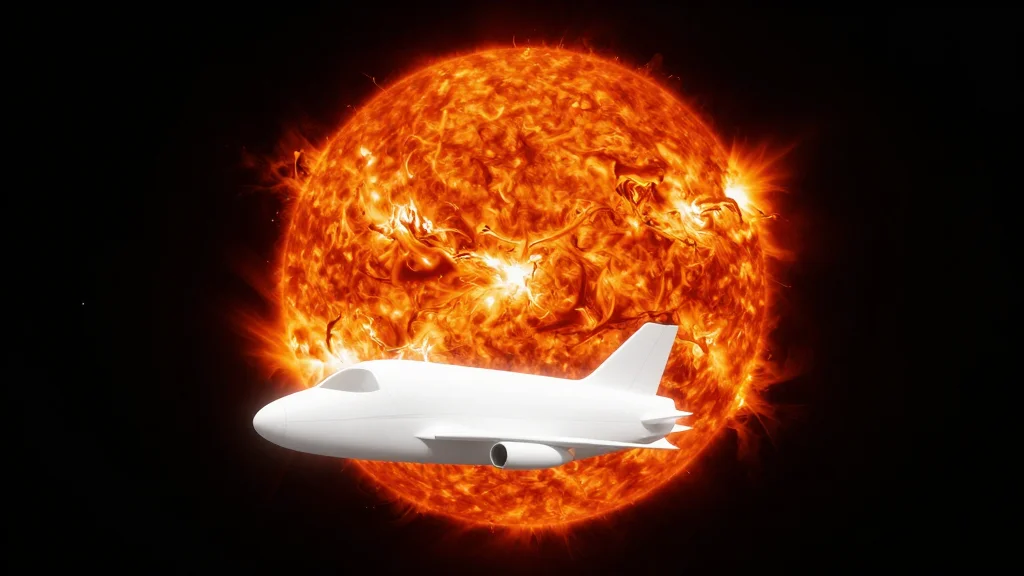
NASA’s Artemis II mission will carry astronauts beyond Earth’s magnetic shield on a ten‑day lunar flyby, the first human deep‑space flight since Apollo. A powerful solar flare captured by the Solar Dynamics Observatory on October 3, 2024 underscores the threat of space‑weather events....

Life: Here, There and Everywhere?
"Life Unearthed with Ariel Waldman" premieres on PBS on April 1, offering a sweeping look at Earth’s ecosystems from microscopic organisms to iconic megafauna. The series also ventures beyond our planet, probing the potential for life on icy moons such as...
Diary of the 12th Man on the Moon
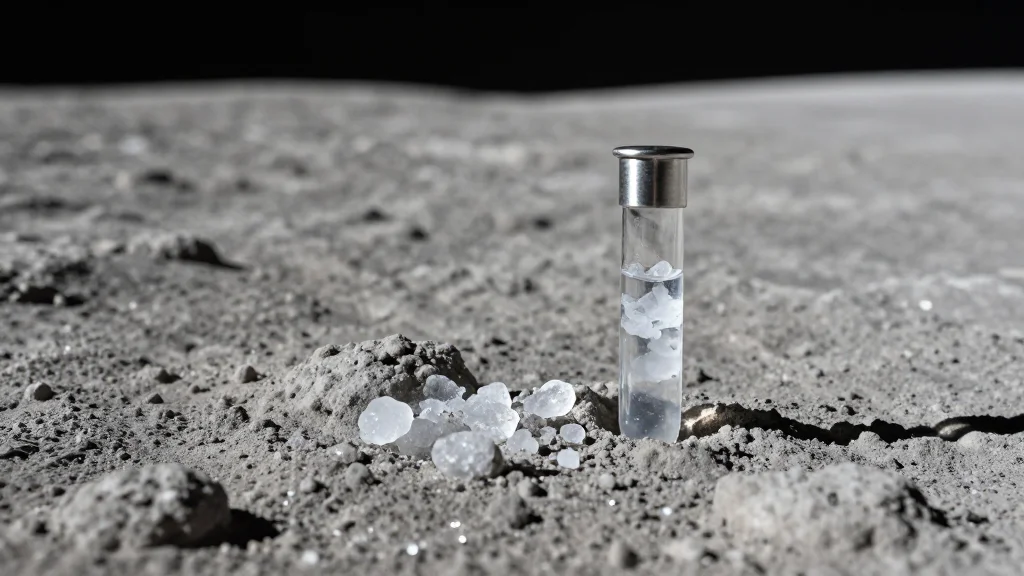
Former Apollo 17 lunar module pilot Harrison Schmitt has published a new chapter in his online “Diary of the 12th Man,” focusing on the origin of life. The section ties the geology of Taurus‑Littrow’s regolith to Earth’s water‑rich beginnings and references NASA’s...
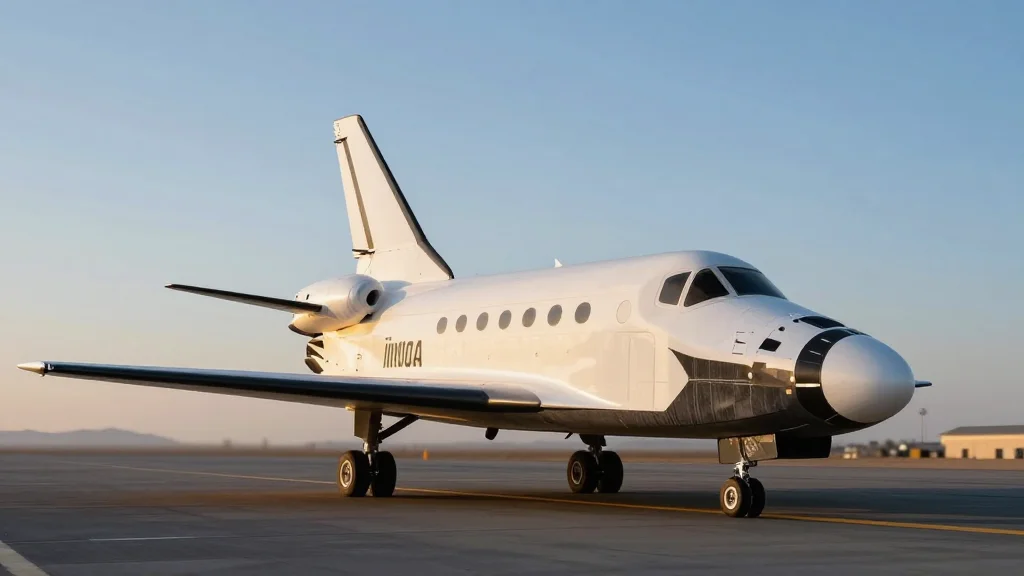
Noted Test Pilot of SpaceShipOne, Michael Melvill, Passed on March 19
Mike Melvill, the first commercial astronaut and test pilot of SpaceShipOne, died on March 19. He piloted the historic September 29, 2004 flight and the follow‑up October 4 mission that secured the Ansari X Prize for Burt Rutan’s team. Those flights...
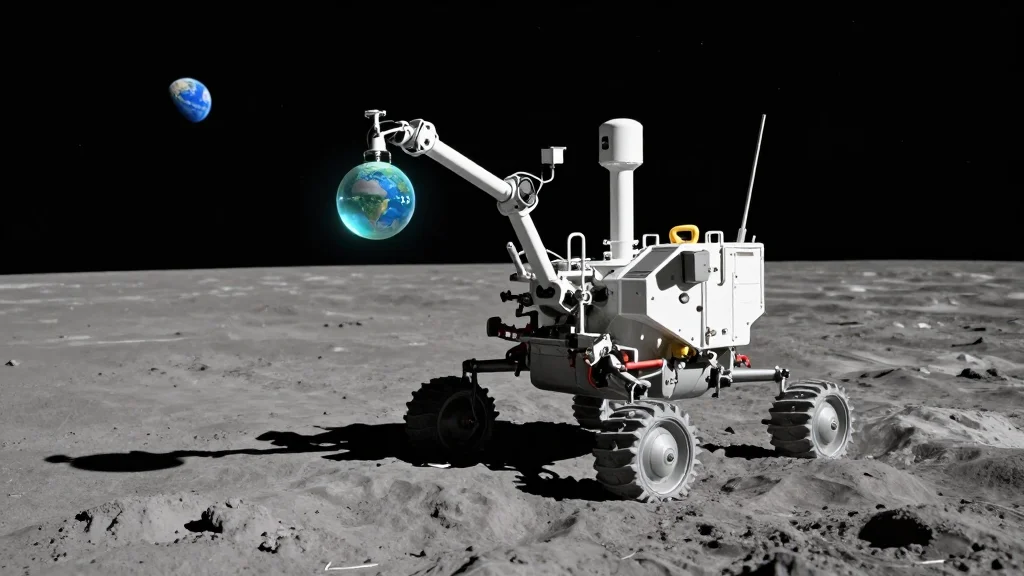
Helium-3 From the Moon: New U.S. Department of Energy Contract
Black Moon Energy Corp. has secured a contract with the U.S. Department of Energy’s Isotope Program to supply lunar Helium‑3, marking a pivotal step toward commercializing the isotope. The company plans to scale production within eight years and will conduct...
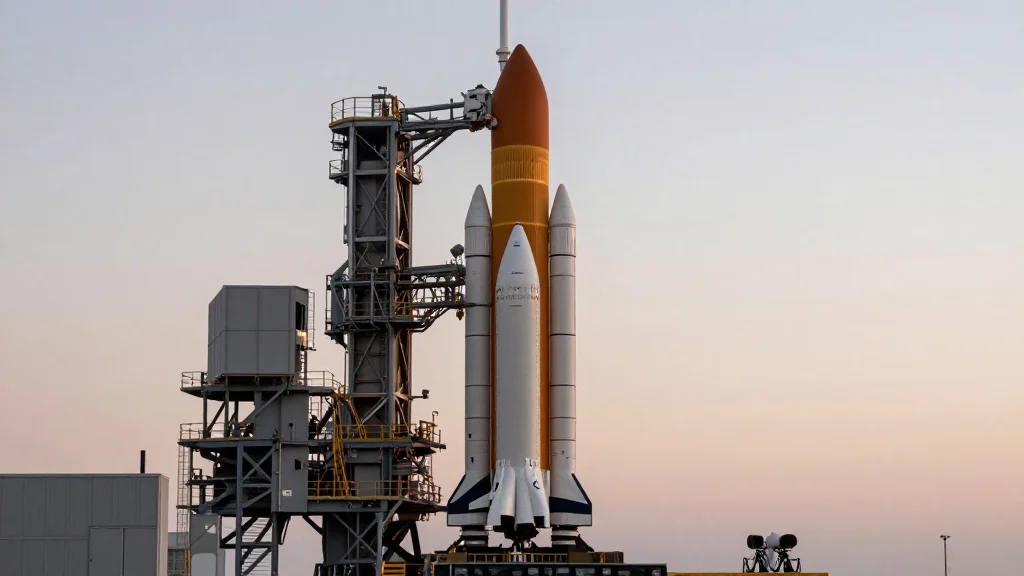
Artemis II Rollout Set, Crew Begins Quarantine
NASA plans to begin the Artemis II rollout at 8 p.m. EDT on March 19, moving the Space Launch System rocket and Orion capsule from the Vehicle Assembly Building to Launch Pad 39B via crawler‑transporter 2. The four‑mile journey may take up to 12 hours, after...
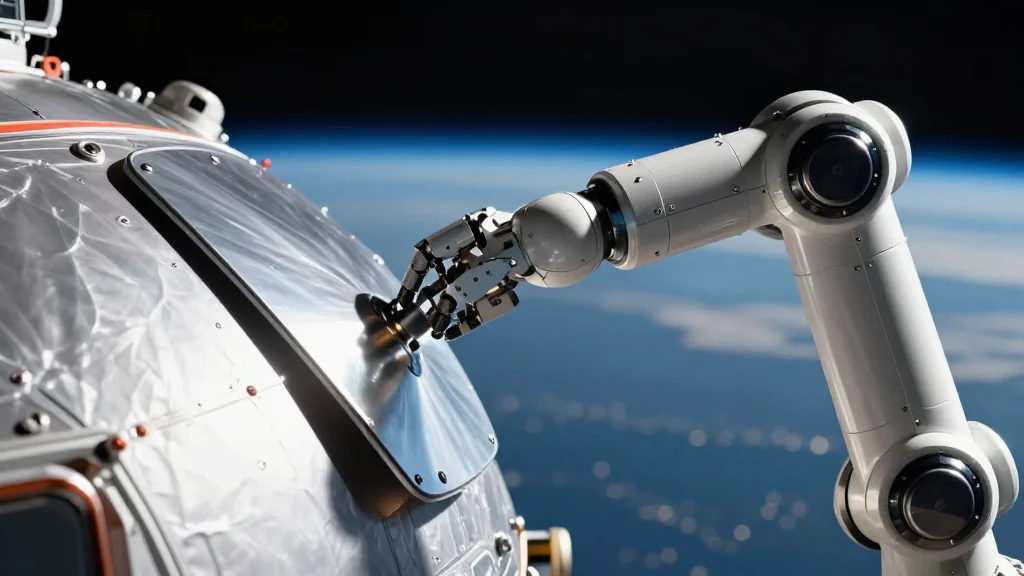
China Space Station Spacewalk: New Tasks Completed
China’s Shenzhou‑21 crew completed a second seven‑hour EVA, installing a new space‑debris protection device on the Tiangong station. Astronauts Zhang Lu and Wu Fei performed the walk with assistance from the station’s robotic arm and fellow crew member Zhang Hongzhan. The mission also...
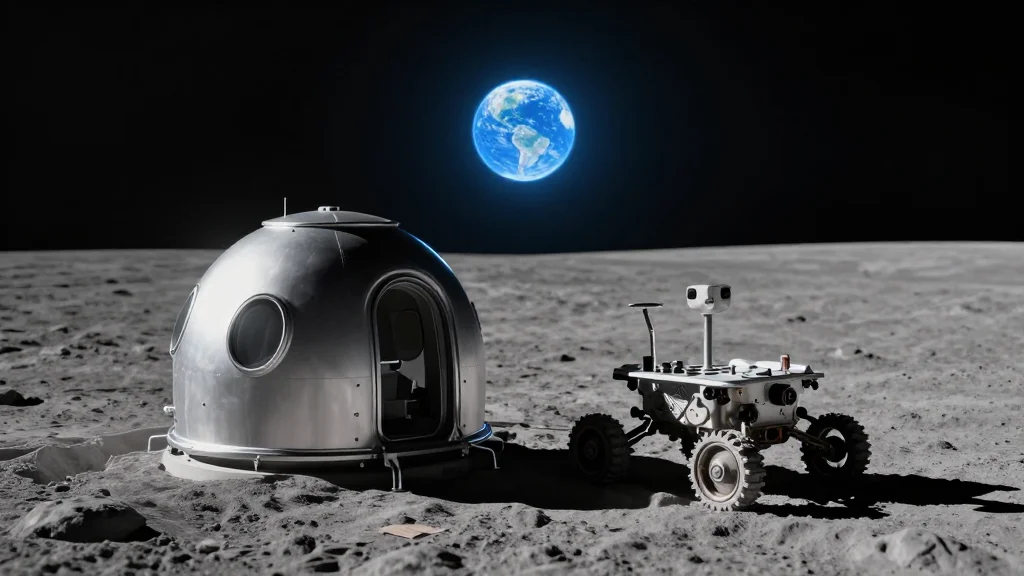
How To Build a Moon Base?
The United States and China are both racing to establish permanent, crewed lunar outposts, but their strategies diverge sharply. The U.S. is building on the Artemis program, leveraging commercial partners and the Lunar Gateway, while China is developing an International...

Space Travel: Gender Equality
NASA announced that its newest Astronaut Candidate Class is 60% female, marking the first time women outnumber men in a NASA cohort. The announcement coincided with International Women’s Day and underscores a broader shift toward gender parity in the space...
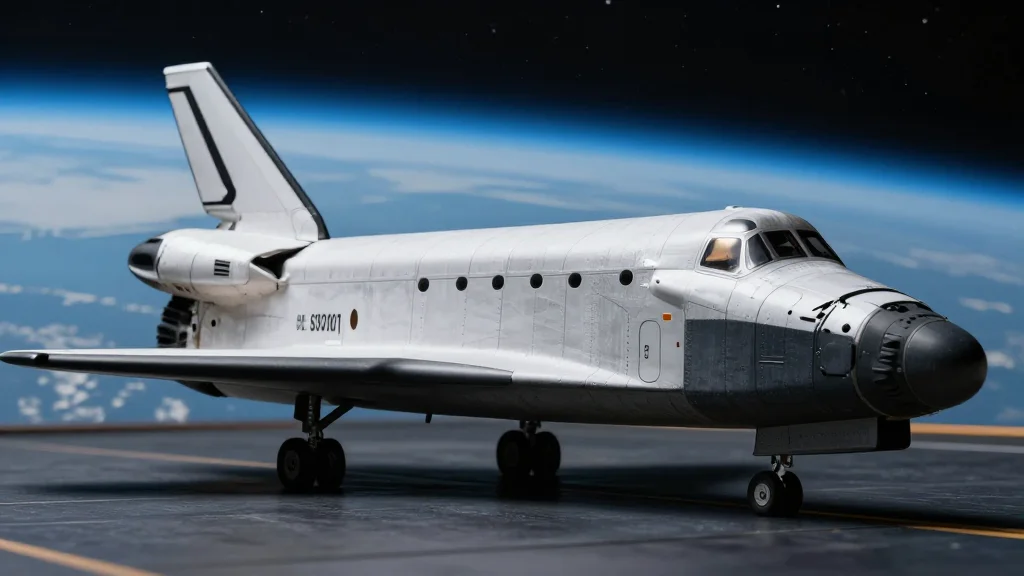
China Space Plane: What’s Up With Its Fourth Mission?
China’s reusable Shenlong space plane lifted off from Jiuquan on February 6 and is now on its fourth orbital mission, cruising at a 594 km circular orbit after thruster firings on February 9 and 12. The vehicle shows no evidence of deploying small...
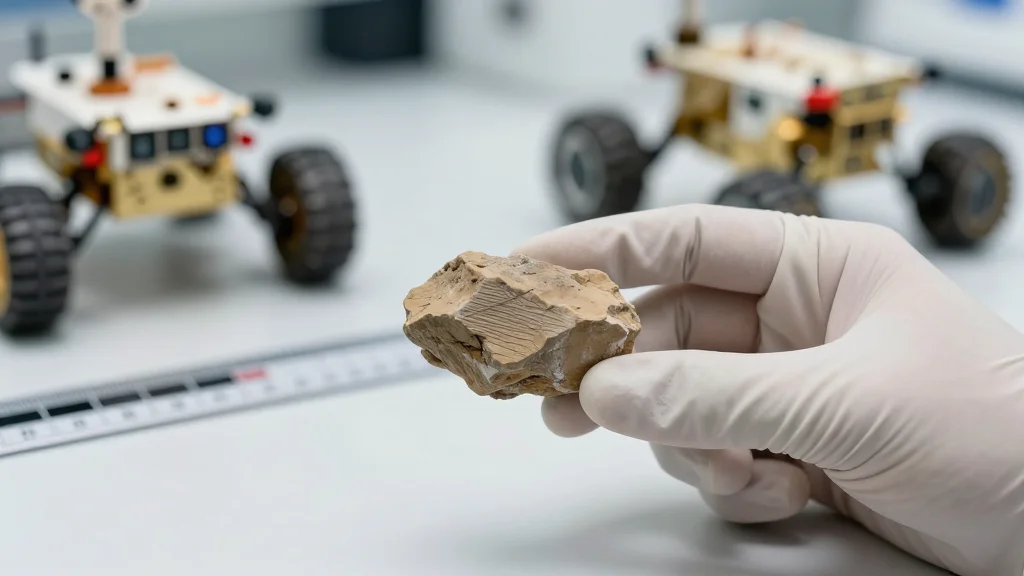
Curiosity Mars Rover: Unnatural Pattern Investigation
NASA’s Curiosity rover’s ChemCam system autonomously flagged a patch of tiny, evenly spaced parallel lines on a Martian boxwork outcrop. The pattern, described as “unnatural,” prompted the rover to target the feature for high‑resolution imaging and laser spectroscopy. Researchers are...

Ingenuity Mars Helicopter: “Unexpected Application”
NASA’s Ingenuity helicopter dramatically outperformed its original proof‑of‑concept flight test, proving autonomous aerial flight on Mars. Beyond its record‑setting flights, engineers have repurposed one of Ingenuity’s navigation processors to feed real‑time location data to the Perseverance rover at Jezero Crater....
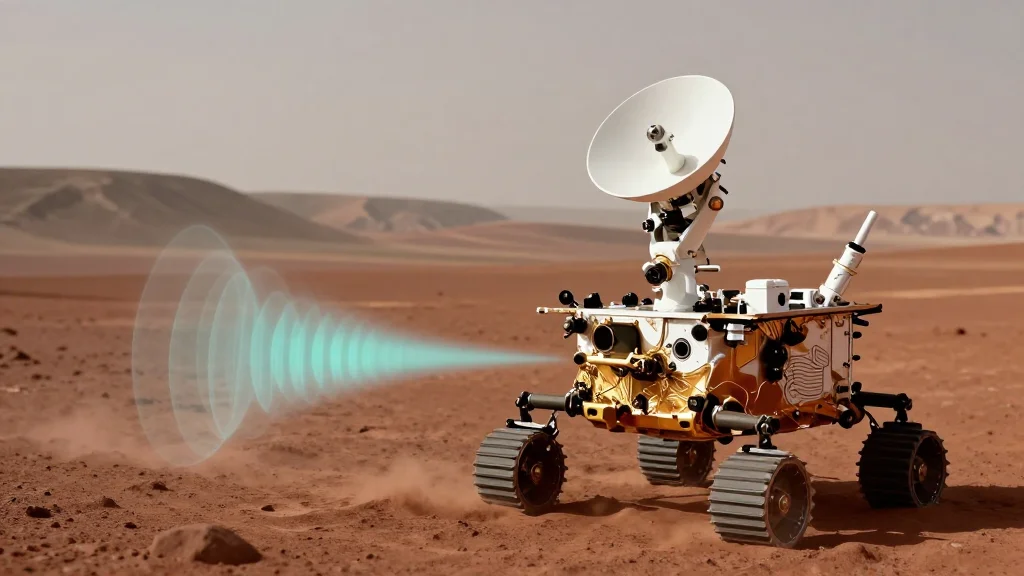
China’s Mars Rover: Radar Data Supports Shallow Subsurface Ice Find
China’s Tianwen‑1 mission deployed the Zhurong rover in Utopia Planitia, where its Mars Rover Penetrating Radar (RoPeR) identified a shallow subsurface ice layer about 7 m thick. The radar data fit a model of dirty ice mixed with stones sandwiched between two...
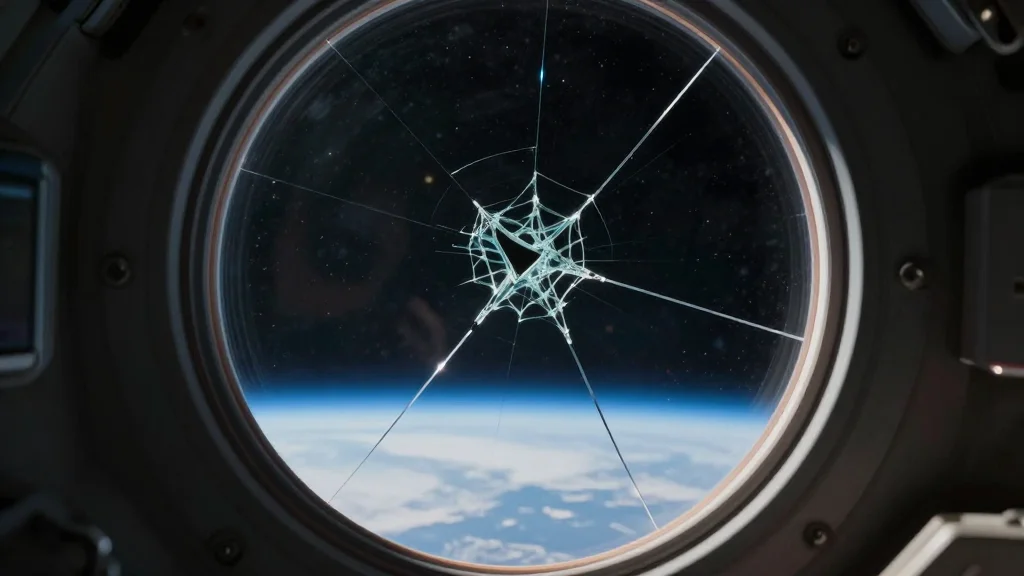
China’s Space Emergency: Crew Members Recount Debris-Damaged Return Capsule
China’s Shenzhou‑20 crew discovered a triangular crack on their return capsule’s viewport caused by orbital debris, forcing a delay of the planned 5 November landing. An emergency, uncrewed Shenzhou‑22 cargo mission was launched on 25 November to deliver repair tools and supplies...
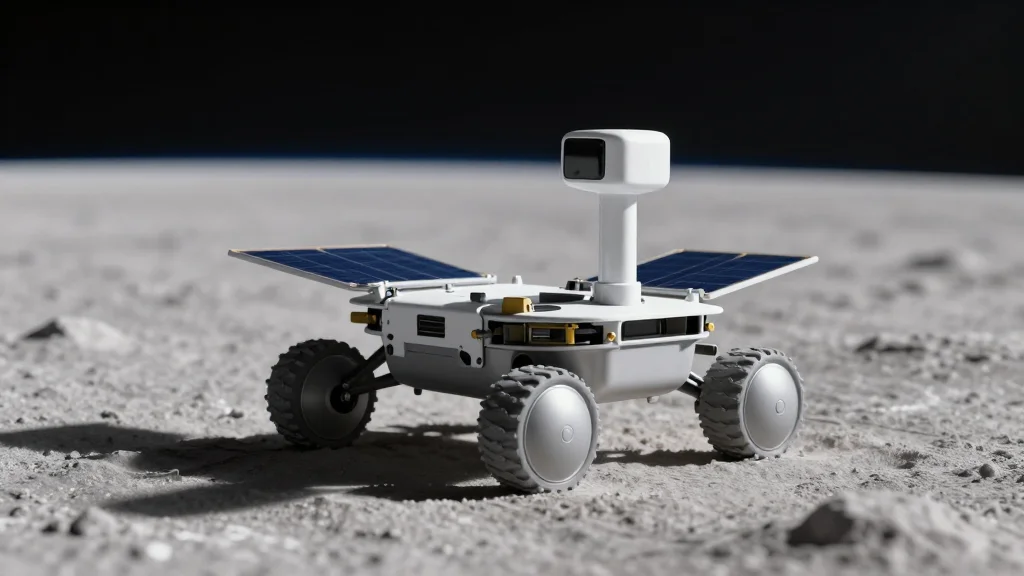
Video: “Drive Me To The Moon” – The Inside Story From Lunar Outpost
The documentary “Drive Me To The Moon” showcases Colorado‑based Lunar Outpost’s inaugural lunar mission, Lunar Voyage 1, and its Mobile Autonomous Prospecting Platform (MAPP) rover. The mission was compromised when Intuitive Machines’ Athena lander tipped onto its side on March 6 2025, preventing...
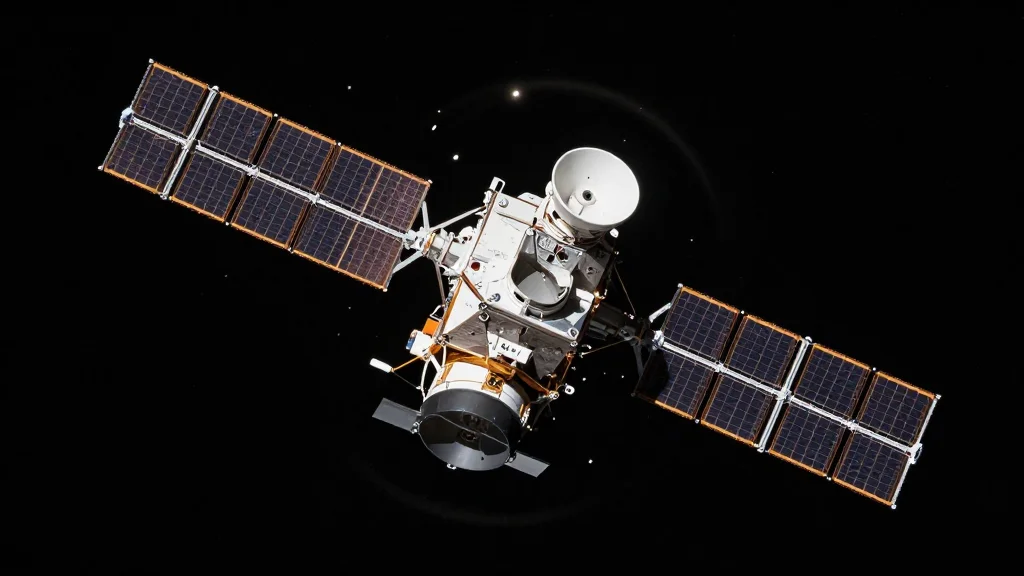
Report: Crowded Orbits – A Call to Action on Space Debris
The World Economic Forum and the Center for Space Futures released a report warning that orbital congestion has surged as commercial launches multiply, raising collision risk to 29% in certain altitude bands by 2032. The study, produced with the Saudi...

Heads Up! The Threat From Re-Entering Satellite Megaconstellations
A Canadian research team analyzed the atmospheric re‑entry of eleven satellite megaconstellations and found a collective 40% risk of ground casualties if any debris survives the burn‑up process. The study highlights that current models often assume complete disintegration, which may...
B612 Foundation: Communicating Asteroid Risks and Opportunities
The B612 Foundation, a Silicon Valley nonprofit founded in 2002, is dedicated to protecting Earth from asteroid impacts while advancing solar‑system science and space‑economy opportunities. It builds detection telescopes, data networks, and collaborates with agencies such as NASA and ESA...
China’s Rocket, Capsule, Escape Tower Test Advances Humans on the Moon Program (Updated with Video)
China’s Long March 10 booster performed its first prototype ignition flight on Feb. 11, 2026, carrying the uncrewed Mengzhou spacecraft. The test included a zero‑altitude abort‑escape maneuver and successful splash‑down of both the rocket’s first stage and the capsule. Conducted from a new...
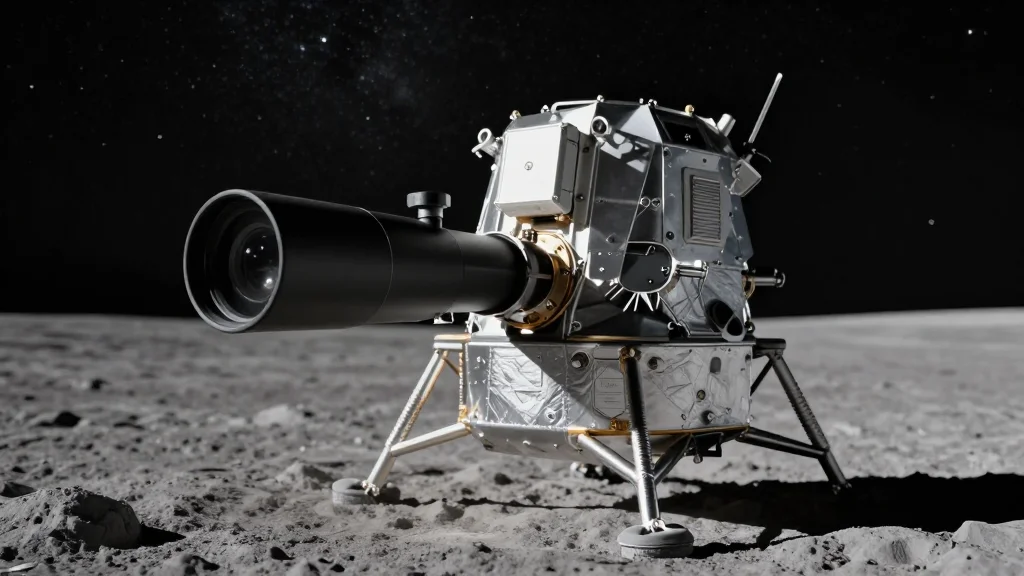
Passing of Steve Durst: “Galactically Aloha”
Steve Durst, founding director of the International Lunar Observatory Association (ILOA) and longtime publisher of Space Age Publishing, died in early February 2026. Durst was instrumental in fostering U.S.–China space collaboration, notably securing a wide‑field telescope (ILO‑C) as a payload...
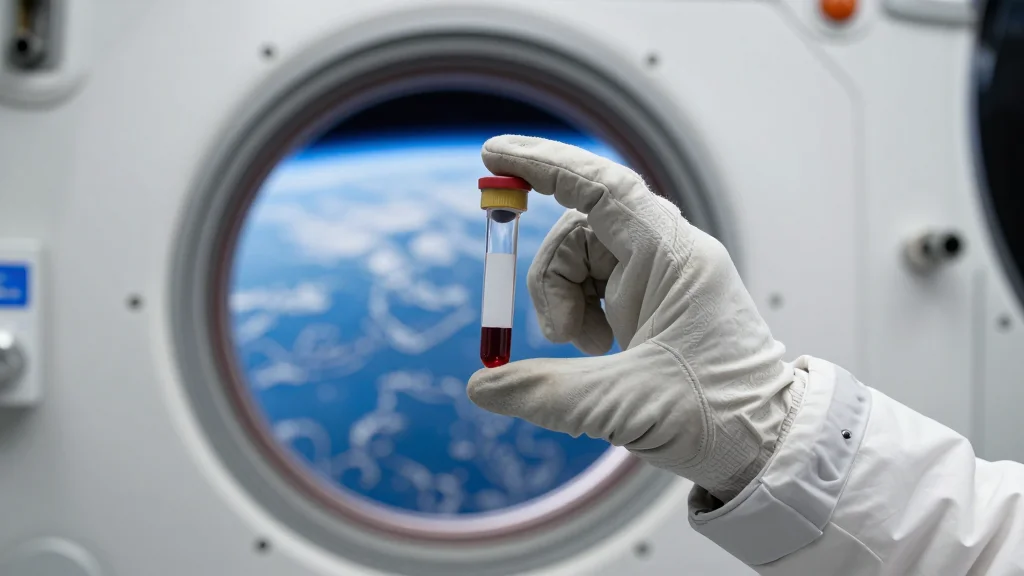
China’s Space Station Crew: Onboard Experiments
China’s Shenzhou‑21 crew, now three months into their Tiangong stay, has been busy conducting a suite of scientific and maintenance tasks. The trio of astronauts—Zhang Lu, Wu Fei and Zhang Hongzhang—collected biomedical samples, ran microgravity physics experiments, and performed extensive cabin upkeep. Their...

NASA’s Isaacman: Call for Restoring the Space Agency’s Core Smarts
After just 50 days as NASA's chief, Jared Isaacman has toured every NASA center, conducted a dozen town‑hall meetings, and sifted through thousands of workforce submissions. He concluded that the agency must better empower its people and concentrate resources on...

Expandable Structures in Space: New Strategic Partnership
Voyager Technologies and Max Space have formed a strategic partnership to develop expandable space habitats that can launch compactly and inflate up to twenty times their stowed size. The habitats are designed to fit on a single Falcon 9 launch, dramatically...
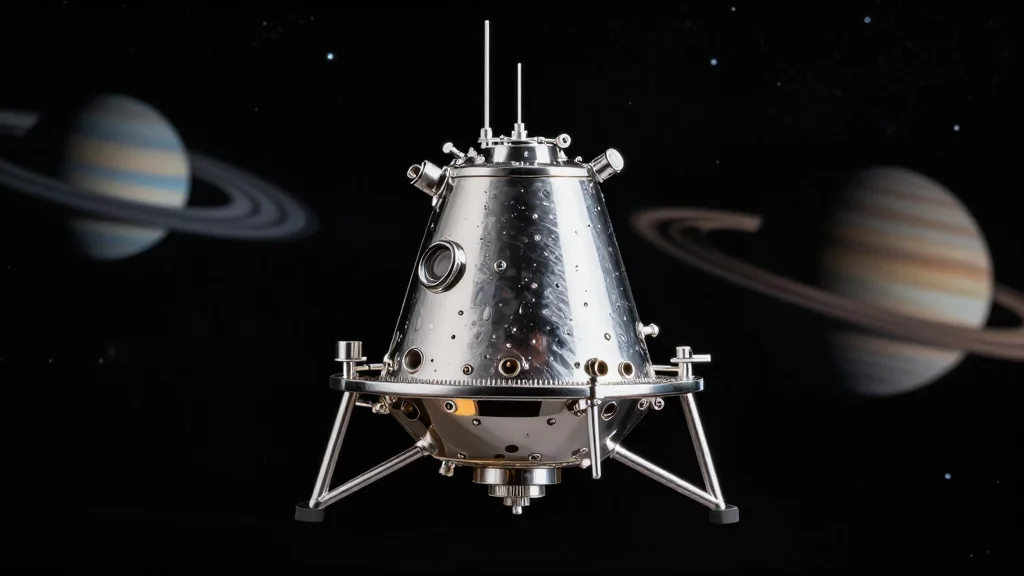
Book Review: Born to Explore – John Casani’s Grand Tour of the Solar System
Born to Explore – John Casani’s Grand Tour of the Solar System, written by space historian Jay Gallentine, chronicles the career of JPL legend John Casani, who oversaw Voyager, Galileo and Cassini. The 400‑page hardcover, released by Nebraska Press, blends...
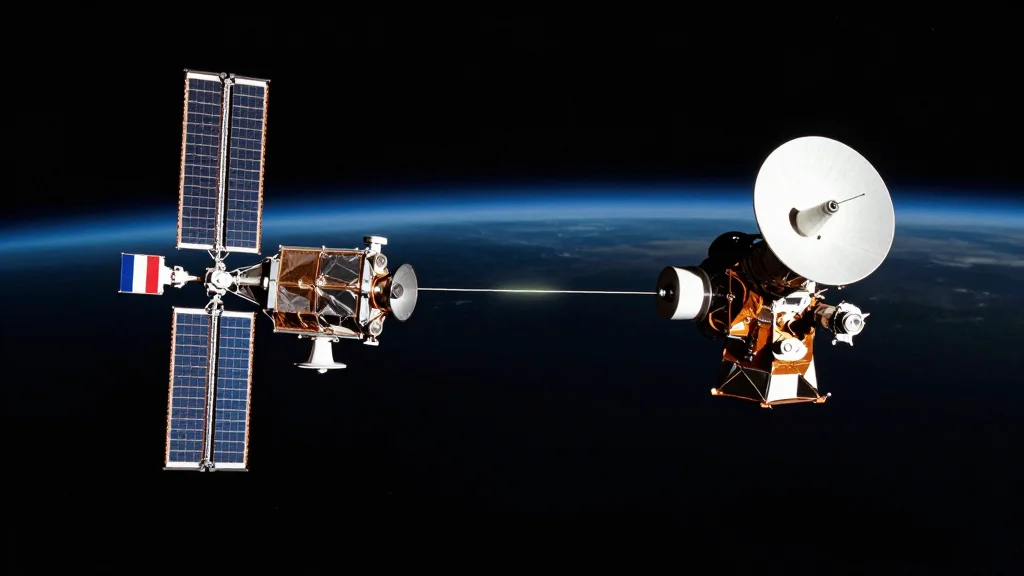
Close Encounter: Earth Orbiting Leftovers
On December 25 2025 a defunct French Earth‑observation satellite, SPOT 3, came within roughly 20 meters of a fragment from the Soviet Cosmos 1275, which exploded in 1996. The near‑miss occurred at about 845 km altitude, roughly 525 km above Earth’s surface. Both objects have been orbiting...

China Plans Deep Space L5 Probe
China’s space agency announced the Xihe‑2 deep‑space probe, slated for launch between 2028 and 2029, to station at the Sun‑Earth L5 Lagrange point. From this unique viewpoint the spacecraft will capture three‑dimensional solar data across new wavelengths, extending observation time...
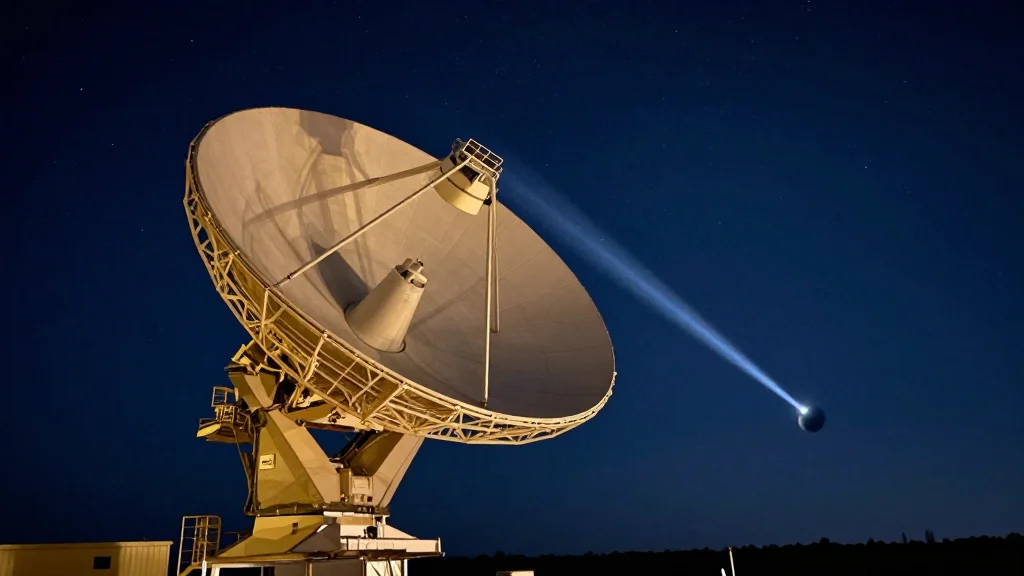
Earth to MAVEN? Re-Contact Effort Underway with Mars Orbiter
NASA’s Deep Space Network is actively trying to re‑establish contact with the MAVEN orbiter after telemetry ceased on Dec. 4, 2025, with a brief tracking fragment received on Dec. 6 suggesting the spacecraft rotated unexpectedly and may have shifted orbit. The Goldstone...

Satellite Reentry: Atmospheric Implications
The rapid growth of satellite mega‑constellations means thousands of spacecraft are de‑orbited each decade, releasing heavy‑metal and black‑carbon particles into the stratosphere. Harvard physicist John Dykema warns that these emissions can alter sunlight absorption, disrupt stratospheric circulation, and accelerate ozone...
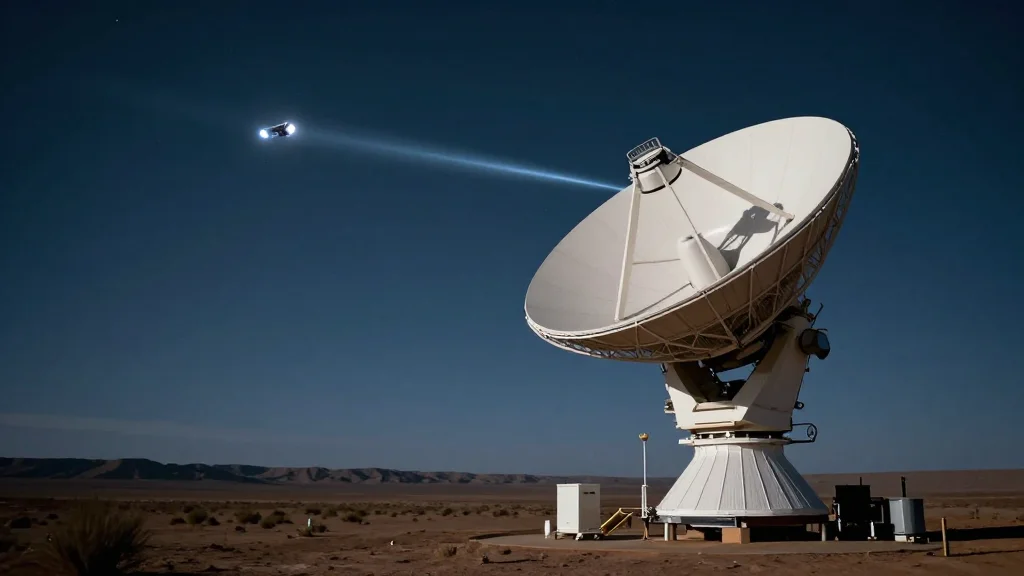
Tracking Artemis II’s 10-Day Journey: Global Volunteers
NASA’s Space Communication and Navigation (SCaN) program announced that 34 global volunteers will track the Orion spacecraft during Artemis II’s ten‑day lunar flyby. The participants span commercial service providers, academic institutions, and amateur‑radio enthusiasts who will passively receive the mission’s radio...

Book Review: The Pale Blue Data Point – An Earth-Based Perspective on the Search for Alien Life
Jon Willis’s new book, *The Pale Blue Data Point*, examines Earth’s ecosystems as analogues for extraterrestrial life, weaving together recent exoplanet discoveries with field research. The author, an astronomy professor, highlights missions ranging from deep‑sea submersibles to Chilean observatories, illustrating...
Unidentified Aerial Phenomena: State-Led Initiatives
Vermont lawmakers introduced bill H.654 to establish a ten‑person state task force focused on Unidentified Aerial Phenomena (UAP). The task force will rely on the Scientific Coalition for UAP Studies (SCU) for scientific analysis of reports ranging from drones to...
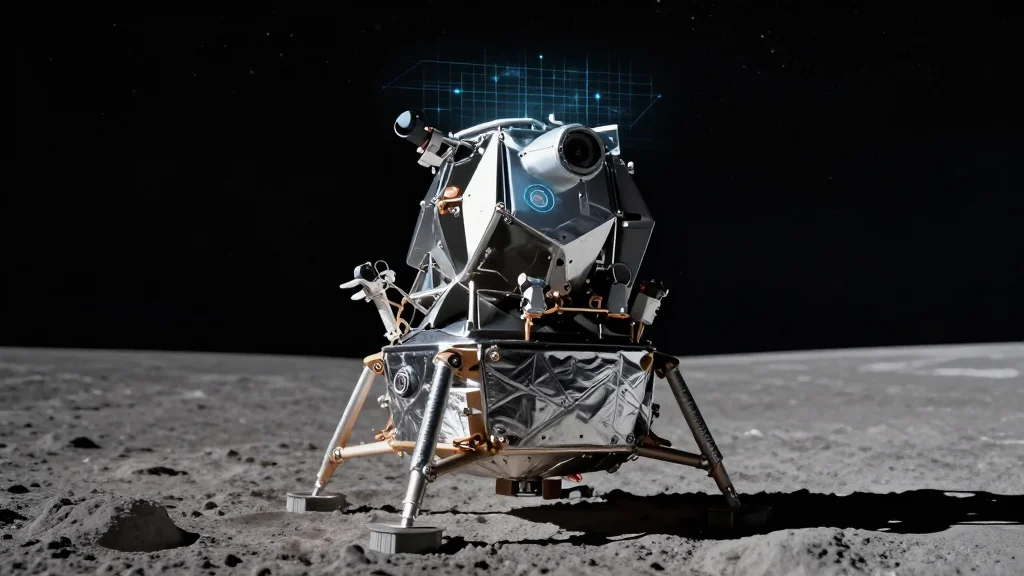
NASA’s Top Five Challenges: New Report
The NASA Office of Inspector General released its 2025 Top Management and Performance Challenges report, highlighting five critical agency priorities, including returning humans to the Moon and sustaining low‑Earth‑orbit operations. The report flags a heat‑shield venting defect on Orion’s spacecraft...
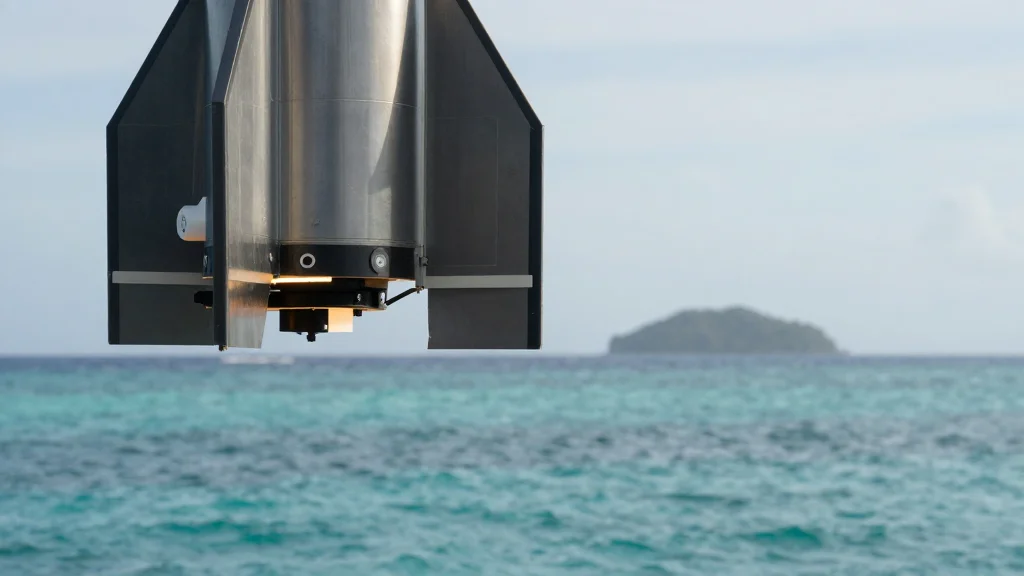
China Rocket Launch Stirs Up Advisory From Philippine Space Agency
The Philippine Space Agency (PhilSA) issued an advisory after China’s Long March 7A launch from Hainan, warning that unburned rocket debris is expected to fall within the Philippines’ Exclusive Economic Zone. The agency identified multiple drop zones ranging from 45 to 76...
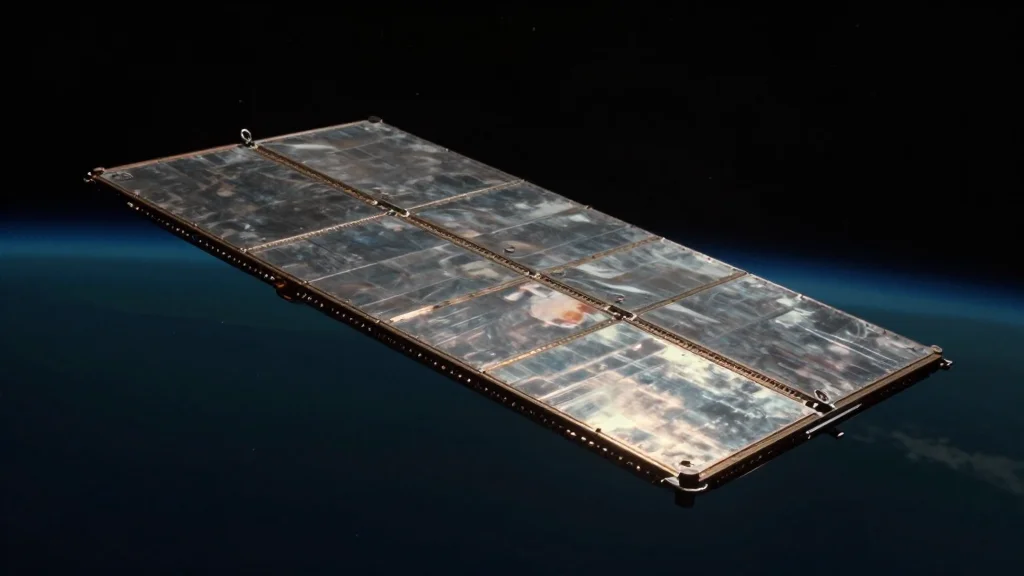
Space Debris Threat: Experts Voice Concerns
Experts warn that roughly 130 million pieces of human‑made debris now orbit Earth, a figure that rises each year as rockets, defunct satellites, and anti‑satellite weapon tests add to the clutter. The growing cloud increases collision probabilities, potentially triggering the Kessler...

What Is NASA’s Future?
NASA’s 2025 outlook is clouded by aggressive budget cuts, looming personnel layoffs, and the possible cancellation of flagship science missions. The agency, still pursuing lunar and Martian ambitions, now faces congressional scrutiny over its fiscal stability. Political negotiations will determine...