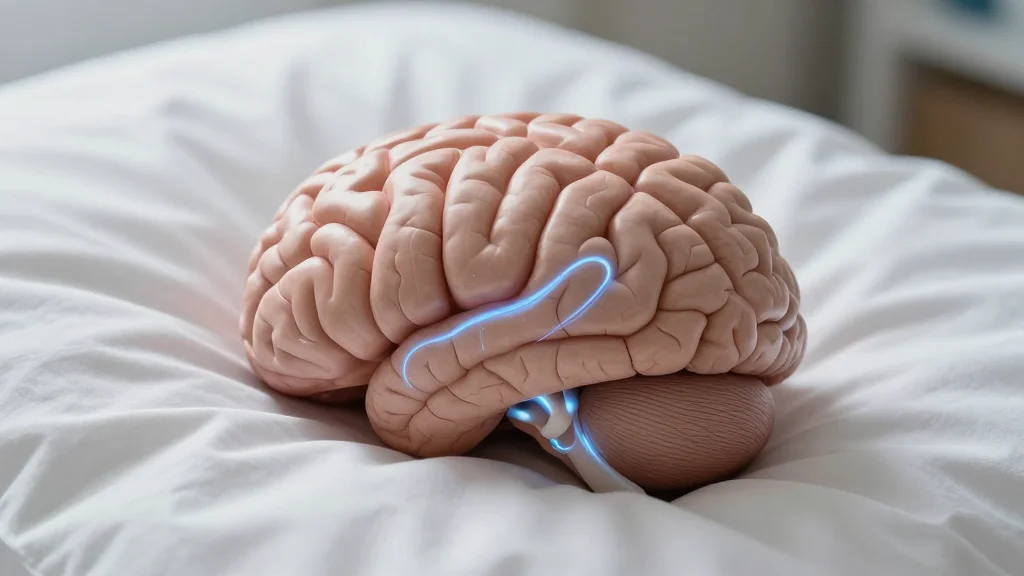
University of Oulu Maps Real‑Time Brain Waste Clearance During Sleep

Why It Matters
Understanding the mechanics of brain waste clearance reshapes how we think about sleep’s role in cognitive longevity. By providing a non‑invasive, real‑time window into fluid dynamics, the Oulu studies give scientists and biohackers a measurable target for interventions aimed at slowing neurodegeneration. The work also bridges a gap between clinical neuroscience and the consumer‑focused biohacking movement, offering a shared language for discussing sleep quality beyond simple hour counts. If future research confirms that specific sleep‑stage manipulations can boost vasomotor pulse frequency, the biohacking toolkit could expand to include evidence‑based practices for enhancing brain cleaning. This would shift the conversation from anecdotal sleep hacks to data‑driven protocols, potentially accelerating the adoption of personalized sleep optimization in both clinical and DIY settings.
Key Takeaways
- •University of Oulu introduced ultrafast MRI (MREG) to track brain fluid during sleep.
- •Vasomotor pulse frequency increases while sleeping, enhancing waste clearance.
- •Technique avoids invasive gadolinium contrast, enabling repeated, safe measurements.
- •Findings provide a physiological basis for sleep‑optimization strategies in biohacking.
- •Future studies will target older adults and early‑stage neurodegenerative patients.
Pulse Analysis
The Oulu breakthrough arrives at a moment when the biohacking sector is hungry for quantifiable biomarkers that can validate lifestyle tweaks. Historically, sleep advice has been dominated by the eight‑hour rule, a guideline that ignored the nuanced physiology of the sleeping brain. By exposing a concrete, measurable shift in vasomotor activity, the new imaging method supplies the kind of hard data that biohackers crave: a signal that can be tracked, optimized, and correlated with performance outcomes.
From a market perspective, the ability to monitor brain‑fluid dynamics without contrast agents could spawn a new class of neuro‑monitoring devices. Companies already selling EEG headbands and sleep trackers may integrate MREG‑derived algorithms to estimate vasomotor pulse activity, creating a premium tier of sleep analytics. This convergence of academic research and consumer tech could also attract venture capital, especially as investors look for health‑tech solutions that address age‑related cognitive decline.
Looking forward, the real test will be whether the observed fluid‑flow enhancements translate into measurable cognitive benefits. If longitudinal studies link higher vasomotor pulse rates with slower memory loss or better executive function, the biohacking narrative will shift from “sleep more” to “sleep smarter.” Such a paradigm shift would not only influence individual habits but also reshape clinical recommendations, potentially redefining sleep medicine’s role in preventive neurology.
University of Oulu Maps Real‑Time Brain Waste Clearance During Sleep
Comments
Want to join the conversation?
Loading comments...