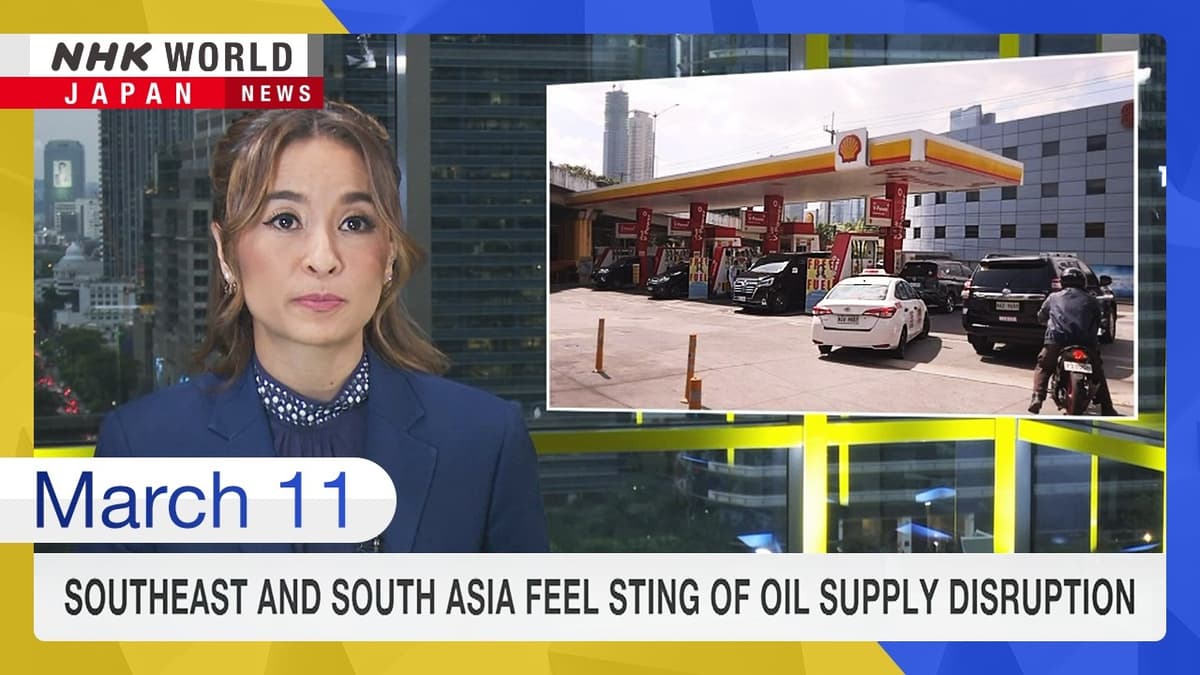
Video•Mar 11, 2026
Southeast and South Asia Feel Sting of Oil Supply DisruptionーNHK WORLD-JAPAN NEWS
The bulletin highlighted how Southeast and South Asian governments are reacting to a tightening oil supply, with the Philippines moving to a four‑day work week and India’s Maharashtra state curbing LPG use, while Australia dealt with a diplomatic fallout involving Iran’s women’s soccer team. In Manila, agencies were ordered to adopt flexible schedules, keeping total hours unchanged but reducing commuting emissions; President Ferdinand Marcos Jr. said the country holds 50‑60 days of oil reserves and urged a 10‑20% cut in electricity and fuel consumption. In Maharashtra, the state halted gas‑based cremations after restricting commercial LPG to preserve domestic supply, underscoring India’s reliance on Middle‑Eastern imports. Home Affairs Minister Tony Burke noted Australia respected the players’ freedom to change their minds, granting humanitarian visas to five of the six Iranian athletes after two initially accepted. A quoted official emphasized the relocation of those remaining for their safety, while Marcos highlighted the financial and time savings for workers under the new schedule. These measures illustrate how energy scarcity is prompting policy shifts that affect labor practices, household fuel availability, and international relations, signaling broader economic adjustments across the region.
By NHK WORLD-JAPAN
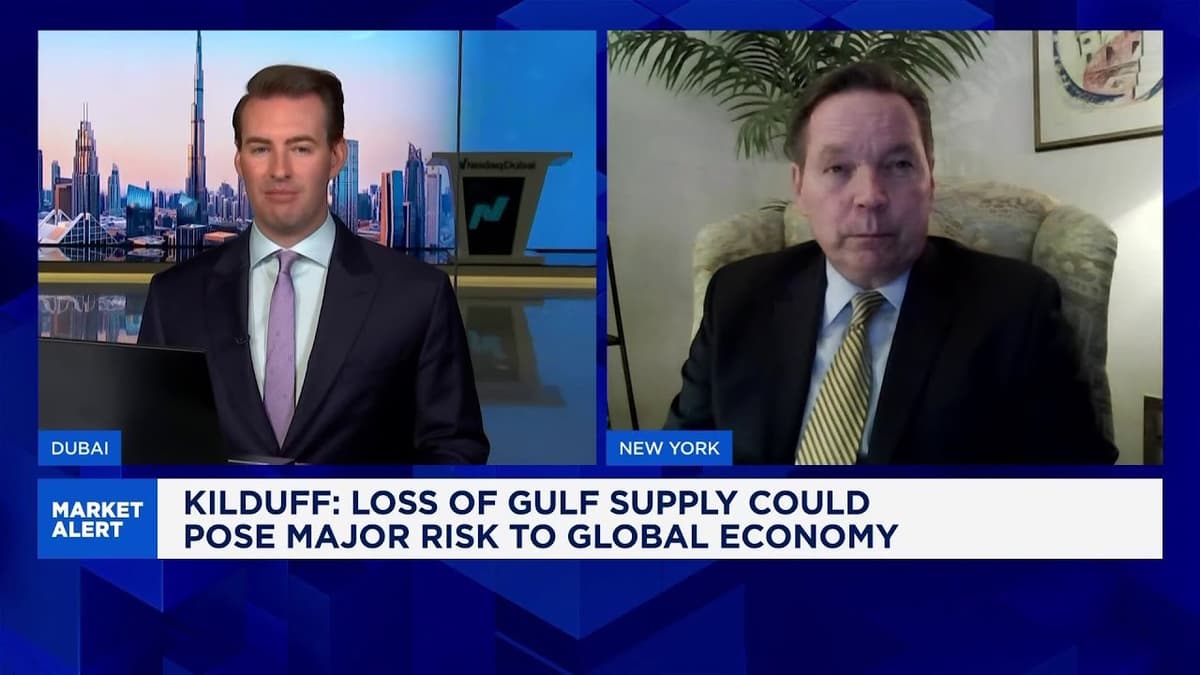
Video•Mar 11, 2026
The Oil Crisis Will Be Prolonged as Restarting Production in the Gulf Will Take Months: Kilduff
The video focuses on the escalating oil crisis stemming from the Gulf region’s production shutdowns and dwindling storage capacity. Analysts warn that as the conflict persists beyond three weeks, Gulf exporters—designed to pump and ship oil rather than store it—are...
By CNBC International Live
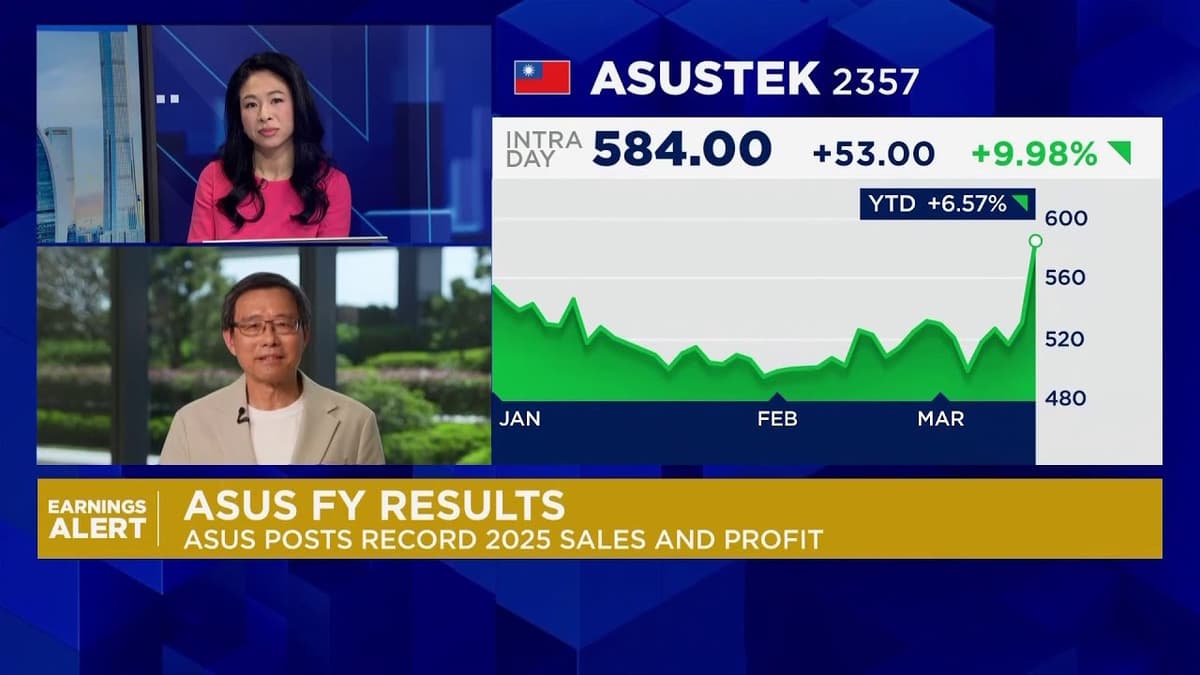
Video•Mar 11, 2026
We're Aiming for a 100% Growth Rate of the AI Server Business in 2026: Asus Co-CEO
ASUS’s co‑CEO said the company will double its AI‑server revenue again by 2026, aiming for a 100% year‑over‑year growth rate after already posting more than 100% growth last year. The statement came during a Q&A that also covered the firm’s...
By CNBC International Live
Video•Mar 11, 2026
Admin's Mixed Messages on Iran Stoke More Volatility | Bloomberg Businessweek
Energy Secretary Chris Wright posted, then deleted, a claim that the U.S. Navy escorted an oil tanker through the Strait of Hormuz, prompting an immediate plunge in oil prices. The White House later denied any escort but said the military...
By Bloomberg Podcasts
Video•Mar 10, 2026
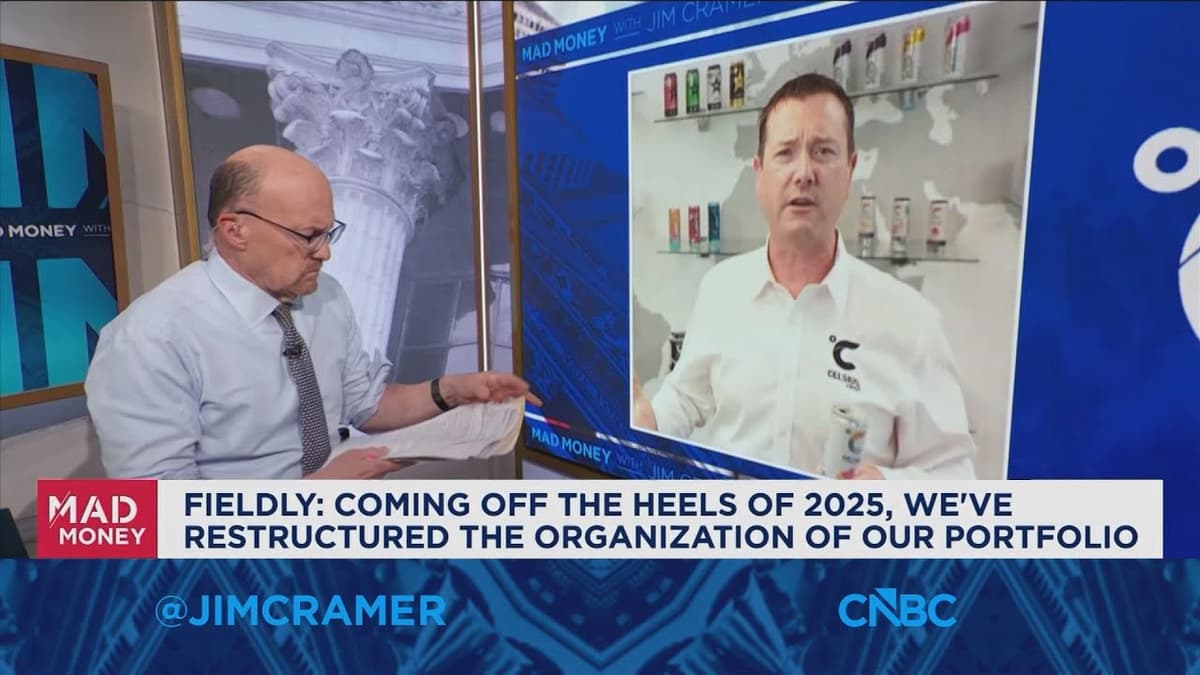
Celsius Holdings CEO John Fieldly: Biggest Opportunity for Us Is the Convenience Channel
Celsius Holdings CEO John Fieldly used the interview to highlight the company’s explosive quarter, noting a 117% jump in sales and a 7% share‑price rally after the results. The discussion centered on how the firm’s expanded brand portfolio and a...
By CNBC Television
Video•Mar 10, 2026
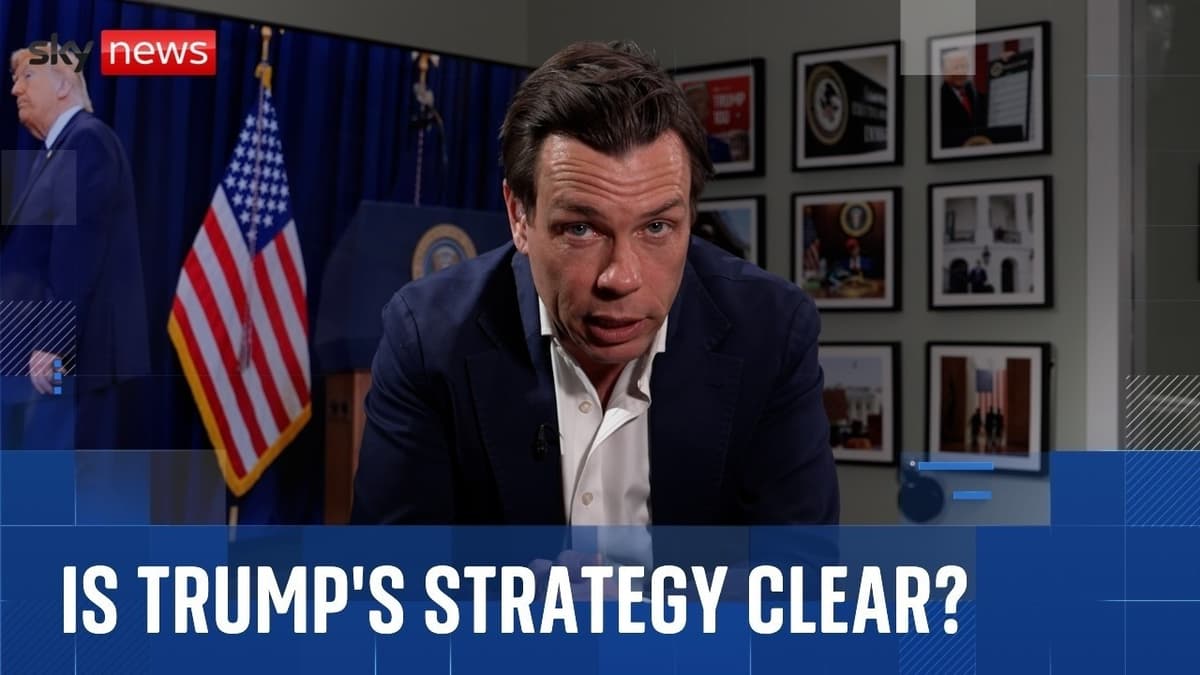
Tracking Trump's Mixed Messages on Iran War and School Strike
President Trump asserted that Iran bombed its own school in Minab, a claim contradicted by Sky News' forensic analysis which identified a U.S.-made Tomahawk missile as the weapon. The discrepancy highlights mixed messaging from the White House as the Iran‑Israel...
By Sky News
Video•Mar 10, 2026
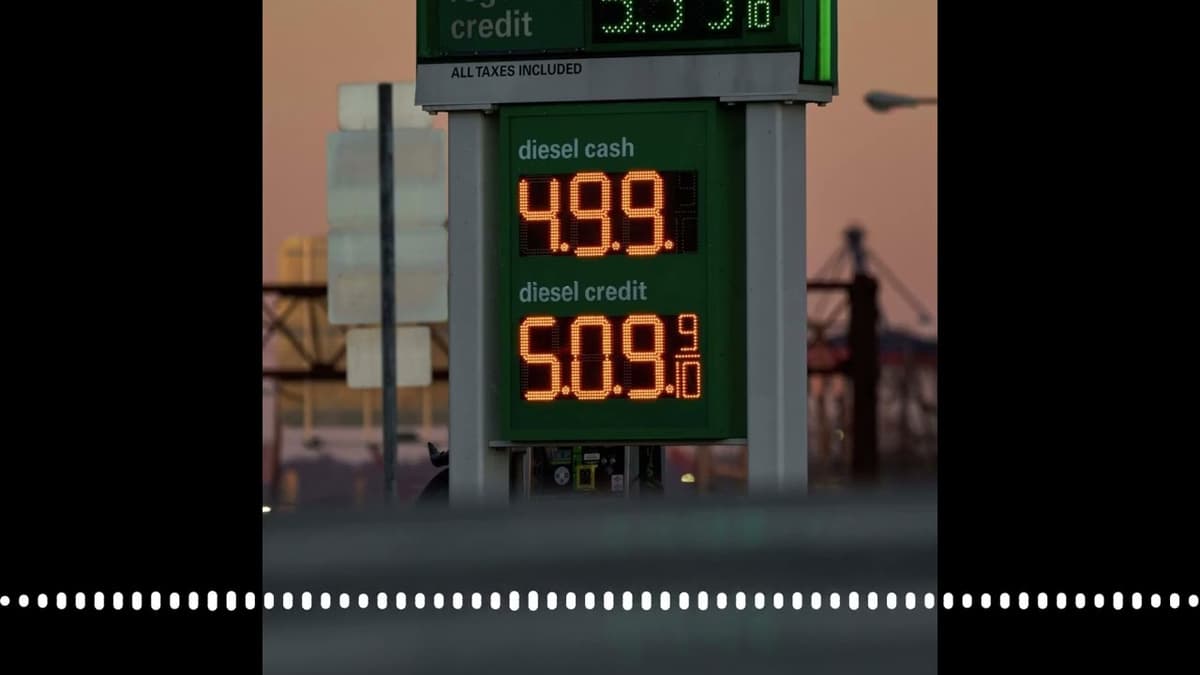
What a $100-Per-Barrel Oil Spike Does to the Global Economy | Big Take
Oil prices surged to nearly $120 a barrel, prompting President Trump to claim a swift end to the Iran conflict. The spike triggered an immediate market correction as prices fell, offering temporary relief to the global economy. Bloomberg's Big Take...
By Bloomberg Podcasts

Video•Mar 10, 2026
Amazon Bond Sale Looks to Raise At Least $37 Billion | Bloomberg Tech 3/10/2026
Amazon announced a $37 billion bond offering, positioning it as one of the largest corporate debt issuances in history. The proceeds are earmarked to accelerate the company’s artificial‑intelligence infrastructure, from data‑center expansion to new generative‑AI services. The deal attracted strong investor...
By Bloomberg Technology

Video•Mar 10, 2026
Trump Threatens to Hit Iran '20 Times Harder' If They Stop Flow of Oil | The World with Yalda Hakim
Former President Donald Trump warned Iran he would hit the nation "20 times harder" if Tehran disrupts oil shipments through the Gulf or the Strait of Hormuz. The threat, delivered on Sky News’ "The World with Yalda Hakim," paired harsh...
By Sky News
Video•Mar 10, 2026
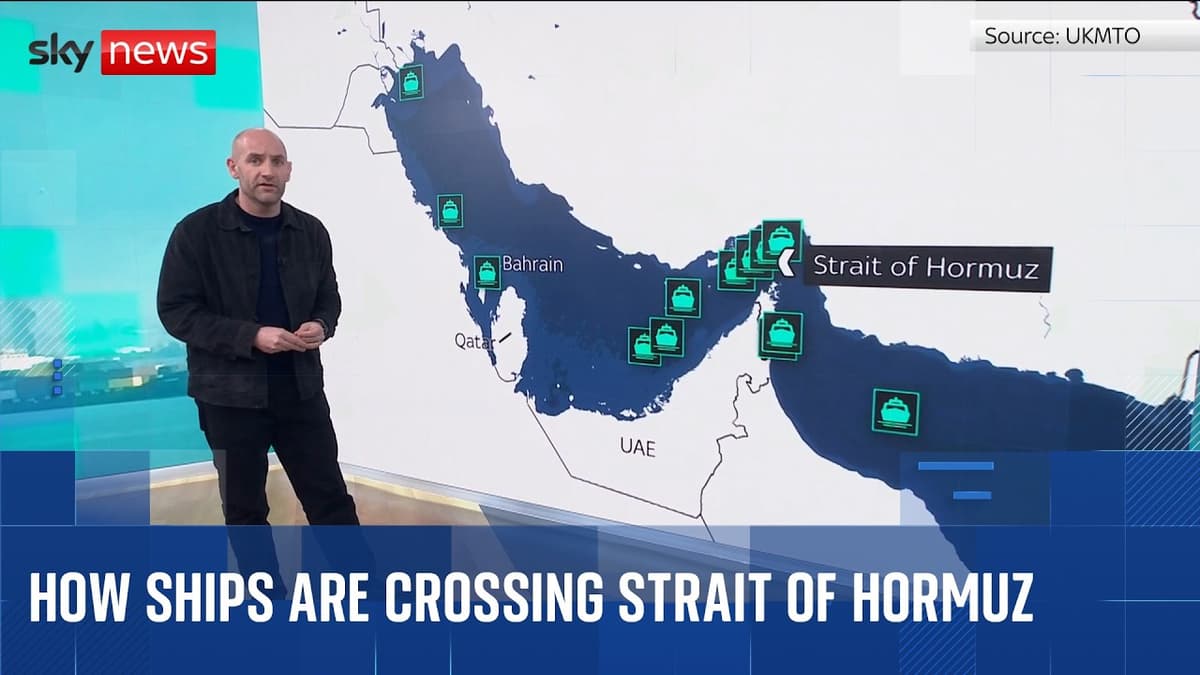
Tracking the Ships 'Going Dark' To Cross Strait of Hormuz
Sky News used open‑source satellite and AIS data to trace a small fleet of oil tankers that deliberately turned off their transponders while navigating the Strait of Hormuz. Despite Tehran’s recent rhetoric and threats to close the waterway, these vessels...
By Sky News
Video•Mar 10, 2026
U.S.-Iran Tensions Are Rattling Markets. Here's What to Watch
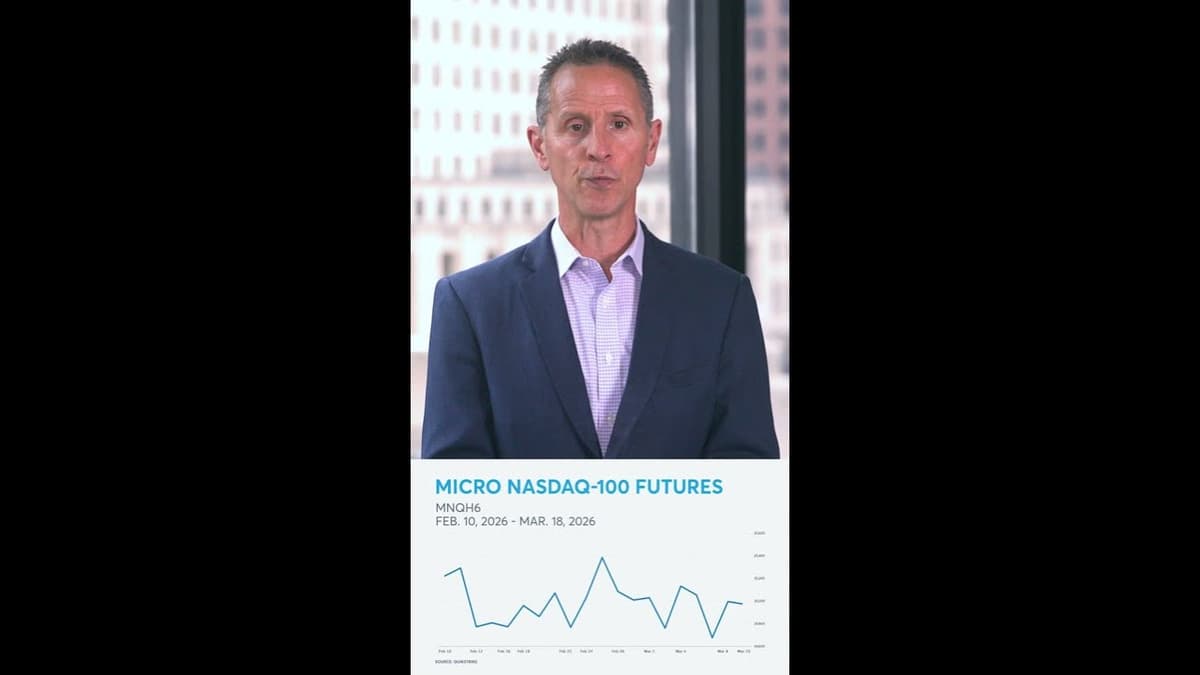
A sudden escalation in U.S.-Iran tensions on Feb. 28 initially knocked equity markets lower—Nasdaq tumbled more than 4%—but stocks have largely recovered. The bigger concern is a concurrent oil-price spike that pushed 2-year breakeven inflation expectations from about 2.5% to...
By CME Group

Video•Mar 10, 2026
Five Ways the Iran War Is Impacting Your Finances
Sky News Money Live reporter Jess explains how the Iran conflict could affect household bills, outlining five financial pressures. The segment highlights rising energy costs, accelerating inflation, supply‑chain bottlenecks, higher travel‑insurance premiums, and currency volatility. Viewers are directed to Sky’s...
By Sky News
Video•Mar 10, 2026
Stocks Whipsawed by Oil Volatility as War Drags On | Closing Bell
U.S. equities were jolted by sharp oil volatility as the ongoing conflict in Iran rattled energy markets. The S&P 500 erased its earlier gains, slipping 0.2% while West Texas Intermediate crude plunged 12% to around $83, the steepest drop since...
By Bloomberg Podcasts

Video•Mar 10, 2026
Feedback Vs. Criticism
The episode tackles the thin line between criticism and constructive feedback, arguing that the Working Genius framework provides a reliable filter for delivering remarks that are heard as guidance rather than attack. Host Pat Lynchon and co‑host Cody Thompson illustrate...
By Patrick Lencioni / The Table Group
Video•Mar 10, 2026
Global Economy Faces Strain as Iran War Intensifies
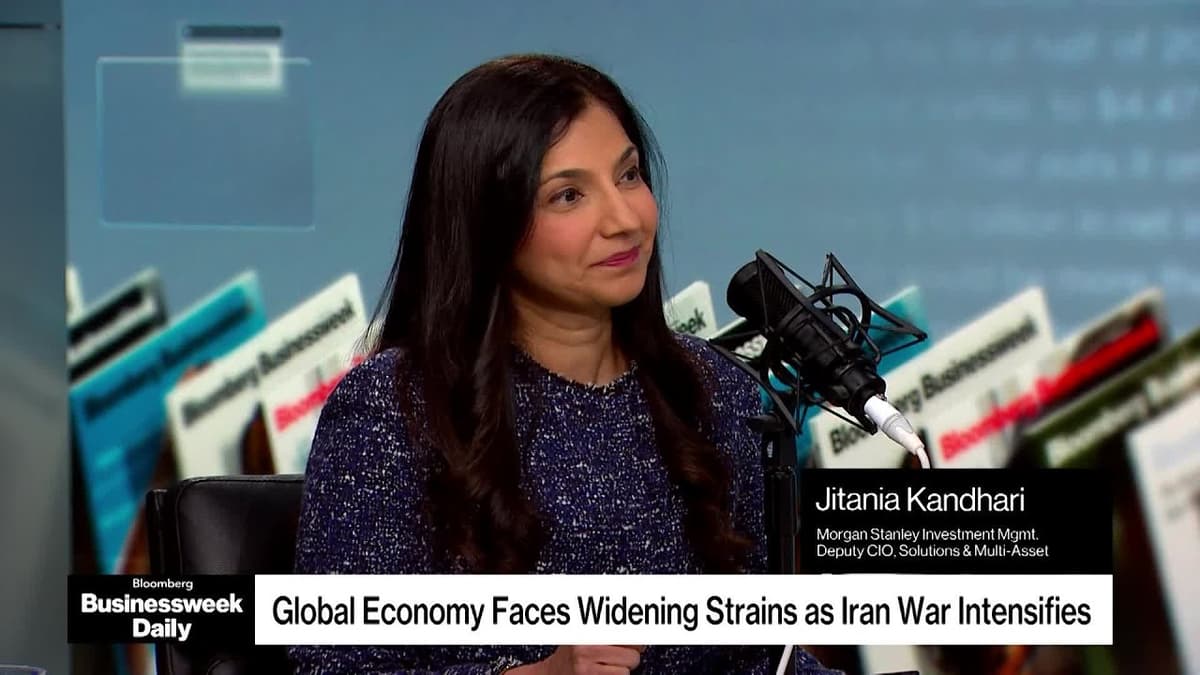
The Iran war has driven Brent crude to nearly $120 a barrel, briefly retreating below $100 after President Trump signaled a swift resolution. The conflict has effectively shut the Strait of Hormuz, spiking prices for LNG, fertilizer, jet fuel and...
By Bloomberg Podcasts