
Even Mild Opioid Use Disorder Is Linked to a Significantly Higher Risk of Suicide
A new analysis of the 2021‑2023 National Survey on Drug Use and Health, covering 139,524 U.S. adults, shows that any severity of opioid use disorder (OUD) dramatically raises suicidality. Odds of suicidal thoughts are 1.9‑4.2 times higher, suicide plans 3.3‑6.7 times higher, and attempts up to tenfold higher than in people without OUD. Even mild OUD cases exhibit a three‑fold increase in suicide attempts, contradicting the belief that only severe OUD carries lethal risk. The authors call for integrated suicide screening in settings where opioids are prescribed.
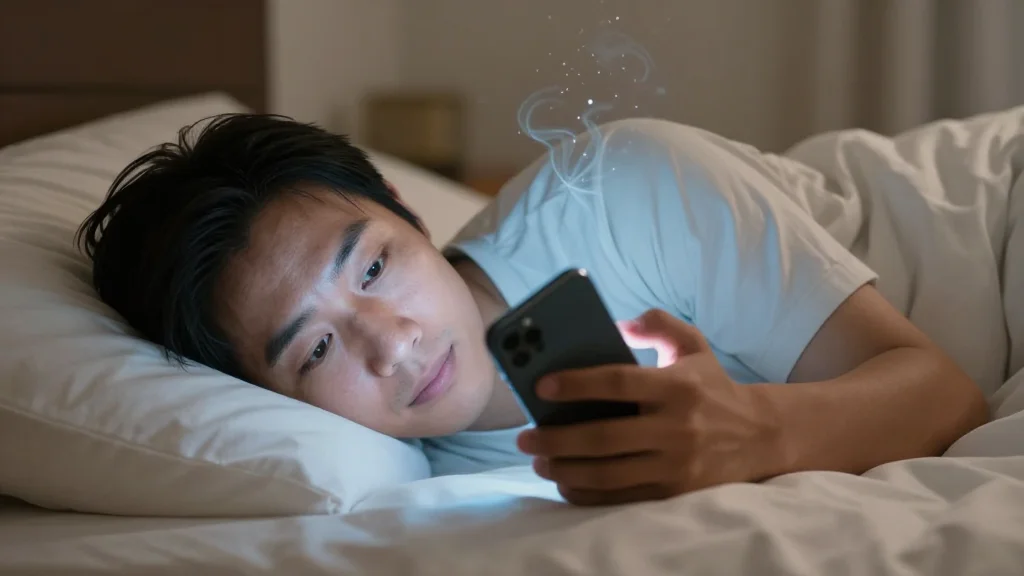
Disrupted Sleep Is the Primary Pathway Linking Problematic Social Media Use to Reduced Wellbeing
A longitudinal study of 437 Bangladeshi young adults found that problematic social media use (PSMU) leads to higher depression and anxiety, and that disrupted sleep—especially insomnia—acts as the primary pathway linking PSMU to poorer psychological wellbeing. Participants completed four surveys...
Bladder Toxicity Risk Appears Low for Psychiatric Ketamine Patients, Though Data Is Limited
A systematic review of 27 clinical studies found that short‑term ketamine and esketamine treatments for psychiatric disorders do not significantly increase bladder or urinary tract toxicity compared with placebo. Reported urinary symptoms ranged from 0 % to 25 % and were generally...
Low Doses of LSD Alter Emotional Brain Responses in People with Mild Depression
A double‑blind study administered a 26‑microgram dose of LSD to 34 young adults with mild depressive symptoms and measured brain activity with EEG. The low dose amplified the late‑stage emotional wave linked to the amygdala, especially when participants received negative...
Narcissistic Traits Are Linked to a Brain Area Governing Emotional Control
A study of 172 healthy adults links the size and folding of the anterior insula to both grandiose and vulnerable narcissistic traits. MRI scans showed that higher narcissism scores correspond with smaller right‑side insula volume, and for vulnerable narcissism, also...

Can Video Games Make Kids Feel Better About Their Bodies?
A randomized trial with 1,059 U.S. children aged 9‑13 compared a purpose‑built Roblox game, Super U Story, against another Roblox title, Rainbow Friends 2 Story, and a word‑search control. After a single 30‑minute session, Super U Story produced a modest...
Reduced Gray Matter and Altered Brain Connectivity Are Linked to Problematic Smartphone Use
A new review of 35 neuroimaging studies links problematic smartphone use to distinct brain alterations. Structural scans consistently show reduced gray‑matter volume in the insular cortex, anterior cingulate and orbitofrontal regions, while functional imaging reveals disrupted executive‑control networks and heightened...
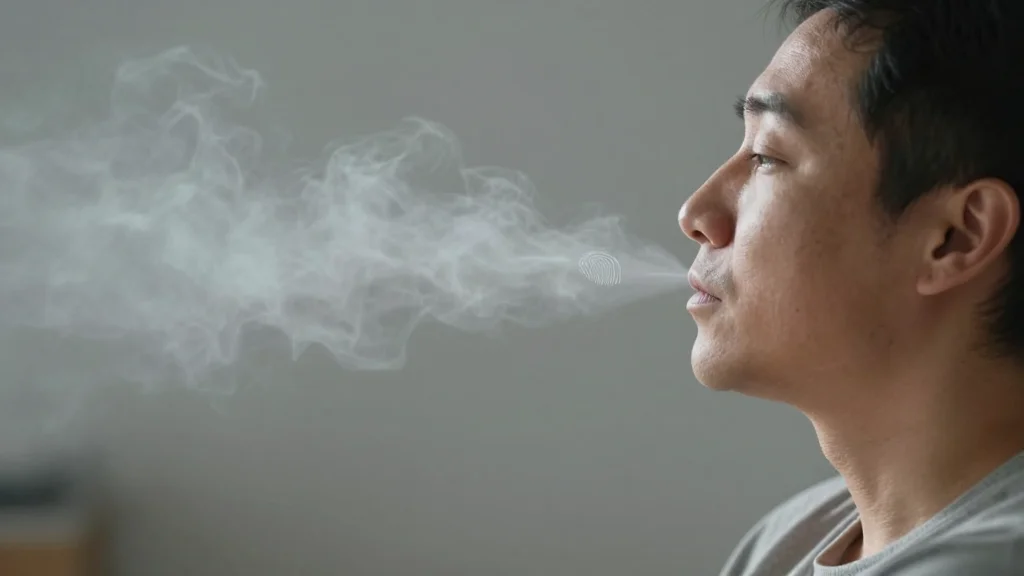
Your Breathing Pattern Is as Unique as a Fingerprint
Researchers at the Weizmann Institute have shown that each person’s nasal breathing pattern acts like a biometric fingerprint. By recording airflow from both nostrils continuously for 24 hours, a machine‑learning model identified individuals with 96.8% accuracy, even when data were collected...

Extreme Athletes Just Helped Scientists Unlock a Deep Evolutionary Secret About Human Survival
A study in Evolutionary Human Sciences examined 147 ultra‑endurance athletes across multiday races, revealing that extreme energetic stress triggers the body to prioritize immune defense while suppressing reproduction, energy storage, and tissue repair. Researchers measured cortisol, leptin, testosterone, interleukin‑6 and...
How Different Negative Emotions Change the Size of Your Pupils
University of Suffolk researchers found that self‑reported disgust and sadness consistently widen pupils, while anger narrows them. In two controlled experiments with 200 participants, participants rated five emotions after viewing images or listening to audio, allowing researchers to isolate each...
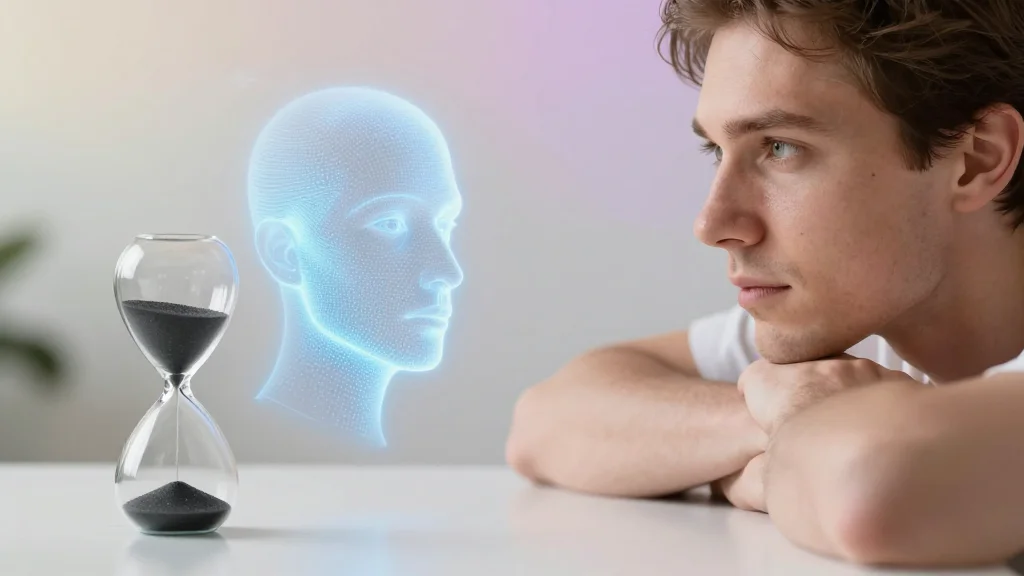
Artificial Intelligence Makes Consumers More Impatient
Researchers at Southern University of Science and Technology discovered that AI advisors speed up consumers' internal clocks, making future delays feel longer and prompting more impatient financial choices. In lab experiments, participants who consulted a chatbot were significantly more likely...

Stacking Bad Habits Triples the Risk of Co-Occurring Anxiety and Depression in Teenagers
A year‑long study of 6,656 Chinese adolescents found that clustering of unhealthy habits dramatically raises the odds of developing both anxiety and depression. Teens who combined poor diet, excessive screen time, and insufficient exercise were more than three times as...

Drumming with Friends Increases Oxytocin Levels in Children, Study Finds
A Japanese study found that elementary school girls who participated in drum circles with friends showed a measurable increase in salivary oxytocin, while those who drummed with strangers did not. Cortisol levels remained unchanged for both groups. Self‑reported happiness rose...

Cognitive Dissonance Helps Explain Why Trump Supporters Remain Loyal, New Research Suggests
A new study in the Journal of Social and Political Psychology examined how Donald Trump supporters reconcile their loyalty with allegations of sexual misconduct, abuse of power, and election interference. Across three online surveys conducted in 2019, late 2019 and...
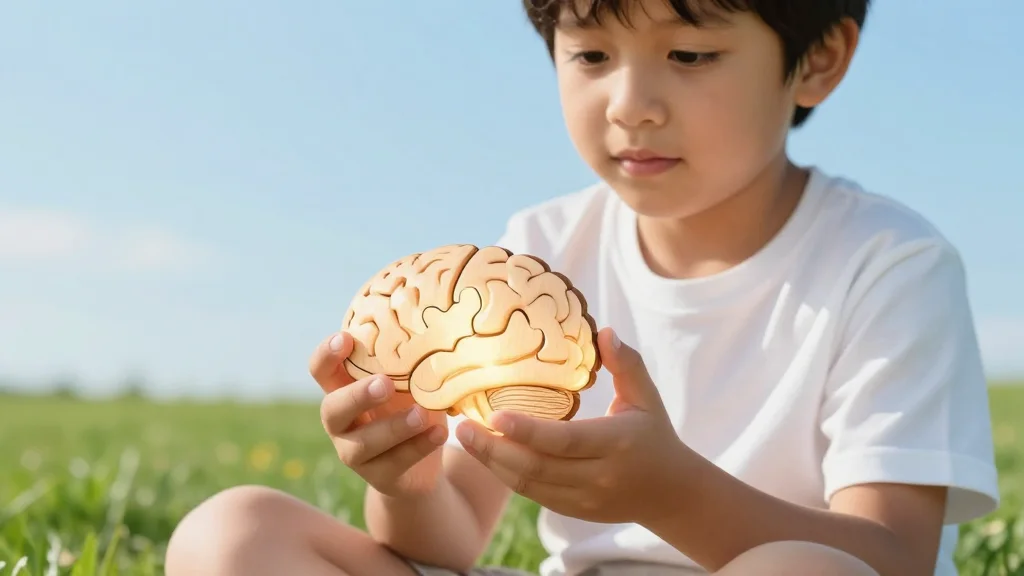
Longitudinal Study Links Associative Learning Gains to Later Improvements in Fluid Intelligence
A three‑year longitudinal study of 160 Chinese elementary students found that improvements in associative learning and fluid intelligence reinforce each other over time. Children who exceeded their baseline in forming associations showed greater gains in reasoning the following year, and...
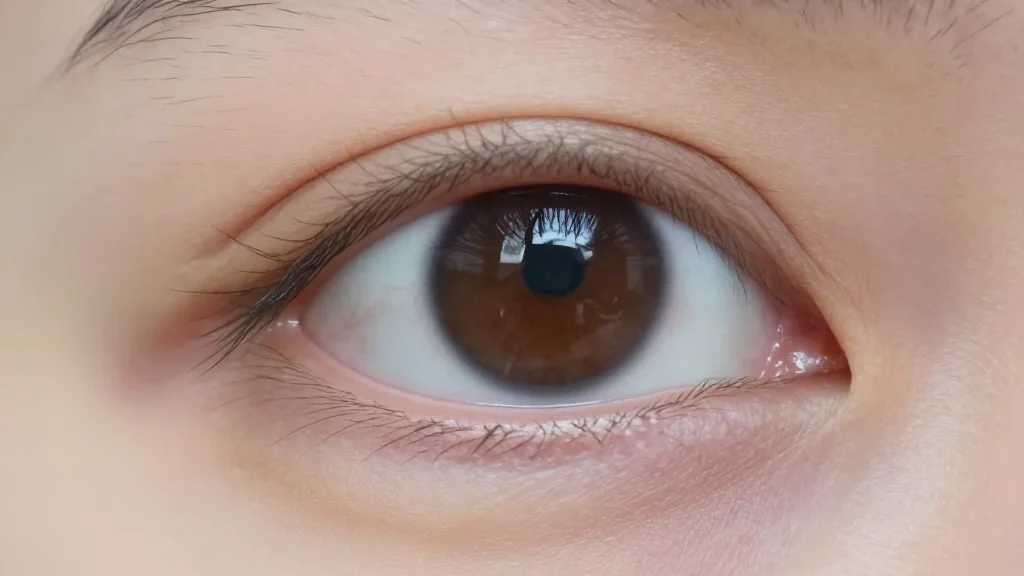
People with Social Anxiety Scan Moving Faces Differently than Others
Researchers at Brazil's Federal University of Paraíba found that people with elevated social anxiety detect faint sadness expressions more accurately than non‑anxious peers and scan moving faces with rapid, scattered eye movements. Using eye‑tracking, the study compared static photographs and...

Feeling Like You Slept Poorly Might Take a Heavier Toll on New Parents than Actual Sleep Loss
A longitudinal study of 232 Israeli couples tracked sleep and mental health from pregnancy through the infant's first year. Researchers found that parents' perception of poor sleep, rather than objectively measured sleep duration, strongly correlated with higher depression and anxiety...

The Unexpected Link Between Loneliness, Status, and Shopping Habits
A new study published in *Deviant Behavior* shows that loneliness initiates a chain of consumer behaviors that ends in online shopping addiction. Surveying 364 Taiwanese adults, researchers found social isolation first sparks compensatory consumption, which then morphs into conspicuous buying...
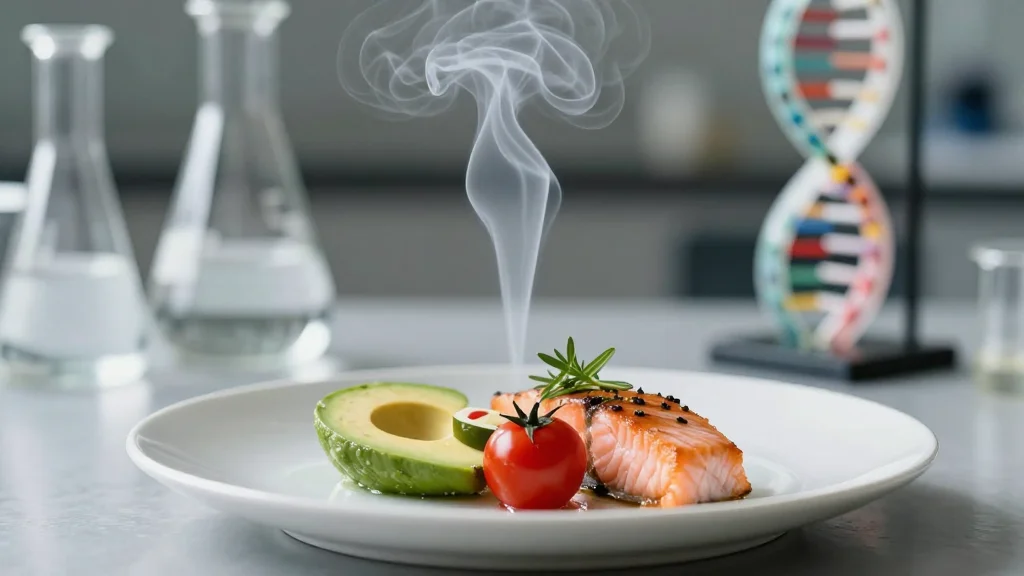
Scientists Uncover the Neurological Mechanisms Behind Cannabis-Induced “Munchies”
A University of Calgary team published a study in PNAS showing that inhaled THC vapor triggers a robust, short‑lived increase in food consumption in both humans and rats. In a controlled trial with 82 volunteers, any dose of cannabis vapor...

Psychedelic Retreats Linked to Mental Health Improvements in People with Severe Childhood Trauma
An observational study of 570 participants at psychedelic retreats in the Netherlands and the Caribbean found that individuals with higher numbers of adverse childhood experiences showed greater reductions in anxiety and larger gains in overall well‑being after the ceremonies. The...
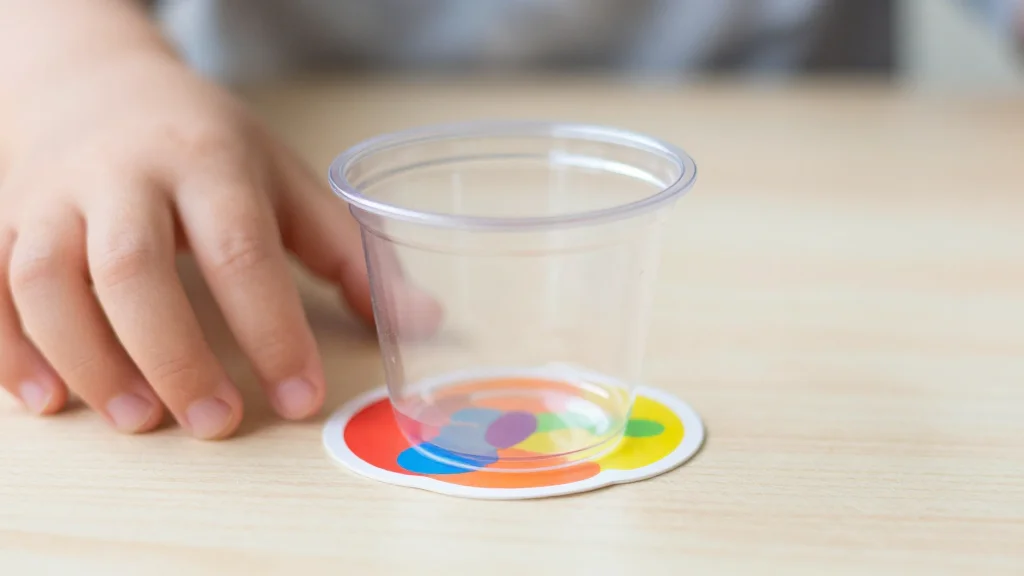
Children Are Less Likely to Use Deception After Being Given Permission to Deceive, Study Finds
Three experiments with Singaporean children aged 3‑6 showed that giving explicit permission to lie actually reduced their deceptive behavior in a competitive sticker‑under‑cup game. Across 279 participants, children who were told lying was allowed lied less often than controls, contrary...
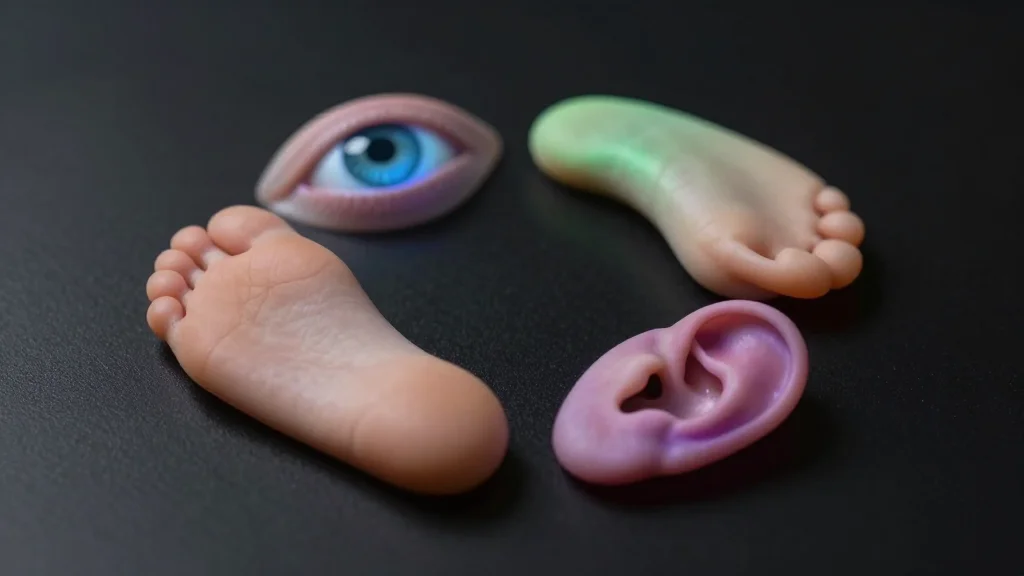
Why some Neuroscientists Now Believe We Have up to 33 Senses
Neuroscientists are challenging the classic five‑sense model, arguing that humans may possess between 22 and 33 distinct sensory modalities. The expanded list includes proprioception, vestibular balance, interoception, sense of agency, and ownership, among others that blend traditional touch, taste, and...

Casual Sex Is Linked to Lower Self-Esteem and Weaker Moral Orientations in Women but Not Men
A new study in *Personality and Individual Differences* examined how willingness to engage in casual sex—sociosexuality—relates to self‑esteem and moral orientation differently for men and women. Surveying 295 U.S. adults (average age 37), researchers found that higher sociosexuality in women...
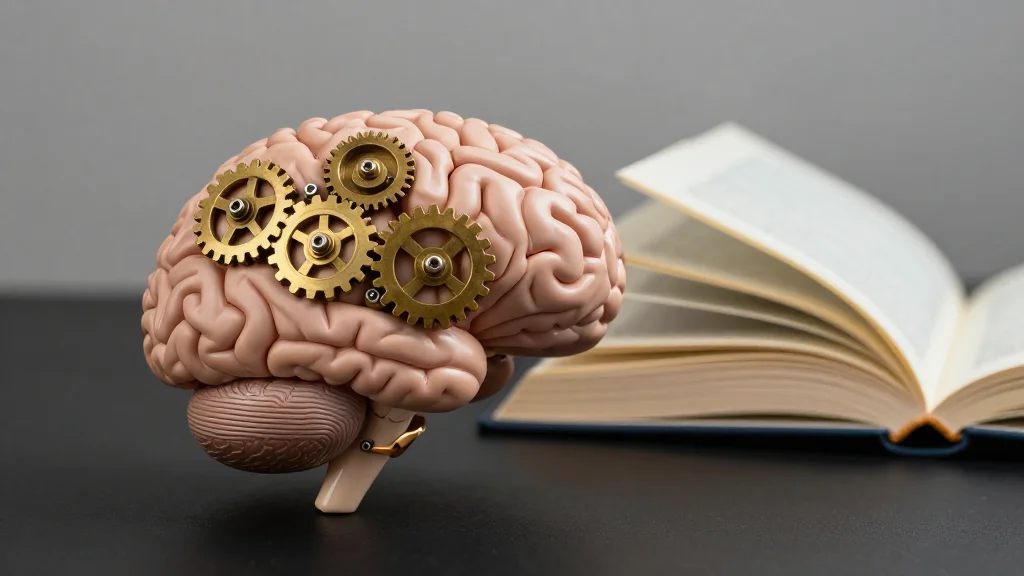
Teenage Brains Process Mechanical and Academic Skills Differently Across the Sexes
A new study of nearly 7,000 U.S. adolescents shows boys increasingly develop a mechanical tilt while girls lean toward academic strengths in math and reading. The mechanical advantage widens from age 13 to 17, whereas spatial tilt remains statistically similar...

New Study Reveals Six Stages of Spiritual Growth Experienced During a Pilgrimage
A new grounded‑theory study of 15 pilgrims who walked the Mazu route in Taiwan, the Shikoku circuit in Japan, and the Camino de Santiago in Spain uncovered six interrelated factors that shape spiritual growth. The researchers interviewed participants who had...

High Sugar Intake Is Linked to Increased Odds of Depression and Anxiety in New Study
A cross‑sectional study of 377 mostly female university students found that higher consumption of added sugars and sugar‑sweetened beverages is associated with increased odds of both depression and anxiety. The relationship held after adjusting for age, sex, income and BMI,...

An Unpredictable Childhood Predicts Greater Psychological Distress During the Israel-Hamas War
Researchers at the University of Haifa found that Israeli adults who reported higher early‑life unpredictability experienced a sharper rise in psychological distress during the 2023 Israel‑Hamas war. The longitudinal study of 720 participants, spanning 2018‑2024, also showed that such individuals...
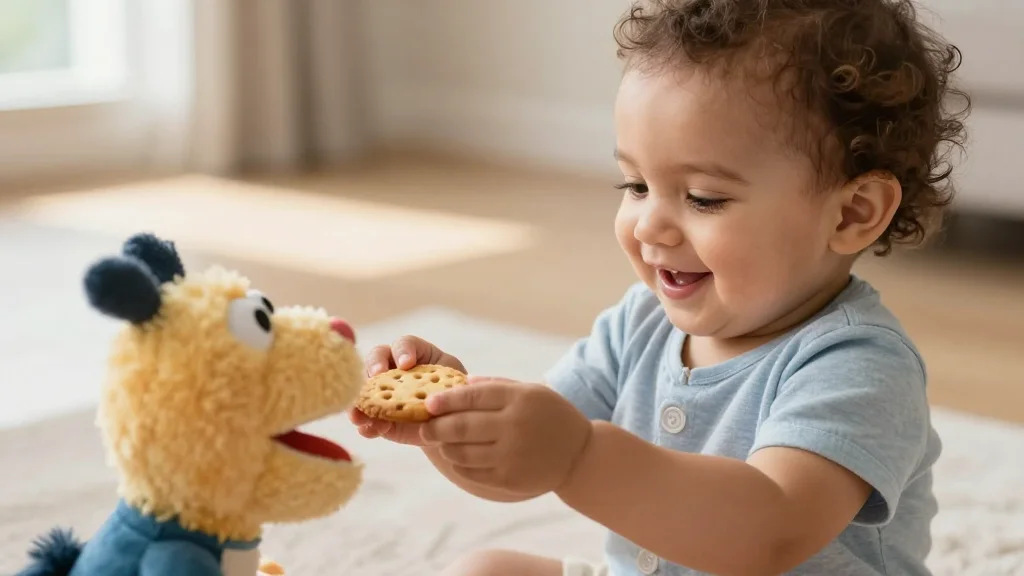
Toddlers Are Happier Giving Treats to Others than Receiving Them, Study Finds
A new study in Developmental Science observed 134 toddlers aged 16‑24 months and found they displayed higher happiness scores when giving treats to a puppet than when receiving treats themselves. The boost in mood occurred in both costly (giving away...

Your Brain Might Understand Music Theory Better than You Think, Regardless of Formal Training
A University of Rochester study published in Psychological Science shows that listeners—whether formally trained or not—automatically extract harmonic rules from music. By scrambling Tchaikovsky piano pieces at varying time scales, researchers measured memory, prediction, event segmentation, and explicit awareness across...

Can Psychopaths Change? New Research Suggests Tailored Treatments Might Work
Recent research suggests that psychopathic traits, long considered immutable, can be mitigated through tailored interventions. Studies show that while traditional prison‑based programs often yielded modest or no impact, newer approaches like the UK’s Building Choices curriculum and strength‑based parenting strategies...
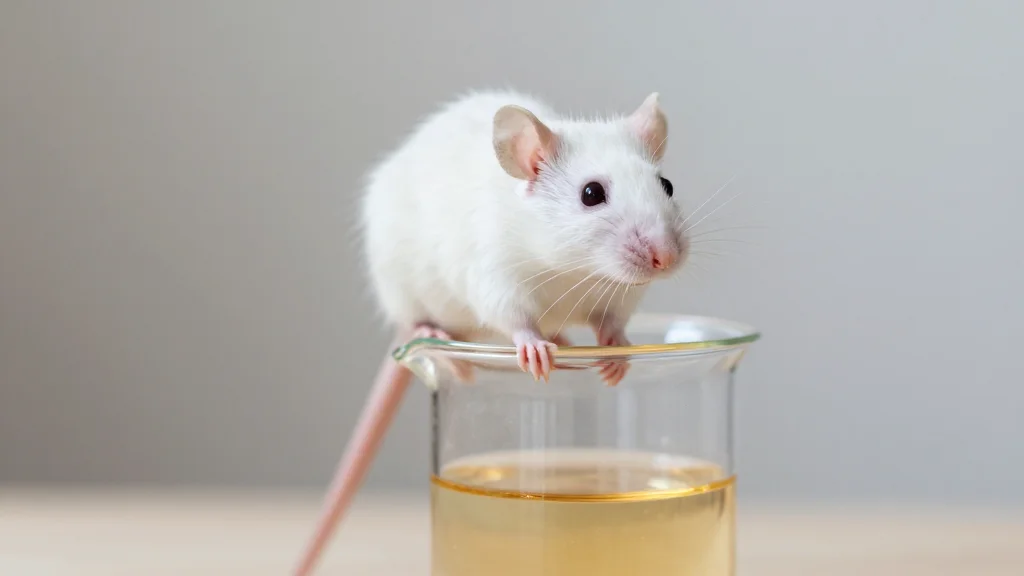
Maternal Exposure to Short-Chain PFAS Causes Persistent Memory Problems in Adult Rats
Researchers at the University of Bologna found that prenatal and lactational exposure to short‑chain PFAS chemicals—specifically GenX and PFBA—produces lasting memory and learning deficits in adult rats. The study administered low‑dose contaminated diets to pregnant females, then evaluated offspring behavior,...
Early Life Stress Fundamentally Alters Alcohol Processing in the Brain
A study by Binghamton University and Brigham Young University found that rats raised in social isolation during adolescence develop a heightened preference for alcohol. The isolation altered dopamine signaling in the ventral pallidum, making alcohol less effective at suppressing dopamine...

Autism Associated with Age of Maternal Grandparents in New Study
A large California birth‑record study links the age of maternal grandparents to autism risk in their grandchildren, revealing a U‑shaped association for white families and distinct patterns for Hispanic, Asian‑Pacific Islander, and Black families. Researchers analyzed over 1.7 million mother‑child pairs,...
A Common Antidepressant Shows Promise in Treating Methamphetamine Dependence
A new JAMA Psychiatry study shows the antidepressant mirtazapine can modestly reduce methamphetamine use. In the double‑blind Tina Trial, 339 Australian participants received either 30 mg daily mirtazapine or placebo for 12 weeks. Those on mirtazapine cut meth use by an...

A Smaller Social Network Increases Loneliness More Drastically for Those with Depression
A cross‑sectional study of 4,042 German adults found that fewer daily social contacts are linked to higher loneliness, a relationship that holds for both healthy and depressed participants. The association is markedly stronger among the 1,221 respondents with a lifetime...
Genetic Study Unravels the Link Between Caffeine Intake and Sleep Timing
Researchers at the University of Bristol applied Mendelian randomisation to UK Biobank data to test whether caffeine consumption directly influences sleep. Genetic variants linked to higher coffee and tea intake were associated with reduced daytime napping and less morning grogginess,...

Hikikomori: Can Psychological Resilience Prevent Extreme Social Withdrawal?
A new study published in BMC Psychology examined 776 Turkish young adults aged 18‑34 to assess how psychological resilience influences extreme social withdrawal, known as hikikomori. The researchers found that higher depressive symptoms were associated with lower social participation, but...

Can a Sweet Potato Help Your Baby Sleep Through the Night?
A New Zealand randomized trial examined how sweet potato (kūmara) affects infant sleep during the first year of complementary feeding. Infants given standard freeze‑dried kūmara powder experienced significantly less nocturnal wakefulness, settling back to sleep faster after awakenings. By contrast,...
Psilocybin Slows Down Human Reaction Times and Impairs Executive Function During the Acute Phase of Use
Researchers conducted a systematic review and multilevel meta‑analysis of 13 studies, finding that psilocybin dose‑dependently slows reaction times during its acute phase. While low to medium doses cause mild delays, high doses produce moderate to severe slowing, especially in basic...
Psychological Traits of Scientists Predict Their Theories and Research Methods
A large‑scale survey of nearly 8,000 psychologists shows that personal cognitive traits—such as tolerance for ambiguity and need for cognitive structure—predict which theoretical camps researchers join and which methods they favor. Scientists comfortable with uncertainty tend to endorse contextual, socially...

“Falling Back” Makes Us More Miserable than “Springing Forward,” New Study Finds
A new PLOS One study examined U.S. social‑media posts around the biannual clock changes and found that mood declines after both the spring “forward” and fall “back” transitions, with the fall shift producing a deeper, longer‑lasting dip. Researchers leveraged the...

The Psychology of Schadenfreude: An Opponent’s Suffering Triggers a Spontaneous Smile
A recent study in Cognition and Emotion used facial electromyography to show that people literally smile when they observe a hostile rival in pain. The genuine Duchenne smile appeared only when an aggressive opponent displayed clear suffering, not when the...
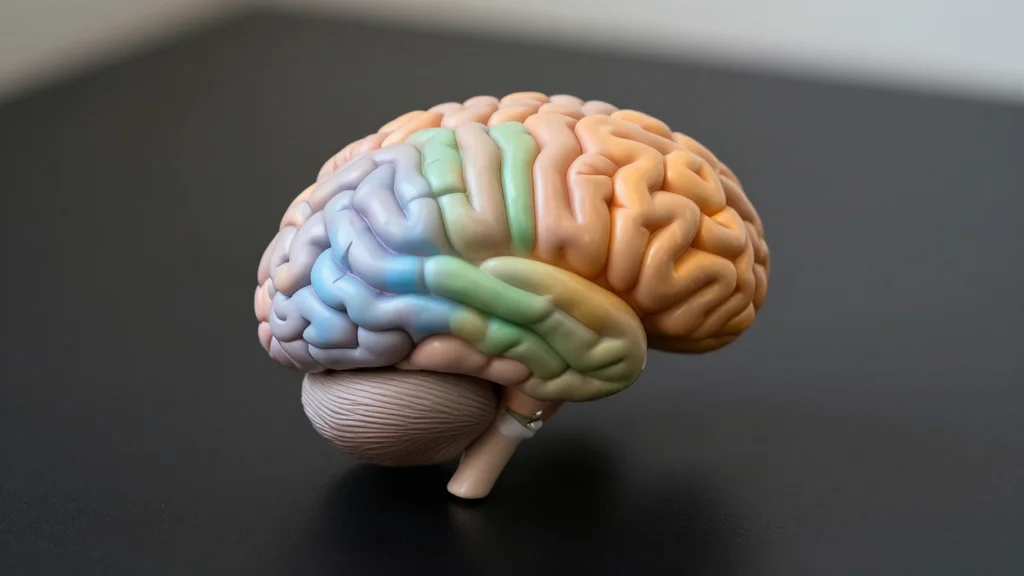
The Four Types of Dementia Most People Don’t Know Exist
The Conversation article highlights four lesser‑known dementia subtypes—posterior cortical atrophy, Creutzfeldt‑Jakob disease, FTD‑MND, and progressive supranuclear palsy—explaining how each diverges from the classic memory‑loss profile of Alzheimer’s. Together, these rare forms account for roughly 40% of all dementia cases, yet...
Higher Testosterone Linked to Increased Suicide Risk in Depressed Teenage Boys
Researchers examined 1,227 hospitalized teenage boys with major depressive disorder in Beijing and found that higher serum testosterone levels were significantly associated with suicidal thoughts or behaviors. A validation cohort of 579 similar patients confirmed the same pattern, while no...

Brain Scans Reveal How a Woman Voluntarily Enters a Psychedelic-Like Trance without Drugs
A neuroimaging case study documented a 37‑year‑old woman who can voluntarily enter a transcendental visionary state without drugs. Functional MRI across 20 sessions showed a marked reduction in visual and somatosensory network coupling, while frontoparietal control and salience networks became...

Different Types of Childhood Maltreatment Appear to Uniquely Shape Human Brain Development
A multinational ENIGMA mega‑analysis of 3,711 participants shows that childhood maltreatment produces distinct brain‑structure deviations that vary by sex and developmental stage. The most pronounced alterations appear in young adult women, whose abuse histories are linked to smaller hippocampal and...
Large-Scale Study Links Autoimmune Diseases to Higher Rates of Depression and Anxiety
Researchers analyzing data from 1.5 million UK adults found that individuals with autoimmune diseases are almost twice as likely to have been diagnosed with depression, anxiety or bipolar disorder compared with the general population. After adjusting for pain, social isolation and...

Smoked Cannabis Reduces Immediate Alcohol Consumption in Controlled Laboratory Trial
A double‑blind crossover trial with 157 heavy drinkers found that smoking cannabis before alcohol reduced immediate consumption. A moderate THC dose (3.1%) cut intake by 19%, while a higher dose (7.2%) lowered it by 27% compared with placebo. The high‑THC...
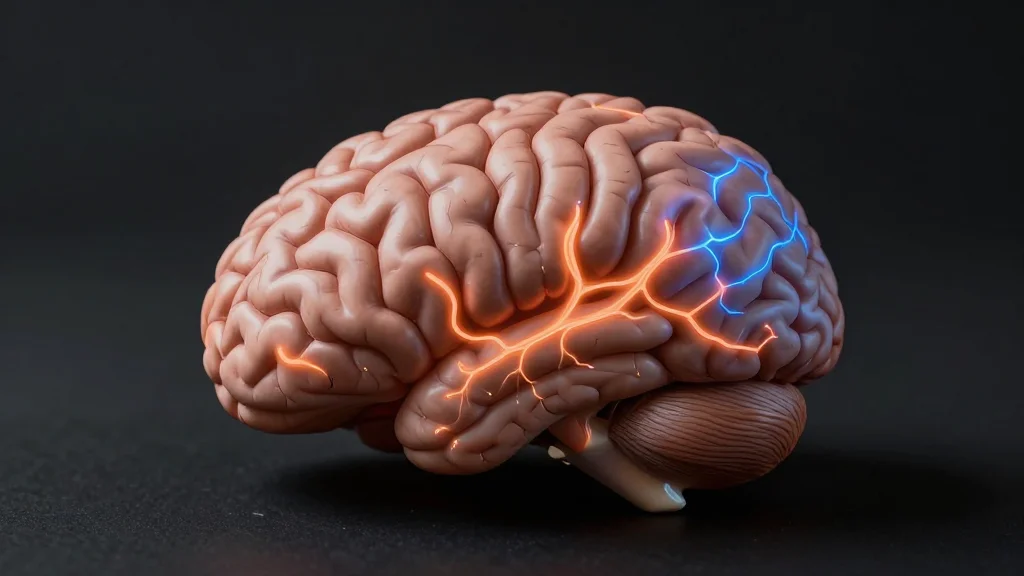
Brain Scans Reveal the Neural Fingerprints of Dark Personality Traits
Researchers led by Richard Bakiaj used resting‑state fMRI and unsupervised machine learning on 200 German adults to identify neural signatures of dark‑triad traits. Elevated baseline activity in the central executive network and reduced activity in a posterior default mode network...
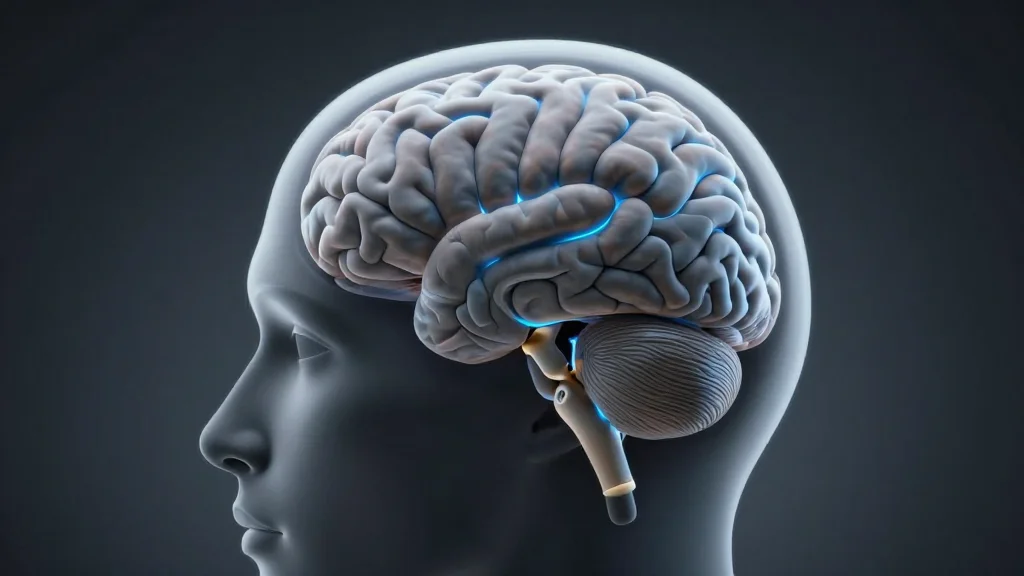
The Neuroscience of Hypocrisy Points to a Communication Breakdown in the Brain
A new Cell Reports study reveals that moral hypocrisy stems from reduced activity and connectivity in the ventromedial prefrontal cortex (vmPFC). Researchers used fMRI while participants chose to lie for profit or judged others' honesty, finding inconsistent individuals showed mismatched...