Astronomy Magazine
Covers space missions, planetary science, and space technology for enthusiasts
Oxygen Swells in Cygnus
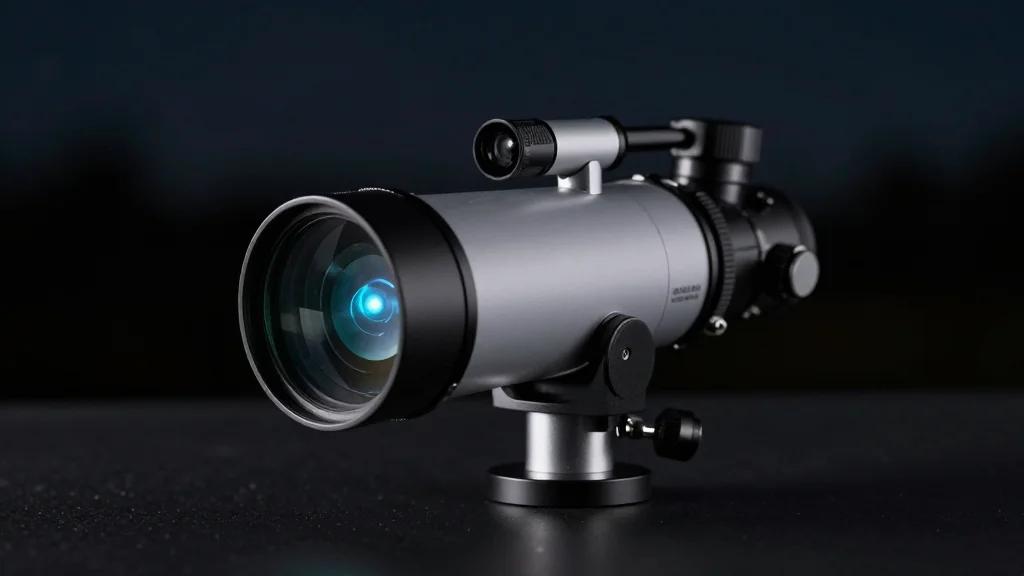
A 66⅔‑hour exposure of the Cygnus constellation using an O III filter revealed rare, blue‑glowing oxygen filaments. The composite image, covering more than 6°, combines Hα, O III, and RGB data captured with a 2.8‑inch f/5.6 astrograph. It showcases the emission nebulae Sharpless 2‑115 on the left and LBN 331 on the right. The result highlights how narrow‑band filters can uncover structures invisible to broadband imaging.
The Sky Today on Wednesday, April 22: The Lyrid Meteor Shower Peaks
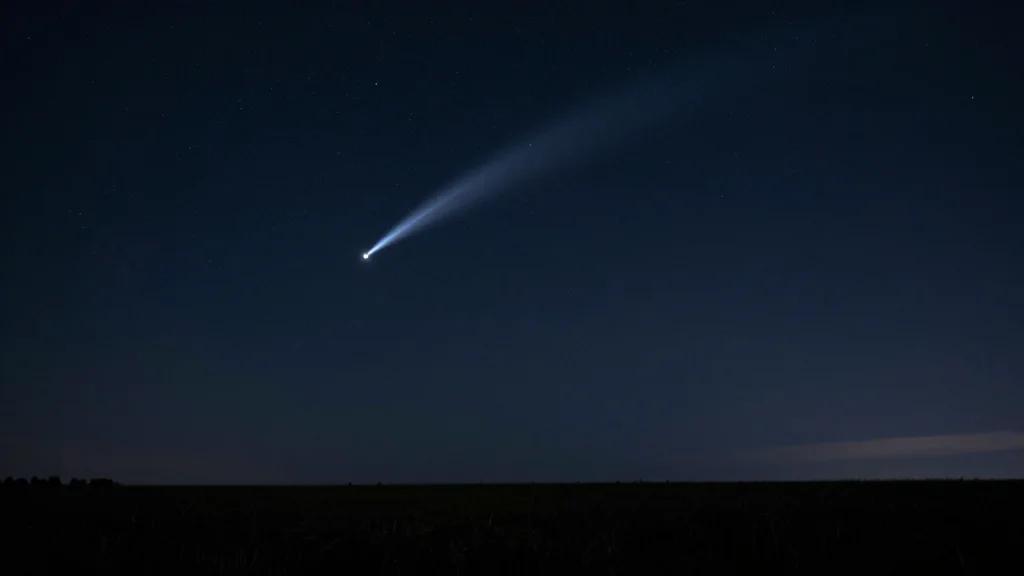
The Lyrid meteor shower reaches its peak early on April 22, 2026, delivering an estimated zenithal hourly rate of about 20 meteors per hour. The radiant climbs to more than 60° in the eastern sky by 3 A.M. local time, positioned just east...
April 21, 1994: The Discovery of Exoplanets
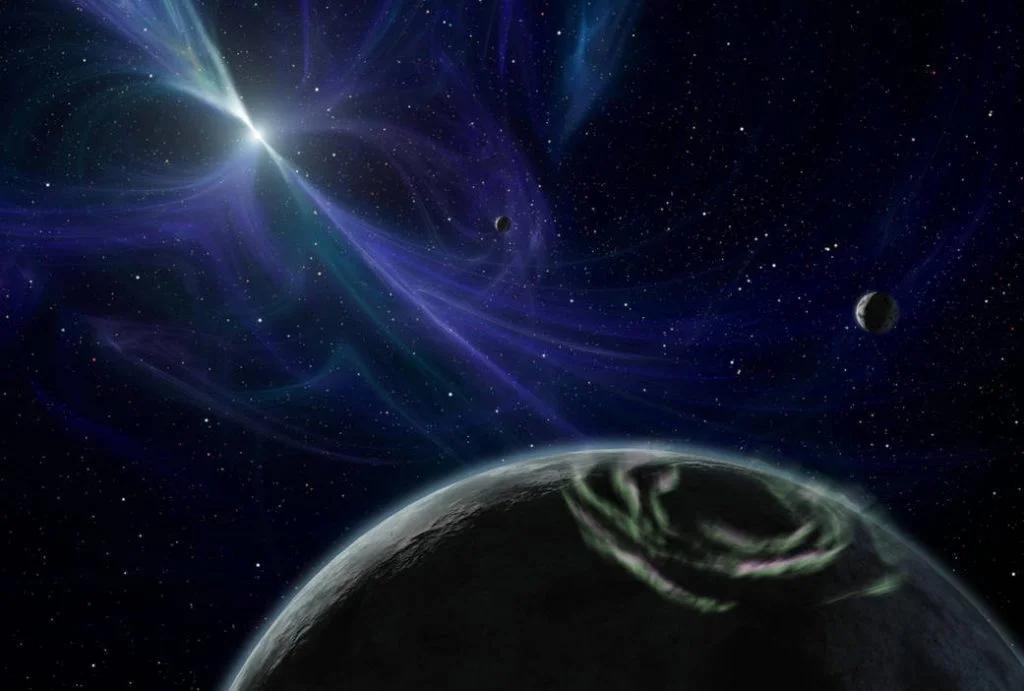
On April 21, 1994 astronomers Aleksander Wolszczan and Dale Frail announced the first unambiguous detection of planets beyond the Solar System. The objects, orbiting the pulsar PSR B1257+12, were roughly three and four Earth masses and completed orbits every 67 and 98 days....
April 20, 2025: Visiting Asteroid Donaldjohanson
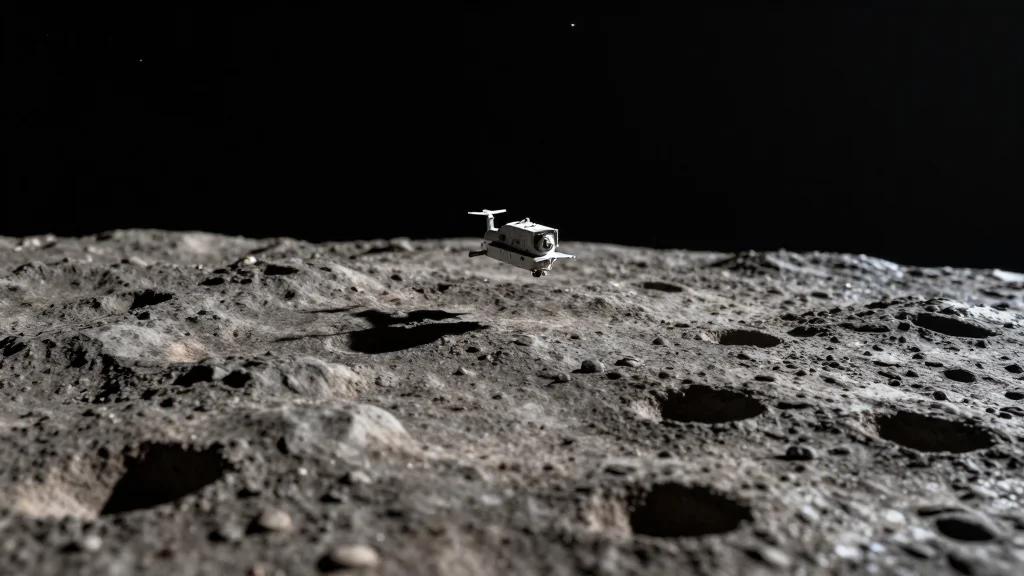
NASA’s Lucy spacecraft performed a secondary flyby of main‑belt asteroid 52246 Donaldjohanson on 20 April 2025, capturing a continuous time‑lapse from roughly 1,600 to 1,100 km. The high‑resolution L’LORRII images revealed a peanut‑shaped contact binary about 8 km long and 3.5 km wide, larger than...
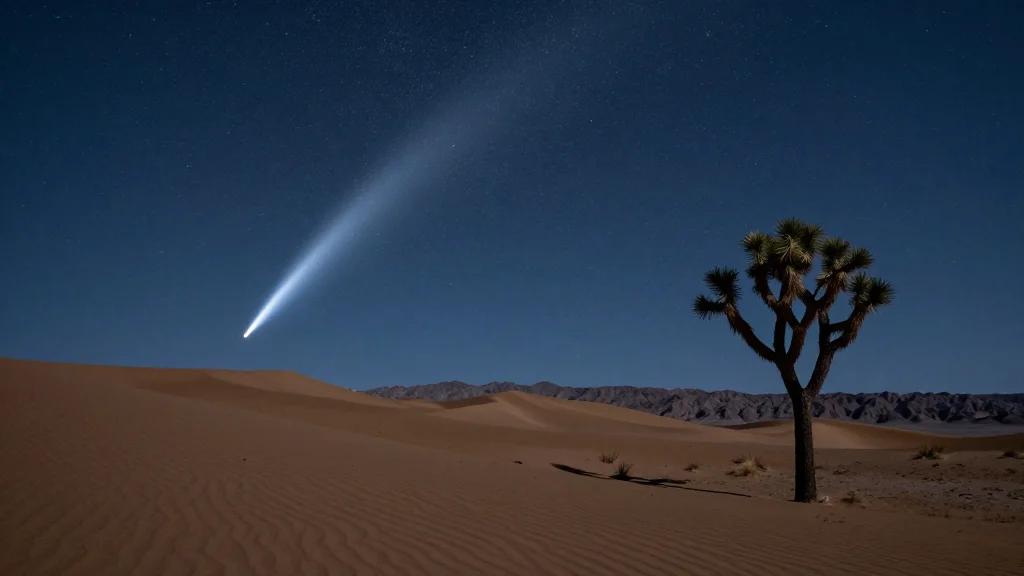
PanSTARRS over Death Valley
Comet C/2025 R3 (PanSTARRS) illuminated Death Valley’s night sky on April 14, 2026, producing a dramatic, elongated tail visible to the naked eye. Photographer Dave Weixelman captured the scene using a Canon R5 mirrorless camera with a 5‑minute exposure at ISO 1600, f/2, and...
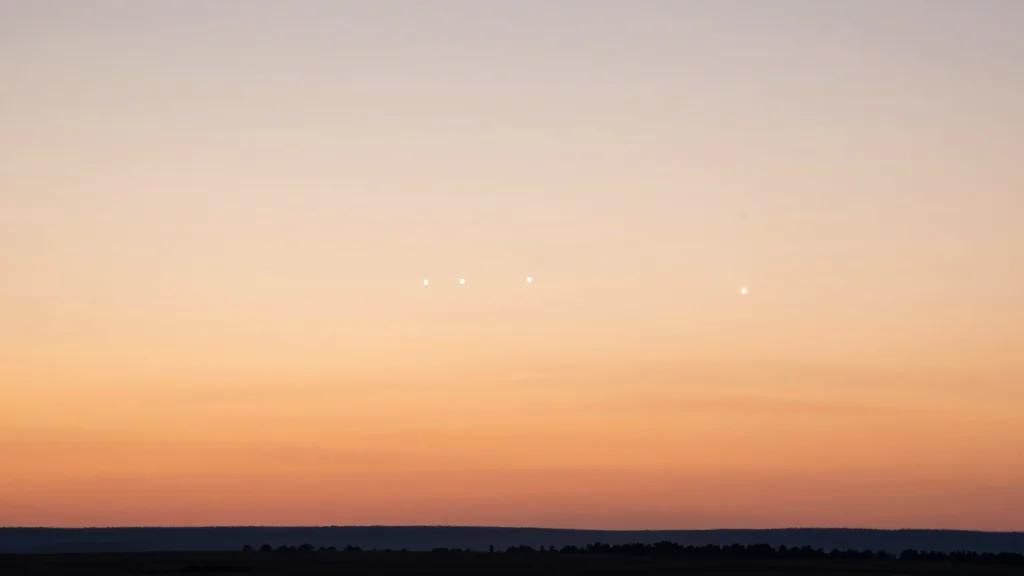
The Sky Today on Monday, April 20: A Trio of Predawn Planets
On the morning of April 20, 2026, Mercury, Mars and Saturn will line up within a 2° span just before sunrise, offering a rare pre‑dawn planetary trio. Mercury will be the brightest at magnitude –0.2, followed by Saturn (mag 0.9) and Mars (mag 1.2)....
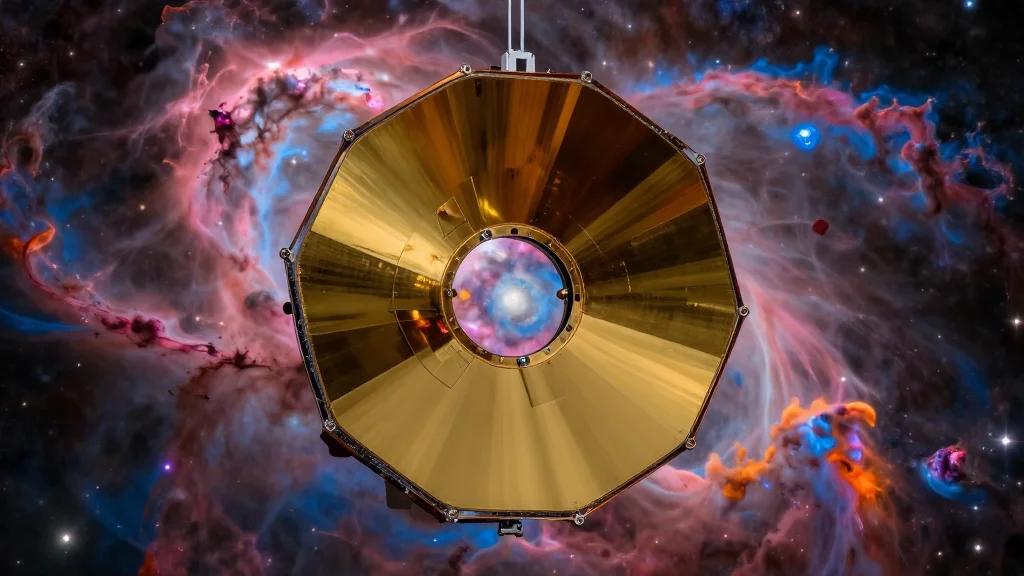
JWST Uncovers the Lobster Nebula’s Firestorm of Starbirth
The James Webb Space Telescope captured a high‑resolution infrared view of the Pismis 24 cluster at the heart of the Lobster Nebula, located about 5,500 light‑years from Earth. The image reveals thousands of previously hidden stars and details the massive O‑type...
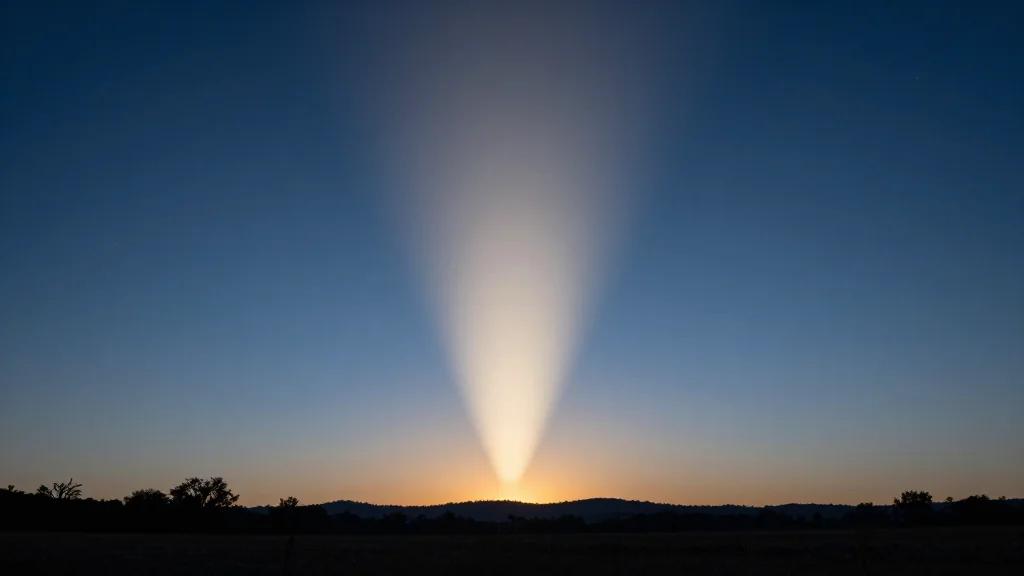
The Sky Today on Friday, April 17: Perfect Setup for the Zodiacal Light
On Friday, April 17, 2026, a New Moon at 7:52 AM EDT will leave the night sky virtually moon‑free, creating optimal conditions to spot the zodiacal light in the western horizon after sunset. The faint, cone‑shaped glow is sunlight scattered by interplanetary dust deposited...
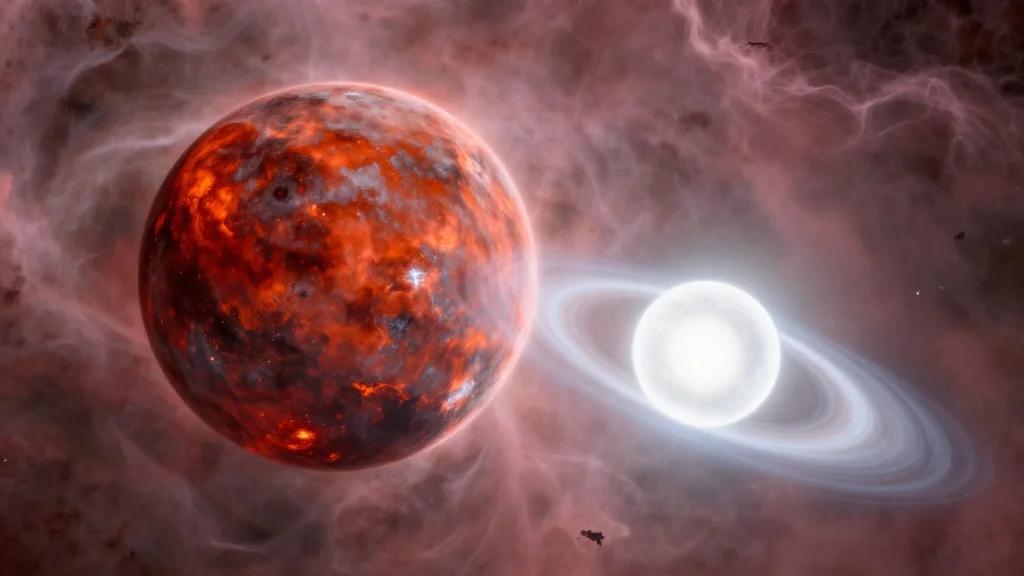
R Aquarii’s Strange, Twisted Relationship
R Aquarii is a nearby symbiotic binary composed of a pulsating red giant and a white dwarf locked in a 44‑year elliptical orbit. The giant’s 390‑day pulsation sheds material that the white dwarf captures into an accretion disk, periodically igniting...
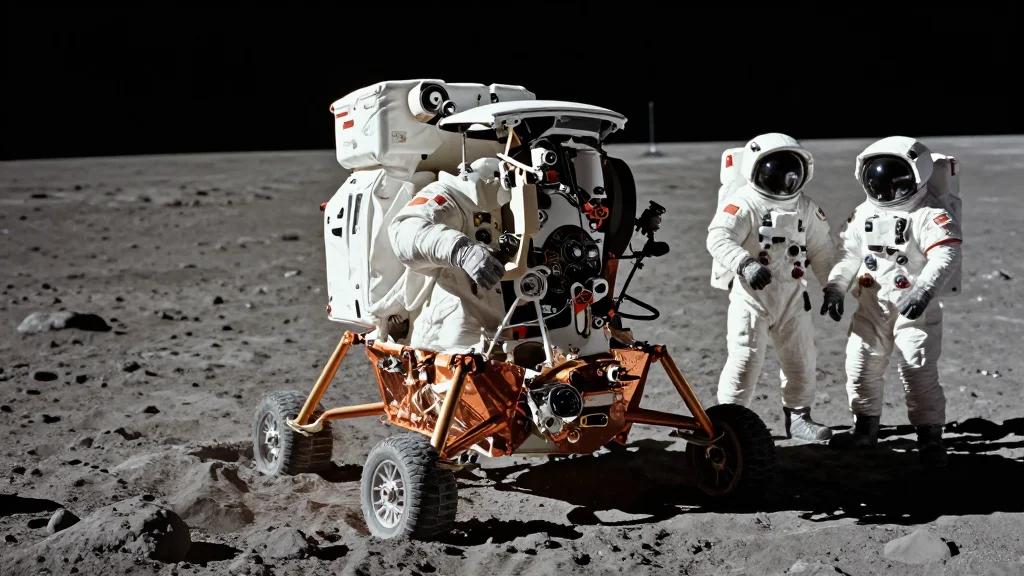
April 16, 1972: Apollo 16 Launches
Apollo 16 lifted off on April 16, 1972, carrying commander John Young and Lunar Module pilot Charlie Duke. The crew landed in the Descartes highlands, the first U.S. touchdown on rugged lunar terrain, and deployed the Lunar Roving Vehicle to extend their range....

Norse Headwear
NGC 2359, popularly called Thor’s Helmet, is an emission nebula about 15,000 light‑years from Earth in the constellation Canis Major. The nebula encircles a massive Wolf‑Rayet star whose powerful stellar winds are blowing gas and dust outward, sculpting the nebula’s distinctive helmet‑shaped...
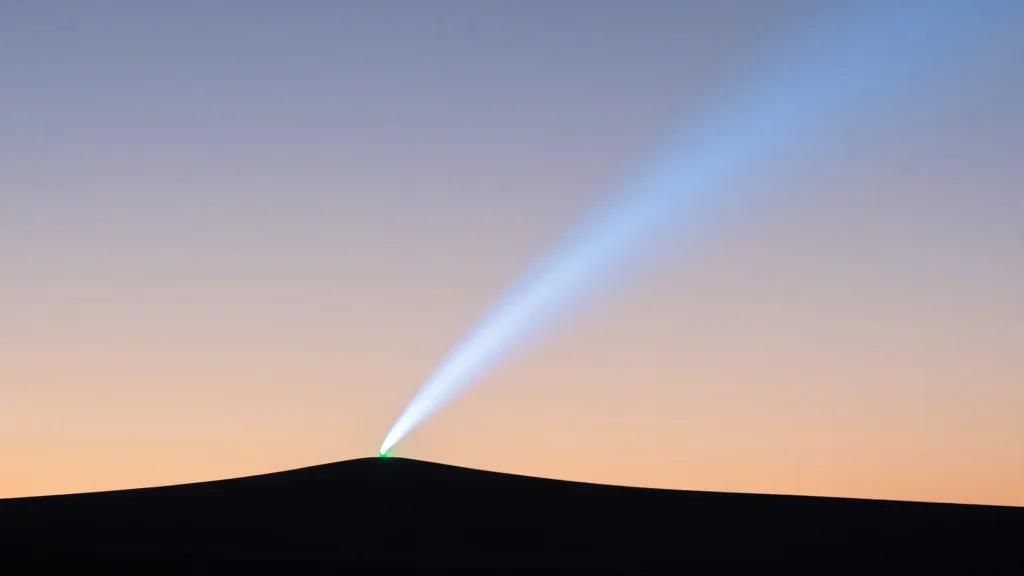
An Emerald Eye
Comet C/2025 R3 (PanSTARRS) lit the eastern dawn sky on April 9, 2026, displaying a vivid emerald‑green coma and a blue ion tail extending over 10 degrees. Arizona amateur astronomer Chris Schur captured the event with a 135 mm f/2 lens on a...
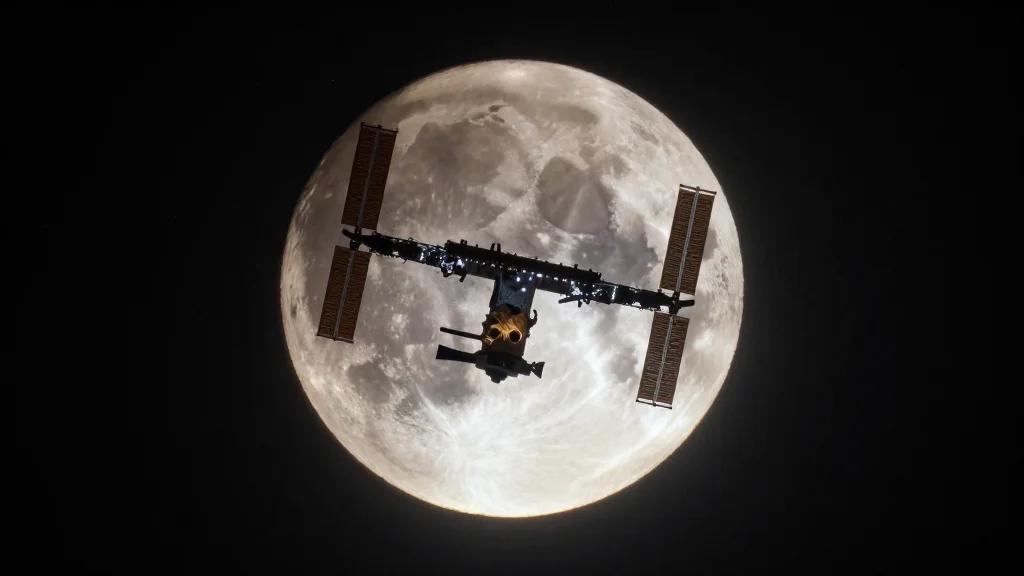
A Palace on the Moon
During the September 7‑8, 2025 lunar eclipse, photographer Tianyao Yang captured the Chinese Tiangong space station silhouetted against the Moon. He used orbital data from the China Manned Space Agency, converted to TLE format with the Planit Pro app, and selected a site in...
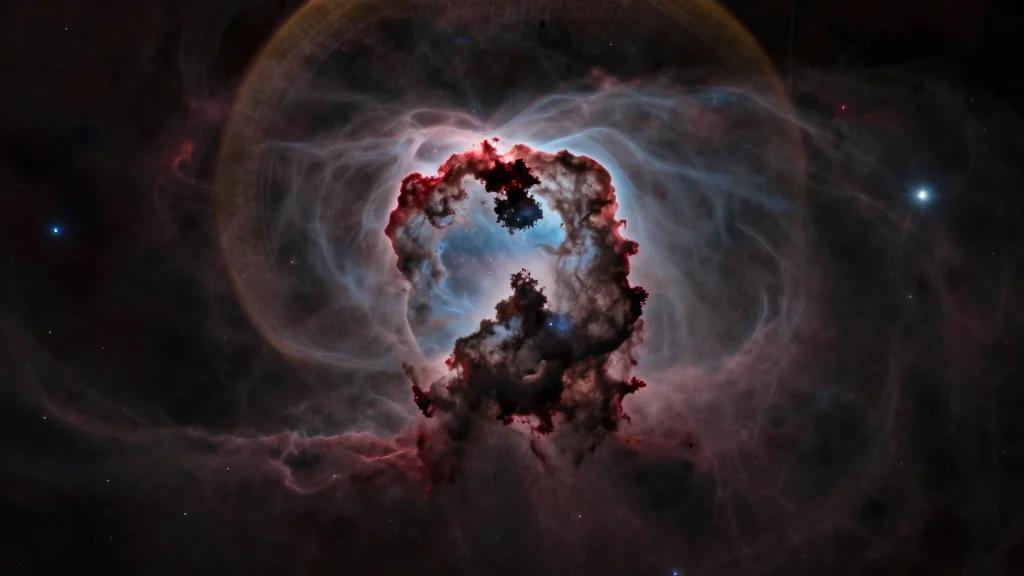
Dave Eicher Reviews ‘The Barnard Album’
The Barnard Album, released in 2026 as part of the Patrick Moore Practical Astronomy Series, revitalizes Edward E. Barnard’s century‑old dark‑nebula atlas with modern color photography. The book reproduces the original plates at a reduced ~5‑inch scale while preserving fine detail, and adds...
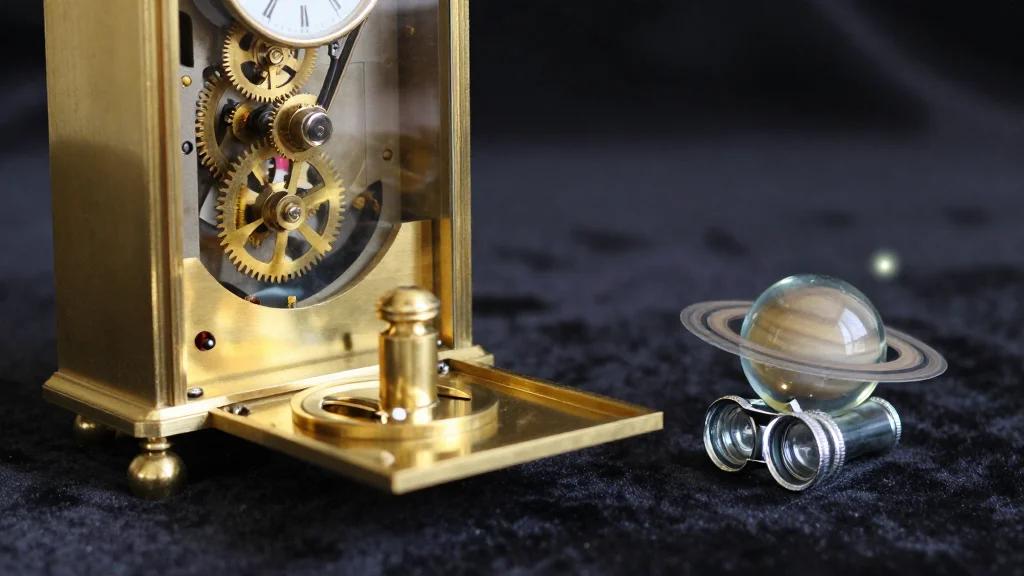
April 14, 1629: The Birth of Christaan Huygens
The article commemorates the April 14, 1629 birth of Dutch polymath Christiaan Huygens, highlighting his groundbreaking work in astronomy and physics. He correctly described Saturn’s rings, discovered its largest moon Titan, and was the first to spot a surface feature on another...