Untitled
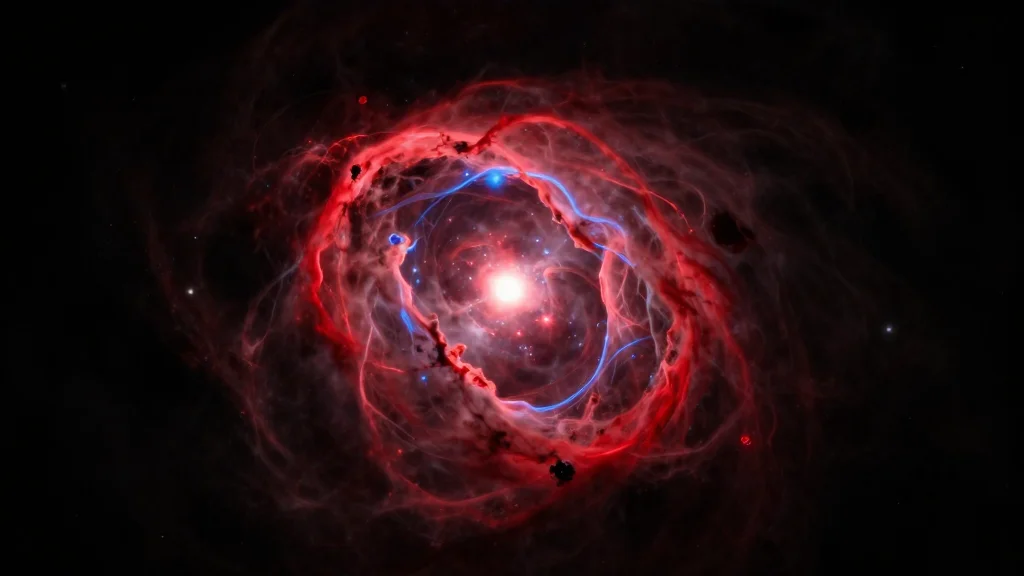
NASA’s Astronomy Picture of the Day featured NGC 2359, popularly called Thor’s Helmet, a nebular bubble about 30 light‑years across located roughly 15,000 light‑years away in the constellation Canis Major. The structure is sculpted by the intense stellar wind of a central Wolf‑Rayet star, which is in a brief pre‑supernova stage. The image combines hydrogen‑emission (red) and oxygen‑emission (blue) data, revealing intricate filaments and dust lanes. Astronomers expect the star to explode as a supernova within the next few thousand years.
Untitled
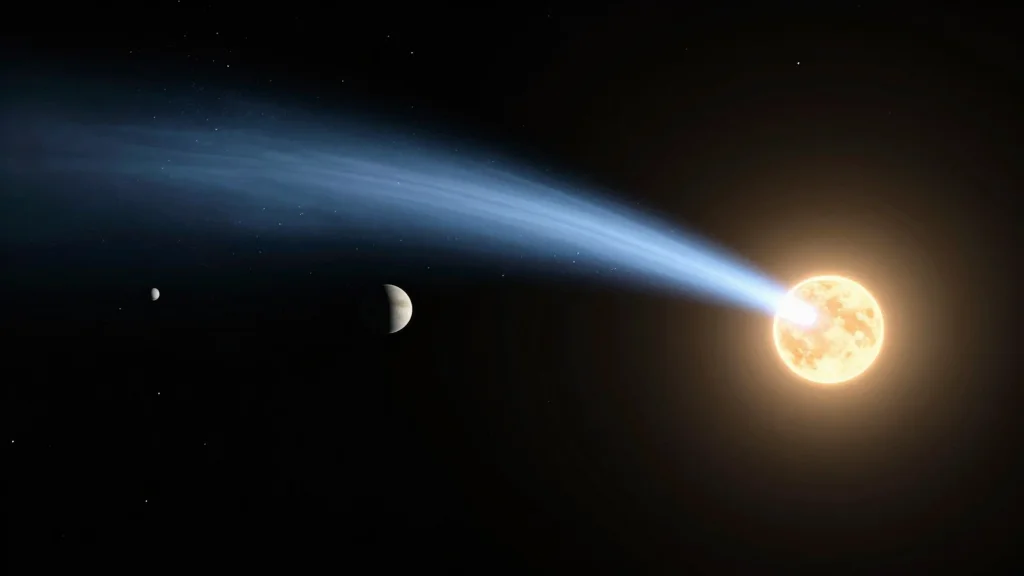
NASA’s Astronomy Picture of the Day on June 8, 2026 showcases comet C/2025 R3 (PanSTARRS) as it departs the inner Solar System. Images taken from Chile’s Cerro Paranal reveal a rapidly shrinking ion tail and a fading coma. The comet’s trajectory has been altered by...
Untitled
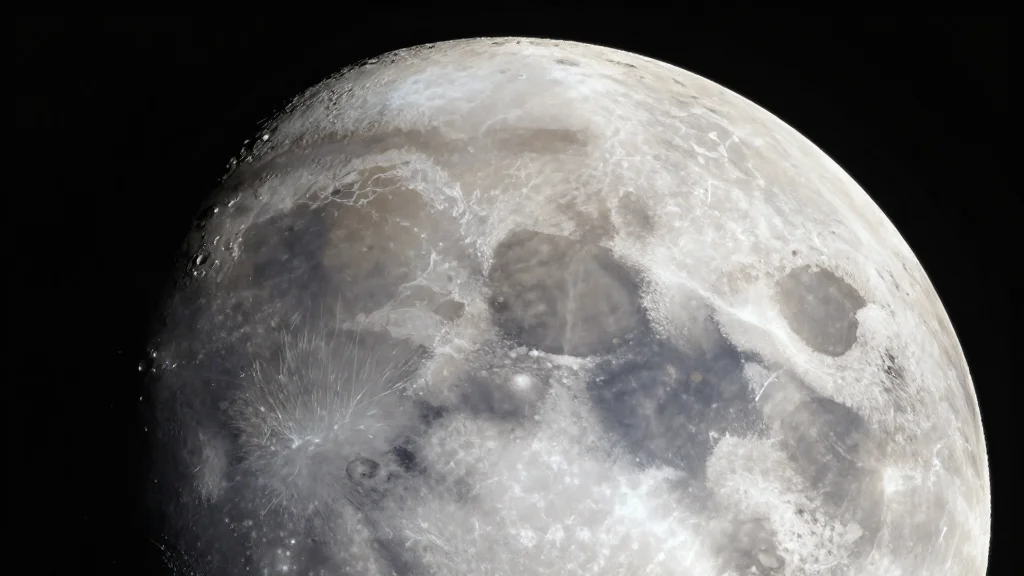
NASA’s APOD featured a high‑resolution image of Charon, Pluto’s largest moon, captured by the New Horizons probe during its closest approach on July 14 2015. The composite blue‑red‑infrared picture, processed to a 2.9 km (1.8 mi) resolution, highlights the dark north‑polar region known as...
Untitled
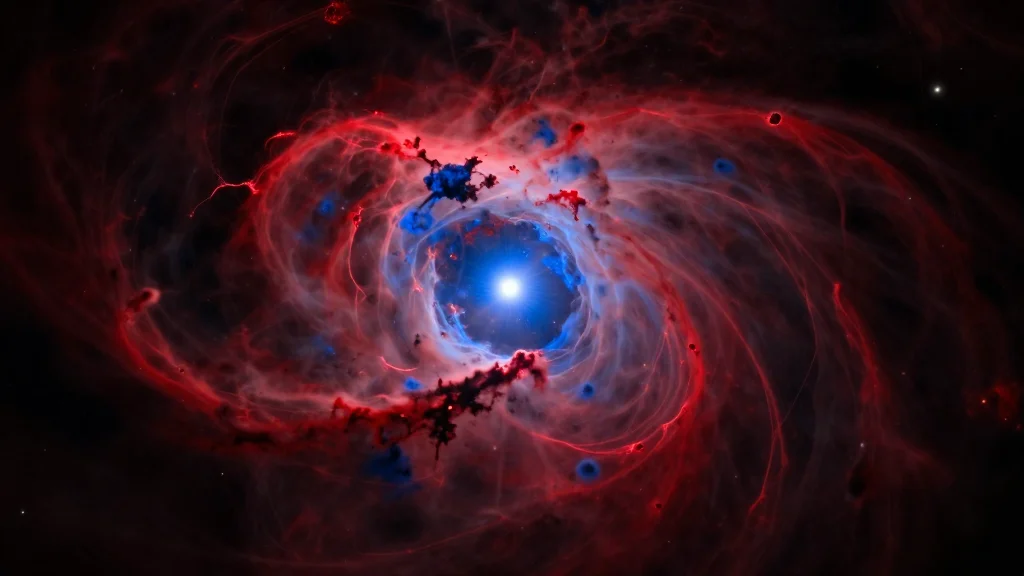
The Vela supernova remnant marks a stellar explosion that occurred roughly 12,000 years ago in the Vela constellation, briefly visible to early human observers. The blast expelled the star’s outer layers, generating a shock wave that still ripples through the...

Untitled
NASA’s Astronomy Picture of the Day highlighted the Headphone Nebula (PK 164 +31.1), a planetary nebula in Lynx that spans roughly one‑fifth the apparent diameter of the full Moon. The nebula’s red hydrogen and blue‑green oxygen emissions form a distinctive headphone‑shaped silhouette,...
Untitled
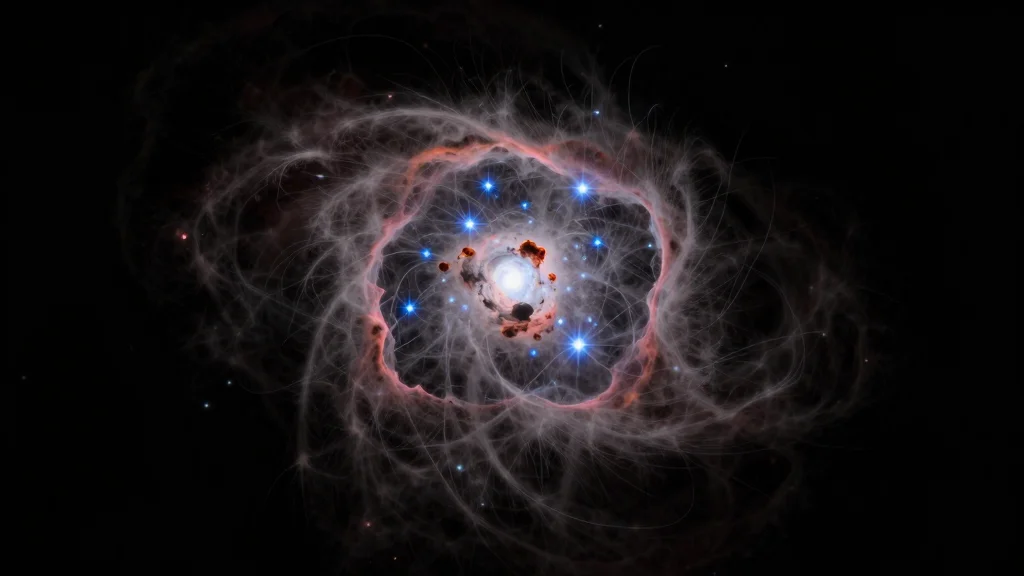
The Astronomy Picture of the Day features Thackeray’s Globules, dark dust clouds in the IC 2944 nebula about 7,600 light‑years away. Each globule exceeds one light‑year in size, making them potential star‑forming sites. A Hubble‑style palette image from Chile’s El Sauce...
Untitled
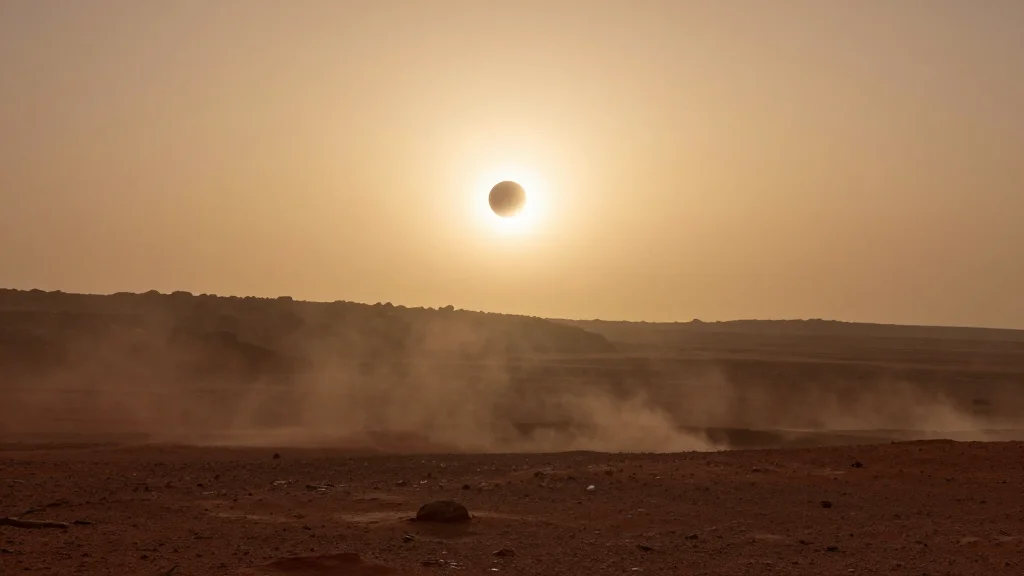
NASA’s Astronomy Picture of the Day for May 24, 2026 features a video captured by the Perseverance rover in 2022 of Mars’ tiny moon Phobos transiting the Sun. The 40‑second eclipse illustrates Phobos’ diminutive 11.5 km diameter and its orbit roughly 50 times closer...
Untitled
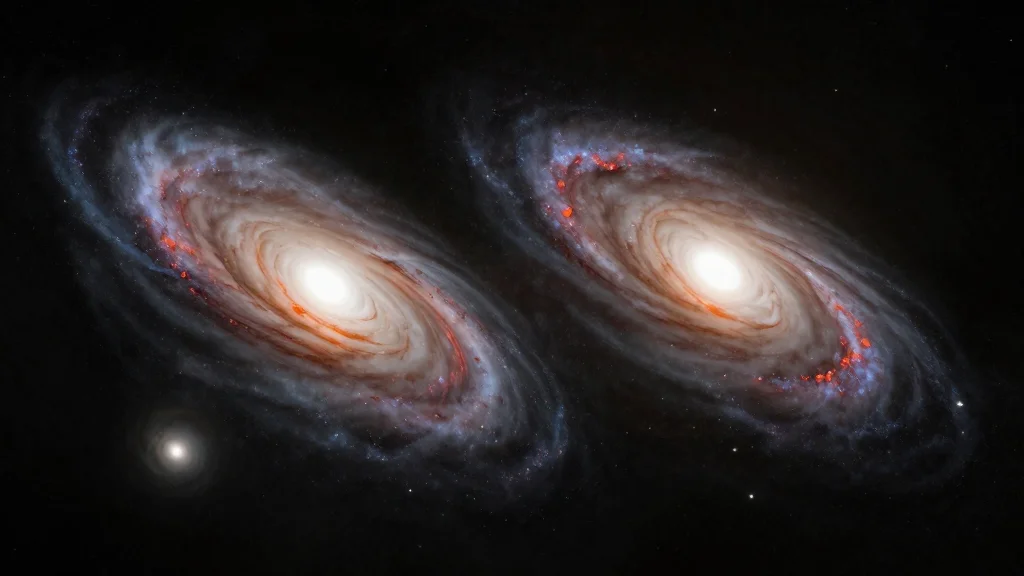
NASA’s Astronomy Picture of the Day showcases spiral galaxy NGC 3169, located about 70 million light‑years away, in the midst of a dramatic gravitational dance with neighboring NGC 3166. The interaction is pulling the galaxies’ spiral arms into sweeping tidal tails, a prelude...

Untitled
The Astronomy Picture of the Day featured a red‑blue stereo view of the Messier and Messier A craters on the Moon’s Sea of Fertility. The craters measure roughly 15 × 8 km and 16 × 11 km, reflecting a shallow‑angle impact that produced elongated shapes and bright...

Untitled
NASA’s Astronomy Picture of the Day for May 6, 2026 features a composite image tracking Saturn and Neptune over 34 nights from May 2025 to February 2026. The planets exhibit retrograde motion, appearing to move backward as Earth overtakes them on its faster inner...
Untitled
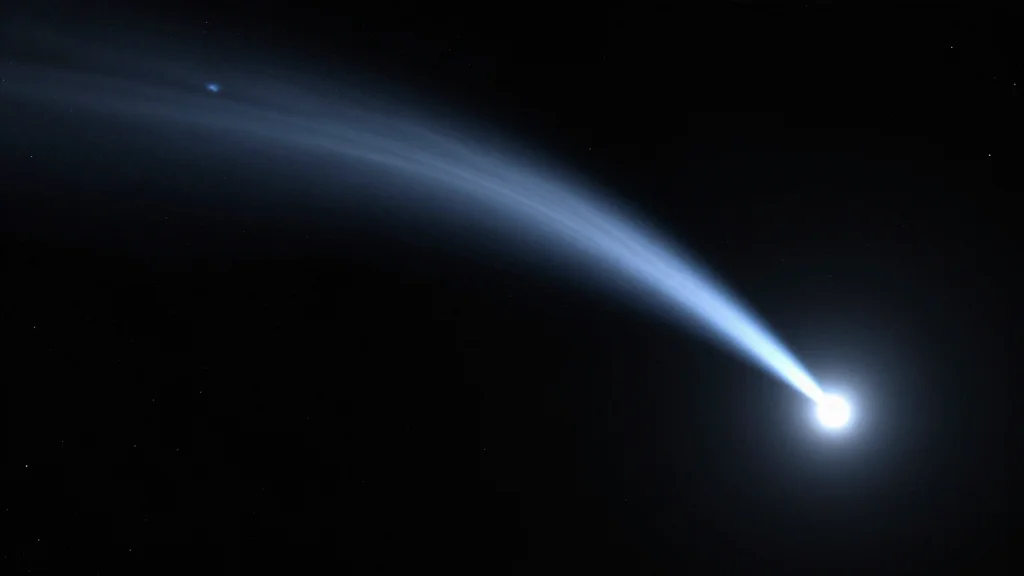
NASA’s Astronomy Picture of the Day highlights comet C/2025 R3 (PanSTARRS) as it shifts into the Southern Hemisphere, becoming best seen west of sunset. The comet is drifting upper‑right each night and will soon enter the constellation Orion before exiting the...
Untitled
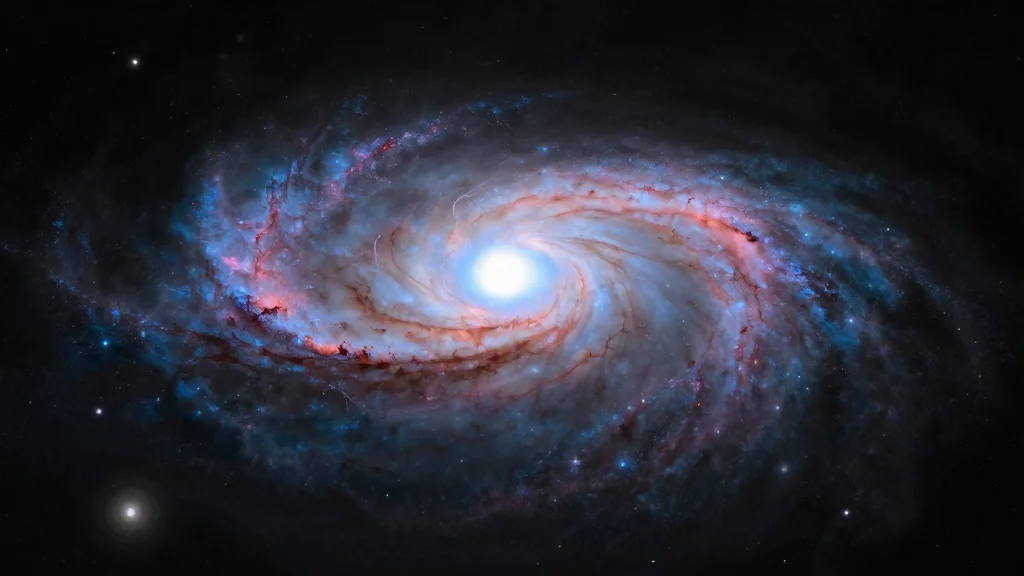
Astronomers have identified a new supernova, designated 2026kid, erupting in the edge‑on spiral galaxy NGC 5907, also known as the Knife Edge Galaxy. A three‑night time‑lapse video shows the supernova brightening despite being partially obscured by the galaxy’s dense disk. Supernovae...
Untitled
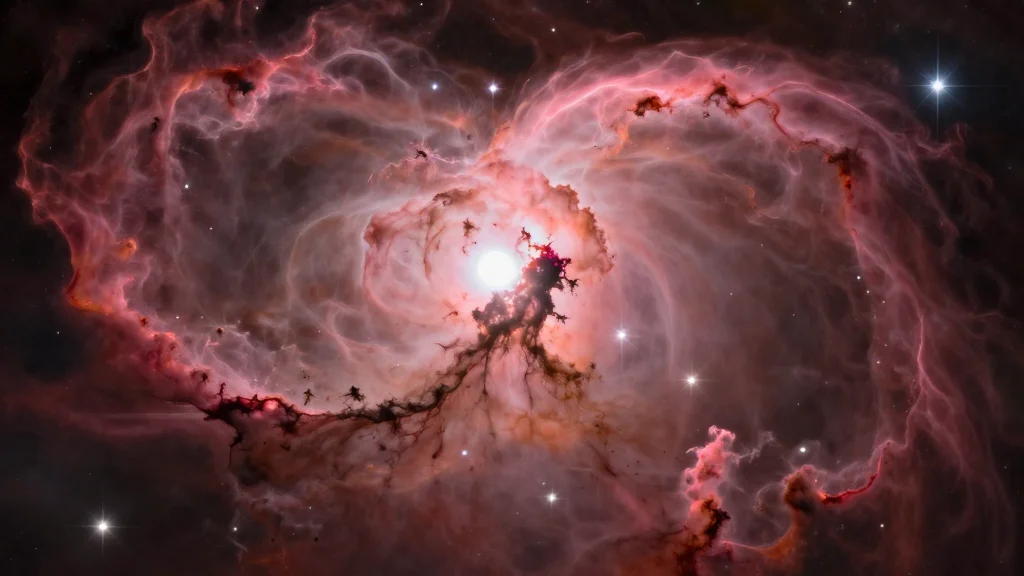
NASA’s Astronomy Picture of the Day featured a rare view of Orion rising behind the snow‑capped Mount Teide on Tenerife. The photograph required a high‑sensitivity camera capable of long‑duration exposures to capture faint nebulae such as the Orion Nebula, Flame...

Untitled
NASA’s Astronomy Picture of the Day showcased a striking infrared mosaic of Saturn’s moon Titan, assembled from 13 years of Visual and Infrared Mapping Spectrometer data collected by Cassini. The image demonstrates how infrared wavelengths cut through Titan’s dense, haze‑filled...
Untitled
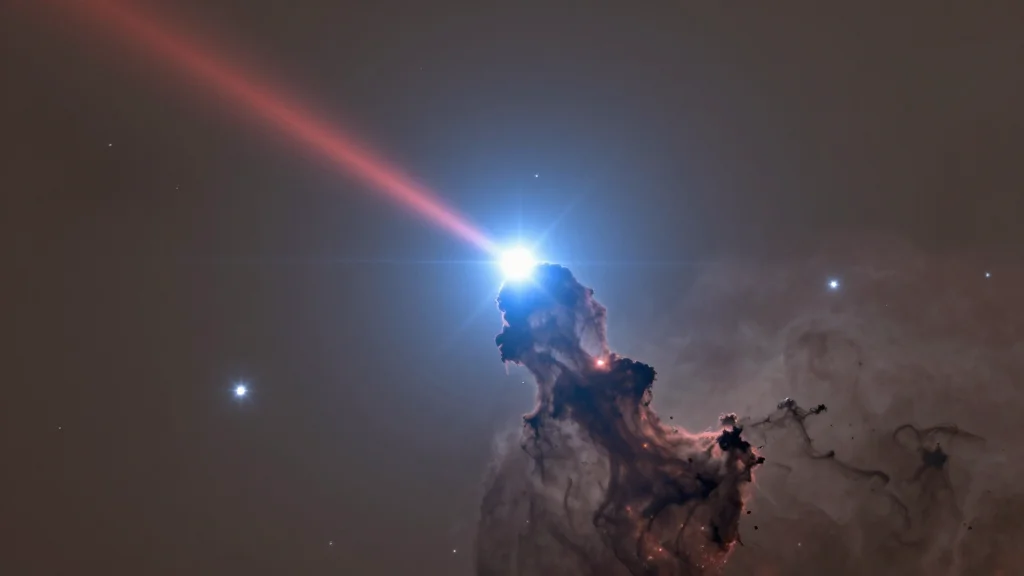
The NASA‑ESA Hubble Space Telescope captured a striking view of the Trifid Nebula (M20) on May 3, 2026, highlighting a massive dust pillar, a smaller adjacent pillar, and a nearly one‑light‑year jet. Bright specks in the image are newly formed stars, while...