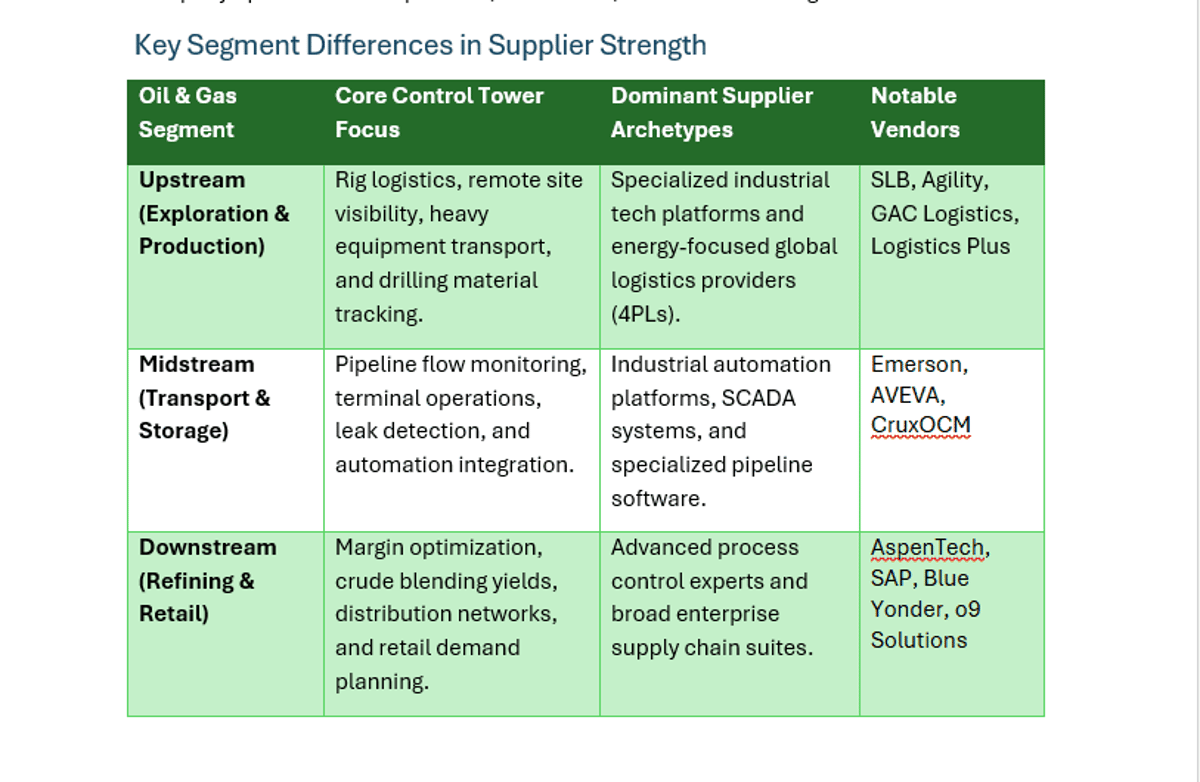
The Oil and Gas Supply Chain Control Tower Vendor Landscape
The global supply chain control tower (SCCT) market is rapidly expanding, delivering real‑time visibility to oil and gas firms facing geopolitical volatility and complex operations. Vendor strength varies sharply across upstream, midstream and downstream segments, with industrial‑tech platforms and specialized logistics providers dominating upstream, automation and SCADA leaders serving midstream, and process‑optimization plus enterprise suites leading downstream. North America commands roughly 37% of SCCT revenue, while the Middle East and Asia‑Pacific accelerate adoption to mitigate maritime risks. The ecosystem now integrates real‑time transportation visibility and predictive risk analytics to safeguard the energy value chain.
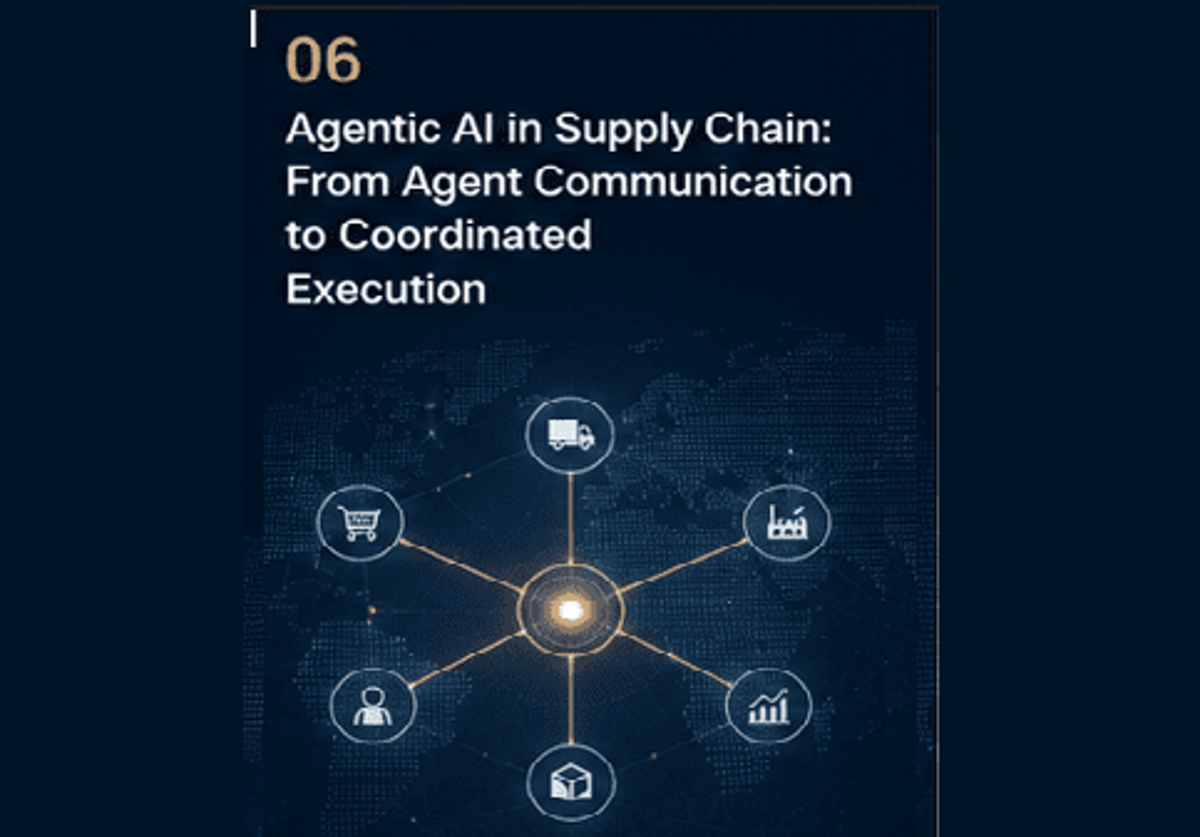
Agentic AI in Supply Chain: From Agent Communication to Coordinated Execution
Agentic AI promises to move supply‑chain software beyond siloed alerts toward autonomous, cross‑functional decision making. By assigning specialized AI agents to domains such as transportation, inventory, procurement and customer service, firms can detect disruptions and orchestrate coordinated responses in real...

The New Fabric of Demand: Modernizing Collaboration and Transparency for Real-Time Production
At ARC Advisory Group’s 2026 Industry Leadership Forum, senior executives from Rolls‑Royce, BTX Precision and MxD discussed the need to replace legacy, siloed workflows with an industrial data fabric that links market signals to real‑time production. The keynote highlighted that...

Help Shape the Supply Chain Decision Intelligence Market Map
Logistics Viewpoints is creating a Supply Chain Decision Intelligence Market Map to define an emerging intelligence layer that sits above traditional ERP, WMS, and TMS systems. The map will differentiate providers such as Blue Yonder, SAP, and others based on...
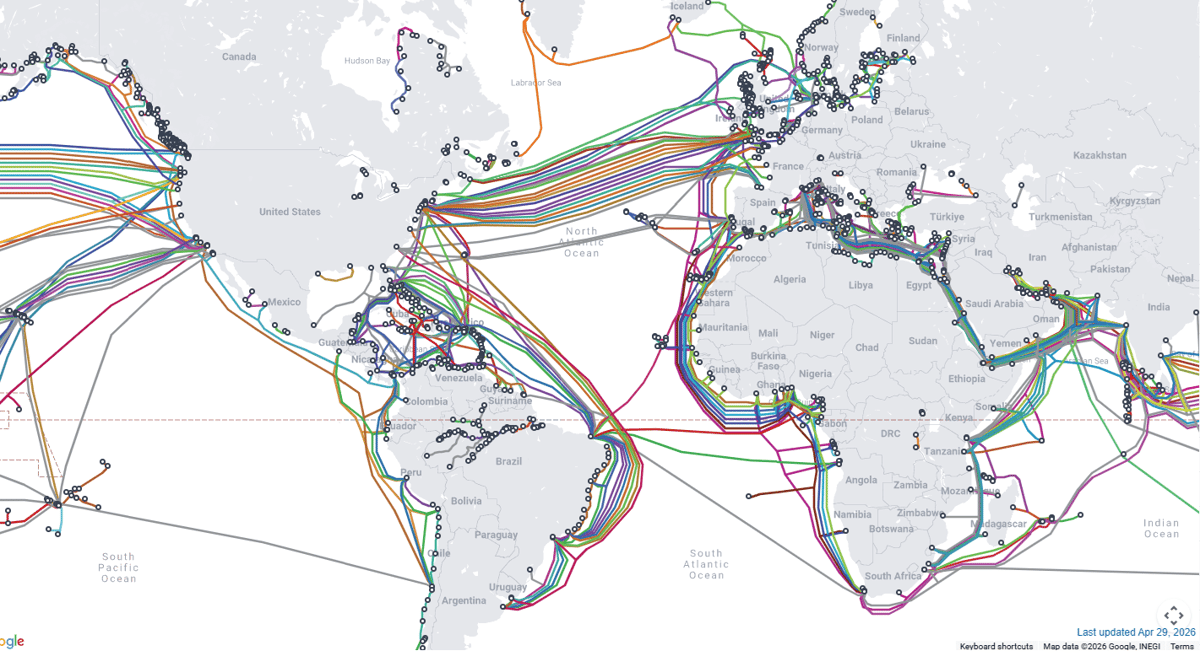
Why Undersea Internet Cables Matter to Global Supply Chains
Undersea fiber‑optic cables, the hidden data highways beneath the oceans, are now recognized as essential supply‑chain infrastructure alongside ports, canals and rail lines. Recent debate over Iranian control of cables crossing the Strait of Hormuz highlights how digital chokepoints can...
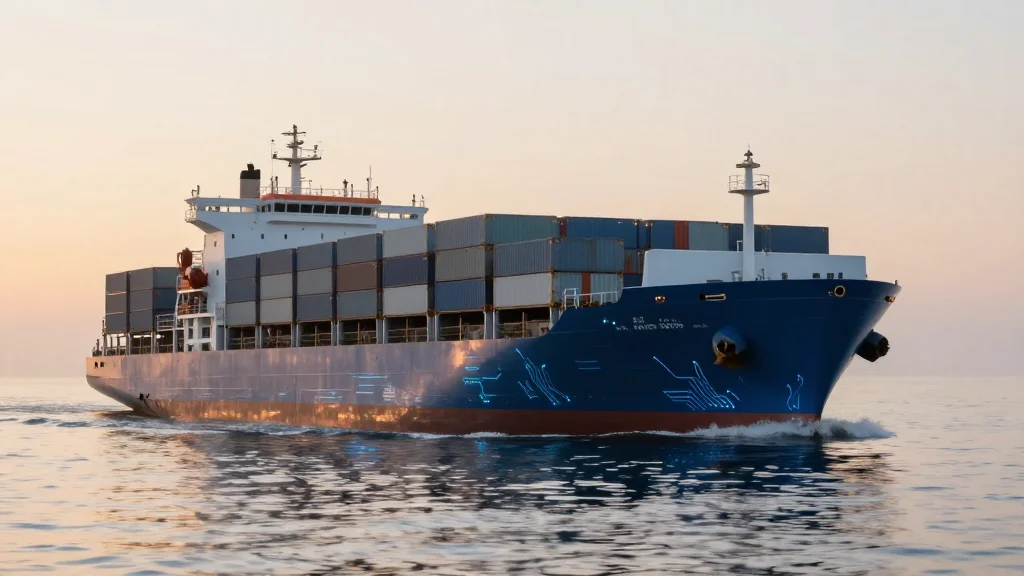
The Freight Forwarder Moat Is Getting Shallower
Ocean freight forwarding, an $80 billion market, has long depended on manual booking, documentation, and coordination bundled into a single service. New AI‑driven platforms can ingest rate contracts, parse surcharges, compare carriers and execute bookings end‑to‑end without human intervention. This capability...
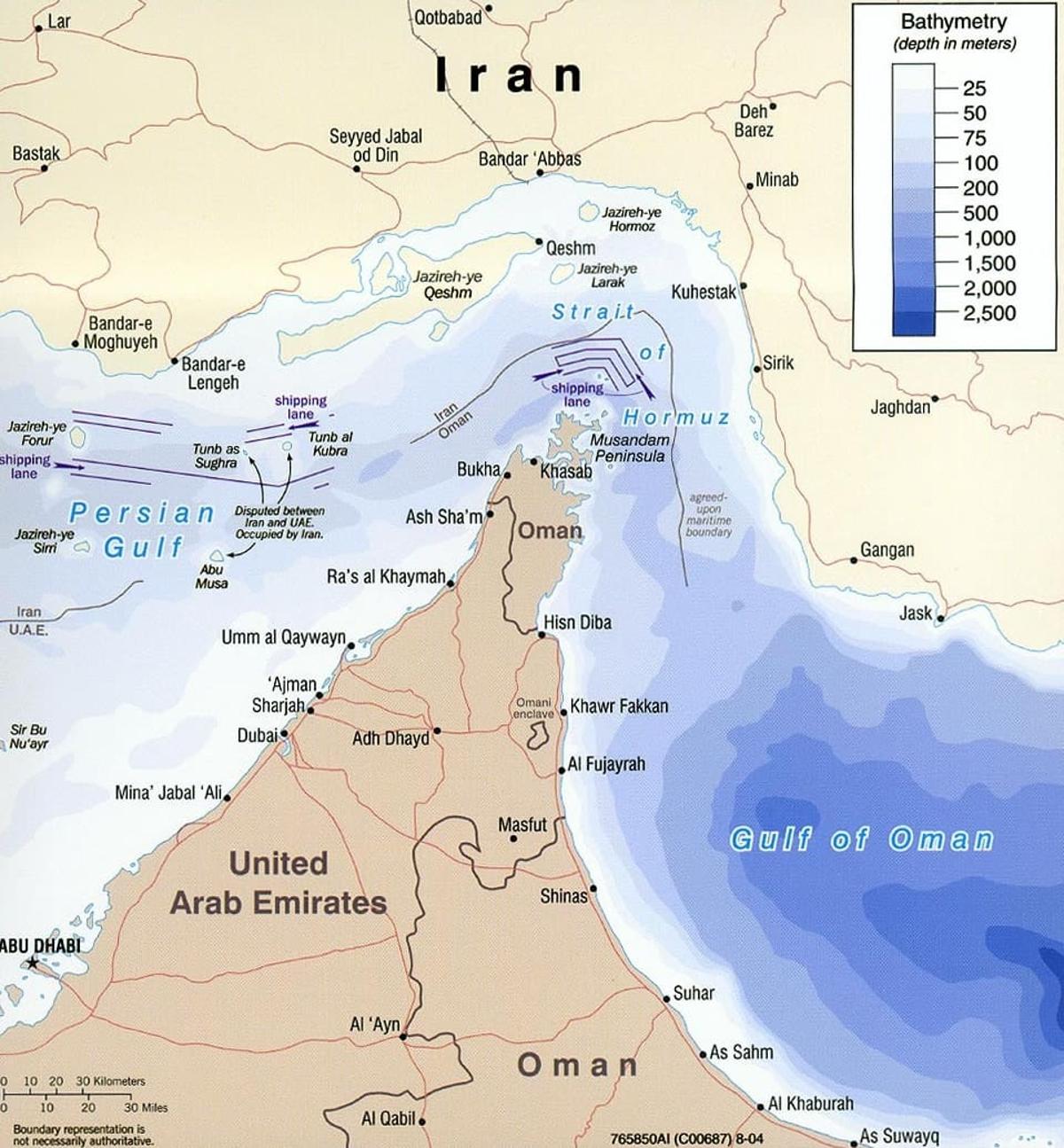
Hormuz Risk Is Redrawing the Supply Chain Geography of Energy
Geopolitical tension in the Strait of Hormuz is prompting a strategic shift in global energy supply chains. Japan has opened talks with the UAE to increase crude imports and create joint stockpiles, while the UAE’s Fujairah port offers an alternative...

Ford’s Manufacturing Reset Shows How Automakers Are Rebuilding the EV Supply Chain
Ford is executing a major reset of its electric‑vehicle strategy, taking a $19.5 billion write‑down that includes canceled models and battery‑related restructuring. The automaker will repurpose its Kentucky and Michigan battery plants to produce storage systems for data centers and other...
Supply Chain Interoperability Is Becoming the Foundation for AI-Enabled Logistics
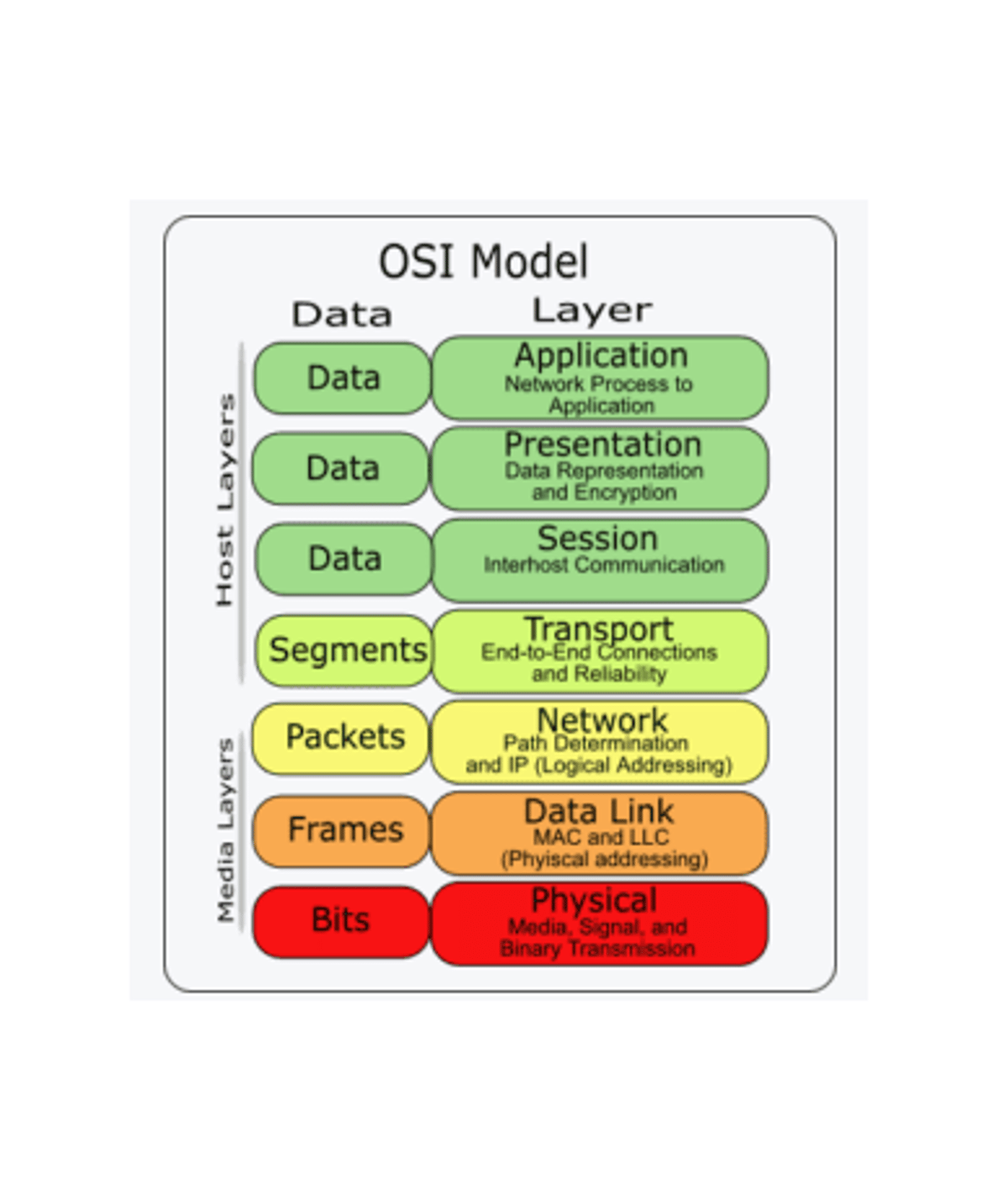
AI is moving from pilot projects to operational execution, but its success now hinges on supply‑chain interoperability rather than model sophistication. The article argues that true interoperability means real‑time, trusted, contextual data exchange across ERP, TMS, WMS, and partner networks,...
Supply Chain AI Enters the Execution Era
Supply‑chain AI is moving out of the proof‑of‑concept stage and into the execution era, where measurable gains in decision speed, service levels, inventory costs, and resilience are the new benchmarks. Early deployments proved that AI can forecast, detect disruptions, and...

Nuclear Power Is Becoming Part of the AI Infrastructure Supply Chain
AI-driven data centers are turning electricity into a strategic bottleneck, with projects like Meta's El Paso campus targeting roughly 1 GW of continuous power by 2028. This demand has revived interest in nuclear energy, especially advanced small modular and micro‑reactor designs that...

Modern Cost Engineering Evolution: Rewiring the Human Element for Supply Chain Resilience
The article outlines how modern cost engineering is reshaping industrial supply chains by pairing AI‑driven "should‑cost" models with a human‑centered transformation. It highlights a looming workforce retirement wave—about 25% of manufacturing staff are over 55—and the resulting loss of tribal...

UPS Is Resetting the Parcel Network for a Lower-Volume, Higher-Discipline Market
UPS is overhauling its U.S. parcel network to prioritize yield, density and automation over sheer volume. In Q1 2026, domestic revenue fell 2.3% to $14.1 billion while revenue per piece rose 6.5%, reflecting a shift toward higher‑margin shipments. The carrier cut...

A Recent Conversation with Logicplan: Transportation Planning Beyond the TMS
Logicplan’s co‑founder Luuk Kuijpers explains that mid‑market transportation planning still relies heavily on experienced dispatchers who synthesize fragmented data and tacit judgment. While traditional TMS and optimization engines handle defined constraints, they miss the nuanced, context‑driven decisions that dispatchers make...

Caterpillar and the Supply Chain Signal Behind Heavy Equipment Demand
Caterpillar reported first‑quarter 2026 sales of $17.4 billion, a 22% year‑over‑year rise, and adjusted earnings of $5.54 per share. The Power & Energy segment contributed $7 billion, also up 22%, as demand from data‑center and grid‑expansion projects surged. A record backlog and...
What Spirit Airlines’ Shutdown Reveals About Supply Chains
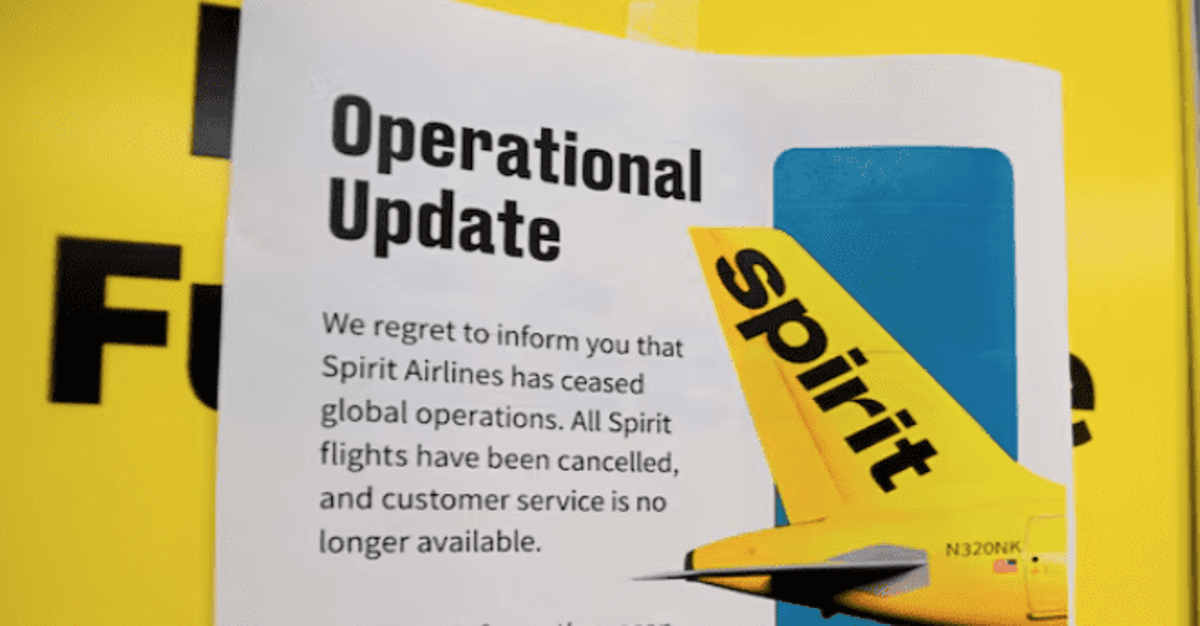
On May 2, 2026 Spirit Airlines halted all flights, exposing the vulnerability of ultra‑lean operating models that rely on high utilization, dense scheduling and minimal slack. The airline’s shutdown serves as a vivid case study for supply‑chain leaders about how...

Siemens and the Industrial Backbone of Digital Supply Chains
Siemens demonstrates that a true digital supply chain rests on an integrated industrial layer that connects engineering, automation, manufacturing execution, and operational data. The company’s approach shows that dashboards and planning software are only as effective as the quality and...
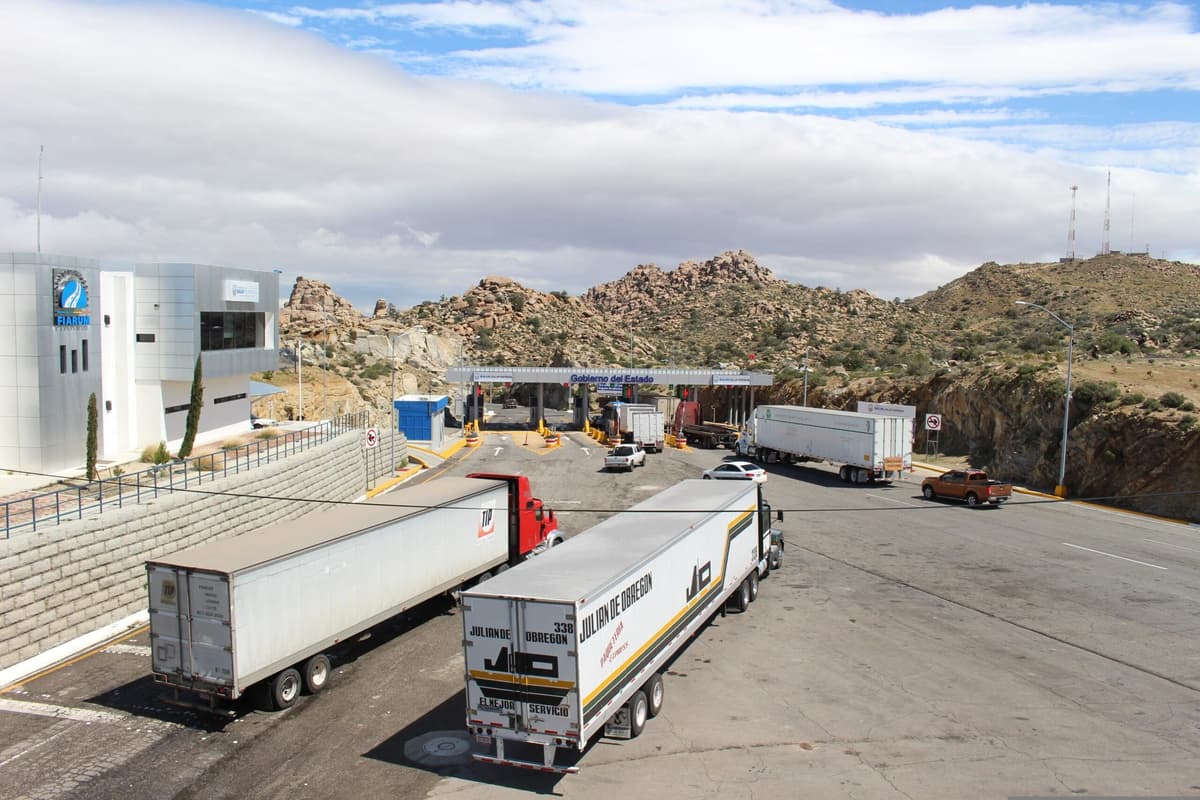
Nearshoring Is Creating New Infrastructure Bottlenecks
Nearshoring is reshaping supply chains by moving production closer to U.S. demand, but the shift is exposing new regional constraints. Manufacturing capacity can be added faster than the supporting roads, rail, ports, and utility networks, creating localized bottlenecks. Border crossings,...

Planning AI Needs Memory, Not Just Automation
The article argues that next‑generation supply‑chain planning AI must go beyond speed and automation to embed a persistent memory of operational context, exceptions, and planner judgments. While vendors like Kinaxis, SAP, Blue Yonder and o9 are marketing AI‑driven orchestration, agents...

Meta’s AI Capex Reset Turns Supply Chain Into a Board-Level Constraint
Meta announced a higher AI infrastructure capital budget, citing rising component prices and a surge in compute demand. The company’s outlook underscores that large‑scale AI is no longer a pure software effort but a physical supply‑chain program involving chips, cooling,...

Supply Chain News of the Week: Five Signals Worth Acting On
Logistics Viewpoints highlighted five emerging supply‑chain signals demanding faster, higher‑quality decisions. A DHL CEO warning links Gulf energy volatility to broader economic risk, while inventory accuracy problems are traced to pre‑warehouse processes. Digital twins are only effective when they mirror...
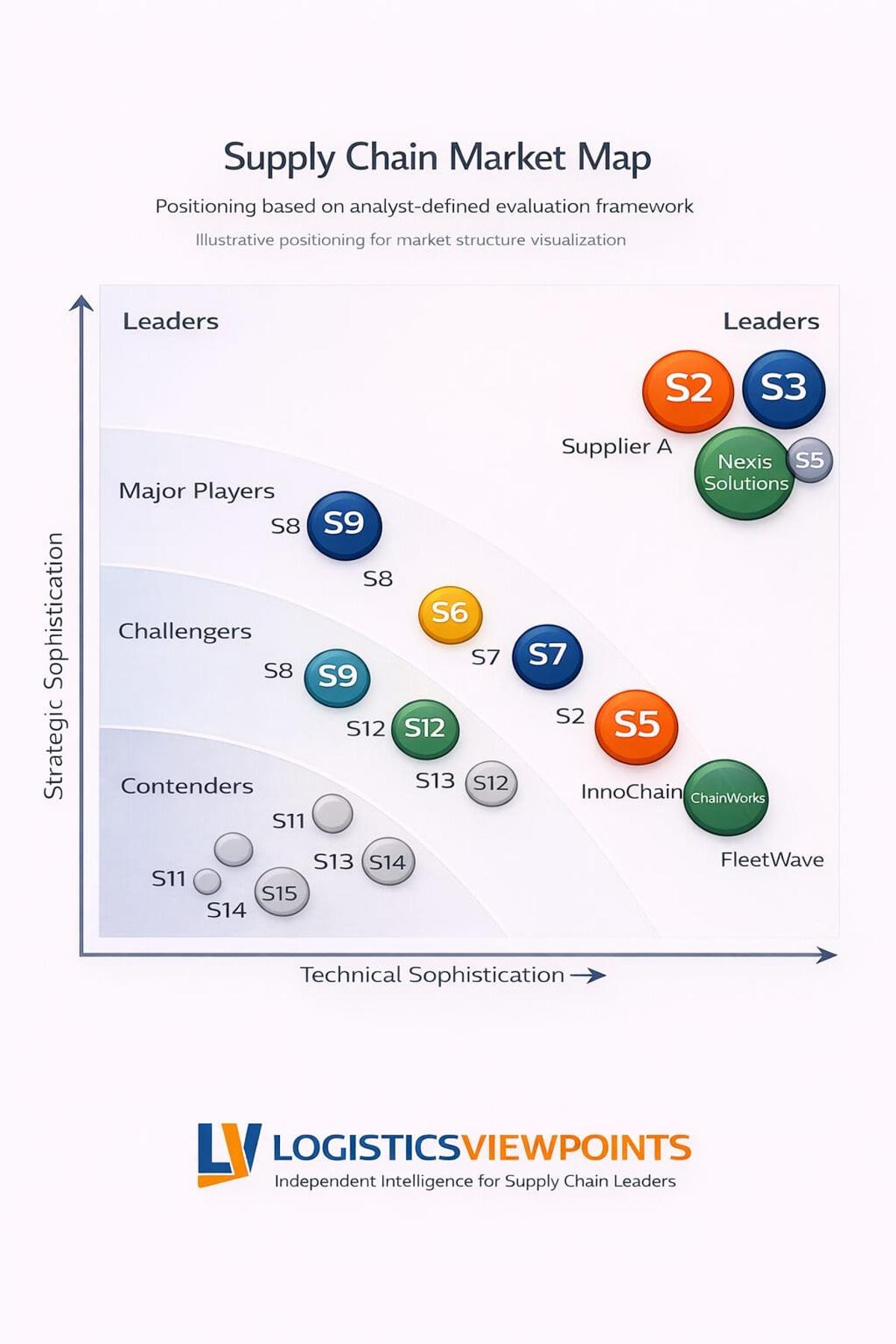
Supply Chain Market Maps: A Clearer View of Crowded Technology Markets
Logistics Viewpoints has launched a series of Supply Chain Market Maps to bring order to an increasingly tangled technology landscape that now includes WMS, WES, robotics, AI, and multi‑enterprise platforms. The maps define each market’s scope, position providers on a...

Bentley Systems Achieves Key U.S. Government Security Milestone to Help Modernize Infrastructure
Bentley Systems announced that its ProjectWise and OpenGround platforms have received FedRAMP Moderate Impact Level authorization, clearing the way for U.S. federal agencies to use the tools in a secure cloud environment. The certification, driven by the Federal Risk and...
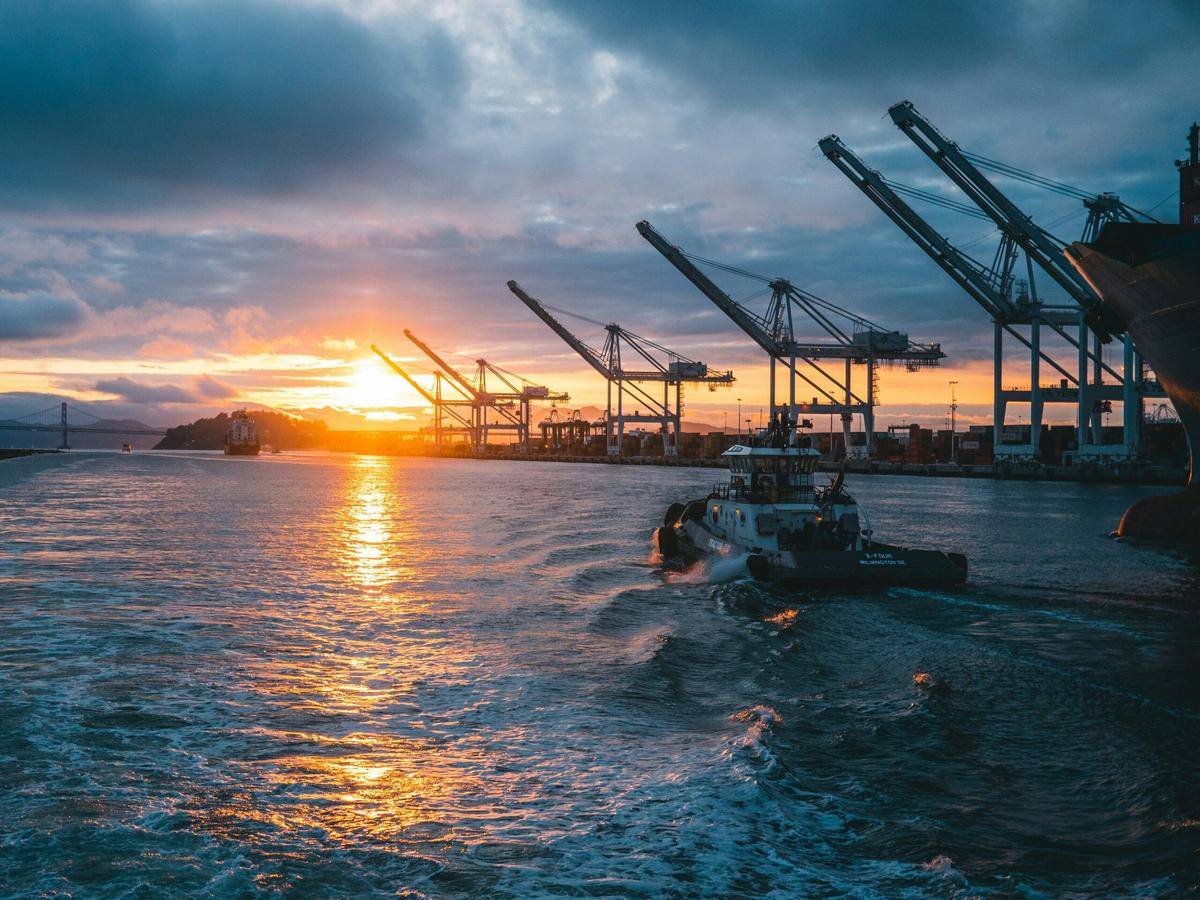
Port Congestion Is Becoming a Structural Risk Again
Port congestion is resurfacing across major trade lanes, though not at pandemic‑level peaks, signaling a shift from a temporary glitch to a structural risk. Global container reliability has settled in the low‑60 percent range, meaning many vessels still arrive days...
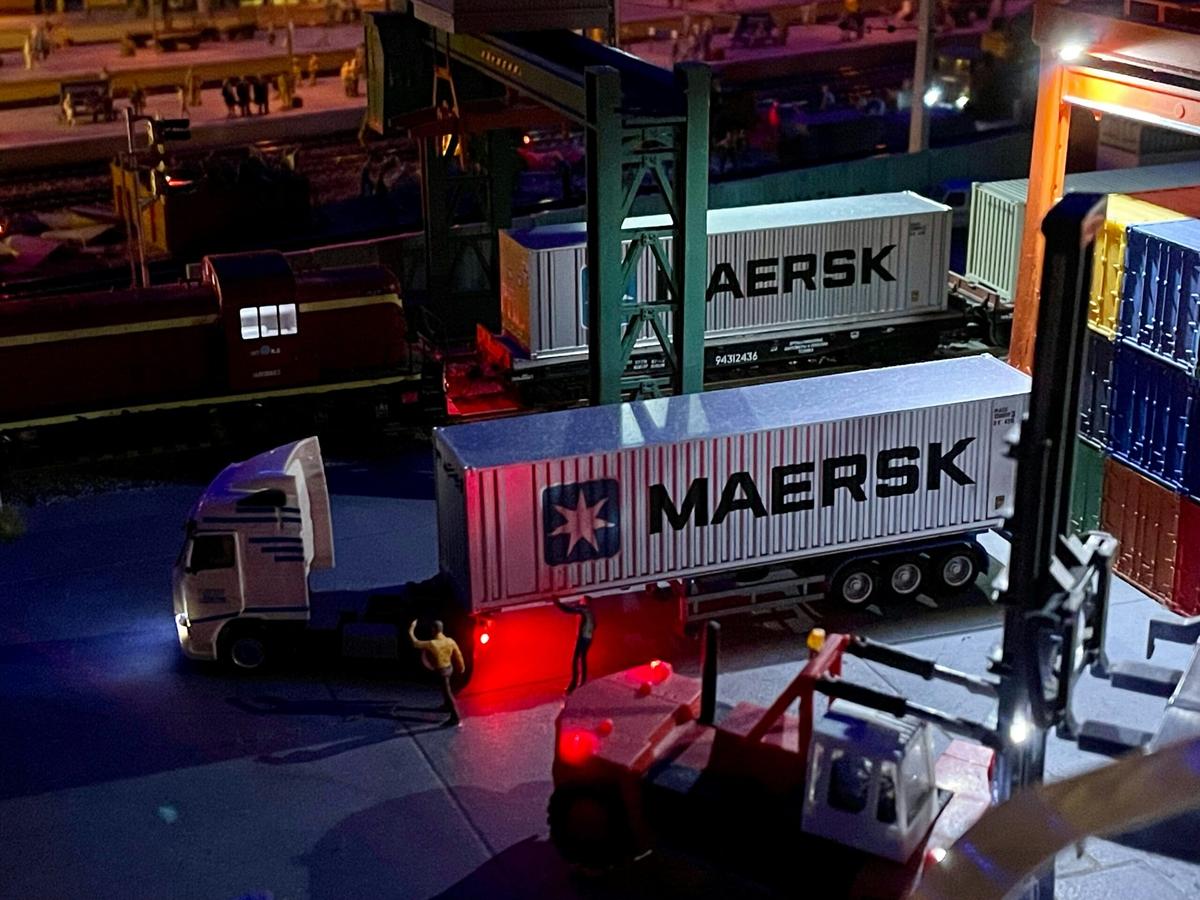
Maersk’s Integrated Logistics Strategy Is Gaining Traction
Maersk is transforming from a pure container carrier into an end‑to‑end logistics provider, linking ocean shipping, terminals, inland transport, warehousing, air freight and customs services. In 2025 the company posted $54 billion in revenue, with strong growth in its Logistics &...

Air Cargo Is Reemerging as a Critical Supply Chain Lever
Air cargo is re‑emerging as a deliberate supply‑chain lever as geopolitical tensions, Red Sea disruptions and unpredictable ocean routes raise the cost of delay. Companies are shifting from using air freight solely for emergencies to a tactical option for high‑value,...

Visibility Isn’t Decision-Making in Supply Chain AI
Supply chain AI has succeeded at delivering real‑time visibility, but most implementations stop at alerting rather than deciding. Without integrated decision logic and clear execution authority, AI recommendations remain advisory and fail to drive action. The article argues that the...

DHL and the Reality of End-to-End Logistics Integration
DHL is using its massive footprint across Express, Global Forwarding, Supply Chain, eCommerce and Post & Parcel to push end‑to‑end logistics integration from a visibility exercise to an operational advantage. The company has turned shipment tracking into a shared operating...
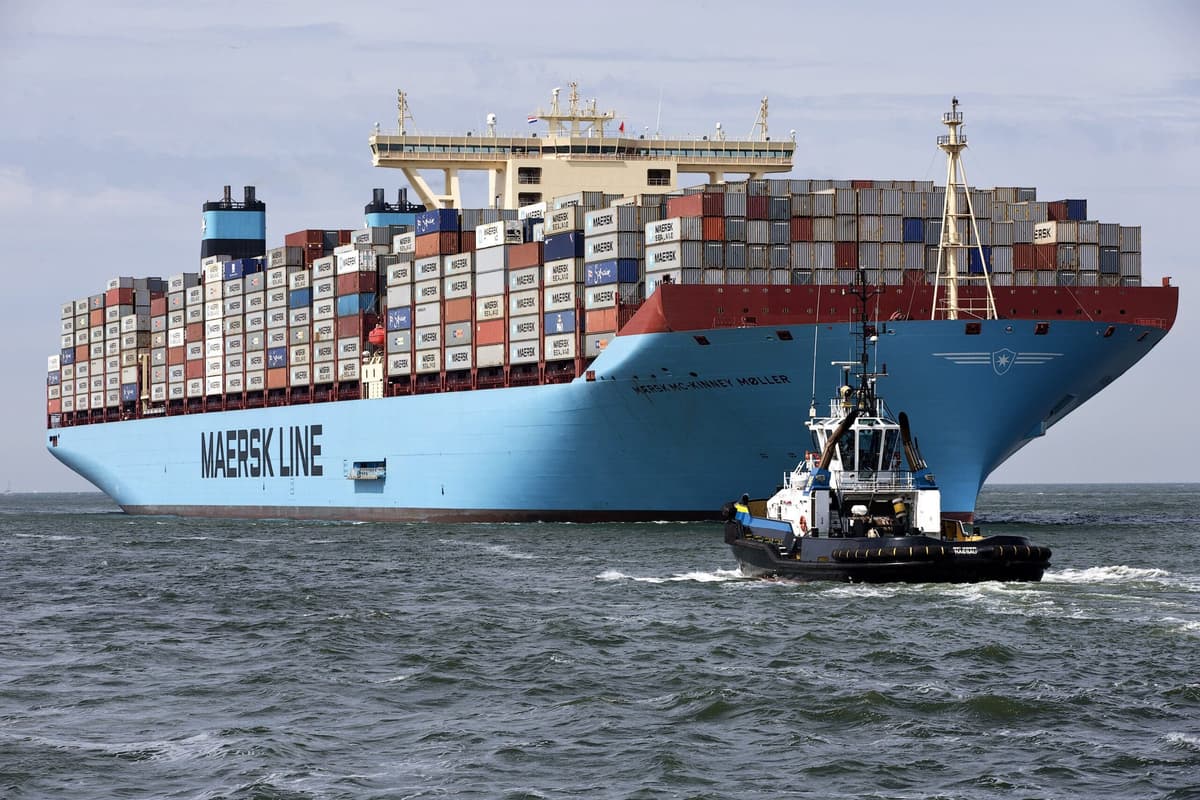
Shipping Alliances Are Reshaping Global Supply Chain Capacity
Ocean carrier alliances have become the primary structural force shaping global supply‑chain capacity, influencing vessel sharing, routing, blank sailings and shippers’ bargaining power. Recent realignments—Maersk and Hapag‑Lloyd’s Gemini cooperation, MSC’s Premier Alliance, and the enduring Ocean Alliance—have altered the network...

Procter & Gamble and the Discipline of Demand Signals in Global Supply Chains
Procter & Gamble’s supply‑chain edge stems from disciplined conversion of demand signals into concrete operating decisions, not merely from forecasting. The company has invested in advanced supply‑planning tools and unified digital platforms that enable real‑time collaboration with retailers and suppliers....

State Management Is the Missing Layer in Supply Chain AI
Supply chain AI initiatives are stalling because they lack robust state management. While large language models and agentic tools can generate answers, they cannot retain context about orders, shipments, decisions, and constraints over time. Without persistent memory, identity, and governance,...

Implications of Cost Engineering on Industrial Supply Chains
The article argues that traditional, backward‑looking cost estimating can’t keep pace with today’s volatile, geopolitically fragmented industrial supply chains. Executives are turning to forward‑looking “should‑cost” engineering that blends 3D CAD, digital twins, and AI‑driven simulation to derive physics‑based cost baselines....

Boeing and the Supply Chain Cost of Industrial Complexity
Boeing’s recent production setbacks are rooted in an industrial supply‑chain that has become too complex to manage effectively. The company’s reliance on highly specialized tier‑one suppliers, especially Spirit AeroSystems for 737 fuselage work, exposed gaps in quality, documentation and engineering...

Returns Management Has Become a Core Omnichannel Discipline
Reverse logistics has moved from a peripheral service to a core omnichannel discipline as e‑commerce return rates stay high. Retailers now must manage returns across transportation, labor, inventory, fraud control, and working‑capital dimensions, not just issue refunds. NRF predicts 19.3%...
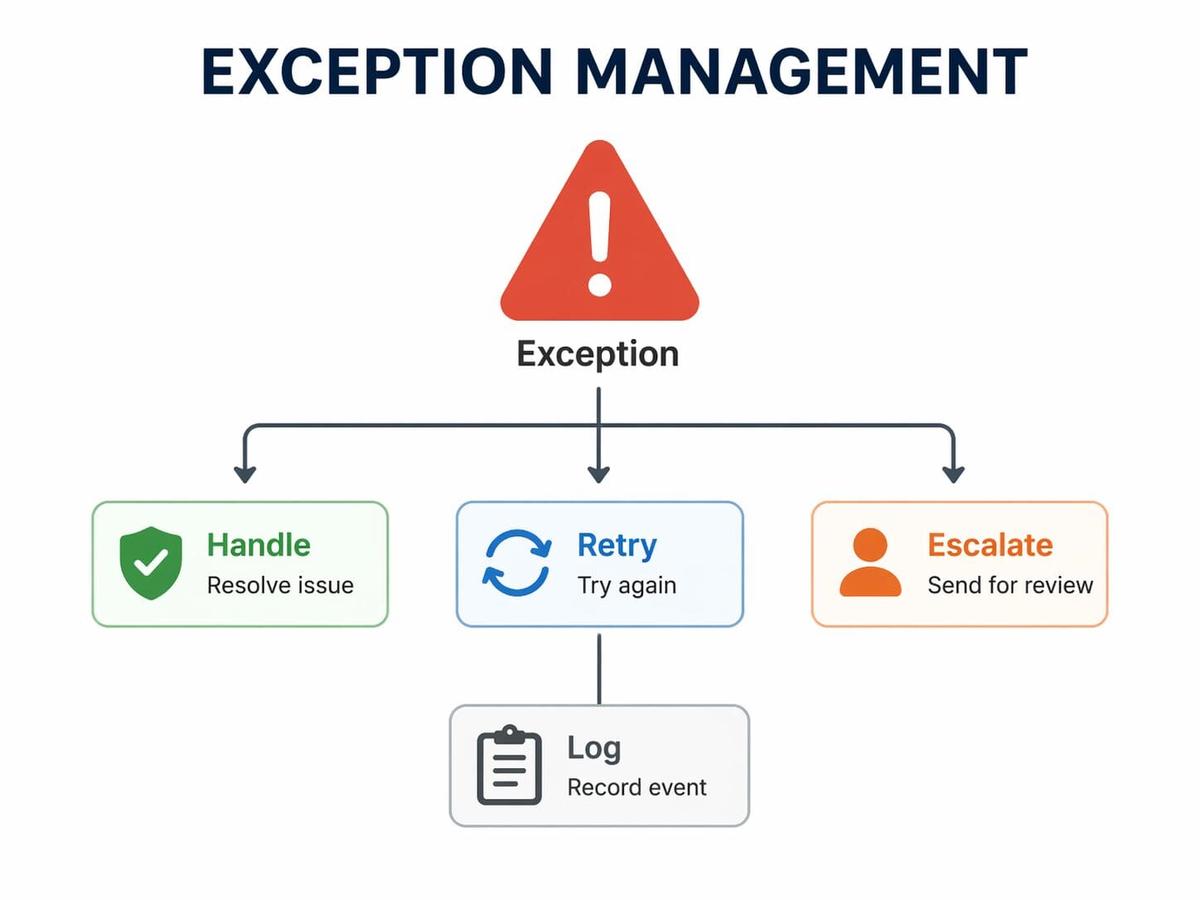
Exception Management Is Emerging as the New Supply Chain Control Layer
Supply chain leaders are moving beyond traditional control‑tower visibility toward an exception‑management layer that detects, prioritizes, routes, and resolves disruptions before they cascade. While enterprises now enjoy granular shipment and inventory data, the real challenge is discerning which variances merit...
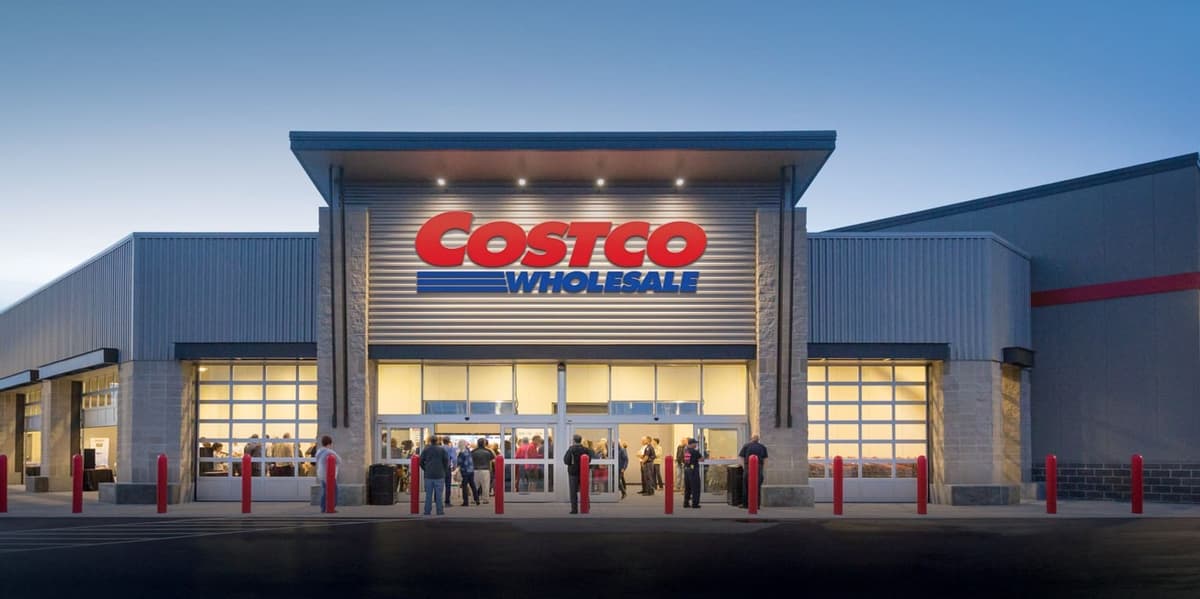
Costco and the Discipline Behind Retail Supply Chains
Costco’s supply chain strength stems from a disciplined, low‑assortment model that leverages high volume to secure purchasing power and streamline replenishment. By limiting SKUs, the retailer reduces handling complexity, accelerates inventory turns, and keeps costs tightly controlled. Private‑label products deepen...

What Is Supply Chain Decision Intelligence, and Why It Matters Now
Supply chain decision intelligence (SCDI) is emerging as a distinct software layer that sits above core ERP, TMS, and warehouse systems to interpret fragmented signals and guide real‑time decisions. Unlike traditional visibility tools, SCDI contextualizes data, assesses trade‑offs, and orchestrates...
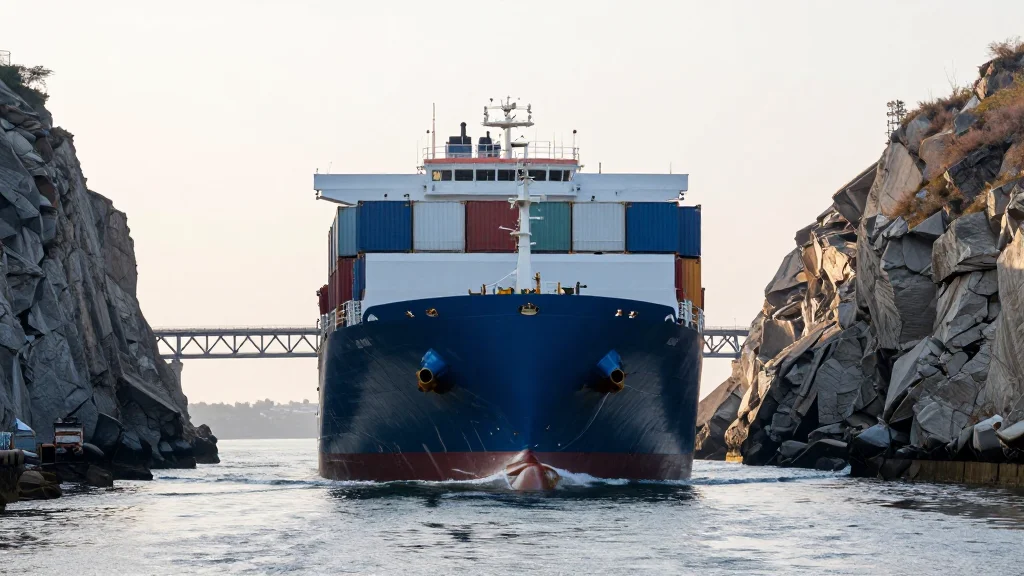
Hormuz Tensions Elevate the Middle Corridor From Alternative Route to Strategic Imperative
Recent flare‑ups in the Strait of Hormuz have spotlighted the vulnerability of maritime chokepoints, prompting firms to reassess Eurasian freight routes. The Trans‑Caspian “Middle Corridor” – linking China to Europe via Central Asia, the Caspian Sea, the South Caucasus and...
Why Supplier Scorecards Rarely Improve Performance
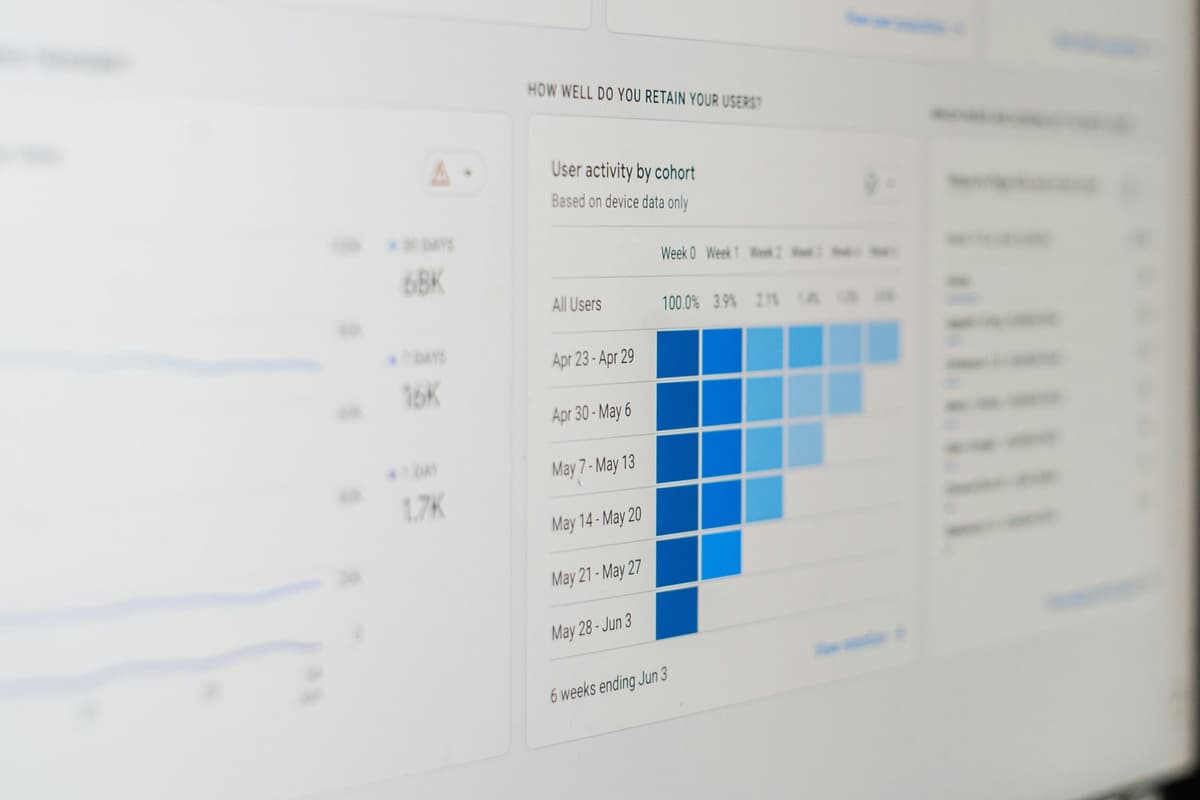
Supplier scorecards are ubiquitous in procurement, but they function as lagging measurement tools that often fail to drive improvement. Because they are typically updated quarterly, they capture problems after they have already impacted production, inventory, or cost. The article argues...

Schneider National Is Moving Digital Freight Execution Forward
Schneider National is advancing digital freight by embedding its FreightPower platform within its multimodal network and disciplined operations. The company launched Fast Track, a premium intermodal service promising up to two days faster transit and 95% on‑time performance backed by...

What Amazon and Anthropic’s Deeper Partnership Means for Enterprise AI
Amazon and Anthropic have deepened their partnership, committing Anthropic to spend more than $100 billion on AWS technologies over the next decade while Amazon expands access to the Claude AI platform. The deal signals a shift in enterprise AI from pure...

From WCS to Orchestration: The New Operating System for Warehouses
Traditional Warehouse Control Systems (WCS) were built for predictable, deterministic automation, but today’s facilities blend AMRs, AS/RS, vision systems, and variable labor. The industry is moving toward an orchestration layer that makes real‑time decisions about work prioritization, routing, and recovery...

DHL CEO Warns Gulf Energy Shock Could Push Global Economy Toward a Tipping Point
DHL Group CEO Tobias Meyer warned on Bloomberg TV that a sustained disruption in Gulf crude flows, especially through the Strait of Hormuz, could tighten freight markets and lift transport costs. He noted that the impact is already visible in...

Why Inventory Accuracy Issues Start Before the Warehouse
Inventory accuracy problems often surface in the distribution center, but the root causes usually lie upstream in item master setup, packaging logic, units of measure, and supplier compliance. Poor data in the item master travels through receiving, put‑away, and picking,...

A Supply Chain Digital Twin Is Only as Good as Its Operational Model
Supply chain digital twins promise real‑time visibility and scenario testing, but many initiatives stall at the visibility stage. The technology merely encodes the organization’s existing operating model, so weak data, fragmented planning logic, and unclear decision rights are reproduced inside...

Toyota Still Sets the Standard for Supply Chain Resilience
Toyota remains the benchmark for supply‑chain resilience because it built risk management into its core operating system, not as an add‑on. After the 2011 earthquake and tsunami, the automaker expanded visibility into lower‑tier suppliers with tools like the RESCUE database...
What Tesla Reveals About Vertical Integration in Supply Chains
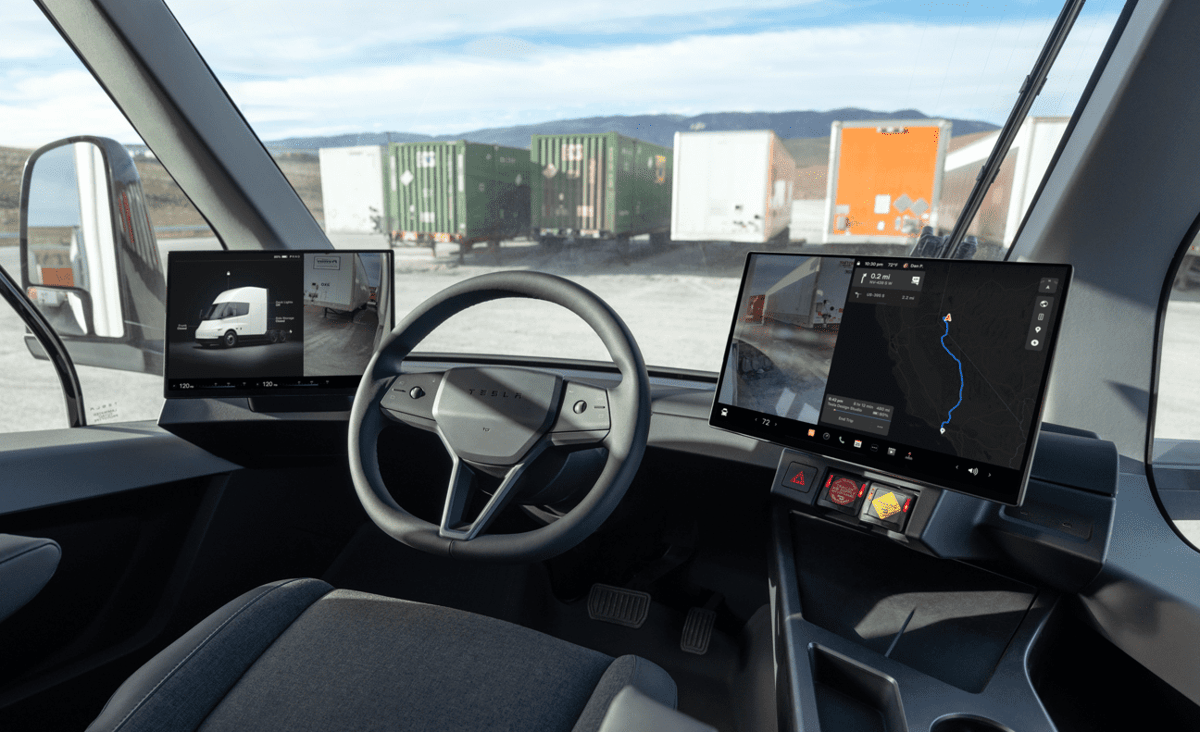
Tesla’s supply‑chain strategy pivots from broad outsourcing to selective vertical integration, pulling in‑house battery cell production, software development, and a Texas lithium refinery while still partnering for some components. The 2025 annual report shows manufacturing across three continents, a global...

What the Latest IEA Update Says About Energy Risk, Supply Chains, and Industrial Strategy
The International Energy Agency’s latest outlook warns that heightened U.S.-Iran tensions and a narrowing cease‑fire window are reviving oil flow disruptions through the Strait of Hormuz. The agency links these geopolitical shocks to broader supply‑chain risks, noting that petrochemical output,...
Cloudflare’s Code Mode Signals a Better Architecture for Enterprise AI Agents
Cloudflare introduced a Code Mode Model Context Protocol (MCP) server that trims the token load for AI agents by shifting from a massive tool catalog to a thin discovery‑and‑execution interface. The system lets agents search for relevant APIs, generate concise...

Why Enterprise AI Systems Fail: It’s Not RAG – It’s Context Control
Enterprise AI projects often stumble after an initial demo phase, not because retrieval‑augmented generation (RAG) fails, but because the systems cannot manage what enters the model's limited context window. Overlapping documents, long conversation histories, and token caps cause important details...