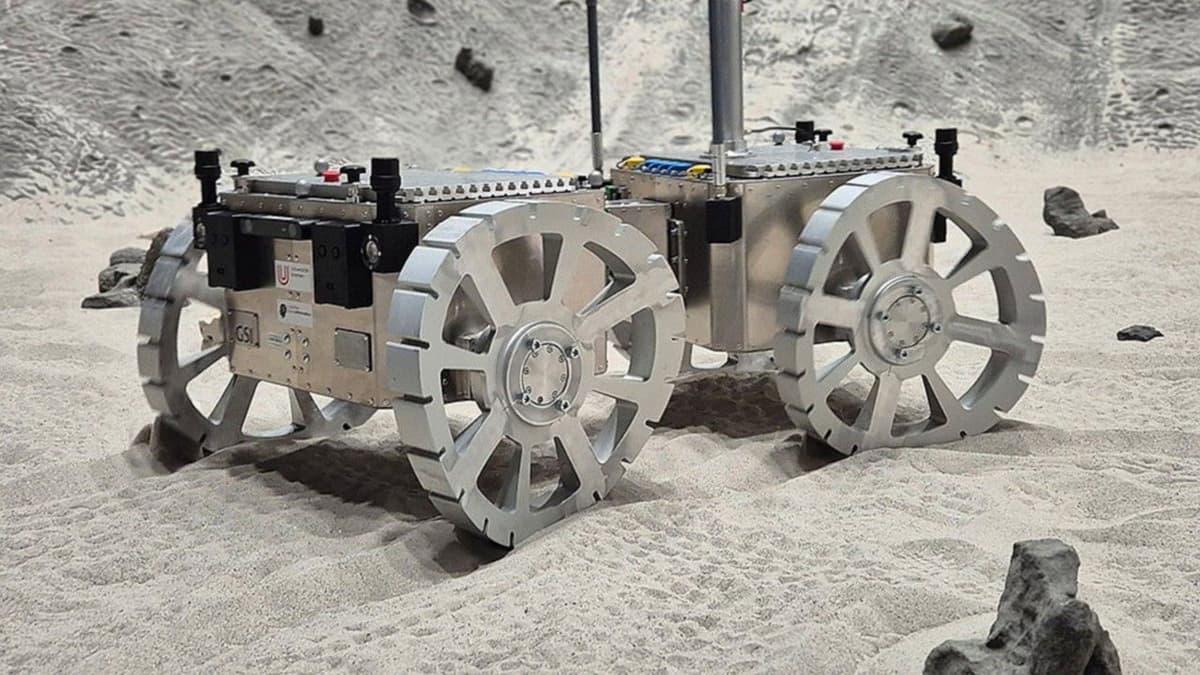
Watch This Bio-Inspired Mars Rover Concept 'Swim' Through Sand on Curved Wheels (Video)
The German Aerospace Center (DLR) and University of Würzburg unveiled a Mars rover concept that uses curved, sandfish‑inspired wheels to "swim" through loose sand. The prototype, part of the Valles Marineris Explorer (VaMEx) swarm initiative, demonstrated stable locomotion on granular terrain while exposing areas for control‑algorithm improvement. VaMEx’s broader goal is to field an autonomous, heterogeneous robot swarm capable of mapping the deep canyon system of Valles Marineris. Researchers see the bio‑inspired mobility as a stepping stone toward more versatile planetary rovers.
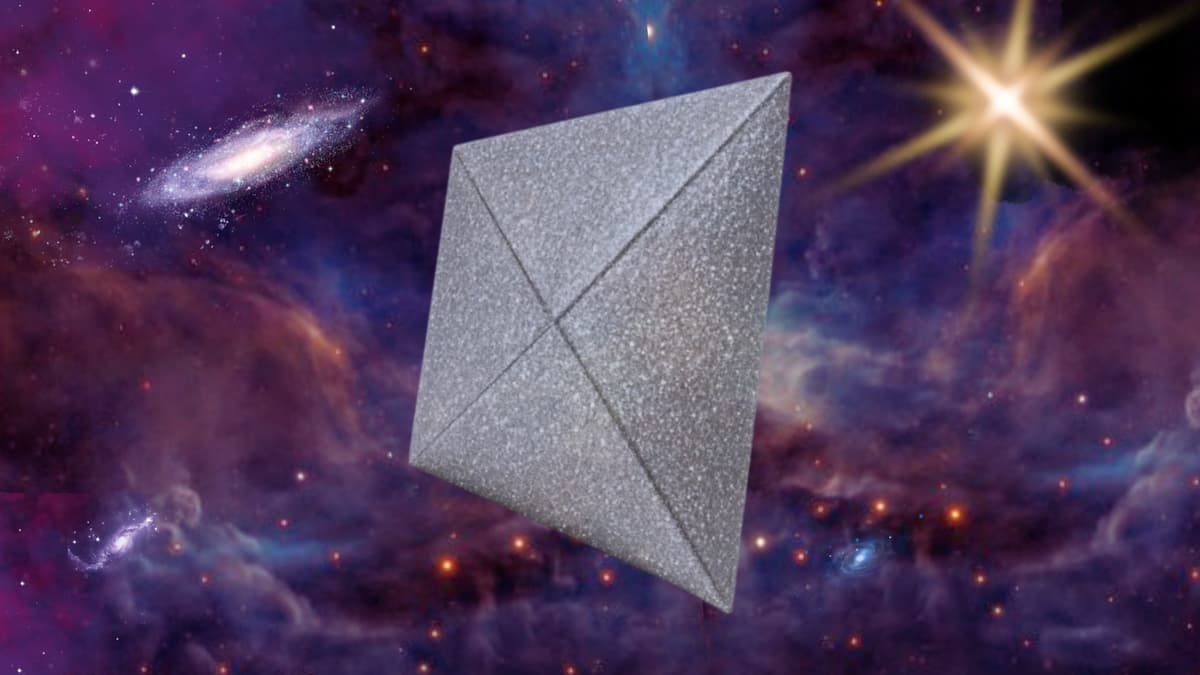
Can Solar Sails Really Send Humans Out Into Interstellar Space?
Solar sails use photon pressure to propel spacecraft, eliminating the need for onboard fuel. Recent proof‑of‑concept flights such as Lightsail 2 and Japan’s Ikaros have demonstrated basic deployment, while a 2024 Imperial College study found that near‑term missions like NASA’s Solar Cruiser...
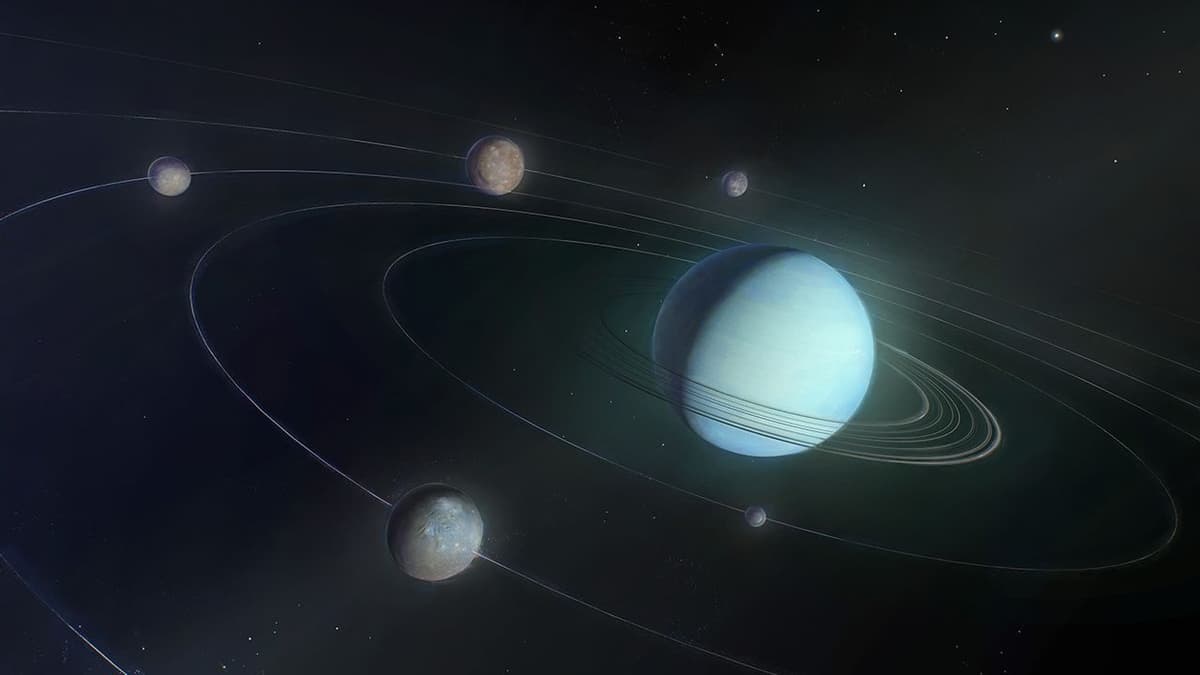
A 'Lost Planet' May Have Given Jupiter and Uranus Their Moons
New simulations suggest the early solar system likely hosted a fifth giant planet that was ejected early on. The presence of this lost ice giant appears essential for the survival of both Jupiter’s and Uranus’s moon systems during a chaotic...
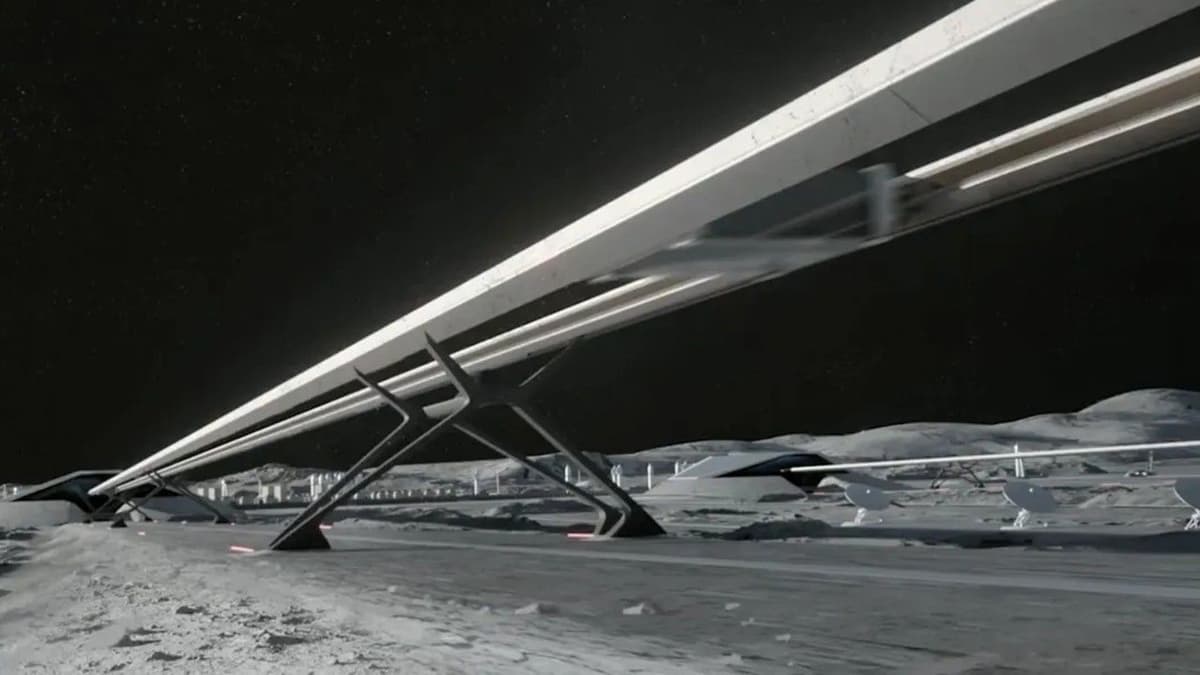
Companies Like SpaceX Want Electromagnetic Catapults on the Moon. Could They Be Used as Weapons?
A new American Foreign Policy Council report warns that lunar mass drivers—electromagnetic catapults proposed by SpaceX and smaller firms—could serve both civilian launch needs and as first‑strike weapons. The technology accelerates payloads without chemical propellant, promising cheap, high‑throughput logistics between...
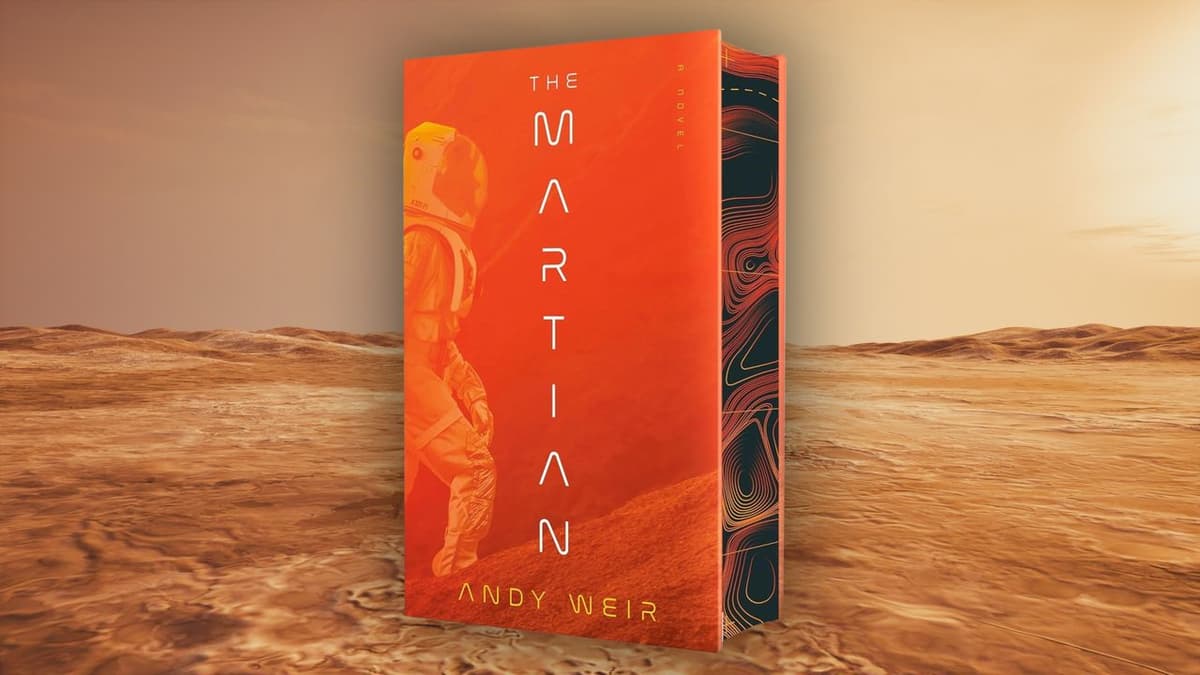
Andy Weir's 'The Martian' Just Got a Deluxe Edition to Celebrate the Book's 15-Year Anniversary, and It's a Stunner
Ballantine Books is issuing a deluxe hardcover of Andy Weir’s bestseller *The Martian* on May 26, 2026, marking the novel’s 15‑year anniversary. The 384‑page edition showcases a reflective cover, cosmic‑swirl edges, and full‑color illustrated endpapers that depict an orange‑tinted Mars landscape. Since...
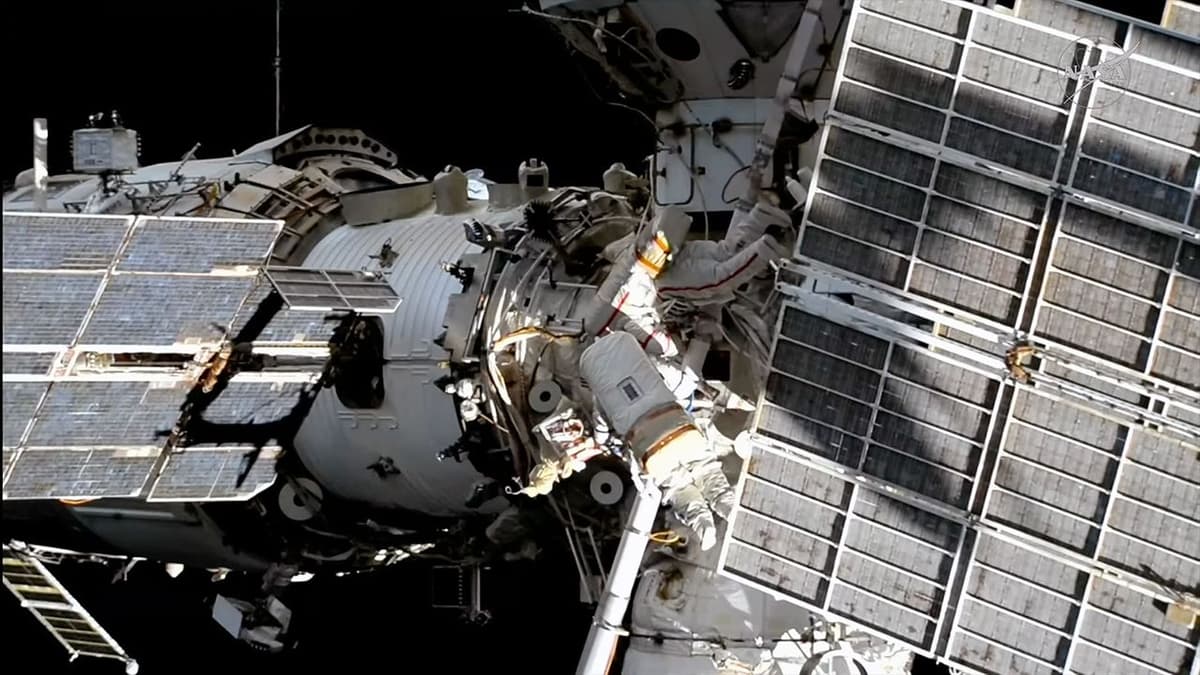
Russian Cosmonauts Install Sun-Watching Telescope on ISS During 6-Hour Spacewalk
Russian cosmonauts Sergey Kud‑Sverchkov and Sergei Mikaev completed a 6‑hour, 5‑minute EVA on May 27, 2026, installing the Solntse‑Teragerts solar‑radiation telescope on the Zvezda module and retrieving experiments from Poisk and Nauka. The new telescope will monitor solar flares to...
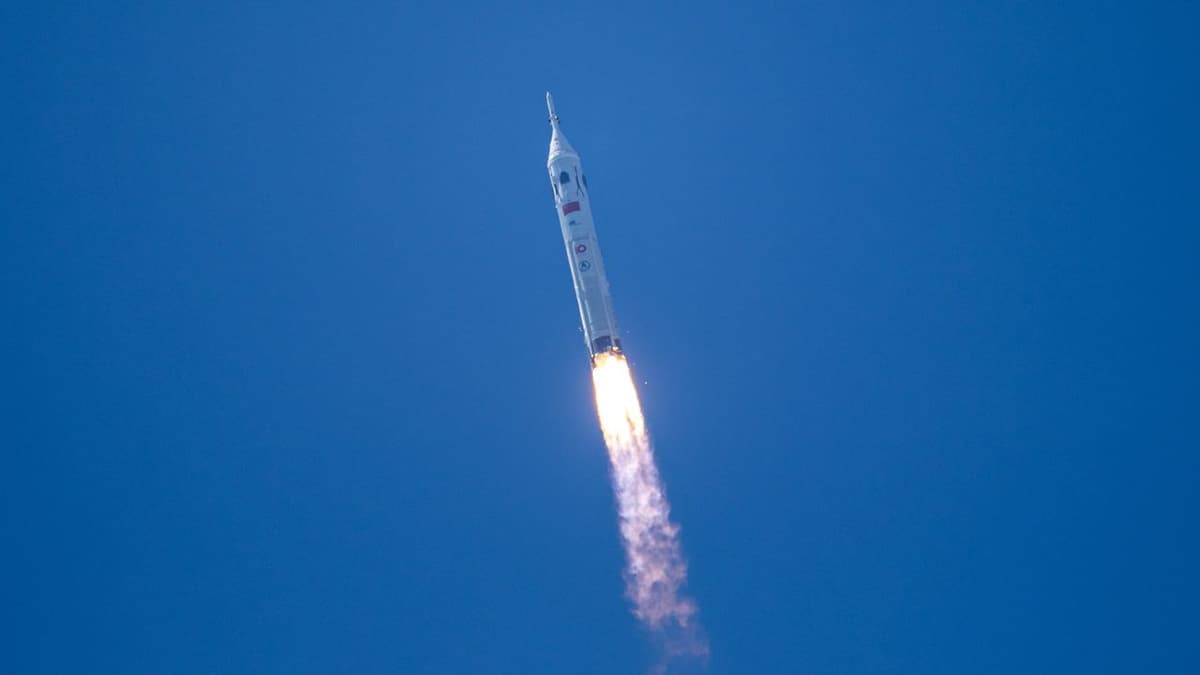
China Shakes up Its Space Programs to Land Astronauts on the Moon by 2030: 'We Will Spare No Effort'
China announced an integrated Lunar Exploration Program that unites its Chang'e robotic probes with the China Manned Space Agency’s human‑spaceflight efforts. The plan targets a crewed lunar landing by 2030, leveraging the Long March‑10 carrier rocket, the Mengzhou crewed spacecraft, and...
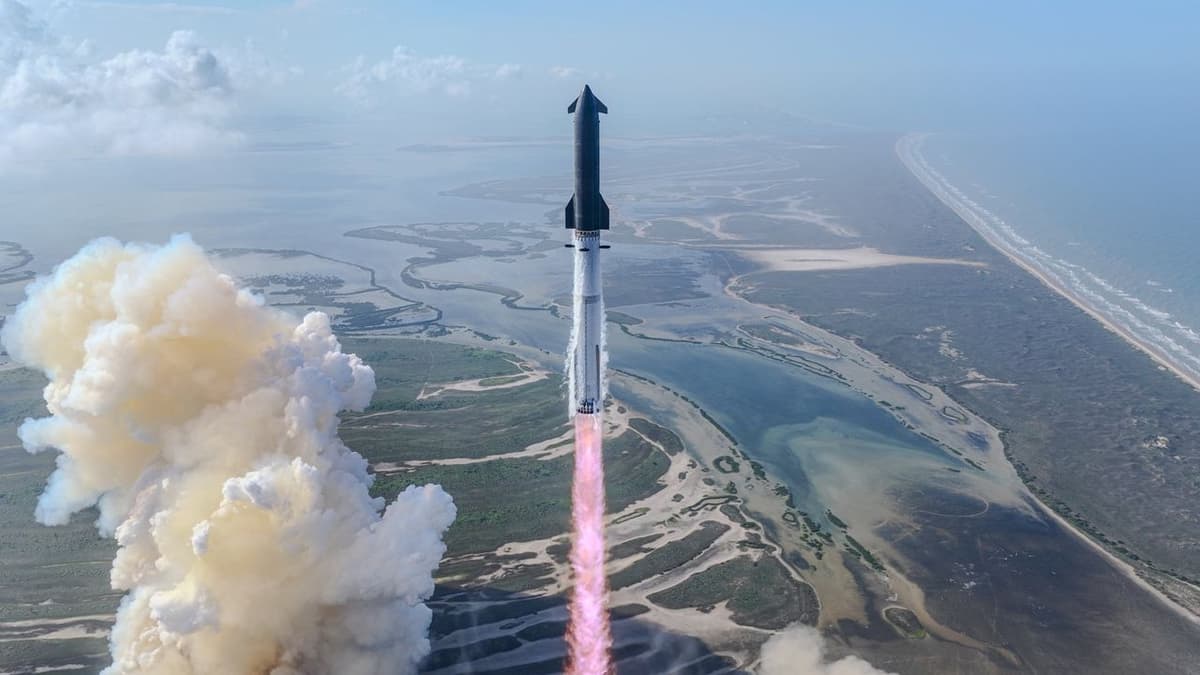
FAA Grounds SpaceX's Starship V3 Megarocket After Flight 12 'Mishap'
The FAA has grounded SpaceX’s Starship V3 after the vehicle’s 12th test flight on May 22 was deemed a mishap. While the upper stage successfully deployed 20 dummy and two camera‑equipped Starlink satellites and splashed down safely, the Super Heavy booster...
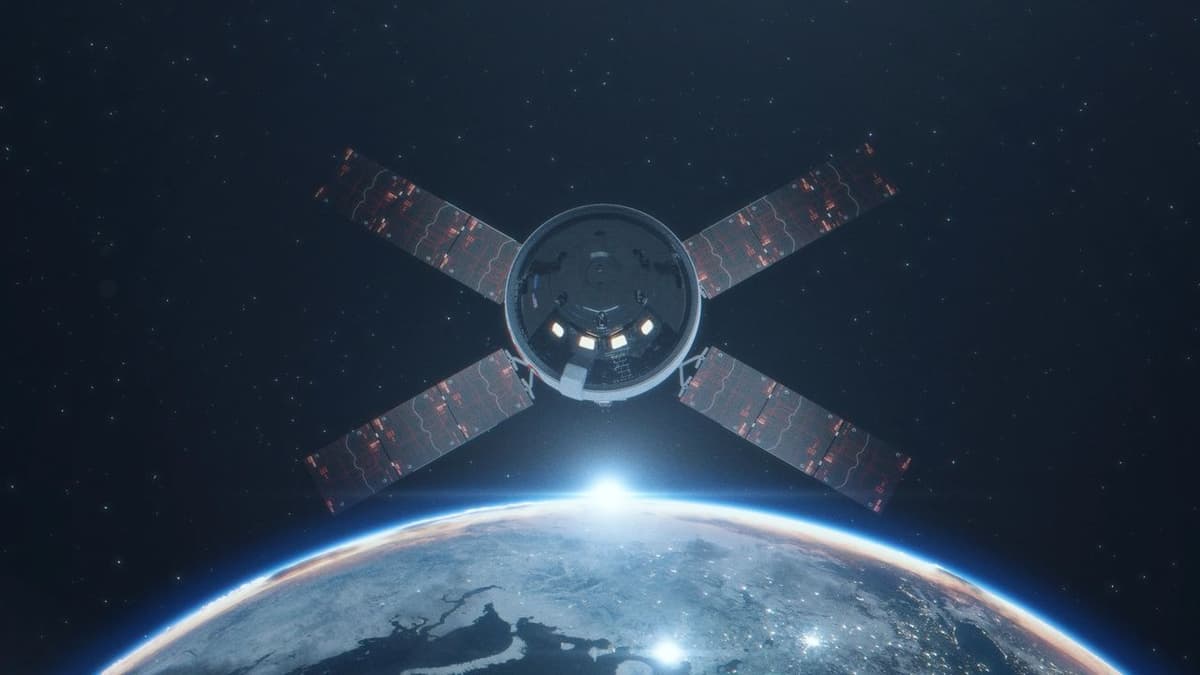
NASA Will Reveal the Artemis 3 Astronauts on June 9
NASA will announce the four‑person Artemis 3 crew on June 9, 2024, during a live event at Johnson Space Center. The mission, slated for a mid‑2027 launch, will shift focus to testing Orion’s rendezvous and docking with SpaceX’s Starship or Blue Origin’s...
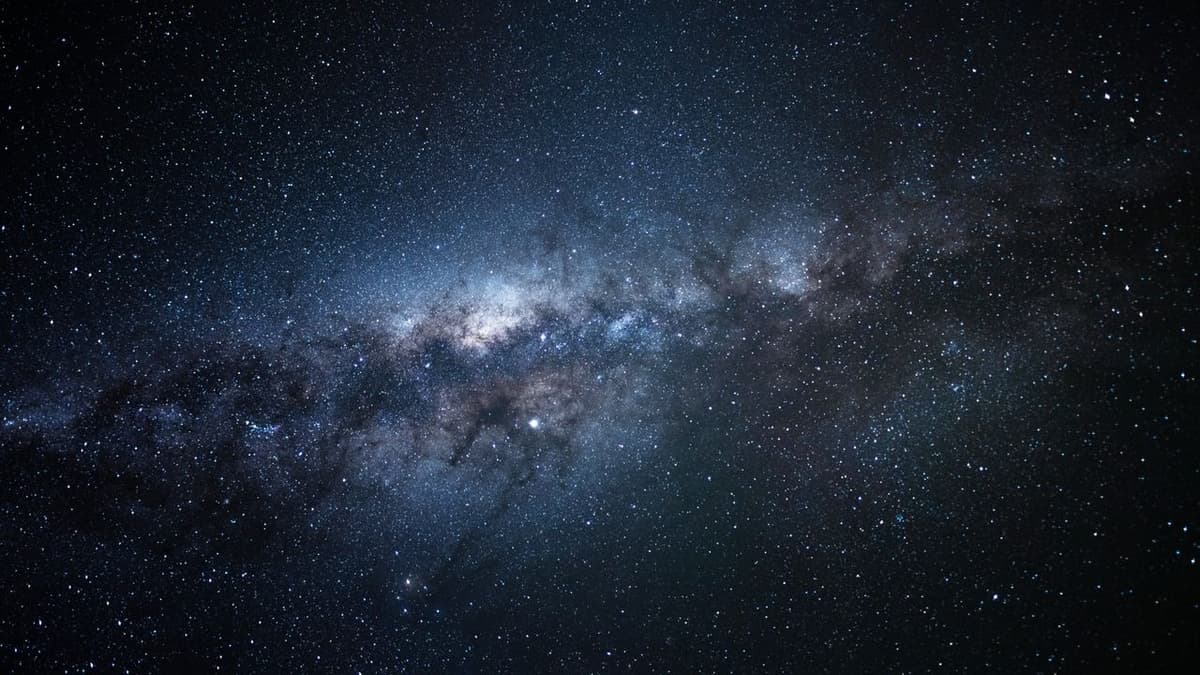
The Milky Way May Have Devoured Another Galaxy Named Loki, and Astronomers Think They've Found Its Remains
Researchers have identified a group of 20 metal-poor stars in the Milky Way disc that likely originated from a now‑defunct dwarf galaxy, dubbed “Loki.” By combining high‑resolution spectroscopy with precise orbital data, the team uncovered unique chemical fingerprints pointing to...
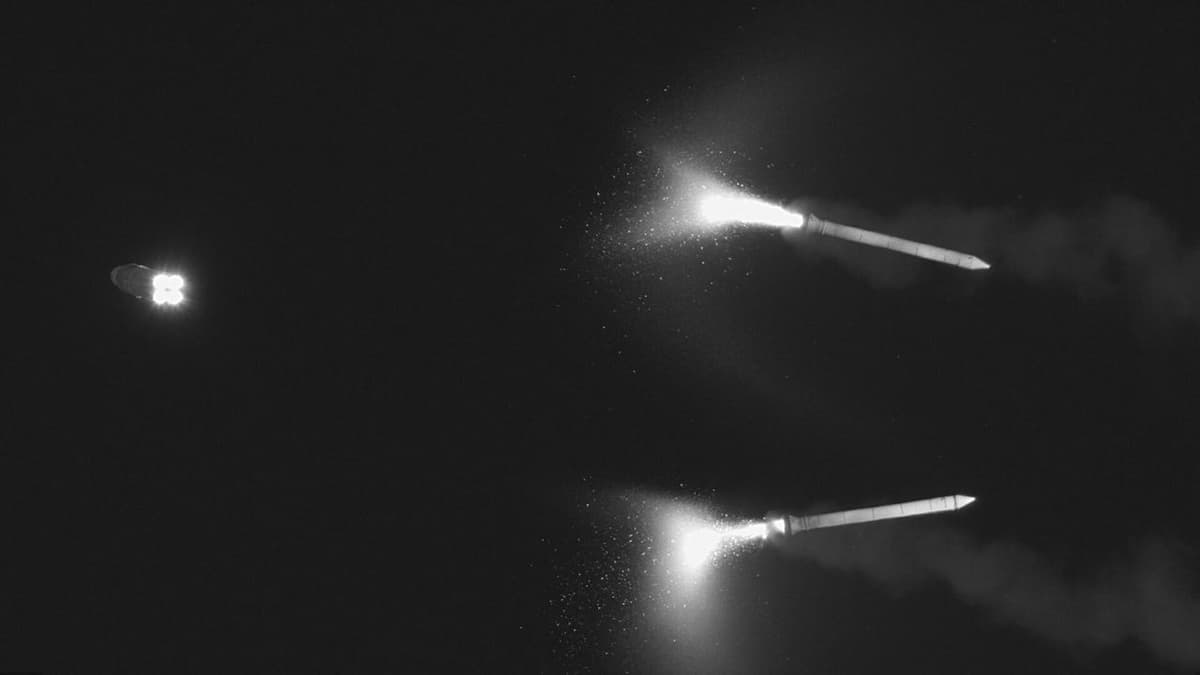
Seeing Double with the Artemis 2 Rocket Boosters | Space Photo of the Day for May 26, 2026
NASA's Artemis 2 mission launched on April 1, 2026, carrying four astronauts on a lunar flyby. The Space Launch System’s two solid rocket boosters supplied about 75% of the initial thrust and separated 2 minutes 8 seconds after liftoff, a moment captured in a...
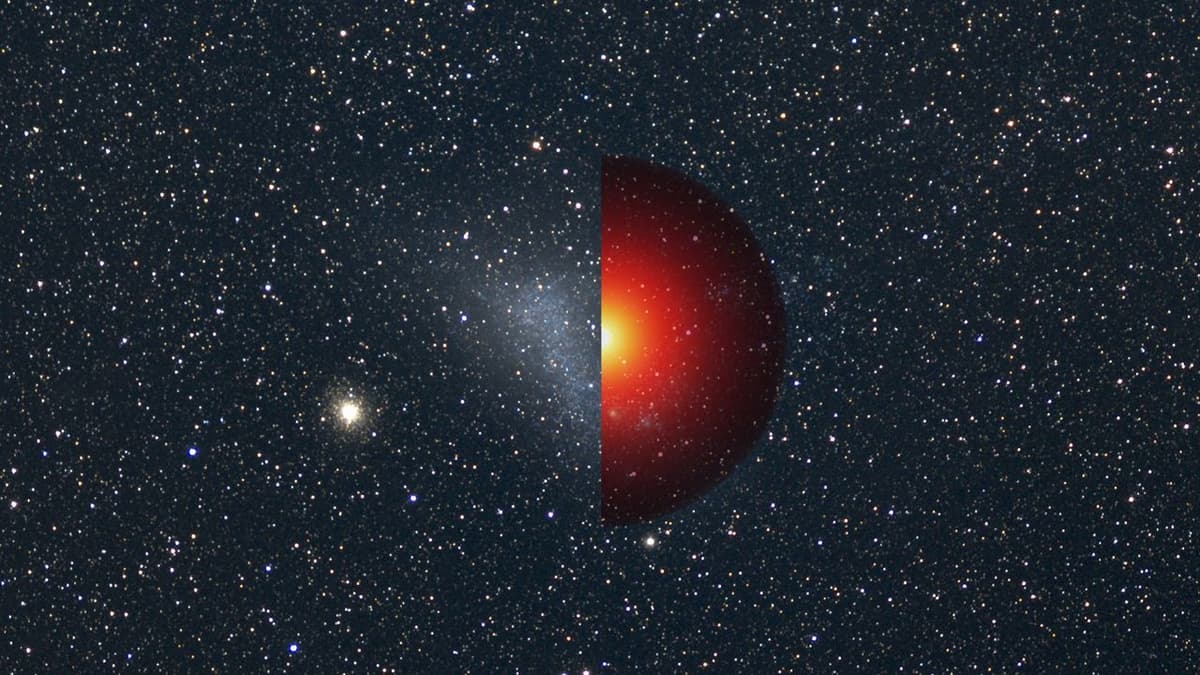
Could a Cosmic Uncertainty Principle Help Explain Dark Matter?
Theoretical physicist Savvas Koushiappas proposes a cosmic uncertainty principle, treating the universe's size and expansion rate as non‑commuting quantum operators. This leads to a deformed Friedmann equation that can generate late‑time accelerated expansion without invoking dark energy. The model predicts...
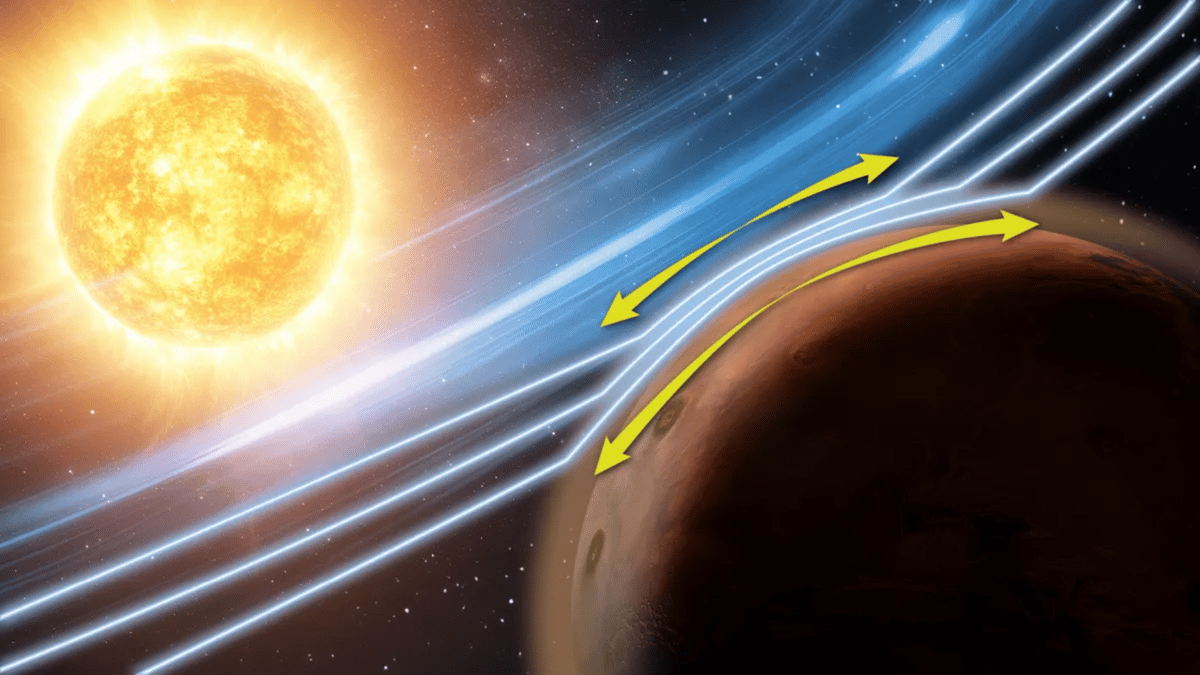
'Very Interesting Wiggles' In Data From Silent NASA Mars Spacecraft Lead to Unexpected Solar Wind Discovery
Scientists analyzing data from NASA's silent MAVEN orbiter have identified the Zwan‑Wolf effect—a magnetic deflection phenomenon previously seen only around strongly magnetized planets—within Mars' upper atmosphere. The effect was captured during the aftermath of a powerful solar storm in December 2023,...
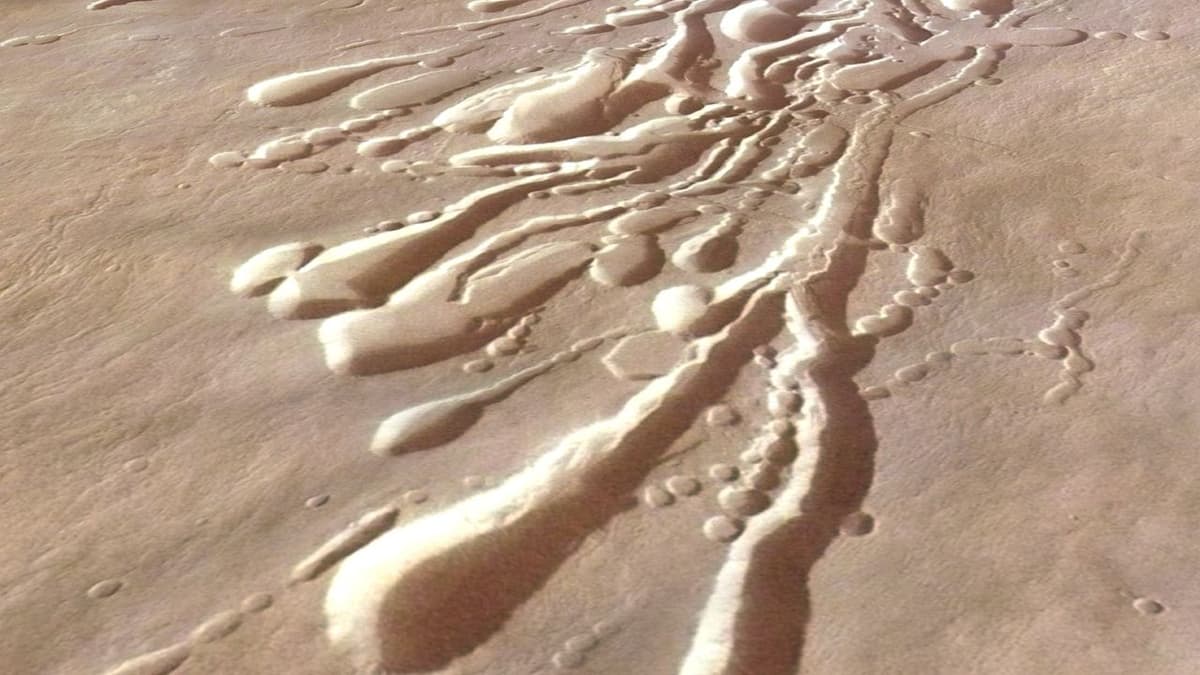
Scientists Want to Send a Roly-Poly Robot Filled with 'Dandelion Drones' To Investigate Hidden Tunnels on Mars
Scientists propose a pillbug‑inspired "roly‑poly" robot that can slip through skylights in Martian lava tubes and unleash thousands of tiny "dandelion" drones. The drones would ride either natural wind currents or an onboard fan, using piezoelectric polymer for power, to...
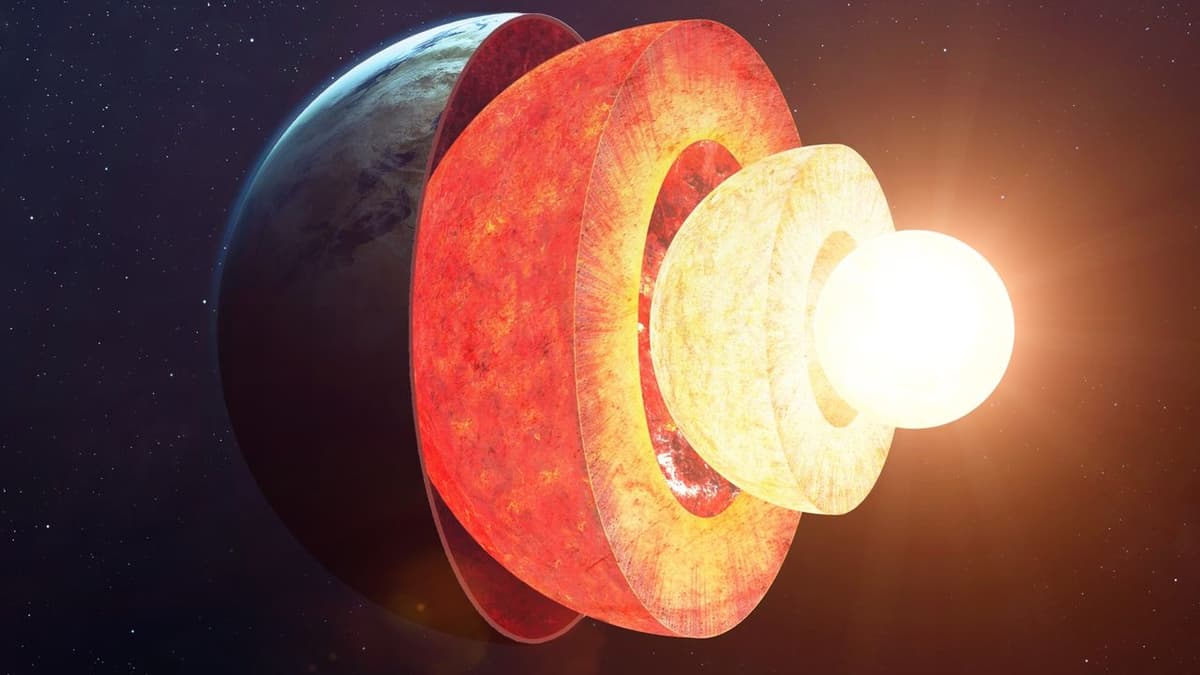
The Most Common Type of Planet in the Galaxy May Not Look Anything Like Earth on the Inside
A new study submitted to The Astrophysical Journal and posted on arXiv argues that most rocky exoplanets—sub‑Neptunes—lack Earth’s layered core‑mantle structure. When a planet accretes more than about 1 % of its mass in hydrogen, the interior becomes a homogeneous fluid...