Today's Science Pulse
Updated 1h ago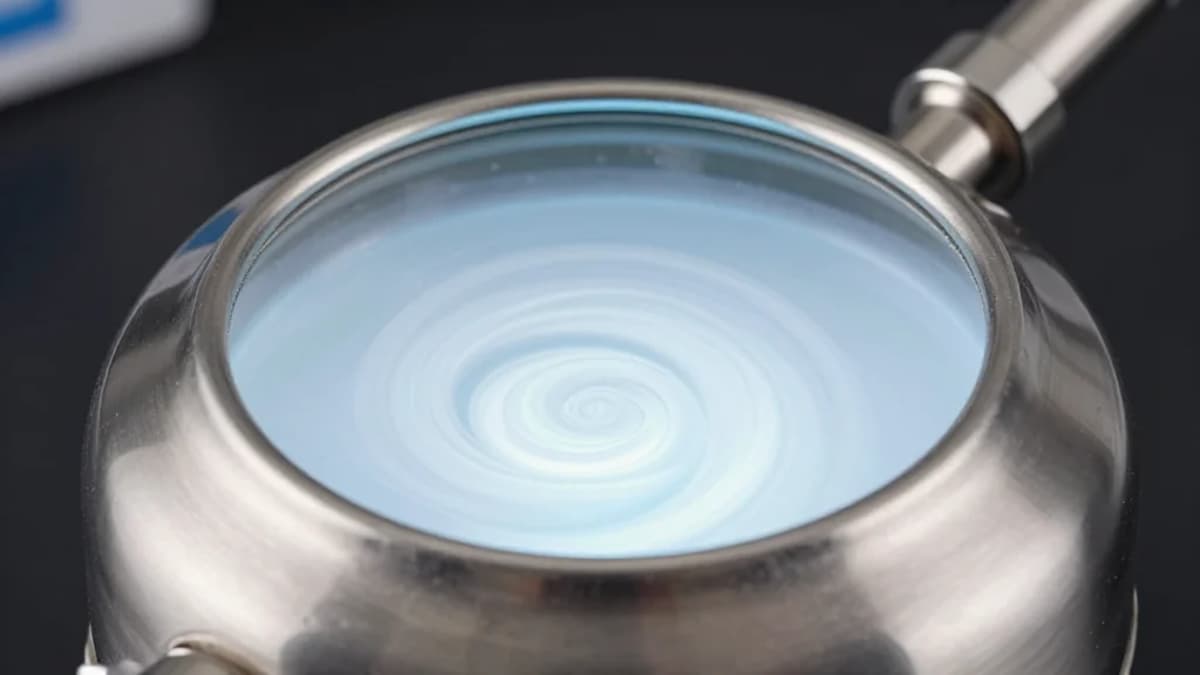
Nobel Laureate Anthony Leggett Passes Away at 87
Anthony J. Leggett died at age 87 in Urbana, Illinois. He was awarded the 2003 Nobel Prize for his theories that explained the superfluid transition of helium‑3, a breakthrough that reshaped low‑temperature physics. His work bridged experimental anomalies and introduced a new quantum state of matter.
Video•Mar 12, 2026
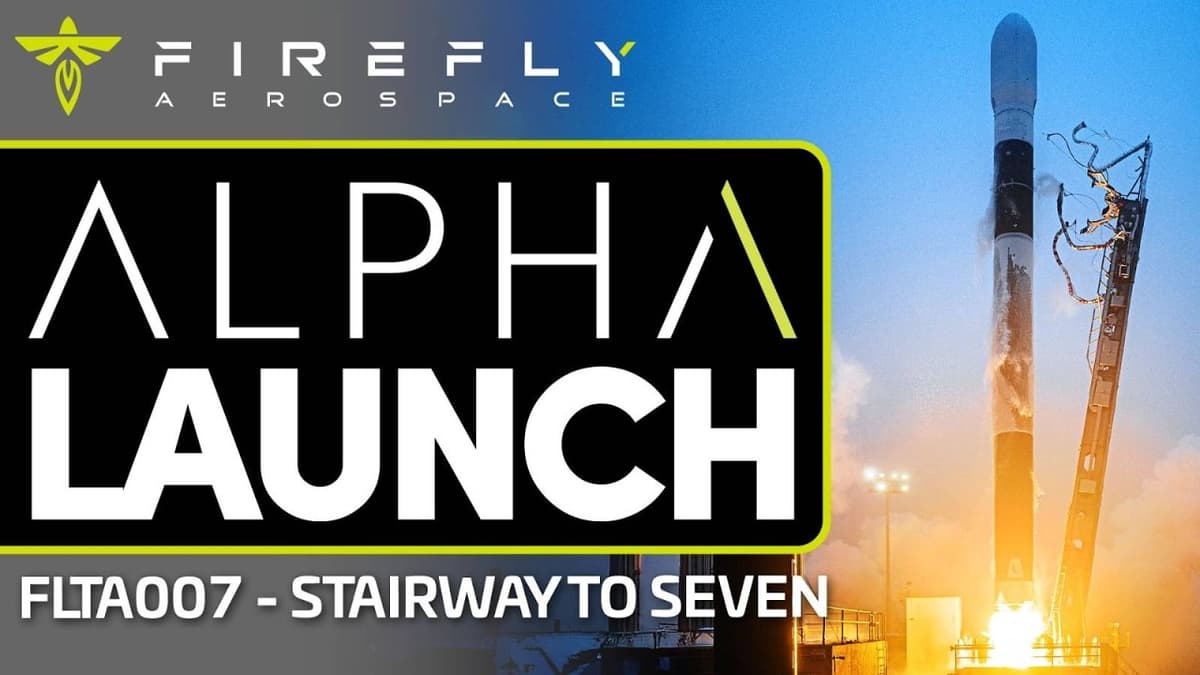
Firefly Aerospace Launches Alpha Flight 7 "Stairway To Seven"
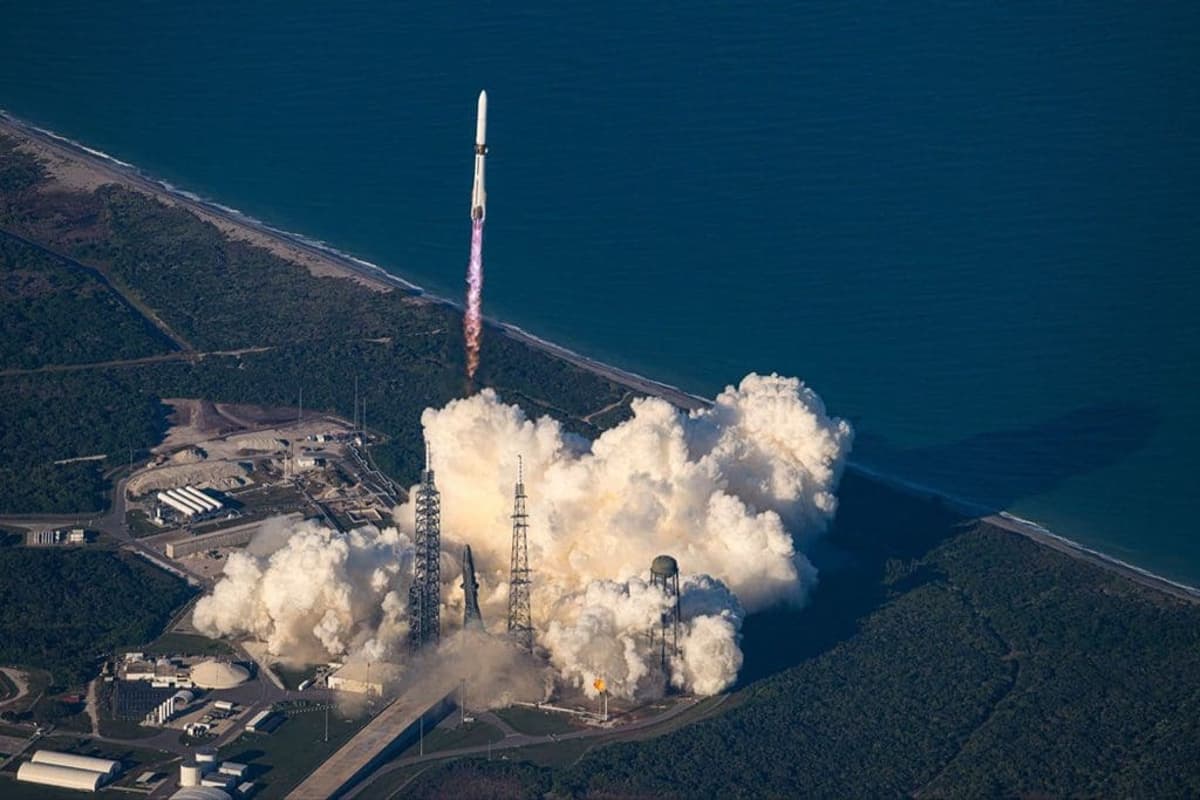
Firefly Aerospace is set to lift off its Alpha rocket on its seventh flight, dubbed “Stairway to Seven,” from Vandenberg’s Space Launch Complex 2. The mission is a block‑one test flight that will field several block‑two components ahead of the next launch, marking the final launch of the current configuration. The launch team highlighted a suite of upgrades: a seven‑foot extension to the vehicle, carbon‑fiber composite tanks produced with automated fiber placement, consolidated in‑house batteries and avionics, and an enhanced thermal protection system. An automated flight termination system (AFTS) will replace the traditional manual range‑kill, using onboard software to monitor safety corridors in real time. Over 3,000 manual steps and 50 automated sequences have been executed during pad processing, reflecting the company’s focus on quality after earlier upper‑stage anomalies. Engineers such as structures lead Morgan Fiani emphasized “quality and reliability” as the guiding principles, noting that the block‑two subsystems will fly in a shadow mode to gather data without controlling the vehicle. The countdown includes a fully automated final go/no‑go poll and a tightly choreographed sequence of engine lighting, stage separation, and fairing jettison, all captured by upgraded pad cameras. If successful, Flight 7 will provide critical flight heritage for the block‑two upgrades slated for Flight 8, bolstering confidence among commercial customers and positioning Firefly to compete for medium‑lift contracts. The test also demonstrates the company’s ability to iterate quickly after setbacks, a key metric for investors and partners in the increasingly crowded small‑sat launch market.
By NASA Spaceflight (NSF)

Blog•Mar 12, 2026
Yttrium-Doped Nickel Catalyst Boosts Ammonia to Hydrogen Conversion Efficiency
Researchers at Tohoku University have created a yttrium‑doped nickel‑ceria catalyst (Ni₁Ce₁₋ₓYₓOα) that dramatically improves ammonia decomposition into hydrogen. The yttrium addition generates stable surface oxygen vacancies and tunes the electronic structure around nickel sites, lowering reaction energy barriers. The optimized...
By Nanowerk
Blog•Mar 12, 2026
MXenes Move Closer to Real World Use in Energy Storage and Medicine
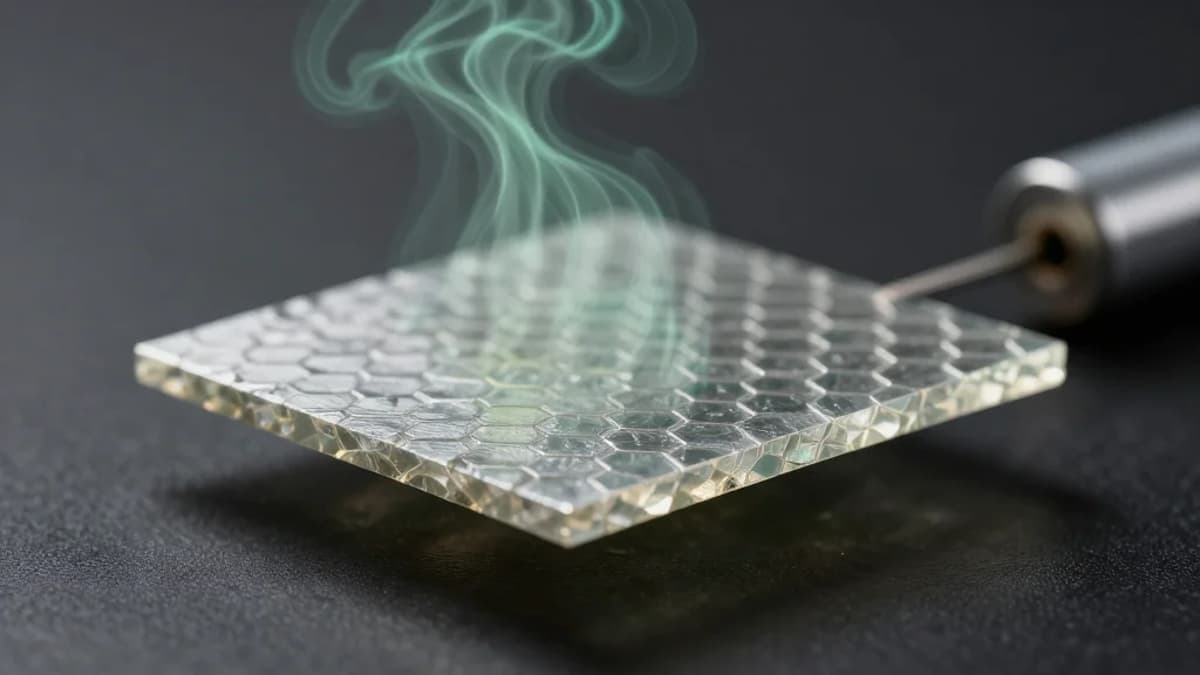
A Swiss research initiative, TailorX, has advanced the synthesis, modeling, and sustainable production of MXenes, a versatile class of 2‑D transition‑metal carbides and nitrides. The team built a high‑purity library of MAX‑phase precursors, deployed AI models to predict MXene structures...
By Nanowerk

Blog•Mar 12, 2026
Nanogel Gives Stem Cells Room to Breathe
Researchers at Kyoto University and McGill University integrated biodegradable nanogel microfibers into three‑dimensional stem cell spheroids, dramatically improving cell survival and function. The hybrid spheroids enhanced oxygen diffusion, boosting cell viability more than fivefold and increasing retention by over 20%...
By Nanowerk

Blog•Mar 12, 2026
Injectable Mini-Livers as an Alternative to Liver Regeneration
Researchers have introduced INSITE, an injectable platform that combines primary human hepatocytes with hydrogel microspheres to form self‑assembling, vascularizable tissue ensembles in situ. Using ultrasound guidance, the scaffold is delivered to an ectopic site where it integrates with host vasculature...
By Fight Aging!

News•Mar 12, 2026
Untitled
NASA’s Astronomy Picture of the Day posted March 7, 2026 features two total lunar eclipses from Saros 133, one captured in February 2008 and the other on March 3, 2026. The side‑by‑side comparison illustrates how eclipses separated by one Saros period (18 years, 11⅓ days) produce nearly identical geometry....
By Astronomy Picture of the Day (APOD)

News•Mar 12, 2026
Untitled
Astronomers using Chandra, Hubble and infrared telescopes have imaged the astrosphere of HD 61005, a Sun‑like star 120 light‑years away and only 100 million years old. The star’s powerful stellar wind has carved a bubble roughly 200 AU across, pushing aside surrounding dust...
By Astronomy Picture of the Day (APOD)
News•Mar 12, 2026
Untitled
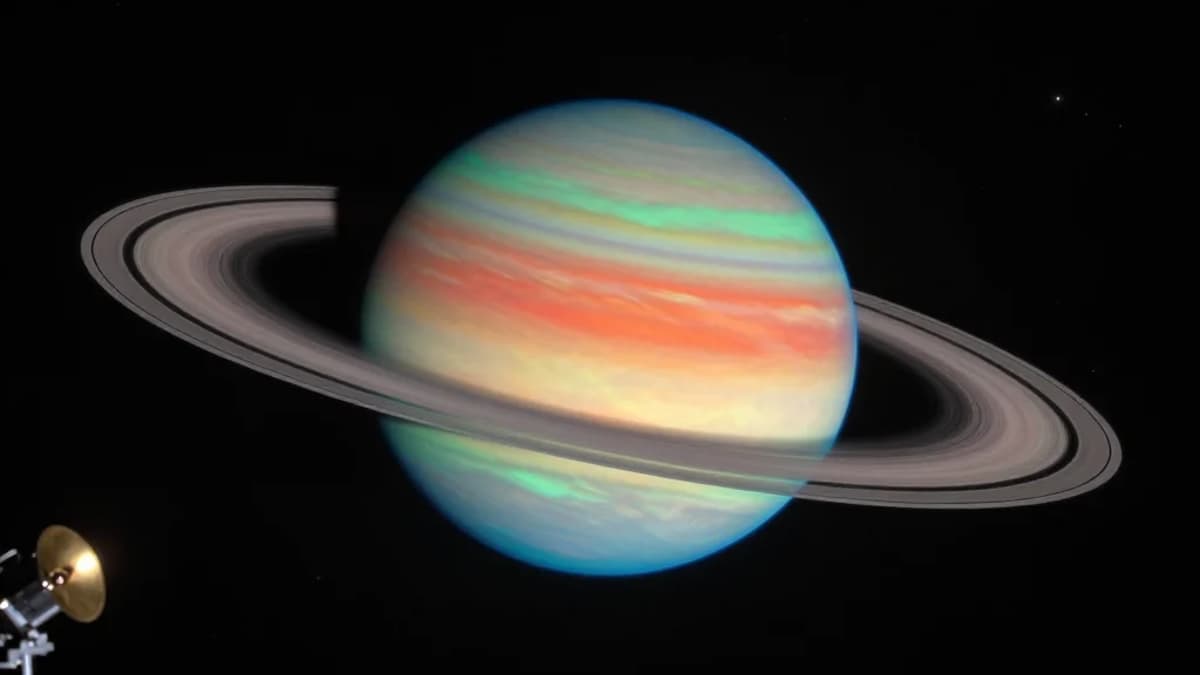
NASA's James Webb Space Telescope captured a near‑full rotation of Uranus using its NIRSpec instrument. Over 1,000 spectra were collected during a continuous 15‑hour observation, revealing the planet’s ionosphere, auroral emissions, and cloud dynamics. The video provides a three‑dimensional view,...
By Astronomy Picture of the Day (APOD)
News•Mar 12, 2026
Untitled
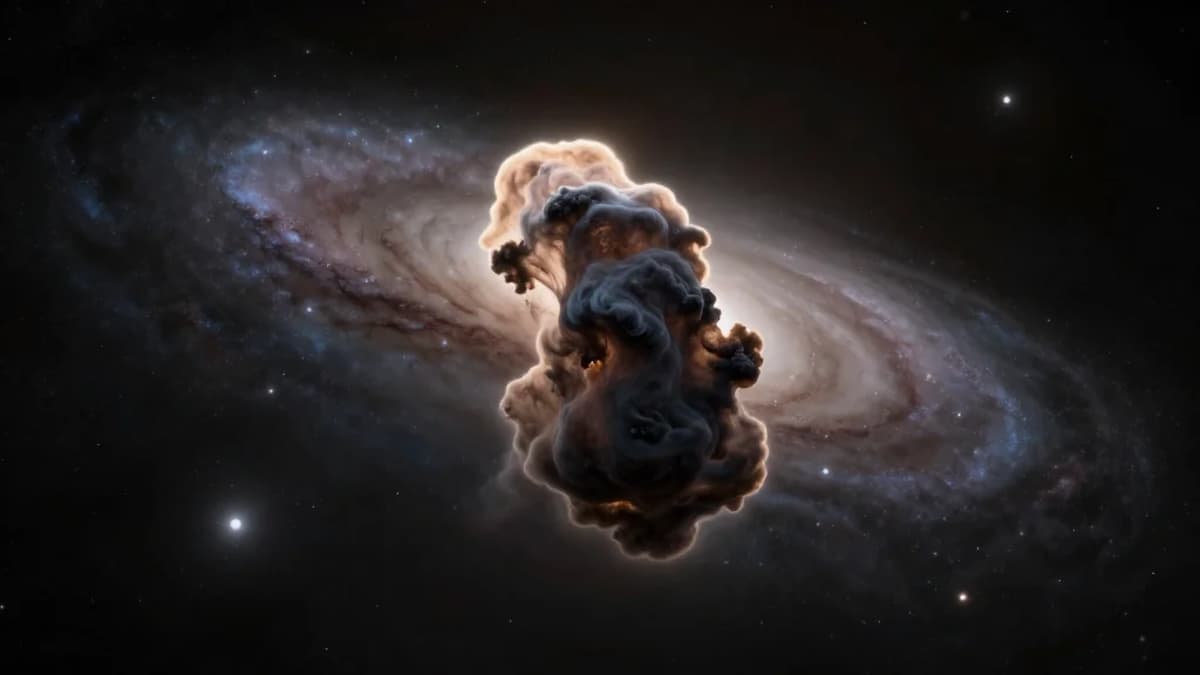
NASA’s Astronomy Picture of the Day features cometary globule CG 4, a molecular cloud 1,300 light‑years away in Puppis. The globule’s head spans 1.5 light‑years while its tail stretches eight light‑years, resembling a comet’s shape. Researchers link its elongated tail to...
By Astronomy Picture of the Day (APOD)
News•Mar 12, 2026
Untitled
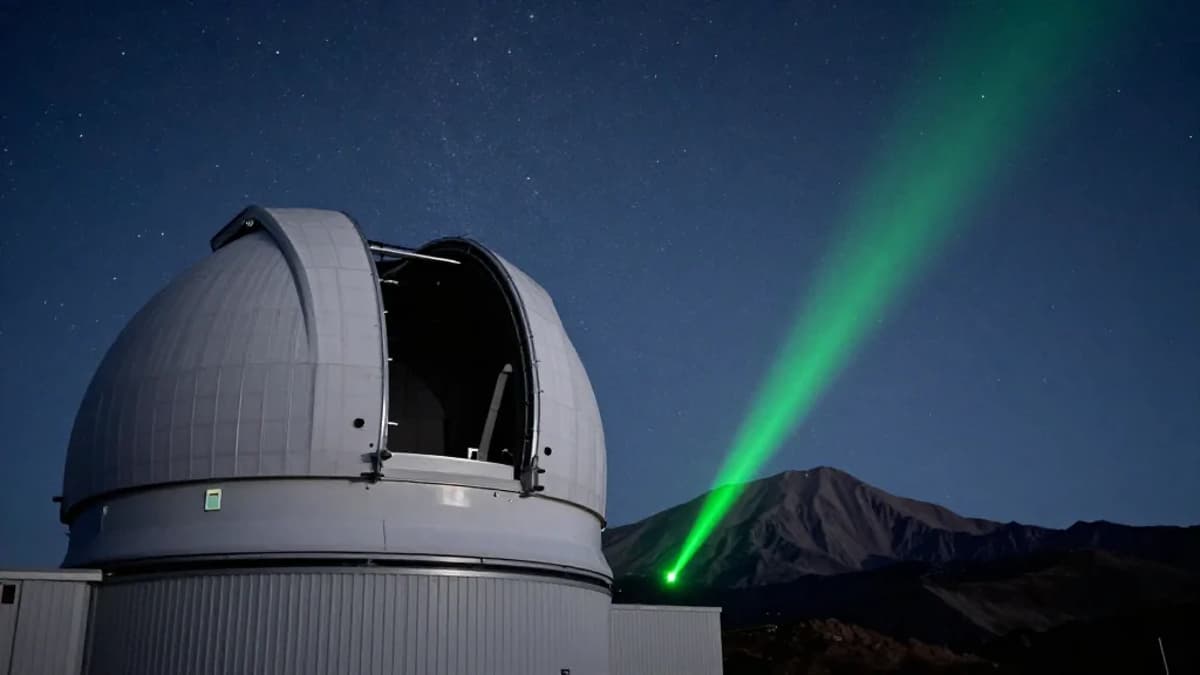
Astronomers at Chile’s Paranal Observatory are using powerful lasers to generate artificial guide stars, a cornerstone of modern adaptive‑optics systems. These laser‑created points of light allow telescopes to measure and correct atmospheric turbulence in real time, dramatically sharpening images of...
By Astronomy Picture of the Day (APOD)
News•Mar 12, 2026
Untitled
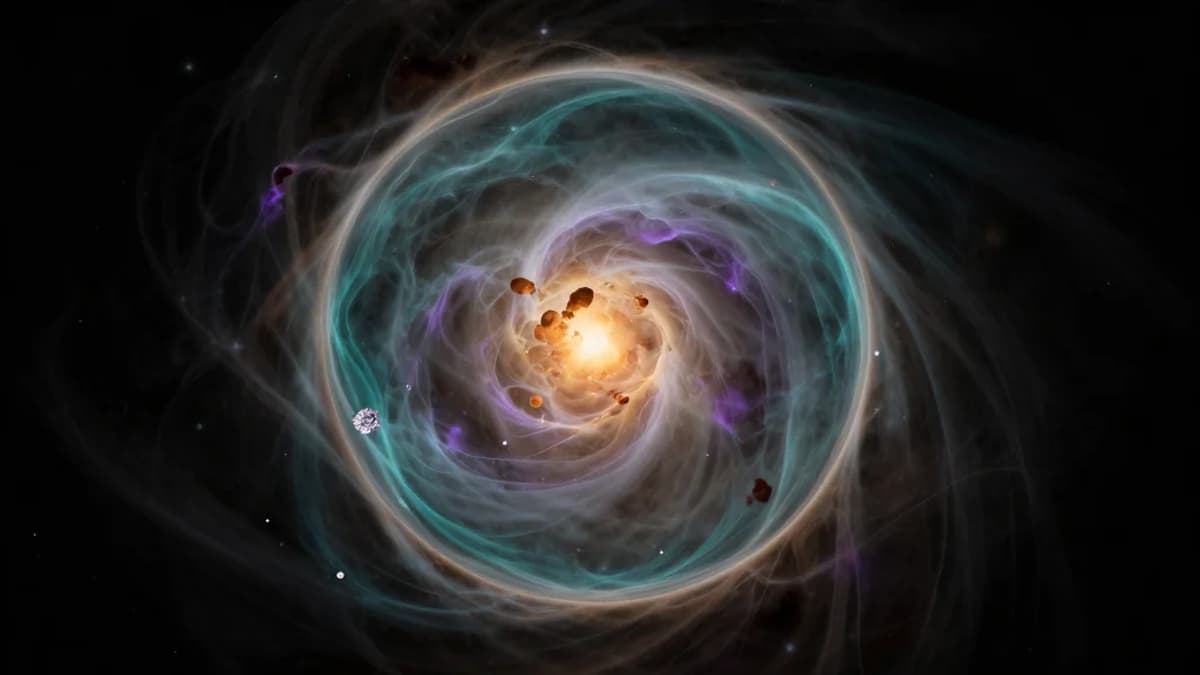
The James Webb Space Telescope captured a striking mid‑infrared image of the Cranium Nebula, whose brain‑like silhouette has sparked scientific intrigue. Astronomers are divided between classifying it as a planetary nebula surrounding a white dwarf or as a massive Wolf‑Rayet...
By Astronomy Picture of the Day (APOD)
Blog•Mar 12, 2026
NASA ESCAPADE Will Study Space Weather From Earth to Mars
NASA’s ESCAPADE mission has activated its twin science instruments to study how the solar wind stripped Mars of its atmosphere, turning a once‑wet world into a barren desert. Launched on 13 Nov 2025, the dual‑orbiter pair is the first to operate together...
By Quantum Zeitgeist
Blog•Mar 12, 2026
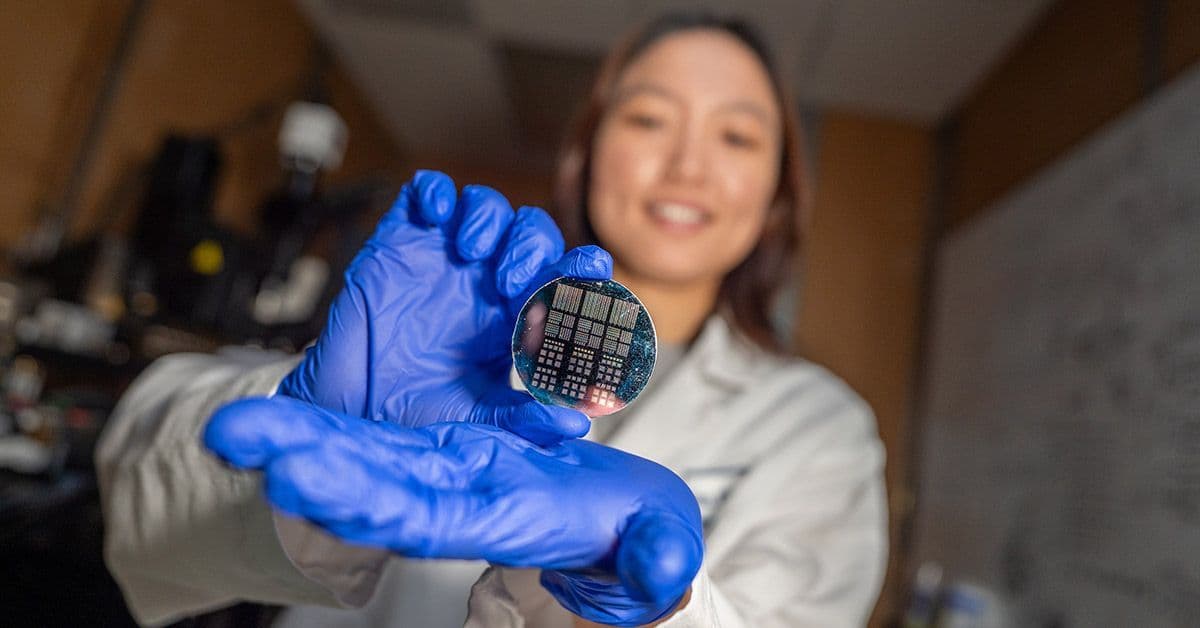
UC San Diego Combines Memory and Computation to Enhance Energy-Efficient AI
UC San Diego engineers have built a brain‑inspired hardware platform that merges memory and computation on a single chip. The device uses hydrogen‑doped perovskite nickelate to create nodes that store and process signals together, enabling spatiotemporal computing. In simulations it...
By Quantum Zeitgeist

Blog•Mar 12, 2026
Quantum Communication Achieves 85.35% Bit Matching with New Causal Method
Researchers introduced a quantum key distribution protocol that leverages indefinite causal order, a form of causal nonseparability. In ideal conditions the scheme attains an 85.35% bit‑matching probability, corresponding to a 14.65% raw error rate suitable for standard error‑correction codes. The...
By Quantum Zeitgeist

Blog•Mar 12, 2026
Quantum Bits Maintain Stable Response Even with Multiple Drives Applied
A UCLA‑Princeton team demonstrated that Loss‑DiVincenzo single‑spin qubits in a three‑qubit processor exhibit a strictly linear relationship between microwave drive amplitude and Rabi frequency, even when all qubits are driven simultaneously. The study resolved earlier reports of non‑linearities, showing frequency...
By Quantum Zeitgeist