Today's Aerospace Pulse
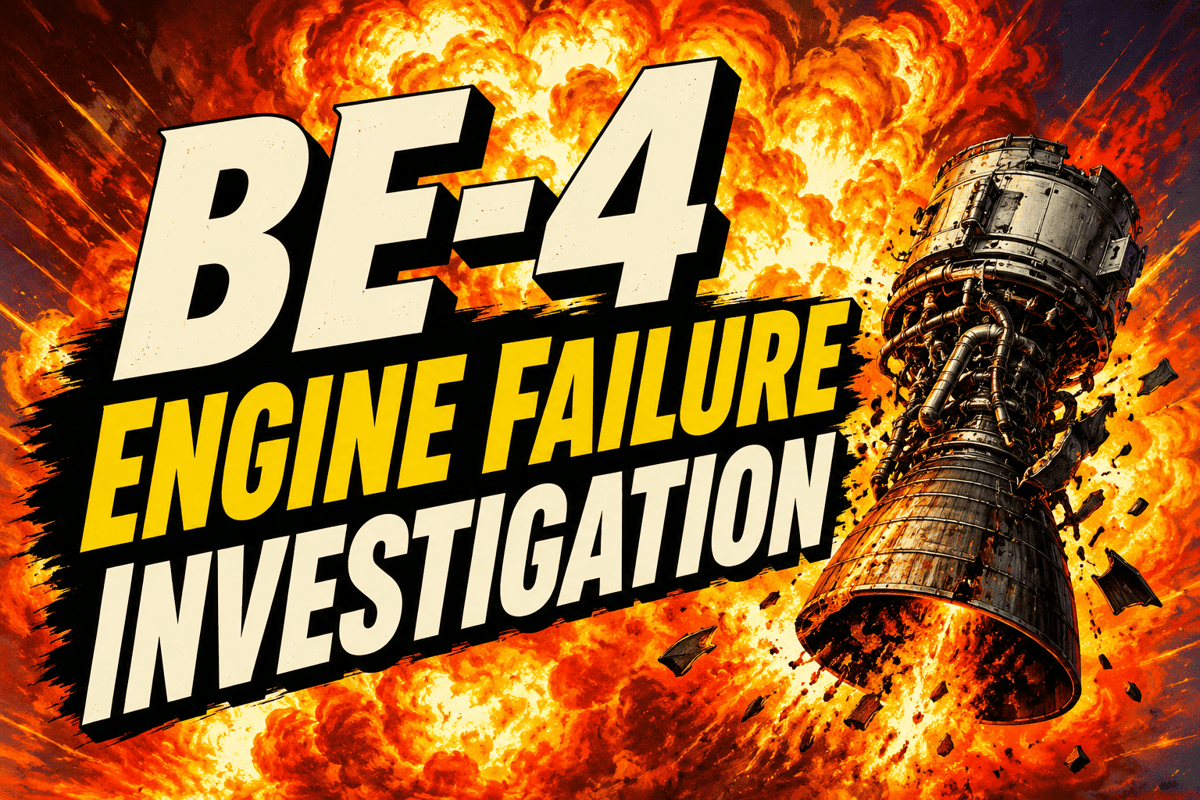
Blue Origin’s New Glenn suffers catastrophic engine failure during static fire
A BE‑4 methane/LOX engine on Blue Origin’s New Glenn rocket failed four seconds after ignition, causing a catastrophic explosion that destroyed the first‑stage booster and damaged Launch Complex 36A. No personnel were injured. An FAA‑led investigation, supported by the U.S. Space Force, is under way.
Also developing:
By the numbers: Disciplined Growth Acquisition Corp raises $150M in IPO

Artemis II: Inside NASA’s New Ride to the Moon
In this episode, hosts Jacob Pinter and Padi Boyd take listeners inside NASA’s Artemis II mission, touring the Orion crew capsule with vehicle manager Branelle Rodriguez and exploring its life‑support, habitability, and waste‑management systems. They also sit down with Space Launch System architect David Beaman to unpack the design and power of NASA’s most powerful rocket. Astronauts Victor Glover, Reid Wiseman, Christina Koch, and Jeremy Hansen discuss the mission’s purpose as a crewed test of Orion’s capabilities on a lunar flyby, setting the stage for future Moon landings and eventual Mars travel.
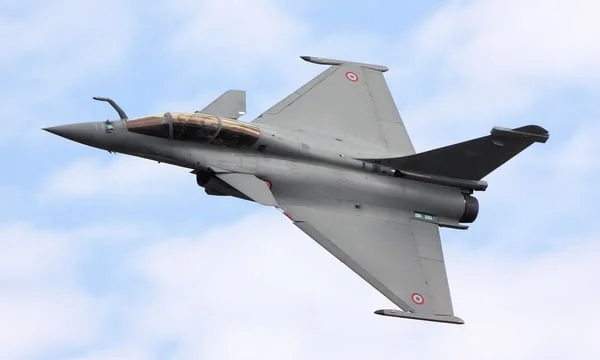
Indonesia Takes Delivery of First French-Made Rafale Fighter Jets
Indonesia received its first three French‑made Rafale fighter jets on Jan 23, marking the initial delivery of an $8.1 billion contract for 42 aircraft. The jets are now based at Roesmin Nurjadin Air Base and will kick‑start pilot training and operational conversion. The...

What to Watch for as NTSB Determines D.C. Midair Crash Probable Cause
On Tuesday the NTSB will announce and vote on the probable cause of the Jan. 29, 2025 midair collision between an Army Black Hawk and an American Airlines CRJ700 at Washington D.C. The board will also consider safety recommendations, though the final...
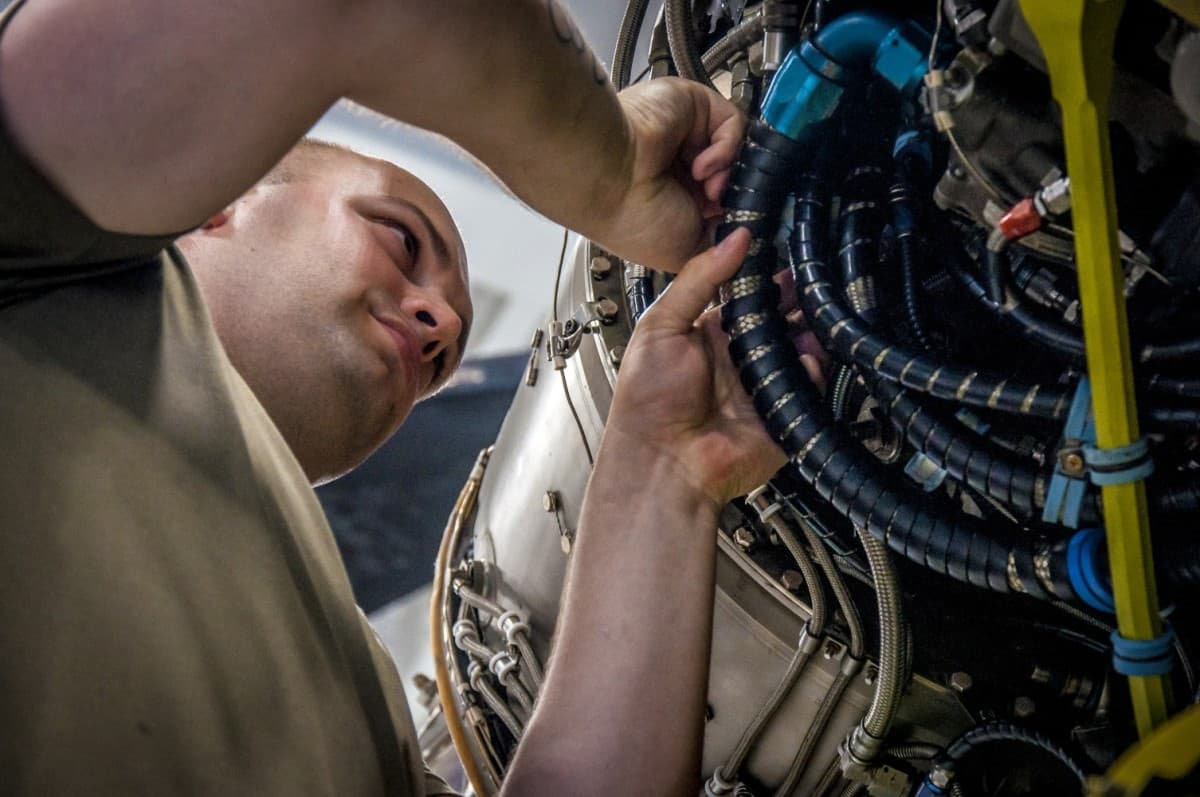
Connecticut Guard Home to Specialized Aircraft Maintenance Facility
The Connecticut National Guard’s 1109th Aviation Classification and Repair Depot (AVCRAD) in Groton performs depot‑level refurbishment of Army rotary‑wing aircraft, including UH‑60 Black Hawks, CH‑47 Chinooks and AH‑64 Apaches. By stripping helicopters to component level and rebuilding them to factory...

Three Imaginative Airline Services
The host recounts a stellar long‑haul flight on an American Airlines 787‑9 and uses that experience to propose three low‑cost airline service innovations. The first idea is a simple notification system that alerts passengers when their checked bag misses the...

FAA Moves to Codify Existing DCA Helicopter Restrictions Into Law
The FAA issued an interim final rule on Jan. 22 that permanently codifies helicopter and powered‑lift restrictions around Washington’s Reagan National Airport following the Jan. 29, 2025 Black Hawk‑CRJ700 collision. The rule lowers the vertical‑lift altitude ceiling to 1,500 feet and defines “essential” flights—medical,...

Oregon Guard Innovation Becomes Army Standard for Medevac Operations
Oregon Army National Guard aircrews identified a mismatch between the new Vita Vertical Rescue System (VRS) and existing Black Hawk litter straps, prompting them to redesign the strap as SK‑1189‑V. After prototyping with Skedco and six months of testing, the...

The Accountability Problem Exposed by the First Garmin Autoland Deployment
Garmin’s Emergency Autoland, designed for pilot incapacitation, saw its first operational use on Dec 20, 2025 when a Beechcraft King Air B200 experienced rapid depressurization. The system automatically engaged and guided the aircraft to a safe landing at Rocky Mountain Metropolitan Airport, while...

Building Products for Pilots: A Case Study - Cristina Bustos (Swiss AviationSoftware)
In this episode of The Product Experience, Randy Silver interviews Cristina Bustos, Product Manager at Swiss AviationSoftware, about launching a native mobile app for pilots in the highly regulated aviation sector. Cristina shares how she shifted from business analysis to...

Threat Simulation Turns Into Battlefield Deception
Slovenian firm Carboteh unveiled the Battlefield Anti‑Aircraft Non‑Kinetic (BANS) system at UMEX & SimTEX 2026, a handheld UV emitter that mimics a missile launch to trigger aircraft missile‑warning systems. The device forces hostile helicopters and low‑flying aircraft to dispense flares, depleting their limited...

What’s a Hawker?
The Hawker business jet line, originating from de Havilland’s HS‑125 in the early 1960s, evolved through dozens of variants and multiple owners before ending production in 2012. Over 1,670 aircraft were built, praised for ruggedness, spacious cabins, and long‑range capability, while...

New Reports Reveal Years of Unaddressed Osprey Safety Risks
New GAO and NAVAIR reviews expose decades‑long safety gaps in the V‑22 Osprey program, highlighting 34 unresolved risks, eight of them catastrophic, and a surge in serious mishaps during 2023‑2024. The reports show that critical component failures—such as hard‑clutch engagement...

The Death of the Earth Return Orbiter
The episode examines the abrupt termination of the Mars Sample Return (MSR) program, focusing on ESA’s Earth Return Orbiter (ERO) and the implications of Daniel Neuenschwander’s declaration that the mission will not continue. It delves into the historical context of...

Jeppesen ForeFlight CEO Cites Automation and AI in Justification for Layoffs
Jeppesen ForeFlight announced significant layoffs, citing automation and artificial intelligence as drivers of change. The cuts come months after Boeing divested the two aviation‑software units, which were bought by private‑equity firm Thoma Bravo. CEO Brad Surak emphasized the need to modernize development...
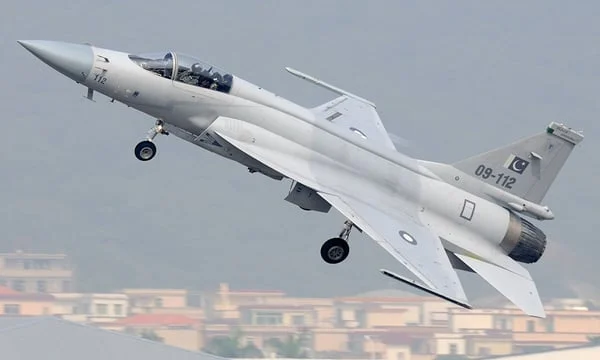
Pakistan Eyes Multi-Billion Dollar JF-17 Export Boom Amid Global Interest
Pakistan is actively negotiating JF‑17 Thunder sales with multiple countries, including Bangladesh, Indonesia, Saudi Arabia, Iraq, Sudan, Libya and Azerbaijan. The deals on the table range from a $1 billion Indonesian purchase of 40 jets to a potential $4 billion Saudi package...
Oliver Explains: How Are Plane Seats Created?
In this episode Oliver walks listeners through the five-stage process airlines use to turn a seat concept into a certified, flight‑ready product, drawing on his firsthand experience at Qatar Airways. He explains the Initial Technical Co‑ordination Meeting (ITCM) where stakeholders...

United Converts 56 787-9s to -10s as GE and Rolls Spar for Engine Deal and A350 Looms
United Airlines announced it will convert 56 pending Boeing 787‑9 orders into the larger 787‑10 model. The shift addresses chronic gate shortages and limited air‑traffic‑control capacity at U.S. airports. United has not yet chosen an engine supplier for the aircraft,...

Earth Observation Investments: 2025 Review
Earth observation (EO) venture funding reached a record $2 billion in 2025, up 15% from 2024 and surpassing the 2023 peak. Over 90% of the capital flowed into acquisition and intelligence segments, while processing finally recorded meaningful investment. Late‑stage rounds exploded...

ALPA Writes Open Letter to Spirit Airlines Bondholders
The episode examines the Airline Pilots Association’s (ALPA) open letter to Spirit Airlines bondholders, accusing them—particularly Citadel—of jeopardizing Spirit’s Chapter 11 restructuring and threatening thousands of jobs in South Florida. It contextualizes Spirit’s woes within broader challenges facing the U.S....
How Plausible Are Boom Supersonic's Use Cases?
The episode examines Boom Supersonic’s proposed Overture routes—New York to London, Paris to Washington DC, and Tokyo to Honolulu—by assessing their economic plausibility, market fit, and competition from sub‑sonic flights. The host argues that the New York‑London service could attract business travelers and...

The Case for the Messerschmitt Bf 109 Being the Greatest Fighter of the Second World War
In this episode, host Jim Smith argues that the Messerschmitt Bf 109 was the greatest WWII fighter, citing its groundbreaking 1934 design, superior performance in early campaigns, and sheer production numbers. He compares the Bf 109E to the early Spitfire,...