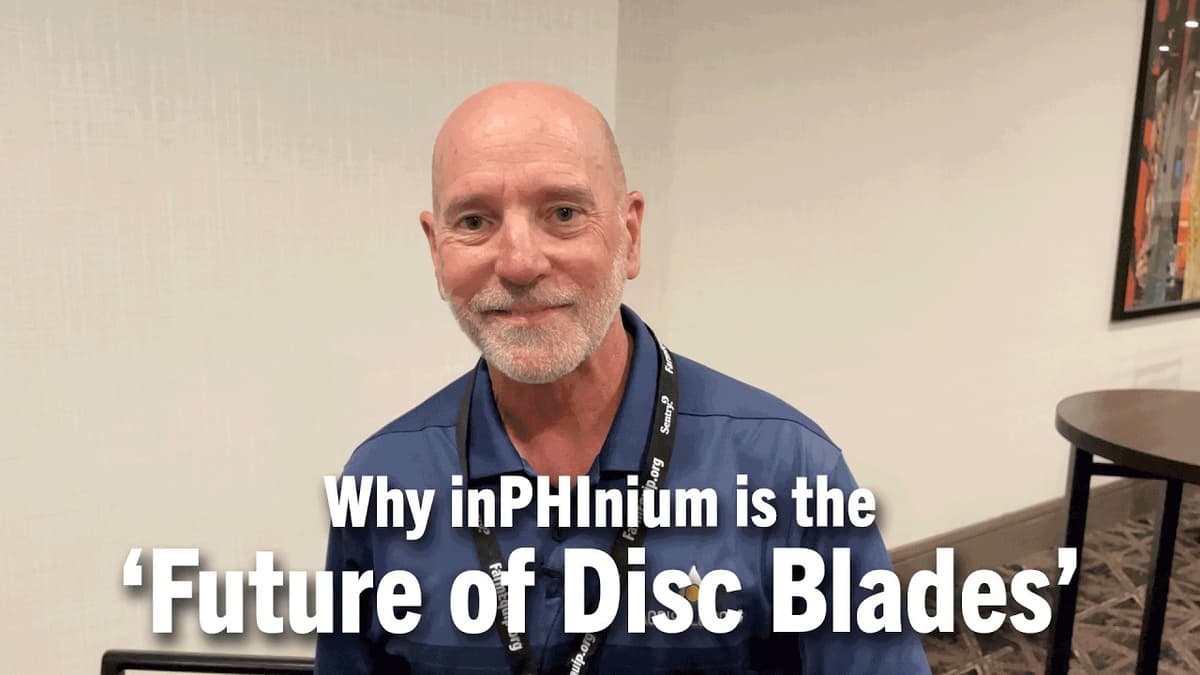
Why inPHInium Is the ‘Future of Disc Blades’
The video announces Infinium, a proprietary high‑grade steel designed to become the next‑generation disc blade for agricultural equipment. Infinium achieves a Rockwell hardness of 56, compared with the previous 49‑52 range, delivering a wear life 20‑30 % longer than the current industry standard. The material also retains a sharper edge and costs only a fraction more than existing blades, offset by reduced replacement frequency. The presenter cites a specific test on an 18×5 flat‑culture (no‑tail drill) blade, where life extension exceeded the typical 20‑30 % gain, illustrating the steel’s performance across openers, assemblies, and large concave notch blades. For farmers, the longer‑lasting, sharper blades translate into lower operating costs and fewer downtime events, while the industry gains a durable solution amid rising steel prices, positioning Infinium as a likely new benchmark.

Signpost Series: Feed Additives and Methane Production
The Signpost webinar focused on feed additives and other strategies to curb methane emissions from Irish livestock, featuring research officer Emily Roskam and climate adviser Mave Hagen. The session highlighted that agriculture accounts for roughly 40% of Ireland’s greenhouse‑gas output,...

451: The Latest In Plant Gene Editing with Pairwise COO
The Modern Acre podcast featured Ian Miller, COO of Pairwise, outlining the company’s CRISPR‑based gene‑editing platform that is delivering seedless blackberries and pitless cherries. Miller emphasized that Pairwise does not sell seeds directly; instead it licenses the proprietary varieties and...

The Future of Irish Dairy Breeding with Donagh Berry
The video examines how the rapid adoption of sexed semen is reshaping Irish dairy breeding. Professor Don Berry explains that while sexed semen lets farmers intensify selection on the top cows, it simultaneously diverts those elite females away from producing...
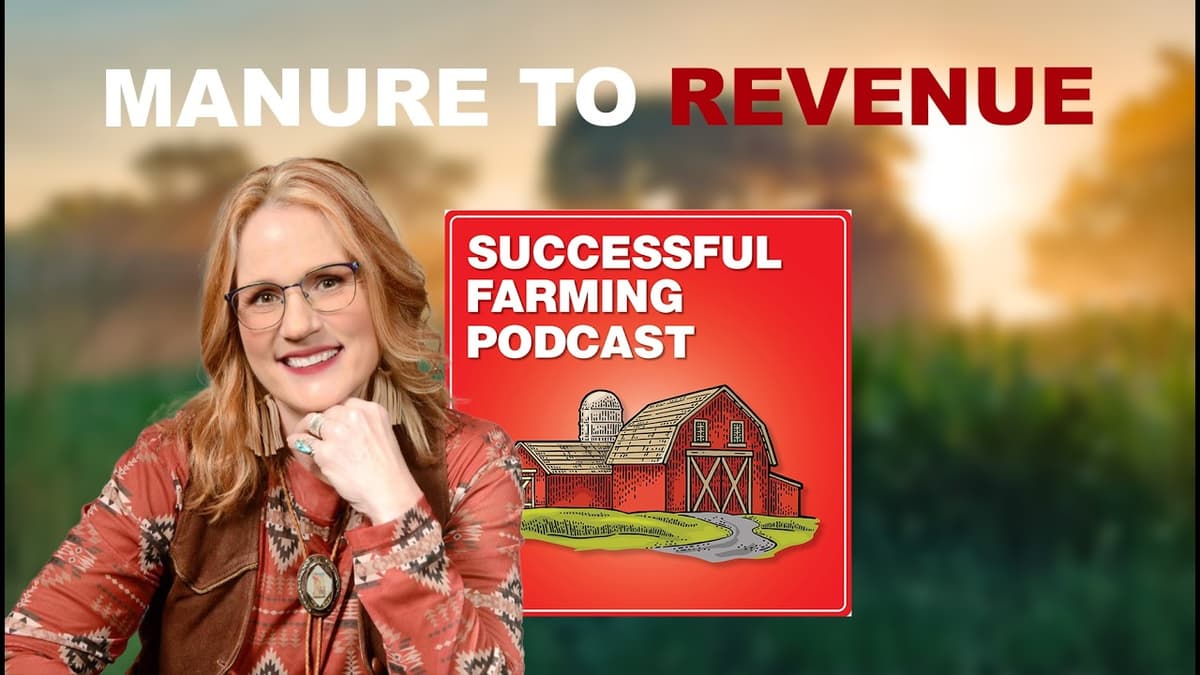
Turning Manure and Wastewater Into Revenue
The Successful Farming Podcast episode spotlights Livestock Water Recycling’s approach to converting manure and wastewater into profitable assets. Host Lori Boyer interviews Carly Lewis, an account manager and certified crop adviser, who explains how the company’s technology reframes waste streams...
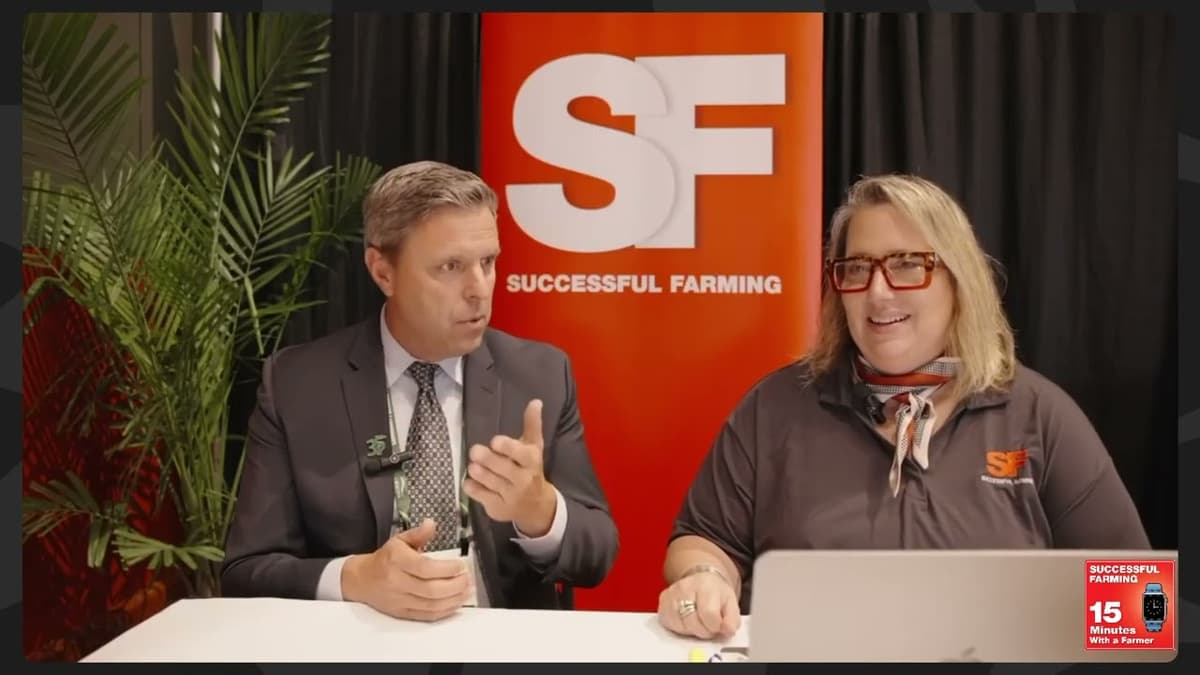
Soybean Leader Says New Markets Offer Hope in Tight Farm Economy
The podcast features Indiana farmer Don Whis, a United Soybean Board executive, discussing how new markets and premium soybean products can offset tight farm margins. Whis highlights the board’s recent outreach to Egypt—now a top‑five U.S. soybean destination—illustrating the shift...

Precision in the Field. Discipline in the Market. Taking Control of Your Grain Marketing with an AI
The webinar, led by Brad Peterson, VP of Sales at Total Farm Marketing, introduced the company’s AI‑driven TFM 360 service and explained how it aims to bring discipline and structure to grain marketing decisions for U.S. producers. Peterson highlighted the firm’s...
Prolonged Iran War Could Impact Farm Decisions, Corn Acres
Spring planting in the United States and Canada is now being shadowed by the escalating conflict in Iran, which threatens the flow of natural‑gas‑derived ammonia used in nitrogen fertilizers. Natural gas underpins the production of urea, the world’s most common solid...
![[Technology Corner] ‘There’s No Going Back’ … Advice for Getting Started with AI](/cdn-cgi/image/width=1200,quality=75,format=auto,fit=cover/https://i.ytimg.com/vi/mB5vGf_Mol4/maxresdefault.jpg)
[Technology Corner] ‘There’s No Going Back’ … Advice for Getting Started with AI
The video captures a brief presentation at a supplier showcase where Jeremy Gretigi of Sententa offers practical guidance for organizations just beginning to explore artificial intelligence. Gretigi emphasizes low‑cost entry points: download free AI applications, enroll in readily available courses on...

How Genebanks Helped Transform Chickpea Farming in India
The video highlights how gene banks, particularly the International Crops Research Institute for the Semi‑Arid Tropics (ICRISAT), have reshaped chickpea farming in India by delivering new, short‑duration varieties equipped with disease resistance. By tapping into native Indian germplasm, researchers introduced...
New Test Farm Will Speed Ag Robot Commercialization
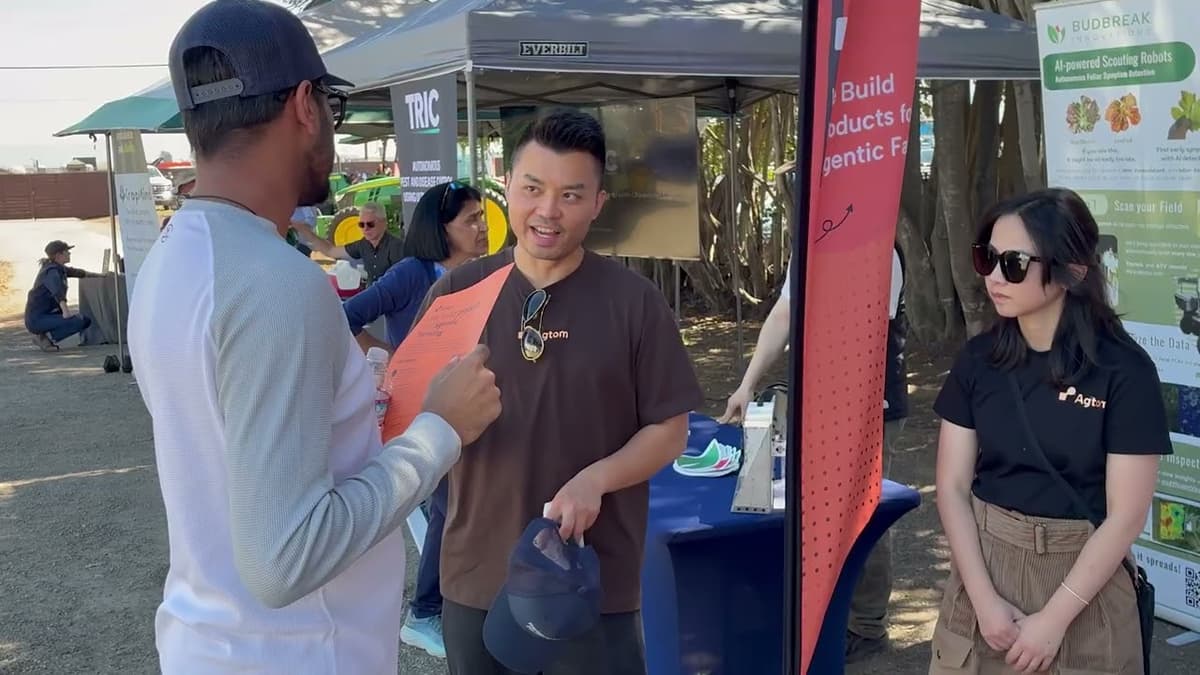
The video introduces a new agricultural test farm that functions as a robotics incubator, designed to accelerate the commercialization of AI‑driven farm equipment. By structuring participation into tiered residency levels—membership, development, and deployment—the program gives startups real‑world field access, mentorship,...

450: World Agri-Tech Takeaways + AgFunder Investment Report
The episode recaps Tim and Ty’s experience at the World AgriTech Innovation Summit in San Francisco, tying it to the latest AgFunder investment report. They note that while overall attendance was lighter than previous years, the concentration of high‑quality decision‑makers...

No-Tiller Hosts Event to Educate Landowners on Conservation Ag Practices
The No‑Tiller organization hosted its second‑annual event aimed at landowners—along with a handful of farmers—to educate them on conservation‑ag practices, particularly no‑till methods. The gathering was positioned as a bridge between landlords and tenants, highlighting how stewardship decisions affect...

From Credits to Contributions: Using Imagery to Measure Non-Fertilizer Nitrogen
The webinar, hosted by Covercraft Crop Strategies, introduced Sentinel A’s founder Jackson Stansel, who explained how satellite imagery can move nitrogen accounting from vague credits to measurable field contributions. He outlined the platform’s ability to integrate multispectral data, weather, and...

WEBINAR Cover Crops Made Simple From Planting Basics to Livestock Grazing
The Midwest Organic Center’s webinar walked participants through the fundamentals of cover cropping, from basic definitions to advanced practices such as livestock grazing and mixture design. Hosted by research director Sean Stokes and farm manager Drew Ericson, the session emphasized...

Clover: The Move Is On
The webinar, hosted by Teagasc’s dairy enterprise leader Eimear Kennedy, highlighted the accelerating move toward integrating white clover into Irish grasslands as fertilizer prices soar amid geopolitical tensions. Speakers emphasized that clover offers a resilient, locally sourced nitrogen source, reducing...

Lee, Cork Harbour, Youghal Bay & Bandon-Ilen Catchment Action Plan - Better Farming for Water
Water quality in Cork’s Lee and Bandon catchments is the focus of the “Better Farming for Water” initiative, coordinated by Oshin Kley. The program, led by Chagas with Carbury Group and other partners, seeks to curb agricultural nutrient and sediment...
Prepare Your Corn and Soybean Marketing for USDA's March 31 Acreage and Stocks Reports
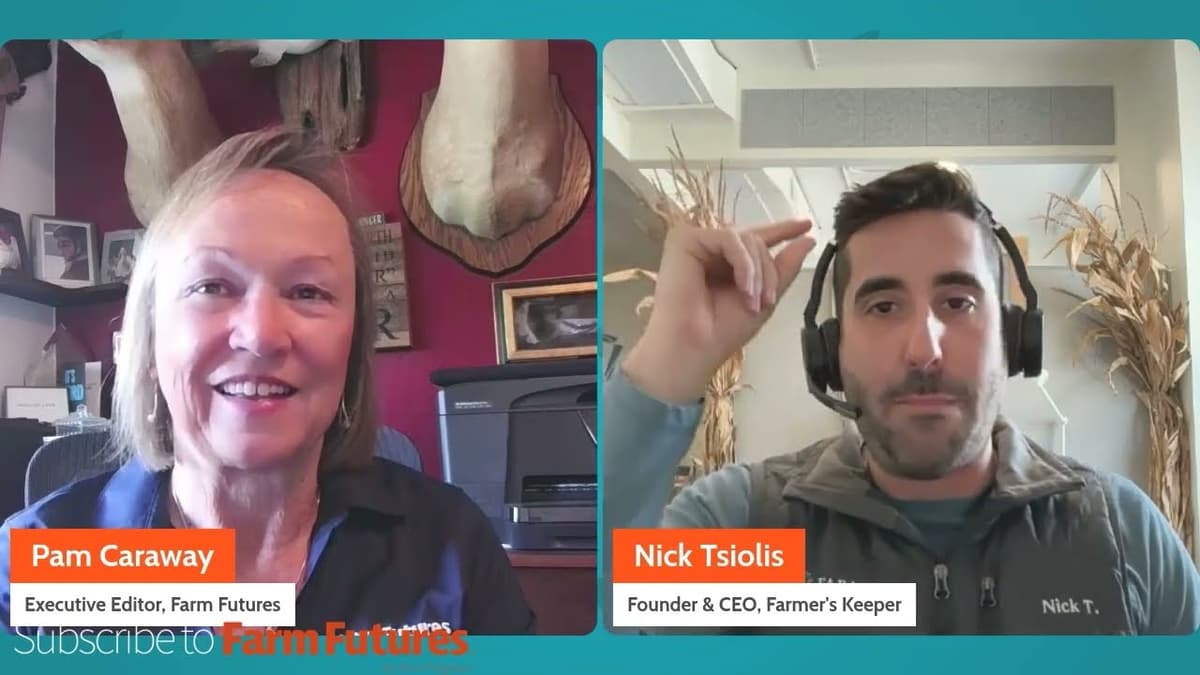
The Egg Marketing IQ In‑Depth episode focused on how farmers should position corn and soybean sales ahead of the USDA’s March 31 acreage and stocks reports. Host Pam welcomed Nick Cholus of Farmers Keeper, who outlined the likely USDA numbers –...

Drive Your Poultry (and Livestock) Around Autonomously with Zack Smith of Stock Cropper
The episode spotlights Stockcropper’s strategic shift from serving large row‑crop farms to targeting the burgeoning backyard‑chicken and homestead market. Founder Zach Smith introduced the "Drive," a solar‑powered, autonomous motor that can be attached to any movable pen, turning rotational grazing...

Brian and Darren Discuss the Effects that Nutrients Can Have on Stalk Quality.
Brian and Darren explain how targeted nutrient management shapes stalk quality, urging growers to adopt yearly soil sampling to track and adjust fertilizer programs. They highlight calcium’s role in creating soil pore space for root oxygen, while potassium, copper and manganese...

Should I Level Off Soil Before Spraying?
Farmers in southwest Minnesota asked whether they can spray Authority Edge directly onto ripped corn stalks on heavy‑clay ridges and later level the field, or use vertical tillage for spring prep. The expert response emphasizes that ridge height is the deciding...