
A Conversation with Alberto G. Musalem, President of the Federal Reserve Bank of St. Louis
The video features a conversation between AEI’s Michael Strain and Alberto G. Musalem, President of the Federal Reserve Bank of St. Louis. Musalem outlines the Fed’s recent decision to keep the policy rate in the 3.5‑3.75 percent range, emphasizing that the real rate remains near neutral despite recent energy price spikes. He frames the economic outlook as highly uncertain, with a baseline scenario of growth near potential, unemployment hovering around its natural rate, and core inflation gradually easing toward the 2 percent target, while acknowledging downside risks to both labor and price stability. Musalem highlights several tailwinds—fiscal support, deregulation, and an AI‑driven surge in capital expenditures—that could bolster growth, but he cautions that supply‑side shocks from the Middle‑East conflict, tariffs, and elevated fuel prices continue to pressure headline and core inflation. He draws historical parallels to the 1970s oil shocks, warning that misreading underlying inflation can entrench price pressures, and contrasts that with the productivity gains of the 1990s, noting that AI is currently boosting demand more than supply. Key excerpts include Musalem’s observation that “the unemployment rate remains close to its natural rate” and his estimate that recent fuel price hikes could erase 10‑15 percent of projected tax‑relief benefits each quarter. He also stresses that the Fed’s dual mandate is inherently pro‑growth, arguing that price stability is the foundation for sustainable employment and that any premature easing would risk unanchoring inflation expectations. The remarks signal to markets that the Fed is prepared to maintain a restrictive stance until inflation shows consistent movement toward target, while remaining open to adjustments if labor market weakness intensifies. Investors and policymakers should monitor energy price developments, AI‑related demand spikes, and fiscal policy shifts as they could reshape the Fed’s risk calculus and influence the trajectory of interest rates in the coming months.

Learn How to Trade Forex for Beginners #trading #forex
The video serves as a beginner‑focused tutorial on forex trading, using a rapid‑fire quiz to teach viewers how to spot common chart formations. It emphasizes stepping back to view the "big picture" – recognizing trends, reversals, and key structures before...

Peso Sinks to Record Low 60.55:$1 as War Fears Linger | INQToday
The Philippine peso plunged to a record low of 60.55 per US dollar as investors fled to safe-haven assets amid lingering fears over the Middle East conflict, driving local fuel costs to multi-week highs. The slump has intensified domestic pressure...

Speech by Christopher Kent Assistant Governor Financial Markets) Kanganews - 26 March 2026
Assistant Governor Christopher Kent used the KangaNews forum to explain how the Reserve Bank of Australia evaluates financial conditions and sets the cash rate. He outlined the board’s recent decision to raise the cash‑rate target in February and March, driven...

Stocks & Gold Plunge: Is THIS the Real Iran War Trade?
Stocks and gold tumbled as markets reacted to volatile Iran-war headlines and oil-price swings tied to U.S. signals. President Trump extended a self-imposed 5‑day deadline to Iran by 10 days, calming immediate fears but leaving uncertainty ahead of a thin‑liquidity...

How to Use Trend Lines With SMC (The Right Way)
The video explains how to integrate trend lines into Smart Money Concepts (SMC) trading, emphasizing that diagonal levels can be valuable when applied correctly. Justin Bennett argues that many traders dismiss trend lines as taboo, yet they provide additional structure...

Trey Reik: The Fed Is Secretly Pumping Liquidity Into Markets #Fed #Gold
The video focuses on the Federal Reserve’s newly disclosed Reserve Management Purchases (RMP), a program that buys roughly $40 billion of Treasury bills each month to shore up short‑term market liquidity. By December the Fed had already added about $160 billion to...

How to Read Market State in 10 Seconds
The video teaches a rapid, ten‑second technique for assessing a stock’s market state by looking at two moving averages on a two‑minute chart. The 20‑period (blue) and 200‑period (red) averages are compared for distance and slope. A 45° angle up or...

What If the U.S. Paid for Oil in Gold?
The video explores a hypothetical scenario in which the United States purchases crude oil—particularly from Saudi Arabia—using gold priced at $10,000 an ounce instead of U.S. dollars. Proponents argue that such a deal would give oil‑producing nations more purchasing power...

AUDUSD's Parabolic Move
The video focuses on the AUDUSD pair’s unexpected, parabolic rally amid a generally risk‑averse market environment. The analyst notes that while equity markets remain red and geopolitical tensions linger, the Aussie dollar has defied the trend, climbing sharply after a...

How Will the Federal Reserve Handle Inflation and a Slowing Economy? | FT #shorts
The Federal Reserve announced on Wednesday that it is keeping the benchmark interest rate on hold, signaling a pause in its tightening cycle even as inflation remains sticky. Chair Jerome Powell stressed the extreme uncertainty surrounding the economy, noting that the...

The Iran War Will Cause Inflation to Surge | The Economist
The Economist video discusses how the ongoing war in Iran, which has disrupted the Strait of Hormuz, is set to trigger a sharp rise in global inflation by feeding through higher oil prices. It explains the transmission mechanism: higher energy costs...

How Paul Passed FTMO & Became a Full-Time Forex Trader
Paul, an Urban Forex trader, successfully passed the FTMO Challenge and transitioned to full-time forex trading. In an exclusive interview he outlines the exact price‑action strategies, risk‑management techniques, and mindset shifts that propelled him from a struggling beginner to a...

Yen Intervention Looms; Oil Soars as Middle East War Rages
The Business Times podcast highlighted a volatile market day on March 24, 2026, as oil prices rebounded sharply while the yen faced renewed intervention risk amid an escalating Middle East war. Brent crude jumped 4.2% to just above $104 a barrel and U.S....

Consolidation = Hidden Moves Coming on EURJPY 🔥
The video dissects the EUR/JPY pair, highlighting two emerging harmonic structures—a bearish Gartley on the daily chart and a potential butterfly on a lower timeframe. The analyst walks through the Fibonacci measurements that differentiate a Gartley from a Bat pattern,...

GCC Fiscal Resilience and Macroeconomic Stability During the Iran War
Speakers at the Atlantic Council MENA Futures Lab webinar warned that the Iran war is imposing multi-channel macroeconomic shocks on GCC economies, chiefly via disrupted trade and logistics from Strait of Hormuz closures, higher freight and insurance costs, and interrupted...

The Real Risk Goes Beyond War | Macro Mondays: March 23, 2026 W/ Andreas Steno & Mikkel Rosenvold
In this short tutorial, Google’s Gemini AI is positioned as a personal shopping assistant that helps consumers navigate product choices, illustrated through the example of selecting a blender. The video walks viewers through a step‑by‑step interaction: asking Gemini for buying...

ECB's Radev: Second-Round Inflation Effects From Mid-East War Starting
The video features ECB Governing Council member Peter Radev warning that the war in the Middle East could generate second‑round inflationary pressures in the euro area. He stresses that the central bank’s primary objective remains price stability and that any...

Pakistan Faces Economic Crisis as Middle East Conflict Drives Inflation & Austerity
The video examines how the intensifying Middle East conflict is deepening Pakistan's economic crisis, prompting the prime minister to announce emergency austerity measures. With 80% of oil imports sourced from the Persian Gulf, any disruption to the Strait of Hormuz...

Why Euro Relief Won’t Last (Don’t Short Yet)
The video examines the euro’s technical chart, highlighting a rare change of character on the daily timeframe—the first such shift since 2024. The analyst points to a fresh low that signals material weakness, yet cautions that this alone does not...

THE DOLLAR IS IN TROUBLE: Why The Safe-Haven Rally Will FAIL! (Market Warning) 🚨
In the video, Verified Investing’s chief market strategist Gareth Soloway warns that the recent rally in the U.S. dollar is fragile and likely to reverse, despite the temporary boost from the Iran‑U.S. tension. He points to the DXY chart, which has...

DXY Breakdown? This Is Why It’s Probably a Trap
The video dissects a potential trap in the U.S. Dollar Index (DXY) breakout scenario, warning that a dip below a recent low does not automatically signal a top for the dollar. The presenter maps out hypothetical outcomes, emphasizing that the...

Open House - Watch and Trade the Open Live with Oliver Velez and Bill Deichler
Oliver Velez and Bill Deichler hosted a live Open House where traders could watch Velez’s swing‑trading methodology applied to the Forex market in real time. The session highlighted a process refined over 39 years, emphasizing clarity, strategy, and the 24‑hour...

Is the Dollar Finally on the Way Out?
The video asks whether the U.S. dollar is finally losing its status as the world’s reserve currency, tracing the pattern that no currency stays on top forever—from the Dutch guilder to the British pound and now the dollar. It argues that...

How an Oil Price Shock Impacts Forex (And How to Trade It)
In this live webinar, Naveen Prithiani of UrbanForex explains how sudden oil‑price shocks ripple through the foreign‑exchange market and how traders can turn that turbulence into profit. He emphasizes that the Canadian dollar, Australian dollar and Japanese yen—often called commodity...

My Simple Strategy To Trade The News In Forex
The video explains a disciplined approach to trading "red" news events in the forex market, emphasizing that volatility and rapid price swings require a methodical strategy rather than speculation. Key insights include anchoring the trade range to the Tokyo open, watching...

What the Federal Reserve's Rate Decision Means for Investors
The Federal Reserve’s latest policy press conference underscored that interest rates will remain elevated as the central bank grapples with lingering inflation and geopolitical risk, notably the conflict in the Middle East. Officials highlighted modest progress on price pressures, attributing part...

Purchasing Power Parity (PPP) Exchange Rates
The video explains purchasing power parity (PPP) exchange rates, defining them as the rate at which one currency can purchase the same basket of goods and services abroad as it can domestically. It contrasts PPP rates with nominal rates that...

The SAFEST Forex Pair During Market Panic? 👀💥
The video examines which forex pair—USD, JPY, or CHF—offers the safest refuge when markets panic, concluding that none provides a flawless safe haven. It outlines each currency’s vulnerabilities: the dollar faces political and monetary‑policy headwinds, the yen is subject to frequent...

Peso Weakens Further to 59.87 vs $1 | INQToday
The Philippine peso slipped to a fresh record low of 59.87 per U.S. dollar on March 16, prompting the Bangko Sentral ng Pilipinas (BSP) to step in as the currency neared the psychologically significant 60‑peso barrier. The peso closed 13.5 centavos...

Will Iran Conflict Make the Fed Hawkish This Week?
The episode centers on the Federal Reserve’s upcoming March meeting and whether the escalating Iran‑Israel conflict will push the Fed toward a more hawkish stance. Host Sarah Wheeler and lead analyst Logan Motoshami argue that, regardless of geopolitical developments, the...

Day Trading 15min Chart on AUD/USD
The video walks viewers through a live day‑trading setup on the AUD/USD pair, focusing exclusively on 15‑minute candles to capture short‑term momentum. The trader notes that the pair has been trending lower since the Asian session high, with roughly 26 pips still...

Fed Policy Shifts as Global Rates and Oil Risks Surge. 3/13/26
The Federal Reserve’s two‑day FOMC meeting on March 16‑17 will center on a quarterly projection update rather than a rate‑change decision, with the Fed expected to keep the policy rate near the 3.5% range while revising its dot plot to...

Stagflation Concerns Are Back. Will Oil Spikes Send Us Into a Global Recession?
The video highlights a renewed threat of stagflation, driven primarily by sharp oil price spikes that are reigniting inflationary pressures worldwide, with the United Kingdom singled out as a bellwether case. Analysts note that supply‑side shocks, unlike demand‑driven price rises, leave...

Why the Japanese Yen Has Been So Volatile Lately 🇯🇵⚠️
The video explains why the Japanese yen has been unusually volatile, pointing to two primary catalysts: persistent rumors of government intervention and a shift in fiscal policy under Japan’s newly elected prime minister. Both factors have injected uncertainty into the...

Is the Ringgit’s Rebound Good News for Malaysia?
The video examines the recent rebound of Malaysia’s ringgit, questioning whether the currency’s strength translates into broader economic benefits for the country. It frames the discussion around the latest exchange‑rate movements, the drivers behind the appreciation, and the potential trade‑offs...

How Markets Are Responding to Trump's War with Iran | FT #shorts
The short FT video examines how financial markets have been interpreting President Donald Trump’s rhetoric surrounding the escalating tensions with Iran. Rather than reacting to on‑the‑ground developments, traders have been pricing in Trump’s personal desire to see the conflict concluded,...

Amid War with Iran, Debating the US Dollar as a Safe Haven Currency
Investors are fleeing to dollar‑denominated assets as the war with Iran escalates. The surge follows a turbulent year for the greenback, during which its safe‑haven status has been hotly debated. Analysts, including Atlantic Council’s Lize de Kruijf, warn that coordinated “Sell...
Rate Hike Bets Hold up Aussie Dollar | the Trade
The Trade opened with a geopolitical update: intensified US‑Israel air strikes on Iran and Tehran’s threat to block Gulf oil shipments have heightened market volatility. Treasury yields rose, with the 2‑year at 3.59% and the 10‑year at 4.15%, while Australian...

Middle East Tensions to Overshadow Data Releases as Haven Flows Remain Strong
The video focuses on how escalating Middle East tensions are driving safe‑haven demand, propelling the U.S. dollar to its strongest weekly gains. Strikes on Iran’s capital and oil storage sites, coupled with the ongoing closure of the Strait of Hormuz—through...

The Liquidity Cycle Is Turning Down (Here's How) | Michael Howell
Michael Howell of Capital Wars explains that the global liquidity cycle, which has driven the three‑year bull market since October 2022, reached its apex in late 2023 and is now losing momentum. Using his proprietary Global Liquidity Index – a...

ONLY 2 Timeframes You Need For Trend Pullbacks Strategy
The video walks viewers through a trend‑pullback trade on EUR/JPY that earned 86 pips with a 1.75‑to‑1 risk‑to‑reward ratio, using only the 1‑hour and 15‑minute charts. Mariana explains that the method hinges on confirming the overall market direction on the...

Broad Market Volatility Helps Euro Bounce Before Close. 3/9/26
The euro opened sharply weaker, trading near 1.115—the lowest since Thanksgiving—before reversing in the afternoon to rally above 1.16 and finish essentially unchanged as markets digested Middle East headlines. The dollar led intraday moves: an early dollar rally pushed the...
What Could Replace the Dollar? | The Economist
The Economist’s video examines whether any currency can supplant the U.S. dollar after eight decades of dominance, exploring the euro, the Chinese yuan and digital assets as potential successors. It notes that soaring U.S. debt and unpredictable policy under recent administrations...

Oil Shock + Job Losses + Credit Crisis… This Is Bad
The video warns that a perfect storm of an oil‑price shock, consecutive negative payroll reports and a burgeoning private‑credit crisis is pushing the U.S. economy toward a deeper contraction. Analysts note two months of job losses, an adjusted unemployment...

Massive Setups Forming in Forex & Oil Right Now (Weekend Analysis)
In this weekend briefing, TierOneTrading dissects nine key markets—including EURUSD, EURJPY, USDJPY, USDCAD, AUDCAD, EURCAD, CADJPY, the DAX and crude oil—to pinpoint high‑probability setups for the coming week. The analysis showcases advanced harmonic patterns such as Gartley, Cypher and Bat,...
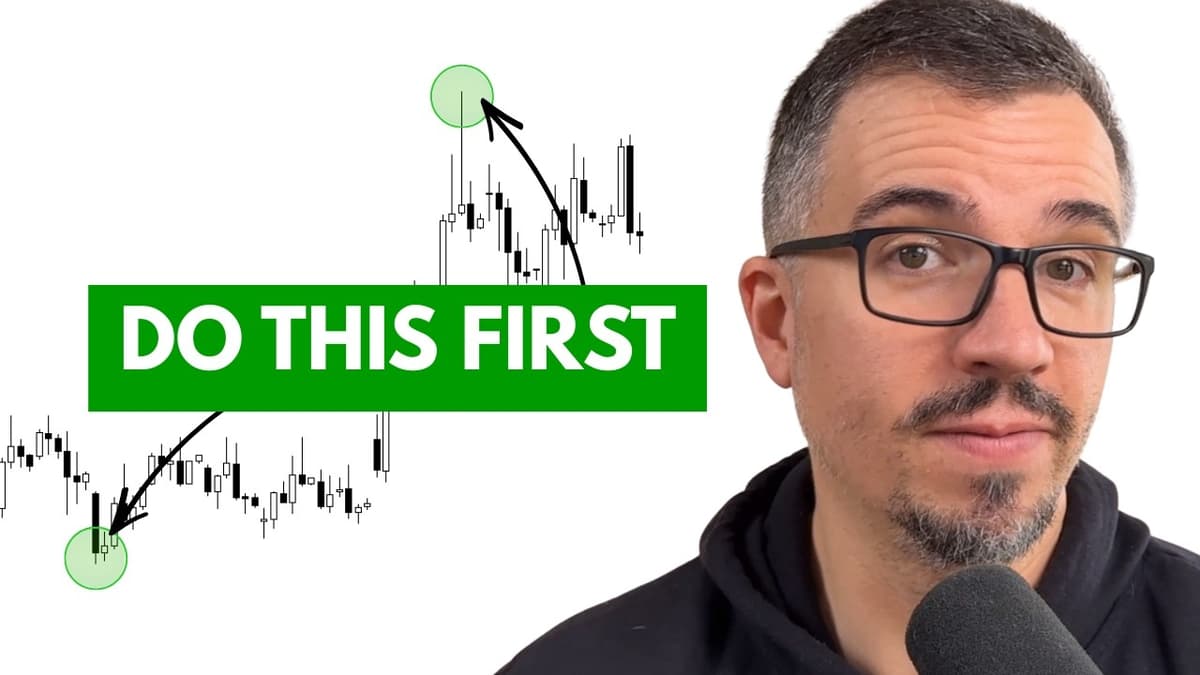
Most SMC Traders FAIL Because They Skip This
The video explains how Smart Money Concepts (SMC) traders can simplify their analysis by clearly separating external price action—overall market structure—from internal price action—short‑term moves within that structure. Justin Bennett walks through a DXY chart on multiple timeframes, showing how...
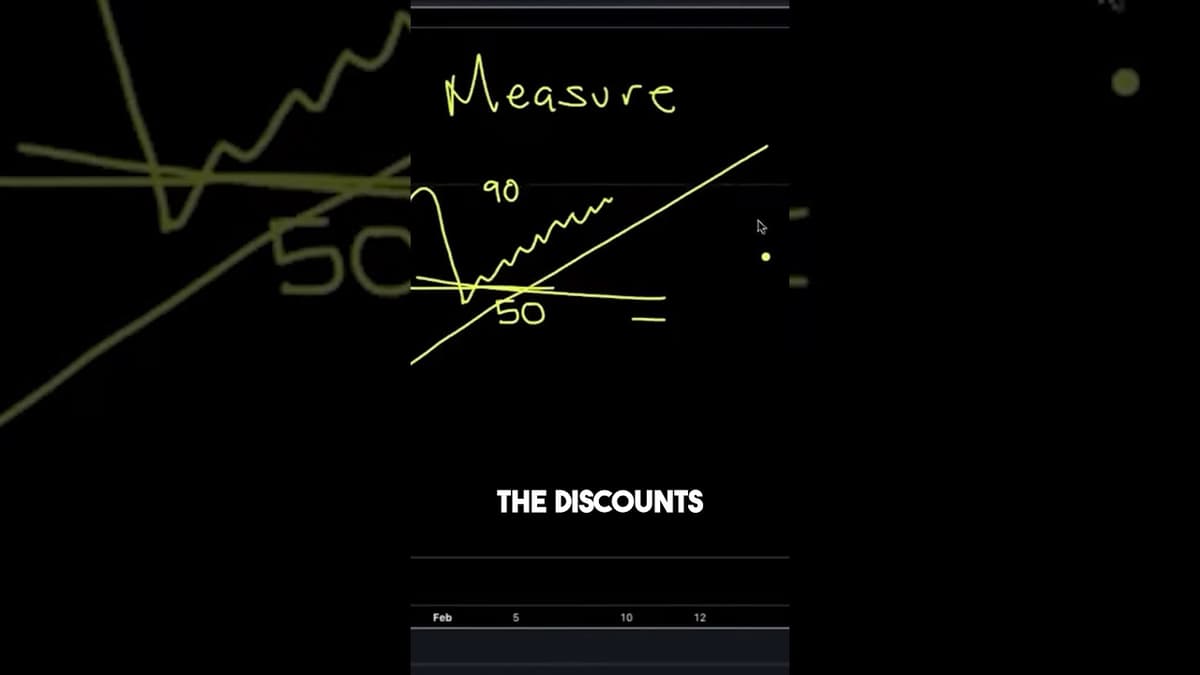
Price Action Is Nothing But Deal Hunting
The video frames price action as pure deal hunting, urging viewers to treat every tick as a signal of whether a discount is genuine or fleeting. The speaker argues that the only way to profit is to watch how quickly...

Forex Day Trading Using Range Bar Charts
TierOneTrading’s video walks viewers through a live EUR/NZD day trade using range‑bar charts, illustrating a three‑step framework: locate market structure, identify the next structural level, and trade the move between them. The presenter highlights how range bars strip out time‑based...

EURUSD to See Further Relief Before the Next Drop
EURUSD has bounced off a major higher‑timeframe support zone, with price now trading within the weekly OTE range and staying above the key external low on the daily chart. The 4‑hour chart shows price defending channel support in discount, prompting...