
A Failed Iran Peace Plan Will Be Catastrophic for Trump
The video argues that despite President Trump’s proclamation of a decisive win, Iran’s Islamic Republic remains intact after a massive air campaign, casting doubt on the durability of any peace arrangement. Iran endured more than 13,000 strikes, its missile stockpile weakened yet still rebuildable, and it now intends to reopen the Strait of Hormuz under a toll system that could generate billions in revenue. The narrator references Trump’s vow to “raze Iran’s missile industry” and warns that the new coordination requirement for passing ships could fund reconstruction of missiles and damaged nuclear facilities, quoting the claim that “any ship must coordinate with Iranian armed forces.” Without a comprehensive, enforceable agreement that curtails Iran’s new revenue streams and re‑armament, the regime could emerge stronger, jeopardizing U.S. strategic goals and destabilizing global oil markets.
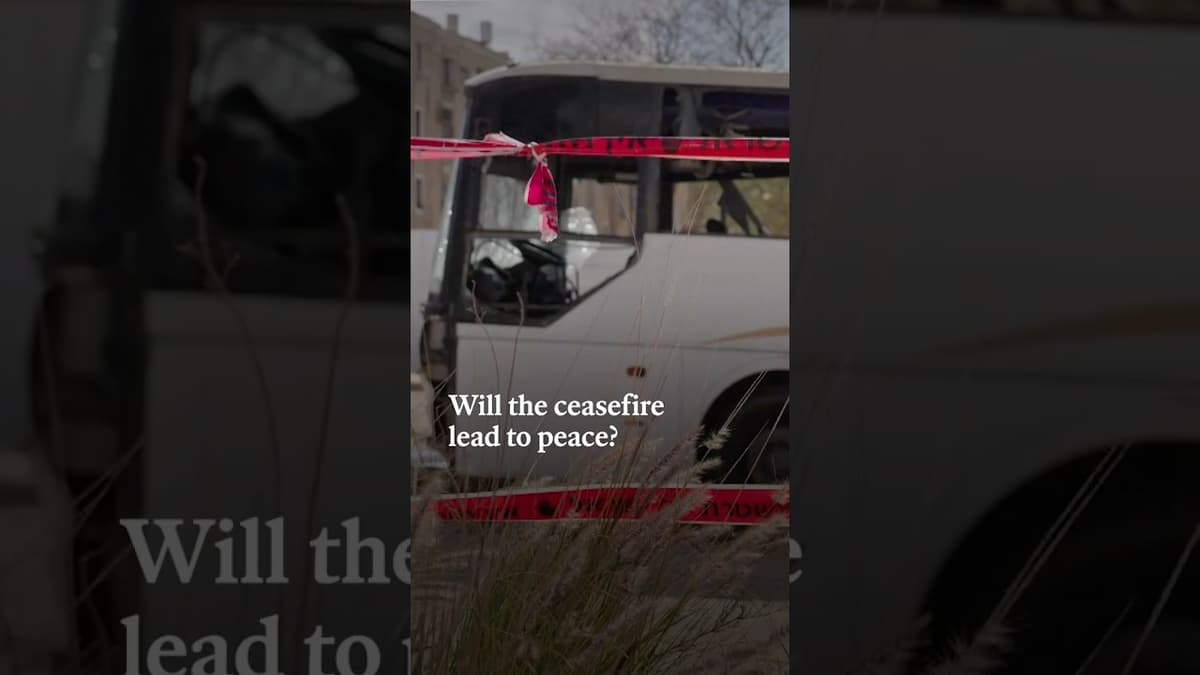
Will the Ceasefire Between America and Iran Lead to Peace? | The Economist
The video examines the upcoming cease‑fire negotiations between the United States and Iran in Islamabad, highlighting how the two sides arrive at the table with diametrically opposed demands. Iran wants recognition of its right to enrich uranium, reparations and a...
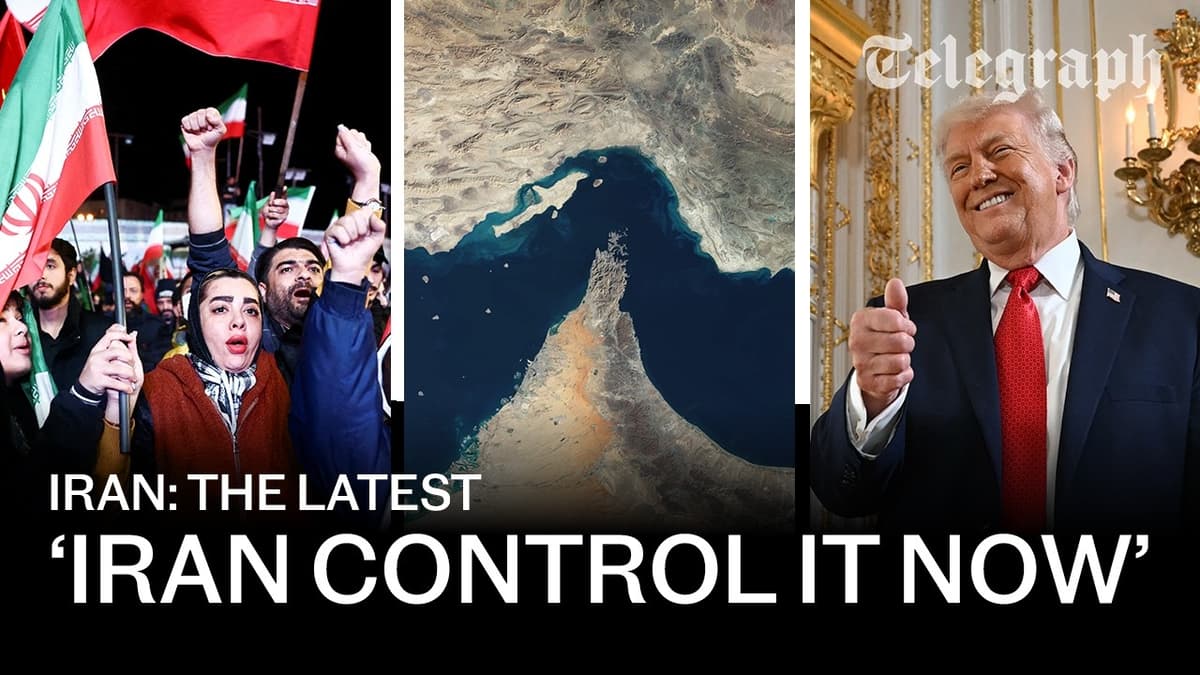
The Holes in Trump's Iran Ceasefire Deal: Israel, Lebanon and the Strait of Hormuz
The podcast dissects the two‑week ceasefire announced after 40 days of fighting between the United States and Iran, a conflict sparked by President Trump’s aggressive posturing and a series of high‑intensity operations dubbed Operation Epic Fury. While the White House...

The War in Iran Is Quickly Becoming Defined by the Use of Drones
The Daily Scoop episode highlighted two distinct but technology‑driven developments shaping U.S. security policy: ICE’s record‑breaking arrest numbers powered by artificial‑intelligence tools, and the rapid integration of low‑cost attack drones—known as Lucas platforms—into the ongoing conflict with Iran. ICE reported 167,651...
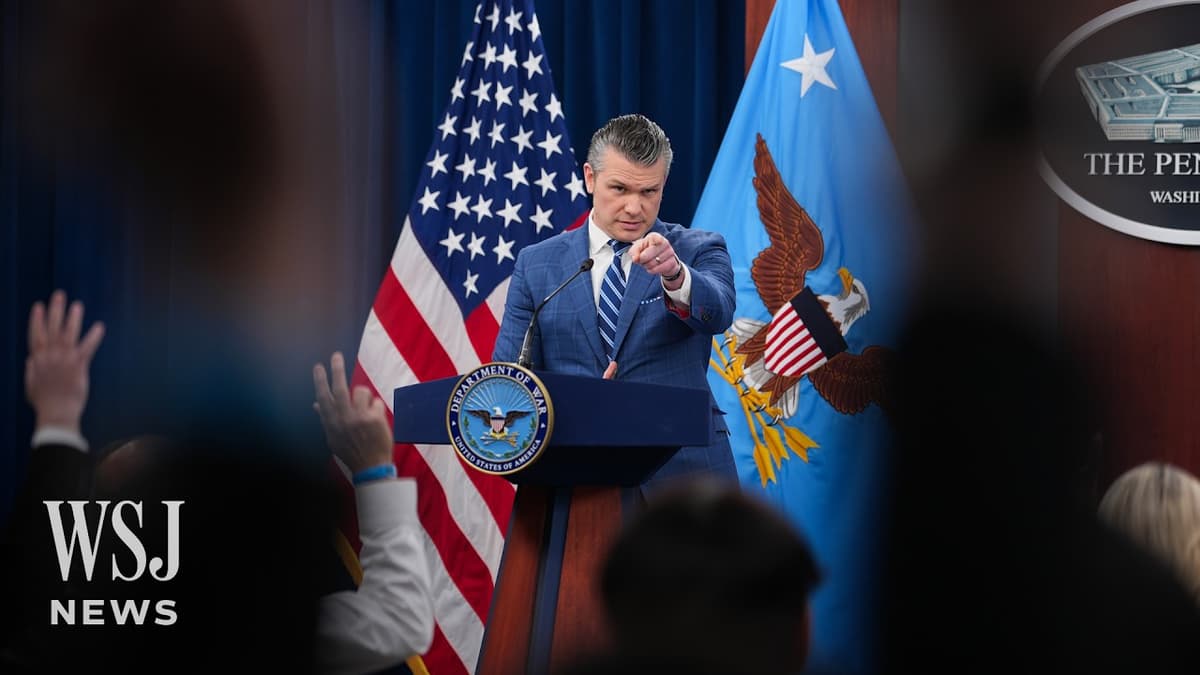
Hegseth Declares ‘Victory,’ But Says U.S. Forces ‘Not Going Anywhere’ | WSJ News
The Wall Street Journal interview with senior defense official Hegseth centers on a declared “victory” in recent diplomatic pressure on Iran, while emphasizing that U.S. forces will remain on the ground. He outlined a dual strategy: enforce the cease‑fire agreement...

Black Hat USA 2025 | LLM-Driven Reasoning for Automated Vulnerability Discovery Behind Hall-of-Fame
The Black Hat USA 2025 talk introduced “Whisper,” a large‑language‑model‑driven system that automatically discovers vulnerabilities in stripped ARM64 binaries. The presenter, a researcher guiding an undergraduate team, explained how the tool earned a Hall of Fame award at Samsung...
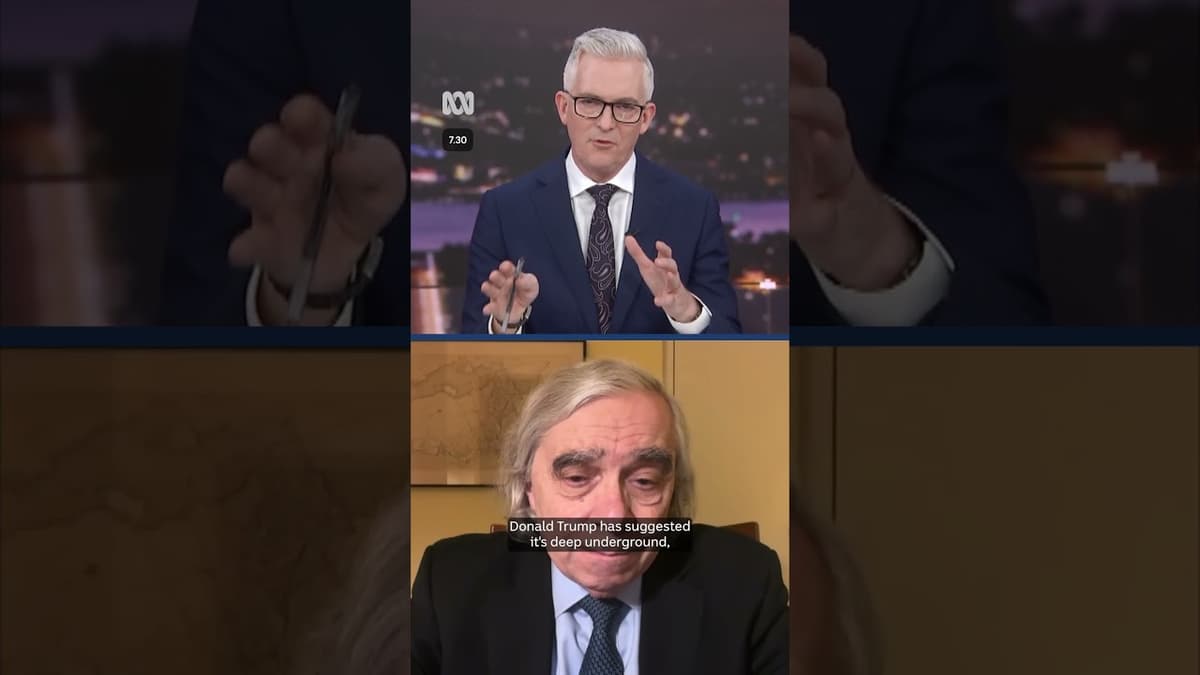
Why Iran’s Uranium Can Still Be Dangerous | 7.30
Experts warn Iran’s stock of 60% enriched uranium — while below the 90% commonly defined as "weapons grade" — is sufficiently enriched to be used in a nuclear explosive with only a modest penalty compared with weapons-grade material. Tehran has...

Risk, Power, and Influence: What It Really Takes to Lead in Cyber
The Two Cyber Chicks episode spotlights senior cyber leader Tasha Denos, whose career spans the Pentagon, Secret Service, Capital One, Google and Meta. The conversation centers on what it truly takes to lead in cyber: mastering risk governance, influencing diverse...

Techstrong TV - April 8, 2026
Techstrong TV highlighted a surge in AI‑powered phishing, with Ironscales CEO Eyal Benishti detailing automated detection that counters increasingly sophisticated email attacks. Jon Swartz introduced MazeBolt’s shift from reactive DDoS mitigation to a predictive, pre‑emptive defense model. Mike Vizard reported...
Pentagon Releases $1.5 Trillion Budget
The Pentagon released a surprisingly detailed $1.5 trillion defense budget, providing line‑item data far beyond the usual topline figures. President Trump’s target is met through a $1.15 trillion base budget and $350 billion in reconciliation funding, with a potential supplemental request of up...

What Happens to the Internet when War Breaks Out? #ukraine #internet #BGP
The video presents a research project examining how Russia’s invasion of Ukraine reshaped Internet inter‑peering and autonomous system (AS) dynamics from April 2021 through early 2025. Using data from regional registries, PeeringDB, Packet Clearing House, Hurricane Electric, and quarterly snapshots from...
Matthew Savill on BBC 5 Live: Iran's 10-Point Ceasefire Plan
On BBC 5 Live, security analyst Matthew Savill dissected Iran’s newly unveiled 10‑point cease‑fire proposal, questioning its viability and alignment with U.S. interests. The discussion centered on Tehran’s demand to retain influence over the Strait of Hormuz and other concessions that...
Live: Hegseth Gives Briefing on Iran War in Wake of Ceasefire Announcement
Pete Hegseth briefed the media on the ongoing Iran war following President Donald Trump's unexpected ceasefire announcement. The ceasefire comes after weeks of intense combat in the Strait of Hormuz, where U.S. forces have been engaged. During the Pentagon briefing,...
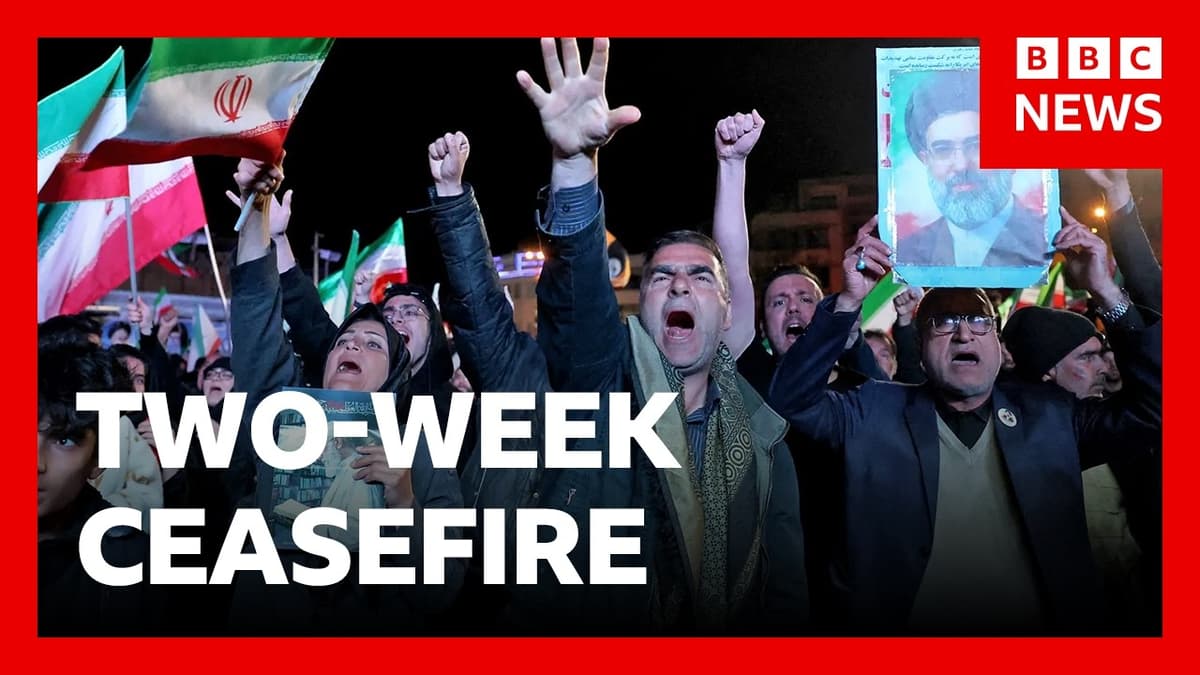
Iran and US Agree Conditional Two-Week Ceasefire | BBC News
The BBC report details President Donald Trump’s announcement of a conditional two‑week cease‑fire between Israel and Iran, triggered by escalating strikes in Lebanon, Iraq and the strategic Strait of Hormuz. The pause follows Trump’s Truth Social post warning of catastrophic...

Israel Halts Iran Strikes but Continues Attacking Lebanon
The video reports that Israel has announced a cease‑fire on its campaign against Iran while simultaneously intensifying strikes on Lebanon, signaling a strategic split of its two war fronts. Prime Minister Benjamin Netanyahu told the nation that operations against Tehran’s...

Iran War | Professor Michael Clarke Analyses Temporary Ceasefire Deal
Professor Michael Clarke examined the temporary cease‑fire’s impact on the Strait of Hormuz, zeroing in on Iran’s use of Larak Island to dictate vessel movements. He explained that Tehran initially shut the strait by creating a hazardous environment, then offered limited...

US VP JD Vance Warns Iran Not to ‘Lie or Cheat’ as Fragile Truce Holds
Vice President JD Vance addressed Hungarian university students, warning Iran not to lie or cheat as a fragile cease‑fire holds after a six‑week confrontation involving the United States, Israel and Tehran. He emphasized that the Biden administration’s primary military goal—crippling...
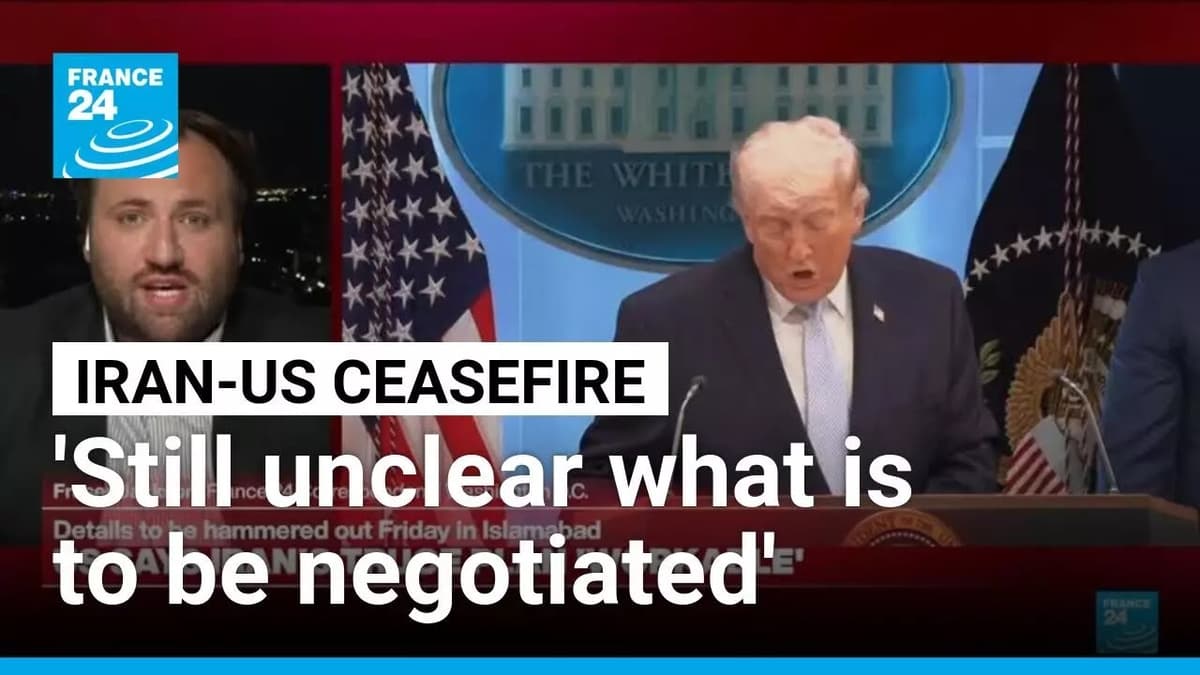
US-Iran Ceasefire: 'Still Unclear What Is to Be Negotiated' • FRANCE 24 English
The video reports on the shaky cease‑fire between the United States and Iran, highlighting former President Donald Trump’s recent comments to AFP reporter Danny Kemp. Trump said Washington is working off a 15‑point red‑line plan, contrasting with the 10‑point proposal...
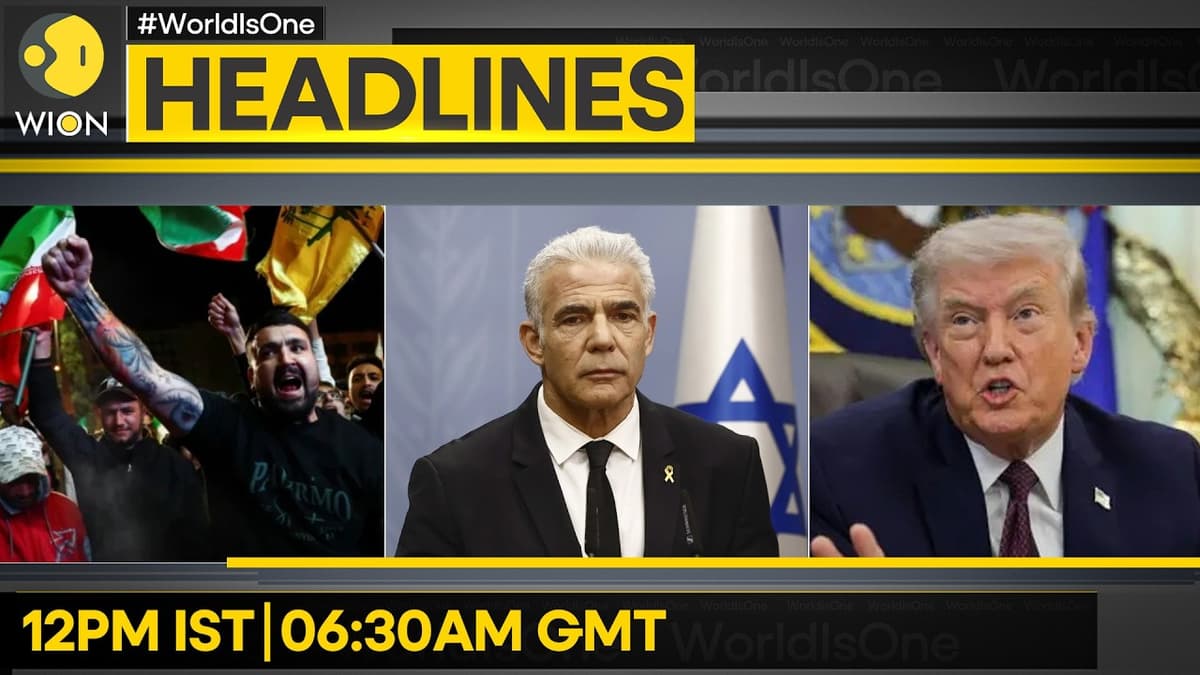
Trump: China Got Iran to Negotiate | Lapid: Iran Ceasefire a Political Disaster | WION HEADLINES
The video stitches together a series of geopolitical and economic headlines, beginning with former President Donald Trump’s claim that China nudged Iran onto the negotiating table for a two‑week cease‑fire with the United States. Israeli opposition leader Yair Lapid swiftly...
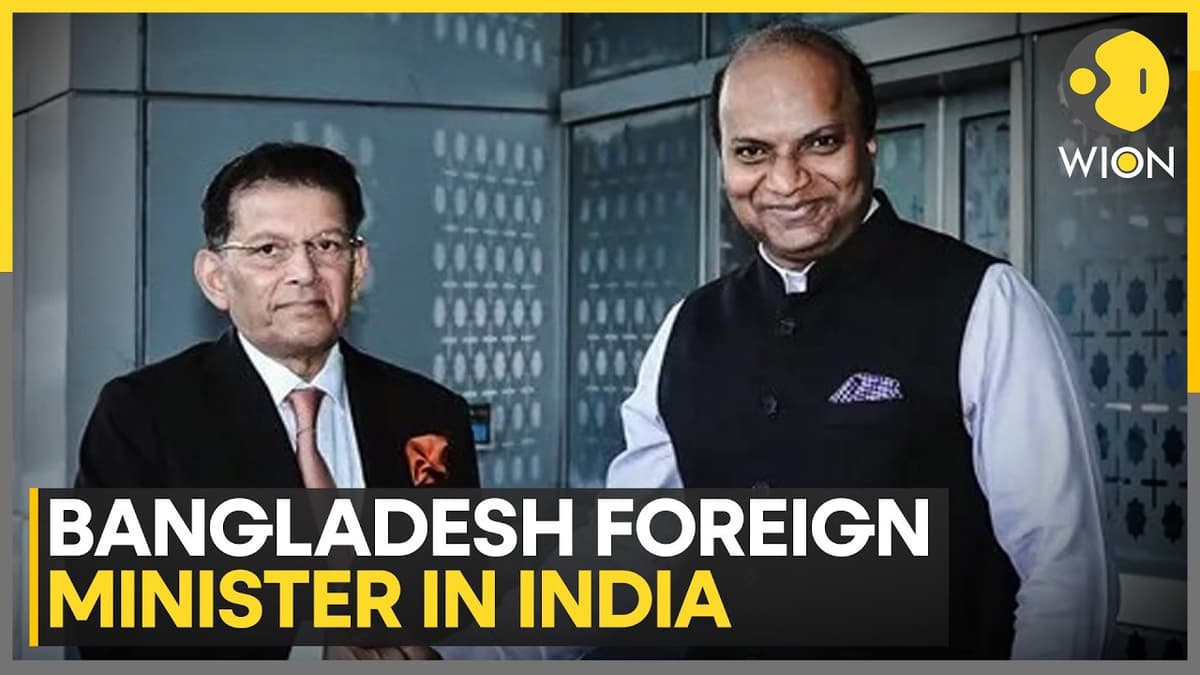
India-Bangladesh Ties: Bangladesh Minister to Meet S Jaishankar & NSA Ajit Doval | WION
The video reports that Bangladesh’s foreign minister, Khalilur Rahman, is on a three‑day official visit to New Delhi, marking the first high‑level engagement since the Bangladesh Nationalist Party took power in February. He will meet Indian counterparts including FM Dr....
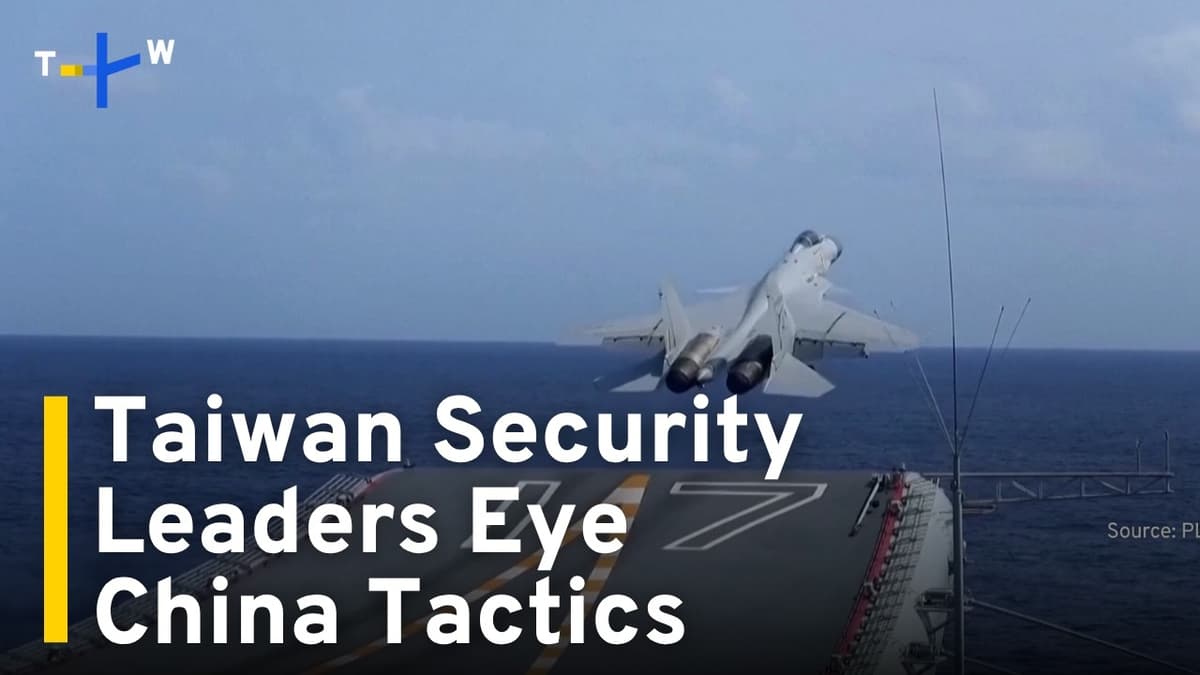
Taiwan's Latest Nat'l Security Report Highlights China's Hybrid Warfare|TaiwanPlus News
Taiwan’s national security officials released a new report warning that China is intensifying hybrid warfare across the island and the broader Indo‑Pacific region. The briefing detailed a surge in cyber intrusions, coordinated disinformation pushes, and gray‑zone maritime activities aimed at...
![[LIVE] THE DAILY REPORT (2026-04-08)](/cdn-cgi/image/width=1200,quality=75,format=auto,fit=cover/https://i.ytimg.com/vi/ErN6zBEtuU4/maxresdefault_live.jpg)
[LIVE] THE DAILY REPORT (2026-04-08)
The United States and Iran announced a two‑week ceasefire, easing fears of civilian attacks in the Middle East. The truce sparked a rally in Asian markets, with South Korean equities strengthening and the country posting an all‑time high current‑account surplus...

Episode 524: US Antimony CEO Gary Evans on Rebuilding U.S. Critical Minerals Supply Chain
In this Inside the Ice House episode, Gary Evans, chairman and CEO of US Antimony Corp., outlines the company’s mission to rebuild America’s critical‑minerals supply chain, beginning with antimony—a material that ranks #1 on the U.S. Department of Defense’s critical‑mineral...

Stay Ahead of Ransomware - Initial Access via Evolving Social Engineering
The April 2026 SANS "Stay Ahead of Ransomware" livestream focused on evolving social‑engineering techniques that grant attackers initial access. Hosts Ryan Chapman and Mary Degrazia examined two prominent vectors: the ClickFix scheme, which lures users to a fake capture page that...

Black Hat USA 2025 | Leveraging Jamf for Red Teaming in Enterprise Environments
The Black Hat USA 2025 session highlighted how adversary emulation teams can weaponize Jamf Pro—Apple’s enterprise‑device management platform—to conduct red‑team operations in Fortune‑500 environments. Speakers Lance Kane and Dan Mayer described Jamf’s prevalence in developer‑heavy organizations, its default “set‑and‑forget” configuration,...
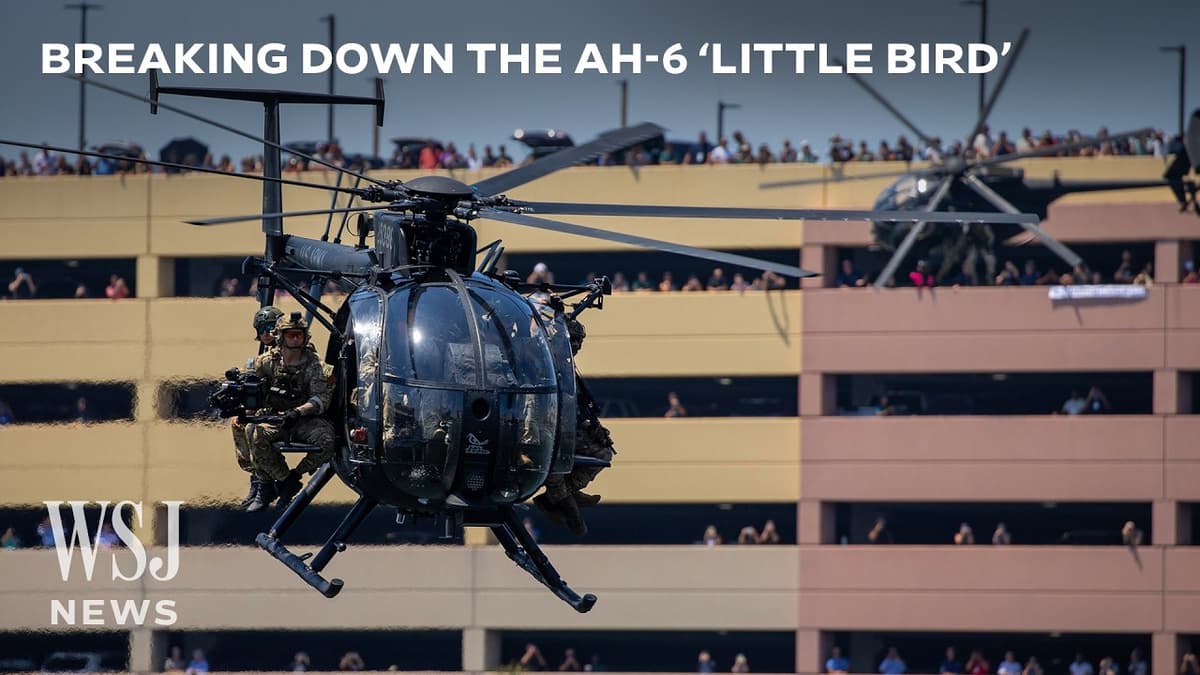
The Tiny, Folding Helicopter Key to Rescuing the U.S. Aviator in Iran | WSJ News
The video details how Army Special Operations Forces employed the AH‑6 Littlebird, a compact folding‑rotor helicopter, to extract a U.S. aviator whose fighter jet was shot down over Iran. The aircraft’s tiny size and rapid‑assembly capability allowed it to be...

The Army’s New XM8 Tries To Fix The M7’s Biggest Problem
The video explains the Army’s latest iteration of its next‑generation squad weapon – the XM8 – a shortened, lighter carbine derived from the 6.8 mm M7. While the original M7 faced criticism for excessive length, front‑heavy balance, and unreliable suppressors,...
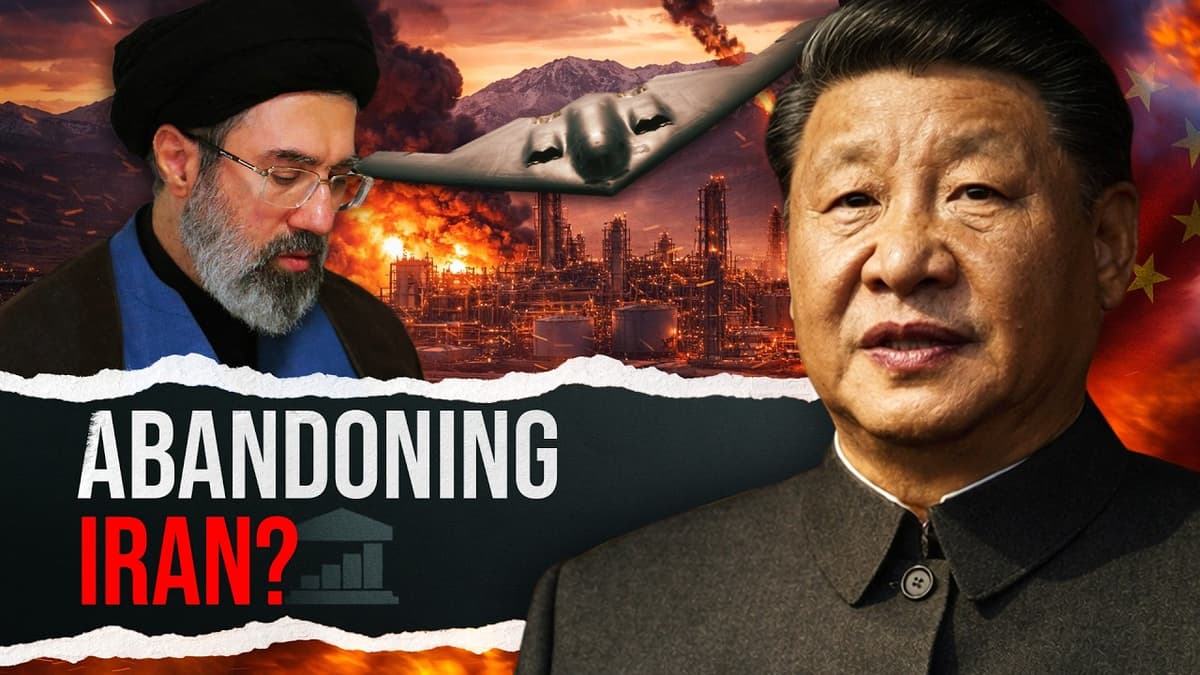
Why Is China Walking Away From IRAN? @VisualPolitikEN
The video examines Beijing’s conspicuous silence as Israel and the United States wage war on Iran, asking why the world’s second‑largest economy has not intervened despite Iran being one of its biggest crude‑oil suppliers. It outlines China’s continued import of...

Fareed Zakaria: The U.S. Is Behaving Like a Rogue Superpower
Fareed Zakaria argues that the United States has abandoned the rule‑based international order it helped construct after World War II, behaving instead like a 19th‑century European imperialist. He frames President Trump’s unilateral actions—particularly the aggressive sanctions campaign against Iran—as a deliberate...

Black Hat USA 2025 | 2 Cops 2 Broadcasting: TETRA End-To-End Under Scrutiny
Midnight Blue, a Dutch cyber‑security consultancy, presented at Black Hat USA 2025 a deep dive into the end‑to‑end encryption layer of the Tetra terrestrial trunked radio standard. Tetra, widely adopted for police, military and SCADA communications, has long kept its...

New Jersey Drones | Conspiracies & Coverups | Discovery
On November 25, the Federal Aviation Administration abruptly closed the airspace above the Pikatini Arsenal and extended the restriction to a nearby golf club owned by President‑elect Donald Trump, without providing any public rationale. The move sparked immediate speculation, as the...
Dr Burcu Ozcelik on BBC 5 Live: Trump's Deadline on Iran
Dr. Burcu Ozcelik appeared on BBC 5 Live to warn that President Trump's looming deadline on Iran could trigger attacks on overwhelmingly civilian targets, raising strategic concerns for the White House. She argued that while Trump has cultivated an image of...

Cyberattacks, Data Encryption, Extortion - How Cybercriminals Operate | DW Documentary
The DW documentary examines how modern ransomware gangs infiltrate corporate networks, extort victims, and monetize stolen data, using the 2025 Bosard Farbin plant breach and the LockBit syndicate as illustrative case studies. It details the two primary entry vectors—phishing‑style social...
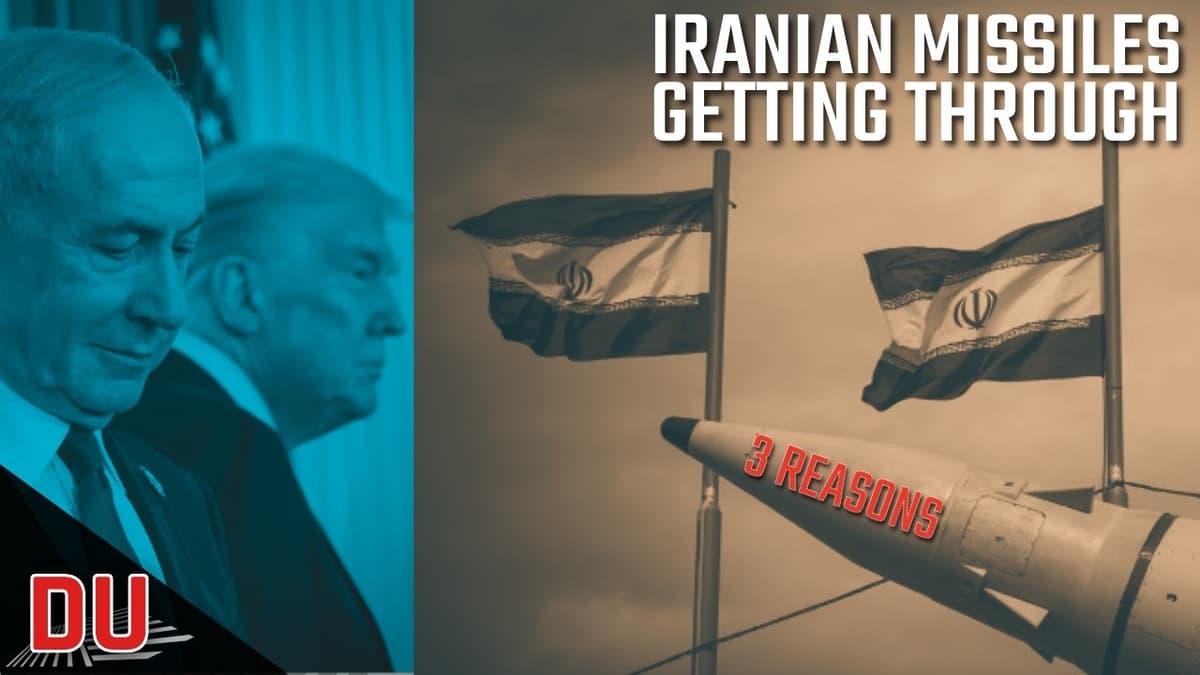
Why Iranian Ballistic Missiles Are Penetrating Israeli Air Defense ?
The video examines why Iran’s ballistic missiles are breaching Israel’s renowned layered air‑defense shield. Israel’s architecture—Arrow 2/3 for exo‑atmospheric threats, David’s Sling/Patriot for mid‑course engagements, and Iron Dome for terminal C‑RAM—was designed to provide overlapping coverage across altitude and range. Despite this sophistication,...

Why Pakistan Is Key in the US-Israel War on Iran | The Take
The episode focuses on Pakistan’s emerging role as a diplomatic conduit in the escalating US‑Israel‑Iran war while also grappling with a renewed border conflict with the Afghan Taliban. Islamabad is positioning its army chief and foreign minister as intermediaries...
Iran Is Hitting Saudi Energy Infrastructure Hard || Peter Zeihan
Peter Zeihan reported that on April 7 Iran successfully penetrated Saudi Arabia’s missile‑defense shield, striking the Jabal industrial zone—home to one of the world’s largest petrochemical complexes. Seven ballistic missiles were launched; Saudi forces intercepted most, but debris from a missed...
Tech Insight: Modernizing Defense Enterprise It without Disrupting the Mission
The discussion centers on how defense agencies can modernize their enterprise IT infrastructures without pausing ongoing missions. Tim emphasizes that a wholesale “rip‑and‑replace” is impractical; instead, upgrades must run in parallel with day‑to‑day operations. Lidos follows a pyramid methodology: first map...
Sourcebook @ 30
The video marks the release of the 30th edition of the Federal Sentencing Statistics Sourcebook, a milestone that encapsulates more than four decades of data collection by the U.S. Sentencing Commission. Launched in 1984, the Commission’s research and data unit...

The Red Sea Front and Yemen's Role in the Iran War
Panelists said the 2022 truce between the Houthis and Saudi-aligned forces has largely held militarily and remains a key factor constraining Houthi escalation, because both sides value ongoing talks that could lead to a political settlement. The Gaza war and...

Why U.S. Allies in Asia Are Caught Between War, Trade and Trump | WSJ
The Wall Street Journal segment examines how U.S. allies in Asia are navigating a perfect storm of a protracted Middle‑East conflict, escalating U.S.–China rivalry, and President Trump’s aggressive trade and defense agenda. The war in Gaza has pushed oil prices higher,...

Trump's NATO Strategy: Unipolar Power Crumbling? #shorts
The video argues that President Trump’s recent commentary has reignited questions about NATO’s purpose in a post‑Cold War world, suggesting that the alliance is losing its strategic relevance as the United States dismantles the infrastructure that once underpinned its unipolar...

Slim Majority in Southeast Asia Would Align with China over US if Forced to Choose Sides: Poll
A new poll by the ISEAS‑Yusof Ishak Institute surveyed over 2,000 Southeast Asian policymakers, analysts and business leaders to gauge shifting geopolitical preferences amid rising US‑China rivalry. The annual survey, conducted during a period of heightened South China Sea tensions,...

Reg Austin Memorial Lecture 2026: Perspectives on UAS From the University of Bristol
The Reg Austin Memorial Lecture 2026, hosted by the Royal Aeronautical Society, honored the late Reg Austin, a pioneer of unmanned air systems whose career spanned Bristol Aircraft, Westland, and academia, and set the stage for a showcase of current...

Vivian Balakrishnan on Why S'pore Doesn’t Negotiate with Iran for Safe Passage of Ships
Vivian Balakrishnan explained that Singapore’s strategic position at the narrowest point of the Straits of Singapore—under two nautical miles—makes it a vital maritime chokepoint, even more constrained than the Strait of Hormuz. He highlighted that a larger share of global...

Iran War Q&A: Will Ceasefire Work? How Was US Jet Downed? What if Strait of Hormuz Stays Shut?
Sky News hosted a live Q&A with military analyst Michael Clarke following the announcement of a two‑week conditional ceasefire between the United States and Iran. Clarke addressed viewer questions about how a U.S. jet was downed, the feasibility of the...

Russia Draws American Blood in Iran || Peter Zeihan
Peter Zeihan reports that Iranian ballistic missiles and drones successfully hit the U.S. Prince Sultan Air Base in Saudi Arabia, a critical American installation, highlighting a breach in regional air defenses. The attack also damaged an E‑3 AWACS aircraft, a...

UN Security Council Meeting on Iran War
The United Nations Security Council convened an emergency session to address the escalating Iran‑Israel conflict. Delegates exchanged positions on diplomatic pathways, humanitarian assistance, and possible sanctions. The meeting highlights growing international pressure for de‑escalation, while live coverage continues via Sky...
Trump: I’ll Wipe Out Iran in One Night if It Rejects Deal
In a stark video address, former President Donald Trump warned that the United States could annihilate Iran in a single night if Tehran rejects a pending nuclear deal. He cited a recent incident in which an American F‑15 fighter jet...

Risks Rise on Yet Another Iran Deadline: 3-Minutes MLIV
The segment centers on the looming Iran‑related deadline set by President Trump, examining how investors are positioning themselves as the clock ticks toward the 1 a.m. London deadline. Analysts note that, despite heightened geopolitical tension, the market has not fully priced...
Why the Iran War Will Cement China’s Superpower Status | FT #shorts
The video argues that the Iran‑Israel conflict will inadvertently cement China’s status as a global superpower, even though China remains the world’s largest oil importer. By examining five strategic advantages, the analyst suggests the war creates economic and diplomatic openings...