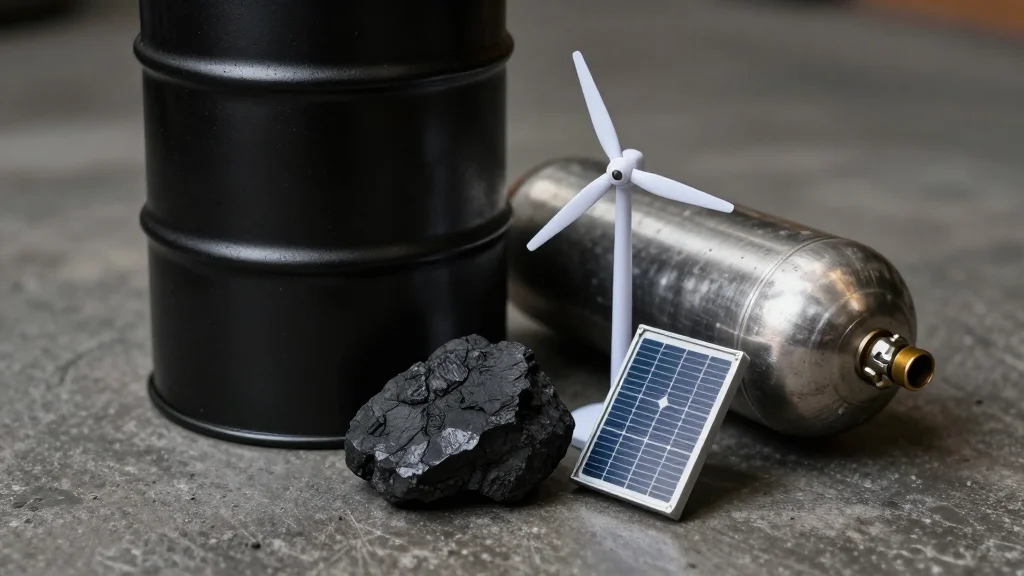
Australia Needs Energy Security, Not Green Fantasies
The Australian Energy Update 2025 shows hydrocarbons—oil, coal and gas—provided 91% of the nation’s primary energy in 2024. Renewable sources such as solar, wind and hydro together accounted for just 9%, a share that has barely moved since the mid‑1970s. Despite extensive subsidies and political rhetoric promoting a green transition, the energy mix remains overwhelmingly fossil‑fuel‑centric. The report underscores a gap between policy ambition and on‑ground energy security realities.

Doug Sheridan: Coal Is Far From Dead
Rising natural‑gas prices triggered by the Iran‑Israel conflict are prompting Asian and European nations to revive coal‑fired power. Thailand has restarted plants, while Japan, South Korea and Italy have lifted caps or delayed coal phase‑outs, with Germany’s coal output now...

Oil 101: What You Actually Need to Know About Oil
The Great Simplification’s first "Oil 101" episode explains how oil formed from ancient marine phytoplankton and functions as a geological solar battery. It quantifies the hidden labor in a single barrel—about five years of human work—and scales this to global...

InvestingLive European Markets Wrap: Oil Prices Bounce on Fragile US-Iran Truce
Oil prices rebounded sharply, with WTI crude up 4.5% to $98.56, as the fragile U.S.-Iran cease‑fire remained under pressure. Iranian officials claimed the truce had already been violated, while former President Trump warned of renewed strikes if negotiations fail. European...

New Jersey Legalizes Nuclear
New Jersey Governor Mikie Sherrill signed legislation that repeals the state’s decades‑old moratorium on new nuclear reactors, allowing permits for fresh plants and removing the requirement for a federal waste‑disposal solution. The move aims to add at least one gigawatt...

Sub-Zero
Germany’s power market plunged into deep negative pricing on Monday as unusually strong wind and solar output covered roughly 80% of the nation’s electricity demand. Intraday prices fell to -€324 per megawatt‑hour (about $353) and imbalance fees dropped to -€4,632/MWh...
5 Big Energy Stories - 4.9.2026: Back to $100 Oil Again
Oil markets have experienced dramatic swings in the past 48 hours as geopolitical tension resurfaced. A tentative U.S.-Iran ceasefire initially drove West Texas Intermediate (WTI) down from $115 to $92 per barrel, a drop of over 20 percent. Iran’s quick...

Hormuz Re-Shuts Over Lebanon Strikes: Oil Prices Rise Again | Rapid Read 9 April 2026
Iran’s Islamic Revolutionary Guard Corps declared the Strait of Hormuz closed hours after a US‑Iran ceasefire, citing Israel’s large‑scale airstrikes in Lebanon. Marine tracking shows only three to seven vessels transited in the past 24 hours, a sharp drop from...

Seasonal Ceasfire
The Crude Chronicles estimates oil’s fair value at about $80 per barrel, using a marginal‑cost framework that emphasizes rising extraction costs as well‑productivity slows. The analysis highlights two near‑term catalysts: full refinery restarts within 2‑3 months, which should keep crack...

Scoop: Energy Vault Makes a Play for Japan’s Storage Market
Energy Vault announced a binding agreement to acquire a pipeline of Japanese battery projects, adding 350 MW of advanced‑stage and 500 MW of early‑stage storage capacity. The deal marks the Swiss‑engineered firm’s formal entry into Japan, a market praised for its revenue‑stacking...

China Halves Fuel Price Increase for Second time...China Raises Supply Chain Protection to “National Security” issue...Xi Jinping Backs Service Sector...
China reduced its scheduled domestic fuel‑price increase for the second time, limiting gasoline to a 3.85% rise (about $1.23 per litre) and diesel to 4.2% (around $1.20 per litre), a move aimed at tempering inflation amid volatile Middle‑East oil markets....

CIBSE’s Ruth Carter: Net Zero Is a Destination and the Journey Is Decarbonisation
Ruth Carter, CEO of the Chartered Institution of Building Services Engineers (CIBSE), says the organization has expanded 20% to 24,000 members in 194 countries while championing building performance, safety and decarbonisation. She highlights embodied carbon as the "sleeping giant," responsible...

We Can’t Miss This Chance for the Net Zero Revolution – China’s Done It!
Professor Peter Newman, a sustainability expert at Curtin University, outlined a six‑point plan urging Australia to break its oil dependence and accelerate a net‑zero transition. He highlighted batteries’ role in daily grid stabilization and argued that Australia can follow China’s...

Will US Diesel Inventories Decline to Record Low?
U.S. diesel inventories slipped by 2.1 million barrels in the latest weekly report, pushing total stocks to roughly 5.5 million barrels, the lowest level in over a decade. Refinery utilization climbed to 94%, indicating strong production capacity that is unable...
Australia Must Lean Into Fossil Fuel Production
Judith Sloan, writing in The Australian, urges the government to dismantle long‑standing barriers to domestic fossil‑fuel development. She argues the bipartisan "war" on fossil fuels has persisted for nearly two decades, driven by a flawed belief that the net‑zero transition...
No Aussie Gas and Power Shock
Australia’s east‑coast gas export cartel is keeping domestic gas prices anchored at roughly $10 AU per gigajoule (about $6.6 USD), despite a sharp rise in Asian spot prices that hover around $30 AU per GJ. Weather patterns and a slowing Australian economy are...

Iran Limits Ships and Charges Tolls Paid Upfront in Crypto or Yuan
Iran has reduced ship transits through the Strait of Hormuz to roughly a dozen vessels per day and now requires advance toll payments in cryptocurrency or Chinese yuan. Fees can climb to $2 million for a super‑tanker, which could generate up...

Chevron's CEO Made $104 Million While America Bombed Iran
A Wall Street Journal investigation reveals that oil‑sector CEOs have been cashing in on the Iran‑U.S. conflict at an unprecedented rate. Chevron’s chief executive Mike Wirth alone sold roughly $104 million of stock between January and March, with $17.2 million of those...

What the Iran Conflict Means for Gas Prices, Clean Energy, and the Climate
U.S. and Israeli attacks on Iran have forced Iran to restrict traffic through the Strait of Hormuz, cutting global oil supply by more than 10% and pushing crude prices up $40 per barrel. U.S. gasoline prices have risen above $4...

Daily Energy Report
California faces the steepest impact of the Hormuz crisis as Iran‑U.S. tensions choke crude shipments from the Middle East and curtail jet fuel and gasoline exports from Asia. The state’s reliance on overseas supplies—particularly South Korean and Indian sources—combined with...
The Single Factoral Terms of Gasoline*
A recent spike in gasoline prices has drawn attention, though the absolute level remains lower than the peaks seen in 2005‑08, 2011‑14, and 2022. The author notes that a price of $5 per gallon is likely needed before ordinary consumers...

The Iran Conflict: Out-of-Sample Evidence for Global Energy Diversification
The Iran‑driven closure of the Strait of Hormuz has sharply disrupted global oil and LNG flows, exposing the limits of region‑centric benchmarks. Murban crude surged to about $50 a barrel, creating a historic $48 spread versus WTI, while European gas...

Arpit Dwivedi on the 2,000-Year-Old Battery That Could Power the World | Believe in Aliens Episode 4
Cache Energy is commercializing a 2,000‑year‑old chemical reaction that stores electricity in limestone (quicklime) pellets housed in ordinary grain silos. Founder Arpit Dwivedi argues the approach is three to five times cheaper than competing long‑duration storage and can be deployed...

Energy Crisis From Iran War to Fuel Renewables Boom, IEA Says
The International Energy Agency warns that the war‑driven blockade of the Strait of Hormuz has sparked the world’s most severe energy crisis since the 1970s. IEA chief Fatih Birol says the disruption will reshape the global energy architecture, accelerating renewables, nuclear...
Storage Is the Energy Transition’s Biggest Illusion
The article argues that grid‑scale storage cannot replace dispatchable generation in the U.S. energy transition. Current U.S. storage capacity is only about 0.4 % of daily electricity throughput, with most batteries limited to 2‑4 hours. Even aggressive forecasts to 2050 fall far...

The Planet Is Flickering
NASA’s Artemis II mission captured a new "Blue Marble" image, prompting a fresh look at Earth’s night‑time glow. A Nature study led by University of Connecticut’s Zhe Zhu examined 1.2 million daily Black Marble satellite images from 2014‑2022, revealing a 34% rise in...
Colorado State Action to #CutMethane
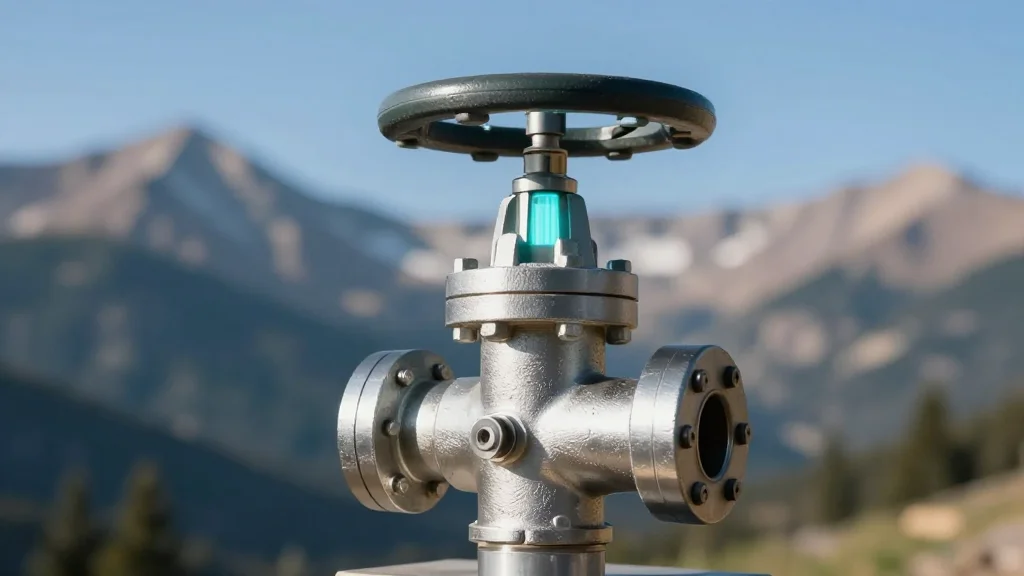
Colorado’s Air Quality Control Commission approved new regulations that align the state’s oil‑and‑gas methane rules with the EPA’s federal framework, making Colorado one of the first major producing states to act. The rules impose best‑practice requirements on high‑emitting facilities such...
California Has a Neighborhood Decarbonization Law. How Does It Work?
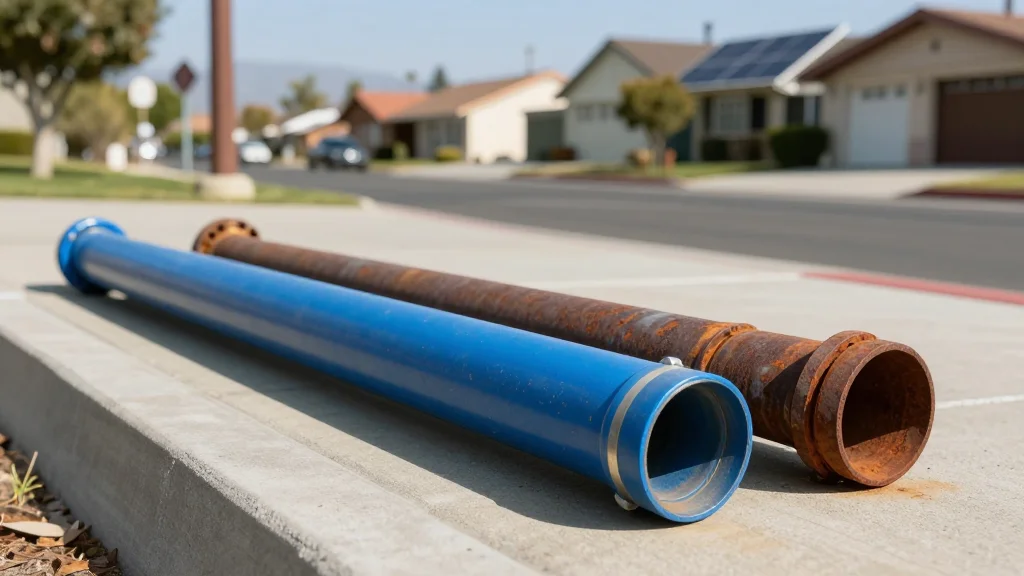
California’s CPUC is drafting guidelines for Senate Bill 1221, a pioneering program that shifts building decarbonization from individual appliances to whole‑neighborhood electrification. The law allows utilities to retire gas pipelines and replace them with zero‑emission alternatives if at least 67 %...
ExxonMobil, Shell Report Big Hits From Iran Conflict
ExxonMobil disclosed that Middle‑East disruptions will cut its global oil‑equivalent output by roughly 6% in Q1 2026, largely due to the Strait of Hormuz shutdown and missile attacks on Qatar’s Ras Laffan LNG plant. The attacks forced a force‑majeure shutdown of...
The Fight Over ‘Critical Minerals,’ Explained
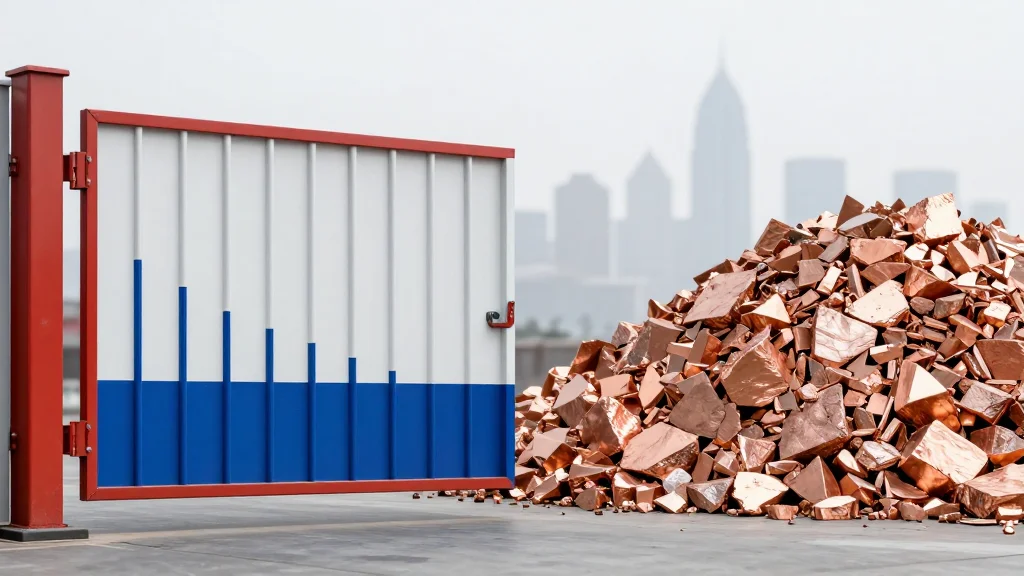
Critical minerals such as copper, lithium, nickel, cobalt and rare earths are essential for electric vehicles, solar panels and wind turbines, and demand is projected to double by 2030. The United States, fearing China’s dominance in refining, launched Project Vault,...

Asian Markets Jump, Oil Plunges on News of Iran-US Ceasefire
The United States and Iran agreed to a temporary cease‑fire, reopening the Strait of Hormuz, which triggered a sharp market reversal on Wednesday. Oil benchmarks tumbled about 15% to just under $100 a barrel, while Asian equities surged—Nikkei up 5.4%...

The Alarm That Went Silent
On August 14, 2003 a high‑voltage line in Ohio sagged into trees, triggering a cascade that left roughly 55 million customers without power across the U.S. Northeast and Canada. The cascade was accelerated because FirstEnergy’s Energy Management System lost its alarm...

☕ Morning Briefing — Wednesday, April 8, 2026
President Donald Trump announced a two‑week pause on U.S. strikes after Iran agreed to limited shipping through the Strait of Hormuz, a chokepoint that moves roughly 20% of global oil. The pause sent oil prices lower and gave markets a...
LNG Geopolitics: Ceasefire Fails to Ease Supply Risks
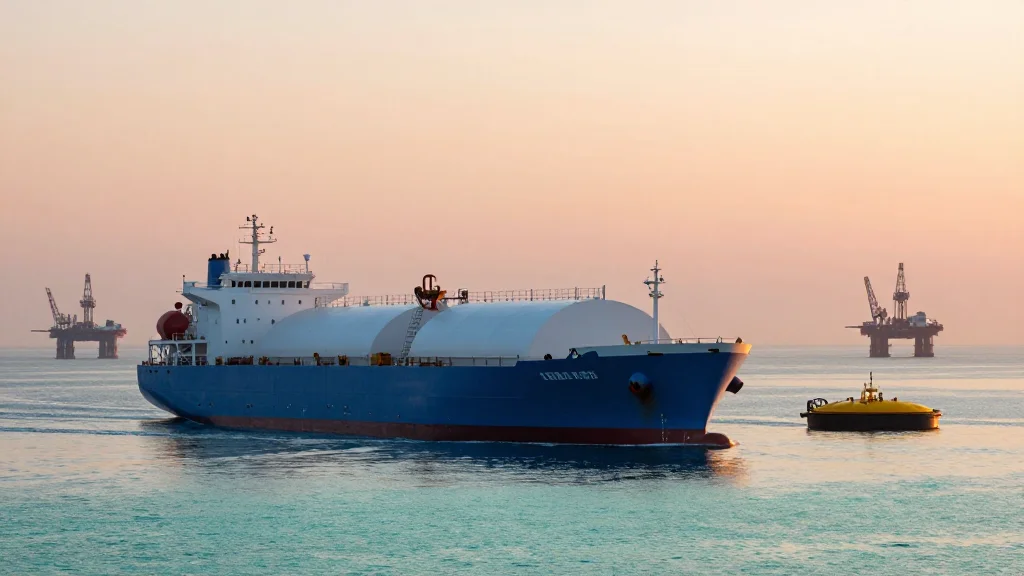
A temporary U.S.-Iran ceasefire has not restored confidence in Gulf LNG production, leaving supply risks elevated. While a few cargoes from Qatar and the UAE may now traverse the Strait of Hormuz, operators remain hesitant to fully restart output. The...

So You Want to Take Iran’s Oil…
Peter Zeihan warns that any U.S. attempt to seize Iran’s oil would be far more complex than President Trump suggests. The country’s two main energy hubs—offshore South Pars gas field and the oil‑rich Khuzestan province—would require either shutting down domestic...
The World Needs An Alternative To The Hormuz Status Quo
U.S. officials are advancing the India‑Middle East‑Europe Corridor (IMEC) to create a permanent alternative to the Strait of Hormuz. The plan envisions Haifa, Israel, as a Mediterranean export hub linked by pipelines, rail and road to India, bypassing Hormuz, the...

Understanding the Data Center Building Boom
AI‑driven demand is triggering a data‑center construction boom that could push U.S. electricity consumption to 12% by 2028. Georgia Tech researchers are quantifying the hidden costs—higher power use, water stress, and rising local electricity rates—while proposing solutions such as workload‑scheduling...

Consus Ag Consulting AM Market Brief
A two‑week ceasefire between the United States and Iran was secured, reopening the strategic Straits of Hormuz for vessel traffic. Crude oil prices plunged roughly $20 per barrel in overnight trading, while the U.S. dollar weakened sharply. U.S. equities and...

The Market Brief
The brief highlights a classic “TACO” (Trump Always Chickens Out) scenario, where President Trump announced a two‑week cease‑fire with Iran just before the 8 p.m. deadline, underscoring his pattern of escalating crises to extract concessions. It links this political playbook to...

How the Iran War Is Reordering the World, Second and Third-Order Effects
The U.S.-Israeli war against Iran has quickly moved beyond battlefield strikes to generate sweeping second- and third-order effects. Closure of the Strait of Hormuz has cut roughly 20% of global oil flow, sending Brent crude above $120 and triggering stagflationary...
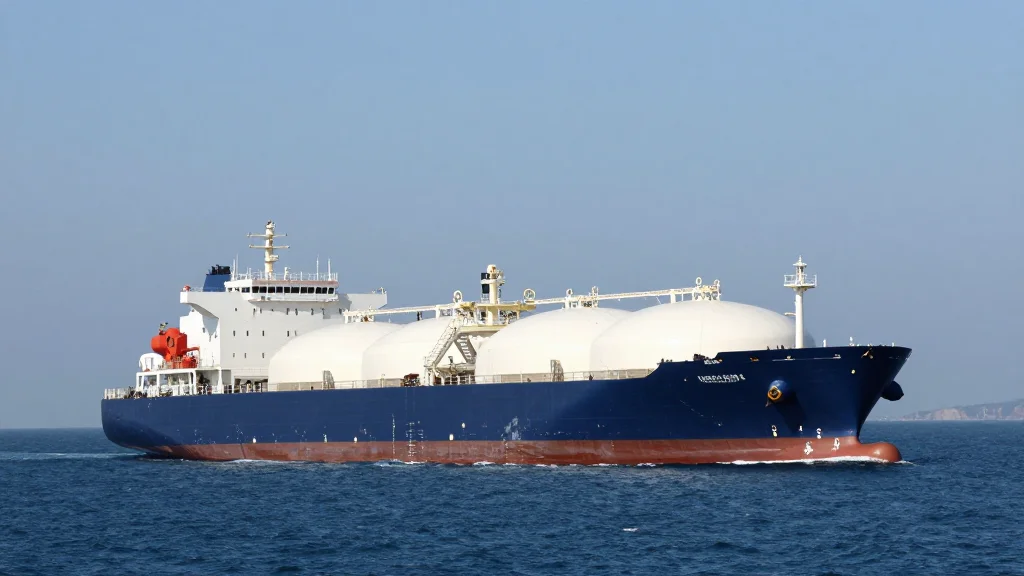
LNG Carriers: The Shipbuilding Boom Meets a Geopolitical Storm
LNG carriers have seen spot freight rates explode from roughly $42,000 to $300,000 per day after Iran‑linked strikes shut the Strait of Hormuz, cutting about 22% of global LNG exports. The surge is a disruption‑driven signal, not a structural shift,...
Natural Gas Prices Weekly Update – JKM, TTF and Henry Hub (6 April 2026)
Natural gas prices fell across Asia, Europe and the United States last week as LNG supply recovered, milder weather expectations dampened demand, and storage levels rose. The Japanese spot index (JKM) slipped to the high‑$17 per MMBtu range, down from...
From the Hype of Destruction to the Hype of Ceasefire
Oil prices plunged about 14% after President Trump posted that the United States would pause bombing Iran for two weeks, contingent on Iran reopening the Strait of Hormuz for safe shipping. Iran accepted the conditional ceasefire, and diplomatic talks are...

Hawaii Sustainability Expo: The Importance of an Experience-Based Event for the Future of Clean Energy — with Life of the...
Bill McKibben, co‑founder of 350.org, highlighted that solar and wind have become cheaper than fossil fuels and urged faster action at the Hawaii Sustainability Expo. The three‑day event, April 24‑26, 2026, offers a $7 ticket price and combines a Pro...

Cummins, Alstom, and the Long Tail of Hydrogen Mistakes
Cummins and Alstom have both stumbled on hydrogen, but their exposures differ. Cummins spread its capital across fuel cells, electrolyzers and other pathways, only to see hydrogen demand stay weak and subsidy‑dependent, prompting write‑downs and a halt to new commercial...

Fuel Desperado Chases Tankers
Australian Prime Minister Anthony Albanese pledged to take every action to protect consumers from oil‑driven inflation and announced a meeting with Singapore’s leader to discuss securing supplies of petrol, diesel and LNG. While Singapore holds no domestic oil reserves, it...

Iran War; Ma Xingrui; Industrial and Supply Chain Security; PLA Political Rectification; MSS Warns About Foreign Dinner Guests
China and Russia vetoed Bahrain's UN Security Council resolution that sought multilateral cooperation to reopen the Strait of Hormuz, a critical oil chokepoint. Beijing’s ambassador argued the draft was influenced by President Donald Trump’s recent remarks, framing it as provocative....
The Closer – Record Backwardation, Supply Chain Stress – 4/7/26
Brent spot prices have entered an unprecedented backwardation, trading more than $30 per barrel above the front‑month June Brent futures contract. The New York Fed’s Global Supply Chain Pressure Index and the Logistics Managers Index both recorded sharply rising prices...

4 Scenarios On How The Iran Conflict Could Reshape Energy Markets
The article outlines four plausible futures for global energy markets based on U.S. actions and Iran’s control of the Strait of Hormuz. A U.S. withdrawal could either restore the status quo or lock in a new normal of higher, volatile...
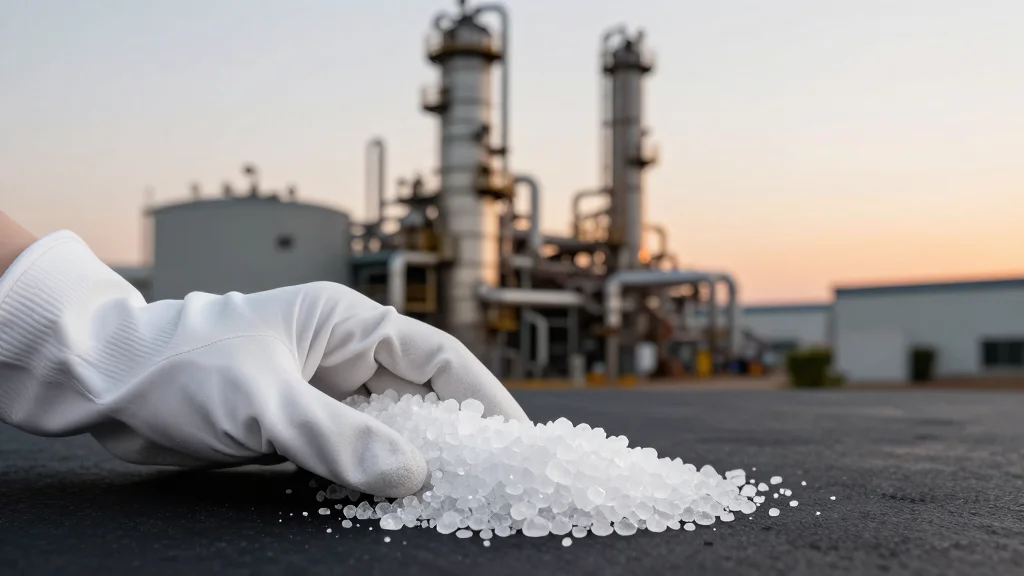
North America’s First Lithium Hydroxide Plant Goes Live In Texas, Reducing Reliance On China – by Bethany Blankley (Dallas Express...
Tesla’s North American lithium‑hydroxide refinery in Robstown, Texas began full‑scale operations in January 2026, marking the continent’s first battery‑grade plant of its kind. The project, broken ground in May 2023 by Governor Greg Abbott, Elon Musk and state officials, aims...