
Powering Communities: Building Resilience in Estes Park, CO
The video spotlights a new battery energy storage system slated for Estes Park, Colorado, a remote mountain community plagued by extreme weather‑induced outages. Funded by a grant from the U.S. Department of Energy’s Office of Electricity, the initiative is a joint effort by Platte River Power Authority and Estes Park Power & Communications to harden the local grid. Over the past two years the town lost power three times, jeopardizing hospitals, emergency services and a tourism economy that draws 4.5 million visitors annually. The battery will shore up resilience, provide rapid backup to critical infrastructure, and lay the groundwork for a future microgrid that can integrate more renewable generation while offering ancillary services through advanced SCADA and smart‑grid controls. Stakeholders highlighted real‑world impacts: a hospital’s operating rooms, a local taffy shop’s production line, and the broader tourism sector all depend on uninterrupted electricity. Mark, the town’s taffy maker, emphasized that reliable power is “a basic expectation” for staying in business. If successful, the project will demonstrate how federal grant funding can accelerate resilient microgrid deployments in isolated regions, protecting public safety, sustaining economic activity, and advancing Colorado’s clean‑energy goals.
The Iran War Is Driving Markets—Here’s the Trade Nobody Sees
The video examines how the Iran‑Israel war is reshaping global energy markets and why a handful of independent oil producers are now attractive, yet overlooked, investments. Host Dan and guest Tobias Carlisle argue that the destruction of infrastructure in the...

Buccaneer Energy on Oil Price Surge
Buccaneer Energy’s CEO Paul Welch explained how the unexpected surge in WTI crude to over $100 has transformed the company’s financial outlook. The discussion centered on the impact of higher oil prices on margins, production targets, and cash‑flow generation. Welch noted...
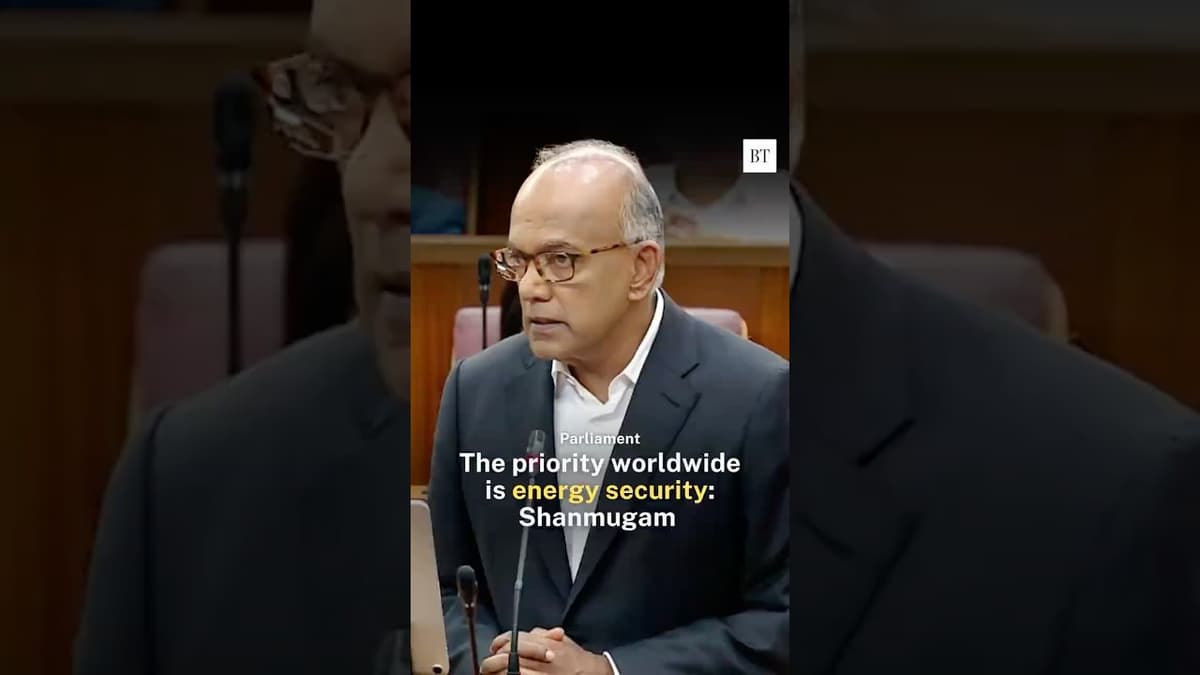
The Priority Worldwide Is Energy Security: Shanmugam
Singapore’s senior minister K. Shanmugam said the world’s immediate priority is energy security, emphasizing that nations must keep the lights on as renewable sources are not yet sufficient to meet total demand. He reaffirmed Singapore’s role as a regional refining...
NSW Cracks Down on Fuel Pricing as Inspections Lead to Dozens of Fines
New South Wales has launched a statewide crackdown on fuel pricing, deploying Department of Fair Trading inspectors to audit roughly 75% of the 2,400 service stations and ensure advertised pump prices match the figures shown on the Fuel Check app....
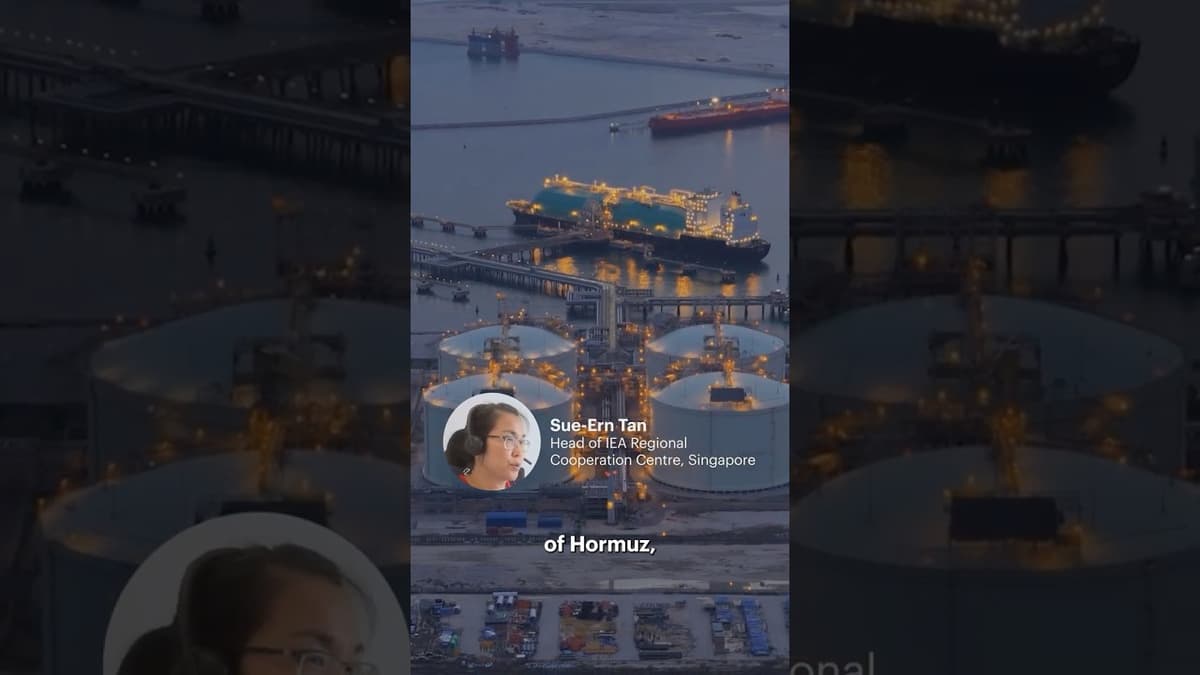
Why the Energy Crisis Is Impacting Asia
The video explains that Asia’s exposure to the ongoing energy crisis is amplified by its reliance on maritime routes through the Strait of Hormuz, the world’s most critical chokepoint for oil and liquefied natural gas (LNG). Roughly 80 % of oil and...

Risks Rise on Yet Another Iran Deadline: 3-Minutes MLIV
The segment centers on the looming Iran‑related deadline set by President Trump, examining how investors are positioning themselves as the clock ticks toward the 1 a.m. London deadline. Analysts note that, despite heightened geopolitical tension, the market has not fully priced...
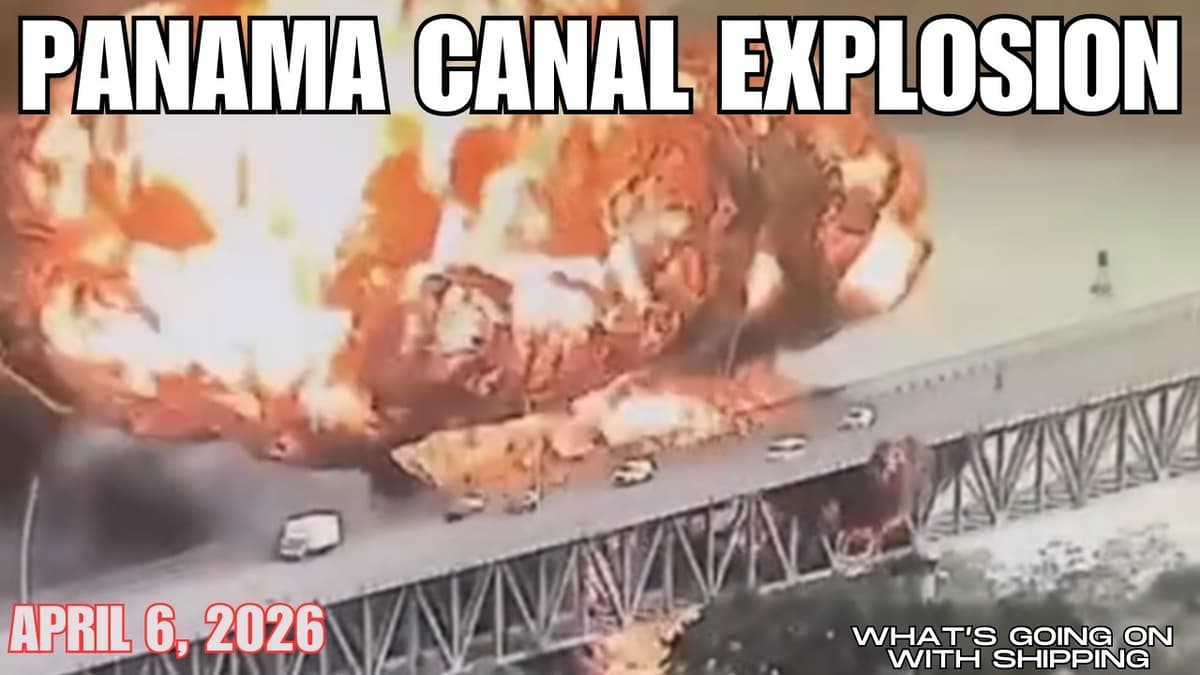
Explosion at the Panama Canal | Shoreside Gas Tankers Explode & Threaten the Bridge of the Americas
A gas explosion erupted near the Bridge of the Americas on the Pacific side of the Panama Canal, igniting several fuel trucks and prompting immediate emergency response. According to BNO News and local fire officials, the blast occurred around 4:12 p.m. local...

Iran's Military Obliterated: Global Economy at Risk? #shorts
The video argues that recent strikes have virtually annihilated Iran’s navy and air force, leaving its military infrastructure in ruins and setting the stage for a protracted rebuilding effort. According to the narrator, the United States and Israel enjoy overwhelming firepower...

Iran Rejects Ceasefire, Trump Amps Threats as Deadline Looms
The video dissects the escalating standoff after Iran rejected a cease‑fire, insisting on retaining control of the strategic Strait of Hormuz. President Trump’s administration, backed by Israel, is intensifying threats of airstrikes targeting Iranian power grids, desalination plants, and other...

Open House Lecture: Bill McKibben, “A Fresh Start for Our Cities”
Bill McKibben returned to Harvard’s Graduate School of Design for an open‑house lecture titled “A Fresh Start for Our Cities,” a flagship event co‑sponsored by the Salata Institute for Climate and Sustainability. The talk set the tone for a series...

Natgas Natural Gas Technical Analysis Today - Elliott Wave and Price News
The video provides a technical read on natural‑gas futures, focusing on Elliott Wave structures and key price levels. The analyst notes that the market has yet to post a decisive lower low beneath the February trough, and a clear bottom...

Bloomberg Money Minute
The Bloomberg Money Minute focused on escalating energy‑related risks stemming from the U.S.-Israeli war with Iran, highlighting OPEC+ warnings that damage to Middle East infrastructure may depress global oil supplies long after hostilities cease. It noted crude oil hovering around...

Why Schneider Electric Was at HIMSS26 (And Why CIOs Need to Take Note)
Schneider Electric’s presence at HIMSS26 highlighted a growing convergence between healthcare IT and traditional electrical infrastructure. Malcolm Murray explained that as hospitals adopt AI‑driven imaging, edge computing, and robotic surgery, the underlying power requirements are exploding, prompting health systems to...

URANIUM Supply Deficit 'Getting Worse' - Price Going 'Much Higher' Ahead
The interview on Commodity Culture highlighted a deepening global uranium supply shortfall that is driving prices sharply higher. CEO Steven Gold of Jaguar Uranium warned that the current deficit of 5‑15 million pounds per year could swell to as much...

Crude Outlook for the Future of Oil
Oil prices remain elevated as the Iran‑Russia conflict fuels market uncertainty, pushing crude into thousands of consumer products and stoking inflation in vulnerable economies. Energy analyst John Kilduff of Again Capital outlines the bullish, bearish, and neutral scenarios for oil...

How the War in Iran Is Impacting Global Energy Infrastructure | All About the Base
The video examines how Iran’s recent military actions have turned the Strait of Hormuz into a chokepoint that threatens global energy flows and, in turn, exposes vulnerabilities in the United States’ defense‑industrial base. With roughly one‑fifth of world oil and a...

Oil Fluctuates on Report of Ceasefire Push; New Trump Deadline Looms | Bloomberg Brief 4/6/2026
The Bloomberg Brief opened with a volatile oil market as President Trump pushed back his deadline for Iran to reopen the Strait of Hormuz, while U.S. allies pressed for a cease‑fire in the region. Crude slipped to $165 per barrel and...

'At the Edge of a Battlefield': What Is It Like at the Strait of Hormuz? #Iran #MiddleEast #BBCNews
The BBC report focuses on the Strait of Hormuz, a narrow maritime corridor now described as the "edge of a battlefield" amid escalating regional conflict. Once a bustling conduit for roughly 20% of the world’s oil and liquefied natural gas,...

Marcos to Decide on Fuel Excise Tax After April 7 DBCC Meeting | INQToday
President Ferdinand "Bongbong" Marcos Jr. is expected to announce, as early as April 7, whether to cut or fully suspend excise taxes on petroleum products, following a meeting of the Development Budget Coordination Committee (DBCC). The DBCC will advise on Republic...

EV Boom Cushions China From Iran War Oil Shock
The video examines how China’s explosive growth in electric vehicles is insulating its transportation sector from the oil price surge triggered by the Iran‑Israel conflict. Truck drivers in Hebei province report that switching to EVs keeps operating costs steady, while...

PETRONAS-Chartered Tanker Loaded with Iraqi Crude Passes Through Strait of Hormuz
A Malaysia-linked oil tanker chartered by Petronas’ trading arm, Petco, successfully transited the Strait of Hormuz on Sunday, marking the first such movement after Iran granted clearance to seven Malaysian vessels. The vessel, Ocean Thunder, loaded about one million barrels of...

New Task Forces to Tighten Energy Supply Monitoring in Sabah, Sarawak, Labuan
The follow‑up meeting of the Joint Task Force on Petroleum (JTPAP) set out a coordinated plan to tighten energy‑supply monitoring across Sabah, Sarawak and Labuan. Three core sectors – land‑based fuel distribution, border controls and fisheries – were each...

Paladin Energy Update | Paul Hemburrow and Jimmy Connor
Paladin Energy used the interview to outline its dual‑track strategy: completing the ramp‑up of its flagship Langer Heinrich uranium mine in Namibia while advancing the newly acquired Patterson Lake South (PLS) project in Canada’s Athabasca Basin. The company highlighted that...

Petrodollar in Jeopardy, Gold Price to Rise
The speaker warns that the current lull in oil‑price anxiety and expectations of a U.S. policy retreat are misleading; the petrodollar’s dominance is under growing strain and could soon unravel. He argues that higher oil prices will feed broader price...

Bangladesh Implements Energy Austerity Measures Amid Iran War
Bangladesh has rolled out emergency energy‑austerity measures as the Iran‑Israel conflict disrupts regional oil flows, leaving the country grappling with acute fuel shortages. Drivers report that only two or three petrol stations receive deliveries each day, forcing queues that...

Govt Won't Rush Into Hiking Fuel Prices Despite Mounting Pressures, Says Anwar
Prime Minister Anwar Ibrahim told reporters that Malaysia will not rush to raise fuel prices, despite mounting global oil pressures and domestic calls for adjustment. He reaffirmed the government's decision to keep the diesel subsidy at RM1.99 per litre, emphasizing...

Senegal Limits Government Travel as War on Iran Spikes Cost of Living
The video reports how the war in the Gulf, sparked by the conflict in Iran, is reverberating in Senegal, prompting the government to impose travel restrictions on senior officials. Senegal’s 2026 fiscal plan was built on a $60‑per‑barrel oil assumption,...

John Ciampaglia: Energy Security Is Forcing a Nuclear Revival #nuclearenergy #energymarkets #finance
John Ciampaglia argues that recent energy‑security shocks are reigniting interest in nuclear power. He notes that countries will seek technologies that generate massive electricity without the just‑in‑time supply chains that bind oil and gas, positioning nuclear as a resilient alternative. The...

The New Biofuel Boom? Historic RFS Mandates Drive 2 Billion-Gallon Expansion
The Environmental Protection Agency released its final Renewable Fuel Standard (RFS) rule, earmarking a historic expansion of biomass‑based diesel blending mandates for 2026‑2027. The rule adds roughly two billion gallons of biodiesel and renewable diesel to the market, representing the most...

S’pore Has Not Taken Measures to Cut Back on Electricity Use: Shanmugam
Singapore’s government has acknowledged that, unlike many nations, it has not yet taken concrete steps to curb electricity consumption. Minister K. Shanmugam outlined the need for a coordinated, inter‑ministerial approach before any cuts can be imposed, emphasizing that the issue...
![[WEEKLY FOCUS] Inflation Breakdown: Will the Oil Prices Go Back to Pre-Epic Fury if Situation...](/cdn-cgi/image/width=1200,quality=75,format=auto,fit=cover/https://i.ytimg.com/vi/_FSrJ00E8ec/maxresdefault.jpg)
[WEEKLY FOCUS] Inflation Breakdown: Will the Oil Prices Go Back to Pre-Epic Fury if Situation...
The video dissects South Korea’s March inflation, pinpointing a 2.2% consumer‑price rise driven almost entirely by a sharp rebound in global oil costs. Petroleum product prices surged 9.9% year‑over‑year, with diesel climbing 17% and gasoline 8%, marking the fastest energy‑price...

The Already-Fragile Energy Systems of Many Countries Find Themselves on the Brink of Crisis.
The video warns that Europe’s energy system, already fragile, is on the brink of crisis as the continent relies on imported hydrocarbons for roughly 80% of its consumption. Current natural‑gas futures for delivery in 18 months are priced above $20 per...

Should Canada Build Another Oil Pipeline?
The video examines whether Canada should approve another oil pipeline, centering on Alberta’s persistent need to move crude to global markets such as China and India. Ottawa is currently drafting a memorandum of agreement with Alberta that would lay the...

Amanda Lang Talks Power and Pipelines with the CEO of TC Energy
The Wonk Podcast episode features TC Energy CEO François Poirier discussing the company’s role in North‑American gas and power, its extensive pipeline network, and its stake in nuclear generation. Poirier highlights that TC Energy moves more than 30% of the...

Iran Allows Philippine-Flagged Ships Through Strait of Hormuz Amid Energy Crunch
Iran announced it will allow Philippine‑flagged vessels to transit the Strait of Hormuz, a move aimed at easing the current energy bottleneck. The decision comes as Asian equity markets rallied, with South Korea’s Kospi up nearly 3% and Japan’s Nikkei...

What Are the Risks of Turning Energy Sites Into Battlefields? #internationalsecurity
The video examines how Iran is turning energy infrastructure into a battlefield, using oil price spikes as a form of economic warfare that could reverberate across global markets. With crude trading around $116 per barrel and analysts warning of a climb...

This Could Trigger a Global Supply Shock
The video warns of an emerging global supply shock rooted in a looming diesel shortage in Australia, compounded by a sulfur supply collapse in the Gulf and potential attacks on desalination infrastructure. Australia reportedly has only eight days of diesel...

Analyst: Oil Price Surge May Reignite US InflationーNHK WORLD-JAPAN NEWS
The video examines how a sharp rise in crude oil prices could reignite U.S. inflation, featuring insights from Daiwa Institute senior researcher Yasaku Daisuke. U.S. consumer‑price index rose 2.4% year‑over‑year in the first two months, with oil adding roughly 0.6 percentage...

CNA Explains: Why Asia Has Limited Options to Diversify Its Oil Supply
Asia's oil‑supply shock stems from its heavy reliance on Middle‑Eastern crude, about 60 % of regional imports, and the recent suggestion by former President Donald Trump to buy U.S. oil. The video explains why a swift shift is impractical. Asian refiners face...

How the Iran War and the Price of Oil Impact the Kremlin's Calculus
The episode examines how the ongoing U.S.-led war against Iran reshapes Moscow’s strategic calculus, linking the conflict to Russia’s broader Middle‑East posture and its precarious fiscal situation. Host Max Bergman and guests Hana Naeem and Giannis Kuga argue that the Iranian war,...

Ontario Needs Larger Nuclear Plant: Citi
The discussion centers on TC Energy’s involvement in Ontario’s largest nuclear build‑out, the Bruce C project, which aims to add 4.8 GW of capacity to the province’s grid. TC Energy currently owns just over 48% of Bruce Power and would shoulder...

Access Middle East - 02-Apr-26
CNBC’s Dan Murphy hosted the Access Middle East livestream on April 2, 2026, focusing on the region’s massive investment flows and its evolving role as a global energy hub. The program examined how sovereign wealth funds and private capital from...

The Electrification of China Has Much More to Do with Energy Security than Environmentalism.
The video argues that China’s rapid electrification of transport and industry is driven primarily by strategic energy‑security concerns rather than environmental ambition. Beijing has built massive renewable‑plus‑coal generation hubs in Inner Mongolia and the Jing region, coupling 5‑6 GW of solar, 2 GW...

'It's Going to Take a Long Time to Recover From the Shutdown': Stovall on Oil Prices
Chief investment strategist Sam Stovall of CFRA Research addressed investors’ concerns about oil markets, the Iran‑related Strait of Hormuz shutdown, and the broader equity outlook amid the upcoming presidential address. He warned that oil will likely linger around $80 a barrel...

The End Of The Petrodollar: Dollar Collapse Begins
The video examines how the February 2026 war in the Middle East has effectively shut down the Strait of Hormuz, cutting 90‑95% of vessel traffic and removing roughly 21 million barrels of oil per day from global supply. The resulting supply shock...

Anwar Chairs Global Energy Crisis Special Meeting with MB, CMs
Prime Minister Datuk Seri Anwar Ibrahim convened a special session with Malaysia’s Menteri Besar and other chief ministers to assess the ripple effects of the Middle‑East conflict on the global energy market. In a Facebook post, he emphasized a data‑driven,...

Kazatomprom: The World's Largest Uranium Producer | Dastan Kosherbayev and Jimmy Connor
Kazatomprom, the world’s largest uranium producer, outlined its 2026 production target of 27.5‑29 kilotons (71‑75 million pounds) and discussed the ongoing sulfuric‑acid supply issue that underpins leaching operations. The company said a third in‑house sulfuric‑acid plant, slated for completion in Q1 2027, will satisfy...

Iran War: Soaring Jet Fuel Prices Disrupt Global Aviation
The video examines how the Iran‑Iraq conflict is sending jet‑fuel prices soaring, prompting airspace closures and widespread flight cancellations that ripple through the global aviation network. Bloomberg’s Donny Lee notes oil prices have risen more than five percent, but the...

Quantum Helium Now Permitted to Production
Quantum Helium announced it has been granted operatorship of its Sage Brush helium project in Colorado, clearing the final Bureau of Indian Affairs hurdle and allowing the company to proceed with field operations under existing regulatory frameworks. The firm plans to mobilize...