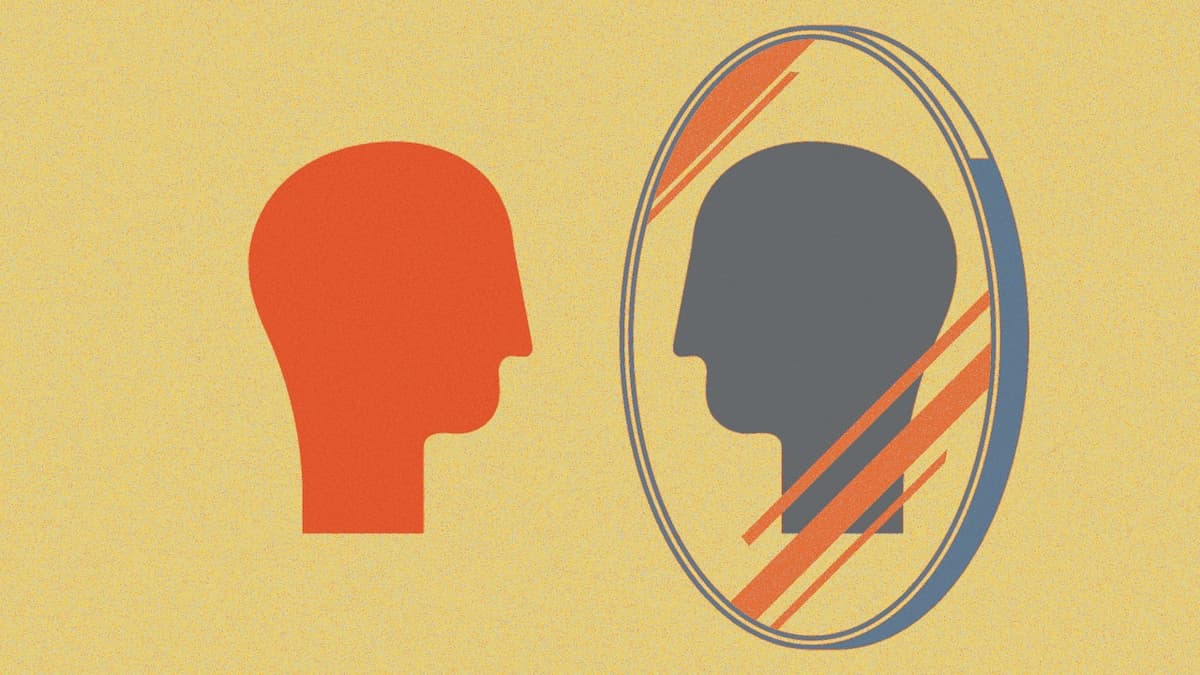
Feeling Like You’re Not Enough Can Lead to Burnout. These Mindset Shifts Can Prevent That
The piece highlights how high‑performing professionals often wrestle with a hidden belief that they are not enough, a form of impostor syndrome that directly contributes to burnout. Recent research links chronic self‑doubt to reduced resilience, higher anxiety, and lower productivity. To counteract this, the author proposes a three‑step "3 selves" framework—self‑knowledge, self‑awareness, and self‑compassion—that reframes impostor thoughts into manageable experiences. Applying the framework can help leaders sustain performance while protecting mental health.

This Is the Feedback Mistake that Experienced Leaders Keep Making
Experienced leaders often over‑prepare their words when giving feedback, but the real focus should be on the desired outcome and how to communicate it effectively. Clear intent, audience‑centric delivery, specificity, timeliness, and balanced reinforcement are the five pillars of impactful...

Singapore’s Workforce Has A Motivation Problem: 86% Of Employees Are Checked Out
A Gallup report shows 86% of Singapore’s employees were disengaged in 2025, translating into billions of dollars of lost productivity. While 85% of leaders feel confident about leveraging AI, few have launched large‑scale training, widening the skill gap between senior...
NorthStandard & Sailors’ Society Put Seafarer Wellbeing at Heart of Safety
NorthStandard has teamed up with maritime‑welfare charity Sailors’ Society to deliver Sea Mate, an online mental‑health awareness program for seafarers. Launched during the Day of the Seafarer 2026 week, the two‑day remote course trains crew members to become Wellbeing Officers who...

The Difference Between Being Hurt by Hard Emotions and Being Destroyed by Them
A client emerged from a 30‑day mental‑health retreat describing an "emotional superpower"—the ability to feel intense emotions without being devastated. He learned to sit with the weight of feelings and move through them, a skill many people lack. The author...

A Cambridge Neuroscientist Argues Your Brain Fears Not Knowing More than It Fears Pain, and the People Most at Ease...
Cambridge neuroscientist Hannah Critchlow explains that the brain fears uncertainty more than physical pain, a finding supported by a 2016 UCL study where ambiguous shock probabilities provoked the highest stress. The brain’s prediction‑error mechanism treats unknown outcomes as a failure...