
Teclistamab Extends Remission in Relapsed Myeloma, with 70% Progression-Free at 18 Months
A Phase III MajesTEC‑9 trial of the bispecific antibody teclistamab showed that 70% of relapsed multiple myeloma patients remained progression‑free after 18 months, far outpacing the 27% rate for standard therapies. Nearly two‑thirds of participants achieved complete remission, many reaching MRD‑negative status. The study enrolled 593 patients across 24 countries, all of whom had received one to three prior lines of treatment. Researchers highlighted the chemo‑free nature of teclistamab and its potential to reshape later‑line myeloma care.

RNA Therapy for Genetic Heart Failure Moves Closer to Patients After Lab Gains
Researchers at University Medical Center Groningen demonstrated that RNA therapy targeting the PLN R14del mutation reduces protein aggregation and restores cellular function in patient‑derived heart cells. Using induced pluripotent stem cell‑derived cardiomyocytes, the treatment reversed phosphoproteomic abnormalities linked to calcium regulation....
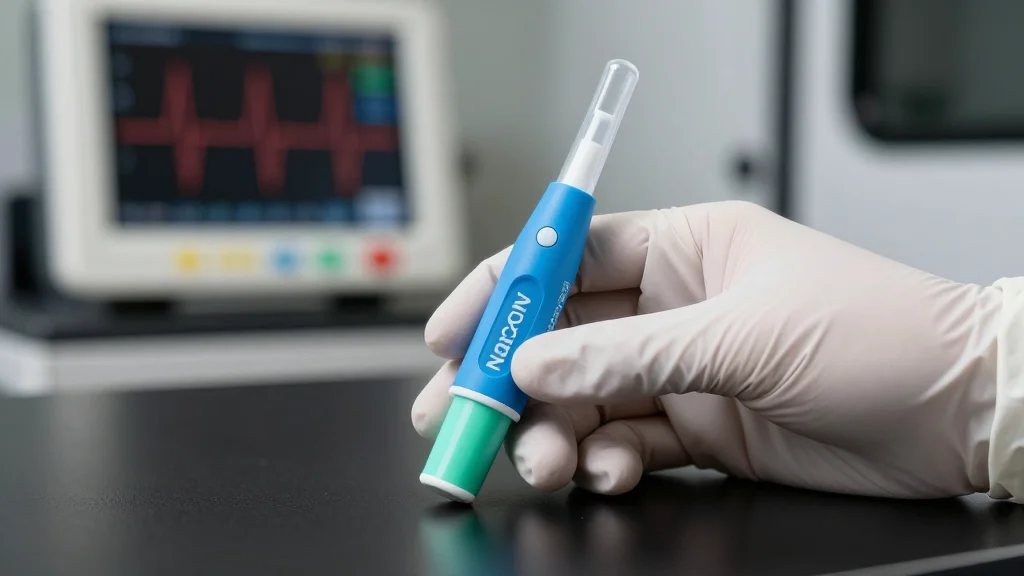
Naloxone Use During Cardiac Arrest Linked to Improved Survival
Researchers at UC Davis Health analyzed 3,811 out‑of‑hospital cardiac arrests in California and found that administering naloxone during EMS resuscitation was linked to higher survival rates. Patients who received naloxone survived to hospital discharge at 8.1% versus 4.4% for those...

AI Suggests Simple Food Swaps to Make Meals Healthier and Cheaper
A University of California, Davis research team trained a generative AI model to suggest one to three ingredient swaps for everyday meals. Using 135,491 meals logged by 55,228 adults, the AI created alternatives that were 47% closer to USDA nutritional...

Supermarket Receipts Show Trends in Menstrual Pain Relief
A new study in PLOS Digital Health analyzed 211 million UK supermarket transactions to map menstrual‑pain relief patterns. It found that 26.7% of shoppers buying menstrual products also purchased pain‑relief medication, a rate nearly four times higher than on other trips....
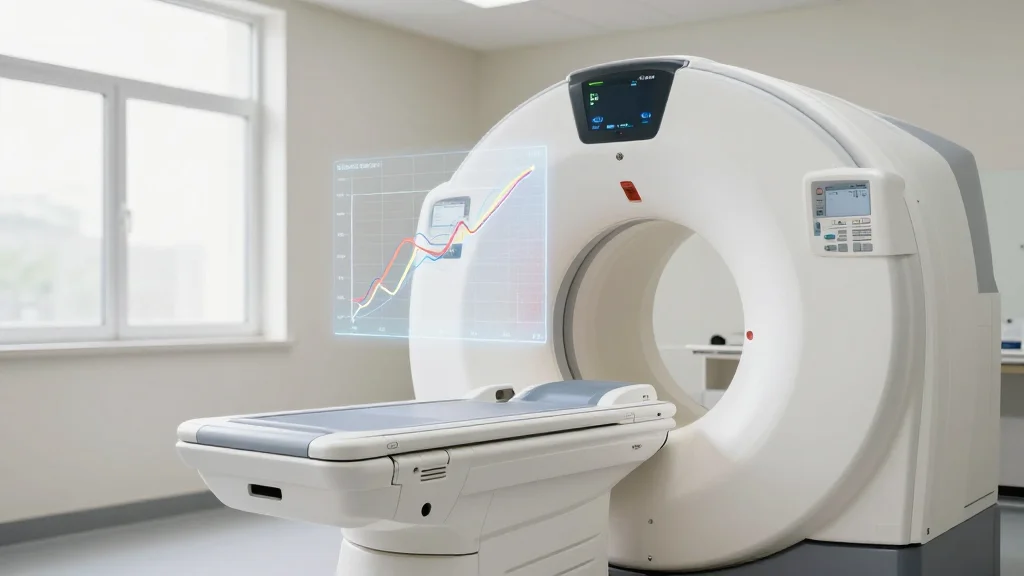
Brain Maps Reveal First Lifetime White Matter Growth Charts From Birth to 100
Researchers at Vanderbilt University and Vanderbilt Health published the first lifetime white‑matter growth charts, mapping 72 brain pathways from birth to age 100. The analysis leveraged diffusion MRI data from roughly 42,000 individuals—over 4 million images—processed through an AI‑enabled harmonization platform....

New Online Toolkit Helps Clinicians Put 'Food Is Medicine' Into Practice
Tufts University’s Food is Medicine Institute launched an online Food is Medicine Toolkit to help clinicians and health‑system leaders translate nutrition research into actionable care programs. The resource, built with input from Kaiser Permanente, walks users through six stages—from program...

Updated Colorectal Cancer Guidelines Endorse New Stool Tests, Recommend Limited Use of Blood Tests
The American Cancer Society updated its colorectal cancer screening guidelines, adding a next‑generation DNA stool test and a novel RNA stool test as preferred options for average‑risk adults. Blood‑based tests are now recommended only for patients who refuse stool tests...

Schwann Cells May Trigger NF1 Pain Before Tumors Appear, Mouse Study Suggests
Researchers at Cincinnati Children’s discovered that Schwann cells release excess glial cell line‑derived neurotrophic factor (GDNF), triggering mechanical hypersensitivity in a mouse model of neurofibromatosis type 1 (NF1) before tumors develop. Deleting the NF1 gene in Schwann cells identified them as...

Researchers Shape Guidance for Cancer Screening
University of Warwick researchers helped the UK National Screening Committee publish two BMJ position statements that set standards for evaluating surrogate outcomes and multi‑cancer detection (MCD) tests. The guidance stresses that mortality reduction remains the gold‑standard endpoint, and that surrogate...

Does Ceramide Lipid Metabolism Affect Response to Prostate Cancer Drugs?
Researchers discovered that ceramide lipid metabolism varies by genetic ancestry and influences response to androgen‑receptor pathway inhibitors in metastatic castration‑resistant prostate cancer. Black patients entered treatment with lower total ceramides but higher C24‑to‑C16 ratios, a pattern that flipped during therapy....

Experts Call for Women's Heart Centers to Tackle Inequality in Diagnosis and Care
A new clinical consensus statement from the European Society of Cardiology calls for dedicated women’s heart centers across Europe to close the gender gap in cardiovascular diagnosis and treatment. The report, led by Dr. Julia Grapsa, highlights that heart disease kills...

Chronic Liver Disease in Europe: A Preventable Crisis Going Undetected
A new Lancet Regional Health—Europe series led by ISGlobal warns that chronic liver disease is becoming a preventable public‑health crisis across Europe. One‑third of EU/UK residents are estimated to have metabolic dysfunction‑associated steatotic liver disease (MASLD), and alcohol accounts for...

New Maternal RSV Vaccine Lowers Infant Hospitalization Rates, but Accessibility May Be Limited, Study Finds
A new maternal RSV vaccine introduced in fall 2023 reduces infant hospitalizations, with the Dallas study showing zero hospitalizations among vaccinated infants versus 3% among unvaccinated. Vaccination rates varied sharply by insurance type and race, with private‑insured mothers at 37%...

Repetitive TMS Effective, Safe for Poststroke Neurogenic Overactive Bladder
A randomized controlled trial of 60 stroke survivors showed that low‑frequency contralesional repetitive transcranial magnetic stimulation (rTMS) significantly improves neurogenic overactive bladder symptoms, quality of life, and resilience scores compared with sham treatment. Benefits persisted through week 8, with mean OAB...

How Making Children Laugh Can Help Brains Become More Resilient to Struggle and Open to Learning
Dr. Jacqueline Harding, director of Tomorrow’s Child, argues that laughter is a biologically powerful tool that reshapes young brains, lowering stress hormones while boosting dopamine, serotonin and oxytocin. Her new book, The Brain That Loves to Laugh, synthesizes neuroimaging, psychology and...

Short Exposures to Common Air Pollutants Have Distinct Impacts on Lung Function and Brain Activity, Study Shows
A UK‑led double‑blind study of 15 volunteers showed that brief exposure to different indoor and outdoor pollutants produces distinct changes in lung function and brain activity within four hours. Limonene fragrance aerosol most impaired respiratory metrics, while diesel exhaust and...

DNA Repair Protein Gene Gone Rogue May Unlock New Cancer Treatments
Researchers at Penn State discovered that overexpression of the DNA‑repair nuclease EXO1 occurs in 20‑30% of breast, ovarian, melanoma and several other cancers. Excess EXO1 mimics the genomic instability of BRCA‑mutant tumors, making cells hypersensitive to PARP inhibitors such as...

Blood Biomarkers Could Detect Earliest Signs of Alzheimer's Disease—And Slow Its Progression
Researchers using the 50‑year‑old Dunedin Study identified the blood protein pTau181 in 45‑year‑olds who reported memory worries, suggesting the marker appears decades before clinical Alzheimer’s. The finding supports combining blood biomarkers with self‑reported cognition to flag early disease risk. Current...

How State Laws Can Stymie Research Into Your Ancestors' Psychiatric Records
State laws across the U.S. tightly restrict access to historic psychiatric records, leaving families unable to retrieve mental‑health information about deceased ancestors. While HIPAA protects patient data for 50 years after death, some states such as Ohio and Maine already...

How a Distinct Communication Subspace in the Brain Turns Goals Into Actions
Scientists at the University Medical Center Tübingen have pinpointed a distinct low‑dimensional communication subspace that channels contextual information from the prefrontal cortex (PFC) to the primary motor cortex (M1). The finding stems from intracranial recordings in 12 drug‑resistant epilepsy patients...

Community-Based Baby Hip Screening Successfully Reduces Late Diagnosis of Developmental Dysplasia
A nurse‑led, community‑based ultrasound program in Japan screened 349 infants for developmental dysplasia of the hip (DDH), achieving 95.6% coverage. The trial identified 8.7% of babies with suspected DDH, including many without clinical risk factors, and referred 42 infants for...

Freud's Century-Old Ideas Are Colliding with Modern Brain Science in Ways that Could Change How Minds Are Treated
A recent article in *Entropy* links Sigmund Freud’s psychoanalytic model to the brain’s predictive‑processing paradigm, arguing that both describe how the mind anticipates and adjusts to sensory input. The authors, led by Erik Stänicke, highlight parallels such as the psychoanalytic...

Thermoreversible Biogel May Solve a Hairy Problem for Wearable Brain-Monitoring Systems
Penn State researchers unveiled a thermoreversible semiconducting ionic biogel that liquefies with mild heat, penetrates hair, and re‑gels on cooling to maintain scalp contact. The gel, composed of gelatin, glycerol, ionic liquids and PEDOT:PSS, achieved a thousand‑fold boost in conductivity...

Integrating Substance Use Disorder Treatment Into Clinic-Based Internal Medicine Expands Access to Care
Researchers at the University of Cincinnati demonstrated that embedding addiction treatment within a primary‑care internal‑medicine residency clinic can broaden access to substance‑use disorder (SUD) care and markedly improve physician confidence. Over a 15‑week pilot, the clinic logged 73 patient visits,...

New Study Could Improve Testing and Treatment for Rare Brain, Spinal Cord, and Eye Cancers
Researchers at Fudan University identified hepatitis A virus cellular receptor 1 (HAVCR1) as a fluid‑based biomarker that distinguishes primary central nervous system lymphoma (PCNSL) and its eye‑only variant, primary vitreoretinal lymphoma (PVRL), from non‑cancerous conditions. In a study of 199 lymphoma...

New Indicator for Response to Therapy in Pediatric Cancers Identified
Researchers at the University of Birmingham reported that a high aneuploidy score can predict which children with relapsed solid tumors respond to a combined low‑dose irinotecan and PARP‑inhibitor regimen. The Phase I/II eSMART arm enrolled 70 patients across the UK, France,...

Q&A: Using Advanced Imaging to Improve Brain Cancer Treatment
UCLA Health’s Jonsson Cancer Center is pioneering advanced MRI and PET techniques that map glioblastoma’s blood vessels, metabolism, and microenvironment in real time. The new perfusion and metabolic imaging tools provide early biomarkers of drug target engagement and tumor response,...

Can AI Help Predict How You Might Be Feeling in the Future?
Researchers at Northeastern University piloted an AI-driven study to forecast daily emotional states in people with diagnosed mood disorders. Using six machine‑learning models on data from 34 participants who logged contentedness, cheerfulness, sadness and anxiousness five times a day for...

Elite Immune Cells Lead the Fight Against Multiple Myeloma
Researchers at Osaka University discovered that only a tiny fraction of CD8 T cells—about 2.3% of clones—undergo massive clonal expansion when exposed to the bispecific T‑cell engager elranatamab in a multiple myeloma model. Using single‑cell RNA sequencing, they tracked these elite...

Exercising in the Open Air Is the Best Ally to Combat Winter Vitamin D Deficiency, Study Says
A recent study published in Scientific Reports found that outdoor exercise during winter can raise vitamin D levels as effectively as daily supplements for runners, while non‑runners who supplemented achieved similar levels. The research, led by Eneko Fernandez of the Basque...

Molecular Pathways Behind Inflammation in Alcohol-Associated Liver Disease Mapped
Cedars‑Sinai researchers have mapped two molecular pathways that drive inflammation in alcohol‑associated liver disease (ALD). One study links the transcription factor FOXM1 to a gene network that promotes liver scarring, and suppressing FOXM1 reversed fibrosis in mouse models. A second...
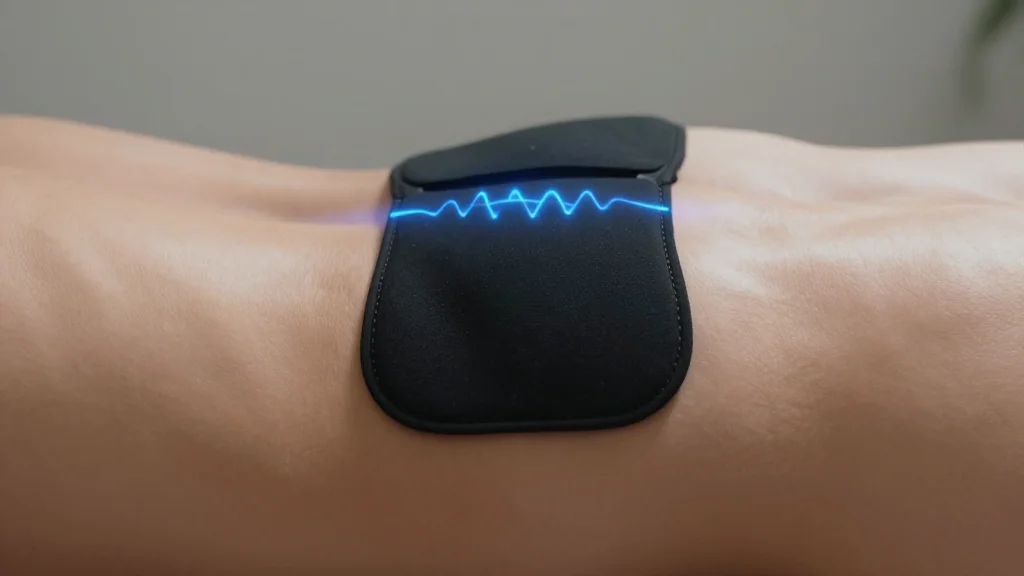
Spinal Stimulation Data Reveal Why High-Frequency Pulses May Miss Key Nerve Pathways
A joint study by FAU, the Medical University of Vienna and Washington University combined human electrophysiology with high‑resolution digital‑twin simulations to show that high‑frequency, ultrashort pulses in non‑invasive spinal cord stimulation fail to activate key somatosensory pathways, limiting therapeutic benefit....

Early Birth Safer for Mother and Baby in High Blood Pressure Pregnancies, Researchers Find
A new Cochrane review of six randomized trials involving 3,491 women shows that planning delivery after 34 weeks for pregnancies complicated by hypertension cuts serious maternal complications by nearly 50% and may lower stillbirth risk by about 75%. The analysis...

Study Finds Substandard Bowel Cancer Care for People with Learning Disability
A University of Manchester and Christie NHS study of over 2 million UK patients found that people with learning disabilities face markedly poorer bowel‑cancer care. They develop the disease earlier, are less likely to receive stool tests, urgent referrals or endoscopy,...

Health Care Is Facing a Moral Emergency, Argue Experts
Experts in The BMJ warn that modern healthcare faces a moral emergency as technical prowess outstrips the human, relational foundations of care. They argue that profit‑driven models and industrialized protocols leave patients feeling processed and staff experiencing moral distress, driving...

China's Health Care Use Has Not Fully Recovered After Zero-COVID Policy, with Rural Regions Lagging Most
A PLOS Medicine analysis led by Fred Hutch researchers found that China’s health‑care utilization remains below pre‑pandemic expectations two years after ending its Dynamic Zero‑COVID policy. Outpatient clinic visits are down 7% (about 1.2 billion fewer visits) and hospitalizations 13% (roughly...

Why some People Skip the Closest Pharmacy—And What that Means for Health Care Deserts
A new study from Cal Poly, published in Risk Analysis, reveals that Americans often skip the nearest pharmacy, choosing locations that match the socioeconomic character of their neighborhoods. While 98% of Los Angeles County residents live within 5 km of a pharmacy,...

How Early Brain Activity May Shape Speech-Linked Circuits Before Babies Ever Speak
Researchers at National Yang Ming Chiao Tung University identified a ventromedial prefrontal cortex‑striatal circuit that becomes active just before neonatal mice emit ultrasonic vocalizations. Using activity tagging and circuit manipulation, they showed that stimulating this pathway boosts expression of the speech‑related gene...

New Smart Technology in Wearable Wristband May Detect Cardiac Arrest
A Dutch clinical trial (DETECT‑1b) tested a wrist‑worn photoplethysmography (PPG) device that automatically identifies cardiac arrest. Among 49 participants, the algorithm correctly flagged 92% of induced shockable events, achieving 100% detection for ventricular fibrillation and 90% for pulseless ventricular tachycardia....

Common Asthma Drug May Turn Off Tumor 'Switch' Tied to Immunotherapy Resistance
A Northwestern Medicine study published in Nature Cancer shows that blocking the cysteinyl leukotriene receptor 1 (CysLTR1) with the asthma drug montelukast can reverse immunotherapy resistance in several aggressive cancers. Experiments in mouse models and analyses of human tumor samples demonstrated...

Africa CDC Declares Continental Emergency over Ebola Outbreak
Africa CDC has declared a Continental Public Health Emergency in response to the Ebola outbreak affecting the Democratic Republic of Congo and Uganda. The DRC has reported 131 deaths among 513 suspected cases, while Uganda has recorded a single fatality....

AI-Driven Wearable Patches Help Identify Undetected Hormone Disruption in Unexplained Infertility
Researchers unveiled an AI‑enabled wearable skin patch that continuously monitors reproductive hormone levels and rhythms, revealing hidden endocrine disruptions in both men and women. In a study of 102 men with normal morning testosterone, the patch detected abnormal testosterone patterns...

AI Tool for Radiotherapy Can Support the Global Effort to Eliminate Cervical Cancer
An AI‑driven radiotherapy planning tool demonstrated high‑quality results in the multinational ARCHERY trial, achieving over 95% success for cervical cancer and 85% for prostate cancer. The technology compresses planning from weeks to roughly one hour, directly addressing specialist shortages that...
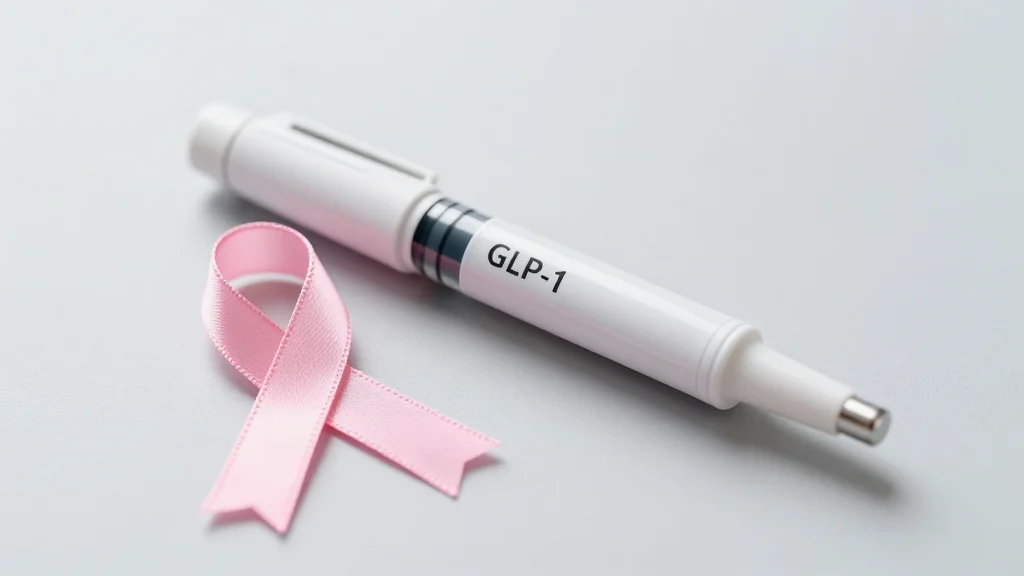
Weight-Loss Drugs Tied to Lower Death, Recurrence Risk After Breast Cancer
A retrospective cohort study of more than 840,000 breast‑cancer patients diagnosed between 2006 and 2023 found that use of GLP‑1 receptor agonists—drugs approved for type‑2 diabetes and obesity—was associated with a lower risk of death and cancer recurrence over a...

Does an Infant's Body Fat Relate to Cognitive and Motor Development?
Northeastern University researchers presented preliminary data showing that infants with higher lean (fat‑free) mass scored better on the Bayley Scales of Infant and Toddler Development, while greater fat mass correlated with lower cognitive and fine‑motor scores. The study measured body...

Stronger Regulation Needed to Address Injectable Peptide Craze
Australian researchers warn that illegal injectable peptide use is exploding among young people, driven by social‑media hype and easy online access. Although classified as prescription‑only, these compounds are being sold through unregulated channels, exposing users to infection and dosing errors....

Meeting an AI Doctor Before a Real-Life Consultation Can Improve Cancer Patients' Understanding and Reduce Stress
A study presented at ESTRO 2026 found that cancer patients who viewed a personalized AI‑avatar video before their radiation oncology appointment demonstrated higher comprehension of treatment options and reported lower stress than those who watched a standard educational video. The...
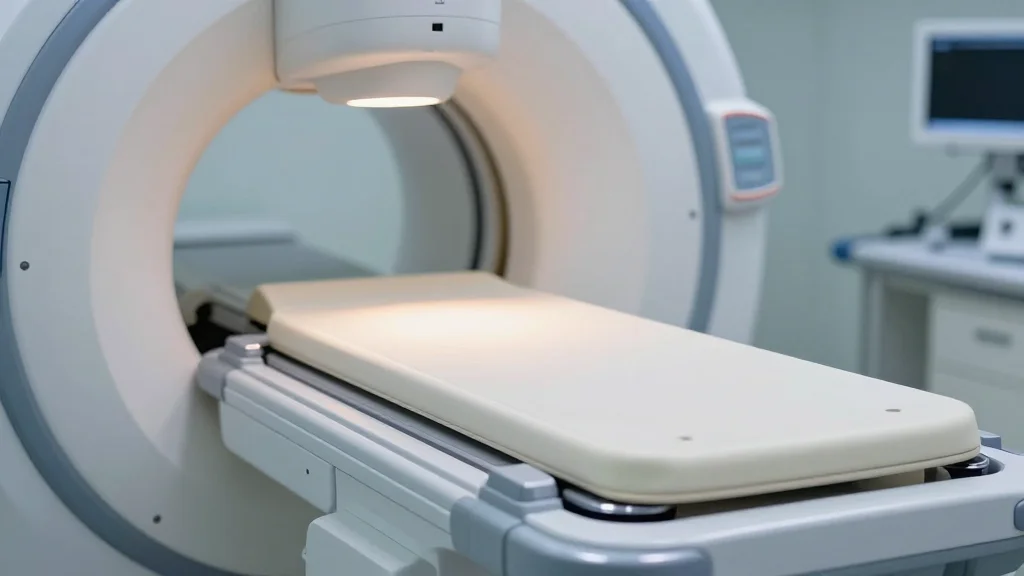
When Should You Get a Mammogram? Conflicting Advice Makes It Hard to Know
Guidelines for routine mammograms in the United States are now at odds, with the American College of Physicians (ACP) recommending biennial screening for average‑risk women aged 40‑49 only after a doctor‑patient discussion and every other year for ages 50‑74. The...

New AI Tool Could Replace Costly Cancer Gene Expression Profiling
Cedars‑Sinai researchers unveiled Path2Space, an AI model that infers spatial gene expression from standard pathology slides. Trained on breast‑cancer datasets, it predicts the activity of roughly 5,000 genes within minutes, bypassing the weeks‑long, multi‑thousand‑dollar cost of conventional spatial transcriptomics. Validation...