
Low-Dose Drug Cuts Breast Density up to 26% with Fewer Side Effects
A Karolinska Institutet study found that low‑dose endoxifen, the active metabolite of tamoxifen, reduces mammographic breast density by up to 26%—comparable to the 18.5% reduction seen with standard 20 mg tamoxifen—while causing far fewer serious side effects. In a randomized, placebo‑controlled trial, 240 healthy premenopausal women took either 1 mg or 2 mg of endoxifen daily for six months, with the higher dose achieving a 26% drop and the lower dose a 19% drop. The 1 mg regimen showed a safety profile similar to placebo, whereas the 2 mg dose modestly increased hot‑flashes. The trial is a proof‑of‑concept, indicating biological activity but not yet confirming cancer‑risk reduction.

Exercise Is One of the Most Effective Ways to Treat Parkinson's Disease
Exercise is emerging as one of the most effective ways to slow Parkinson's disease progression, according to UNLV researchers. Interim dean Merrill Landers highlights aerobic activity’s ability to raise brain‑derived neurotrophic factor (BDNF) and curb neuroinflammation. His team measures blood...

Creatine Is Claimed to Benefit Body and Mind: The Potential Benefits and Limitations of the Popular Supplement
Creatine, a naturally occurring compound, is the most studied dietary supplement for enhancing high‑intensity performance and supporting cellular energy via phosphocreatine. Recent analyses highlight its ability to improve muscle power, sprint output, and, in certain groups, cognitive functions such as...
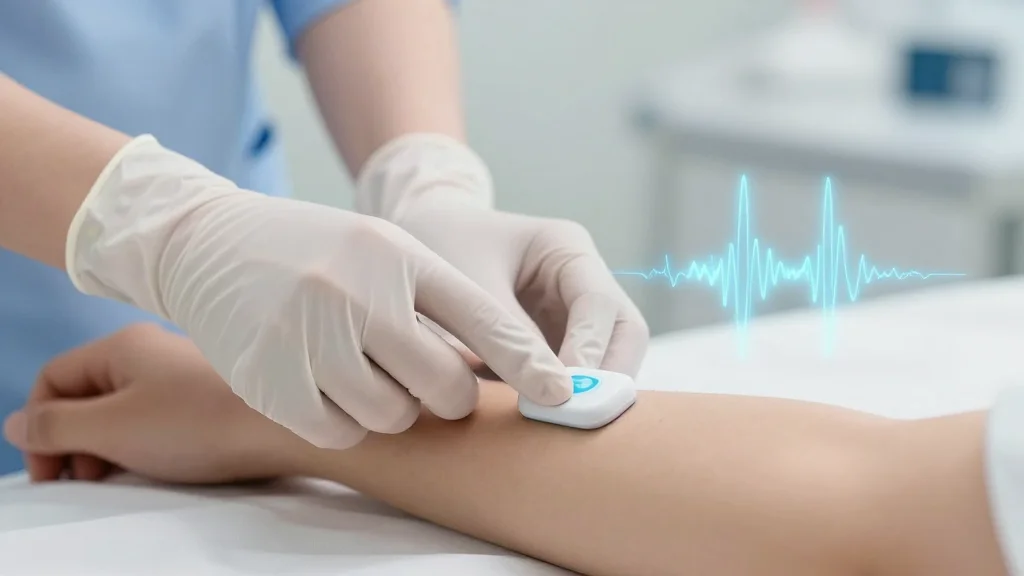
Nurses Harness AI to Help Quantify Their Instincts About Patient Care
Hospital nurses often sense patient decline before vital signs change, but lack a formal way to convey that intuition. Researchers at Johns Hopkins and Columbia are embedding nurse‑generated data—extra vital checks, medication administration, and explicit concern scores—into machine‑learning‑driven early warning...

Screens Can Be Part of a Child's Healthy Bedtime Routine, Study Shows
A new meta‑analysis by Deakin Institute and the University of Queensland examined 4,562 participants aged three to 25 across 25 studies. It found that daily screen use before bed may delay bedtime slightly but does not significantly affect total sleep...

Liquid Biopsy Predicts Response to Breast Cancer Immunotherapy
Researchers at Vanderbilt-Ingram Cancer Center demonstrated that serial liquid biopsies analyzing peripheral blood RNA can predict response to pembrolizumab in high‑risk early‑stage HER2‑negative breast cancer. The study examined 546 blood samples from 160 patients in the I‑SPY2 trial, showing transcriptional...

Blocking a Cellular Inflammation Process Could Result in Effective Therapy for Pancreatic Cancer
Scientists at The Wistar Institute and ChristianaCare identified a vulnerability in pancreatic cancer where defective mitochondria release double‑stranded RNA, triggering the TLR3/TRAF6 inflammatory pathway. The tumor cells become dependent on this inflammation for growth and survival, and blocking the pathway...

Stopping and Restarting Certain GLP-1s to Lose Weight May Make the Drug Less Effective
A preclinical study from the University of Pennsylvania found that stopping and restarting GLP‑1 weight‑loss drugs, such as semaglutide, markedly diminishes their efficacy. Overweight mice on a stop‑and‑start regimen regained weight during off periods and never recaptured their initial loss,...

Scientists Cautiously Suggest GLP-1s Are Safe to Use Around Pregnancy
A systematic review of more than 49,000 pregnancies over two decades found that exposure to GLP‑1 receptor agonists such as Ozempic, Wegovy and Mounjaro around conception does not increase the risk of major birth defects. The meta‑analysis of ten cohort...

New Test Promises to Detect Cancer Earlier, From Tiny Particles in Bodily Fluids
Researchers at the University of Calgary have unveiled EXOSense, a patent‑pending platform that electrically isolates small extracellular vesicles from blood or urine for cancer screening. These vesicles carry molecular signatures that appear long before conventional biomarkers, offering a potential route...
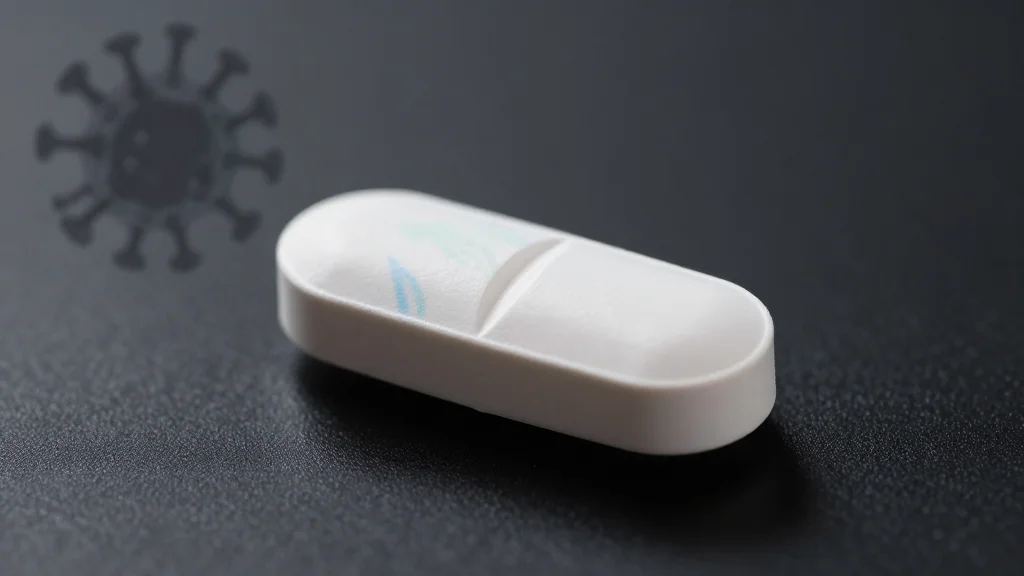
FDA Approves Once-Daily Idvynso Tablet for Treating HIV
The FDA has approved Merck’s Idvynso, a once‑daily, two‑drug tablet combining doravirine and islatravir, for HIV‑1‑infected adults who are virologically suppressed. The regimen replaces existing antiretroviral therapy and is tenofovir‑free, targeting patients without prior treatment failure. Approval rests on two...

Dietary Fats Shape Pancreatic Cancer Risk via Ferroptosis
Researchers at Yale School of Medicine published a study in Cancer Discovery showing that the type of dietary fat, not just total fat, influences pancreatic ductal adenocarcinoma development in mice. Diets high in oleic acid, a monounsaturated fat common in...

Battery-Free Skin-Conformal Wearable System Can Measure Electrocardiogram Signals
A research team led by Prof. Jerald Yoo at Seoul National University unveiled SkinECG, a skin‑conformal wearable that records electrocardiogram signals without a battery. The device uses an Orthogonal Energy Harvesting Network to wirelessly deliver power harvested from multiple on‑body...

Early Brain Regions Play Greater Role in Decision-Making, Challenging Traditional Neuroscience
University of Illinois researchers led by Prof. Yurii Vlasov discovered that decision‑making signals appear as early as the primary somatosensory cortex (S1) in mice navigating a virtual corridor. The study, published in PNAS, shows S1 is dynamically modulated by top‑down...
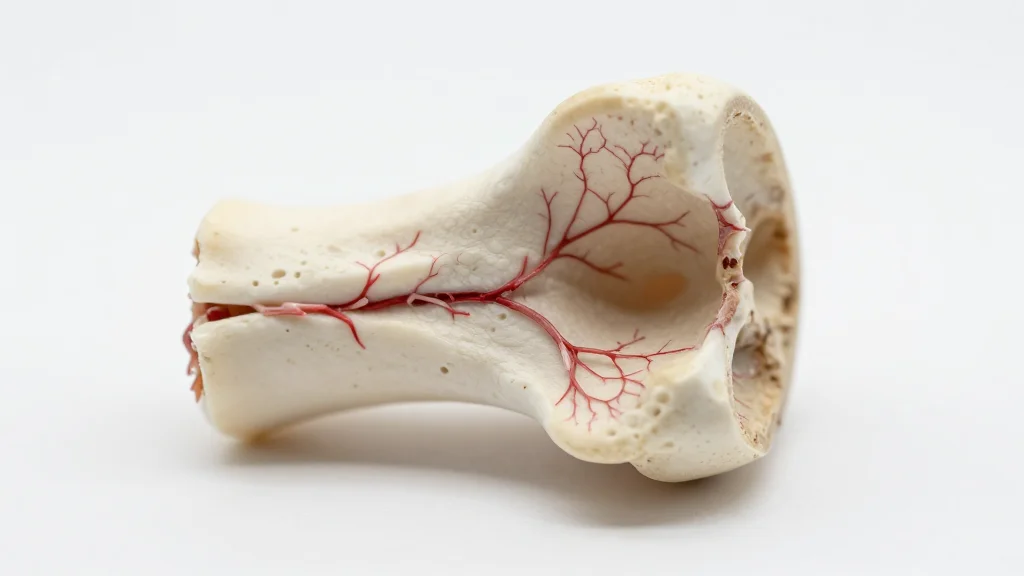
Skull Microchannels Reveal Hidden Route for Brain Immune Defense
Researchers at Spain's CENIEH have quantified tiny vascular microforamina within adult human skulls, finding each cranium contains roughly 100 to 400 channels, most under 0.5 mm in diameter. Larger conduits, though fewer, transport a comparable share of blood and cluster in...

Faster and Easier Ways to Diagnose Mpox: New Approaches Improve Detection
A review in *Trends in Biotechnology* outlines new point‑of‑care (POC) diagnostic platforms for Mpox, highlighting isothermal amplification, CRISPR‑based assays, biosensors and AI‑enhanced lesion imaging. The authors argue these tools can approach PCR sensitivity while eliminating the need for complex labs....

First Psychiatric Admission Marks the Beginning of a Long-Term Illness for Most Patients
A 20‑year Danish cohort study of 150 young adults found that 95% of individuals admitted to a psychiatric ward either returned for readmission or remained in long‑term treatment. Diagnoses of schizophrenia and schizotypal disorder proved highly stable, while personality‑disorder labels...

High-Intensity Exercise After Breast Cancer Surgery May Help Speed Recovery
A recent study presented to the American Society of Breast Surgeons found that high‑intensity resistance training can accelerate recovery after breast‑cancer surgery. Nearly 200 women who had lumpectomies, mastectomies or lymph‑node removals completed a three‑month program, lifting up to 200 lb....

Task Switching Raises Risk in Transplant Surgeries, Study Finds
A Virginia Tech analysis of more than 300,000 transplant operations shows that surgeons who switch organ types between consecutive procedures raise one‑year patient mortality by 14.8%. The risk spikes when the switch occurs on the same day, lifting mortality from 4.5%...

Higher Tubular Phosphate Levels Linked to Faster Five-Year Kidney Decline
Researchers at the University of Tsukuba analyzed 308 Japanese participants and found that higher estimated proximal tubular fluid phosphate (ePTFp) levels are linked to a faster decline in kidney function over five years. The ePTFp metric, derived from routine serum...
Communication From the CDC Fuels Skepticism About Vaccines and Science, Research Suggests
The CDC altered its website language to suggest that a link between vaccines and autism cannot be ruled out, diverging from the long‑standing consensus that no causal relationship exists. An international team led by the University of Vienna surveyed 2,989...

Caregivers of Ovarian Cancer Patients Face High Stress and Major Gaps in Support
A scoping review by the University of Toronto, published in PLOS One, examined 32 studies over 25 years and found that caregivers of ovarian cancer patients endure high anxiety, depression, grief, and burnout. The analysis highlighted practical barriers such as financial...

Rare Myocarditis After mRNA Vaccination: Mitochondrial Stress Identified as a Key Factor
Researchers at the University of Tsukuba identified mitochondrial stress as a key driver of the rare myocarditis cases observed after COVID‑19 mRNA vaccination. By analyzing heart biopsies and a mouse model with subclinical mitochondrial impairment, they showed that vaccine lipid...

Q&A: Why Feeling Sick May Be Important for Surviving Infection
Researchers led by Whitehead Institute’s Zuri Sullivan argue that classic sickness symptoms—fatigue, loss of appetite, and social withdrawal—are not merely by‑products of infection but an organized, multi‑scale immune strategy. Their perspective, published in Trends in Immunology, frames the brain‑immune axis...

Why Squishy Toys Feel so Good: What the NeeDoh Craze Reveals About Brain and Sensory Needs
NeeDoh, a new gel‑filled squishy toy, has gone viral on social media and is selling out fast. The tactile experience triggers brain regions linked to emotional regulation, helping users feel calmer and more focused. While the craze mirrors earlier fidget‑toy...

Diabetes Flips Immune Cells From Repair to Inflammation in Peripheral Artery Disease, Study Finds
A new study published in Science Translational Medicine shows that type 2 diabetes reprograms TREM2‑positive macrophages from a tissue‑repair mode to a pro‑inflammatory state, worsening peripheral artery disease (PAD). Researchers used single‑cell RNA sequencing and spatial transcriptomics on human arteries and...

Swept-Source Optical Coherence Tomography Angiography May Predict Diabetic Nephropathy
A Harvard‑based study published in the July issue of the American Journal of Ophthalmology shows that swept‑source optical coherence tomography angiography (OCTA) can serve as a non‑invasive biomarker for diabetic nephropathy. Researchers analyzed 375 eyes from 234 diabetic patients and...

Independent, Academic Cancer Trials Are Vital to Improve Patient Outcomes Worldwide
A Lancet Oncology Commission has been launched to evaluate the role of independent, academic cancer trials worldwide. The initiative stems from a coalition of 35 investigators and patient advocates spanning six continents, coordinated by the European Organisation for Research and...
How the Immune System Battles Lifelong Viral Infections Acquired at Birth
Researchers at the University of Basel have demonstrated that the immune system does mount a response against chronic hepatitis B infections acquired at birth, contrary to long‑standing assumptions of tolerance. Using a mouse model that mimics perinatal infection, they observed gradual...

Air Pollution Exposure in the Womb Linked to Worse Language and Motor Development
A King's College London study of 498 Greater London infants links first‑trimester air‑pollution exposure to lower language scores at 18 months and, for pre‑term babies, to markedly poorer motor development. Children whose mothers lived in high‑pollution areas scored 5‑7 points lower...

AI Model Detects Normally 'Invisible' Tissue Changes of Pancreatic Cancer at Stage 0
Researchers unveiled REDMOD, an AI radiomics framework that identifies stage 0 pancreatic ductal adenocarcinoma on routine CT scans. In a multi‑institutional study of 219 cancer cases and 1,243 controls, REDMOD flagged disease an average of 475 days before clinical diagnosis, achieving 73%...

Bowel and Ovarian Cancer Cases Rising Among Younger Adults in England, Research Reveals
A BMJ Oncology study of England’s cancer registry (2001‑2019) shows bowel and ovarian cancers are the only two types rising among adults under 50, while rates for older adults remain stable or decline. The analysis links excess weight to ten...

Noninvasive Skull Sensor Prevents Brain Injuries in Critically Ill ICU Patients
A Brazilian startup, brain4care, has validated a non‑invasive skull sensor that monitors intracranial compliance in real time. In a five‑year study of critically ill neuro‑ICU patients, adding the sensor to standard guideline‑based care cut mortality from 37.3% to 5.9% and...

Drugging the Undruggable: Cancer's Slipperiest Targets Finally Meet Their Match
Researchers at the University of British Columbia and BC Cancer have unveiled a novel drug design strategy that tightly binds intrinsically disordered proteins, long deemed undruggable. The new compounds exhibit binding affinities up to a million times stronger than previous...

Bacteria-Resistant Coating on Catheters Reduces Infection and Need for Antibiotics
A clinical trial of Camstent's bacteria‑resistant polymer‑coated catheter showed a one‑third drop in catheter‑associated urinary tract infections (CAUTIs) and more than a 50 % reduction in antibiotic use versus standard catheters. Long‑term patients using the coated device reported zero symptomatic CAUTIs...

How Virtual Reality Therapy Could Change the Way Mental Disorders Are Treated
Virtual reality (VR) is emerging as a powerful adjunct to cognitive‑behavioral therapy, allowing clinicians to immerse patients in realistic anxiety‑provoking scenarios such as public speaking or flying. A recent literature review in Psychology Research and Behavior Management confirms that VR‑enhanced...

How a Mental Health Strategy Helps Young Adults Navigate Cancer Diagnosis
Rutgers University researchers evaluated Bright IDEAS, a CBT‑based problem‑solving program, in a randomized trial of 344 young adults (18‑39) newly diagnosed with cancer. Participants who completed six video sessions showed significant reductions in depression and anxiety and reported higher health‑related...

Gambling Ads on Social Media Reach More than Twice as Many Men as Women, Finds Study
A Cambridge‑led analysis of 411 social‑media gambling ads in Ireland found that men are reached 2.3 times more than women on Meta platforms. Young adults aged 25‑34 accounted for the largest exposure, generating over 6.2 million impressions, with a single Betfair...

Study Suggests Fibroid Rates in Latina Women May Be Lower than Previously Thought
A new Michigan Medicine study, the largest U.S. ultrasound‑confirmed investigation of uterine fibroids in Latina women, found an overall prevalence of 11.8%, notably lower than earlier estimates that reached 37%. The research, part of the ELLAS project and employing community‑based...

Discovery of a Novel Vulnerability in Aggressive Lymphoma Could Change Future Therapy
Researchers at the University of Cologne’s Center for Molecular Medicine have identified the protein cFLIP as a critical driver of resistance in diffuse large B‑cell lymphoma (DLBCL), especially the ABC subtype. By overexpressing cFLIP, lymphoma cells block both intrinsic and...

Smell Loss May Mark Alzheimer's Start as Olfactory Damage Map Comes Into Focus
Researchers at Daegu Gyeongbuk Institute of Science and Technology and Maastricht University have mapped, for the first time, the cellular mechanisms behind olfactory impairment in early Alzheimer’s disease. The study shows that toxic amyloid‑beta and phosphorylated tau accumulate sharply in...

Machine Learning Predicts Asthma Risk in Children with Early-Life Atopic Dermatitis
Researchers at Kaiser Permanente Southern California used machine‑learning techniques on electronic health‑record data from 10,688 children diagnosed with atopic dermatitis before age three to predict later development of moderate‑to‑severe asthma and allergic rhinitis. The comprehensive asthma model achieved an AUC...
Global Survey Reveals Significant Burden and Inconsistent Management of Rare Metabolic Bone Disorder in Adults
A new International Osteoporosis Foundation survey of 40 clinicians in 24 countries reveals that adults with hypophosphatemic osteomalacia (HO) endure a heavy disease burden and face inconsistent care worldwide. The study, covering over 1,000 patients, shows that 35% have X‑linked...
Cognitive Impairment Linked to Worse Outcomes in Chronic Kidney Disease
A new cohort study of 3,004 chronic kidney disease (CKD) patients found that cognitive impairment, measured by the Mini‑Mental State Examination, predicts poorer clinical outcomes. Over a mean follow‑up of 3.87 years, 21.5% of participants started kidney replacement therapy, 13.4%...

Postmenopausal White Women with Genetic Risk Regain Weight Two Times Faster
A new study published in *Obesity* examined post‑menopausal women from the NIH Women’s Health Initiative. White participants with polygenic obesity risk in the top 5% regained weight twice as fast as those with lower risk, averaging two pounds per year...

Behavioral Therapy + Transcutaneous Tibial Nerve Stimulation Best for Overactive Bladder
A randomized controlled trial published in PLOS ONE found that adding transcutaneous tibial nerve stimulation (TTNS) to behavioral therapy (BT) yields greater symptom relief for overactive bladder in older women. The study enrolled 38 participants, split evenly between BT alone...
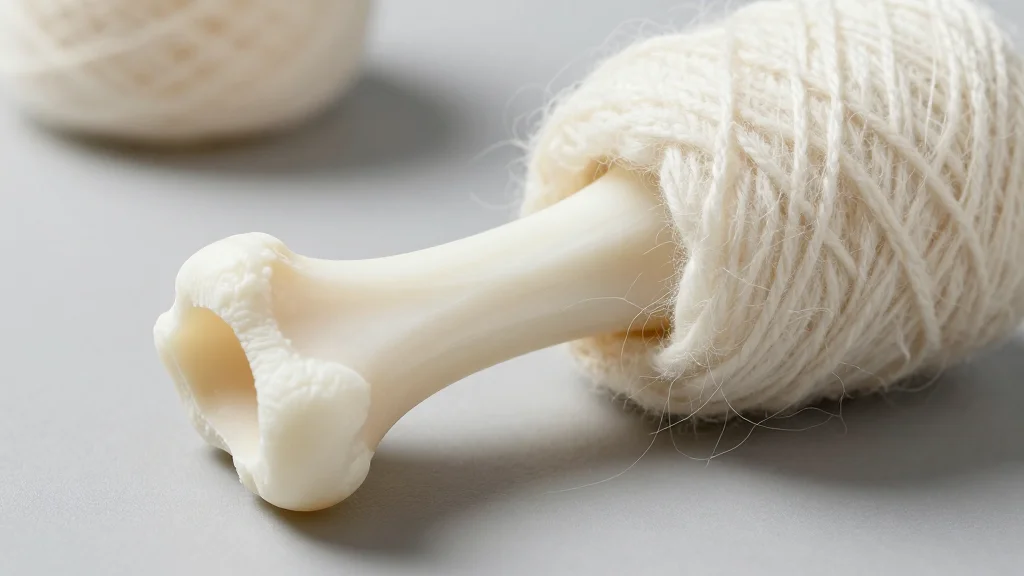
Scientists Transform Wool Into Bone Repair Material
Scientists at King’s College London have shown that keratin extracted from wool can act as a biodegradable scaffold for bone regeneration. In rat skull‑defect models, the wool‑based membranes guided new bone growth that was more organized and structurally similar to...
Rotavirus Cases in Children Are Rising, but a Highly Effective Vaccine Has Slashed Hospitalizations
Rotavirus infections in U.S. children are climbing earlier this season, with test positivity reaching nearly 8% in early 2026. Since the oral vaccine’s introduction in 2006, hospitalizations have fallen 80% and emergency‑room visits 57%, underscoring its effectiveness. However, vaccination coverage...
Alcohol Causes More Cancers in Australia than Previously Thought
A University of Sydney study published in the British Journal of Cancer estimates that 4.6% of all cancers in Australia—about 7,800 cases in 2024—are attributable to alcohol, higher than previous 2.8‑4.1% estimates. Overall cancer risk rises 19% with alcohol consumption,...

Study Finds Children in the US Die at Higher Rates than Peers in Other High-Income Nations
A new study by Children’s Hospital of Philadelphia reveals that U.S. children die at higher rates than peers in 18 other high‑income nations across every age group. The mortality gap first appeared in the early 1950s and has persisted, with...