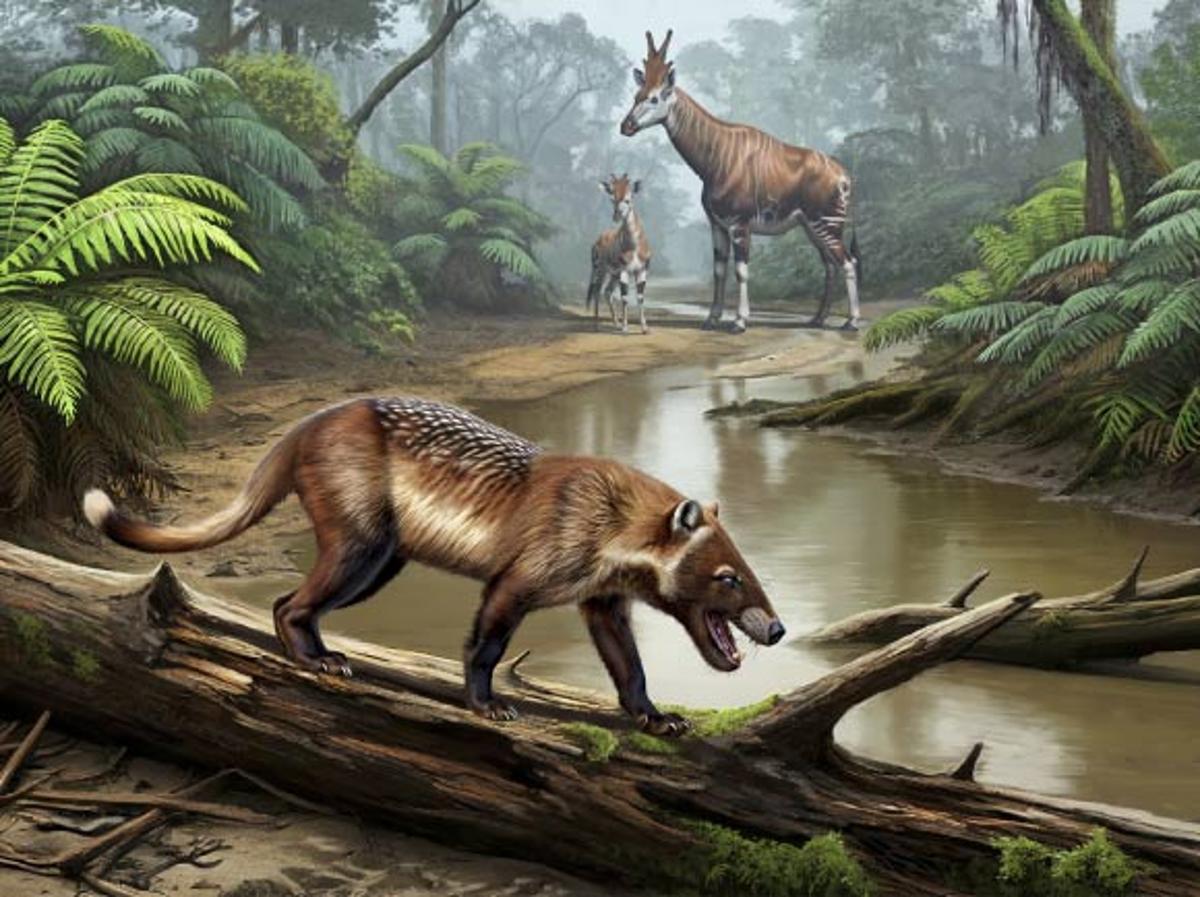
Paleontologists Identify New Hyaenodont Species in Pakistan
Paleontologists recovered fossils of three hyaenodont species from Miocene sediments in Pakistan, including a newly described species, Metapterodon anri. The specimens, dated 14–9.5 million years ago, include a 500‑kg giant rivaling a polar bear, the first Hyaenodon finds in South Asia, and the first Asian record of Metapterodon, previously known only from Africa. These discoveries illuminate hyaenodont dispersal from Africa into Asia and their coexistence with emerging carnivorans, offering insight into predator competition before modern carnivores dominated.
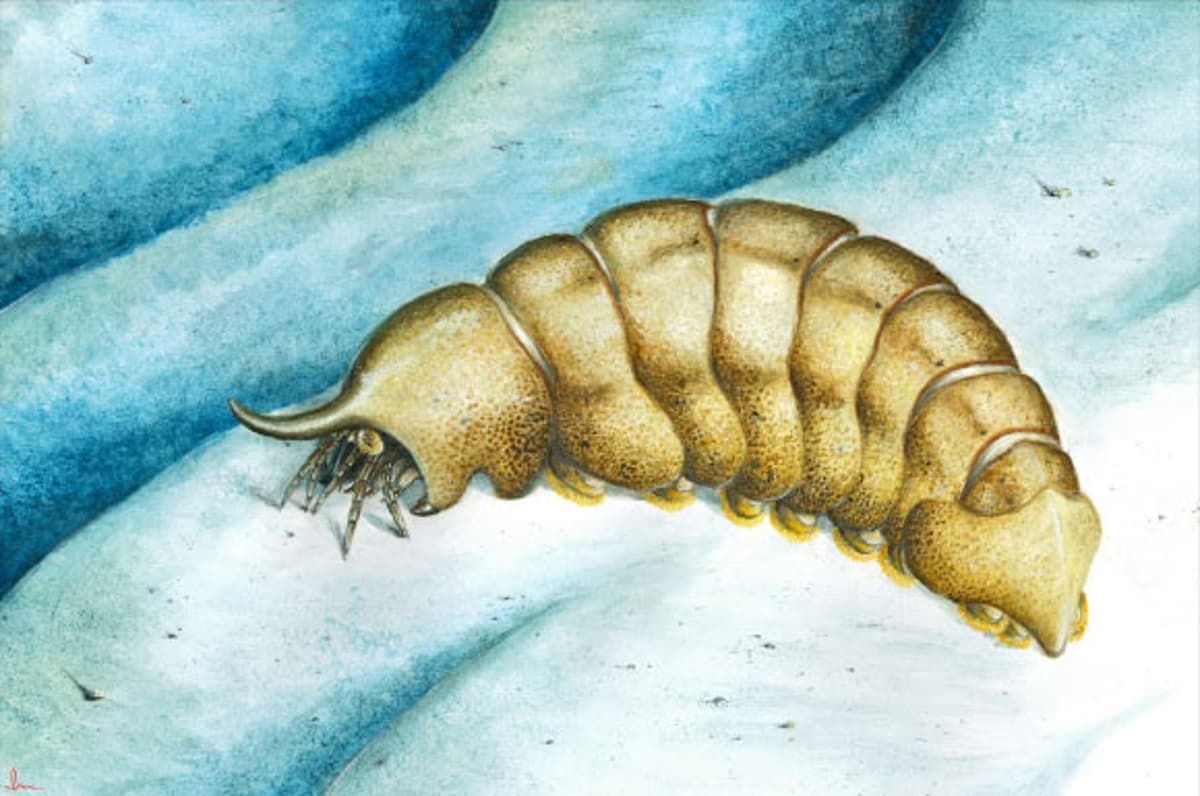
490-Million-Year-Old Arthropod Fossil Fills Puzzling Gap in Fossil Record
Researchers have described a new 490‑million‑year‑old arthropod, Magnicornaspis garwoodi, from the Furongian‑age Rivière‑du‑Loup Formation in Quebec, Canada. The exquisitely preserved specimen shows a broad head shield, segmented body and defensive spines, placing it in the corcoraniid group. Its discovery narrows...
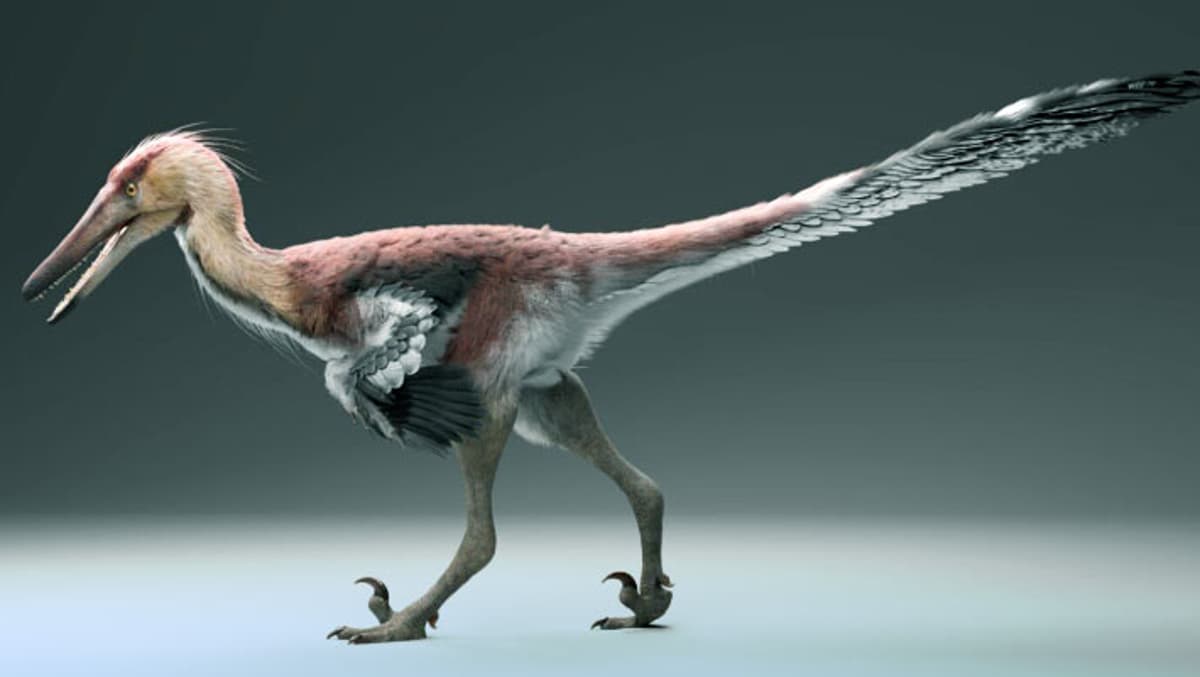
New Dinosaur Species From Argentina May Have Specialized in Catching Fish
Paleontologists have described a new unenlagiid theropod, Kank australis, from the Maastrichtian‑aged Chorrillo Formation in southern Patagonia. The 2.5‑3 m animal shows cervical vertebrae and tooth morphology that point to a fish‑catching lifestyle, echoing modern herons. Its discovery fills a geographic...

Fungi Bloomed Twice Around End-Cretaceous Mass Extinction
Johns Hopkins microbiologists analyzed 66‑million‑year‑old rock samples from Colorado and North Dakota, confirming a global surge of fungal microfossils at the Chicxulub impact layer. The study also uncovered a previously unknown fungal bloom 30,000‑10,000 years before the impact, likely tied...
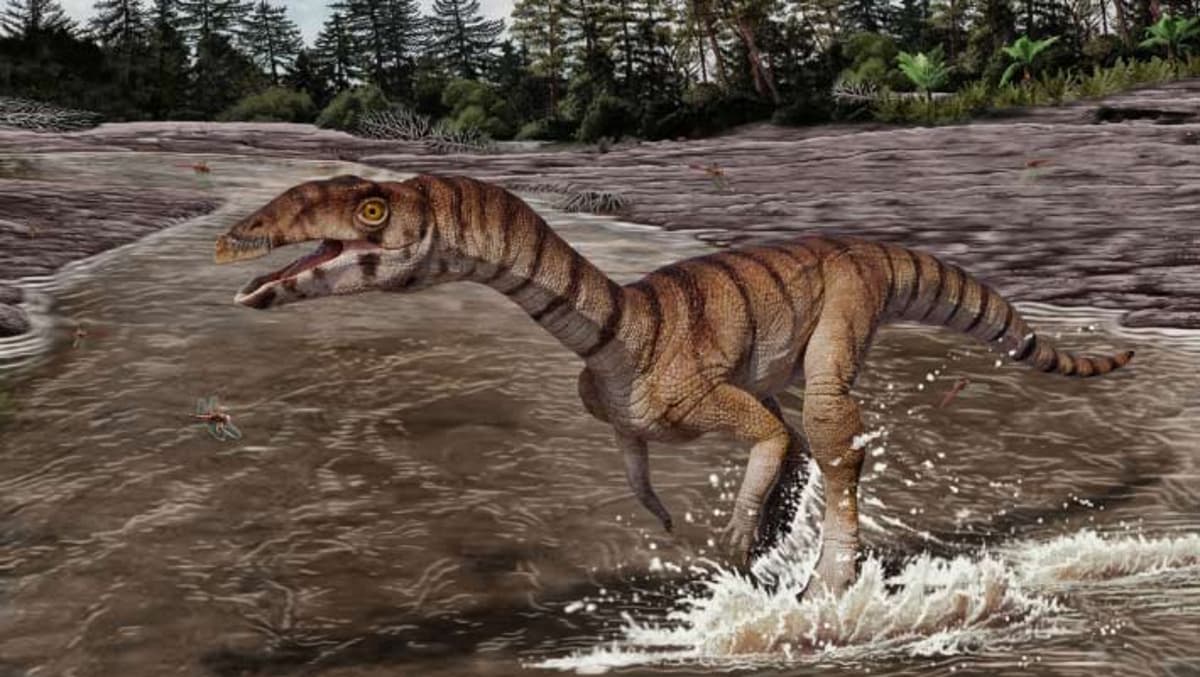
Toothless, Bipedal Crocodile Relative Lived in New Mexico 212 Million Years Ago
Paleontologists have described Labrujasuchus expectatus, a new bipedal, tooth‑less shuvosaurid from the Late Triassic Chinle Formation in northern New Mexico. The ~212‑million‑year‑old partial skeleton fills a temporal gap between the earlier Shuvosaurus inexpectatus and the later Effigia okeeffeae. Its anatomy...
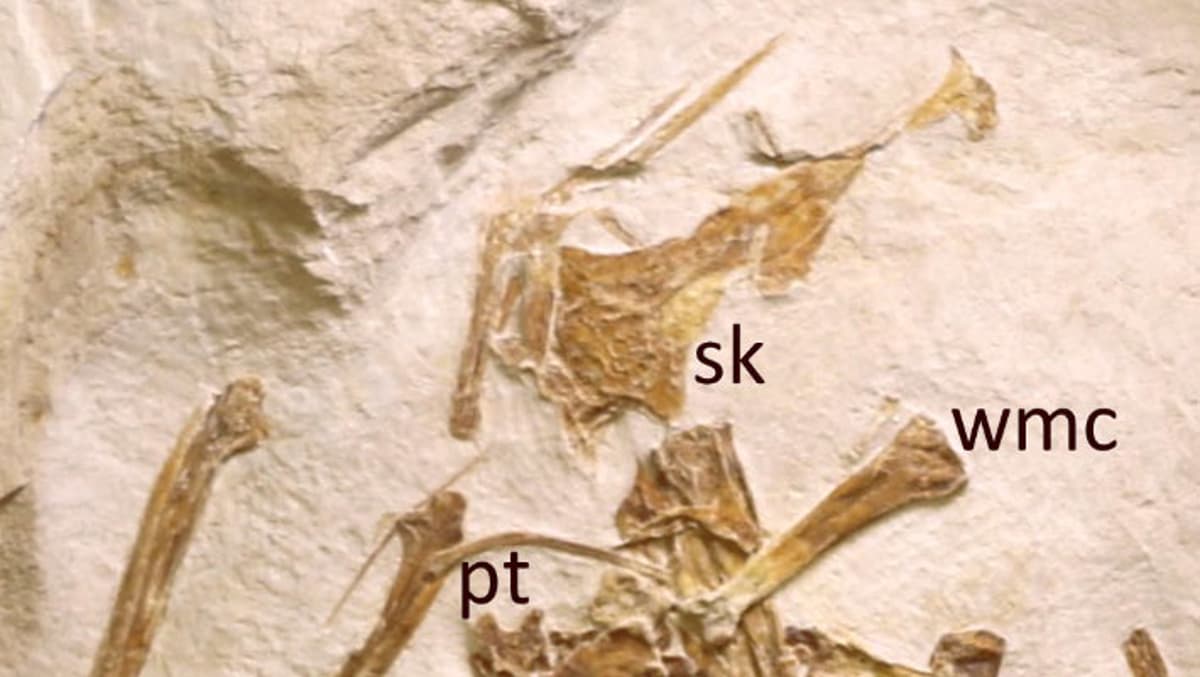
New Jurassic Pterosaur Unearthed in Germany
Paleontologists have announced a new early monofenestratan pterosaur, Laueropterus vitriolus, from a nearly complete skeleton found in Bavaria’s Mörnsheim Formation. The fossil, dated to 150‑143 million years ago, measures about a one‑meter wingspan, making it the largest known member of this...
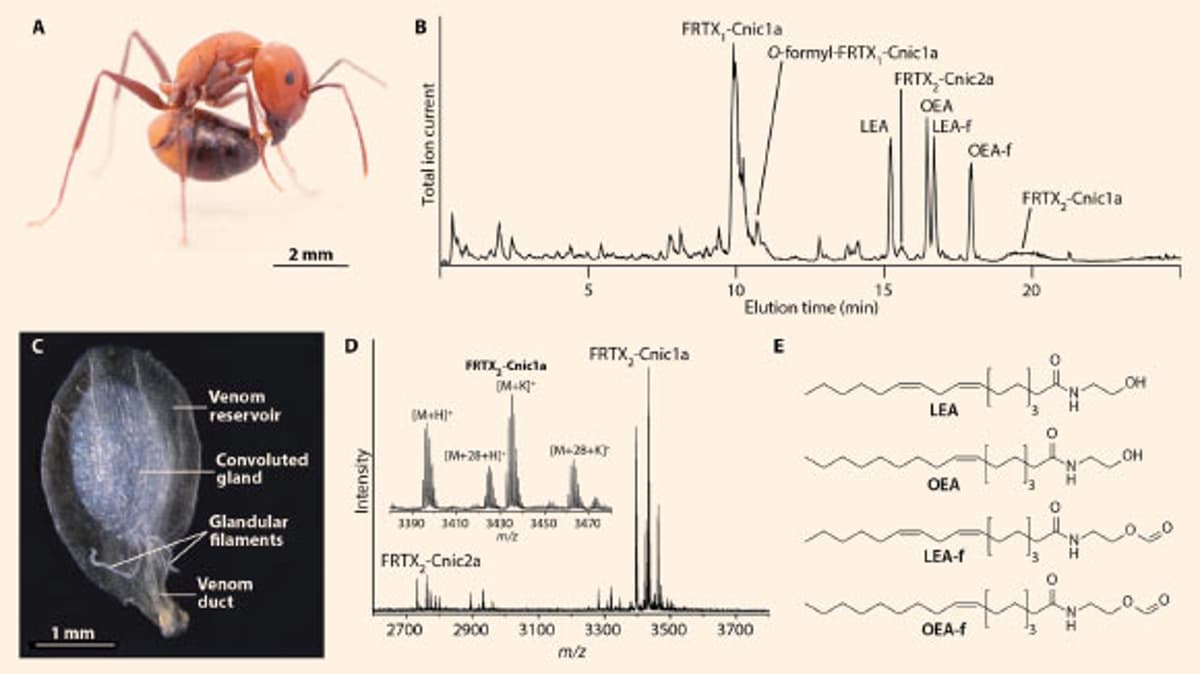
Formicine Ants Produce Hidden Arsenal of Venom Peptides, Study Finds
Entomologists have uncovered 35 previously unknown venom peptides, termed formicitoxins, in eight species of carpenter ants, overturning the long‑standing view that Formicinae rely solely on formic acid for defense. The peptides display potent antifungal activity and are thought to provide...

Do Europa’s Water Plumes Really Exist? New Study Reopens Debate
A new study by Southwest Research Institute and KTH reexamines Hubble ultraviolet data that originally suggested water‑vapor plumes erupting from Jupiter’s moon Europa. By scrutinizing Lyman‑alpha emissions from observations spanning 1999 to 2020, the authors found that small image‑placement errors...

Astronomers Catch Interstellar Turbulence Warping Light Across Milky Way
Astronomers using the Very Long Baseline Array have, for the first time, directly detected the imprint of interstellar turbulence on radio light from the distant quasar TXS 2005+403. The turbulent ionized gas in the Milky Way’s Cygnus region creates patchy, persistent...
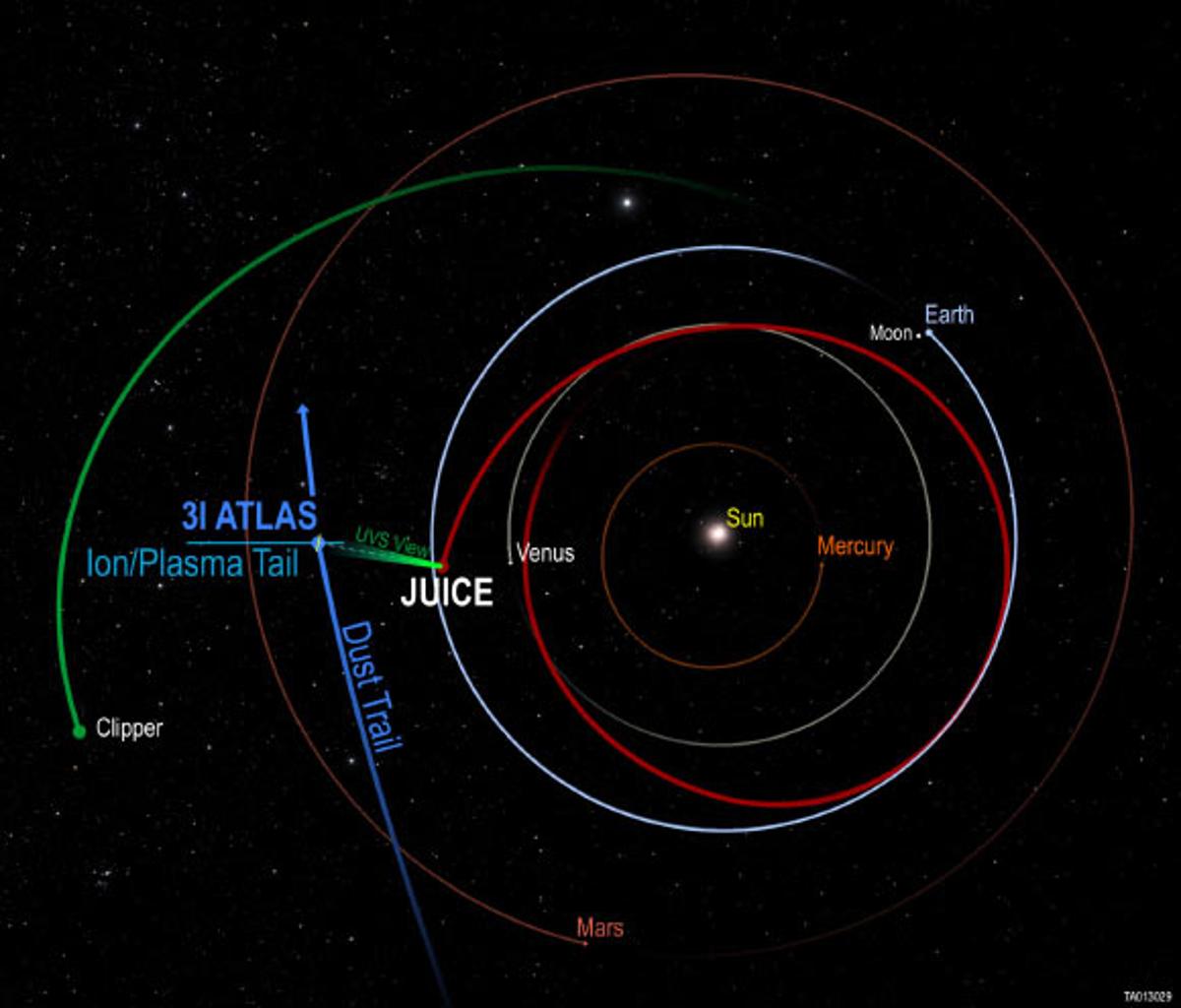
Europa Clipper and Juice Team Up to Observe Interstellar Comet 3I/ATLAS
During November 2025, ESA’s JUICE and NASA’s Europa Clipper simultaneously observed interstellar comet 3I/ATLAS from opposite sides, capturing its glowing dayside and dusty night side. Both spacecraft used ultraviolet spectrographs to detect hydrogen, oxygen and unusually high carbon emissions. The coordinated...

Tiny Bacteria in the Fog May Be Helping Clean the Air
Researchers observed that bacteria inside radiation fog droplets over central Pennsylvania are not only present but actively growing, using toxic pollutants such as formaldehyde as food. Across 32 fog events, less than 1% of droplets contained microbes, yet the aggregate...
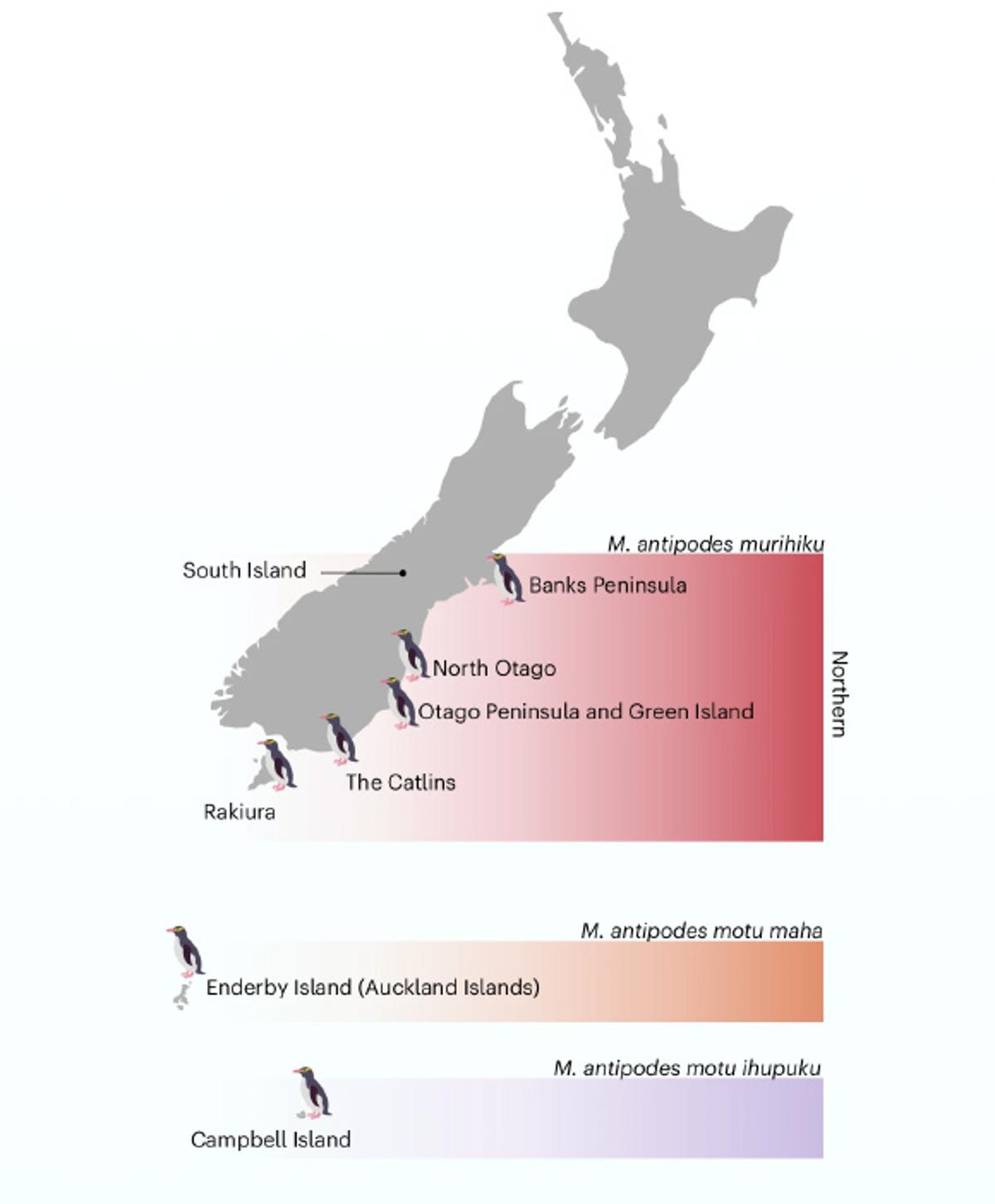
Rare New Zealand Penguins Are Three Distinct Subspecies, New Study Shows
A new genomic analysis of New Zealand’s endangered yellow‑eyed penguin shows three deeply divergent lineages, prompting formal recognition as separate subspecies. Researchers sequenced 249 whole genomes from mainland, Enderby and Campbell islands, finding virtually no interbreeding and pinpointing immune‑related genes...
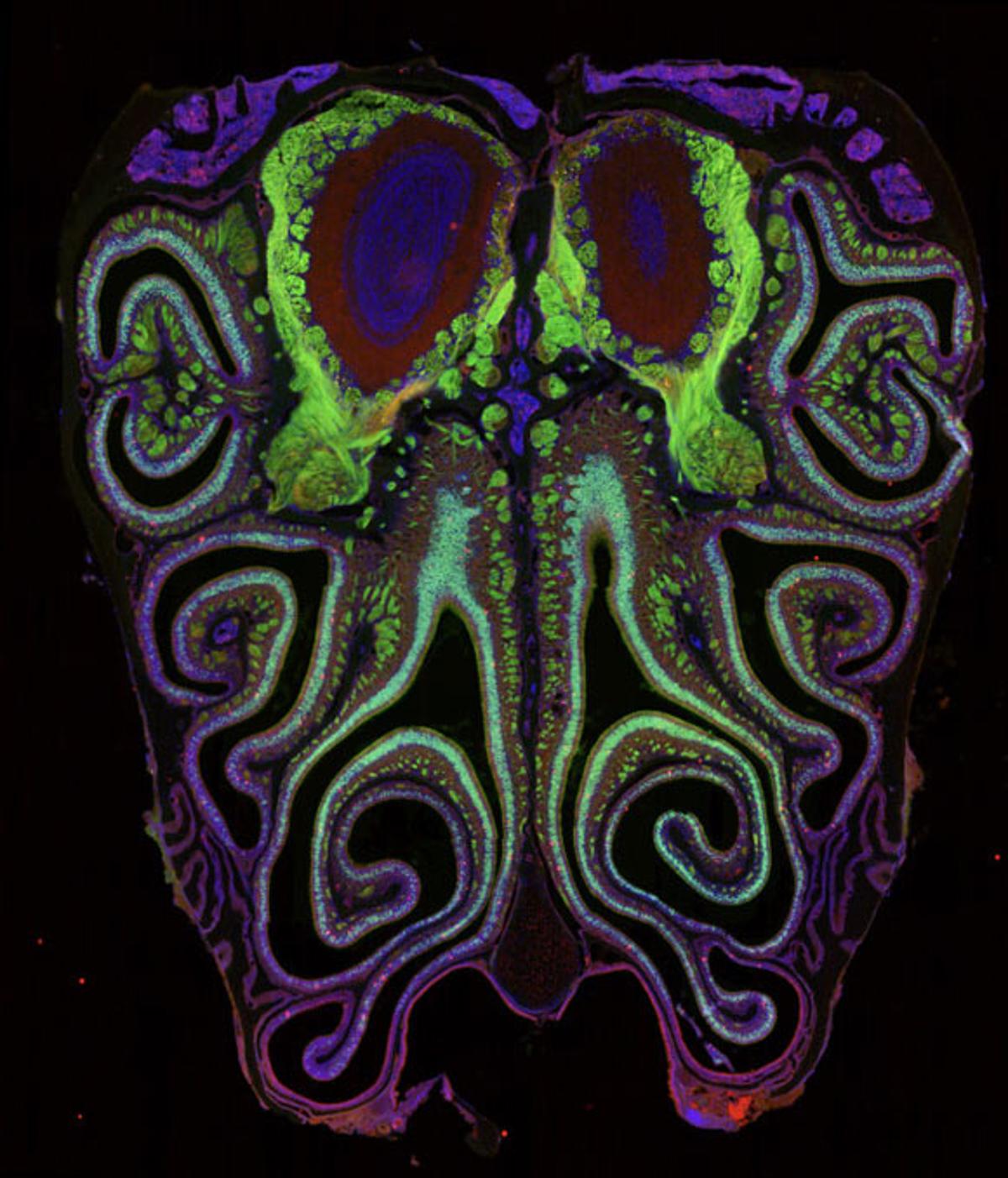
Researchers Create Detailed Map of Smell Receptors in Mouse Nose
Harvard researchers mapped 5.5 million olfactory neurons from over 300 mice, revealing that smell‑receptor neurons are arranged in precise horizontal stripes from the top to the bottom of the nose. This spatial organization mirrors analogous odor maps in the olfactory bulb,...
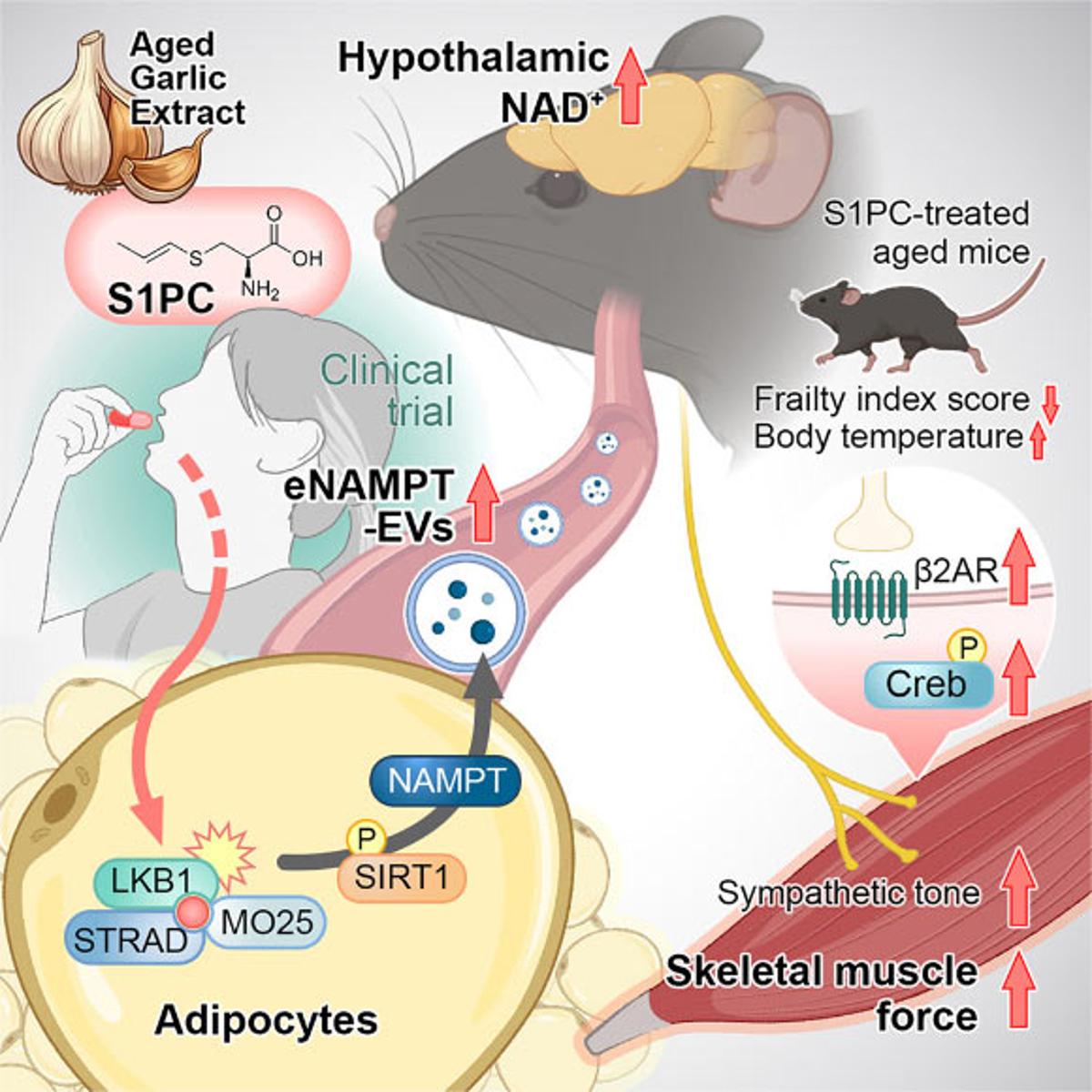
Garlic Compound May Hold Clue to Slowing Muscle Aging
Japanese researchers identified S‑1‑propenyl‑L‑cysteine (S1PC), a compound in aged garlic extract, as a potent activator of the LKB1 enzyme that boosts eNAMPT secretion and NAD+ production. In aged mice, long‑term S1PC supplementation lowered frailty scores, increased muscle force, and restored...
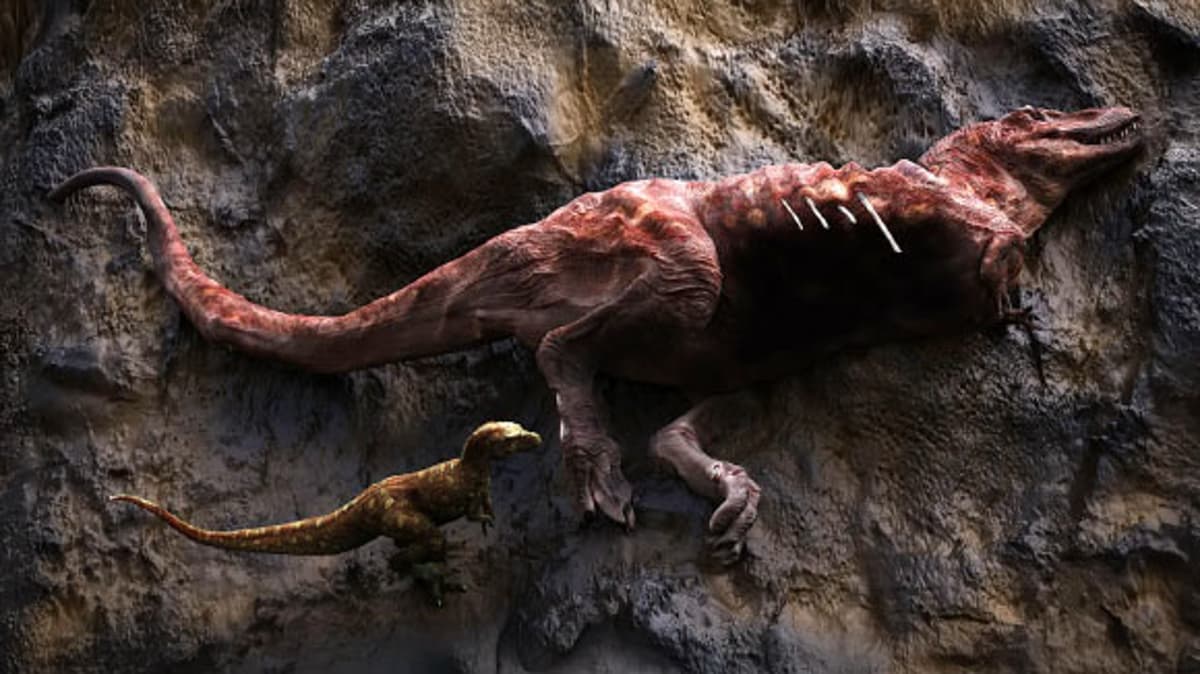
Ancient Bite Marks Suggest Tyrannosaurs Were Not Just Hunters
A team from Aarhus University used 3‑D scanning to document 16 bite marks on a 75‑million‑year‑old tyrannosaur metatarsal. The marks, made by a smaller tyrannosaur, show that the larger animal was scavenged after death rather than killed outright. The research,...