
Juno Snaps Rare Close-Up of Jupiter’s Shadowy Moon Thebe
NASA’s Juno spacecraft captured a record‑close view of Jupiter’s inner moon Thebe on May 1, 2026, imaging the irregular satellite from roughly 5,000 km away. Thebe, a 49‑km‑radius body orbiting 222,000 km from Jupiter, is heavily cratered and the primary source of dust for the planet’s faint gossamer ring. The image was taken with Juno’s Stellar Reference Unit, a navigation camera repurposed for low‑light science. The flyby provides the sharpest surface detail since Voyager 1’s 1979 encounter, revealing features such as the prominent Zethus crater and surface albedo variations.
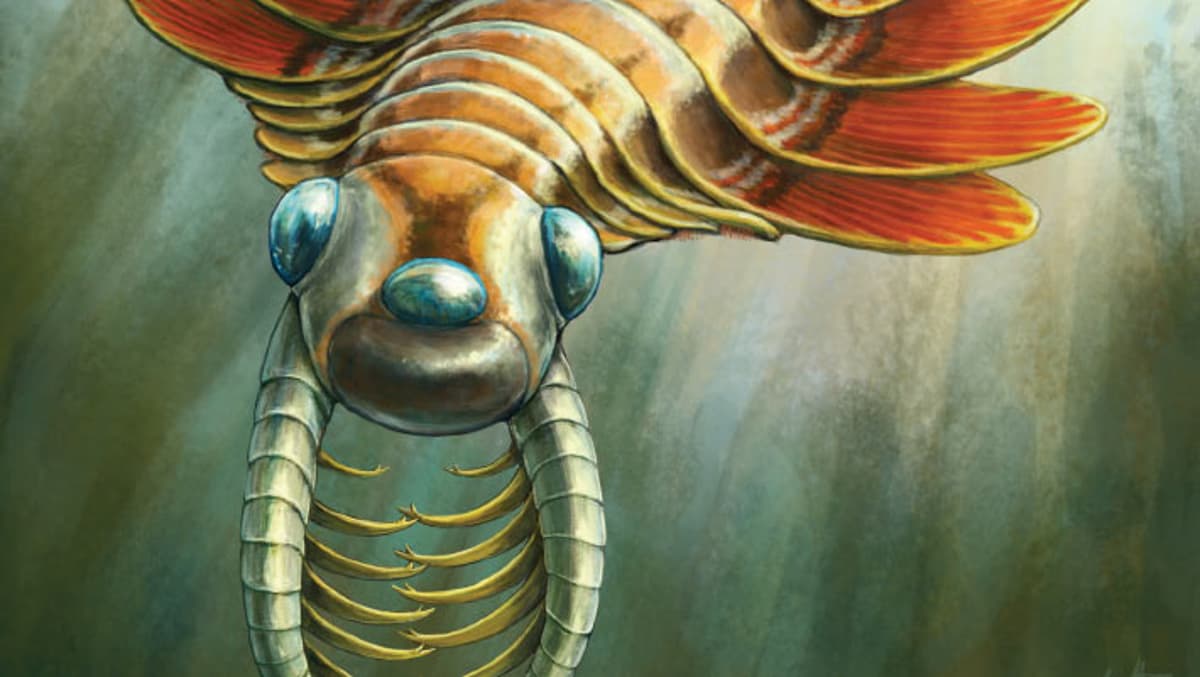
Rethinking the Cambrian Explosion: Before Shells and Limbs, There Was the Brain
A new "Brain‑First" hypothesis argues that the Cambrian Explosion was driven primarily by the early evolution of complex nervous systems rather than shells or limbs. Professor Ariel Chipman suggests that rising ecological competition forced animals to develop regionalized brains, which...
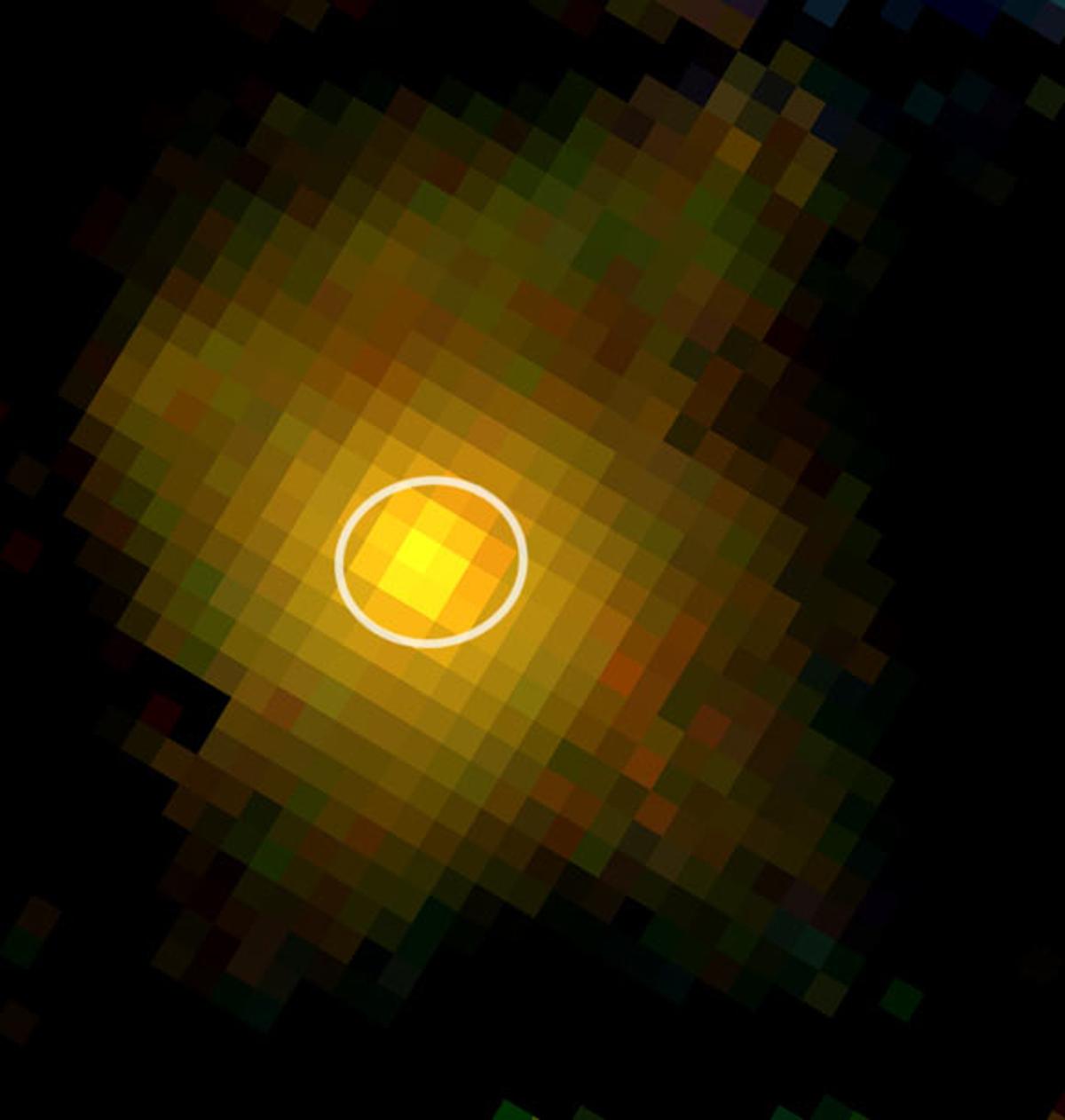
Webb Discovers Slow-Rotating Galaxy in Early Universe
Astronomers using the James Webb Space Telescope have identified XMM‑VID1‑2075, a massive galaxy at redshift 3.449 (≈12 billion years ago), as a slow rotator with little ordered spin. The galaxy, observed by the MAGAZ3NE survey, contains several times the Milky Way’s stellar mass...
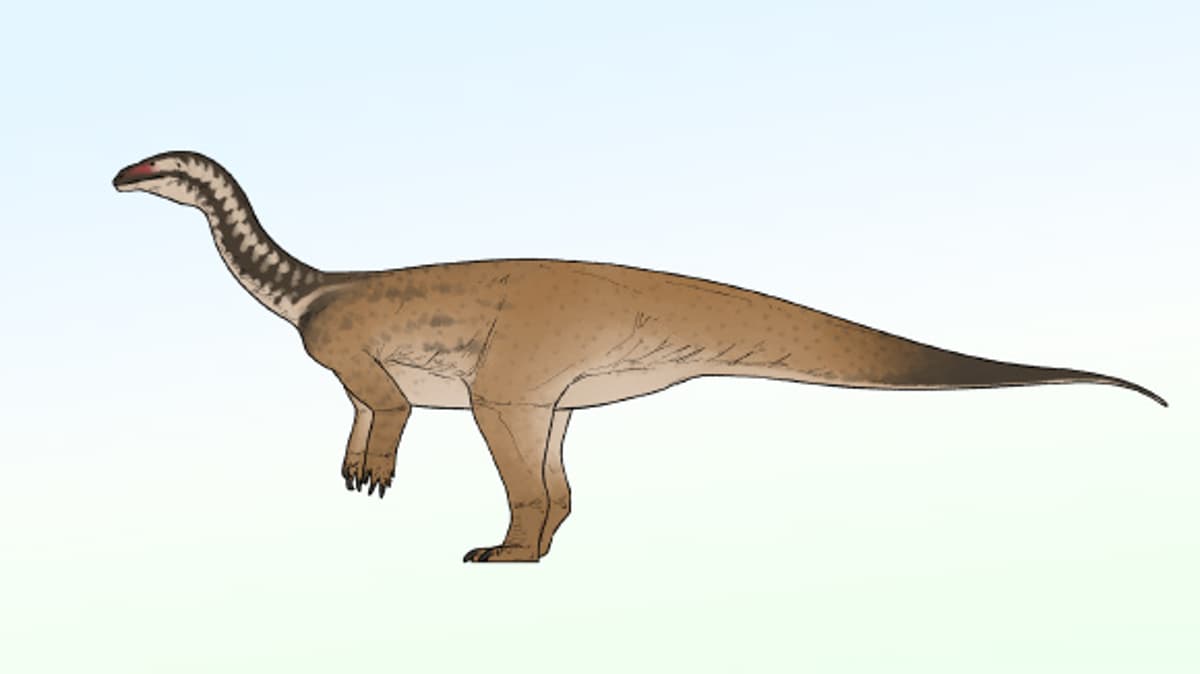
Early Sauropodomorph Dinosaur Unearthed in China
A new genus and species, *Xiangyunloong fengming*, has been described from a partial skeleton uncovered in Yunnan’s Fengjiahe Formation, dating to about 190 million years ago in the Early Jurassic. Measuring roughly 9–10 meters, it ranks among the largest early‑diverging sauropodomorphs known...
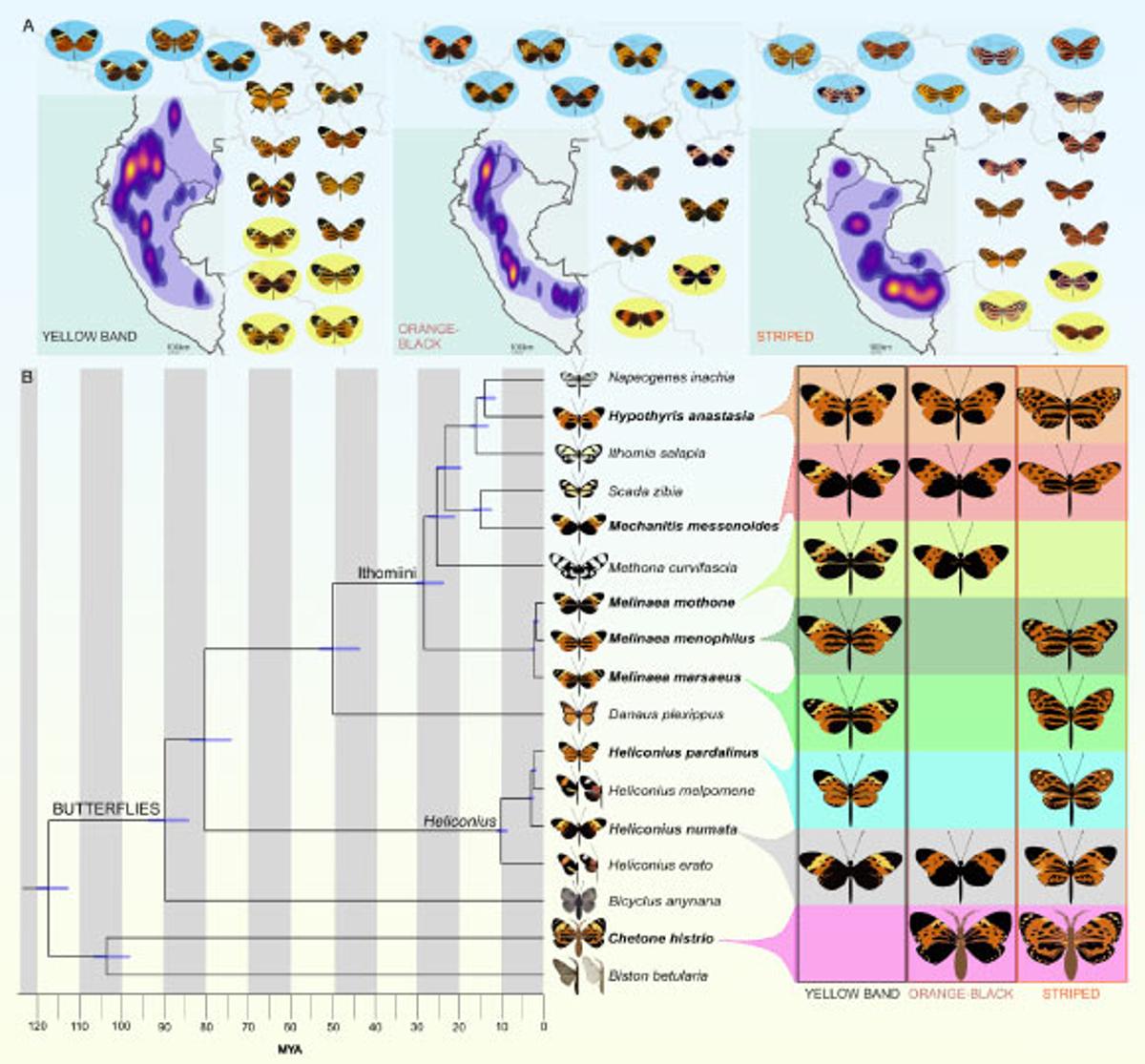
Study: Butterflies and Moths Have Reused Same Genetic Toolkit for 120 Million Years
A new study of South American butterflies and a day‑flying moth shows that unrelated species have repeatedly used the same two genes, ivory and optix, to produce nearly identical warning color patterns. The genetic changes occur in regulatory switches, including...
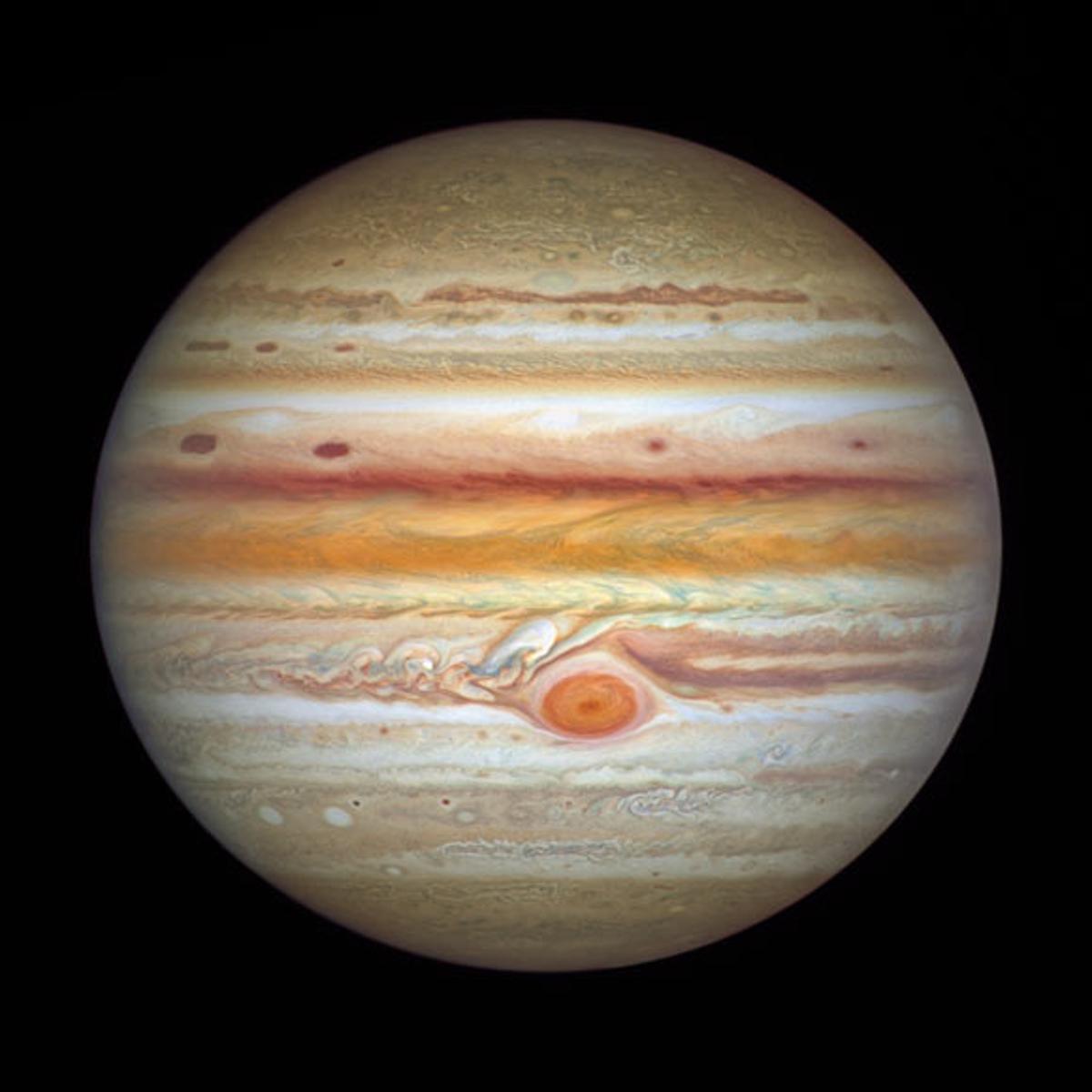
Jupiter Is Little Smaller Than We Thought
Planetary scientists using NASA's Juno spacecraft have produced the most precise measurements of Jupiter’s dimensions in half a century, revealing the gas giant is slightly smaller and flatter than previously thought. By analyzing 26 radio‑occultation signals, they determined the polar...
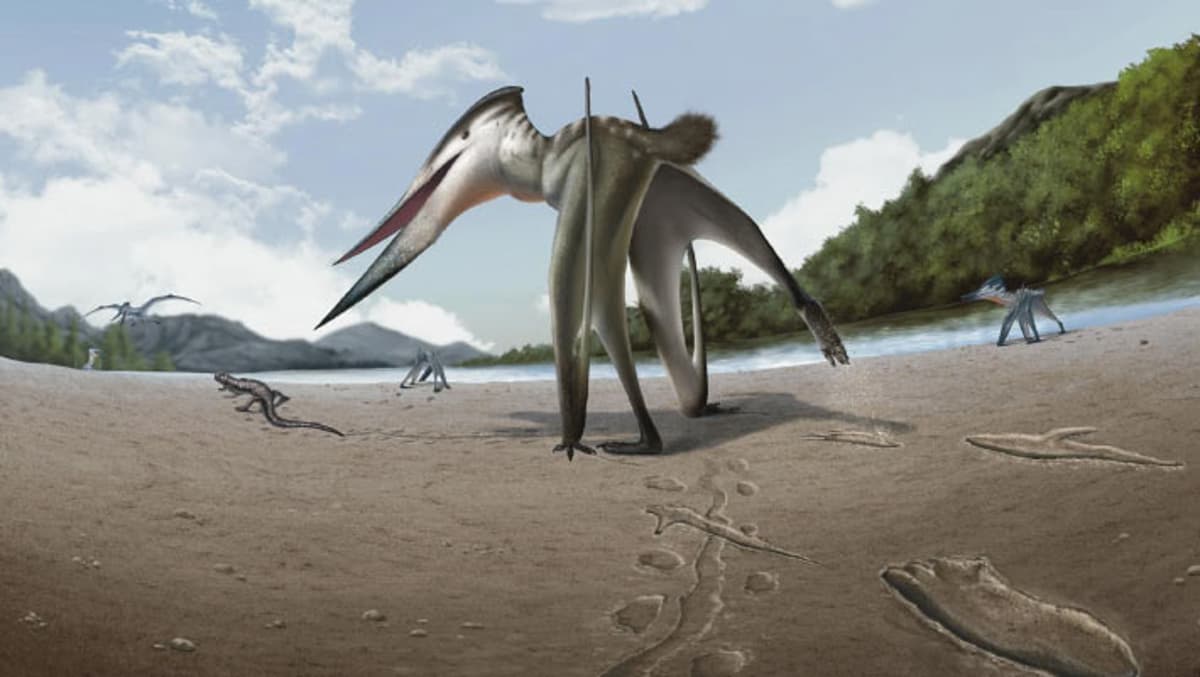
106-Million-Year-Old Pterosaur Footprints Discovered in Korea
Researchers have described a new pterosaur ichnogenus, Jinjuichnus procerus, from 106‑million‑year‑old footprints in South Korea's Jinju Formation. The large, asymmetrical tracks indicate a neoazhdarchian pterosaur moving at roughly 0.8 m sec⁻¹, a speed comparable to modern wading birds. Adjacent small‑vertebrate tracks suggest...
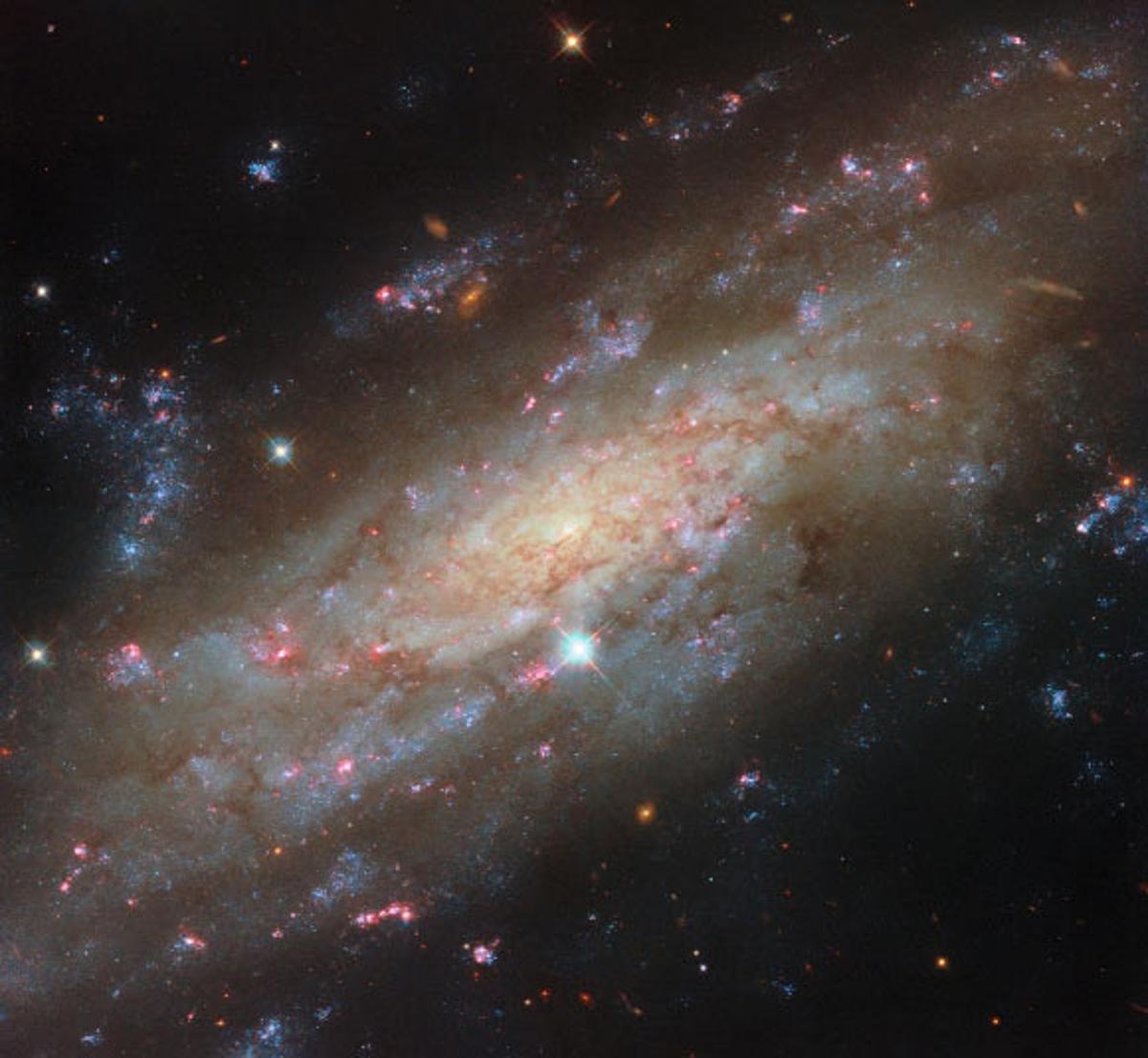
Hubble Captures Spiral Galaxy Packed with Brilliant Star Clusters: NGC 3137
Astronomers using the Hubble Space Telescope captured a vivid image of spiral galaxy NGC 3137, located 53 million light‑years away in Antlia. The galaxy spans roughly 140,000 light‑years and harbors a central black hole about 60 million times the Sun’s mass. The PHANGS‑HST...
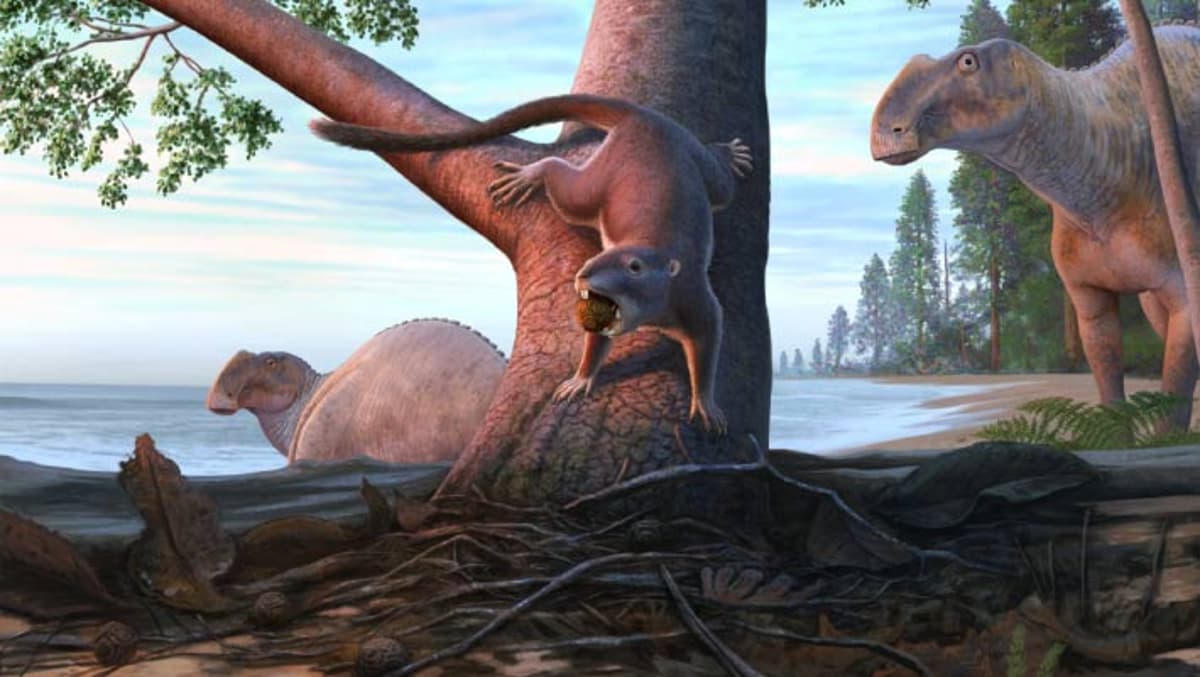
Omnivorous, Rodent-Like Mammal Lived in Dinosaurs’ Shadow on Pacific Coast
Paleontologists have named a new multituberculate species, *Cimolodon desosai*, from a richly preserved fossil discovered in Baja California’s El Gallo Formation. Dating to about 75 million years ago, the hamster‑sized mammal weighed roughly 100 g and likely foraged for fruits and insects on...
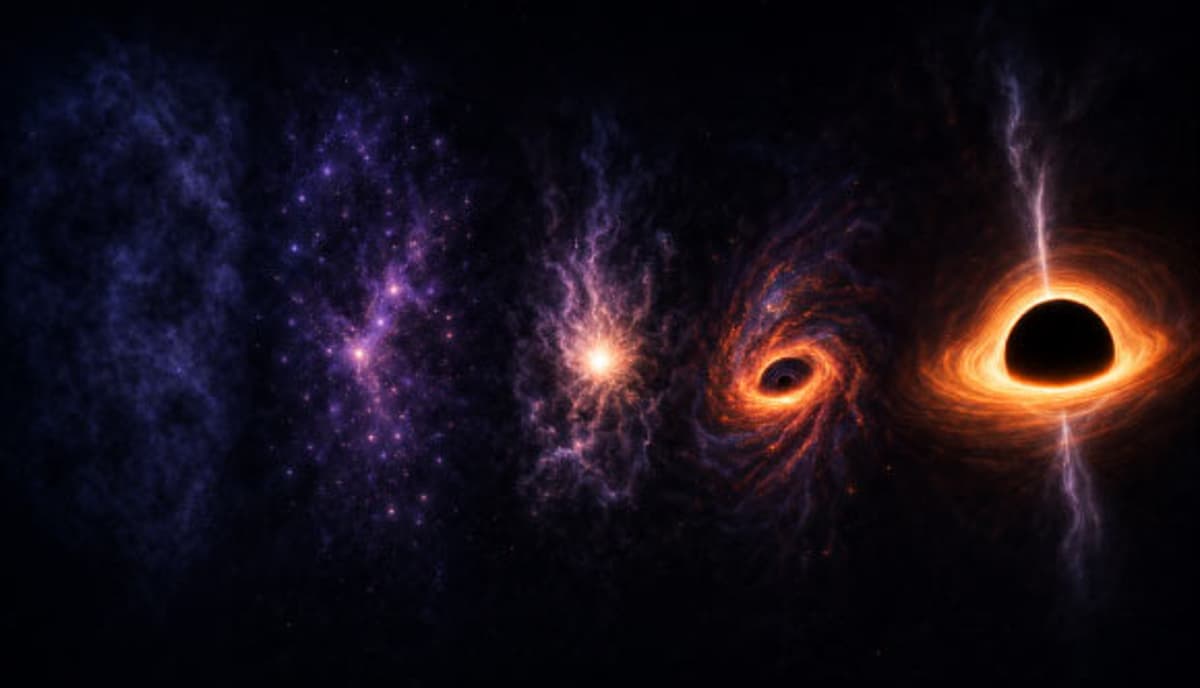
Dark Matter May Have Jump-Started Universe’s First Giant Black Holes
Astronomers from UC Riverside, Sam Houston State and the University of Oklahoma propose that decaying dark matter could have supplied a tiny energy injection to pristine hydrogen clouds in the early universe, prompting them to collapse directly into massive black...
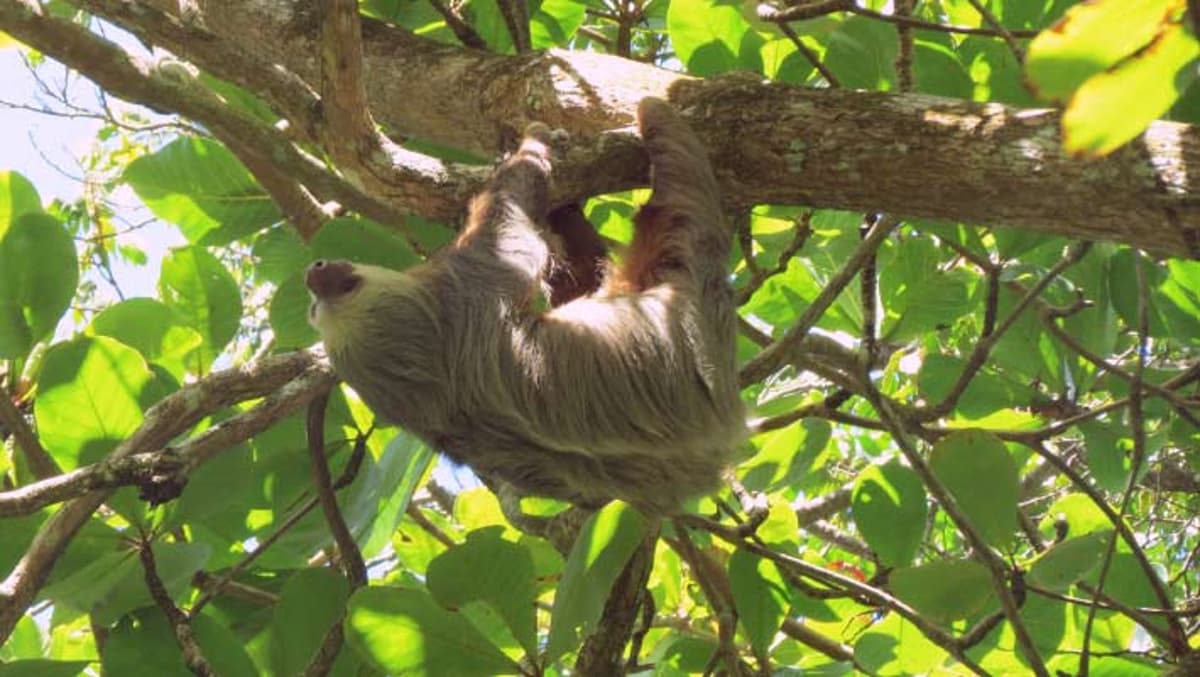
Two-Toed Sloths May Be Three Distinct Species, New Research Suggests
A new genome‑wide study of Amazonian two‑toed sloths shows that the traditionally recognized species *Choloepus hoffmanni* is genetically fragmented and does not form a single cohesive lineage. Researchers identified at least three deeply divergent genetic lineages, some of which are...
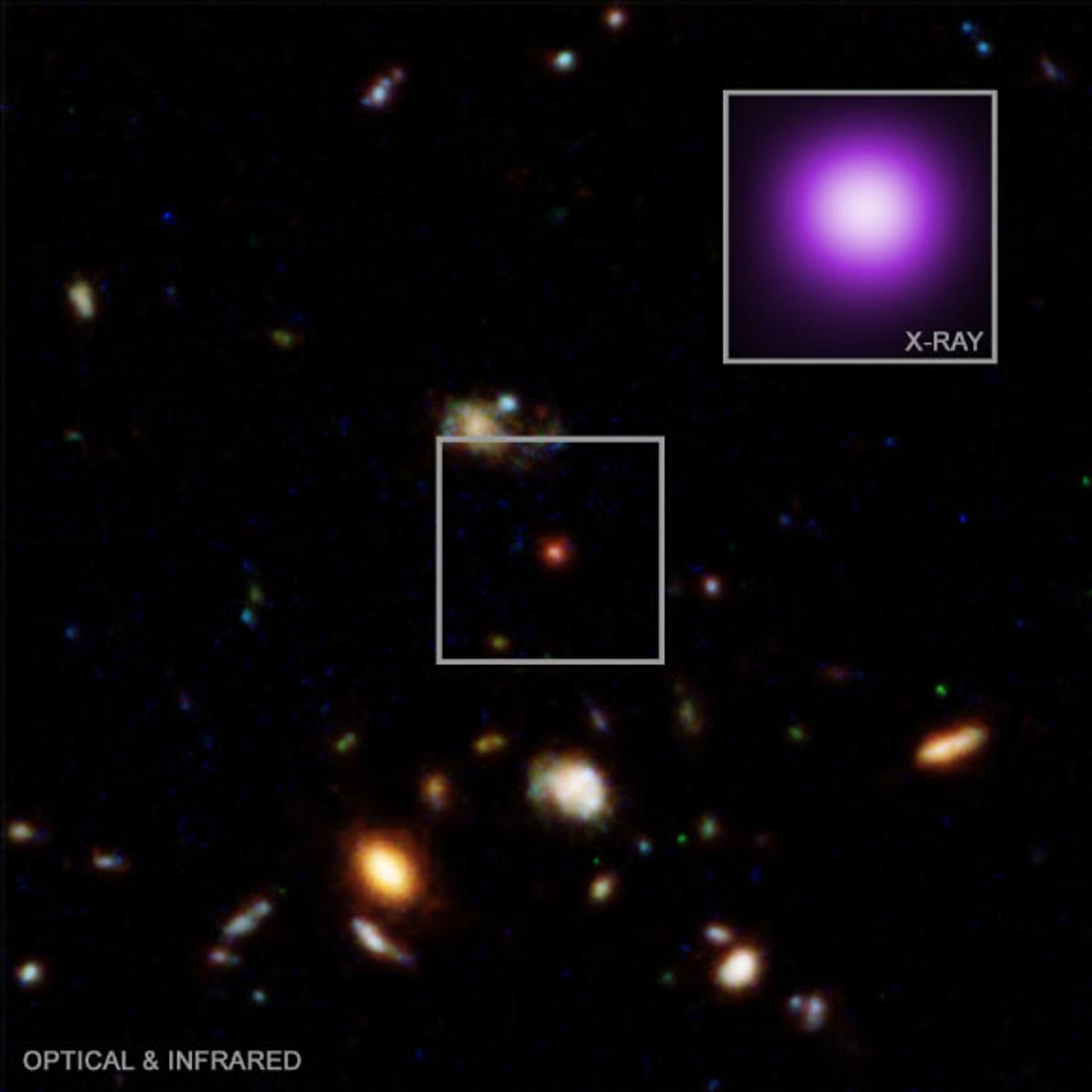
Newly-Discovered ‘X-Ray Dot’ Object May Reveal What Mysterious ‘Little Red Dots’ Really Are
Astronomers using NASA's Chandra X‑ray Observatory have identified an X‑ray‑bright object, 3DHST‑AEGIS‑12014, that shares the red optical characteristics of the mysterious “little red dots” (LRDs) but emits X‑rays, a trait previously unseen in this class. Located about 11.8 billion light‑years away,...
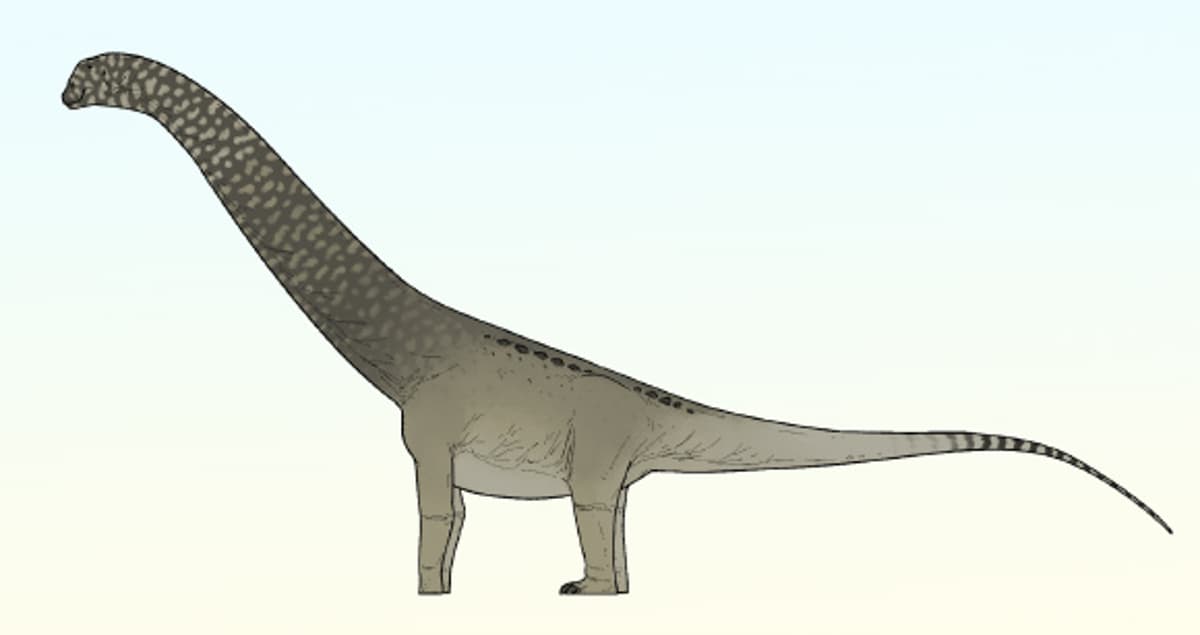
Small Titanosaur Species From Morocco Reveals Surprising South American Ties
Paleontologists led by Dr. Nick Longrich have described a new titanosaur, Phosphatotitan khouribgaensis, from Maastrichtian deposits in Morocco. Although modest in size—estimated at 3.5‑4 tons—the species shares distinctive vertebral traits with South American Lognkosauria, linking North Africa to those giant sauropods....
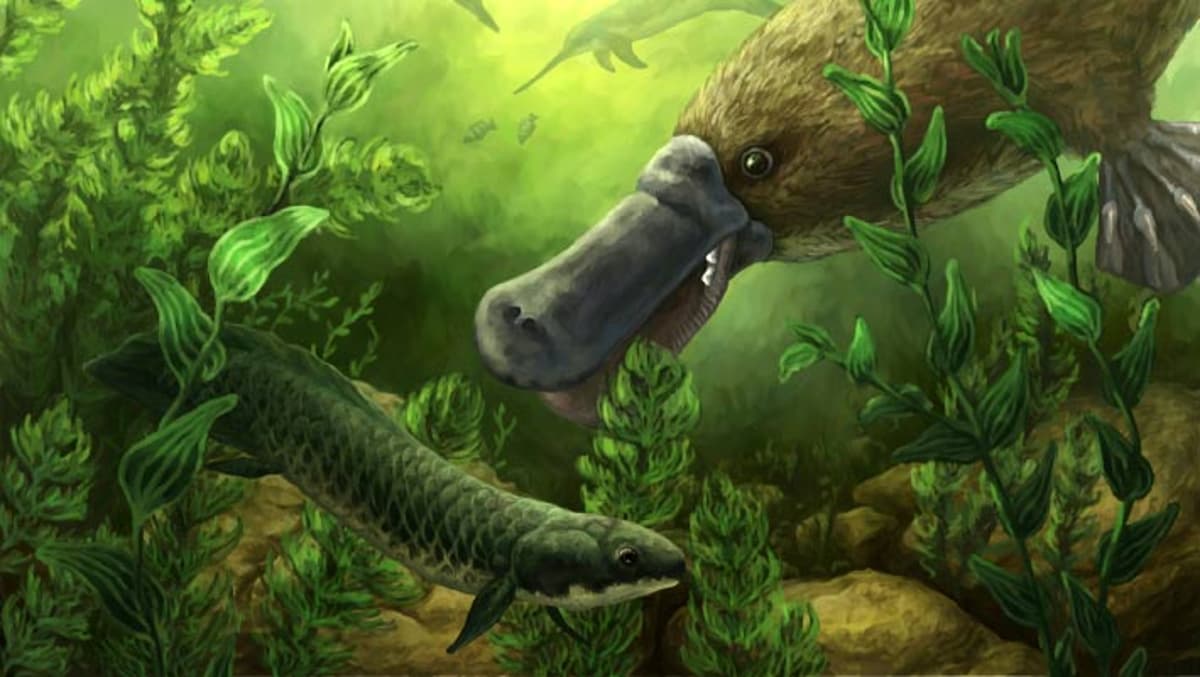
Early Platypuses Had Strong Teeth and Powerful Jaws, Fossils Show
New fossils from South Australia’s Namba Formation reveal that the Late Oligocene platypus ancestor Obdurodon insignis, which lived 25 million years ago, possessed well‑formed teeth and a powerful bite. The discovery includes the first premolar and a partial scapulocoracoid, confirming a...
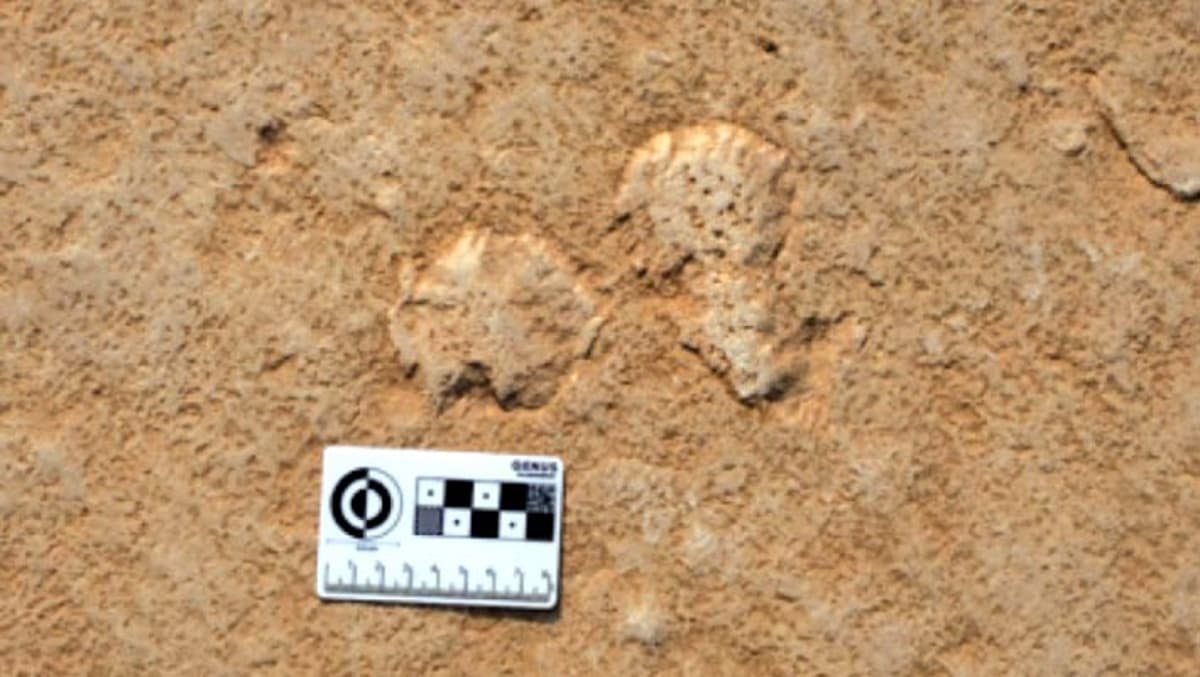
Why Geologists Love Pond Scum
Geologists attribute detailed knowledge of Cambrian tidal flats to microbial mats that bound sand particles into cohesive layers. At Wisconsin’s Blackberry Hill, these mats preserved delicate trace fossils—including jellyfish imprints, mollusk grazing trails, and early arthropod trackways—providing a window into...

Infrasound Can Subtly Raise Stress and Discomfort, New Study Finds
A new study published in Frontiers in Behavioral Neuroscience shows that exposure to infrasound—sound below 20 Hz—elevates salivary cortisol and heightens irritability, even when listeners cannot consciously hear it. Researchers recruited 36 participants who listened to music while hidden sub‑woofers emitted...
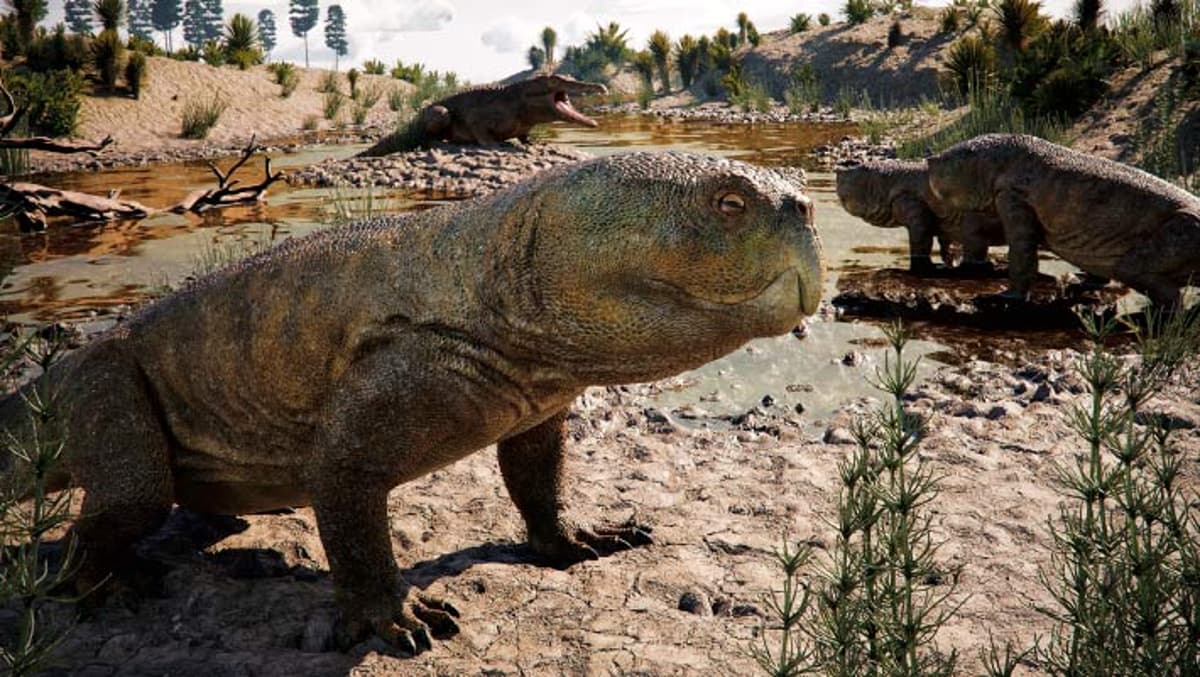
New Fossil From Brazil Reveals Unexpected Diversity Among Pre-Dinosaur Herbivores
Paleontologists in Brazil have described a new rhynchosaur genus and species, Isodapedon varzealis, from a 230‑million‑year‑old Carnian fossil site. The skull shows symmetrical tooth‑bearing areas and a unique lower‑jaw shape, indicating a feeding strategy unlike other hyperodapedontines. Phylogenetic analysis places...

Study: Malaria Shaped Human Settlement Patterns for Over 74,000 Years
A new study by Max‑Planck Institute and Cambridge researchers shows that malaria drove early humans to avoid high‑risk areas across sub‑Saharan Africa for the past 74,000 years. By integrating mosquito species distribution models with paleoclimate data, the team mapped malaria transmission...
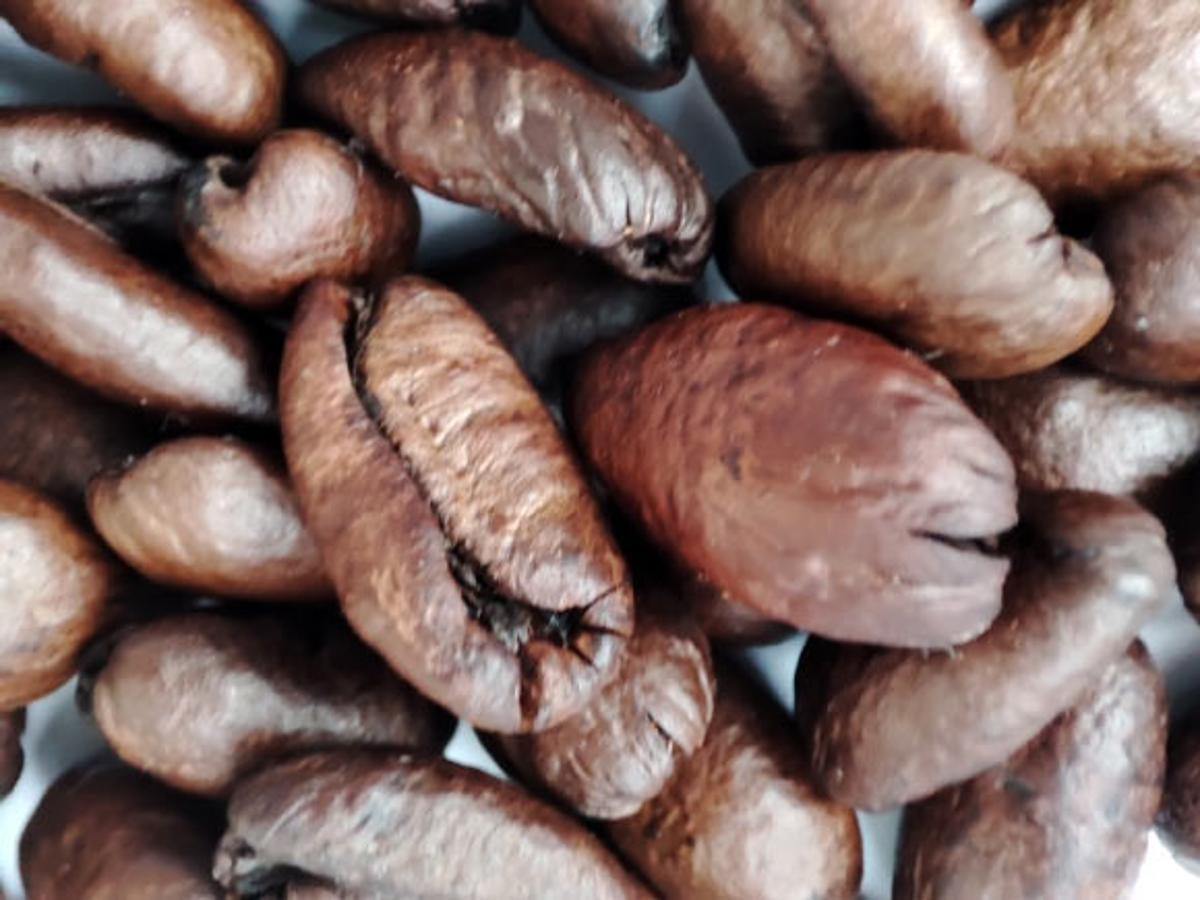
New Study Links Coffee Intake to Microbiome Changes and Improved Mental Well-Being
A University College Cork study published in Nature Communications shows that both caffeinated and decaffeinated coffee alter the gut microbiome in ways that improve mental well‑being. Researchers tracked 31 regular coffee drinkers and 31 non‑drinkers through a two‑week abstinence, then...
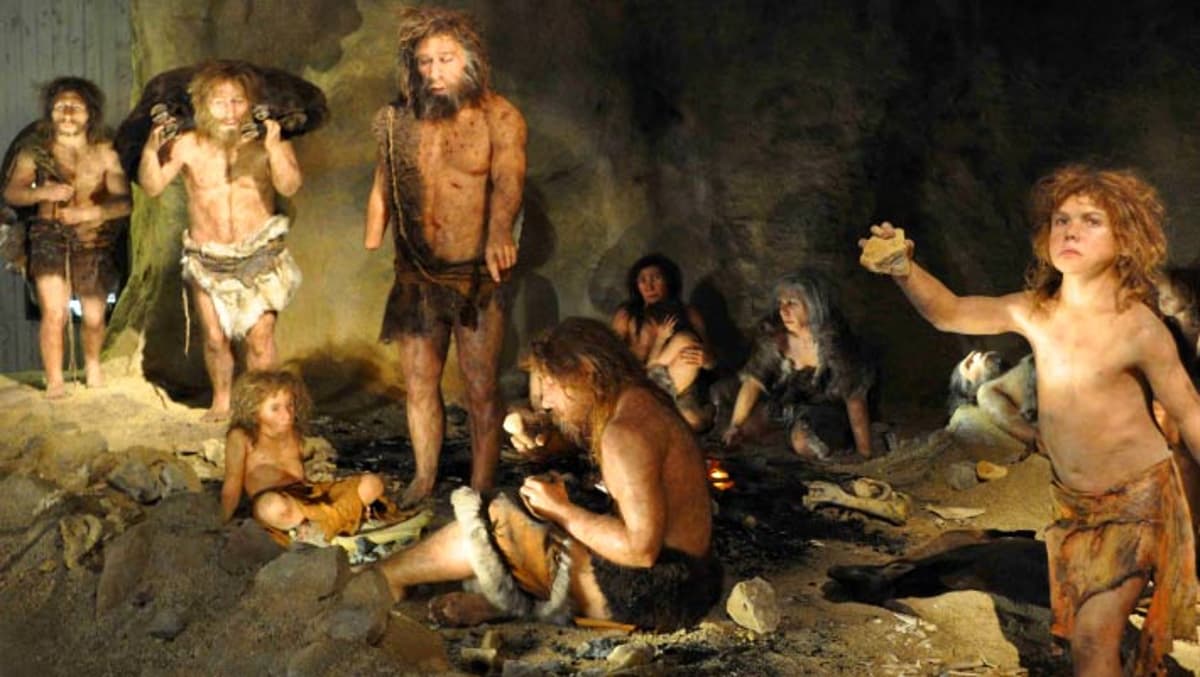
Scientists Reconstruct One of Oldest Known Neanderthal Communities
Scientists extracted mitochondrial DNA from eight fossils in Poland's Stajnia Cave, confirming a community of at least seven Neanderthals who lived roughly 100,000 years ago. Three of the specimens share identical mtDNA, suggesting close maternal relationships. The genetic profile matches...
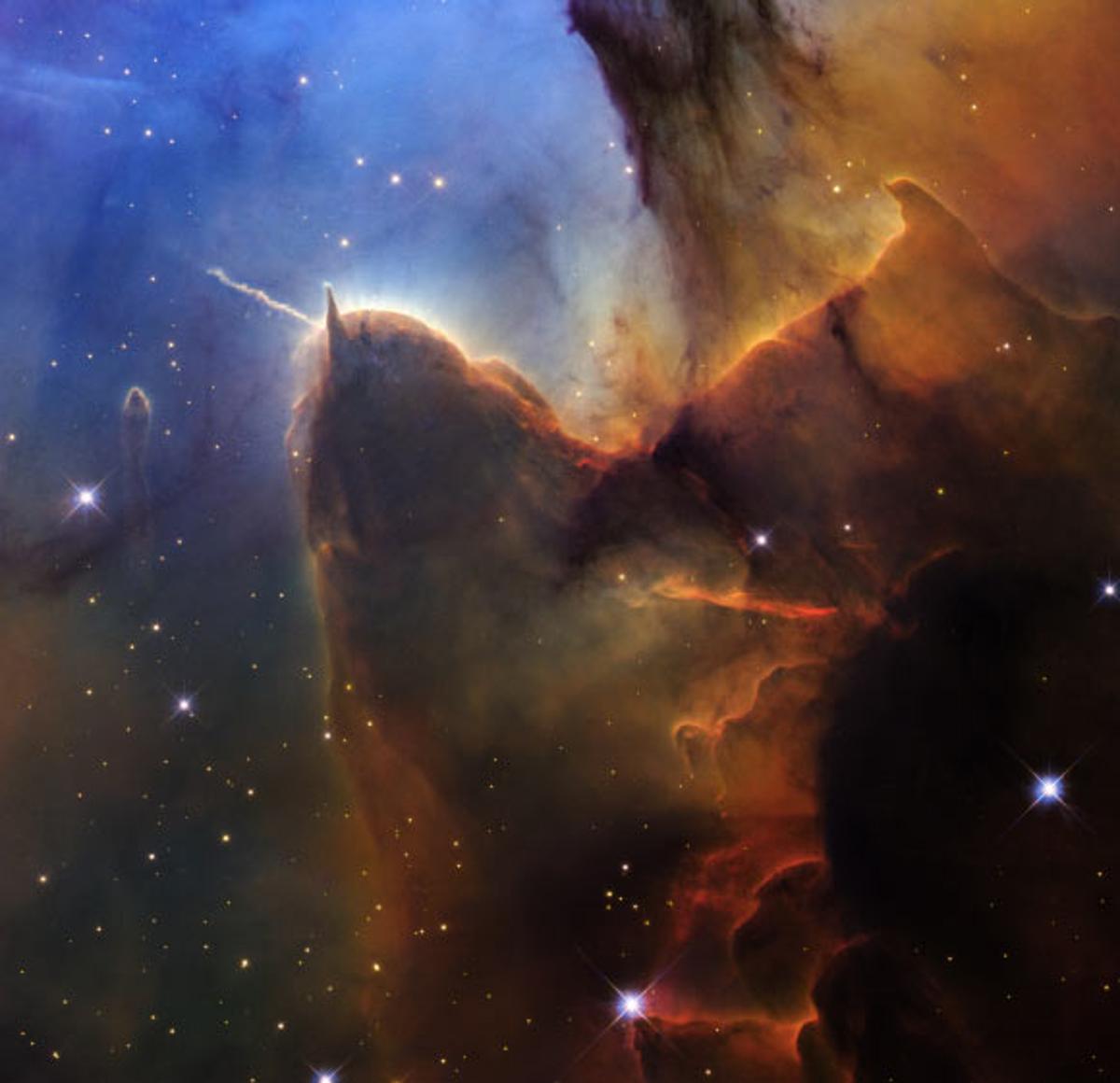
Hubble’s 36th Birthday Image Shows Trifid Nebula
To mark its 36th anniversary, the Hubble Space Telescope released a new image of the Trifid Nebula, comparing observations from 1997 with those taken 29 years later. The upgraded camera captured finer detail and revealed rapid changes in gas, dust,...
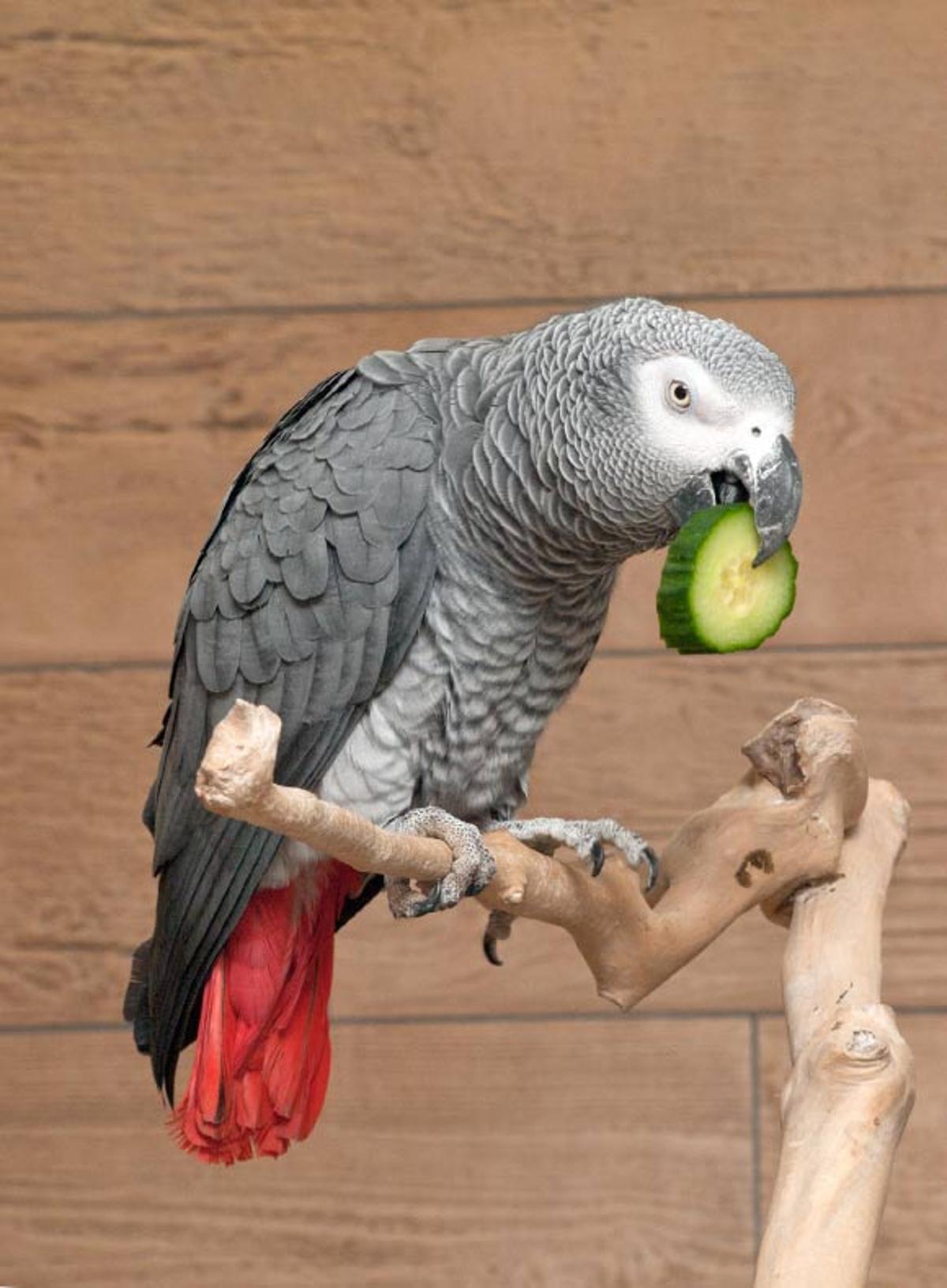
Study: Parrots Use Names in Flexible, Sometimes Human-Like Ways
Researchers from four universities examined data from 889 companion parrots in the ManyParrots project, uncovering evidence that these birds can assign and use proper names. Of 413 audio clips submitted, 88 demonstrated parrots labeling specific people or animals, and many...
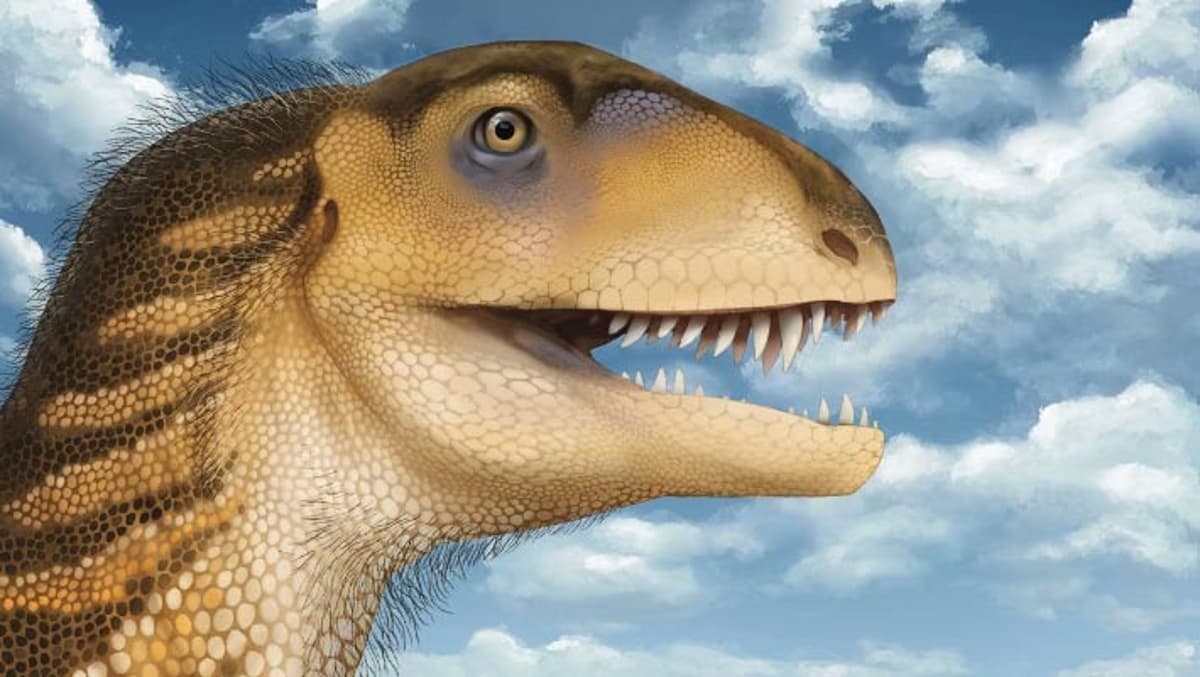
New Triassic Dinosaur Species Identified in New Mexico
Paleontologists have described a new genus and species of herrerasaurian dinosaur, Ptychotherates bucculentus, from a well‑preserved 22 cm skull uncovered in New Mexico’s Coelophysis Quarry. The specimen dates to about 201 million years ago, placing it in the Rhaetian stage of the latest...
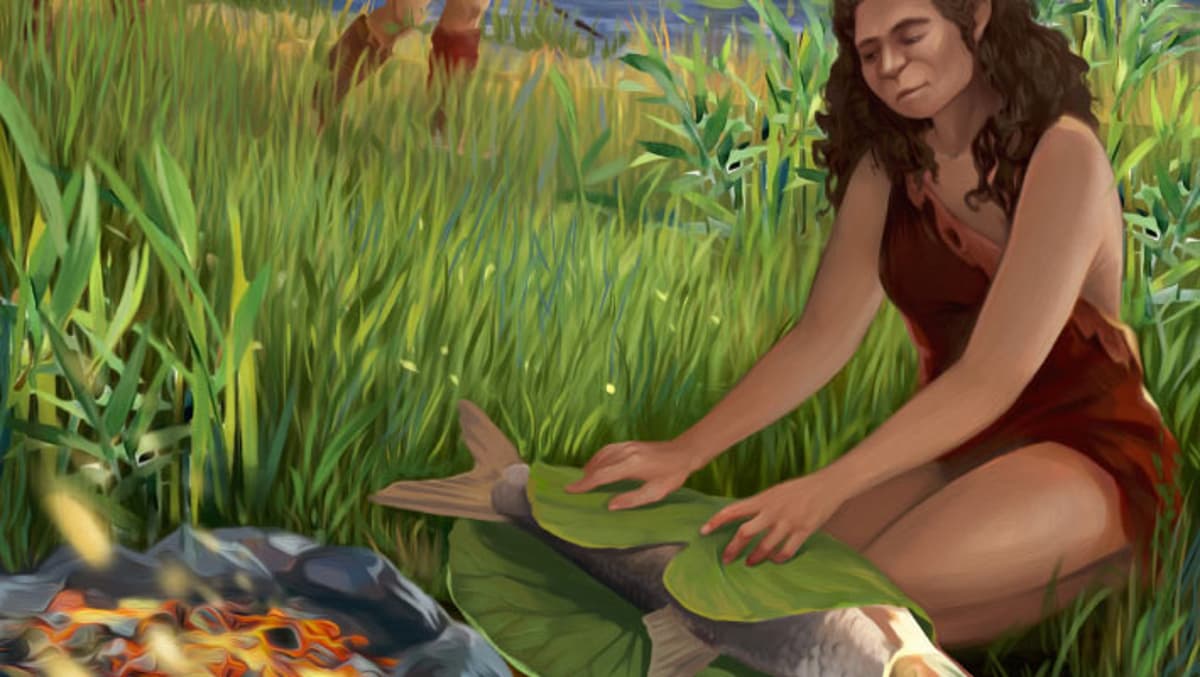
780,000-Year-Old Charcoal Reveals How Early Humans Mastered Fire
Archaeologists analyzing 780,000‑year‑old charcoal from Israel’s Gesher Benot Ya’aqov site discovered that early hominins relied on driftwood gathered along a lakeshore for fire. Microscopic examination of 266 fragments revealed a diverse mix of species, including ash, willow, olive and the...
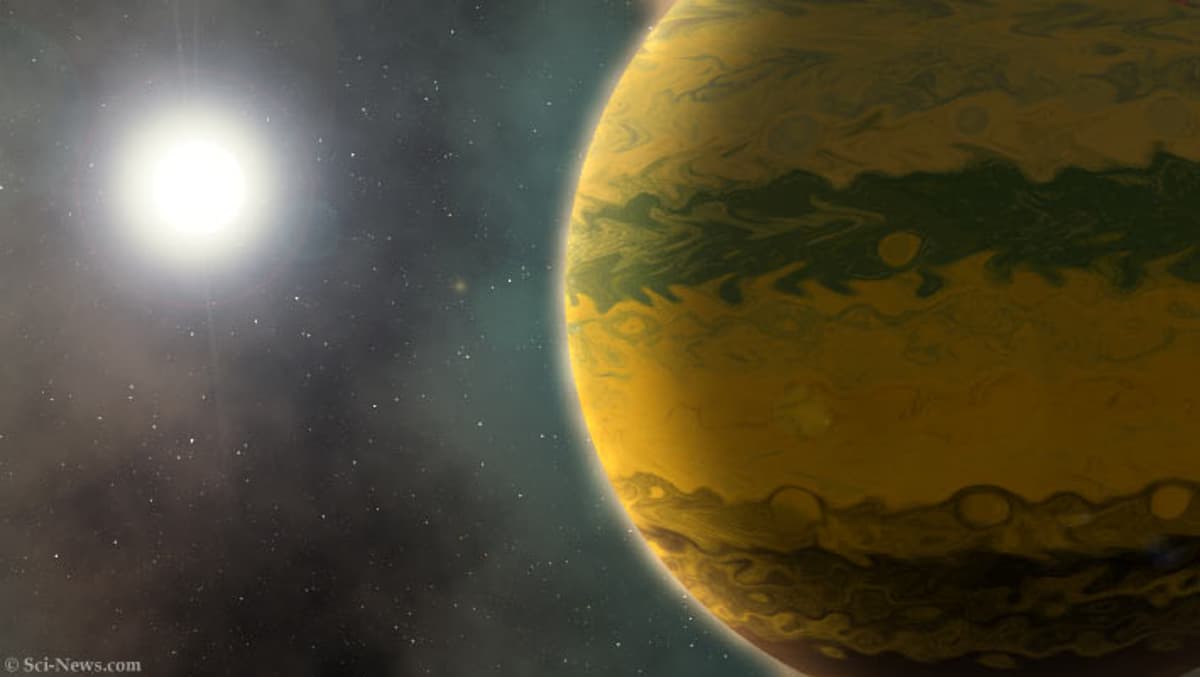
Astronomers Observe Shape-Shifting Planetary System: TOI-201
Astronomers have mapped the TOI-201 system, a bright F‑type star 372 light‑years away that hosts a 1.4 Earth‑radius super‑Earth (TOI‑201d), a warm‑Jupiter (TOI‑201b) on a 53‑day orbit, and a massive brown dwarf (TOI‑201c) on an 8‑year highly elliptical path. The brown...
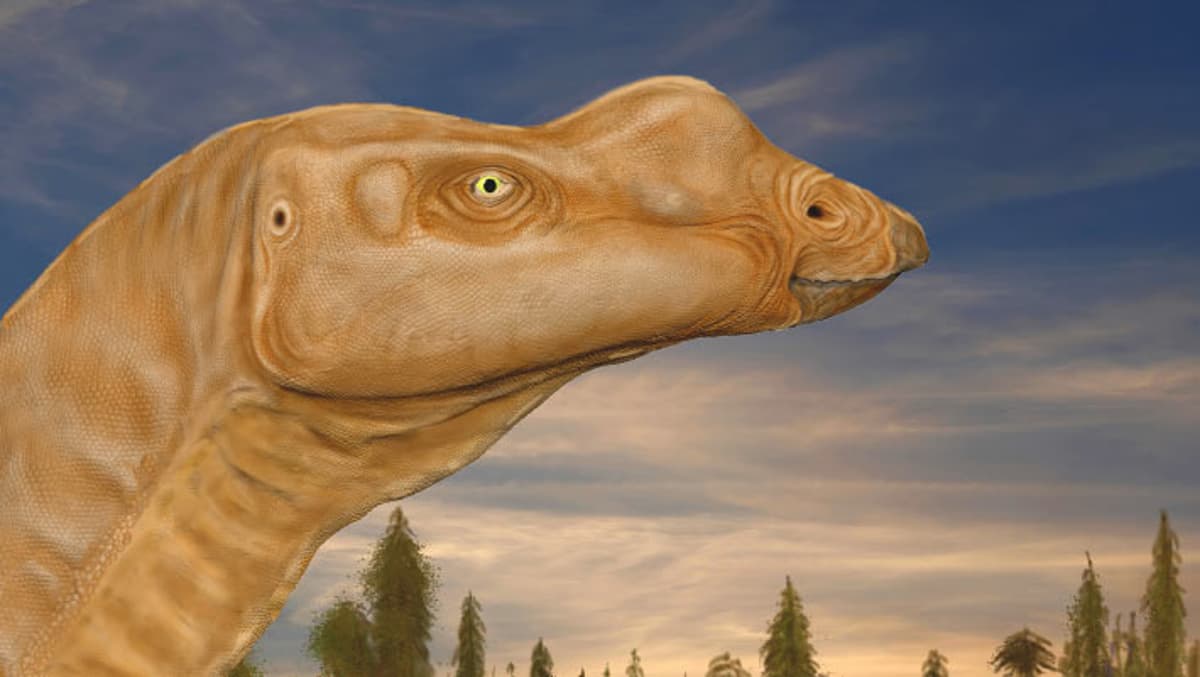
Big-Nosed Herbivorous Dinosaur May Have Been Picky Eater
New research by University of New England paleontologists reveals that the mid‑Cretaceous Australian ornithopod *Muttaburrasaurus langdoni* possessed teeth at the tip of its beak, indicating a more selective diet that may have included seeds, leaves, and possibly small animals. CT...
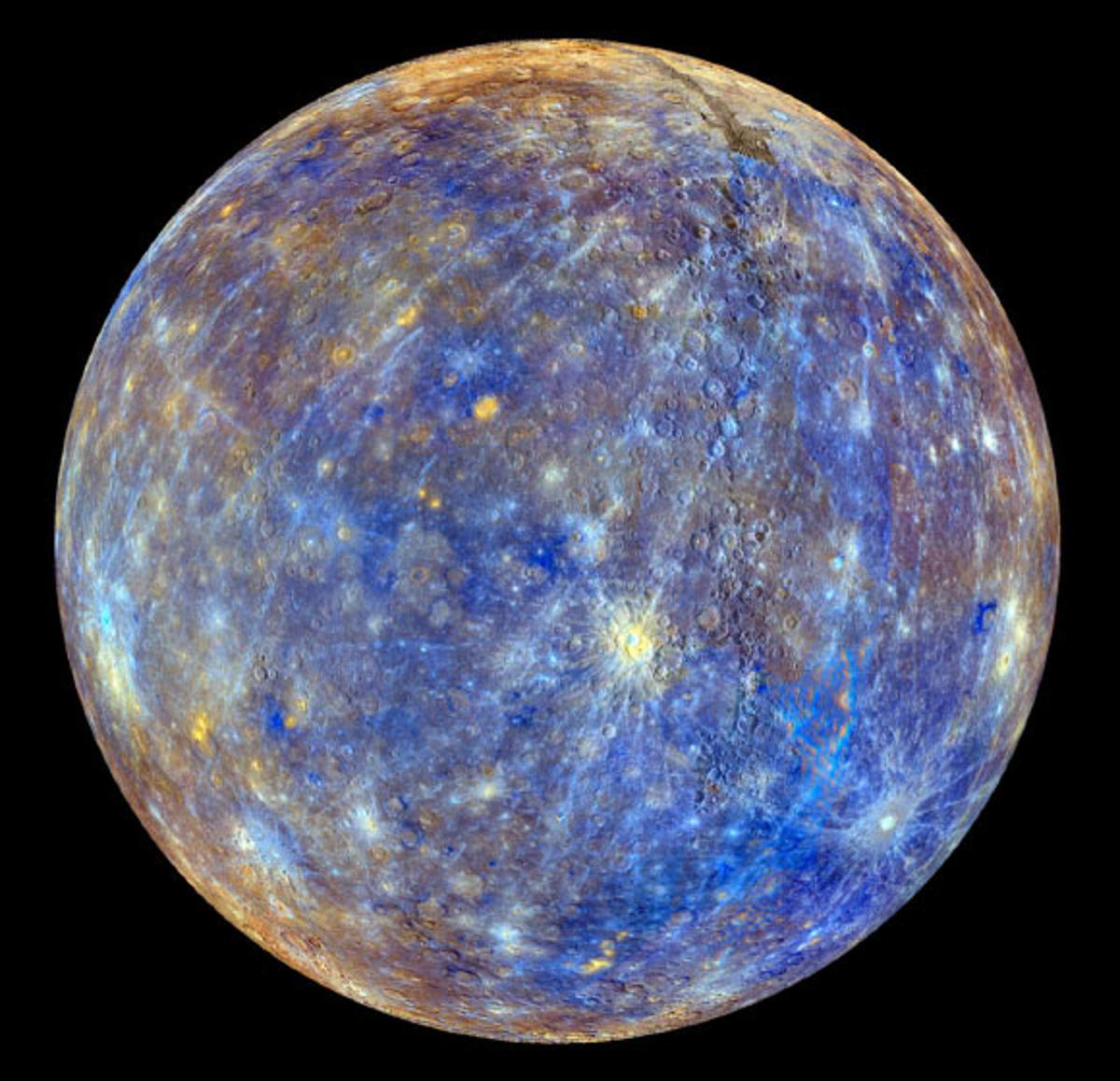
Mercury’s Sulfur-Rich Magma May Rewrite How Solar System’s Innermost Planet Formed
Researchers at Rice University have shown that sulfur can keep Mercury’s interior molten at temperatures lower than previously thought. By recreating Mercury‑like conditions in the lab using the Indarch meteorite as a compositional analog, they demonstrated that sulfur replaces oxygen...
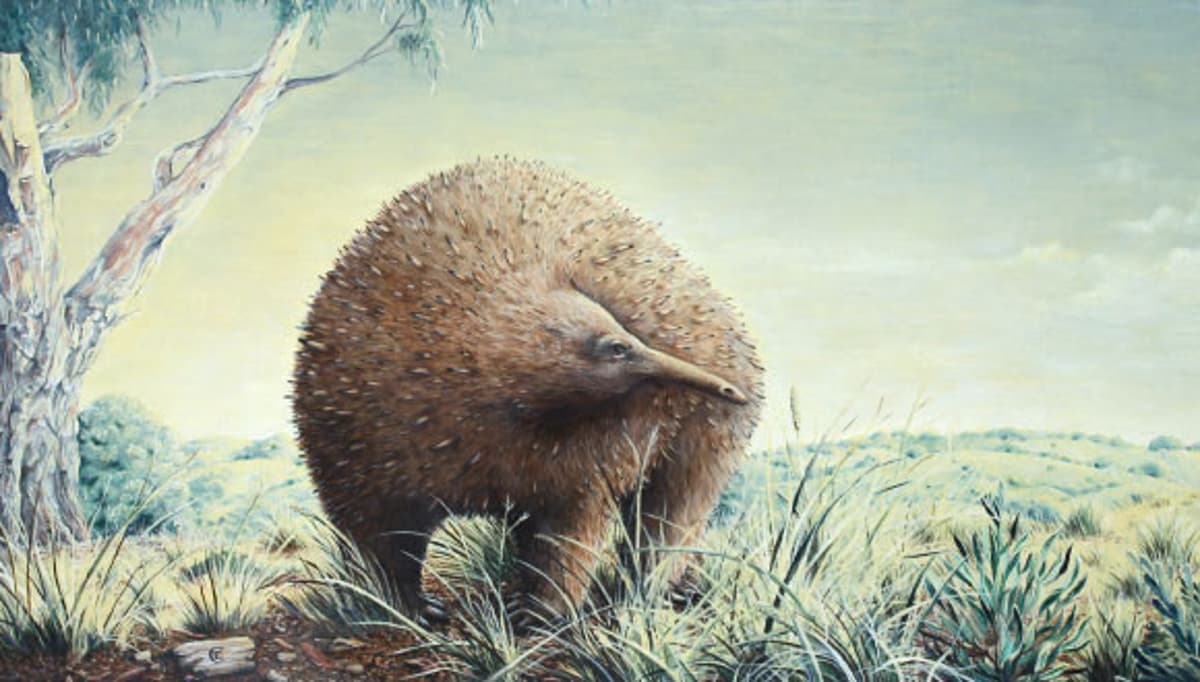
Giant Echidnas Once Roamed Australia’s Victoria, Fossil Shows
Paleontologists have identified a partial skull of the extinct Owen’s giant echidna (*Megalibgwilia owenii*) in the Buchan Caves Reserve, providing the first confirmed record of the species in Victoria. The fossil, recovered in 1907 and rediscovered in Museums Victoria’s collection...
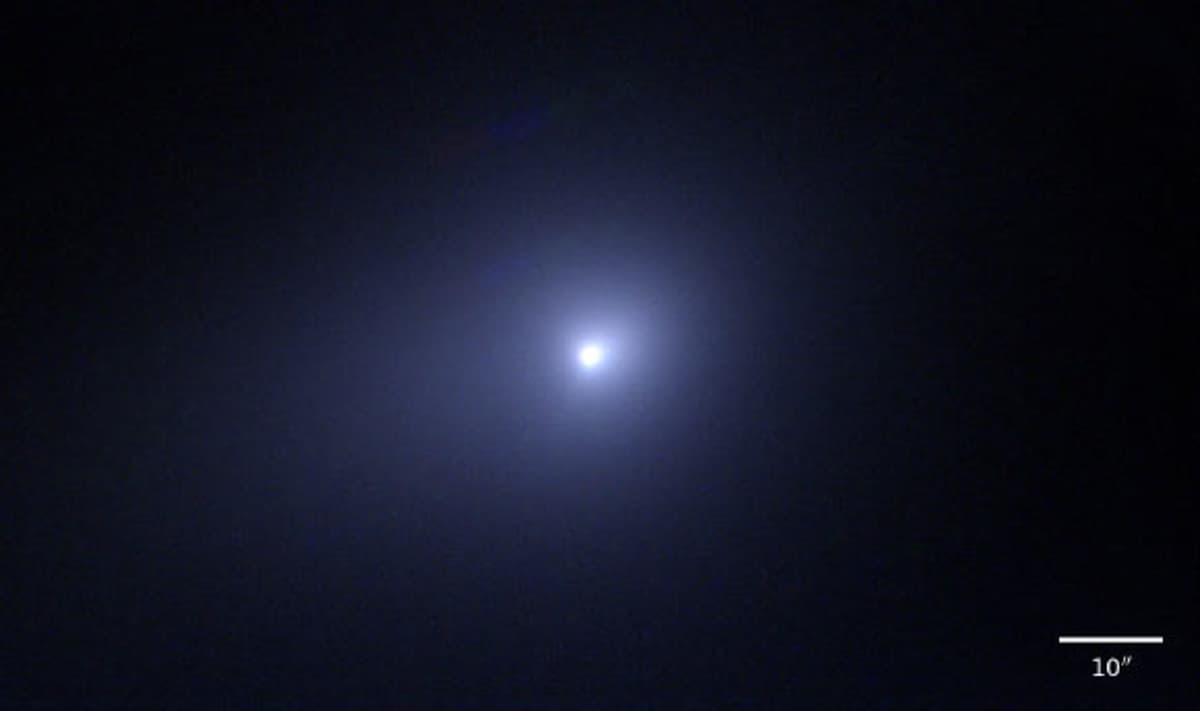
Interstellar Comet 3I/ATLAS Shows Shifting Chemistry After Perihelion
Interstellar comet 3I/ATLAS, discovered by the ATLAS survey in July 2025, was observed with the Subaru Telescope on Jan. 7, 2026, more than two months after its perihelion on Oct. 30, 2025. The data revealed a markedly lower carbon‑dioxide‑to‑water (CO₂/H₂O) ratio than earlier measurements...

Ancient Tidal Flats Were Busier Than We Thought
Researchers uncovered new trace fossils on Wisconsin's Cambrian Blackberry Hill tidal flats, revealing a diverse suite of early animals including a mollusk that appears to have fed on a stranded jellyfish. The findings confirm that euthycarcinoids produced the iconic Protichnites...

Large Language Models Don’t Just Analyze People, They Judge Them
Researchers at Hebrew University compared five large language models with human participants across 43,200 simulations of trust‑related decisions. The study found that LLMs replicate human trust criteria—competence, integrity and benevolence—but apply them in a rigid, spreadsheet‑like manner, producing more consistent...
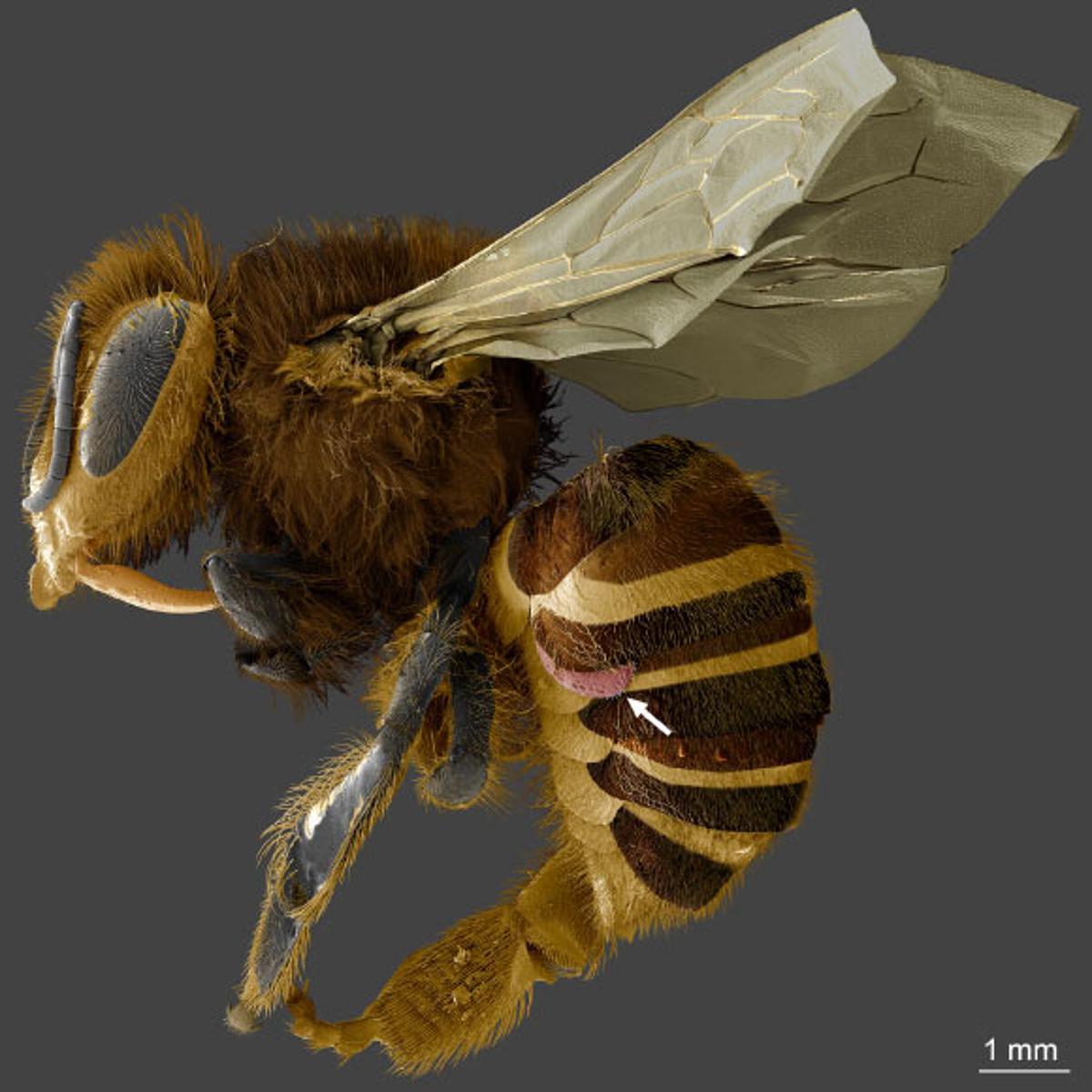
Californian Hybrid Honeybee Population Has Evolved Natural Defense Against Varroa Mites: Study
A new study of a Southern California hybrid honeybee population shows natural resistance to the Varroa destructor mite. Colonies headed by locally bred hybrid queens carried about 68% fewer mites and were over five times less likely to reach treatment...
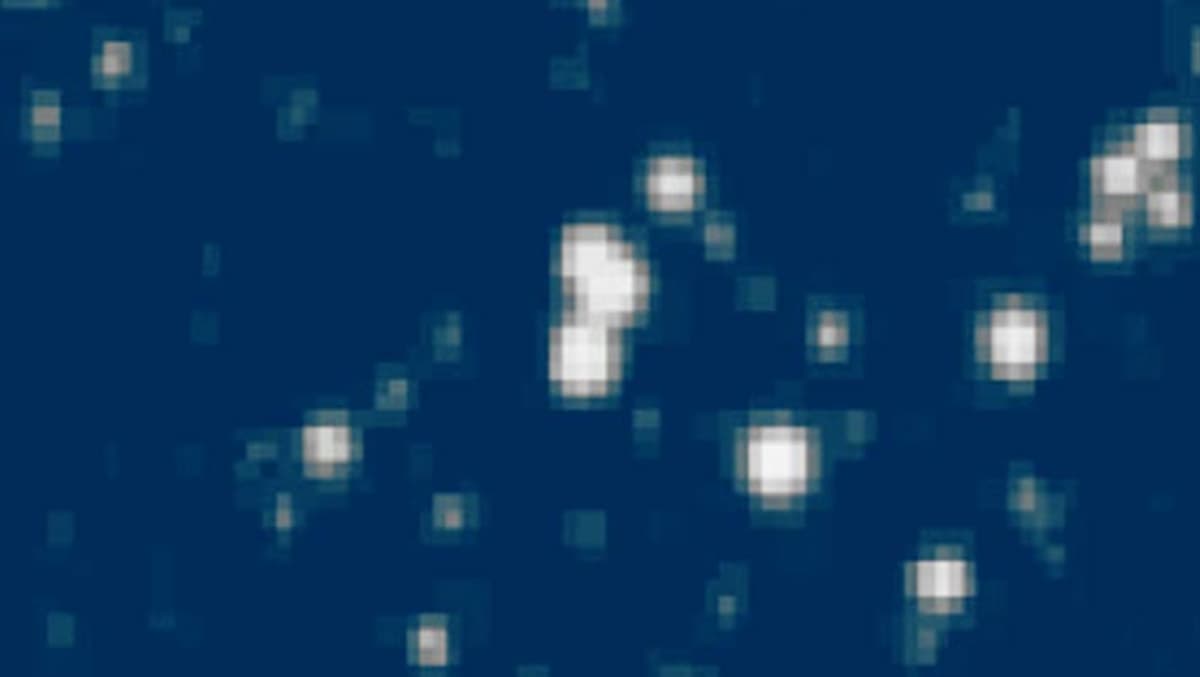
Mysterious Flashes in 1950s Skies Linked to Nuclear Tests and UAP Sightings: Study
A statistical review of Palomar Observatory sky plates from 1949‑1957 uncovered over 100,000 brief, star‑like flashes that vanished within a single 50‑minute exposure. The researchers found these transients occurred on 310 of 2,718 days and were 45% more likely within...

Physicists Detect Elusive Nuclear State
Physicists at Germany's GSI/FAIR facility have reported the first evidence of an η’ meson bound to a carbon‑11 nucleus, creating an exotic state held together solely by the strong interaction. The experiment used a proton beam traveling at 96 % of...
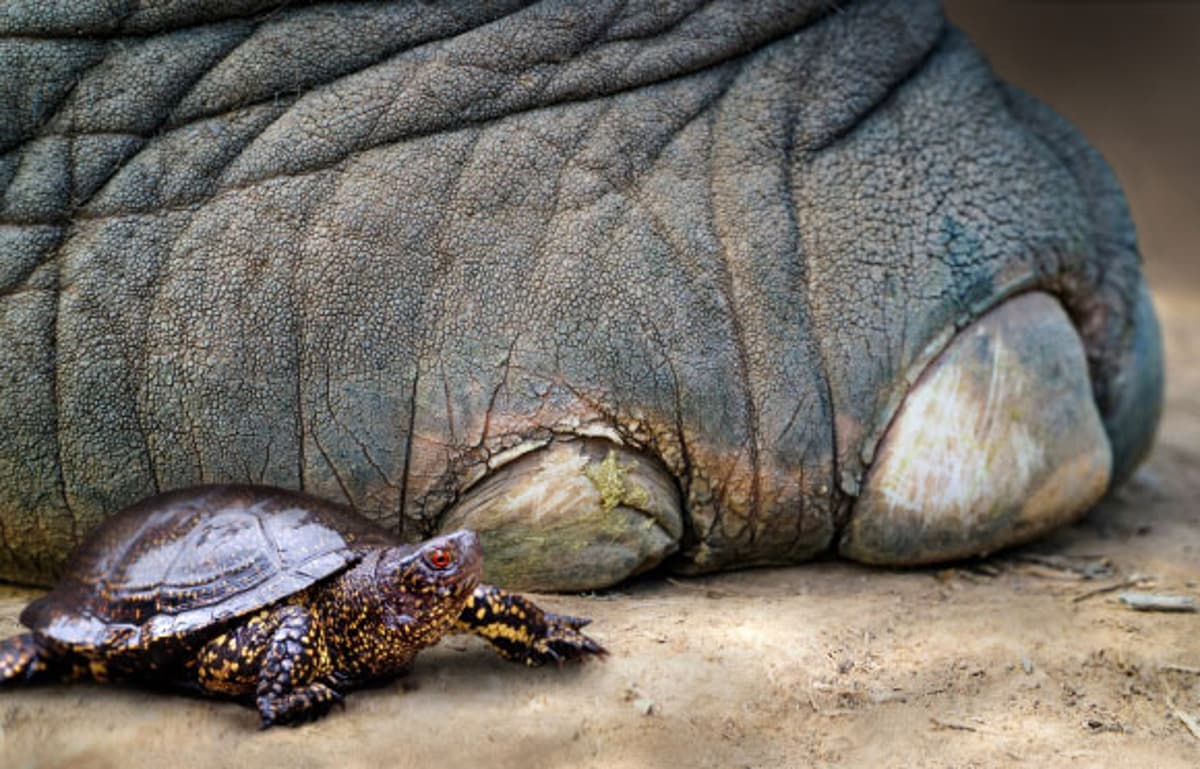
Neanderthals Hunted Pond Turtles, But Not for Dinner
Archaeologists uncovered 92 European pond turtle shell fragments at the Neumark‑Nord site in Germany, dating to roughly 125,000 years ago. High‑resolution 3D scans reveal cut marks on the inner surfaces, showing that Neanderthals removed limbs, extracted organs and thoroughly cleaned...

Webb Captures Striking Edge-On Views of Two Planet Nurseries
The James Webb Space Telescope has delivered striking edge‑on images of two young, planet‑forming systems—Tau 042021 in Taurus and Oph 163131 in Ophiuchus—located roughly 450‑480 light‑years from Earth. Using NIRCam and MIRI, Webb captured the disks in unprecedented detail, showing the central...
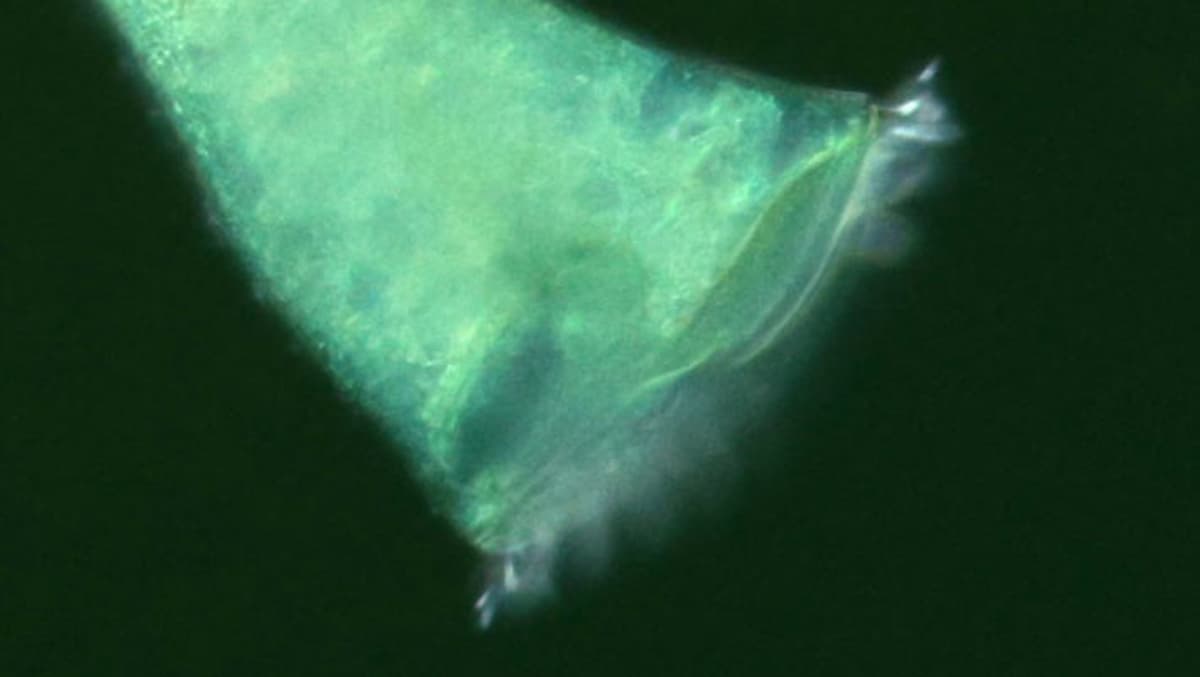
Trumpet-Shaped Unicellular Microorganism, Drawn to Corners, Reveals Hidden Sense of Geometry
Researchers at Hokkaido University discovered that the trumpet‑shaped protist *Stentor coeruleus* actively seeks out corner‑like microenvironments, using a subtle body‑shape shift to anchor itself. By swimming in custom‑made chambers with varied angles, the microbes demonstrated a clear preference for tight,...

Jupiter’s Strong Magnetic Field May Explain Why It Has So Many Large Moons
New simulations reveal that Jupiter’s powerful magnetic field carved a magnetospheric cavity in its early circumplanetary disk, enabling the capture and long‑term survival of its four large moons, including Ganymede. In contrast, Saturn’s weaker field failed to produce such a...

Before Casinos, Before Ancient Rome: Ice Age Americans Were Rolling the Dice
Colorado State University archaeologist Robert Madden has documented native‑American dice dating back 12,800‑12,200 years, predating any known Old World examples. The artifacts are two‑sided bone pieces, called binary lots, that produce a random heads‑or‑tails outcome when tossed in groups. By...
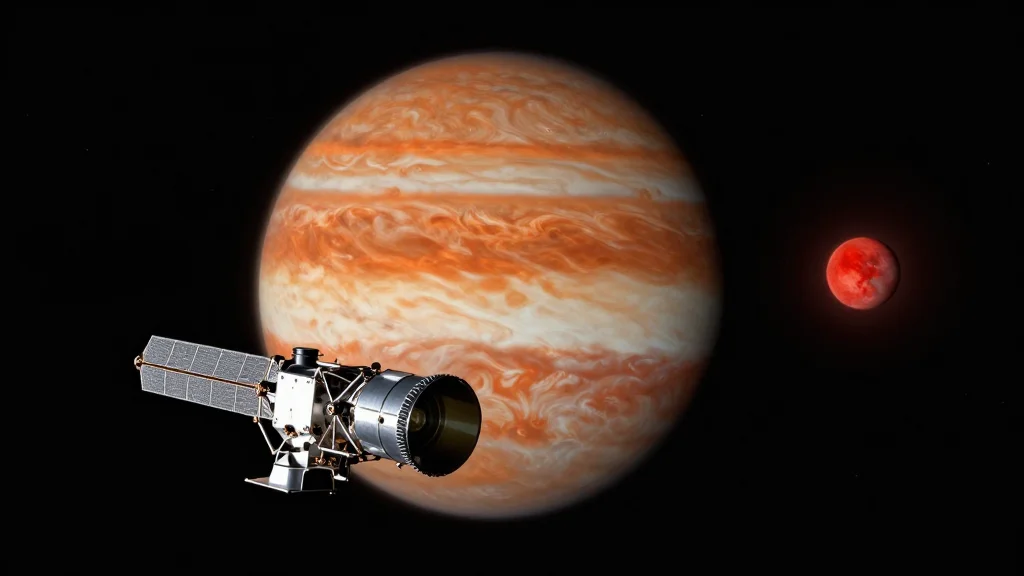
Giant Exoplanet TOI-5205b Has Carbon-Rich, Oxygen-Poor Atmosphere, Webb Observations Show
Astronomers using JWST's NIRSpec have measured the atmosphere of TOI-5205b, a Jupiter‑sized gas giant orbiting an M4 red dwarf in just 1.63 days. The transmission spectrum reveals an atmosphere unusually poor in heavy elements, even less metallic than its host...
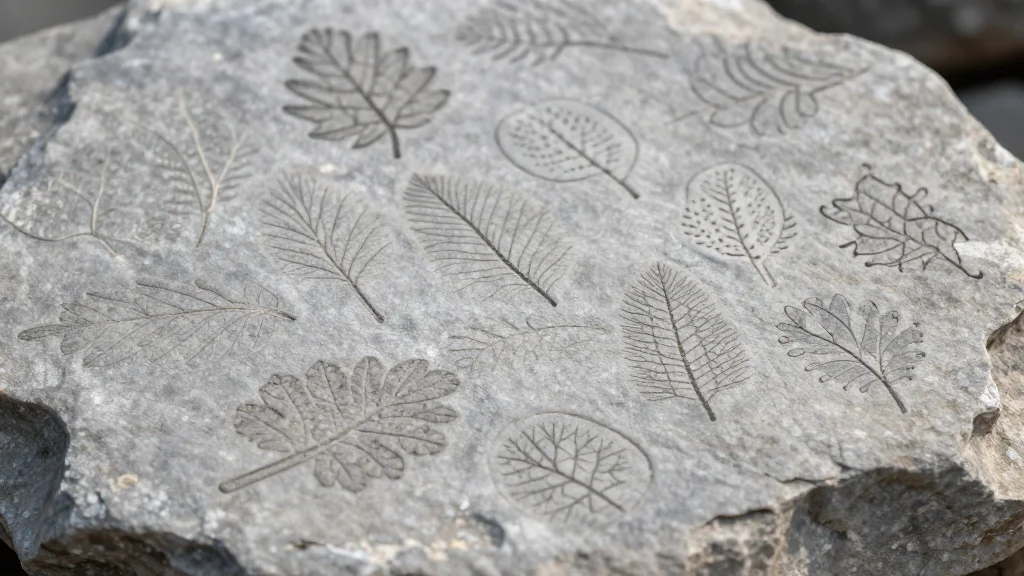
Ediacaran Fossils From China Rewrite Timeline of Animal Evolution
Scientists have uncovered more than 700 Ediacaran fossils from the Jiangchuan Biota in Yunnan, China, dated between 554 and 539 million years ago. The assemblage includes the oldest known deuterostome relatives, early ambulacrarians, and possible chordate precursors, indicating that complex...

Asteroid Bennu’s Minerals and Organic Matter Occur in Distinct Chemical Domains: Study
Scientists at Stony Brook University used nanoscale infrared and Raman spectroscopy on NASA’s OSIRIS‑REx sample OREX‑800066‑3 from asteroid Bennu. The analysis revealed that organic compounds and minerals occupy distinct chemical domains at 20‑500 nm resolution, indicating water‑driven alteration was spatially heterogeneous....

New Form of Matter May Lurk Deep Inside Uranus and Neptune
New quantum simulations reveal that carbon‑hydrogen compounds inside Uranus and Neptune can form a quasi‑one‑dimensional superionic state under extreme pressures of 500‑3,000 GPa and temperatures of 4,000‑6,000 K. In this phase, carbon atoms create an ordered hexagonal framework while hydrogen ions travel...

Astronomy Students Discover Most Pristine Star Ever Found
University of Chicago undergraduates have identified SDSS J0715‑7334 as the most metal‑poor star ever recorded, with a metallicity just 0.005 % of the Sun’s. The star, located about 80,000 light‑years away, originated in the Large Magellanic Cloud and migrated into the Milky...
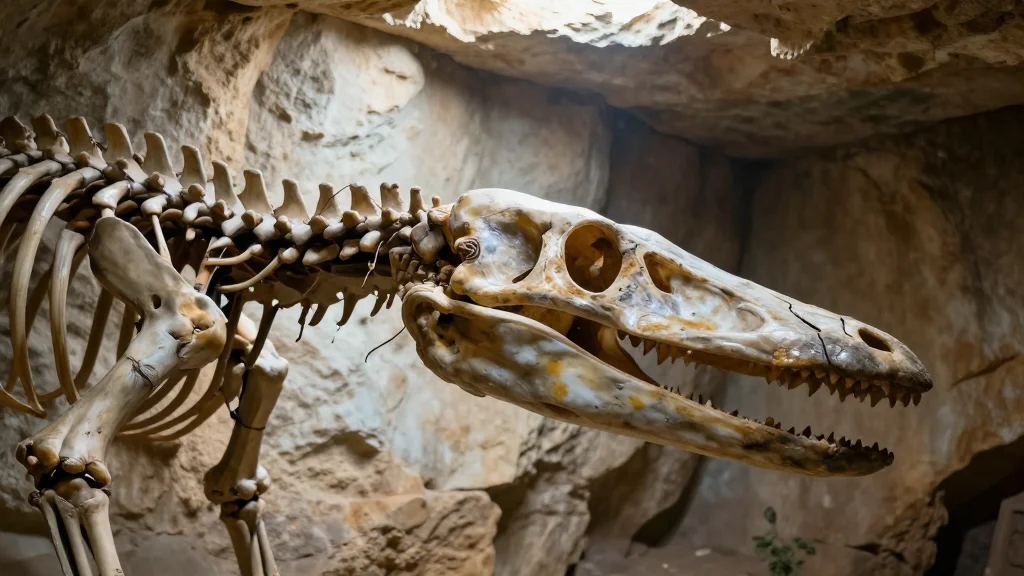
Jurassic Ichthyosaur Fossil Found in Cuba
Paleontologists have uncovered the most complete ichthyosaur skeleton ever found in Cuba, recovered from a limestone cave in the Viñales Geopark. The specimen dates to the Tithonian stage of the Late Jurassic, roughly 145 million years ago, extending the island's ichthyosaur...
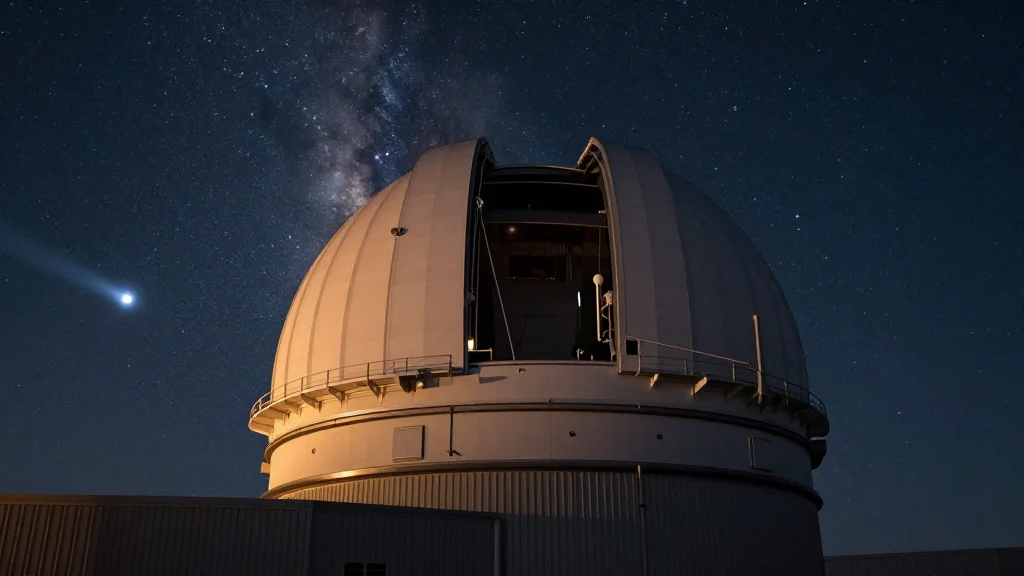
Vera C. Rubin Observatory Discovers Over 11,000 New Asteroids
Using the Vera C. Rubin Observatory, astronomers have cataloged over 11,000 previously unknown asteroids, including 33 near‑Earth objects and roughly 380 trans‑Neptunian bodies. The observations, gathered over a month and a half, amount to about one million individual measurements and...
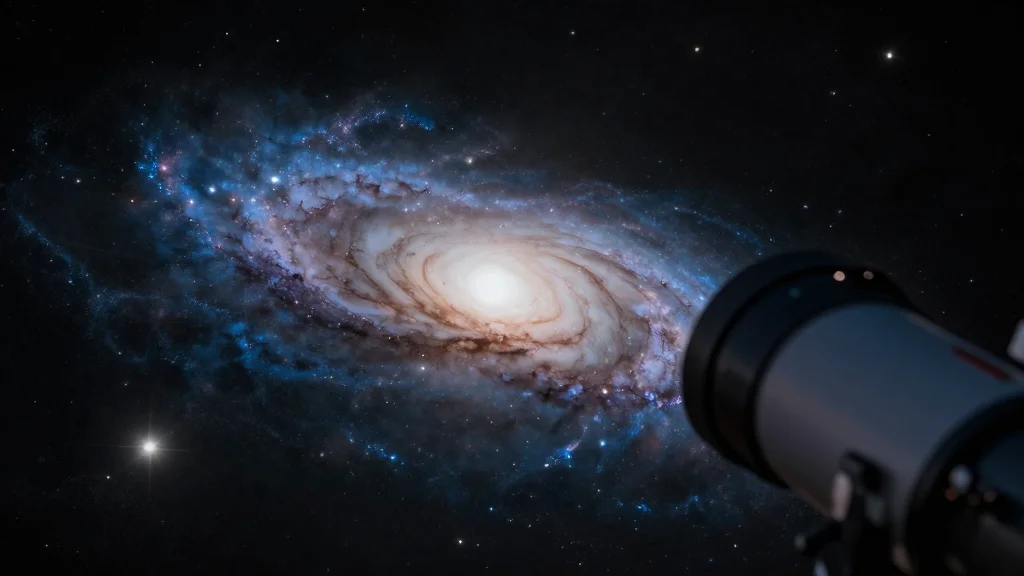
Hubble Space Telescope Focuses on IC 486
The Hubble Space Telescope released a high‑resolution image of the barred spiral galaxy IC 486, located about 380 million light‑years away in Gemini. The photo reveals a bright central bar of older stars, bluish star‑forming regions in the disk, and wispy dust...

Higher Vitamin D in Midlife May Be Associated with Lower Levels of Alzheimer’s Biomarker Years Later
Researchers at University of Galway analyzed data from 793 adults in the Framingham Heart Study, measuring vitamin D levels in their late 30s and performing tau PET scans 16 years later. They found that participants with higher circulating 25‑hydroxyvitamin D...

Bizarre Harvestman Species Found Preserved in Ukrainian and Baltic Amber
Paleontologists have described *Balticolasma wunderlichi*, the first fossil member of the ortholasmatine subfamily, from two Eocene amber pieces—one from Ukraine’s Rovno deposit and another from Baltic amber. The 3‑mm long harvestman, reconstructed via synchrotron micro‑tomography, displays the ornate tubercles and...
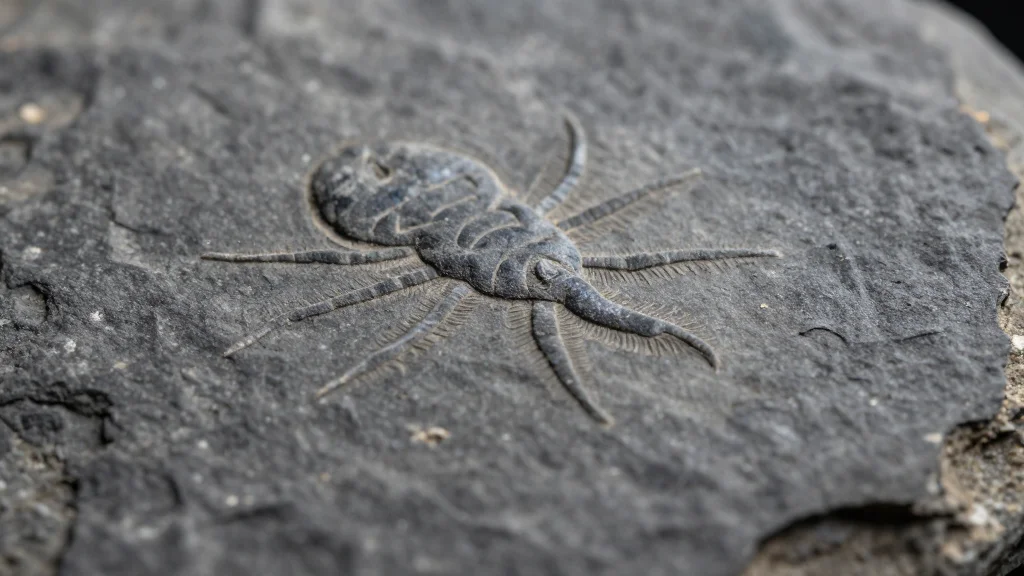
500-Million-Year-Old Fossil Identified as Oldest Known Chelicerate
Harvard paleontologists have described *Megachelicerax cousteaui*, an 8‑cm soft‑bodied arthropod from Utah’s Middle Cambrian Wheeler Formation. The specimen possesses unmistakable three‑segmented chelicerae and book‑gill‑like respiratory structures, establishing it as the oldest known chelicerate, predating the previous record by roughly 20 million...