
The #1 Housing Shortage in America (that No One Is Paying Attention To)
New Jersey is experiencing one of the nation’s most acute housing shortages, with active listings plunging about 62%—from roughly 42,000 homes for sale in April 2019 to 16,000 in April 2026—fueling widespread bidding wars across commuter counties like Bergen, Essex and Middlesex. Despite higher mortgage rates and the nation’s steep property taxes, home values in the state have risen about 22% over the past four years, making New Jersey the second-fastest-appreciating market in the U.S. Real-estate analytics firm Reventure projects prices could climb another 10% in some New Jersey areas through 2027. The shortage is tightening inventory and driving outsized price gains in bedroom communities serving New York City.

Why an AI Driven Unemployment Wave Is Real Estate’s Biggest Risk | Tom Shapiro
The interview with Tom Shapiro, president and CIO of GTIS Partners, centers on the emerging risk that AI‑driven unemployment poses to the real‑estate sector. While inflation traditionally makes property a hedge, Shapiro argues that job losses, slowed household formation, and...

A Private Family Office Insights Webinar Introducing North Field Capital
North Field Capital presented a specialty commercial real estate lending platform that originates secured first‑lien loans at conservative 0–50% loan‑to‑value and funds them with a two‑tiered capital structure: 90–95% insurance‑backed, investment‑grade notes and 5–10% higher‑yielding junior tranches for private investors....
Paul Boomsma: Why Local Leadership Still Wins in the Brokerage Consolidation Race
Leading Real Estate Networks of the World CEO Paul Boomsma says industry consolidation and private listings are creating a ‘scattered’ but opportunity-rich environment, where local leadership and brokerage culture matter most. Consumers remain largely indifferent to brand M&A—relationships with local...

A Private Family Office Insights Webinar Featuring Andy Bernard.
Left Lane is raising a $152 million LP fund (with a $27 million GP commitment, ~15% of equity) to convert five distressed historic office buildings it already owns into luxury hotels and multifamily in Phoenix, Pittsburgh, Providence, Memphis and Savannah....

Can You Get a HELOC on a Rental? (Here's the Real Answer)
Contrary to common belief, HELOCs on rental properties are available from multiple lenders, sometimes as first, second or even third liens, though they differ materially from primary-residence HELOCs. Investor HELOCs generally carry borrower-paid closing costs (about 2–4% of the limit...

Who Are Buying Private Homes and How Do Agents Stay Relevant?
The Property BT podcast explores why Singapore’s private housing market stays vibrant despite a shaky macro‑economic backdrop. Host Leslie interviews Kelvin Fong, CEO of PropNext, Singapore’s largest real‑estate agency, to dissect buyer demographics, launch dynamics and the evolving role of...

The Future of Senior Living Real Estate Investing | Occupancy & Growth
The podcast explores the evolving landscape of senior‑living real‑estate investing, emphasizing how occupancy hinges on modern, data‑driven marketing systems. Host Jake and co‑host Gino interview senior‑living strategist Jerry Ziridowichi, who outlines the four primary care tiers—independent, assisted, memory, and skilled...

The AI Boom Is Causing a Secret Housing Spike in This City
San Francisco’s housing market has swung sharply from its 2022–2023 slump into a rapid upswing driven by an AI hiring boom. Tech companies including OpenAI, Anthropic and XAI are raising large funding rounds and expanding local headcounts, triggering fierce bidding...

The Rental Bubble in Texas and Florida Has Officially Popped
Renters in Texas and Florida are seeing significant declines as a pandemic-era rental boom unwinds: rents in cities such as Austin, Cape Coral, Naples, Sarasota, Tampa and San Antonio have fallen sharply, with Austin down more than 20% from its...
The Dam Is Bursting (WSJ Reports Biggest Foreclosure Spike in 10 Years)
Foreclosure activity in the U.S. is accelerating: Wall Street Journal data show filings rose 26% year‑over‑year to about 119,000 in Q1 2026, the highest level in six years and roughly back to pre‑pandemic norms though far below 2009‑10 peaks. The...

How BAD Is the Real Estate Market. Power of Sale Explosion
Hosts of a real estate podcast report a sharp uptick in activity for their One Thelma condo project this week, citing a landslide of new leads, website traffic and sales-centre visits after a lull. They attribute the surge to seasonal...
100 Doors. 35% Returns. Why He's Walking Away.
This episode follows Ray Smith’s dramatic pivot from a 100‑door single‑family portfolio yielding 35% annual returns to a strategic exit and shift into commercial real‑estate. After bankrupting ten properties in 2009, he leveraged a $500 private‑money course, convinced a friend...
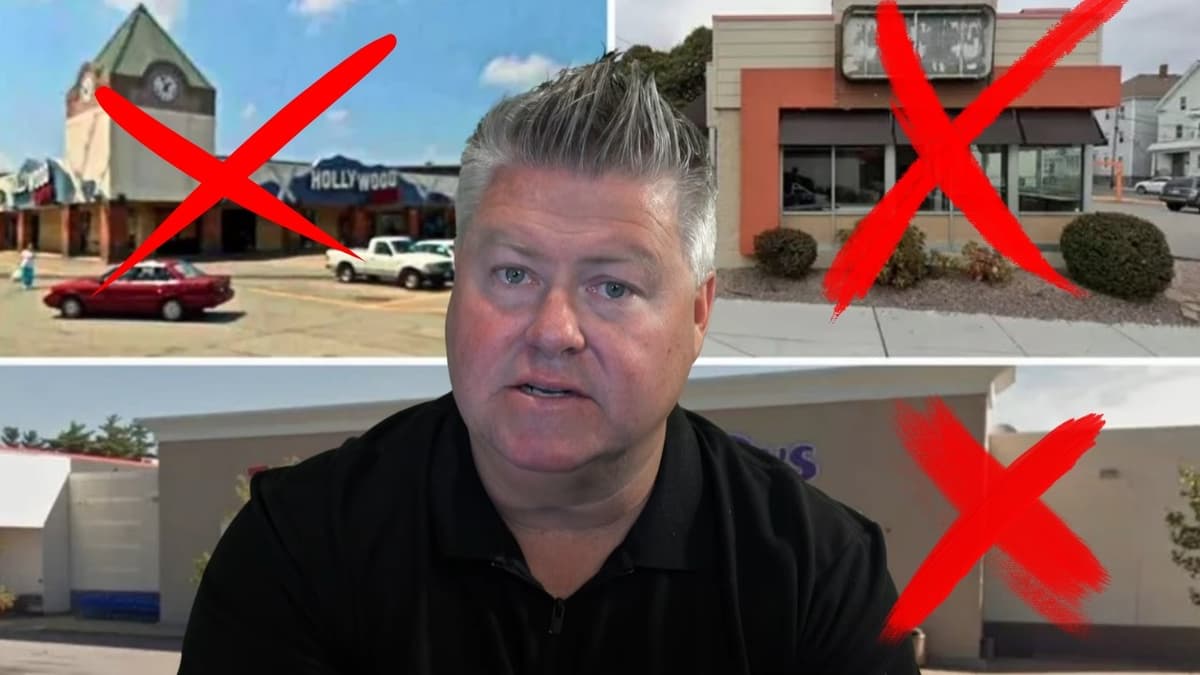
ALERT: 1,900 Stores Closing Permanently. These Areas Are Getting Hit The Worst
The video warns that thousands of U.S. chain-store locations are shutting down—citing over 8,000 closures in 2025 and continued cuts into 2026—and argues this wave is reshaping shopping centers, malls and restaurants nationwide. The presenter attributes the trend to stretched...

Broker Opinion of Value (BOV) vs CRE Appraisal
The video explains the difference between a Broker Opinion of Value (BOV) and a commercial real estate appraisal. While both use similar data and methodologies, appraisals are performed by licensed appraisers, held to higher standards, and are what lenders rely...

Richard LeFrak’s $4 BILLION Bet on North Miami | Coffee Talk
Richard LeFrak is committing roughly $4 billion to transform North Miami with a suite of high‑end apartments, a 23‑hour ambulatory medical center, and surrounding retail anchors such as Target, Costco and Publix. The development emphasizes resort‑style amenities—a massive lagoon, upscale...

Credit Modernization Hits a Crossroads as Lenders Weigh Risk, Regulation and Data Integrity
Industry stakeholders say credit modernization has reached a crossroads as lenders, credit bureaus and regulators weigh trade-offs between risk, consumer impact and operational complexity. Early reactions to new trigger-lead rules and potential scoring changes have been cautious: many lenders remain...

A Toronto Condo Only Returns 12% Over 10 Years?!
The speaker argues internal rate of return (IRR) is the best metric to evaluate condo investments, because it captures timelines, selling costs, rent and occupancy. Using a hypothetical one‑bedroom bought for $420,000 with $550 monthly fees and a 2.5% annual...

How High Do We Want Property Prices to Keep Rising? Who Wins and Who Loses?
The video questions whether Australia’s long‑standing celebration of rising house prices actually benefits the broader economy. It frames the debate around who gains when property values climb and who is left behind, highlighting a growing divide between investors and ordinary...

Fairmont Apartments - Deal Overview with Spencer Gray
The video presents Gray Capital’s investment thesis for Fairmont Apartments, a 219‑unit, Class‑A multifamily complex built in 2025 in Westerville, a Columbus suburb. Spencer Gray, CEO, outlines the property’s current performance and the firm’s broader Midwest strategy. Fairmont is 97% occupied,...

Pending Home Sales Are Up... But It's A Massive Trap!
Pending US pending-home-sales rose for a third straight month in April, gaining 1.4% month‑over‑month and 3.35% year‑over‑year—the best annual increase since November 2024—as the index lifted off record lows. Economists and industry commentators attribute the rebound to stabilized mortgage rates...
California Innovates a New Financing Solution for Disaster Rebuilding
The California Mortgage Bankers Association (MBA) has helped embed a $100 million wildfire rebuild fund into the governor’s May‑revised budget, creating a dedicated financing stream for Southern California homeowners devastated by recent fires. The initiative bridges the gap between insurance...

Four Reasons You Shouldn’t Refinance
A mortgage adviser warns that not every refinance improves your finances and outlines four clear situations to avoid it. Don’t refinance if your current rate is below about 4% to cover relatively small needs (use a HELOC instead), if you...

The Dangers of Leverage in a Slumping Farm Economy
Market technician Trent Klarenbach told Jesse that inflation-adjusted farmland values in Iowa have been falling for two years and Saskatchewan is showing similar technical signs with about a two-year lag, suggesting a potential multi-year pullback reminiscent of the 1980s farm...

Spring EQ’s CEO Explains Why Home Equity, DSCR and Bank Statement Lending Are Shaping the Market’s N
Spring EQ CEO Joe Stea discussed how rising home prices, stagnant incomes and higher mortgage rates are reshaping the U.S. housing market, and why untapped home‑equity is becoming a central financing source. He noted that home values have climbed roughly 50%...

Steve Ozonian on AI, Rocket’s Big Bet and the Future of Housing
Steve Ozonian, a veteran of multiple real‑estate boards, warned that artificial intelligence is the most immediate lever to streamline the home‑buying process, reduce operating costs, and give consumers clearer, faster information. He highlighted Rocket’s bold attempt to create an end‑to‑end...

The Budget Just Changed the Rules for Property Investors. What It Really Means | Dr Andrew Wilson
The May 12 federal budget overhauled Australia’s property‑investment tax regime, scrapping negative gearing for any property bought after the announcement and eliminating the long‑standing 50 percent capital‑gains‑tax discount. Existing holdings retain their current benefits until July 1 2027, but new investors will face a...
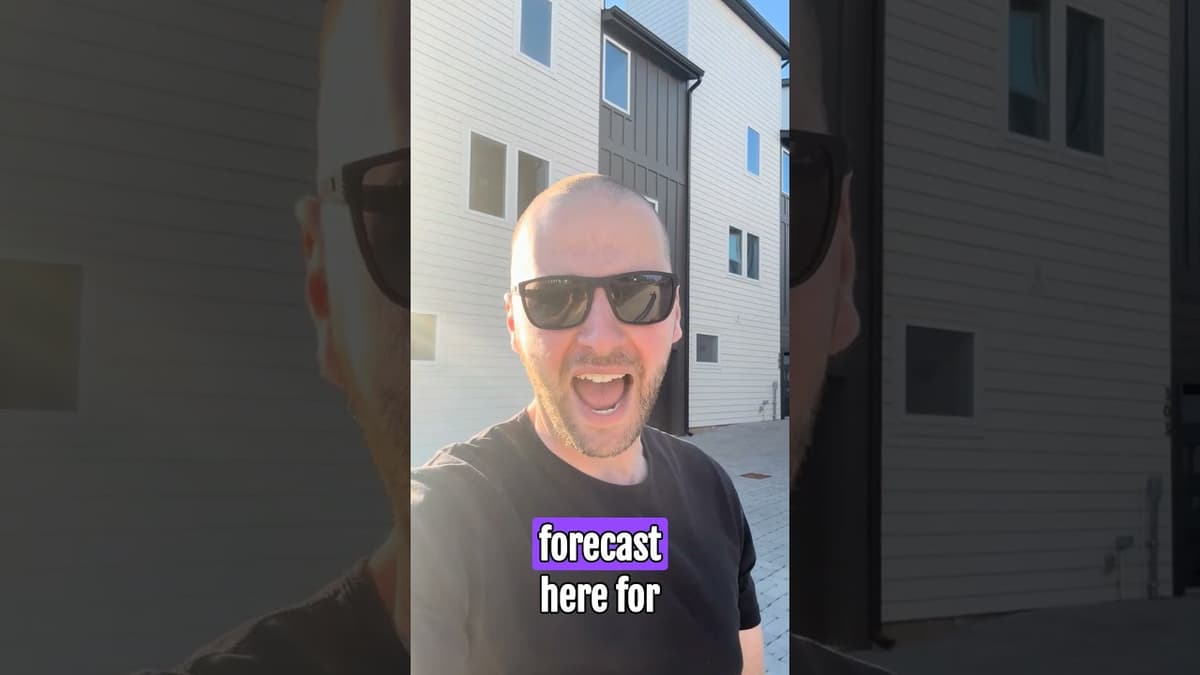
$700k Airbnbs in Nashville. Who's Buying These?
A Nashville development is marketing pre-sold, nonowner-occupied short-term rentals for about $770,000 even as the Airbnb market has softened over the past three to four years. Listings of short-term rentals are surging in markets such as Nashville, Phoenix, Dallas, Tampa...
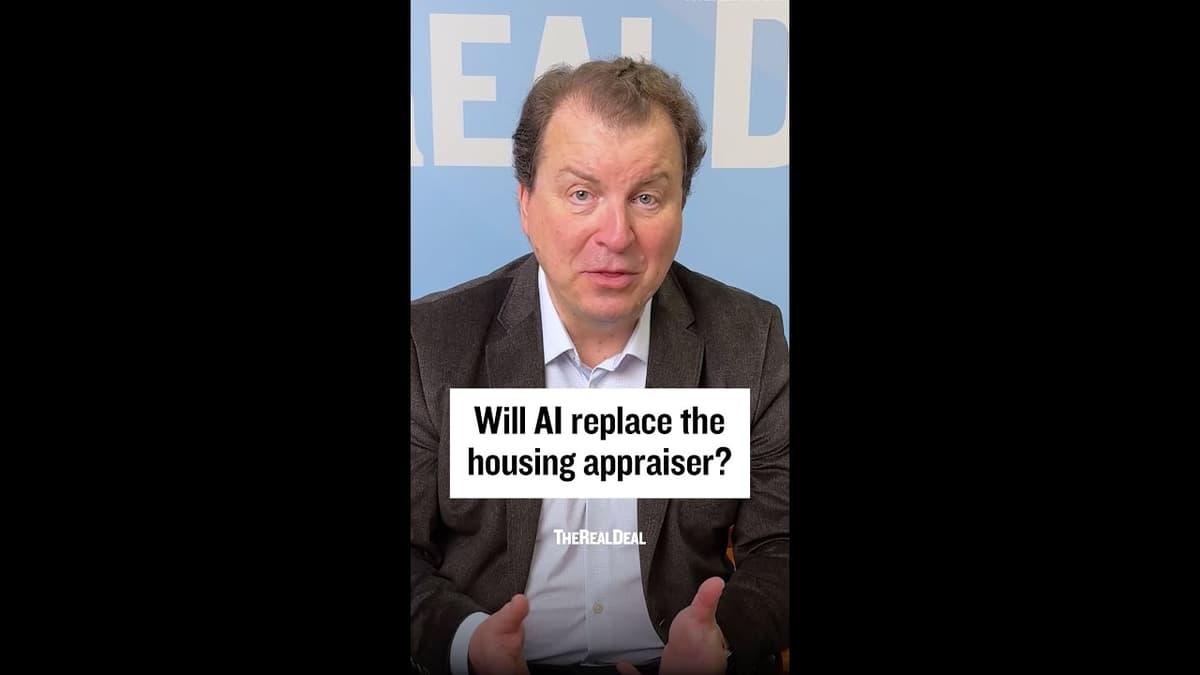
What 50 Feral Cats Reveal About the Housing Market’s AI Problem
Lenders and brokers are increasingly replacing traditional appraisers with automated valuation models (AVMs) — a trend accelerated during the pandemic — but those models miss critical on-the-ground details, like severe interior damage or infestations. The video uses the anecdote of...

Lumber Prices Are Going Higher
The video focuses on the looming surge in lumber prices, tying it to a deteriorating yet slowly improving homebuilder sentiment in the Pacific Northwest. The presenter, a lumber‑yard retailer, argues that the industry’s health is a leading indicator of broader...

Ownli’s Blake O’Shaughnessy on Unbundling Real Estate and the Startup Challenging Traditional Commis
The podcast features Blake O’Shaughnessy, founder of Only, who argues that the real‑estate commission model has stayed static while home prices have surged, turning the fee into a de‑facto tax. He positions Only as a technology‑first solution that unbundles the...

The Hidden Wealth Strategy Billionaires Use: Farmland
The video features Steve Brewer of People’s Company, a farm‑management firm that grew from a small Iowa bank department into a national platform operating in 35 states. Brewer outlines the firm’s four‑pronged services: farm management for absentee owners, brokerage and...

Housing Market Is Beginning To Thaw
The video dissects Federal Reserve Chair Jerome Powell’s April 29, 2026 press conference, where the term “neutral rate” was invoked eleven times. Powell and other officials debated whether the current policy stance should be described as neutral, slightly restrictive, or a balanced...

S1E269: The Great Yield Shift: Why Banks Are Gaining Altitude as Reits Seek Grounding
The episode examines the widening performance gap between Singapore’s bank and REIT sectors as global interest rates stay elevated. Higher‑for‑longer rates are reshaping earnings dynamics: banks see net‑interest‑margin (NIM) expansion and robust loan‑growth, while REITs grapple with tighter yield spreads,...

The Gray Report: Introducing the Gray Capital Deal Room
The Gray Report episode introduces Gray Capital’s new AI‑driven Deal Room, a digital hub built to showcase the Fairmont Apartments fund in Columbus, Ohio. The platform transforms the traditional static pitch deck into an interactive, web‑app experience where accredited investors...

How Broker Consolidation Is Changing Real Estate Market Share
The episode examines the accelerating wave of brokerage consolidation, highlighting recent high‑profile deals—Compass’s purchase of Anywhere, Real’s pending acquisition of RE/MAX, and eXp’s buyout of Next Home. These transactions blend technology‑focused platform models with traditional franchise networks, reshaping the industry’s...

Landsec’s Big Property Bet
Landsec (LON:LAND) released its FY‑ending March 31 results, highlighting modest rent growth while outlining its ongoing portfolio transformation from an office‑heavy REIT toward a more balanced mix of offices, shopping centres and residential assets. Like‑for‑like rental income rose about 5% year‑on‑year, lifting...

The Big Business Buying Up America’s Hockey Rinks | WSJ
The Wall Street Journal profile examines Black Bear Sports Group’s rapid expansion into America’s community ice rinks. Founded in 2015, the private‑equity‑backed firm has bought nearly 50 facilities across the Northeast, Mid‑Atlantic and Midwest, often rescuing venues that have suffered...

Michael Burry Releases Biggest Warning Yet. ("It's Like the Final Months of 1999")
Michael Burry, the hedge‑fund manager who profited from the 2008 housing collapse, warned that today’s U.S. equity environment feels like the final months before the 1999‑2000 dot‑com bubble burst. He pointed to a Shiller‑adjusted price‑to‑earnings ratio of roughly 42 for...

Inside CRE Lending Today: Spreads, Structures & the H2 Outlook | Matt Pizzolato, CBRE
The episode examines today’s commercial‑real‑estate (CRE) debt market, highlighting shifting lender dynamics, tightening spreads and new financing structures as the industry looks toward the second half of the year. Matt Pizzolato explains that banks, after a period of retreat, have...

Carter Malloy: Why Better Land Data Is the Foundation of Better Housing Supply
In a sponsored Powerhouse episode, Carter Malloy, CEO of Acres, explains why accurate land and housing data are essential to expanding the nation’s home‑building pipeline. He describes his own journey from Arkansas farmland to creating a data‑centric platform that aggregates...

The Next Phase Of Australia’s Property Market Has Begun
The podcast episode examines the emerging phase of Australia’s property market, highlighting that while overall prices continue to climb, the growth is becoming increasingly uneven across the nation’s capital cities. Analysts point to divergent supply dynamics and tightening affordability as the...

We've Absorbed the Budget. Here's Where Property Investors Stand Now.
Metropole property adviser Michael Yardney says recent budget changes to capital gains tax and negative gearing won’t derail long-term property investment, arguing his firm never relied solely on tax deductions. He outlines a five-pronged wealth strategy—capital growth, leverage, rental growth,...
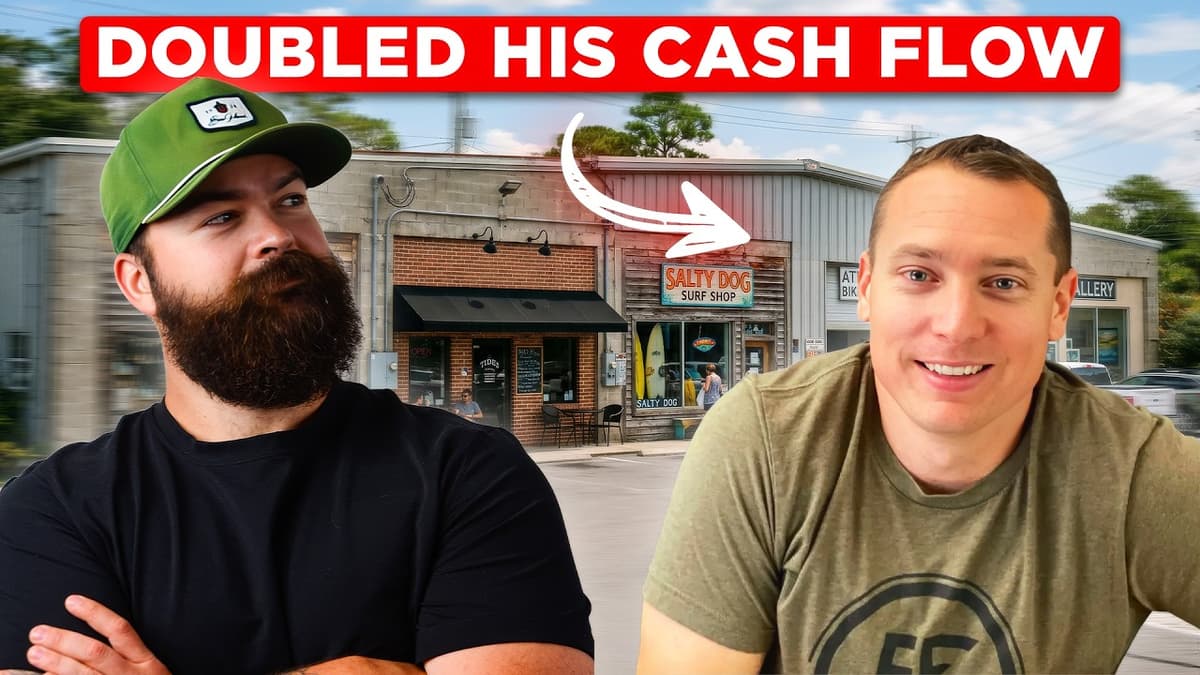
He Doubled His Cash Flow Without Buying a Single New Property
Chris Thorndyke, a member of the CRE Accelerator, transformed an underused former car wash/warehouse in Gainesville, Florida into six micro-retail suites, converting a single-tenant property into a multi-tenant asset and roughly doubling its cash flow without acquiring new real estate....

What Has Happened To Commercial Real Estate & How You Can Capitalize
Multifamily and broader commercial real estate boomed after policy and capital shifts: the 2017 tax code changes (100% bonus depreciation and cost segregation) and prolonged low interest rates post-COVID funneled family offices and private equity into the sector, compressing cap...
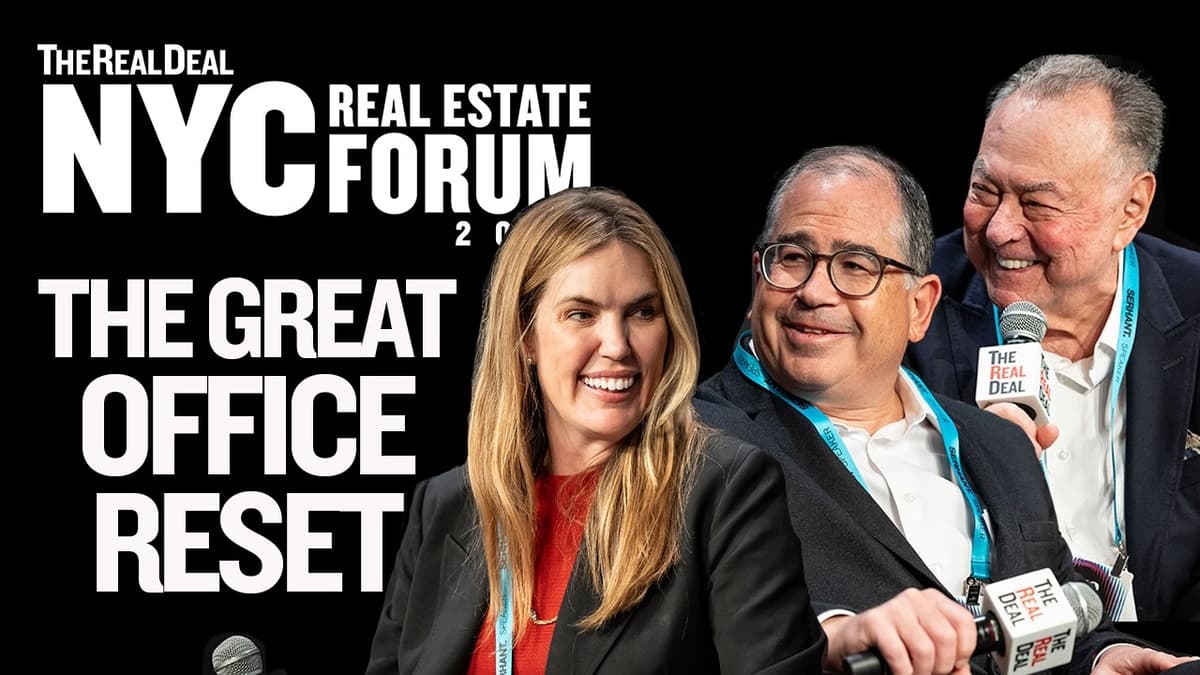
The Future of 350 Park and Going "All In" On the Office Market | The Real Deal's NYC Forum 2026
The Real Deal’s NYC Forum 2026 panel turned its attention to the office market, highlighting a dramatic shift from the post‑COVID gloom to a burgeoning “boom loop.” Speakers, including CBRE’s Steven Seagull, Newark’s Liz Hart, and Vornado’s Glenn Weiss, centered...

Is Exodus 2.0 in New York City's Housing Market About to Happen?
A proposal in New York City to tax second homes worth over $5 million has revived fears of a pandemic-style exodus of wealthy residents to states like Florida, Texas and Tennessee. But through April 2026, NYC housing inventory is down...

CRE Risk Intelligence - Market Risk Heat Map
CRE Risk Intelligence is a new web app evolved from the Market Risk Heatmap that automates commercial real estate market-risk analysis in under 90 seconds. Users input a market, property type, investment strategy, thesis and specific risks; the app scrapes...

Mortgage Spreads Keeping Rates Under 7%
Analysts said Wednesday’s hotter inflation print and stabilizing labor market haven’t driven the 10-year yield much higher because mortgage spreads and expected Fed policy remain the dominant forces holding rates down; the 10-year is sitting around 4.45% and mortgage rates...

Labor Government’s New Policies Under Scrutiny as Analysts Dive Into Facts and Promises
The newly released budget paper shows the Labor government projecting 295,000 overseas migrants this financial year and 244,000 the following year—both higher than previous estimates and higher than when the government took office. The figures arrive amid criticism that the...