News•Mar 12, 2026
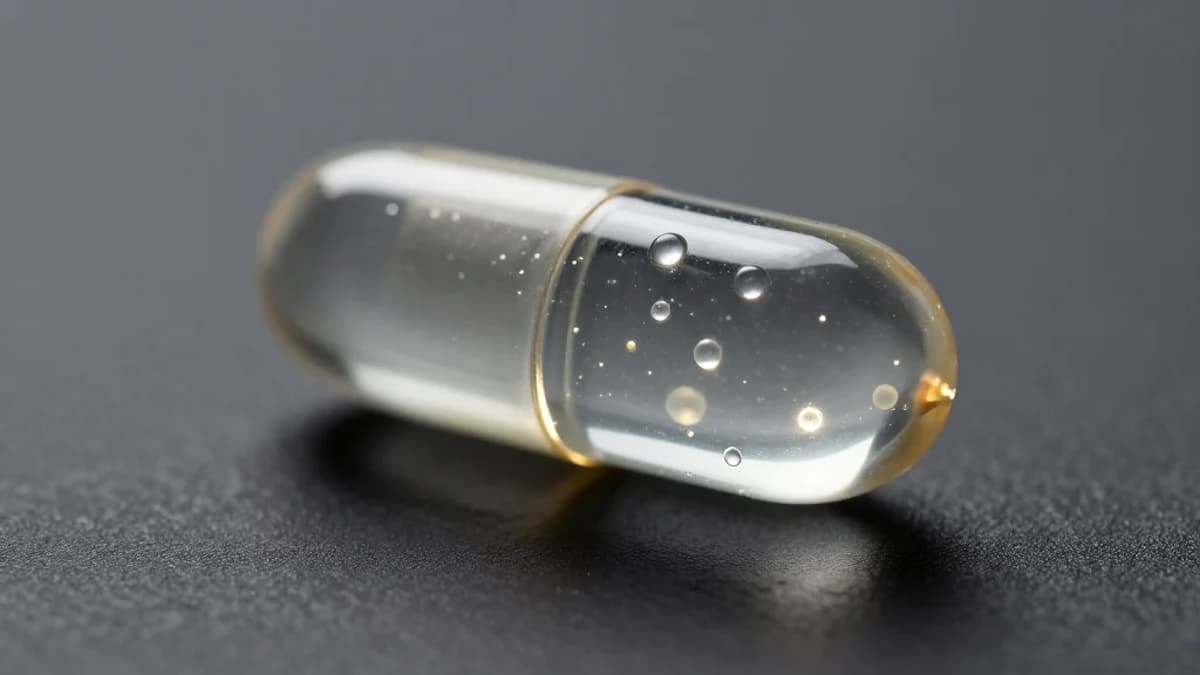
Breakthrough Capsule Technology Offers New Insights Into Individual Cells
Researchers at Umeå University have unveiled a capsule‑based platform that encapsulates individual cells in semi‑permeable shells, enabling multiple, sequential molecular assays on the same cell. The design permits small reagents to diffuse in while retaining DNA and RNA, and it integrates with high‑throughput microfluidics to process hundreds of thousands of cells simultaneously. By preserving cellular integrity, the system supports both live‑cell monitoring and controlled lysis for downstream omics. The breakthrough promises to deepen insights into cellular heterogeneity and accelerate precision‑medicine applications.
By Bioengineer.org
News•Mar 12, 2026
Gene Conversion Boosts Selection in Clonal Fish
Researchers have demonstrated that gene conversion—a non‑reciprocal DNA repair process—significantly boosts genetic variation in clonal fish populations, thereby enhancing natural selection efficiency. Laboratory experiments with a model clonal species showed a three‑fold increase in beneficial allele fixation compared with standard...
By Bioengineer.org
News•Mar 12, 2026
Long-Term Neurodevelopment Effects of Antenatal COVID-19
A new longitudinal study finds that children born to mothers infected with COVID-19 during pregnancy exhibit measurable neurodevelopmental deficits. Brain scans at two years reveal reduced cortical thickness and lower IQ scores compared with unexposed peers. The research, spanning over...
By Bioengineer.org
News•Mar 12, 2026
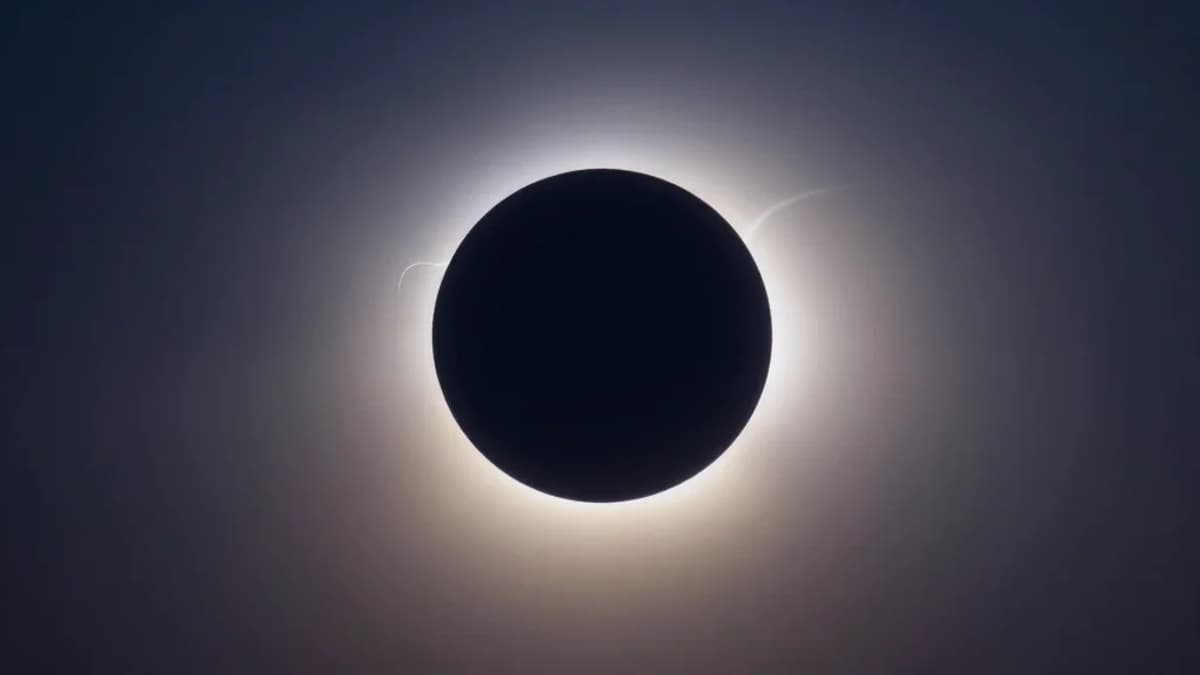
Untitled
NASA’s Astronomy Picture of the Day posted March 7, 2026 features two total lunar eclipses from Saros 133, one captured in February 2008 and the other on March 3, 2026. The side‑by‑side comparison illustrates how eclipses separated by one Saros period (18 years, 11⅓ days) produce nearly identical geometry....
By Astronomy Picture of the Day (APOD)
News•Mar 12, 2026
Untitled
Astronomers using Chandra, Hubble and infrared telescopes have imaged the astrosphere of HD 61005, a Sun‑like star 120 light‑years away and only 100 million years old. The star’s powerful stellar wind has carved a bubble roughly 200 AU across, pushing aside surrounding dust...
By Astronomy Picture of the Day (APOD)

News•Mar 12, 2026
Untitled
NASA’s Astronomy Picture of the Day features cometary globule CG 4, a molecular cloud 1,300 light‑years away in Puppis. The globule’s head spans 1.5 light‑years while its tail stretches eight light‑years, resembling a comet’s shape. Researchers link its elongated tail to...
By Astronomy Picture of the Day (APOD)
News•Mar 12, 2026
Untitled
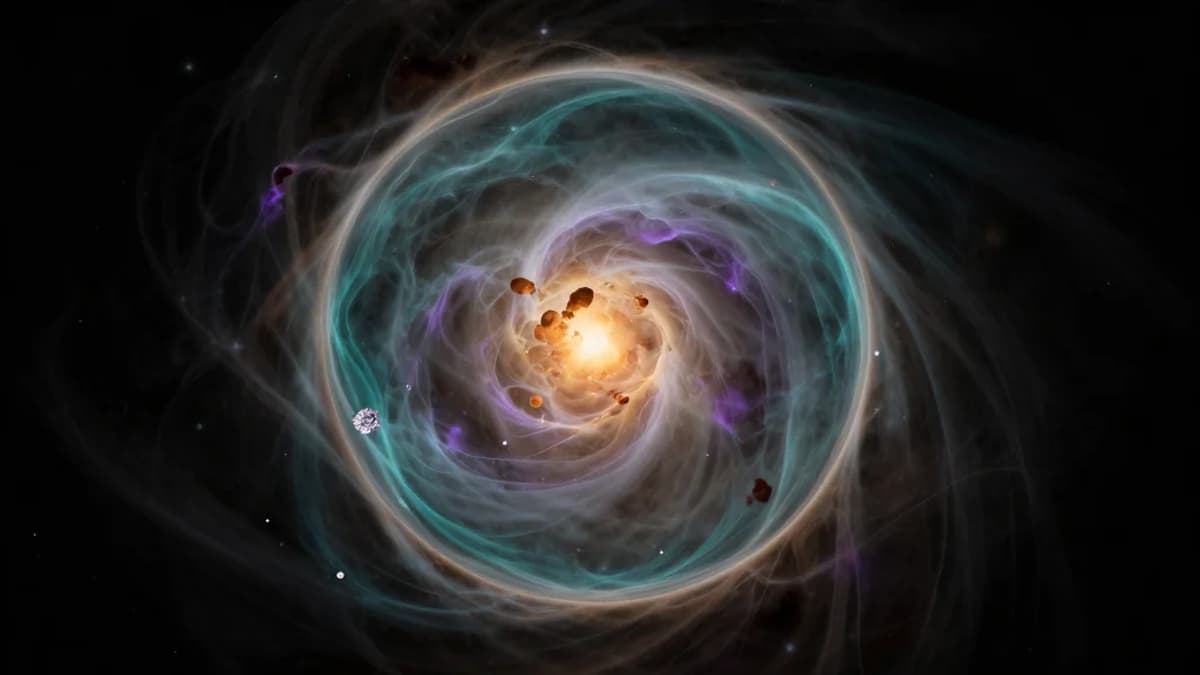
The James Webb Space Telescope captured a striking mid‑infrared image of the Cranium Nebula, whose brain‑like silhouette has sparked scientific intrigue. Astronomers are divided between classifying it as a planetary nebula surrounding a white dwarf or as a massive Wolf‑Rayet...
By Astronomy Picture of the Day (APOD)
News•Mar 12, 2026
Untitled
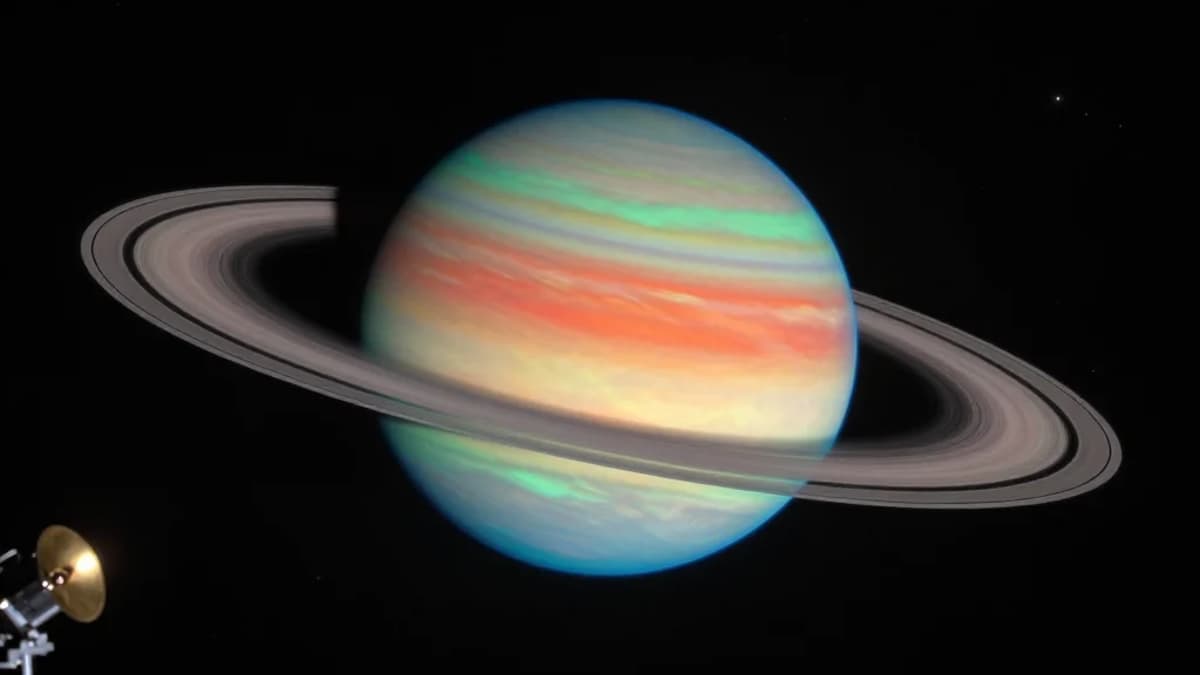
NASA's James Webb Space Telescope captured a near‑full rotation of Uranus using its NIRSpec instrument. Over 1,000 spectra were collected during a continuous 15‑hour observation, revealing the planet’s ionosphere, auroral emissions, and cloud dynamics. The video provides a three‑dimensional view,...
By Astronomy Picture of the Day (APOD)
News•Mar 12, 2026
Untitled
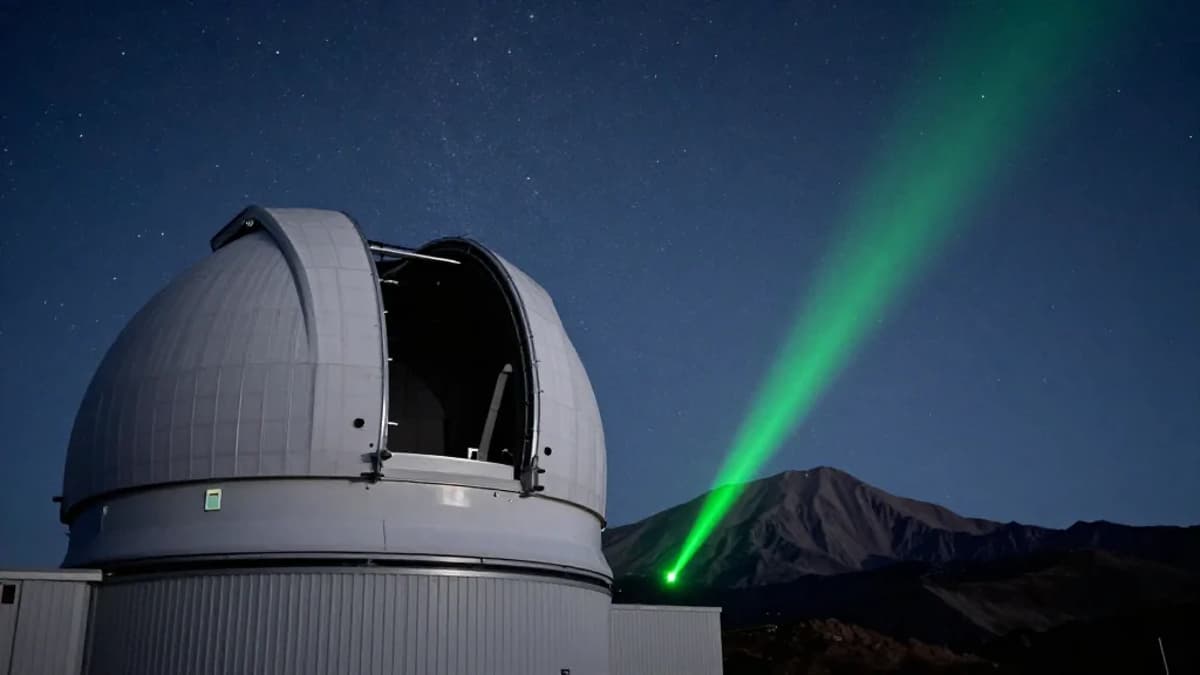
Astronomers at Chile’s Paranal Observatory are using powerful lasers to generate artificial guide stars, a cornerstone of modern adaptive‑optics systems. These laser‑created points of light allow telescopes to measure and correct atmospheric turbulence in real time, dramatically sharpening images of...
By Astronomy Picture of the Day (APOD)

News•Mar 12, 2026
Is Being A "Bad Sleeper" Genetic? Here's What The Science Says
Around 30% of adults face short‑term sleep disorders and 10% grapple with chronic insomnia, prompting questions about genetic destiny. Sleep experts cite research showing genetics account for roughly 31‑58% of insomnia risk and influence chronotype and sleep need. However, lifestyle...
By Mindbodygreen

News•Mar 12, 2026
In Criminal Cases, Moss Is Often Underfoot and Overlooked
Scientists and law‑enforcement officials are highlighting moss as a forensic asset often ignored in crime scenes. In a 2025 Pennsylvania case, a forensic botanist used moss growth on a victim's clothing to estimate the remains had been in the woods...
By New York Times – Science
News•Mar 12, 2026
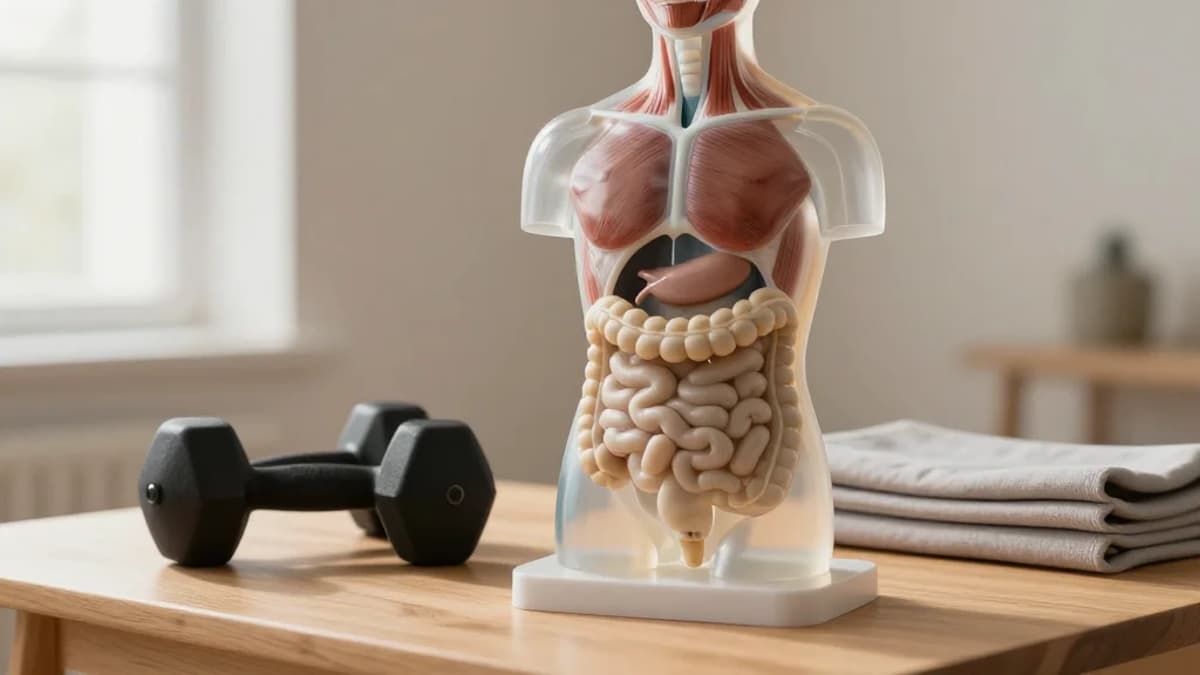
This One Type Of Gut Bacteria Is Linked To 29% Greater Muscle Strength
A recent study published in *Gut* links the gut bacterium Roseburia inulinivorans to markedly higher muscle strength, showing a 29% boost in hand‑grip force among older adults and similar gains in younger participants, including improved VO₂ max. Mouse experiments confirmed...
By Mindbodygreen

News•Mar 12, 2026
Her Lab Worked to Future-Proof Fruits and Vegetables
The Horticulture Innovation Lab, funded by USAID, focused on under‑funded fruit and vegetable research to improve nutrition for marginalized populations worldwide. It partnered with scientists across Africa, South Asia, and Central America, delivering soil guidance, climate‑adapted varieties, and low‑energy cooling...
By New York Times – Science
News•Mar 12, 2026
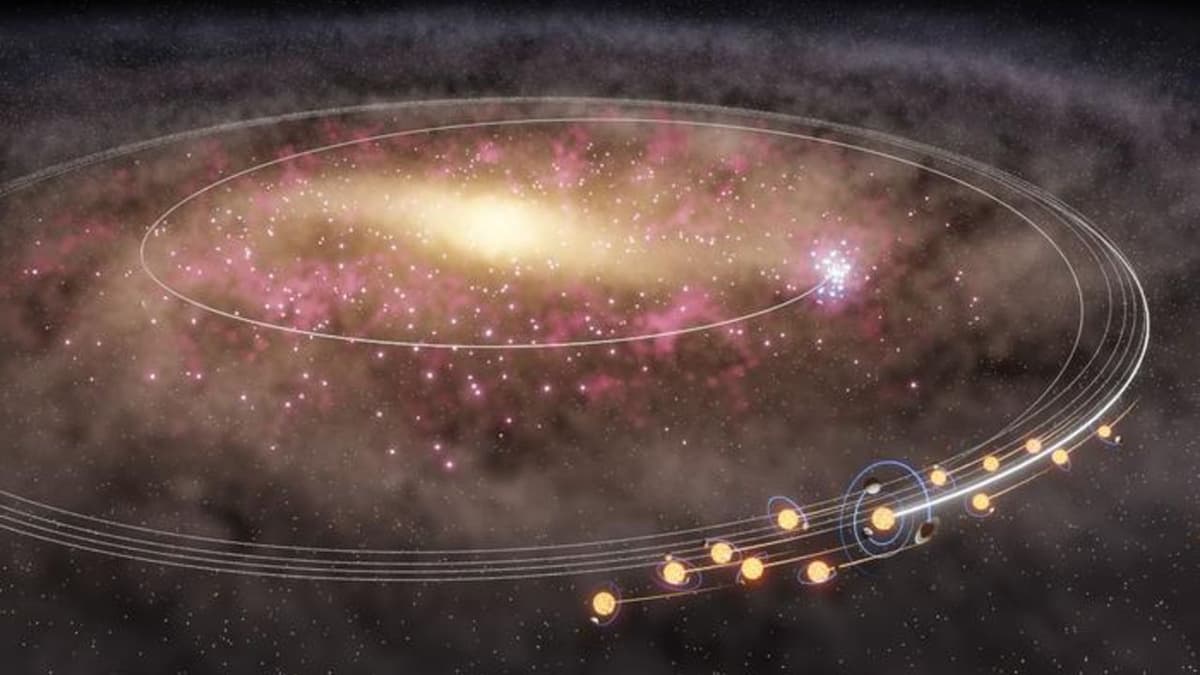
A 'Mass Migration' Of Stars From the Milky Way's Center Could Explain Why There's Life in Our Solar System
Researchers analyzing Gaia data uncovered 6,594 solar‑twin stars—about thirty times more than earlier surveys—most clustered near the Sun. The findings suggest a massive outward migration of stars from the Milky Way’s crowded centre coinciding with the formation of the galaxy’s...
By Live Science