
Losing Control without Realizing It
The post explains how loss of self‑control occurs not in a dramatic event but through a series of tiny, unnoticed decisions. Small delays, minor concessions, and reduced attention gradually weaken focus and standards. When the cumulative effect becomes apparent, people feel they have “lost control” without recognizing the incremental drift. The author argues that conscious awareness can interrupt this pattern and restore discipline step by step.

Remote Work Was Destroying My Body… Until I Found This
The blog reviews "Move More, Hurt Less," a desk‑focused guide that promises to eliminate most remote‑work pain within days. It explains how prolonged sitting damages the hips, glutes, spine, and eyes, then offers a step‑by‑step ergonomic overhaul and 150+ micro‑exercises...

Weekly Neuroscience Update
A wave of neuroscience research highlights non‑drug therapies and genetic insights that could reshape treatment for mental health, cancer‑related cognitive issues, and metabolic disorders. Transcranial magnetic stimulation shows lasting reduction of PTSD fear responses, while electroacupuncture improves cognition and alleviates...

A Complete Guide to Becoming a Certified Breathing Instructor
The Oxygen Advantage® method now offers a structured, science‑based pathway to become a certified breathwork instructor. The program starts with a Level 1 Functional Breathing Instructor course and progresses to an advanced certification that integrates CO₂ tolerance, nasal breathing, and biomechanical...

How To Handle Failure: A Four-Part Substack Series
Elizabeth Day launches a four‑part Substack series, "How To Handle Failure," built on her book *Failosophy*. The first installment defines failure, debunks common myths, and explains why society silences discussions about setbacks. Drawing on hundreds of podcast interviews, Day argues...

The Multifamily Operations Daily Huddle: The Importance of Emotional Regulation in Leadership
Property managers who maintain composure during emergencies set a steady tone for their teams, turning potential chaos into coordinated action. In multifamily settings, where resident disputes, maintenance crises, and staffing pressures intersect, emotional regulation becomes a core operational asset. The...
9 April 2026 ~ 3 Good Things
Emily Gaines Demsky revisits gratitude while promoting her "Tell Me 3 Good Things" habit, a three‑step routine of noticing, naming, and sharing positive moments. She argues the practice differs from traditional gratitude exercises because it doesn’t require feeling thankful, yet...

Charles River Advances Cardiovascular Health Awareness Through Support of the American Heart Association
Charles River Laboratories announced a partnership with the American Heart Association to back its Heart of Boston campaign, targeting cardiovascular disease awareness and prevention. The collaboration aligns with Charles River’s corporate purpose of creating healthier lives and its broader citizenship...

Your Kids Don’t Need the Adult Details
When parents separate, the instinct to explain every detail can backfire. Experts stress that children need emotional safety, not adult arguments, timelines, or blame. Providing stability, reassurance, predictability, and love across both homes reduces anxiety and supports healthy development. Professional...
Why Walking Matters Most in Post-Acute Rehabilitation
Walking is the central metric families use to gauge recovery in post‑acute rehabilitation, symbolizing independence and a return home. Patients arriving after stroke, hip fracture, or severe illness often face rapid muscle loss, making gait restoration a critical therapeutic goal....

Ask an Expert: How to Recover From Mistakes.
Creativity in the Time of Capitalism launched its first Ask an Expert column, focusing on how professionals can recover from mistakes. The segment cites founder Lauren Haynes, whose first national Whole Foods order faltered due to a simple math error,...

Why Mini Bernedoodles Can Be Great Companions for Children with Autism
Mini Bernedoodles combine a gentle, calm demeanor with high social intelligence, making them well‑suited to support children on the autism spectrum. Their ability to detect and respond to emotional cues helps reduce anxiety and encourages routine. The breed’s compact size...
The Hidden Crisis of Trainee Health During Medical Residency
Dr. Chinyelu Oraedu recounts a 48‑hour ordeal in 2009 when she, a pregnant internal‑medicine resident, juggled an urgent cesarean delivery and the final USMLE Step 3 exam. The episode exposes how delayed lab results and inflexible residency schedules force trainees to...
Low-Dose Lithium Treats Suicidal Ideation Safely
Low‑dose lithium (150‑300 mg) rapidly eliminated suicidal thoughts in young patients, with effects observed within days and sustained over years. Decades of research show lithium uniquely reduces suicide risk, outperforming alternatives like clozapine and ketamine, while its narrow therapeutic window at...

Want a Happier Relationship? Understand Your Childhood Conflict Programming.
Relationship coach Karen Salmansohn argues that happier partnerships begin with understanding one’s childhood conflict programming. She explains that early family dynamics create subconscious scripts that dictate how partners handle disputes. To help clients, she provides a deep‑dive resource that maps...
Boundary Tools To Manage Narcissists
Karen Salmansohn’s latest Substack post offers a free boundary‑setting toolkit for paid subscribers, designed to help individuals protect themselves from narcissistic personalities. The resource combines psychological insights with actionable exercises, enabling readers to recognize manipulative patterns and enforce personal limits....

How I Work Through Performance Anxiety
Claire, a veteran speaker who has presented at NASA, Harvard Business School and the United Nations, admits she still feels intense nerves before each engagement. She reframes anxiety as untapped energy and applies two techniques: redirecting attention from worst‑case scenarios...
Emotional Eating + Maladaptive Coping Mechanisms Insights
The Substack post by Karen Salmansohn highlights a suite of tools designed to help subscribers curb emotional eating and address maladaptive coping mechanisms. While the resources are normally behind a paywall, paid members receive them at no additional cost, effectively...

What Would Joshua Own?
Joshua Fields Millburn, co‑founder of The Minimalists, announced a new podcast segment called “What Would Joshua Own?” that invites listeners to ask him about specific items they’re considering buying. The segment is positioned as a reference point for intentional consumption...

Rhamnan Sulfate an Agent that Might Protect Microcirculation, Vascular Endothelium and Glycocalyx
Rhamnan sulfate (RS), extracted from the Japanese seaweed Monostroma nitidum, is emerging as a supplement that targets the endothelial glycocalyx rather than nitric‑oxide pathways. Early cell studies show RS restores glycocalyx thickness and cuts LDL permeability threefold, while ApoE‑deficient mice...

You Need 5 Routines
Neuroscience confirms that the brain thrives on predictable patterns, making routines essential for mental stability. The post argues that chaotic days often stem from a lack of anchor routines that regulate the nervous system, dopamine levels, and cortisol. Instead of...
Redefining Physician Leadership and Adversity After a Life-Changing Illness
Dr. Bertina Marie Hooks, an internal‑medicine physician, recounts how a right below‑knee amputation forced her to confront a shattered professional identity. The physical recovery revealed that true leadership extends beyond competence, demanding self‑reconstruction amid ongoing clinical responsibilities. She argues that...

High Dose Influenza Vaccine Correlates with Greater Reduction in Dementia Risk
A retrospective cohort study of U.S. seniors found that receiving a high‑dose inactivated influenza vaccine (H‑IIV) was associated with a significantly lower risk of Alzheimer’s disease compared with the standard‑dose vaccine (S‑IIV). The analysis used claims data from 2014‑2019, covering...

Ready to Rethink the Bias Embedded in Prevention?
A new paper in *Current Obesity Reports* challenges the entrenched bias that frames obesity prevention as a matter of personal responsibility. It argues that decades of investment in “eat less, move more” campaigns have failed because they ignore the complex...
Don’t Waste Your Money on Expensive EVOO or ‘High Polyphenol’ Olive Oil!
A review of clinical and mechanistic data finds extra‑virgin olive oil (EVOO), especially high‑polyphenol varieties, superior to canola oil for cardiovascular health. The PREDIMED trial (≈7,400 high‑risk participants) reported a 31% reduction in major events with about four tablespoons of...
2g/Day of DHA for 2 Years Has No Impact on Cognition or Hippocampal Volume
A two‑year randomized trial gave participants 2 g of DHA daily and found no measurable improvement in cognitive performance or hippocampal volume. The null result adds to a growing body of RCTs that fail to demonstrate brain benefits from DHA supplementation...

Red-Light Therapy: Breakthrough or Junk Science?
Red‑light therapy is attracting both scientific interest and commercial hype. Recent clinical studies have documented measurable improvements in peripheral neuropathy, retinal degeneration, and certain neurological disorders, leading some professional societies to endorse specific treatment protocols. At the same time, researchers...

Molecular Hydrogen as a Treatment for Chronic Fatigue Syndrome
Molecular hydrogen is emerging as a potential therapy for chronic fatigue syndrome (ME/CFS) by protecting mitochondria from oxidative damage and restoring cellular energy production. Pre‑clinical and early‑stage human trials show hydrogen‑rich water and inhalation improve endurance, lower blood lactate, and...

Entry Point #2
The post reframes forgiveness as a continual practice rather than a one‑time decision, emphasizing that wounds can resurface and require repeated surrender. It introduces the “entry point” metaphor, warning that lingering unforgiveness creates openings for negative influence. By repeatedly bringing...

How I Stopped Feeling Overwhelmed by Everything
The author describes how chronic overwhelm turned daily chores and work tasks into a chaotic mental flood. By recognizing that not every item warrants the same emotional weight, they shifted from labeling everything a problem to treating alerts selectively. This...

Building Empathic Classrooms: What We Gain From Peer Support Models
Educators highlight that paraprofessional presence in mainstream high school classrooms can unintentionally limit social interaction for students on the autism spectrum. A 2015 study by Carter et al. found peers hesitate to engage with supported students, especially as they age....

Peer-Led Storytelling in Adolescent Substance Use Prevention
A recent study of the school‑based "Ignite & Engage" program, run by the Midwest recovery group Rise Together, surveyed over 10,000 middle‑ and high‑school students who attended peer‑led recovery storytelling assemblies. More than half of students with prior substance‑use experience reported a...

Why Your Body Feels Restless When Nothing Needs Your Attention
The article explores why people often feel a vague restlessness during periods of true stillness, even when no external demands exist. It attributes the sensation to the brain’s default‑mode network staying active, seeking mental stimulation. The author suggests mindfulness and...

Joy as a Strategy
The article advocates making joy a core strategy in classrooms, emphasizing that happiness is not a luxury but essential for learning. It outlines how growth‑mindset thinking, gamification, movement breaks, collaborative pairing, and specific praise can boost engagement, reduce anxiety, and...

You Don’t Need a Better Routine, You Need a Quieter One
The post argues that piling on new habits and tighter schedules rarely yields true rest; instead, a quieter routine is needed. It describes how even a perfectly organized day can leave the mind feeling busy and unfinished. By shifting focus...
Your Nervous System Is Not Seeking Peace
The article argues that the nervous system resists full relaxation even when life slows, pulling us back toward activity and tension. It explains that chronic stress establishes a physiological baseline where quiet feels uncomfortable. The author suggests that true peace...

Paediatric Neurology and Therapeutic Carbohydrate Restriction
The article reviews emerging evidence that ketogenic metabolic therapy may benefit neonatal brain injury, preterm infants with mitochondrial disease, and children with autism spectrum disorder linked to PTEN mutations. Case reports demonstrate rapid lactate reduction and metabolic stabilization in a...

The Psychology of Aging: Why Your Mind Feels Heavier After 50's?
After reaching their fifties, many adults notice their thoughts feeling heavier, not because of declining intelligence but due to an increased cognitive load. The mind now balances decades of experience, larger decision trees, and heightened emotional responsibilities, making each choice...

The Cost of Delay: The Dangerous Lie Behind Procrastination
Procrastination is often framed as a harmless delay, but it systematically erodes productivity and future performance. The article argues that postponing tasks creates a hidden cost, as the anticipated “sharper future self” rarely materializes. By linking procrastination to stress, missed...

Nervous System Reset: Easy Practices When You Feel Tired and Wired
A growing share of American workers feel simultaneously exhausted and overstimulated, a condition dubbed “tired‑and‑wired.” Recent surveys show more than 60% of employees report burnout, with younger staff and parents hit hardest. The blog explains that chronic stress, nonstop notifications,...

You Sit, Scroll, and Stay Slightly Tense All Day
The post highlights how modern desk work—sitting for hours while scrolling on a phone—creates a paradox of low‑effort activity that actually keeps the body in a state of constant, low‑grade tension. Small, frequent adjustments and continuous digital stimulation prevent full...

Nothing Feels Finished Because Nothing Truly Ends Anymore
The post observes that modern workers rarely feel truly done with their day, as digital devices keep tasks and notifications alive long after work ends. It highlights how the constant flow of emails, messages, and alerts blurs the line between...

Navigating the Metacrisis: Finding Calm in the Storm Through Awareness and Meditation
The Great Simplification podcast episode explores how cultivating inner awareness through meditation can help individuals and societies navigate the "metacrisis" of overlapping global and personal challenges. Host Sam Harris argues that most suffering stems from unconscious identification with thought, which,...

A Neuroscience Protocol to Strengthen Memory and Accelerate Learning
A new neuroscience‑based protocol outlines how the timing of study sessions and sleep can dramatically boost memory retention. The guide emphasizes aligning learning with optimal brain states, leveraging sleep‑dependent consolidation, and incorporating movement and nutrition cues. It is positioned for...

Dementia Care + The Antwone Q. Fisher
Soul Thursdays is hosting two live Zoom conversations in April. On April 9, Dr. Kalisha Bonds Johnson, a nurse scientist at Emory’s Integrated Memory Care Clinic, will discuss dementia caregiving, early warning signs, and cultural challenges faced by Black families. The...

Why Your Calmest Students Are Falling Apart Right Now
The post highlights how standardized testing season intensifies stress for students, especially those with trauma histories, by disrupting routines, demanding prolonged stillness, and removing trusted adults. It explains that these pressures can trigger toxic stress and lead to behavioral crises....
Enjoy Happiness
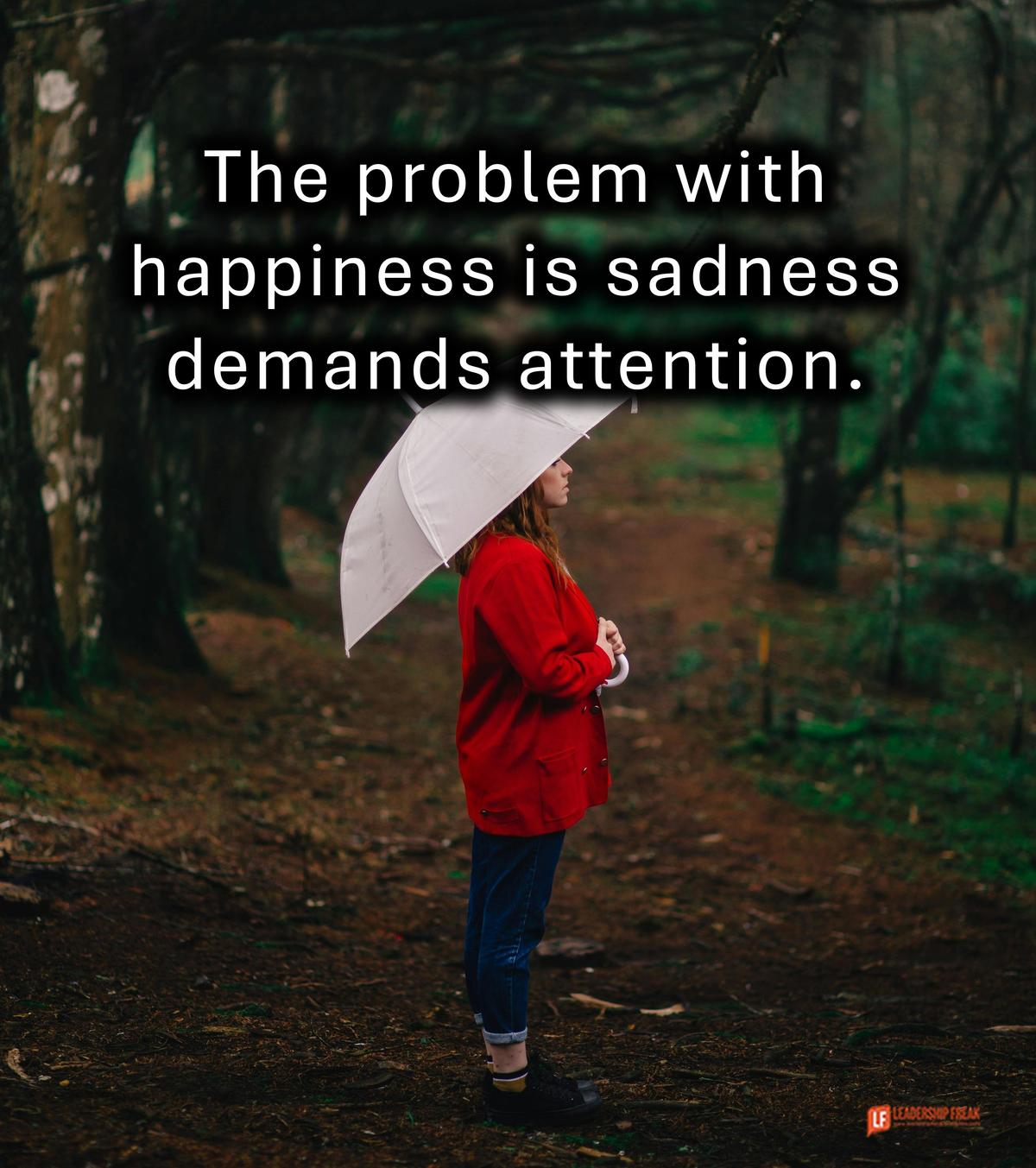
"Enjoy Happiness" offers a contrarian view that chasing happiness directly hampers well‑being, recommending instead that individuals focus on meaning, accept sadness, and cultivate intentional positive habits. The piece lists seven actionable steps—from pursuing purpose over fleeting pleasure to giving away...

The Plan - April 2026
The author’s March personal‑productivity roundup shows a high‑volume wellness routine, logging 30 meditations, 27 journal entries, eight strength workouts and ten books. In April the plan shifts to three Peloton strength sessions per week, supplemented by a refined nutrition shake...

5 Habits of Mentally Strong People, According to Warren Buffett
Warren Buffett attributes his success to mental strength, outlining five habits: independent thinking, emotional control, staying within one’s circle of competence, focusing on long‑term outcomes, and protecting an inner scorecard. These habits guide investors to act contrary to market hype,...

5-Minute Morning Habits That Set a Minimalist Tone for the Day
The article outlines a series of five‑minute morning habits designed to create a minimalist tone for the day. By inserting intentional pauses before reaching for a phone, sitting in silence, naming three priorities, making the bed, and hydrating, readers can...