
Is the Idea of Personal Strength and Resilience Being Used Against Us?
The article argues that corporations often deflect systemic discrimination and harassment by framing them as personal resilience issues, citing Google’s practice of referring complainants to counseling and Amazon’s “not Amazon material” narrative. It highlights that toxic cultures are deliberately created by leaders, not spontaneous entities, and that blaming individuals shields organizations from accountability. The piece notes a generational shift, with younger workers opting to leave or build alternatives rather than tolerate such environments. Ultimately, it calls for removing toxic leaders to rebuild healthier workplaces.
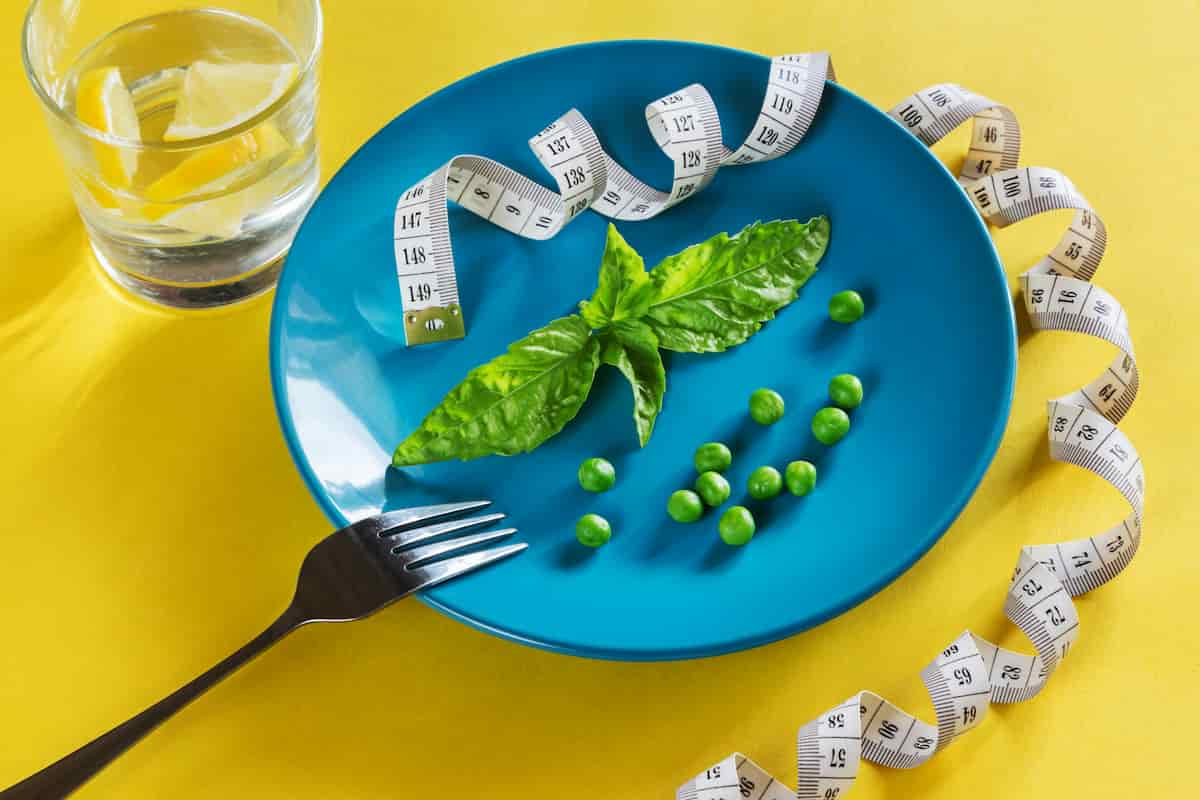
Why ‘Menu Monotony’ May Be The Secret To Losing More Weight (M)
A new longitudinal study shows that people who eat the same meals day after day lose more weight than those who rotate their menus. Researchers followed 1,200 adults for six months, finding the monotony group shed roughly 1‑2 % more body...

MusiCares Launches Digital Suicide Prevention Resources For Artists, Music Community
MusiCares, the Recording Academy’s charitable arm, has launched a digital hub with The Jed Foundation to provide suicide‑prevention and mental‑health resources tailored for music professionals. The site debuted on April 14 following the 2025 MusiCares Wellness In Music Survey, which found...

Why the Apple Watch's 20-Minute Calibration Test Is Worth Your Time - Especially if You're Data Curious
Apple Watch users can boost workout accuracy by completing a 20‑minute outdoor calibration walk or run. The process involves enabling Motion Calibration & Distance in iPhone privacy settings and exercising in a GPS‑strong area, allowing the watch to learn personal...

How My Smart Home Became My Best Defense Against Brutal Spring Allergies - and Pollen
Maria Diaz details how she turned her smart home into a frontline defense against spring pollen. She relies on a HEPA‑rated smart air purifier that auto‑starts when indoor AQI rises, and uses Alexa routines to receive daily pollen and air‑quality...

You Can Order Your Own Blood Work Now. Interpreting the Results Is Another Story
Direct‑to‑consumer blood testing is rapidly expanding as wearables and telehealth firms like Oura, Whoop, Hims & Hers, and Function Health partner with Quest Diagnostics and Labcorp to sell panels for as little as $99. Consumers can order labs without a physician, but the...

How Fear of Separation Is Reshaping Latino Families—And What Communities Can Do
Research shows that fear of immigration‑related family separation is reshaping how Latino families in the United States make everyday decisions—from seeking medical care to pursuing higher education. Heightened ICE enforcement and policies such as the 2018 Zero Tolerance rule increase...

AOPA Pilot Mental Health Initiative
AOPA announced a month‑long mental‑health initiative for May, timed with Mental Health Awareness Month, to educate and support general‑aviation pilots and flight instructors. The program builds on FAA’s Aviation Rulemaking Committee recommendations that highlight disclosure barriers for pilots. It will...

The Cost of AI: Signs of Brain Fry & Cognitive Debt
Recent research from BCG, UC Berkeley, and MIT reveals AI is reshaping knowledge work by adding cognitive strain rather than freeing mental capacity. A survey of 1,488 U.S. workers shows productivity peaks with three AI tools, but four or more...

Stripes Beauty Partners With Canyon Ranch to Launch Menopause-Focused Spa Treatments
Stripes Beauty, the menopause‑focused wellness brand founded by Naomi Watts, has partnered with luxury spa operator Canyon Ranch to launch a suite of spa treatments aimed at mid‑life women. The initial rollout will appear at Canyon Ranch’s Tucson, Arizona and...

This Nutrient Deficiency Affects 90% Of Us & May Be Making Your Anxiety Worse
A new meta‑analysis in Molecular Psychiatry found that people with anxiety have about 8% lower choline levels in key brain regions, especially the prefrontal cortex. The review pooled 25 magnetic‑resonance spectroscopy studies covering more than 700 participants, confirming low choline...
Psychedelic Therapy and Traditional Antidepressants Show Similar Results Under Open-Label Conditions
A meta‑analysis of 24 trials found that psychedelic therapy and open‑label antidepressants produce statistically indistinguishable reductions in depressive symptoms. The study compared 8 psychedelic trials (249 patients) with 16 antidepressant trials (7,921 patients) under equal unblinding conditions, revealing only a...

Applications Open for European Journalist Retreat on Trauma, Resilience and Ethical Reporting
The Global Center for Journalism and Trauma, together with iMEdD's Ideas Zone, announced a four‑day retreat for European journalists in Vamvakou, Greece, from 14‑18 October 2026. The fully funded fellowship targets reporters, editors, photographers and multimedia journalists covering conflict, migration,...
Veterans Community Care Program: Information on Behavioral Health Referrals, Fiscal Years 2021 Through 2024
The GAO report shows the Department of Veterans Affairs’ Community Care Program referred more than 600,000 veterans to private providers for behavioral health services between FY2021 and FY2024. Outpatient psychotherapy made up the majority of referrals, but inpatient and residential...
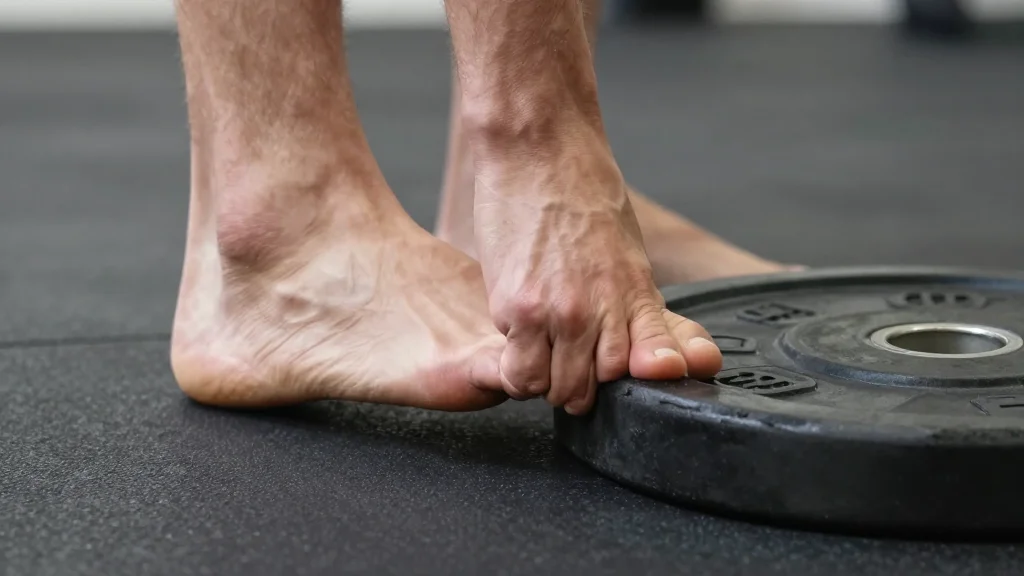
Want To Lift Heavier & Move Better? The #1 Movement Upgrade Most Lifters Ignore
A growing body of research and expert opinion, led by foot specialist Courtney Conley, D.C., argues that lifters are overlooking the most fundamental lever for strength: the feet. Modern cushioned shoes dampen proprioceptive feedback, weakening intrinsic foot muscles that stabilize...

The Future of Work Includes Better Water: Why Offices Are Rethinking Hydration
Offices are installing filtered water dispensers to combat chronic dehydration, which affects up to 75% of Americans. Studies show a single glass of water can boost reaction times by about 14%, linking hydration to higher productivity and safety. Traditional sugary...

Zurich Insurance Offers ‘Best of Both Worlds’ with Human-Led Digital Loss Support Service
Zurich Insurance has partnered with Empathy to launch a human‑led digital bereavement support service for its UK policyholders, offering personalized care plans, dedicated care managers and secure tools to handle the emotional and administrative burdens after a loss. The service,...

Improving Outcomes: New Standards in Eating Disorder Treatment
New treatment standards for eating disorders are moving beyond weight metrics to a holistic, patient‑centered model that integrates medical safety, mental‑health therapy, nutrition planning, and digital support tools. Hospital admissions for children and adolescents have climbed from 18% to 26%,...

This Fitness Metric Is Linked To 775% Increase in Anxiety Risk
Researchers measured participants' VO₂ max and found that higher cardiorespiratory fitness correlates with lower baseline anxiety and reduced emotional volatility during stress. In a lab test, individuals with below‑average fitness experienced a 775 % greater risk of escalating from moderate to high...

Childhood Obesity Epidemic Drives Government’s Drastic Overhaul of School Menus
The UK government is overhauling school food standards to combat a childhood obesity crisis, banning deep‑fried items and cutting back on grab‑and‑go foods such as sausage rolls and pizza. New guidelines require daily fruit, healthier main dishes and a lead...

Taking the First Step: Reaching Out for Addiction Support
Taking the first step toward addiction recovery is portrayed as a courageous act that can change a life trajectory. The piece explains how professional treatment—ranging from medically supervised detox to flexible outpatient programs—offers safe, evidence‑based pathways to sobriety. It also...

Drink Coffee at This Time For The Biggest Mood Lift, According To 30k Data Points
Researchers tracked over 200 adults for two to four weeks, collecting nearly 30,000 data points on caffeine intake and mood. They found that drinking coffee or tea within the first 2.5 hours after waking consistently raised positive emotions, while negative feelings...

I Spend More Time With My Phone Than My Family. Will Retirement Fix That?
The article reflects on how Americans, especially those approaching retirement, spend more time on phones than with family, citing research that shows adults 50‑64 clock over ten hours of daily screen use. It argues that retirement alone won’t reset these...
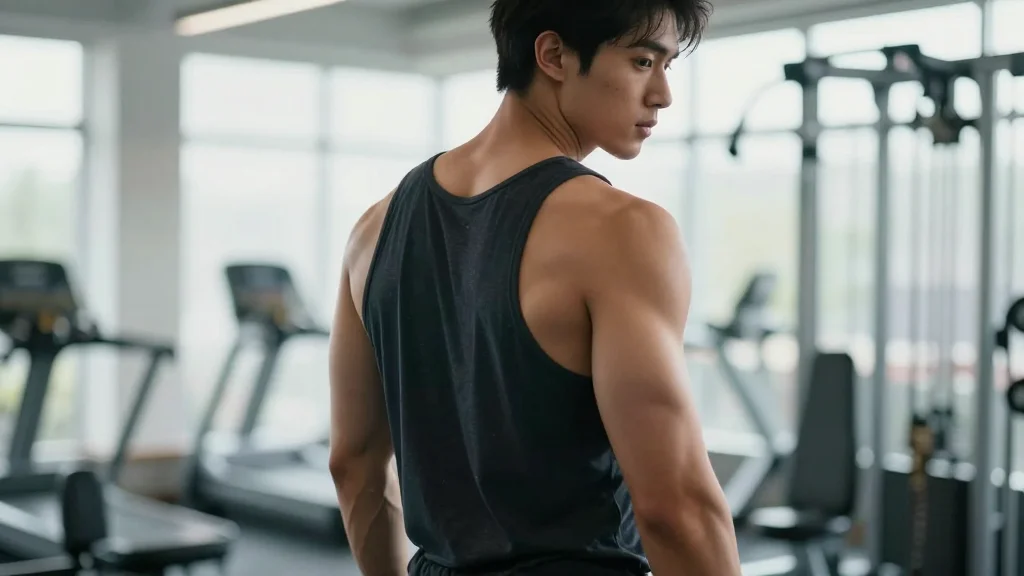
Understanding the Foundation of Spinal Health: Movement, Stress, and the Tipping Point
The article frames spinal health as a balance of movement dosage, biomechanics, and recovery. It explains how bone adapts to mechanical load, how athlete anatomy creates distinct stress patterns, and why neural coordination is as crucial as muscle size. Practical...
Protecting Teachers From Workplace Violence as Student Behavior Challenges Rise
Student behavior problems have surged since the pandemic, and a recent NEA‑APA survey shows 80% of K‑12 teachers experienced verbal or threatening violence and 56% faced physical assaults during the 2021‑22 school year. These incidents are linked to heightened teacher...

The Cure for Body Dissatisfaction that Doesn’t Involve the Body
The article argues that chronic body dissatisfaction—fuelled by thin‑ideal trends like the thigh gap and social‑media fads—can be mitigated by cultivating awe through natural environments. Psychological research links self‑efficacy from enjoyable exercise to healthier body image, but media‑literacy warnings often...
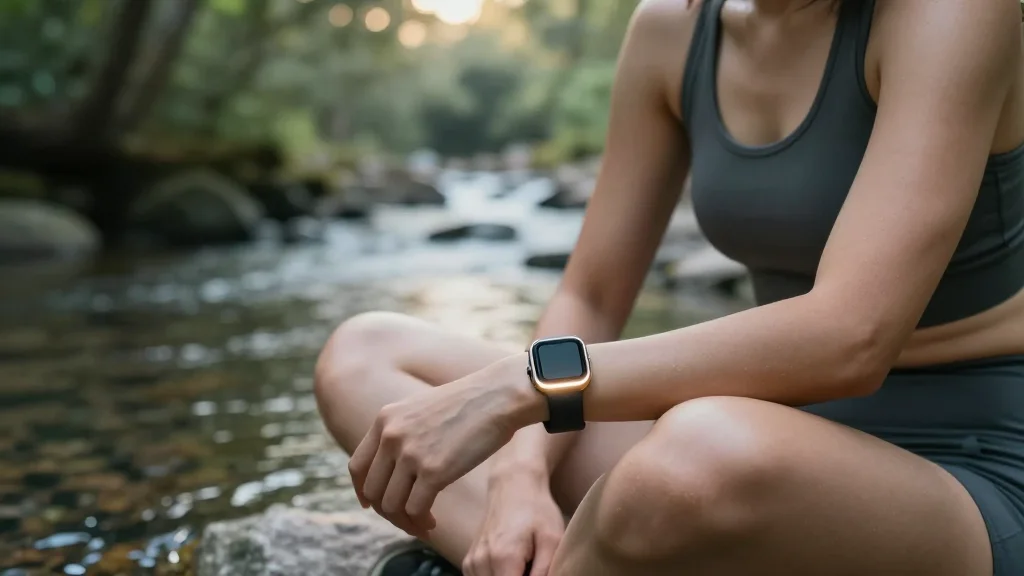
Are We Trading Connection For Control In The Name of Health?
The health‑optimization boom has turned biohacking into a data‑driven industry, with wearables tracking sleep, glucose, and DNA‑based supplements. Neuroscientist Tara Swart warns that this focus on metrics often sidelines the social and emotional factors that historically sustain longevity. She highlights research...

43% of Companies Do Not Have a Formal Health & Wellbeing Strategy
Research by Everywhen shows that 43% of UK companies still operate without a formal health and wellbeing strategy, while 51% have documented plans that are regularly refreshed. Only 18% rely on simply offering benefits, and 13% provide support on an...

The Secret to Living Past 100 May Come Down to These 3 Key Factors
A new study examined blood proteins from mid‑life adults, older patients, and centenarians, revealing that the oldest individuals retain a youthful protein signature. The research highlighted lower inflammation, reduced oxidative stress, and stable metabolic markers in centenarians compared with younger...

How to Treat and Prevent Calluses on the Feet
The article explains that calluses form from friction and pressure on the feet, especially during warmer months or with ill‑fitting shoes. Podiatrists and dermatologists describe calluses as a protective skin response but warn they can become painful or infected if...

This Study Challenges The #1 Advice For Preventing Kidney Stones
A large two‑year study of more than 1,600 kidney‑stone patients compared standard care with a structured hydration program that set personalized fluid targets, used smart bottles, text reminders and financial incentives to reach at least 2.5 L of urine output per...

People Are Using AI Tools to Self-Diagnose, but Research Shows They Are Very Likely to Be Getting Bad Advice
New AXA Health polling of 2,000 UK adults reveals that large‑language‑model symptom checkers are reshaping care pathways. While 78% say AI helps them understand medical language, 59% report delaying professional help after reassurance and the same share seek unnecessary appointments....

New Research Says That Loneliness Impacts Memory. Therapists Share the Best Ways to Socialize More.
A seven‑year European study of more than 10,000 adults aged 65‑94 found that high levels of loneliness are linked to a lower baseline memory performance, though loneliness does not accelerate memory decline over time. Participants recalled fewer words from a...
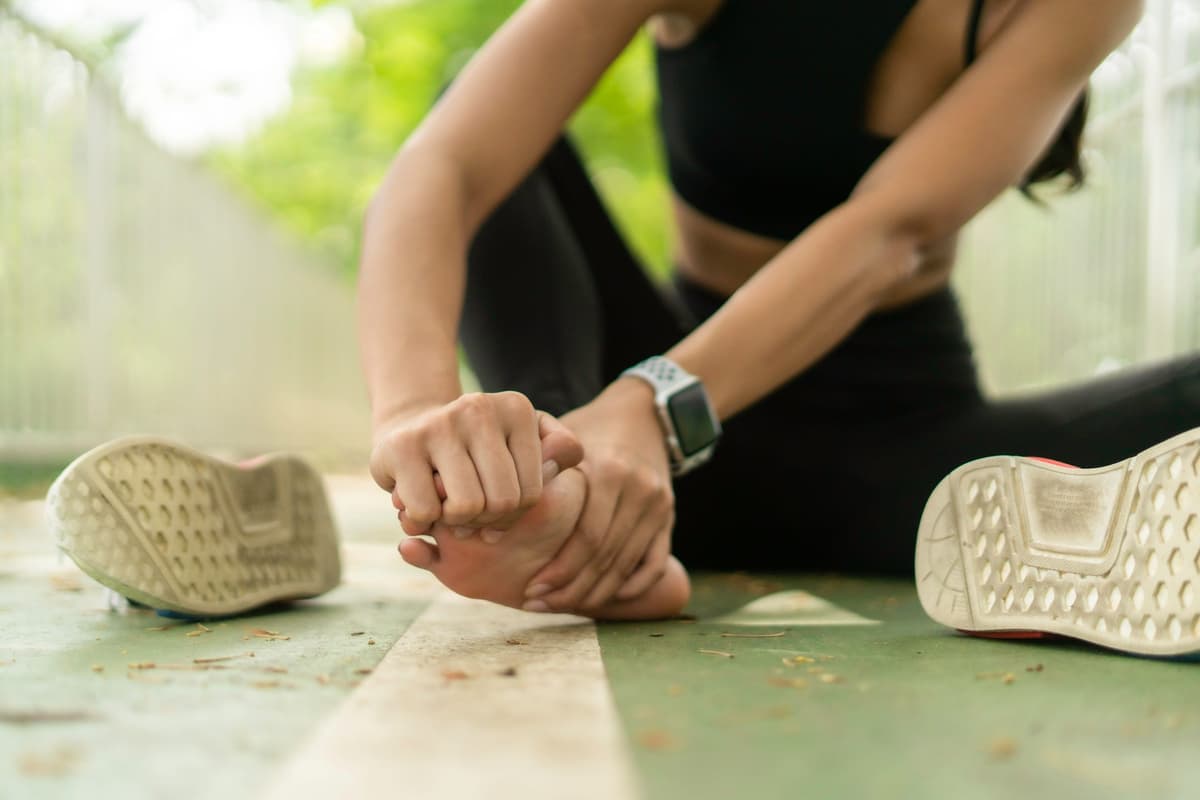
Your Guide to Bunion Pain Relief and Prevention
Bunions, painful deformities at the base of the big or pinky toe, are common among runners and are often aggravated by narrow, high‑heeled, or high‑drop shoes. Podologist Ray McClanahan recommends three non‑surgical strategies: toe spacers to restore natural toe alignment, wider...
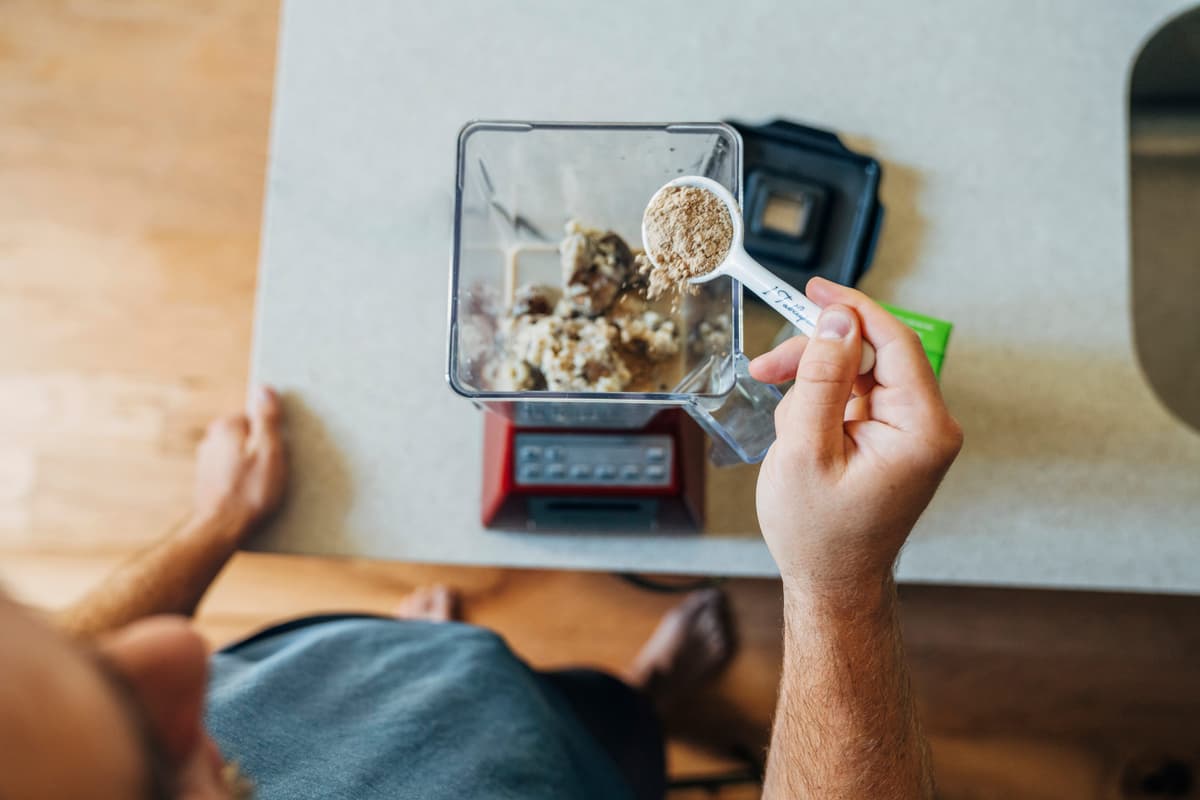
A Fitness Editor’s 5 Favorite Hacks To Boost Protein At Every Meal
Fitness editor Talene Appleton outlines five practical hacks to boost protein at every meal, ranging from chia seeds and hemp hearts to protein powder and tinned fish. Each tip emphasizes easy, low‑cost additions that can be layered into breakfast, lunch,...
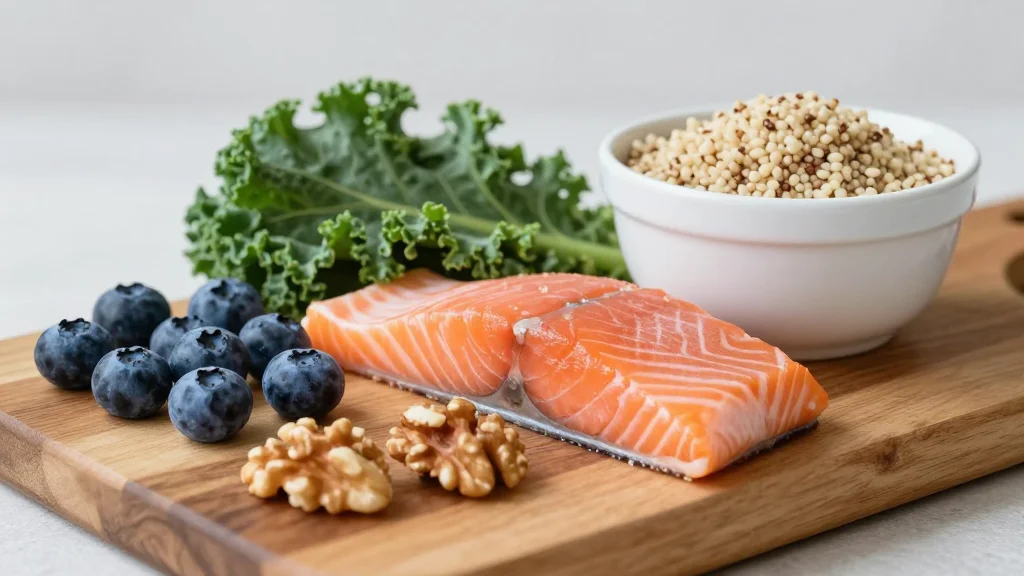
The Best Brain Foods for Better Memory and Function
A Cleveland Clinic specialist outlines specific foods that can boost memory and slow age‑related brain decline, citing strong evidence for omega‑3‑rich fish, antioxidant‑dense berries, whole grains, leafy greens, and walnuts. The article notes that up to 40% of dementia cases...
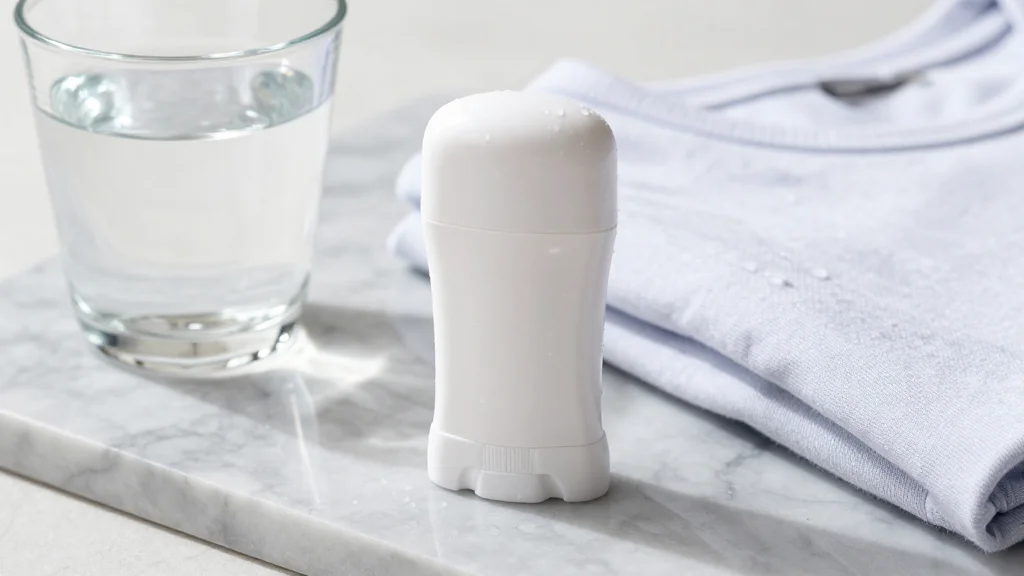
6 Methods To Help You Stop Sweating So Much
Dermatology specialist Lauren Lorek outlines six practical ways to curb excessive sweating, ranging from everyday habits to medical interventions. She emphasizes using antiperspirants with aluminum salts, selecting breathable cotton or mesh clothing, and adjusting diet to avoid sweat‑triggering foods. Staying...
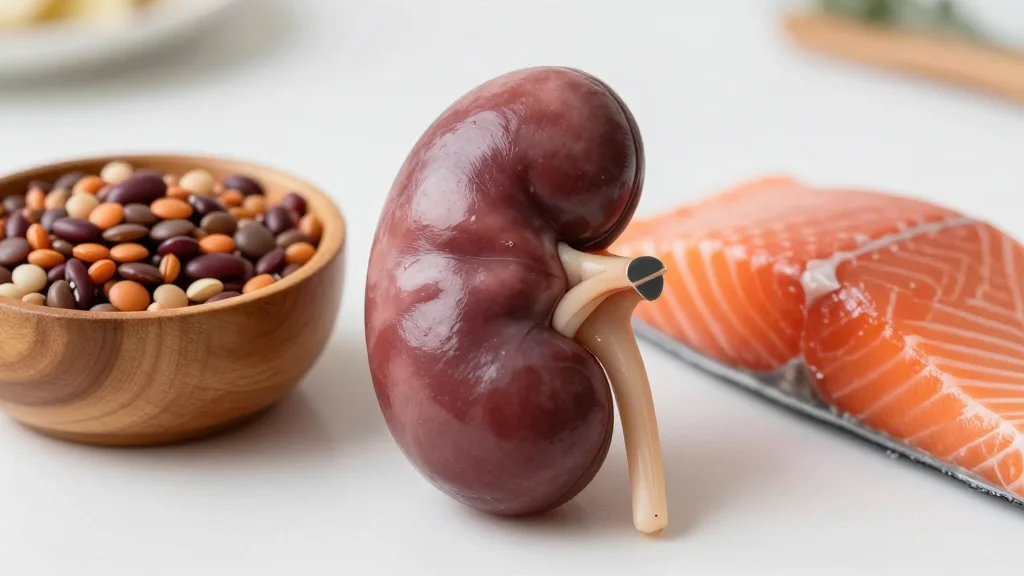
Can Eating Too Much Protein Hurt Your Kidneys?
High‑protein diets are booming, and the 2025‑2030 Dietary Guidelines for Americans have raised the recommended intake to 1.2‑1.6 grams per kilogram of body weight. Nephrologist Juan Calle explains that excess protein forces the kidneys to filter more waste, acids, and oxidative...
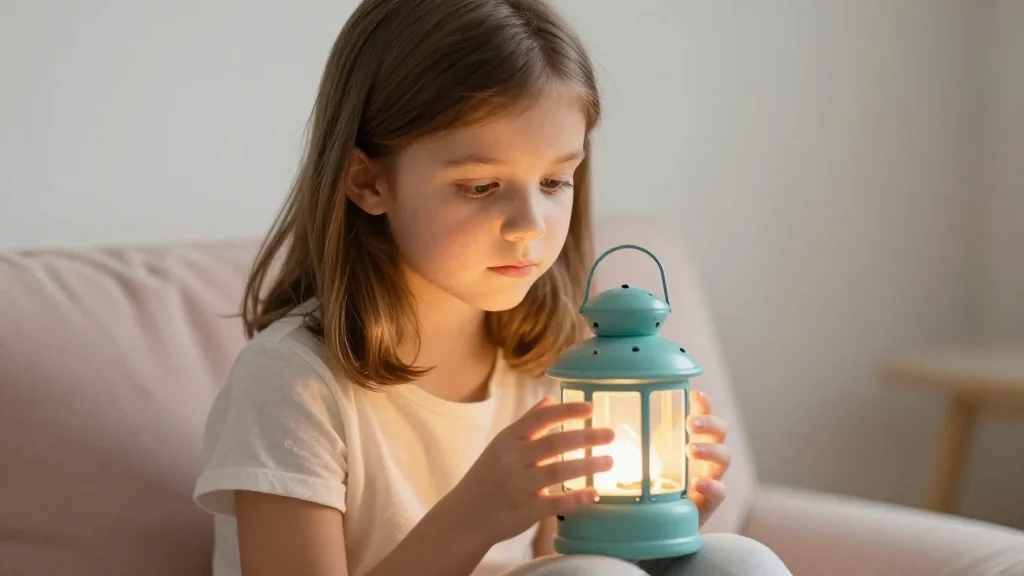
Asking Preadolescents About Suicide Does Not Increase Suicidal Thoughts
Researchers examined whether repeated suicide screening triggers new suicidal thoughts in preadolescents. In a 12‑month longitudinal study of 192 Missouri children aged 8‑12, monthly (low‑risk) or weekly (high‑risk) Ask Suicide‑Screening Questions (ASQ) surveys showed no increase in ideation. Statistical analyses,...

Beyond Rating Scales: AI Brings Natural Language to Depression Screening, Improving Accuracy and User Experience
Researchers at Zhengzhou Normal University introduced BDI‑FS‑GPT, a ChatGPT‑powered interface that embeds the Beck Depression Inventory Fast Screen into a conversational format. In a trial of 115 adults, including 28 diagnosed with depression, the AI tool identified 89.3% of cases...

Growth Asia Summit 2026: Haleon, Siens by Dabur, Yili to Deiscuss Healthy Longevity
The Growth Asia Summit 2026 will be held July 8‑10 in Singapore’s Marina Bay Sands, gathering more than 40 senior executives, scientists and marketers from the health‑nutrition sector. The three‑day program spotlights healthy ageing, healthspan, infant nutrition, metabolic health and protein‑focused...

Raising Children In An Age of Conflict
The article argues that today’s parents must move beyond shielding children from global conflict and instead provide age‑appropriate exposure to build resilience. It contrasts the relative safety of modern American childhood with the extreme hardships of the early 20th‑century wars,...
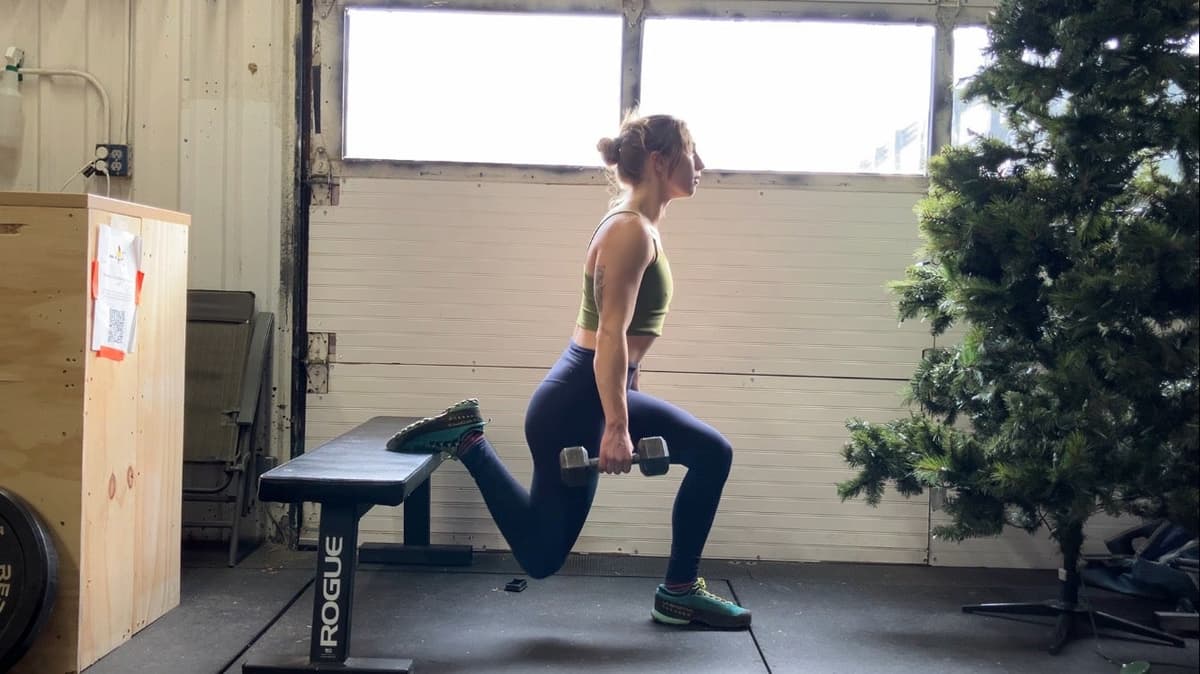
These 5 Workouts Are Guaranteed to Get You Hiking Stronger This Summer
Backpacker outlines five full‑body workout routines designed to make hikers stronger and less injury‑prone during the summer season. The plans blend low‑weight, high‑rep kettlebell circuits, bodyweight moves, and core drills that can be completed in an hour or less. Each...
White Matter Pathways Mediating Dorsolateral Prefrontal TMS Therapy for Depression
A new Nature Neuroscience study maps the white‑matter routes that link dorsolateral prefrontal cortex (DLPFC) transcranial magnetic stimulation (TMS) sites to the subgenual cingulate (SGC), a key depression hub. Using two clinical cohorts, the authors show that the number of...

ASU+GSV 2026: AI’s Impact on Youth Psychology
At the 2026 ASU+GSV Summit, a panel titled “Living and Learning With Aliens” warned that AI‑driven chatbots and learning tools could undermine youth psychological development. Experts highlighted the loss of relational friction, reduced empathy, and the danger of anthropomorphic language...

Become an Inner Nature Writing™ Facilitator
Inner Forest School launched the Inner Nature Writing™ Facilitator Certification, a three‑month, self‑paced program that blends mindfulness, guided imagery, and expressive writing. Participants complete 35 lessons, three live Zoom sessions, and 25‑30 hours of coursework to earn a digital certification....

It’s Tick Season and Reports Are on the Rise
Tick season is intensifying across the United States as the Lone‑Star tick expands its range northward and westward. Over the past 15 years, reported cases of Alpha Gal Syndrome—a meat allergy triggered by the tick’s bite—have surged, mirroring the tick’s geographic...

The Getaway That Asks You to Stay Still: The Global Rise of Yoga Travel
Yoga travel has evolved from niche ashram pilgrimages into a global industry that offers everything from modest Indian retreats to five‑star resorts in Greece. Travelers are drawn to the promise of a structured, low‑stimulus escape that replaces itineraries with breath...

Women in Facilities: Yanet Vega: Designing Spaces that Heal
Yanet Vega, a Project Manager at El Rio Community Health Center, transitioned from architecture to facilities leadership, now overseeing the full lifecycle of more than 20 healthcare sites. El Rio Health, one of the nation’s largest Federal Qualified Health Centers,...

Feeling Overwhelmed? Indecisive? Stuck? Yoga Can Help. Here’s How.
A growing body of science links indecision and the “functional freeze” response to a physiological feedback loop involving the amygdala, vagus nerve, and the psoas muscle. Yoga can interrupt this loop by regulating breath, releasing hip tension, and sharpening focus....