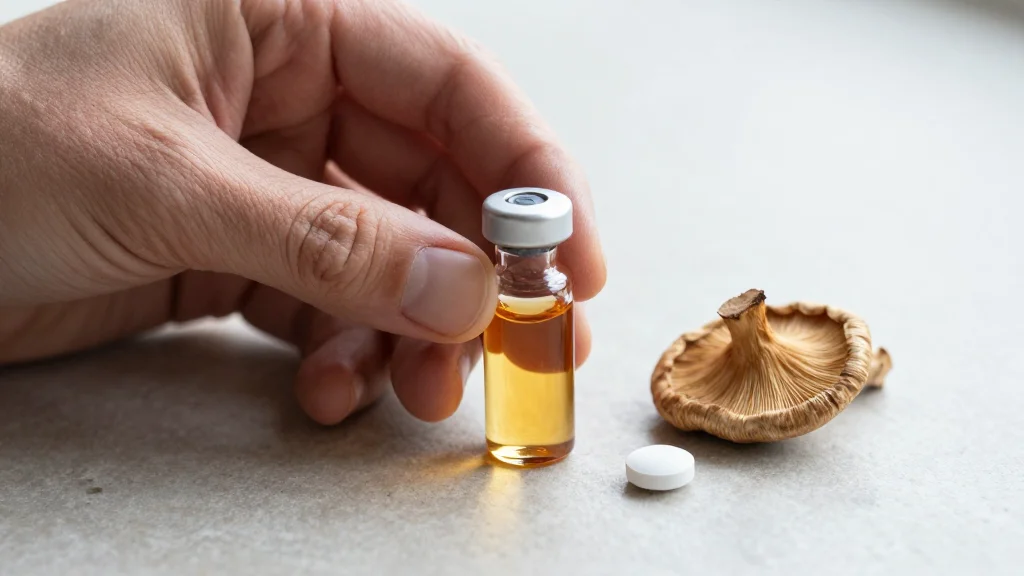
Bridging Promise and Evidence in Psychedelic Medicine
Jacobs and colleagues present a state‑of‑the‑art review of psilocybin and MDMA‑assisted therapies, highlighting their potential for treatment‑resistant depression and PTSD. The authors emphasize the distinct, session‑based paradigm that leverages acute neurobiological changes to produce lasting clinical benefits. However, they also flag critical methodological flaws such as functional unblinding, restrictive eligibility, and the intensive therapist involvement required for delivery. The review calls for larger, more diverse randomized trials and standardized protocols to bridge the gap between early promise and robust evidence.

What Gen Z’s Lunch Breaks Really Tell Us About the Criticism They Face at Work
Just Eat for Business research shows 56% of Gen Z take full lunch breaks daily, and 66% eat with colleagues. This challenges stereotypes of disengagement, highlighting their focus on rest and social connection. In the hybrid work era, lunch breaks...

Health Care Workforce: Federal Grants Supporting Mental Health
GAO reports that federal HHS grant programs allocated $103.2 million from 2022‑2024 to improve mental health among the 17 million‑strong health‑care workforce. Studies show 34% of workers experienced depression and 57% anxiety in 2022, while burnout rose to 46% from 32% in...

Your Employees Aren’t Lazy, They’re Afraid
Employees often appear lazy or resistant, but neuroscience shows they’re actually in threat mode due to change fatigue. The amygdala treats reorganizations, AI rollouts, or new leadership as physical danger, shutting down the pre‑frontal cortex and narrowing focus. Gallup’s 2025...

Can You Get Rid of Cellulite?
Dermatologist Shilpi Khetarpal explains that cellulite, common on thighs, hips and buttocks, is influenced by age, genetics, hormones and lifestyle. While no permanent cure exists, regular exercise, a whole‑food diet and healthy weight can modestly improve its appearance. Over‑the‑counter creams...

Breast Cancer and Menopause: Why It Happens and What Can Help
Breast cancer treatments, especially chemotherapy and endocrine therapy, often induce menopause or exacerbate menopausal symptoms such as hot flashes, vaginal dryness, and bone loss. These symptoms can be temporary or permanent, depending on age, treatment type, and ovarian reserve. Nonhormonal...

Dr. Tanvi Jayaraman on Oura Ring’s First Female-Focused LLM and the Future of AI Wellness Chatbots
Oura Health, the Finnish wearable maker behind 5 million rings, has unveiled its first proprietary large language model (LLM) built exclusively for women’s health. The model powers Oura’s in‑app Advisor chatbot, delivering answers drawn from clinically vetted studies rather than generic...

Saunas' Health Benefits Draw Enthusiasts and Researchers
Sauna culture is booming, highlighted by the inaugural Seattle Sauna Festival where enthusiasts gather for heat‑based rituals. Researchers cite repeated sauna sessions—four to seven times weekly—as linked to lower cardiovascular mortality, reduced blood pressure, and improved cholesterol. Emerging studies also...
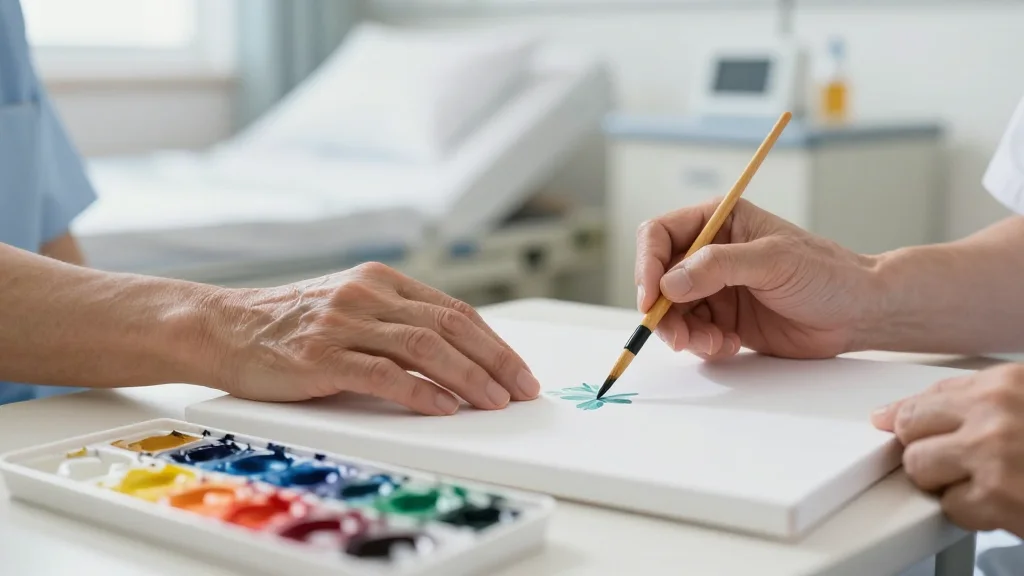
Benefits of Arts and Distraction Observed Within Palliative Care; a Reminder that Medicine Is More than Just ‘’Medicines’’
A hospice clinician observes that arts‑based activities and simple distractions dramatically eased a patient’s acute pain episode, complementing standard analgesics. The letter references the "total pain" model, which frames pain as physical, psychological, social, and spiritual, and cites recent research...
CDC's NIOSH Continues Annual Free Health Screenings for Coal Miners, Announces 2026 Dates
The National Institute for Occupational Safety and Health (NIOSH) has launched its 21st annual mobile health‑screening program for coal miners, running from March through May 2026. The free, confidential service travels to West Virginia, Virginia, Alabama, Kentucky, Ohio and Indiana,...

Low-Vision Aids for Macular Degeneration
Age‑related macular degeneration’s late stage, geographic atrophy, severely impairs central vision, making everyday tasks difficult. Dr. Ananth Sastry outlines a range of low‑vision aids—including optical devices, environmental modifications, and electronic tools—to help patients maximize remaining sight. Optical options such as...