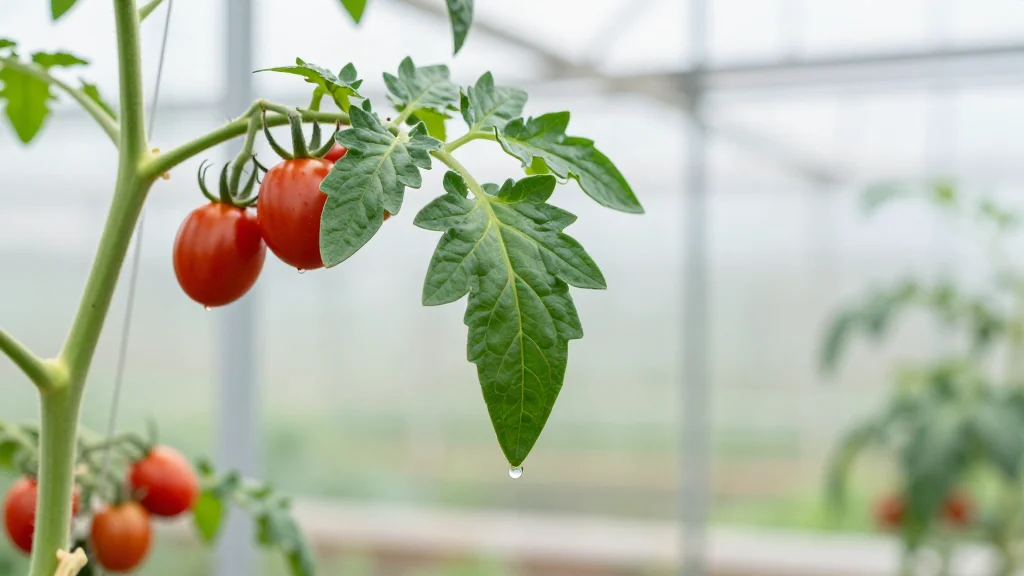
"Maintaining the Right Vegetative–Generative Balance While Protecting Root Health"
April is a critical period for Central European greenhouse tomato growers, as rapid canopy expansion and the 10th truss flowering demand precise crop steering. Cultilene advises a tight vegetative‑generative balance through controlled slab moisture (55‑60% early month, rising to 70‑75% later) and disciplined EC management. An 8‑10% overnight moisture drop is highlighted as the most effective steering tool, while night‑cycle irrigation can mitigate sudden EC spikes. Small missteps in this window can reverberate throughout the season, affecting fruit set and quality.
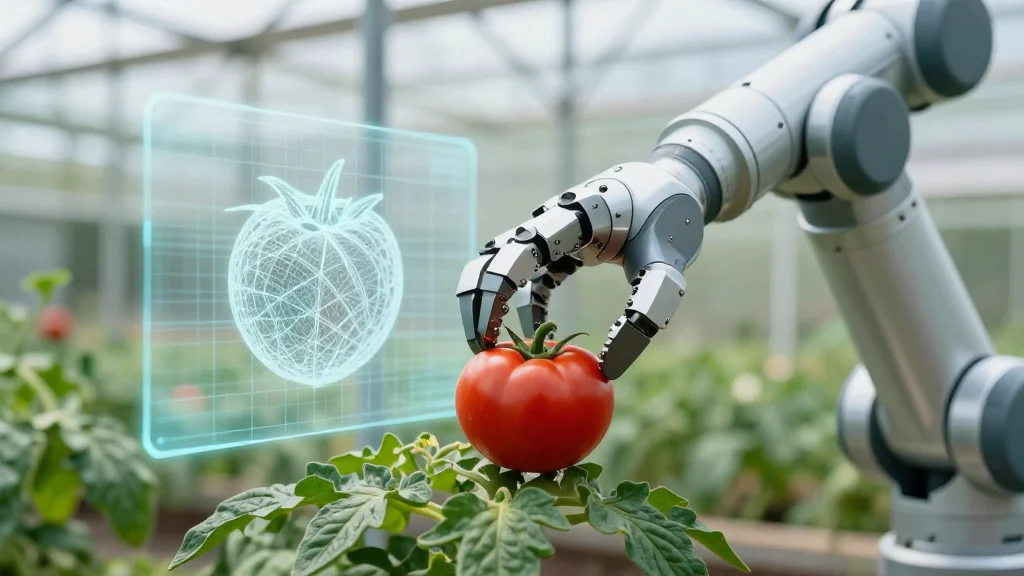
WUR Develops Simulated Greenhouse Environment for Faster Robot Development
Wageningen University & Research (WUR) is building a simulated greenhouse digital twin to test tomato‑harvesting robots. The environment combines 3D plant models with robot dynamics, reproducing growth, leaf orientation and fruit placement variations. Partnering with DENSO and Certhon, the simulation...
"Time to Show Us More"
Albers Alligator, a Dutch specialist in manure and water storage, has joined the greenhouse‑technology association AVAG during its 125th anniversary. The company, now led by Michael van der Windt and Lennard Blijdorp, aims to raise its profile and accelerate international...
"If You're Not Doing Data Collection Today, You Really Need to Start"
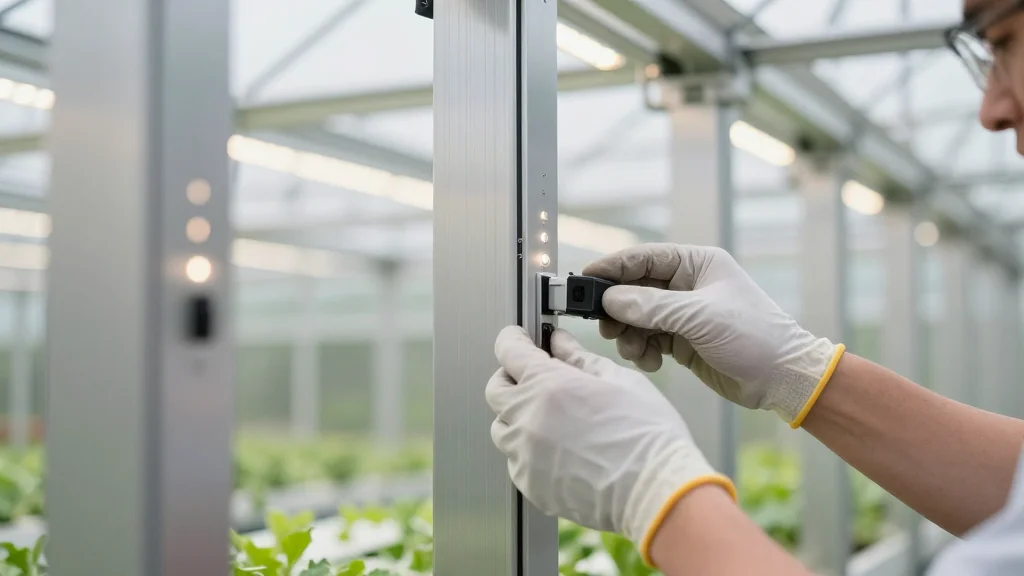
Bosch Rexroth is positioning its ctrlX AUTOMATION platform as a unified solution for controlled‑environment agriculture, merging motion control, environmental regulation, and data collection. The open, app‑based architecture lets growers add third‑party and custom apps, while a virtual control environment enables risk‑free testing...
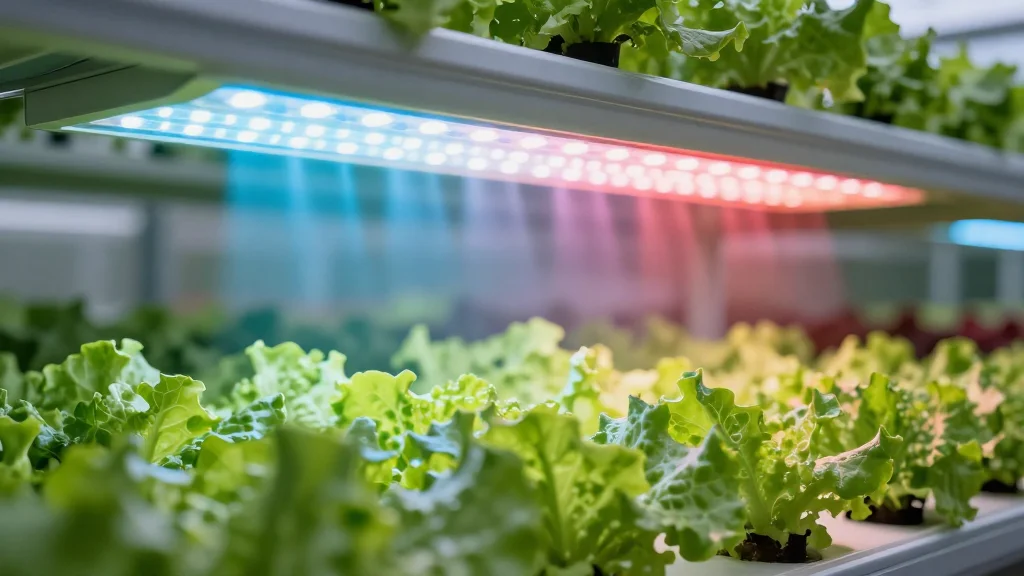
From Photobiology to Dynamic Lighting Strategies in Greenhouse Production
RED Horticulture is shifting greenhouse lighting from static schedules to dynamic, plant‑response‑driven strategies based on photobiology. By integrating light intensity and spectrum management through its MyRED platform, growers can tailor light recipes to crop stages while monitoring energy use. The...
Agronometrics in Charts: Strait of Hormuz Disruption Sends Fertilizer Prices Skyrocketing 30 Percent
The closure of the Strait of Hormuz has halted roughly half of global urea exports, driving fertilizer prices up about 30 percent in just weeks. The disruption also curtails sulfur shipments, tightening supplies for phosphate fertilizers and compounding the shortage....

Chinese Pigs Fed New Menu As Beijing Weans Farmers Off US Soy
Chinese pig farms are rapidly adopting fermented feed made from locally sourced brans, pumpkin vines and wine lees to cut reliance on imported soy protein, which accounts for 80% of China’s soy use. Feed costs, which represent 70% of pig‑rearing...

New Chilean Cherry Aims to Sweeten Early-Season Window
Chile’s newest cherry cultivar, Cheery Glow, is being rolled out by Nueva Vid and Bloom Fresh to extend the early‑season supply window. The bi‑color fruit matures 5‑10 days before the benchmark Santina, needs only about 450 chill hours, and delivers firm, 20‑22 Brix...
Will the Iran Crisis Lead to Another Round of Food Price Spikes?
The closure of the Strait of Hormuz has driven a sharp rise in fertilizer and energy costs, with urea prices up about 40 percent, while grain markets remain largely stable, showing only modest increases in wheat, maize and soybeans. Unlike...

From Spraying to Decision Support: How Data Turns UAVs Into Climate Tools
The piece outlines how commercial agricultural UAVs are evolving from simple sprayers to data‑driven decision‑support platforms. By systematically capturing flight, nozzle, weather and outcome data, operators can apply machine‑learning models to predict optimal parameters, reducing water, chemical and energy use...

Why Regen Ag Producers Can’t Get Capital—And What Alternative Lender Steward Is Doing About It
Steward, founded by Dan Miller in 2015, offers a direct‑to‑investor lending platform that finances regenerative‑agriculture projects ignored by traditional banks. The model lets individuals invest as little as $100, underwriting loans for farmers, processors and regional food‑system infrastructure. Notable deals...

Beyond Russian Oil, China Also Increases Appetite for Ukrainian Wheat Flour
China’s ambassador to Ukraine signed a protocol establishing inspection, quarantine and sanitary standards for Ukrainian wheat‑flour imports, expanding China’s agricultural trade with Kyiv. The agreement highlights the complementary nature of the two economies and signals a shift from raw‑grain shipments...
Bakkafrost Continuing Scottish De-Risking Strategy as Overall Harvests Lag Behind Earlier Stated Goals
Bakkafrost’s 2026 harvest outlook has been revised down to 112,000 metric tons, falling short of the 150,000‑ton target set in its 2022 plan. The company’s Scottish operations, acquired in 2019, continue to underperform, with a projected 20,000‑ton harvest for 2026...

USDA Cotton Report Reflects Few U.S., World Changes
The USDA’s March cotton report shows a modest shift in global supply, with world production rising by 1.13 million bales, driven primarily by Brazil (+750,000) and China (+500,000). Imports increased 200,000 bales while exports grew 200,000 bales, all from Australia. World...

New Tool Available to Project Soybean Cost of Production
Michigan State University Extension released a new 2026 Projected Cost of Production for Soybeans tool, available as a single Excel file with three budgeting scenarios: Base Projection, Build‑up, and Push Production. The Base Projection estimates a breakeven price of $10.90...

How Farmers Can Help Monitor Missouri Drought Conditions
Missouri’s University Extension and the Department of Natural Resources are expanding a network of soil‑moisture sensors to track drought across the state. As of March, 78% of Missouri faces dry or abnormally dry conditions, prompting the launch of the Missouri...

Lowering Groundwater Nitrate Levels Takes Technology and Time
The Central Platte Natural Resources District (NRD) in Nebraska has been tackling high groundwater nitrate concentrations for five decades, employing a phased management program across its 1,012,000 irrigated acres. Recent adoption of the university‑developed Sentinel Ag satellite sensor allows participating farmers...

Michigan and Pennsylvania Lead Corn Planting Changes
USDA’s latest Prospective Plantings report shows corn acreage holding steady nationally but slipping in key Midwestern states. Michigan’s corn planting is down 4% and Pennsylvania is set for its smallest corn planting ever, while overall corn area falls 3% to...

Southern Soybean and Cotton Acres Expected to Increase in 2026
USDA's 2026 Prospective Plantings Report shows Southern producers shifting acreage away from corn toward soybeans and cotton. National corn acreage is projected at 95.3 million acres, down 3.5%, while soybean acres rise 4.3% to 84.7 million and cotton up 3.8% to 9.64 million....
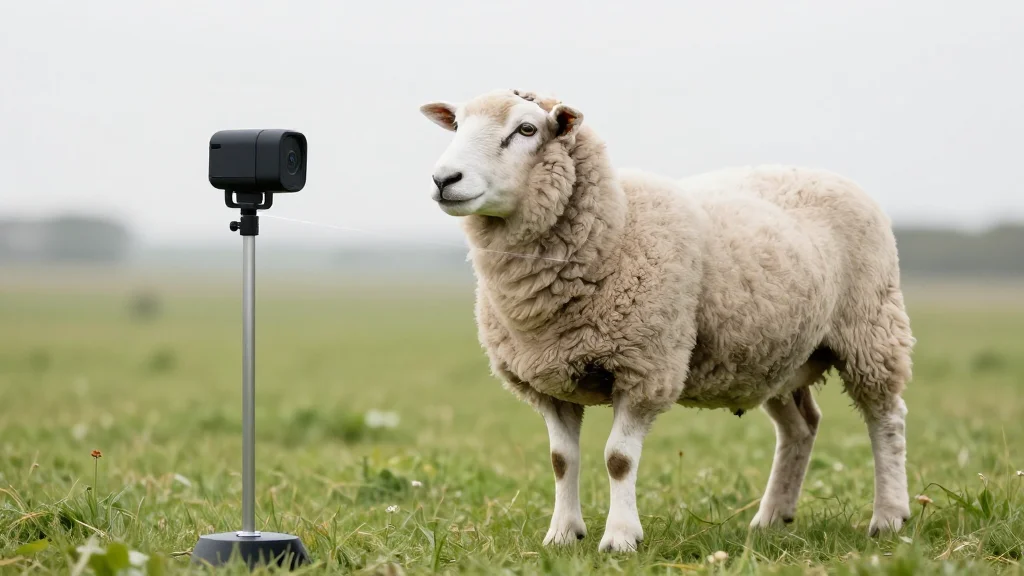
CSIRO System Aims Beyond In-Paddock Livestock Weighing
CSIRO is developing a sensor‑based system that uses 3D computer‑vision and artificial intelligence to deliver real‑time estimates of sheep liveweight, fleece production and disease status. The multimodal sensors create high‑resolution three‑dimensional images as animals move, linking each measurement to an...

Crop Progress: USDA Issues Its First 2026 Crop Progress Report
The USDA released its first 2026 crop progress report covering the week through April 5, showing early planting activity across major commodities. Corn planting is 3% complete, slightly ahead of forecasts, with Texas, Tennessee and Missouri leading the effort. Winter wheat...

When Will Grain Markets Lose the Geopolitical Premium?
The USDA Prospective Plantings report showed corn, soybean and wheat numbers essentially in line with expectations, leaving little room for surprise. Prices held firm, with December corn hovering near $4.85 and November soybeans around $11.57, reflecting continued market resilience. Fund...
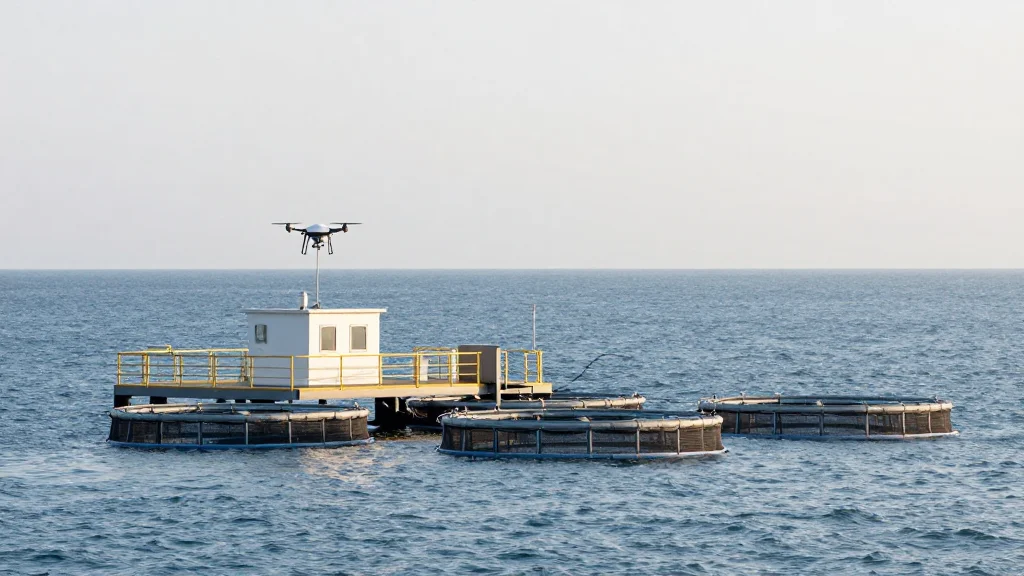
China Rapidly Accelerating Offshore Aquaculture Push, Exceeding 100 Installations
China has surpassed 100 offshore aquaculture platforms and vessels, marking a rapid expansion driven by stricter near‑shore regulations and a new fisheries law emphasizing intensive, environmentally friendly practices. The government has elevated deep‑sea aquaculture to a strategic growth area, encouraging...
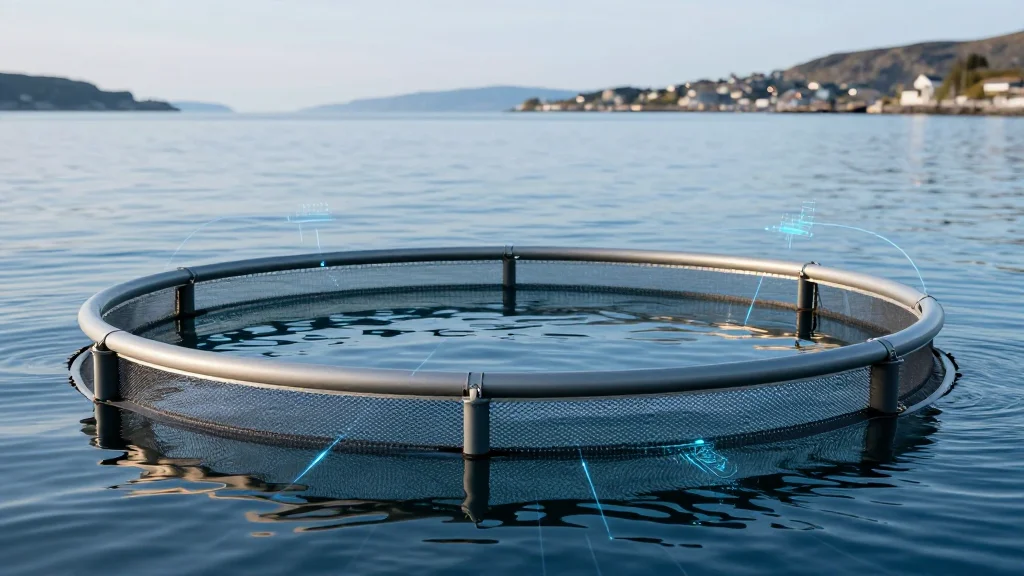
Bluefront Equity Purchases Majority Stake in Aquaculture Software Firm Anteo
Norwegian private equity firm Bluefront Equity has taken a 54% majority stake in Anteo, a Norwegian software provider for the aquaculture sector. Anteo reported roughly NOK 27 million (US$2.8 million) in revenue for 2025, marking about 20% year‑over‑year growth. The acquisition is aimed...
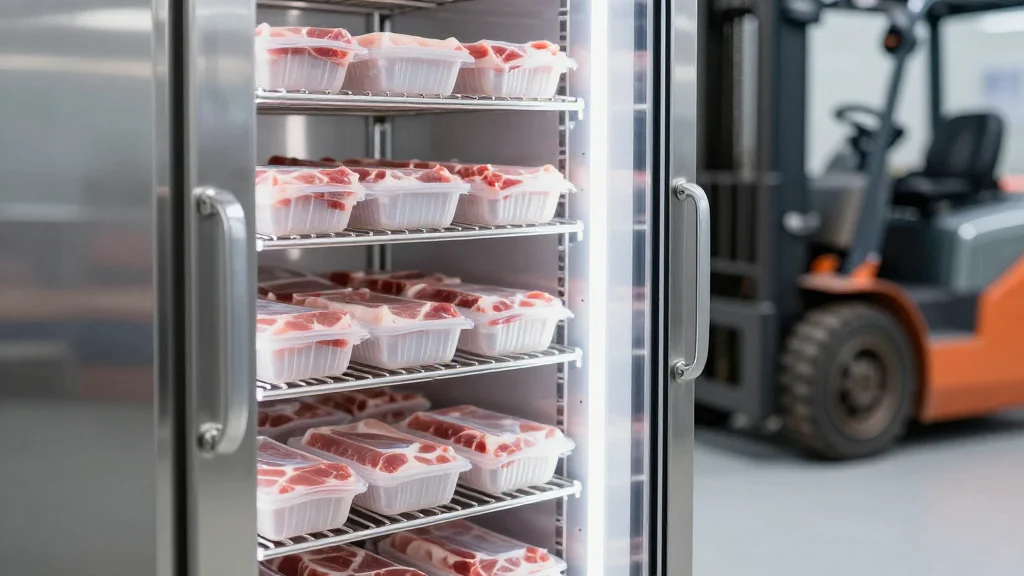
Triumph Foods to Begin $30 Million Expansion of Pork Processing Plant
Triumph Foods announced a $30 million expansion of its St. Joseph, Missouri pork processing plant, adding cold‑storage and shipping capacity along with new equipment. The upgrade is designed to support higher production volumes and modernize the facility. Triumph, the city’s second‑largest...

Onions 52 Achieves Consistency with Vertical Integration
Onions 52 has completed full vertical integration, uniting growers, packers and shippers under one organization to guarantee consistent quality from seed to shelf. The company is rolling out advanced sorting equipment at its Utah facility and has expanded its footprint with...

Hormel Modernizes Supply Chain with AI Planning Platform
Hormel Foods has rolled out the o9 artificial‑intelligence planning platform across more than 70 of its facilities, linking demand, supply and inventory in a single system. The deployment, completed between March and December 2025, aims to shift the company from...

🎥 Fermelanta Introduces “Unprecedented’ Number of Genes Into Microbes to Make Rare Plant Compounds
Japanese startup Fermelanta has developed a platform that inserts nearly 30 plant genes into a single E. coli strain, allowing microbial fermentation of complex, rare plant secondary metabolites in one step. The technology bypasses traditional CRISPR tools and promises cheaper,...
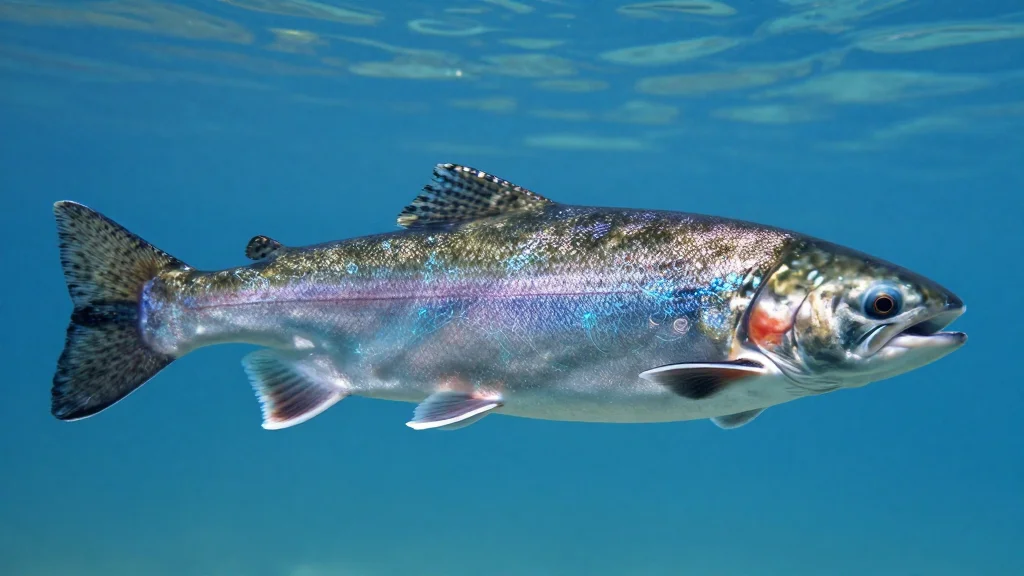
Will AI Be a Net Positive For Aquaculture?
Finfish aquaculture is grappling with disease, mortality, pollution and costly feed, prompting a surge of AI solutions. Over $610 million was poured into AI projects in 2024, with more than 90 startups—mostly in Norway and the United States—targeting disease prediction, net...

Soy-Based Tape Wins at Innovation Contest
Purdue University students formed Team SoySeal and created a soy‑based adhesive tape that earned the top prize at the Student Soybean Innovation Competition, winning $20,000. The tape is 95% soy, fully biodegradable, and demonstrated greater strength than standard masking tape...

How to Keep Nitrogen From Escaping Your Fields
Mississippi State University Extension specialist Brendan Zurweller warns that warm, wet conditions, high soil pH, and heavy surface residue create a perfect storm for nitrogen loss in Delta fields. Ammonia volatilization can reduce nitrogen use efficiency to as low as...

🎥 As Cocoa Prices Swing, Kawa Project Offers an Upcycled Alternative From Spent Coffee Grounds
Kawa Project has developed an upcycled powder made from spent coffee grounds that mimics industrial cocoa in taste and functionality. The product offers a more stable supply chain and price consistency compared with volatile cocoa markets. Economically, the alternative becomes...

Deep Soil Testing Can Slash Fertilizer Costs
The Texas A&M AgriLife Extension study shows that deep soil testing can reduce fertilizer expenses by $12 to $150 per acre, translating to over $26,000 savings on a 1,000‑acre irrigated field. By measuring residual nitrogen in the 6‑24‑inch profile, producers...

EPA’s DEF Sensor Rollback a Win for Diesel Farm Equipment
The EPA announced on March 27 that it is removing the mandatory urea‑quality (DEF) sensor requirement for all diesel‑powered farm equipment, allowing manufacturers to rely on NOx sensors instead. The agency estimates the change will save U.S. farmers roughly $4.4 billion annually...

How a Kentucky Farm Cut Truck Use in Half with New Grain Center
Kentucky farmer Tanner Stroup partnered with Adam Services and Mitchell Brothers to build a dual‑purpose grain center near Maceo, delivering roughly 850,000 bushels of storage for corn and soybeans. The facility’s design, featuring separate dump pits, scales, and GSI EVO...

Transforming Agricultural Waste Into Water and Energy Solutions in Mozambique
A consortium of Mozambican firms and NGOs has launched a pilot project that converts agricultural residues into clean water and renewable energy. Using a combined biochar filtration and anaerobic digestion system, the initiative turns crop waste into potable water and...
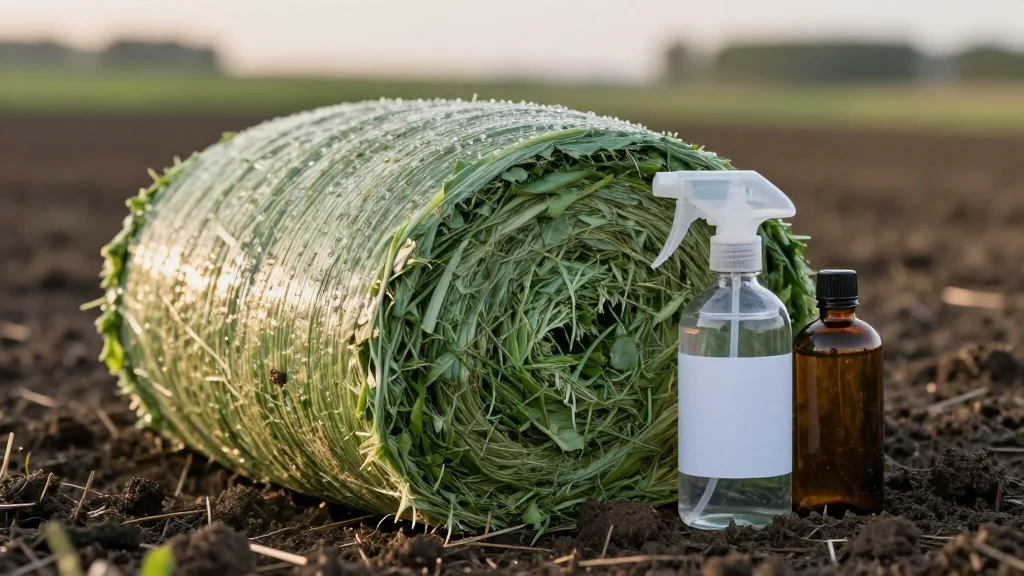
Weed Control and Nitrogen Boost Will Optimise Silage Yield and Quality
Syngenta’s Casper herbicide and Vixeran nitrogen‑optimising endophyte are being promoted to improve silage production. Casper provides targeted control of weeds such as docks and thistles, delivering cleaner swards and better fermentation. Vixeran converts atmospheric nitrogen into plant‑available form, increasing dry‑matter...
Why China’s Poultry Sector Is Turning to Cage-Free Duck Farming
China’s poultry industry is expanding its animal‑welfare agenda beyond chickens by embracing cage‑free duck farming. Lever China is leading the push, helping producers such as Xuri Egg Products commit to 100% cage‑free duck eggs for export by 2026. The shift...
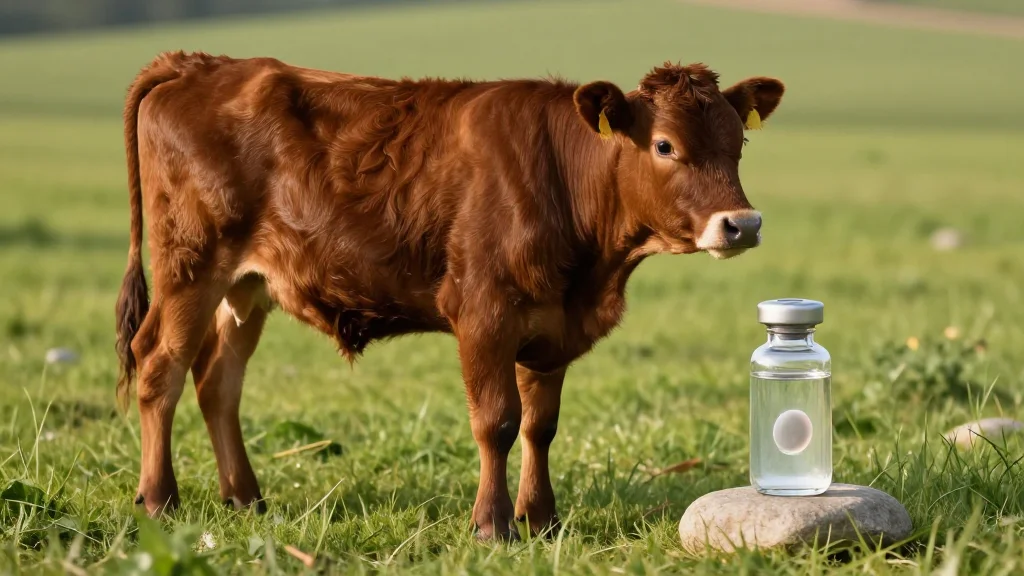
Wagyu and IVF: Dispelling the Myths with Real Producer Data
In‑vitro fertilisation now produces roughly 87 % of all cattle embryos worldwide, signalling a decisive industry shift. Wagyu producers such as 3D Genetics, Arubial Wagyu and Booth Creek report pregnancy rates between 49 % and 57 % and markedly faster genetic turnover. By...
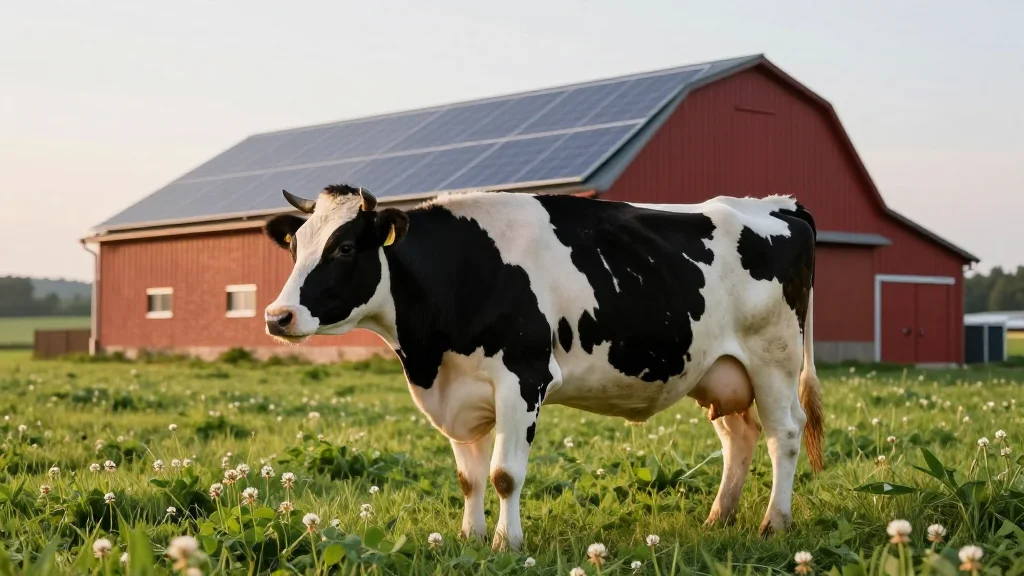
Raising the Bar: Celebrating the Best of West Cork’s Dairy Farming
Carbery’s Milk Quality and Sustainability Awards highlighted West Cork’s family‑run dairy farms for producing premium, low‑carbon milk while protecting land and animal welfare. The Buttimer family of Lisavaird Co‑op won the overall prize, exemplifying a balance of productivity, sustainability and...

Food Tank’s Weekly News Roundup: Farm Bankruptcies Climb, Nigeria Distributes Clean Cookstoves, Uganda Moves to Certify Agroecological Produce
U.S. agriculture is undergoing rapid consolidation as the number of farms fell 150,000 in five years, a rate three times faster than the loss of farmland, while farm bankruptcies surged 46% year‑over‑year. Severe wildfires in Nebraska scorched over 800,000 acres,...

Some Missouri Producers Are Seeing Early Alfalfa Weevil Pressure
Missouri’s Department of Agriculture reports an unusually early onset of alfalfa weevil activity, driven by March temperatures that were roughly seven degrees above normal. Some growers have already begun pesticide applications, with a few contemplating a second spray before the...

U.S. Farms Double Biogas Capture in 5 Years, New Report Finds
U.S. farms operating biogas capture systems have more than doubled over the past five years, reaching over 630 installations according to the American Biogas Council. Dairy farms dominate the sector, accounting for nearly 80% of the projects, while California alone...

Iowa Fields Turning Green as Cover Crop Season Kicks Into Gear
Iowa’s southeast and east‑central fields are greening as cover crops emerge with warming spring temperatures. Extension agronomist Rebecca Vittetoe notes that growers are already planning termination timing based on objectives such as erosion control, weed suppression, or forage. Some producers...

Saudi Arabia Drops Export Verification for US Beef
The Saudi Food and Drug Authority announced that U.S. beef shipments will no longer need to undergo the Export Verification (EV) Program, and the kingdom now permits bovine‑derived tallow in animal feed. The policy shift removes a barrier that has...

Generative AI-Powered Voice Technology in Agricultural Advisory Services: Lessons From India
A generative AI voice agent developed by Farm Vaidya now provides real‑time, context‑specific agricultural advice to Telugu‑speaking smallholders in southeast India. The system leverages mobile phones, bypassing the need for broadband, and delivers guidance on inputs, pest control, weather, and...

Unwrapping Deforestation: Your Chocolate Easter Bunny May Harm the Environment
An analysis by Global Witness shows that UK cocoa imports triggered over 2,000 hectares (≈4,940 acres) of deforestation in 2025, chiefly in Côte d’Ivoire and Ghana. Since the 2021 Environment Act, total forest‑risk commodity exposure linked to UK imports has...

AgrarPro Launches ProTube Prime for Precision Fertilisation
German agri‑tech firm AgrarPro has unveiled the ProTube Prime, a new distribution head for precision fertilisation of liquid manure streams. The system can be configured with 20 to 48 outlets and offers 40 mm or 50 mm diameters, keeping hydraulic resistance constant even...

Take an Active Role in Crop Disease Scouting
Purdue Extension plant pathologist Darcy Telenko warns that 2026 disease pressures for corn and soybeans hinge on weather, with southern rust and tar spot as primary concerns for corn and red crown rot gaining attention in soybeans. She encourages Indiana...

5 Dicamba Changes You Need to Know for 2026
Dicamba use on tolerant soybeans returns in 2026 with tighter limits. Maximum application rates are halved to 1 lb per acre in 0.5 lb increments, and coarse nozzles are now allowed. Temperature restrictions cap use at 95°F and limit coverage to 50%...