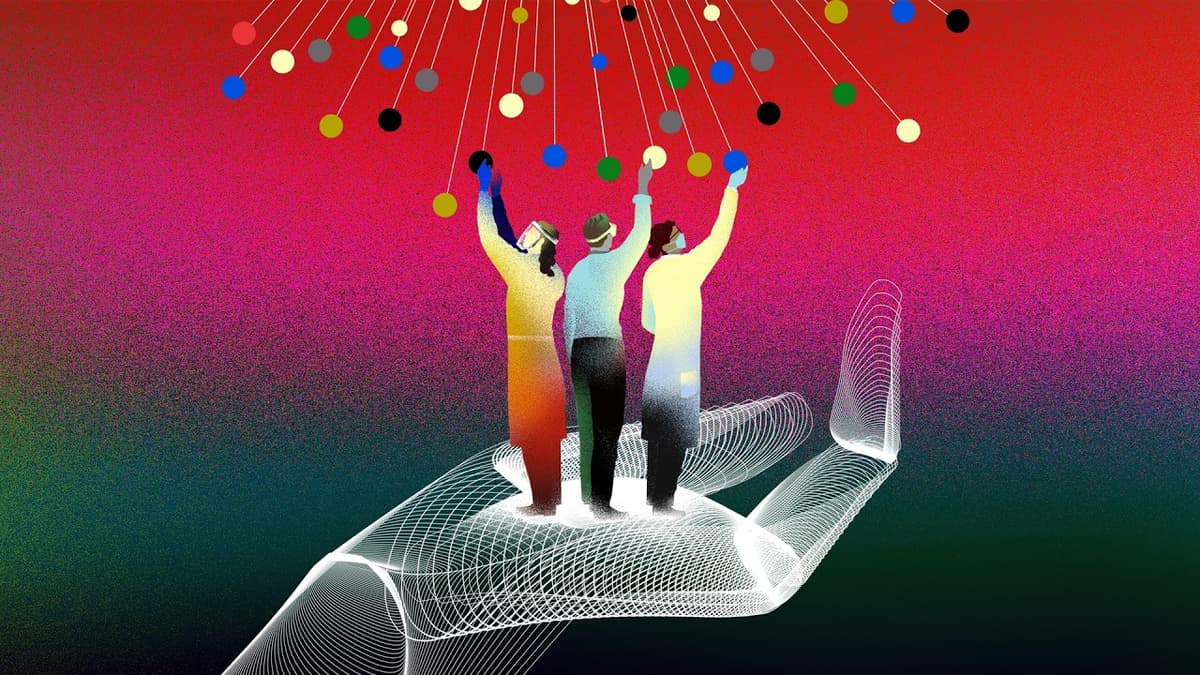
AI+Science: Accelerating Discovery
The AI+Science conference opened with Stanford President Jonathan Levin highlighting how artificial intelligence, once absent from national science agendas, has become a catalyst for accelerating discovery. The day’s centerpiece was the announcement that Stanford’s Human‑Centered AI Institute and Stanford Data Science have merged into a single, university‑wide hub for AI and data science, signaling a strategic shift toward interdisciplinary collaboration. Key insights emphasized the institute’s three pillars: open science—committing to share models, data, and methods publicly; team science—building large, sustained, cross‑disciplinary teams to address long‑term challenges that industry overlooks; and global responsibility—partnering with institutions worldwide to ensure AI benefits humanity. Speakers underscored AI’s role in uncovering high‑dimensional patterns across biology, climate, and physics, while also noting that scientific rigor will drive the next generation of trustworthy AI. Notable remarks included Levin’s observation that AI was missing from the 2021 presidential science agenda, and James Lendai’s pledge to keep Stanford’s AI outputs open, contrasting with the closed nature of many industry labs. The conference also paid tribute to founding advisor Steve Denning, reinforcing the institute’s human‑centered mission. The merger positions Stanford to become the front door for AI‑enabled research, promising faster breakthroughs in health, climate, and fundamental physics. By fostering open, collaborative, and rigorous AI development, the institute aims to reshape academic practice, influence policy, and accelerate global scientific progress.
AI: The Next Internet Revolution
The video frames artificial intelligence as the next internet‑scale revolution, arguing that its reach will match the sweeping changes the web brought to commerce, communication, and culture. It draws a direct line from the 1990s dot‑com boom—where a speculative bubble...
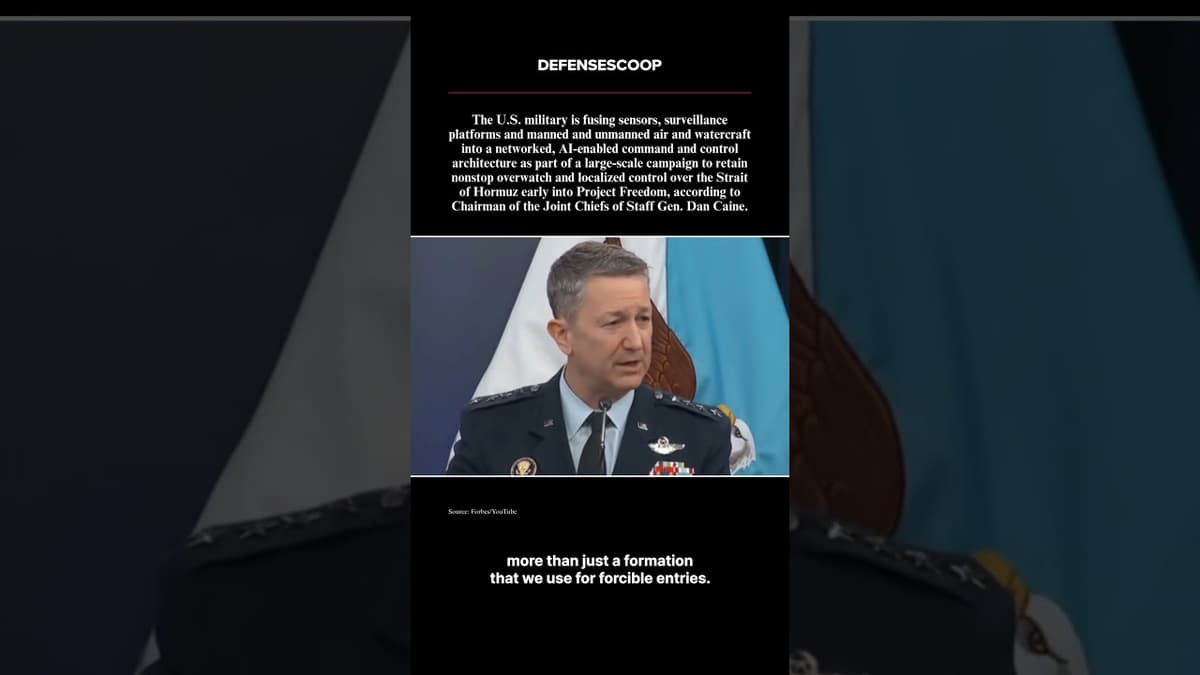
Army’s 82nd Airborne Division Supplying AI, C2 Network Support for Project Freedom
The video spotlights the U.S. Army’s 82nd Airborne Division as the technological backbone of Project Freedom, highlighting its role in delivering AI‑driven command‑and‑control (C2) networks across multiple warfighting domains. The division’s hallmark rapid‑deployment capability—ready to move within hours—now extends beyond traditional...
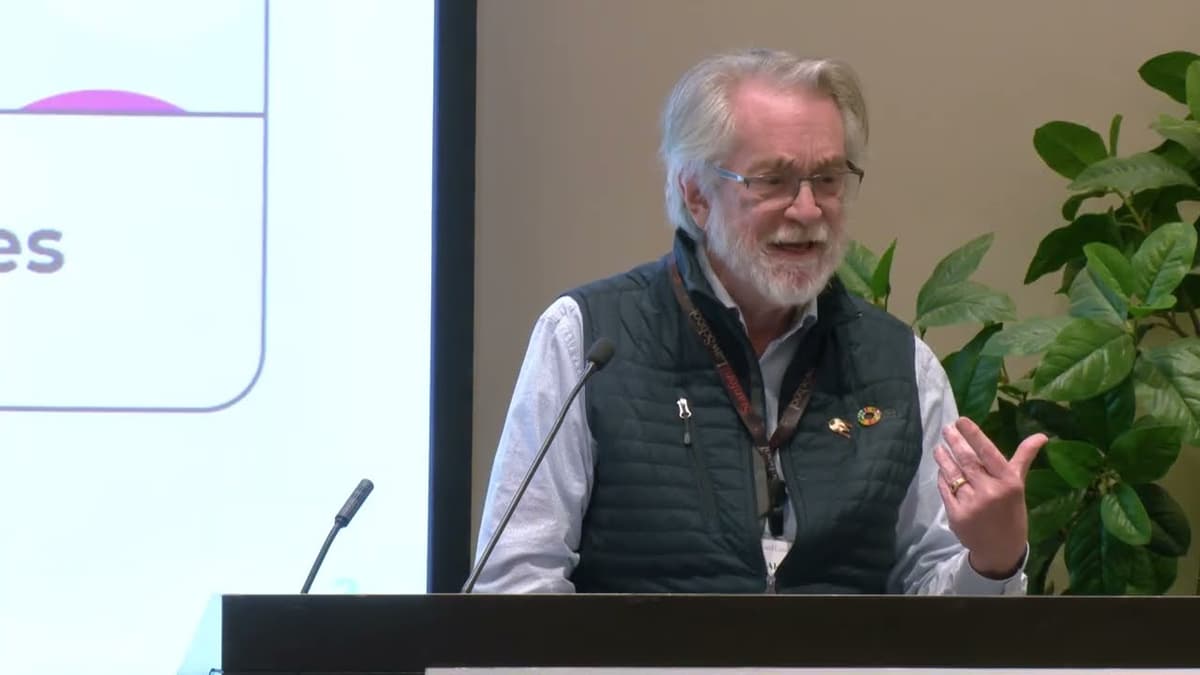
CodeX FutureLaw 2026: Dynamic Law for AI
The closing keynote by Stanford HAI fellow Sandy Pentland introduced the concept of "dynamic law" – a legal framework that can evolve as quickly as AI technologies reshape society. Pentland argued that traditional, slow‑moving statutes are ill‑suited for an environment...

Patel Describes Implementation of Artificial Intelligence Across FBI
The video features FBI official Patel outlining how artificial intelligence has moved from a theoretical concept to a core operational tool across the bureau. He details AI‑driven fingerprint matching in the Criminal Justice Information System, instant warrant generation, and the deployment...
Simplifying Context Engineering for AI Agents in Production with Cornelia Davis
The video outlines three core best practices for production‑grade AI agents: narrowly scoping each agent, delivering data incrementally, and rigorously managing conversation history. By treating agents as micro‑service‑like components, developers can avoid the monolithic pitfalls that often cripple performance. The speaker...
Lecture 3.2.2: U Net Segmentation Variants
The lecture introduces U‑Net segmentation variants for medical imaging, emphasizing need for pixel‑wise tumor delineation rather than simple presence detection. It reviews core U‑Net architecture—contracting encoder for context, expanding decoder for localization, and skip connections that transmit high‑resolution details. It then...

The Best Strategy for Deploying AI Agents with Qlik
The video outlines the optimal approach for rolling out AI agents using Qlik’s low‑code platform, emphasizing that data professionals should apply their existing domain knowledge rather than start from scratch with new technology. Speakers advise beginning with a business problem that...
Neural Networks for Detecting Subtle Epileptogenic Lesions and Supporting Clinical Decision-Making
The webinar introduced the Multi‑center Epilepsy Lesion Detection (MELD) project, showcasing a graph convolutional neural network designed to identify subtle focal cortical dysplasia (FCD) lesions in drug‑resistant epilepsy patients. The session also highlighted NIDDK’s role in providing data resources and...
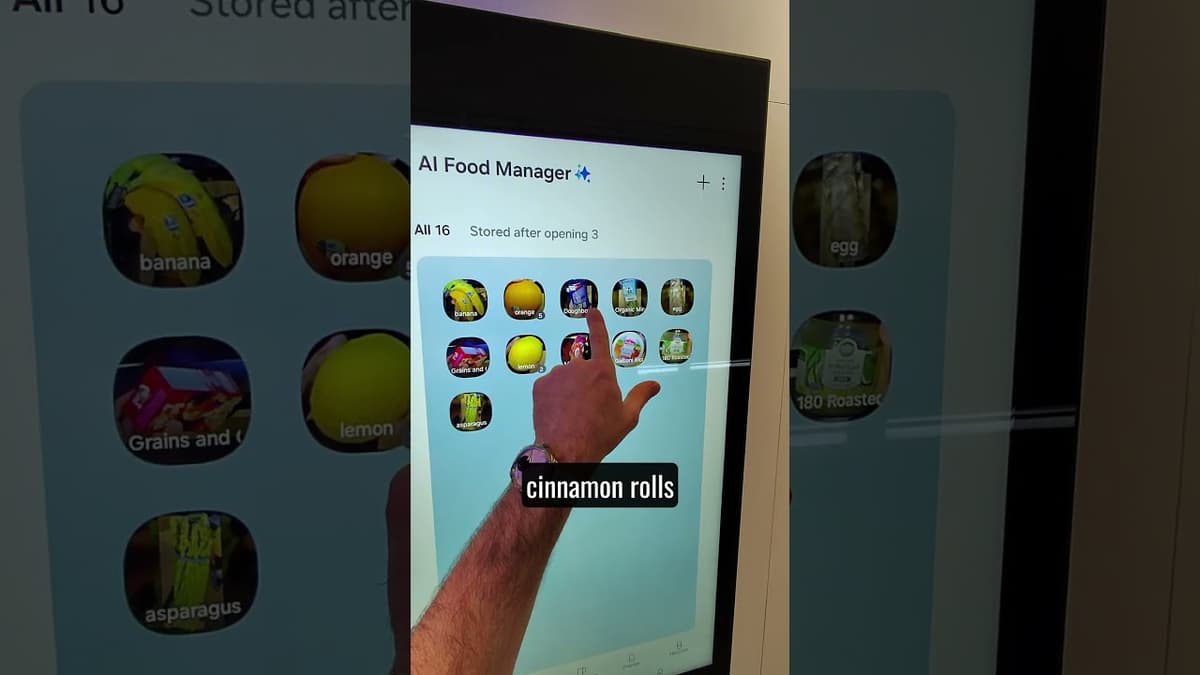
Put Chicken in, Push One Button, Get a Cooked Chicken 🐔😳
Samsung unveiled a new line of AI‑powered kitchen appliances that promise to automate everyday cooking tasks. The highlight is an oven that can identify a whole chicken, calculate its dimensions, and cook it at the press of a button, while...
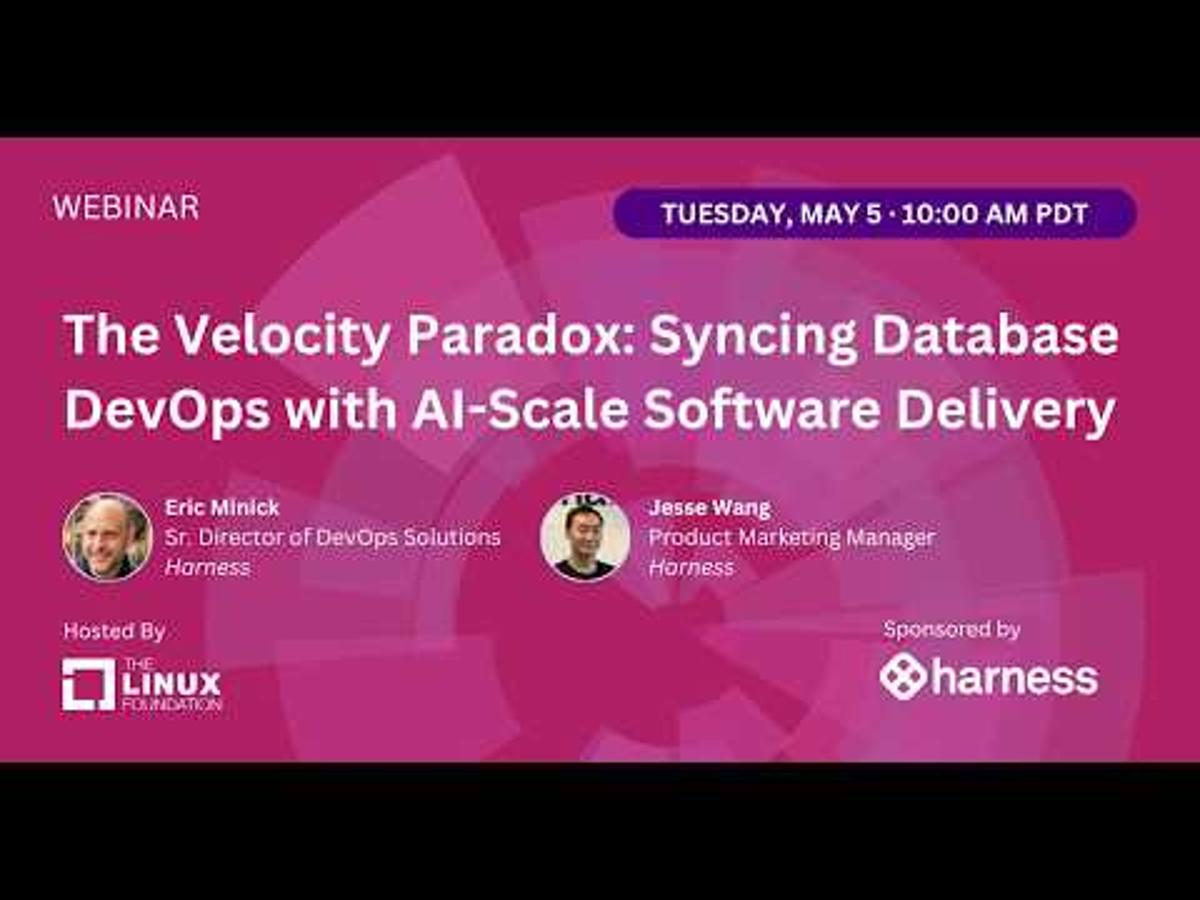
LF Live Webinar: The Velocity Paradox: Syncing Database DevOps with AI-Scale Software Delivery
The LF Live webinar tackled the "velocity paradox": AI tools dramatically speed up code creation, yet delivery pipelines are buckling under quality, security and reliability issues. Eric and Jesse highlighted that while developers can now generate code faster, the downstream...

Multipliers - An A.CRE Pod: The Traffic Engine Nobody's Building (S1E9)
In this episode of the Multipliers podcast, hosts Spencer Burton and Sam Carlson dissect the rapid success of Michael’s RV park, a newly launched outdoor‑hospitality property that has already surpassed its 2026 traffic projections. The conversation centers on how Michael...
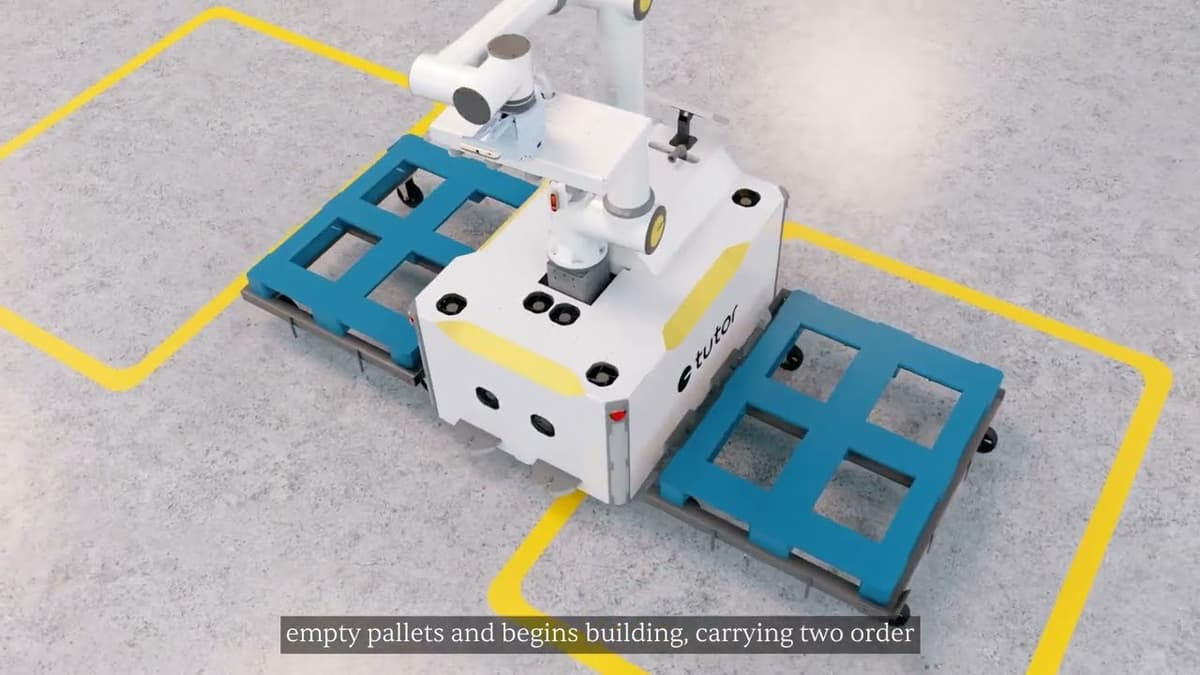
Tutor Intelligence Demonstrates CasePick with Cassie
Tutor Intelligence showcased Cassie, a mobile autonomous robot that builds mixed‑SKU pallets without any upfront capital expenditure. The robot moves freely across a dedicated warehouse zone, docks to pallet dollies, and uses an intelligent arm to pick, weigh, measure, and...
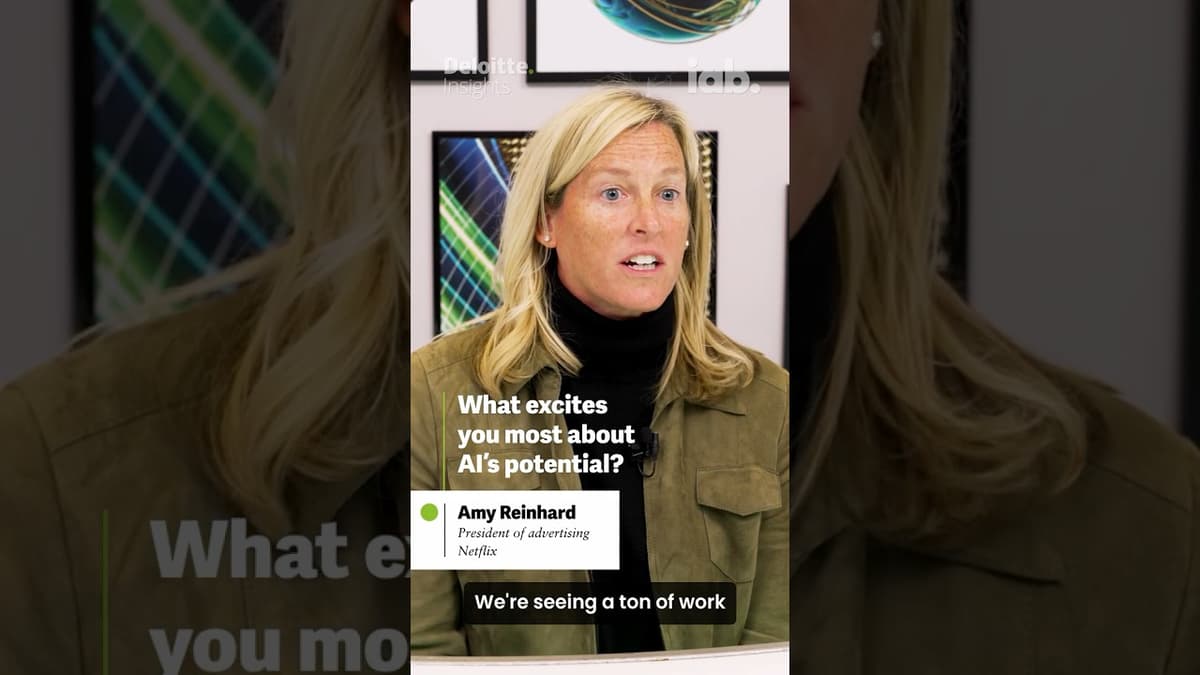
AI in Advertising Creativity: Netflix on AI as a Creative Tool | Deloitte Insights
The Deloitte Insights video explores how AI is reshaping advertising creativity, highlighting Netflix’s use of AI as a creative tool rather than a replacement. Speakers note that AI automates repetitive backend tasks, freeing talent to pursue strategic initiatives. More importantly, AI‑driven...

Scientists Trained WHO to Diagnose Breast Cancer? With Hannah Fry #shorts #science #hannahfry
The video recounts a 2015 study in which researchers taught sixteen naïve pigeons to diagnose breast cancer from pathology slides. Using a simple interface—pecking one side for malignant, the other for benign—the birds received treats for correct answers. After just two...
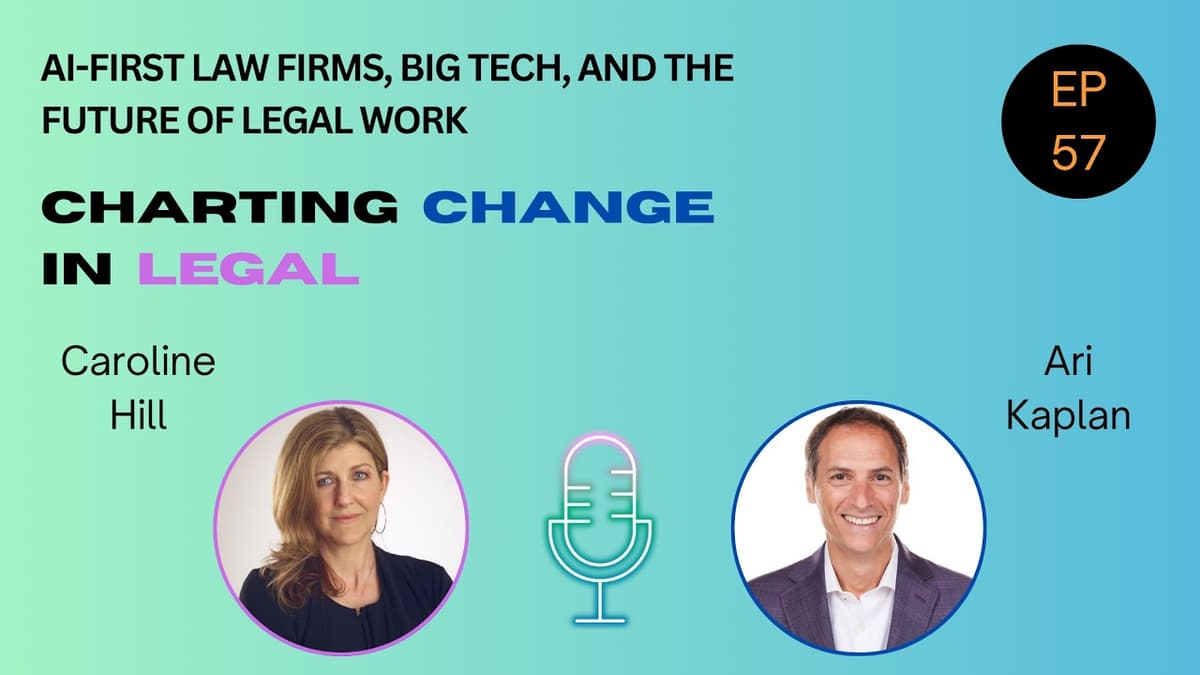
Charting Change in Legal: AI-First Law Firms, Big Tech, and the Future of Legal Work
The conversation centers on the rapid rise of AI‑first law firms and the growing partnership between legal services and big‑tech AI platforms. Hosts Ari Kaplan and Caroline Hill discuss new industry markers such as the AI‑Native Law Firm Index, which...
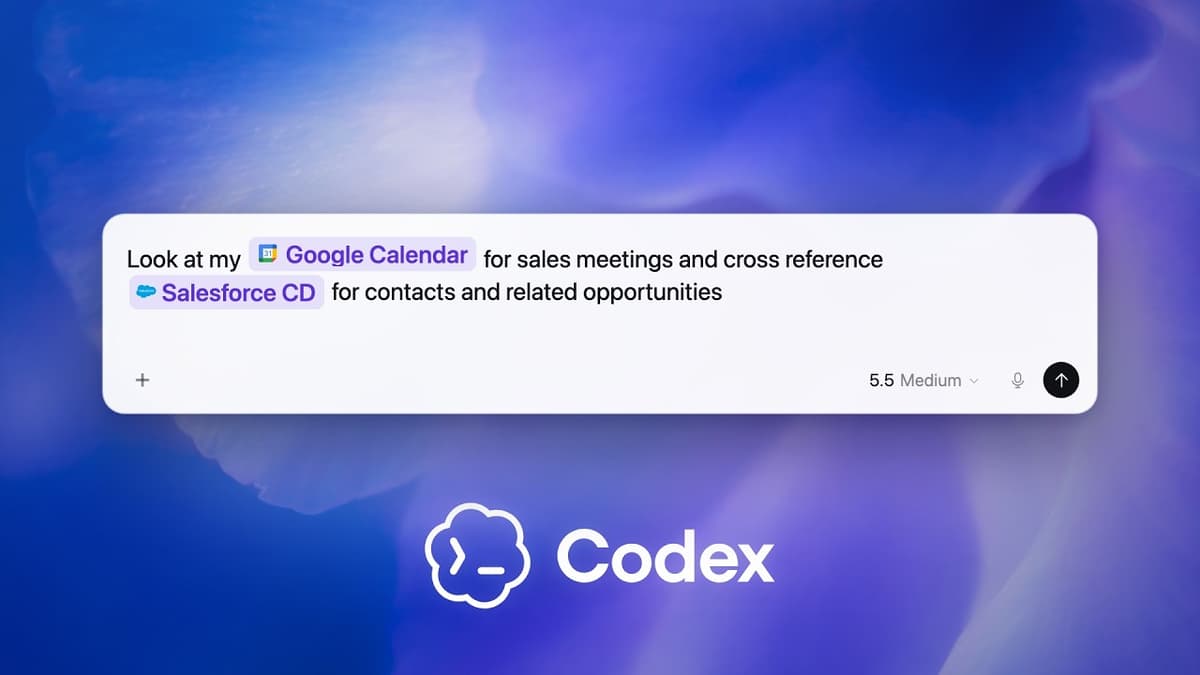
Prep for Sales Meetings Faster with Codex
The video showcases Codex, an AI‑driven assistant, streamlining sales‑meeting preparation by orchestrating data from Google Calendar, Salesforce, Google Drive, Slack, and Gmail in a single conversational thread. Codex first reads the calendar entry, extracts attendees and agenda, then queries Salesforce for...

Will AI Negate the Need for Science Photography?
The conversation between host Sarah Hansen and photographer Felice Frankel centers on whether artificial intelligence will render traditional science photography obsolete. Frankel recounts a collaboration with Nobel laureate Moungi Bawendi, where her artistic shot of nanocrystal vials was rejected in...
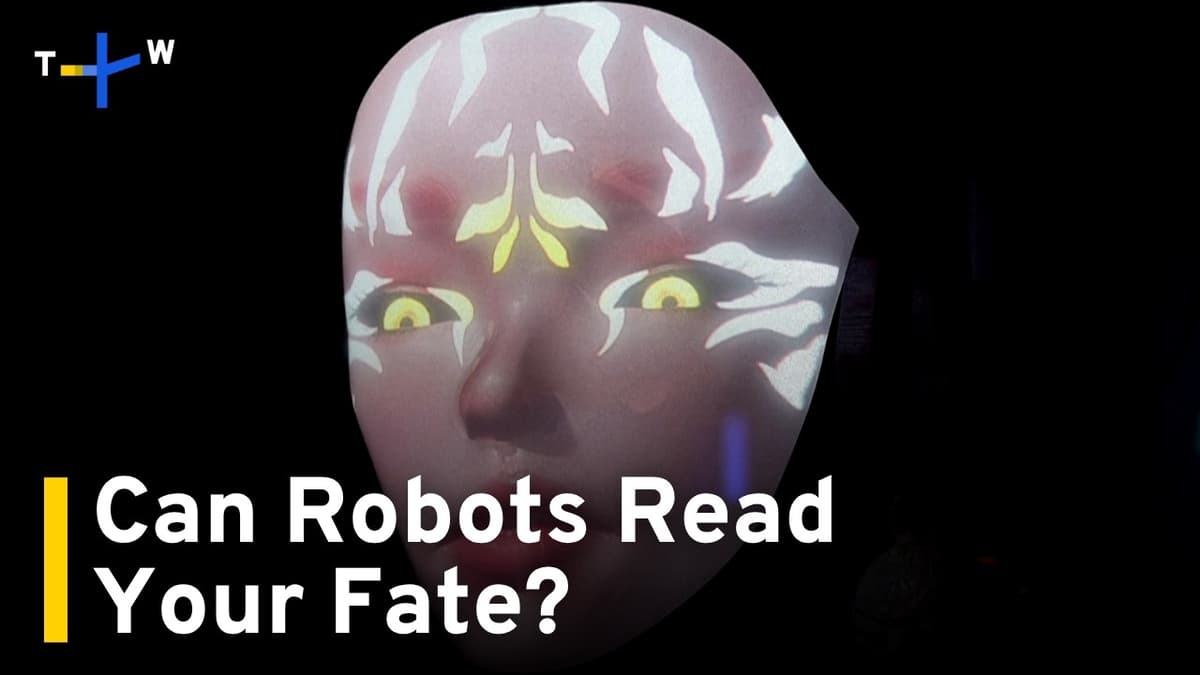
From Mudang to Microchips: The Rise of AI Fortune Telling in Seoul | TaiwanPlus News
A small Seoul shop called Vinida is reinventing Korea’s age‑old mudang tradition by offering AI‑powered fortune‑telling. The venture replaces human spirit mediums with a robotic face that scans visitors’ facial features, birth dates and even moles to generate personalized readings. The...

Labour Chief Ng Chee Meng Opens Parliamentary Motion on AI Transition with No Jobless Growth
Singapore’s Labour Minister Ng Chee Meng opened a parliamentary motion outlining the nation’s AI transition strategy, emphasizing growth without jobless unemployment. He framed the discussion around workers’ questions on participation and fair opportunity in the AI era. The minister presented four...

OWASP AI Security Summit May 27
The OWASP Generative AI Virtual Cybersecurity Summit, scheduled for May 27, was announced as a free online event targeting developers and security professionals grappling with the rapid adoption of generative AI. The speaker warned that AI‑generated code, prompt‑injection attacks, and autonomous agentic...
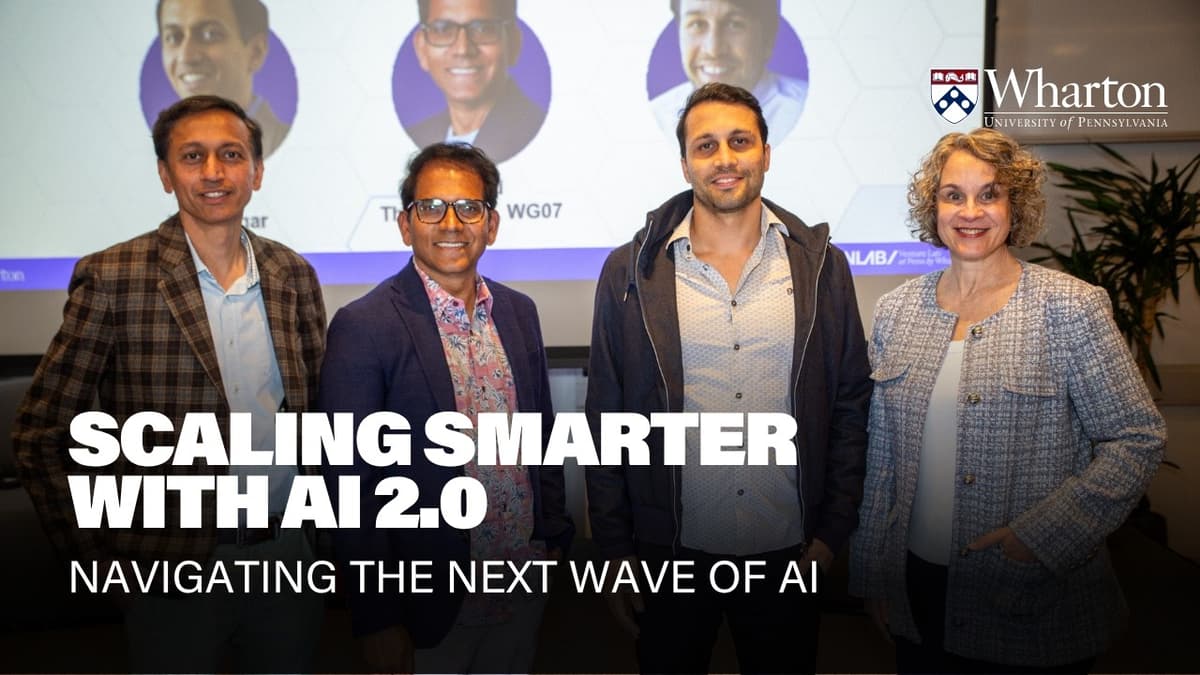
How to Scale Smarter with AI Agents and Automation – Wharton Scale School
The Wharton Scale School event explored how companies move from AI experimentation to execution, emphasizing that the next growth wave hinges on deploying AI agents and automation at scale. Speakers highlighted the historical "IT productivity paradox"—massive tech spend without immediate...
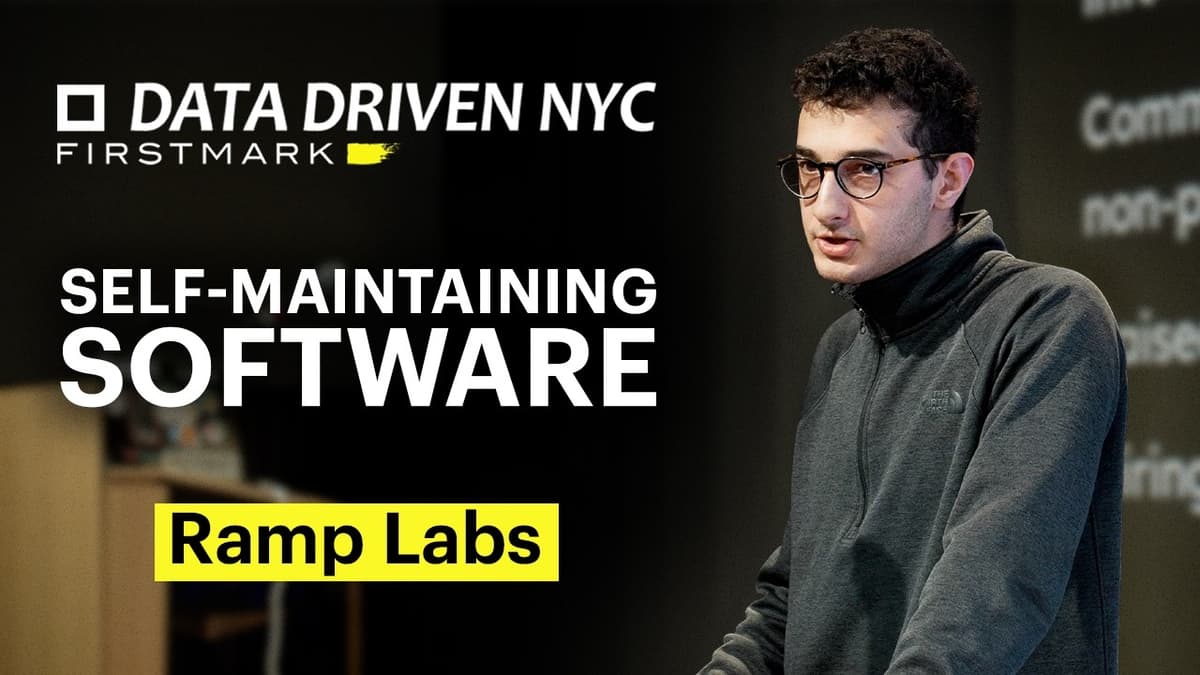
How Ramp Built Self-Maintaining Software
Alex from Ramp Labs explains how the team created a self‑maintaining software pipeline for Ramp Sheets using an internal AI agent called Inspect. Inspect runs code in isolated sandboxes, integrates with GitHub, Datadog, Sentry and other tools, and can...

Find Fish Fast with ThailandFishAI App #thaipbsworld
Thailand's Department of Fisheries has released a new mobile application, Thailand Fish AI, designed to help fisherfolk and farmers quickly identify fish species. Funded by the Digital Economy and Society Development Fund, the 9‑million‑byte prototype aims to digitize a traditionally...

Wonder’s Marc Lore On Vibe-Coding Restaurants, Drone Delivery, & Becoming "The IPO Guy"
Marc Lore, the former head of Walmart’s e‑commerce unit, unveiled Wonder – a digitally‑driven food‑hall that consolidates cooking, branding and delivery under one roof. In a 2,500‑square‑foot kitchen the company currently operates 25 distinct restaurant concepts, with a long‑term vision...
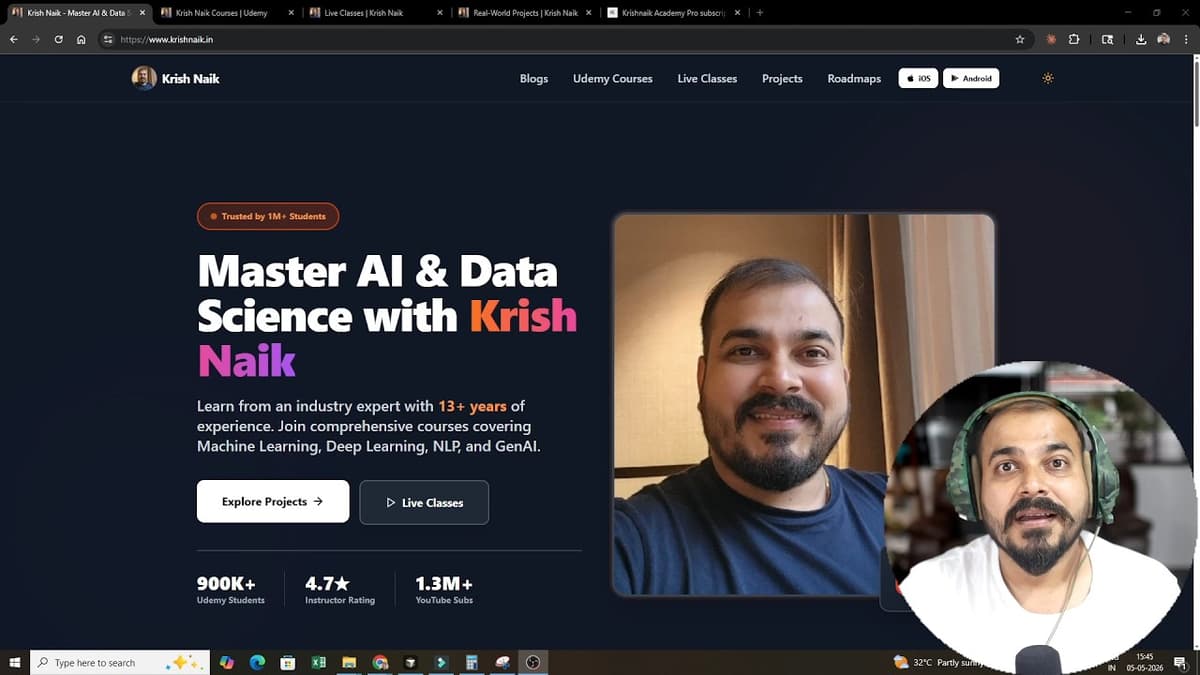
All You Need To Know About Krish Naik Academy
Krishnak Academy, celebrating its two‑year anniversary, positions itself as a low‑cost, boot‑strapped provider of AI education. The platform bundles inexpensive Udemy courses, bi‑monthly live bootcamps and a growing library of industry‑ready projects, all aimed at upskilling professionals and students in...

The Power of AI: What Sports Orgs Need to Do Right Now, Sean Callanan, Sports Geek
In episode 450 of Sports Geek, host Sean Callanan surveys the rapid evolution of artificial intelligence and makes a compelling case that sports organizations must act now. He highlights recent breakthroughs—Claude‑managed agents entering public beta, Canva’s AI 2.0 suite, and the...

Techstrong TV - May 4, 2026
The Techstrong TV segment from the Susakon conference in Prague focused on SUSE’s expanding cloud‑native portfolio and its relevance for large‑scale SAP service providers. SVP and GM of Cloud Native, Peter Smemells, outlined the layered architecture—from the SLES operating system...

AI, Relationships & the Future of CRE | Live From the Real Estate Gala Ft. ButterflyMX, Hoya...
The fourth annual Real Estate Gala in Hudson Yards served as a showcase for how artificial intelligence is reshaping commercial real‑estate (CRE) operations. Hosts Don Tepman and Bob Knackl gathered developers, brokers, investors, and prop‑tech founders to discuss AI’s role...
Stanford Online AI Programs Top Questions: When and How to Enroll in Online AI Courses
The video explains how prospective students can enroll in Stanford Online’s AI offerings, distinguishing between credit‑bearing university courses and professional‑development programs. It outlines the application process, required documentation, and timing for each track. Applicants must complete two distinct applications: the credit‑bearing...
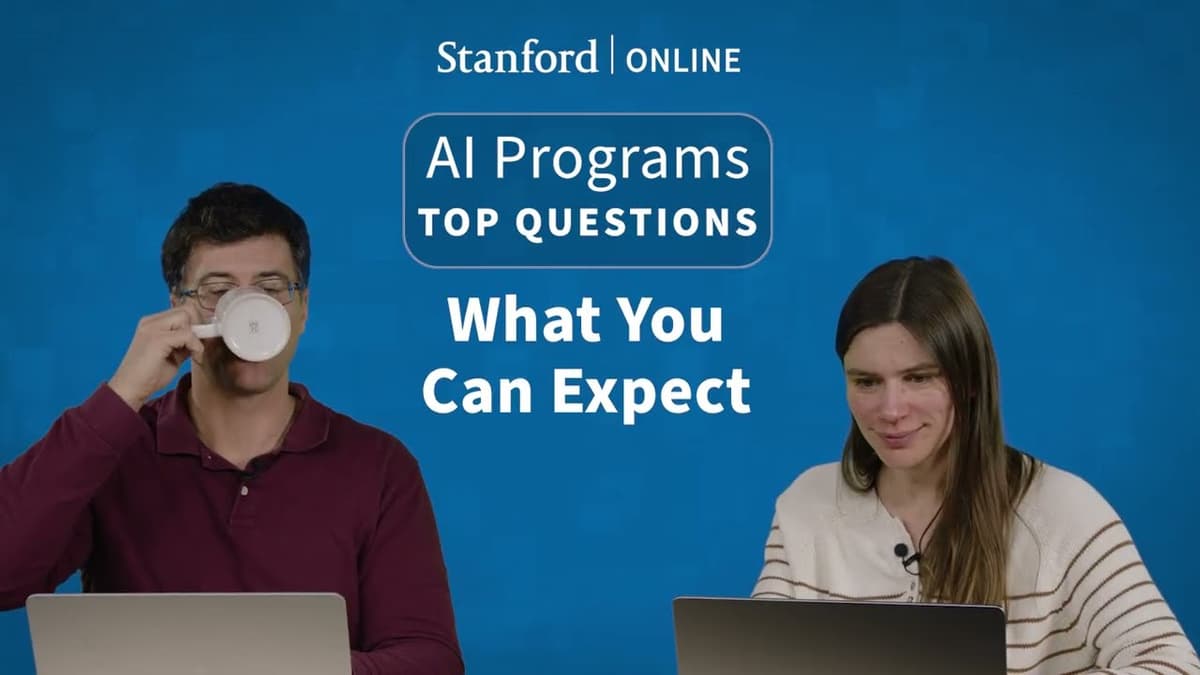
Stanford Online AI Programs Top Questions: What's the Learning Experience Like?
Stanford Online’s AI offerings answer a common question: why pay for courses when the material is freely available on YouTube? The university’s promotional video explains that the programs are designed for learners who need more than just video lectures. Four primary...
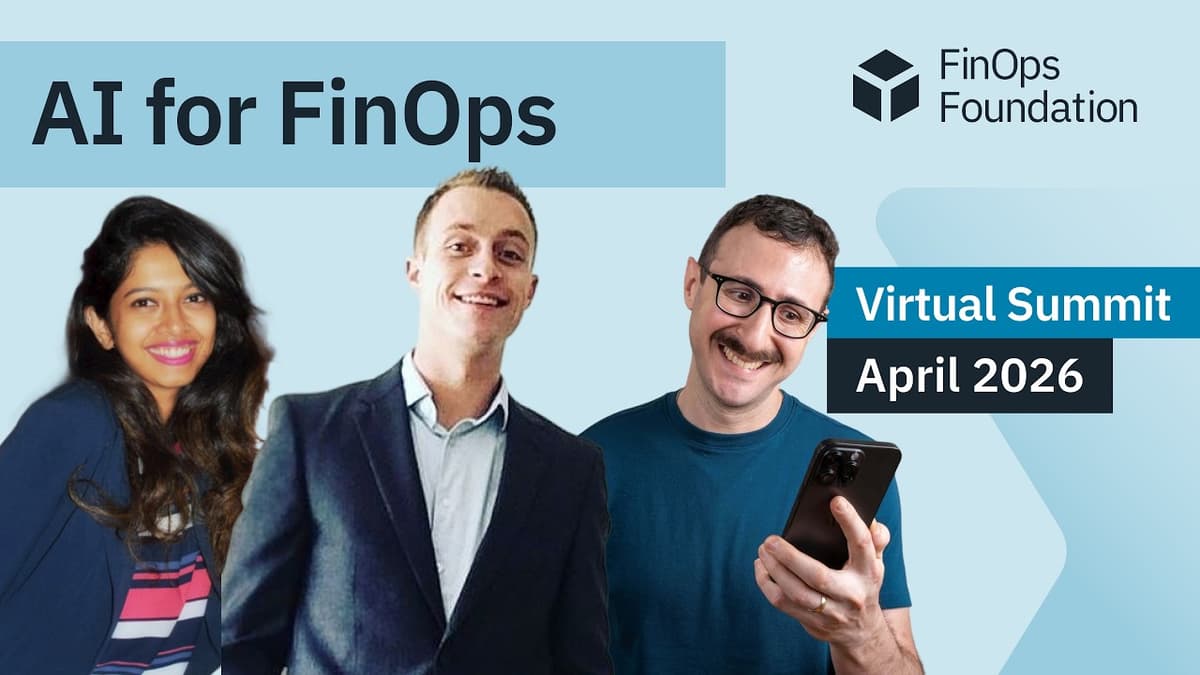
AI for FinOps: April 2026 FinOps Foundation Virtual Summit, AI Helping FinOps Work Faster, Smarter
The April 2026 FinOps Foundation Virtual Summit centered on "AI for FinOps," highlighting how artificial intelligence is reshaping cost‑management practices across cloud and technology spend. Speakers introduced the upcoming FinOps X conference, announced new premier members—InOps and Magic Orange—and detailed the recent...

Why AI Won't Be a Monopoly - Dario Amodei
In a recent talk, OpenAI veteran Dario Amodei argued that artificial‑intelligence services are unlikely to become a single‑company monopoly. He likened the sector to cloud computing, where only a handful of firms dominate because of massive infrastructure costs. Amodei emphasized that...
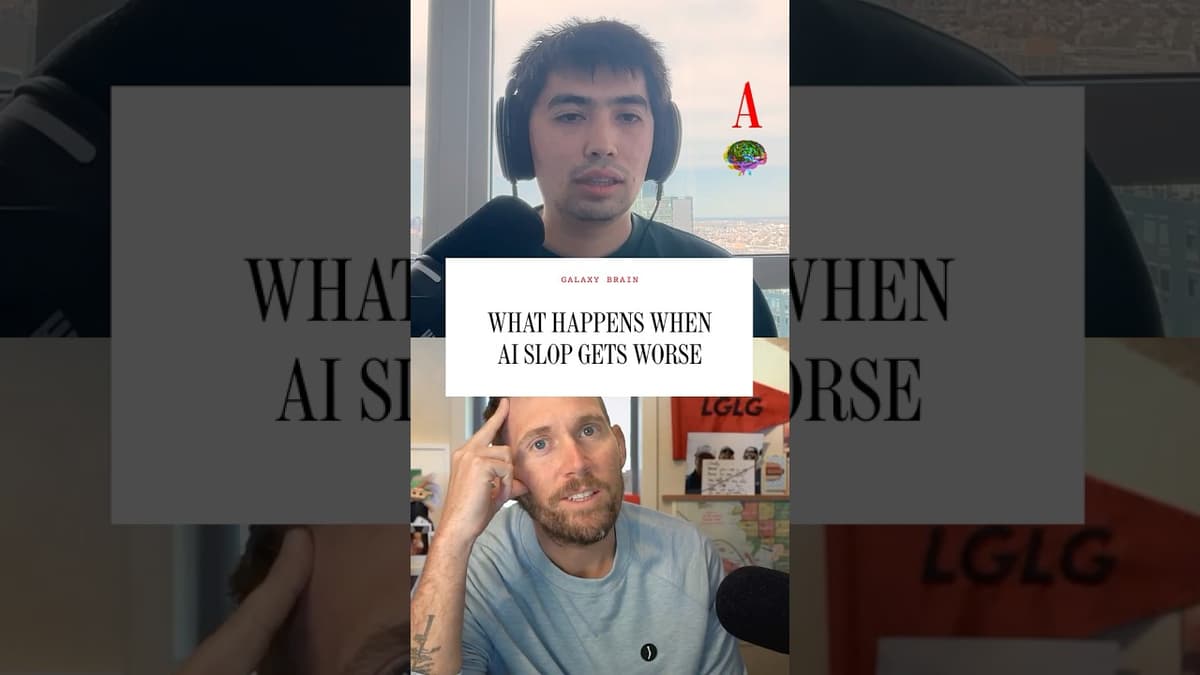
What Happens When AI Slop Gets Worse
The video warns that the internet is entering a phase where low‑quality, AI‑generated content—dubbed “AI slop”— threatens the platform’s credibility and stability. Speakers argue that as more AI agents proliferate, compute power will be repurposed for political and narrative influence, creating...
Inference Chips for Agent Workflows
The video highlights a growing mismatch between conventional AI hardware and the emerging class of agentic AI workloads. While most inference chips are optimized for a simple prompt‑in‑response‑output pattern, autonomous agents execute long, branching loops that call external tools, maintain...

Even the Galaxy Far, Far Away Runs on Curiosity #TEDTalks
The TED Talk highlights how curiosity fuels innovation at Industrial Light & Magic and Lucasfilm. Speaker James Cameron (or a senior ILM creative) explains that many of the studio’s iconic visual‑effects breakthroughs begin with a single hunch—an expert‑informed question about whether...
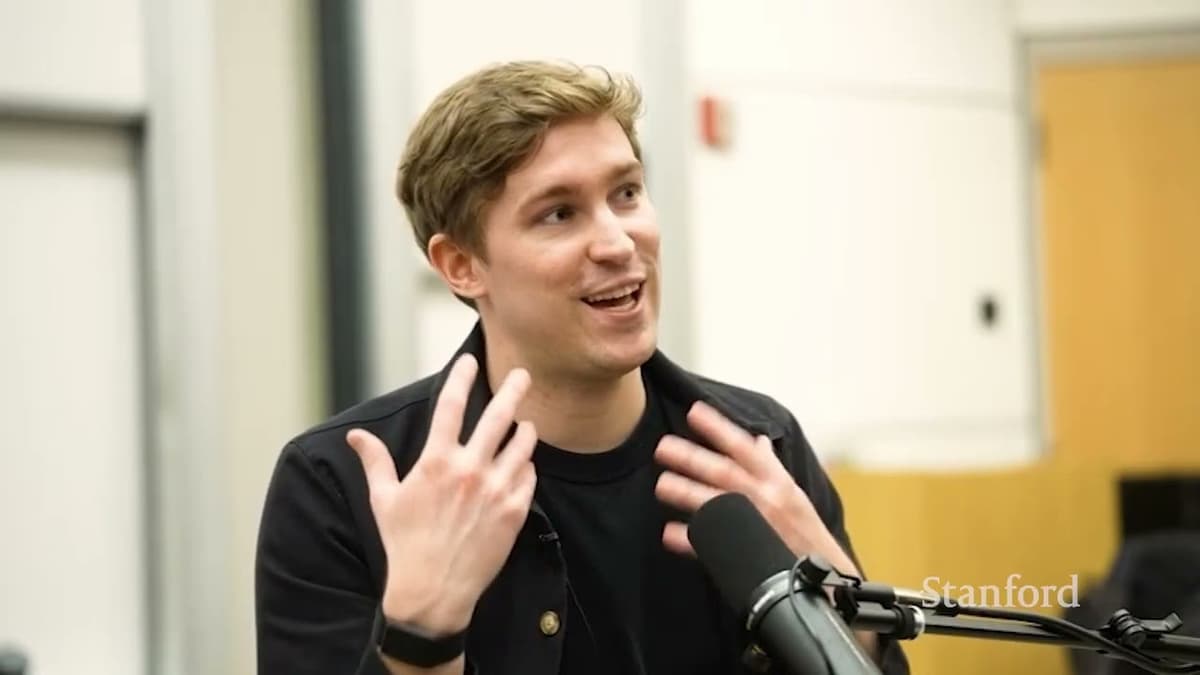
Stanford CS153 Frontier Systems | Mati Staniszewski From ElevenLabs on The Future of Voice Systems
In a Stanford CS153 Frontier Systems session, ElevenLabs CEO Mati Staniszewski outlined the company’s mission to reshape voice AI, tracing its origins from a Discord text‑to‑speech bot to a full‑stack platform for creators. He emphasized the early obsession with fixing...
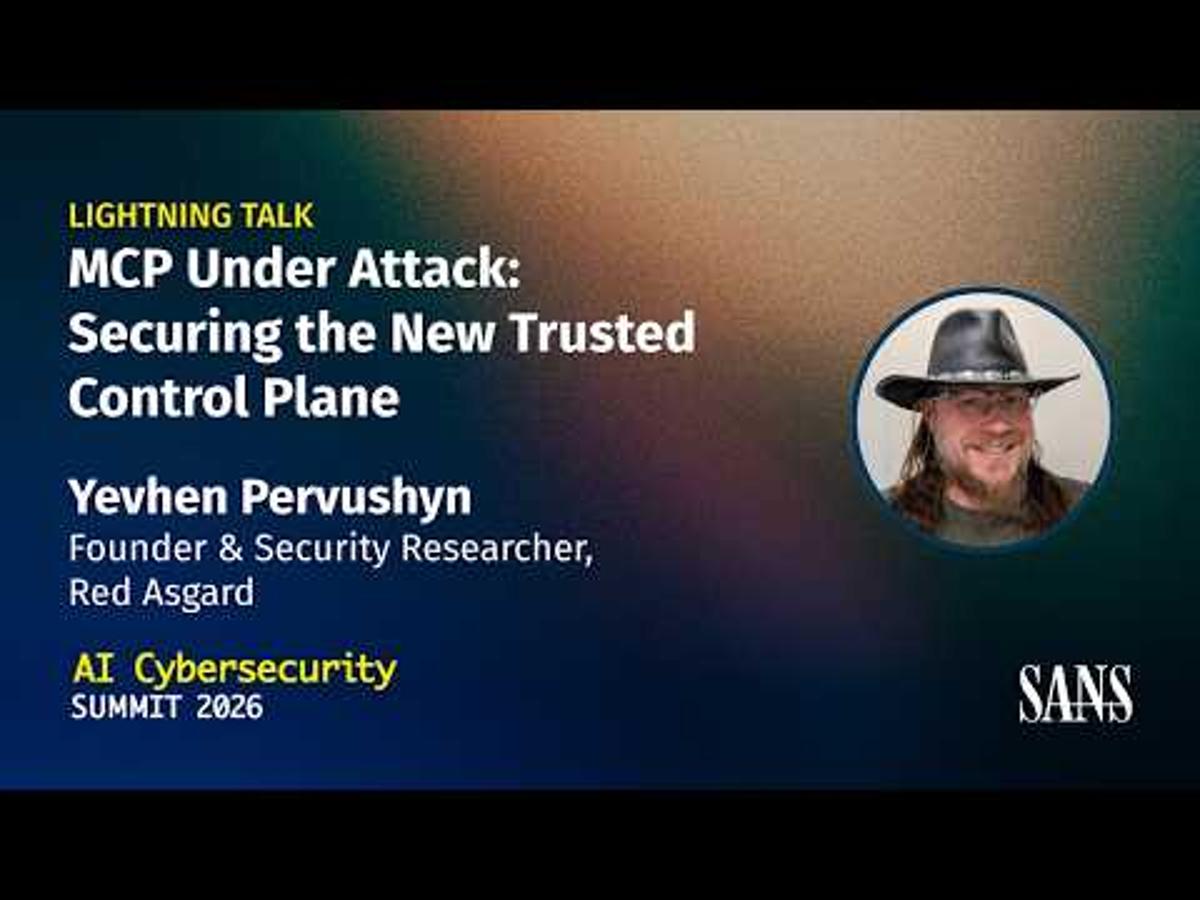
Lightning Talk: MCP Under Attack: Securing Control Plane
The talk warns that the Model Context Protocol (MCP), the standardized plumbing that lets AI agents run tools, access data and execute code, is being deployed without a security policy, turning it into a privileged access point. Because MCP delegates trust...
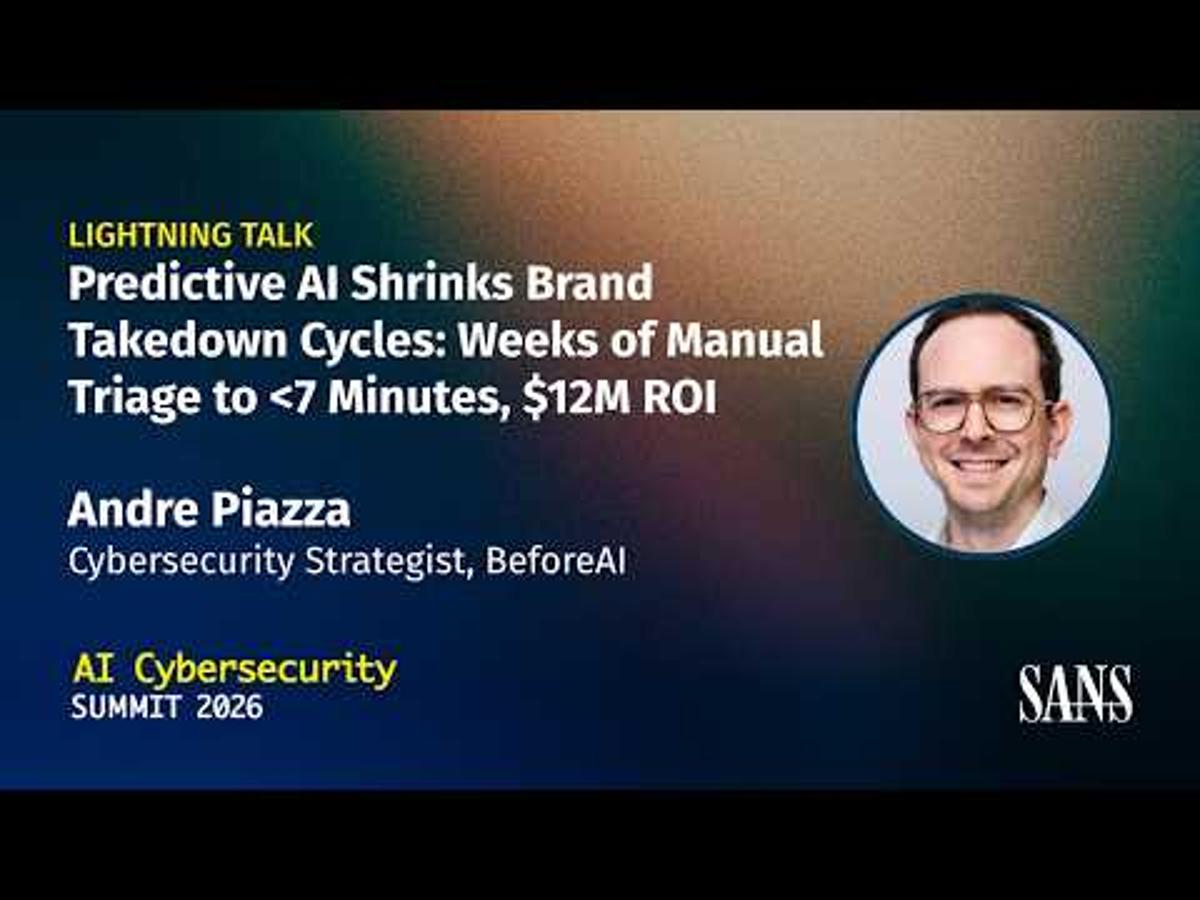
Lightning Talk: Predictive AI Shrinks Takedown Cycles
The talk highlighted how predictive artificial intelligence can dramatically accelerate the takedown of malicious online content. Signify, a global manufacturer with a massive external attack surface, was drowning in hundreds of daily alerts—many of them false positives—and experienced weeks‑long delays...
Highlights From Software Architecture Superstream: Software Architecture and the Age of Agentic AI
The Superstream session examined how software architecture must evolve for the age of agentic AI. Speakers highlighted the rapid rise in interest for autonomous AI agents, noting that while generative models have matured, the ability of agents to act independently...

The Einstein Question Every AI Researcher Faces
The speaker opens with Einstein’s lament about the atomic bomb, drawing a parallel to today’s AI researchers who worry that their breakthroughs may enable harmful outcomes. He argues that halting progress is unrealistic; instead, the focus should be on safe development....
Who Really Controls Your AI Stack?
SUSECon 2026 in Prague turned the spotlight on digital sovereignty, questioning who truly controls the AI technology stack. The conference framed the debate not as a policy discussion but as a pressing business concern: ownership of data, platform rules, and...
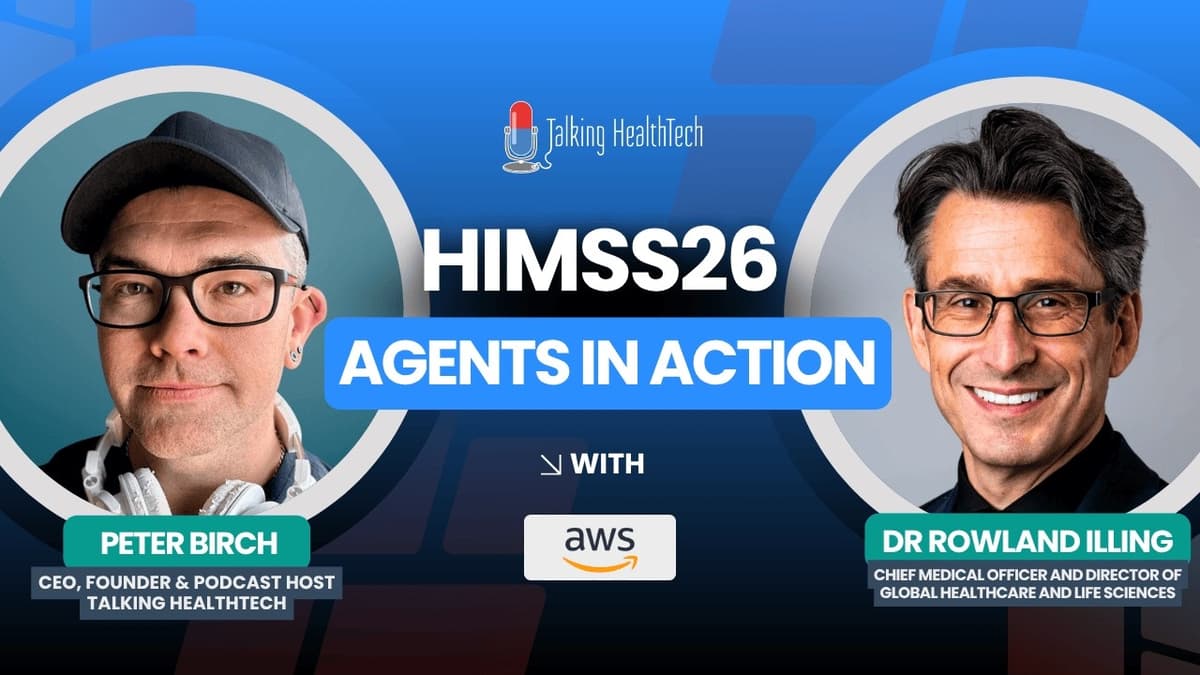
603 - Transforming Patient Experience with Agentic AI: Reducing Administrative Burden at HIMSS26
At HIMSS26, AWS Chief Medical Officer Dr. Roland Illing outlined how Amazon Web Services is deploying agentic AI to cut administrative friction and accelerate patient‑centric care. The discussion highlighted AWS’s deep integration across the health ecosystem—from powering the UK’s national...
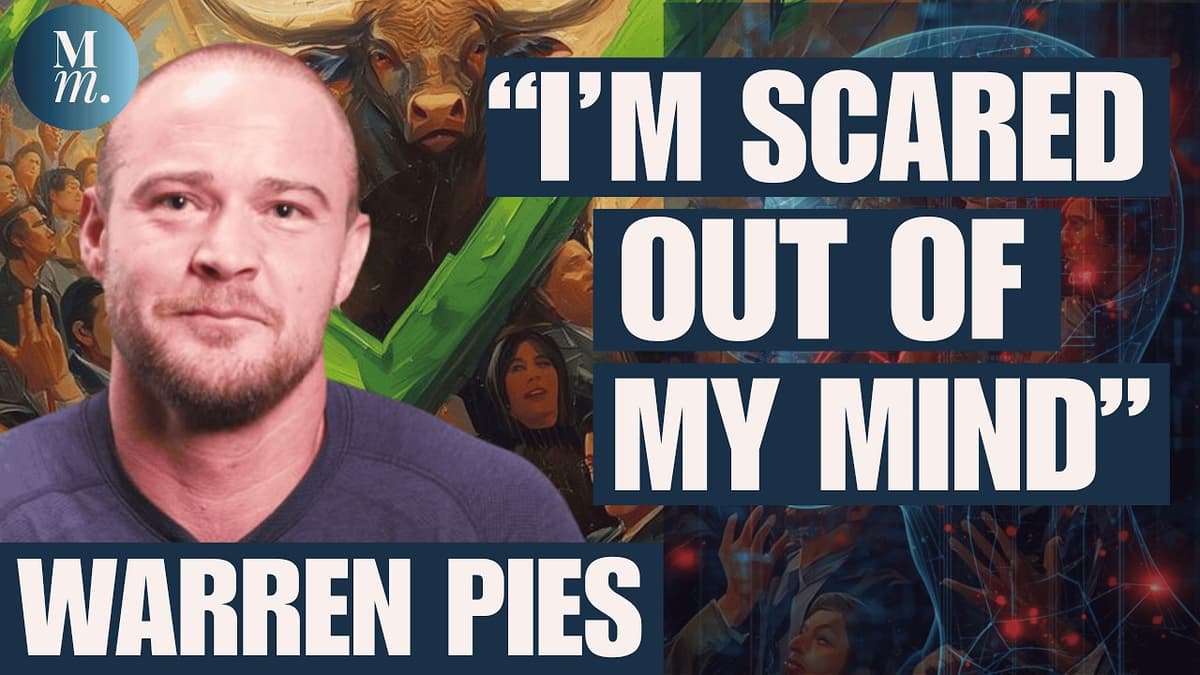
Warren Pies: "I’m Scared Out of My Mind… But Very Bullish"
The interview with Warren Pies, founder of 314 Research, centers on why the U.S. equity market remains bullish despite a historic oil supply disruption in the Strait of Hormuz. Pies argues that two opposing forces – a tightening oil market...

I Built a Tool to Manage Multiple AI Agents at Once
The video introduces a new workflow where software engineers shift from coding to managing a fleet of AI agents. By running several agents in parallel, developers assume roles traditionally held by project managers, tech leads, and product owners, supervising, directing,...
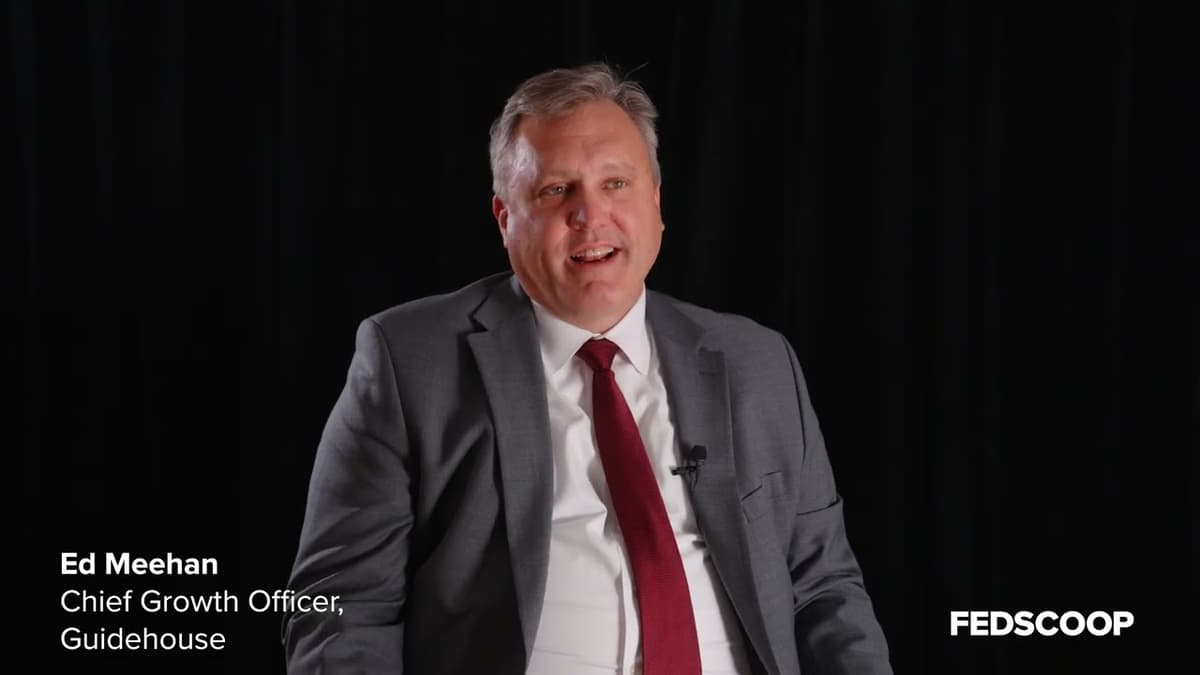
Guidehouse’s Ed Meehan on Modern HR Systems for Mission Readiness
In a Workday Federal Forum interview, Guidehouse chief growth officer Ed Meehan outlined how federal agencies must modernize HR systems to achieve mission‑ready, AI‑enabled workforces. Meehan said agencies are hampered by fragmented workforce data and legacy platforms, creating an AI readiness...

Handshake Is Dominating the Talent Market with AI
Handshake is positioning itself as the dominant talent platform in the United States by leveraging artificial intelligence to serve the nation’s largest and most dynamic hiring market. The company claims that 92% of the top 500 universities use its product,...
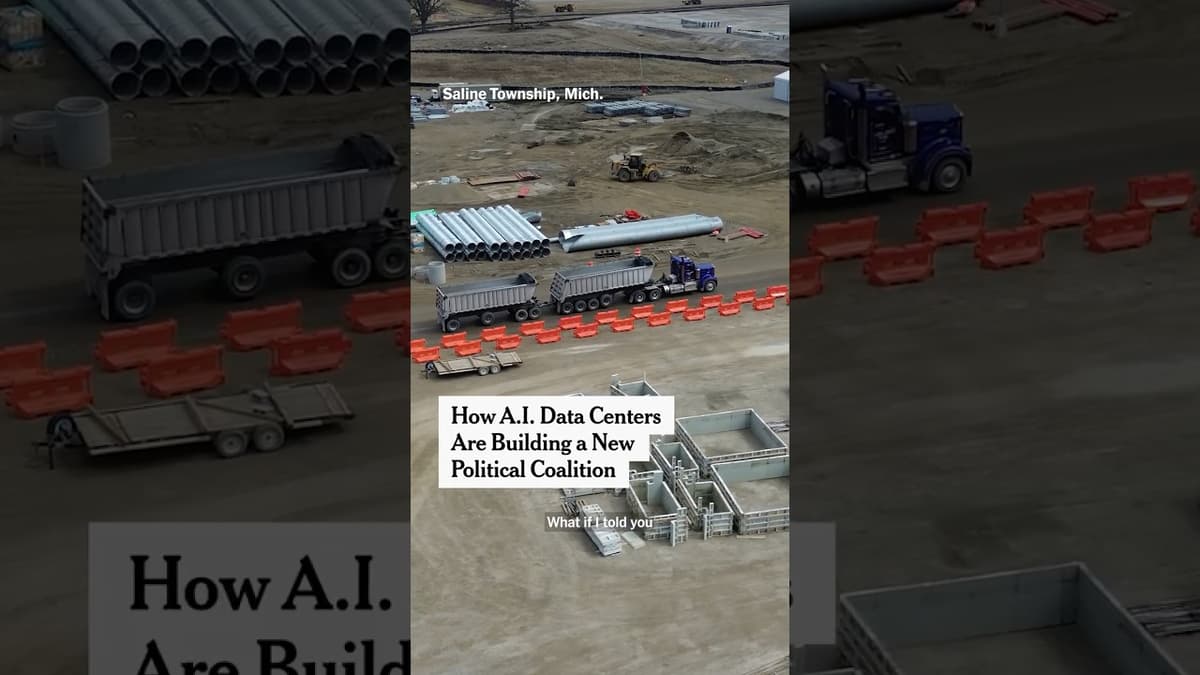
How AI Data Centers Are Building a New Political Coalition
The video spotlights a wave of AI data centers sprouting across the United States, zeroing in on a massive Oracle‑backed project in Saline Township, Michigan. Spanning 250 acres and demanding enough electricity to power a million homes, the facility exemplifies...

Bell Canada Converts Plant to AI Data Center: What Happened? #shorts
Bell Canada announced it will convert a former plant in Winnipeg into a small AI data center, marking its latest move into artificial‑intelligence infrastructure. The 2021‑built facility, originally financed with roughly two‑thirds federal funding, fell into receivership in 2023 and has...
AI-Native Discovery Engines
The video introduces AI‑native discovery engines, a new paradigm that moves scientific research beyond the traditional hypothesize‑experiment‑interpret loop toward fully automated, closed‑loop cycles powered by advanced foundation models. Frontier models now perform at PhD‑level on scientific reasoning benchmarks, enabling them to...